Ski Bindings
Look Pivot 18 vs Look SPX12: Which Look Binding Makes Sense for You?
The Look Pivot 18 is a premium metal binding built for powder and freestyle skiers, while the SPX12 remains the smarter daily-driver choice for most riders.
Introduction
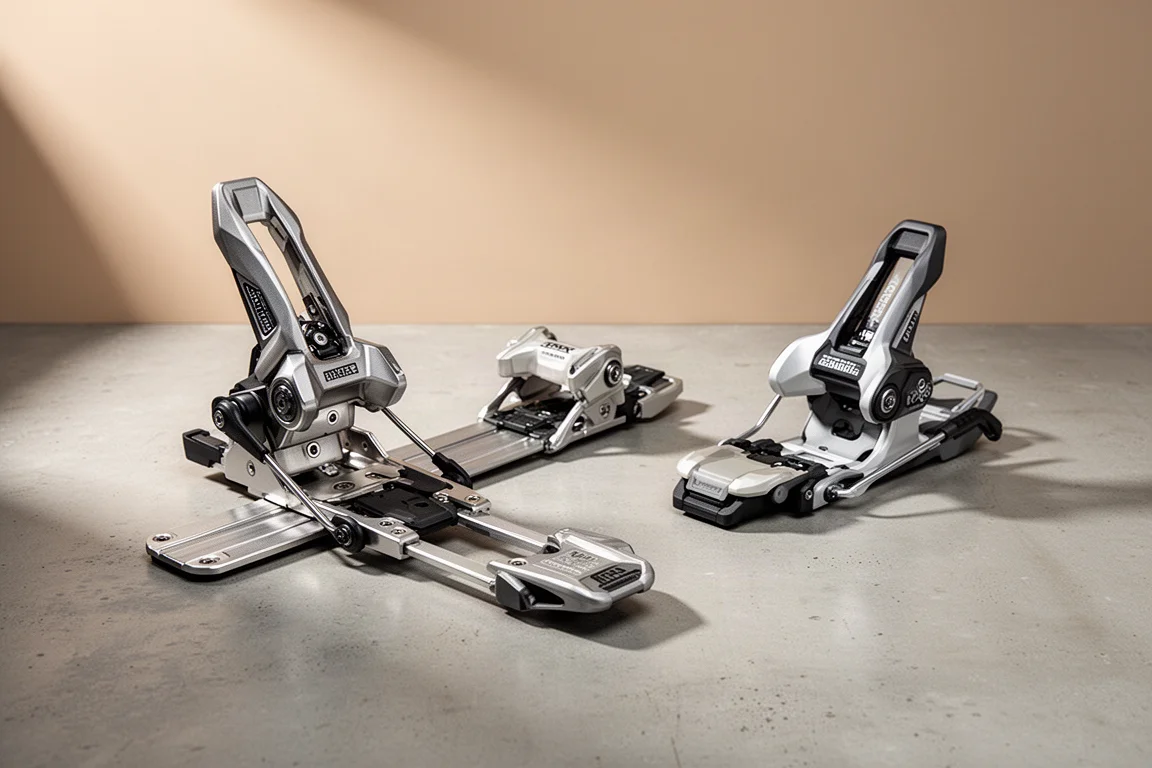
Look bindings have a devoted following, and two models sit at opposite ends of the same brand’s lineup: the Look Pivot 18 and the Look SPX12. One is a premium, mostly metal binding with a specific personality; the other is a well-priced daily driver that many skiers, including the tester behind this comparison, run on their main setup.
The big caveat before anything else: the Pivot 18 is genuinely excellent in the right setting and genuinely disappointing in the wrong one. That split is the whole story, so this comparison looks at each binding for what it actually does well rather than treating either as a universal pick.
What Makes the Look Pivot 18 Different
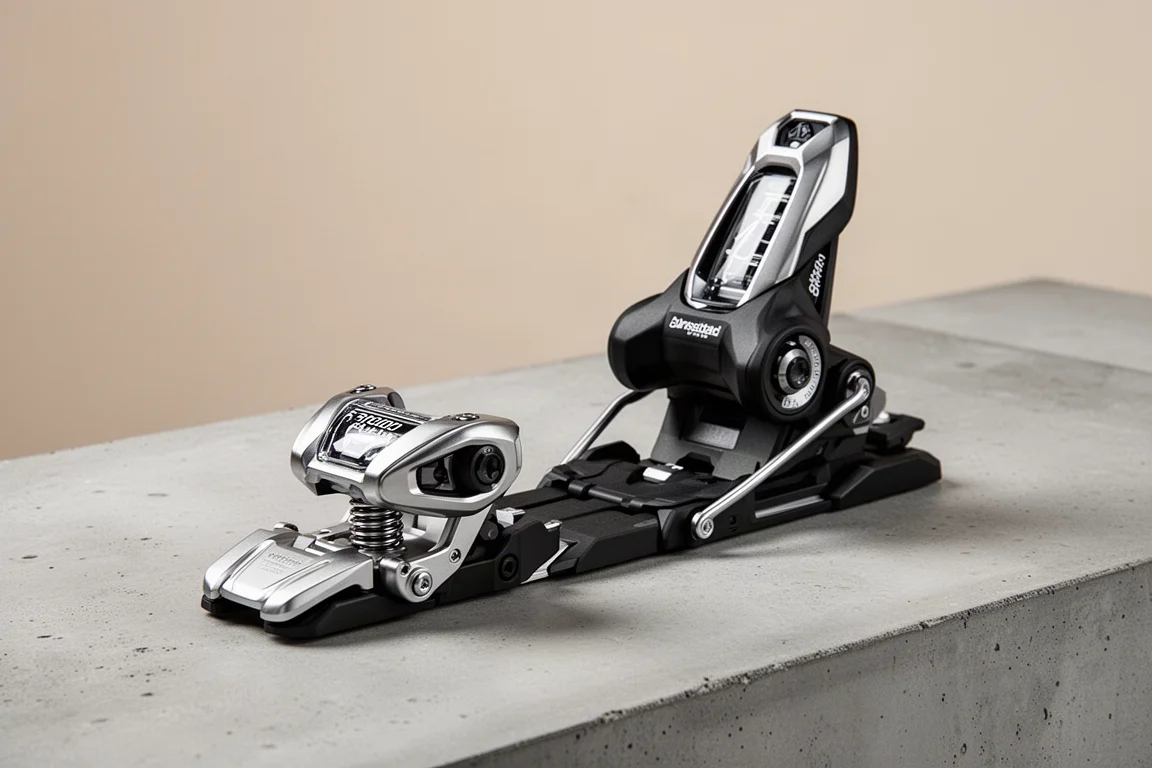
The defining trait of the Look Pivot 18 is construction. The components are primarily made out of metal, and that shows up both in how the binding feels in hand and in how long these bindings tend to last. Anecdotally, from shop work and ski swaps, Pivots routinely appear still working perfectly after five to ten years of use, and it is not unusual for a set of Pivots to outlive the skis they were mounted on, even on freestyle setups that take a beating on rails.
Build quality is genuinely premium. Everything runs smoothly, the metal joints feel solid, and clicking into the binding feels like using a serious tool rather than a budget piece of kit. For freestyle skiers, the Pivot also offers more swing tolerance, which helps keep the binding from popping out on spins and landings.
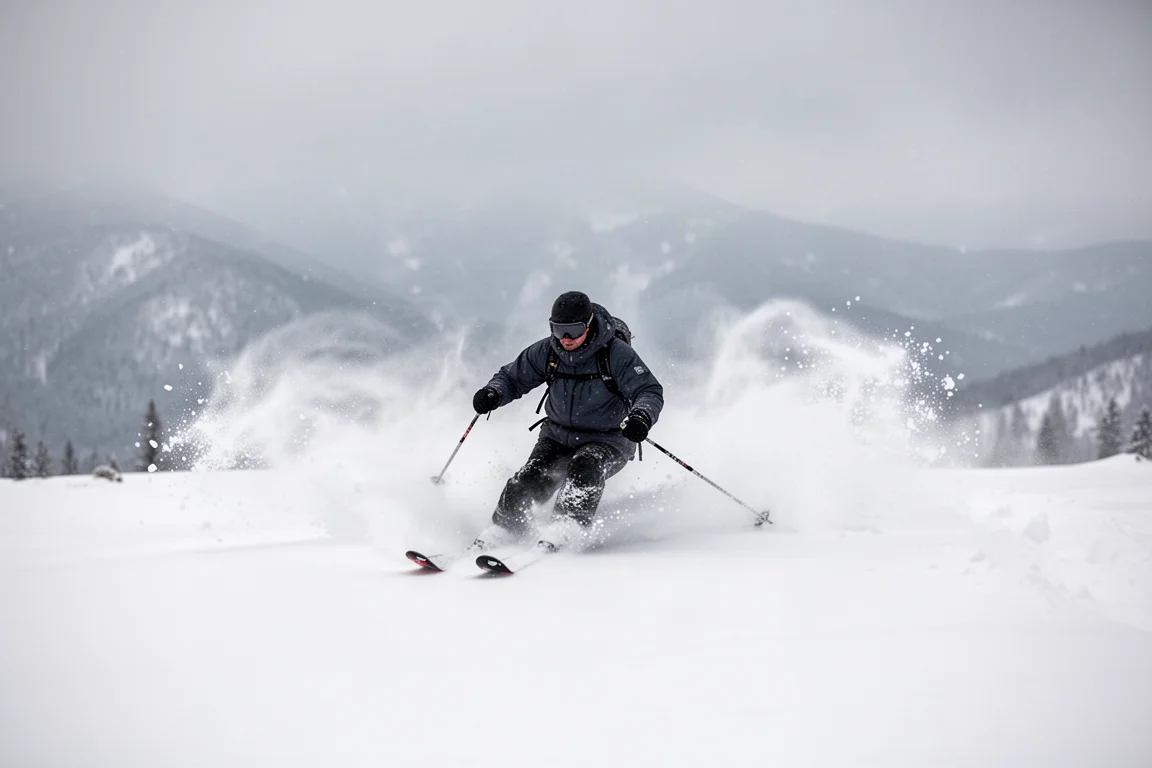
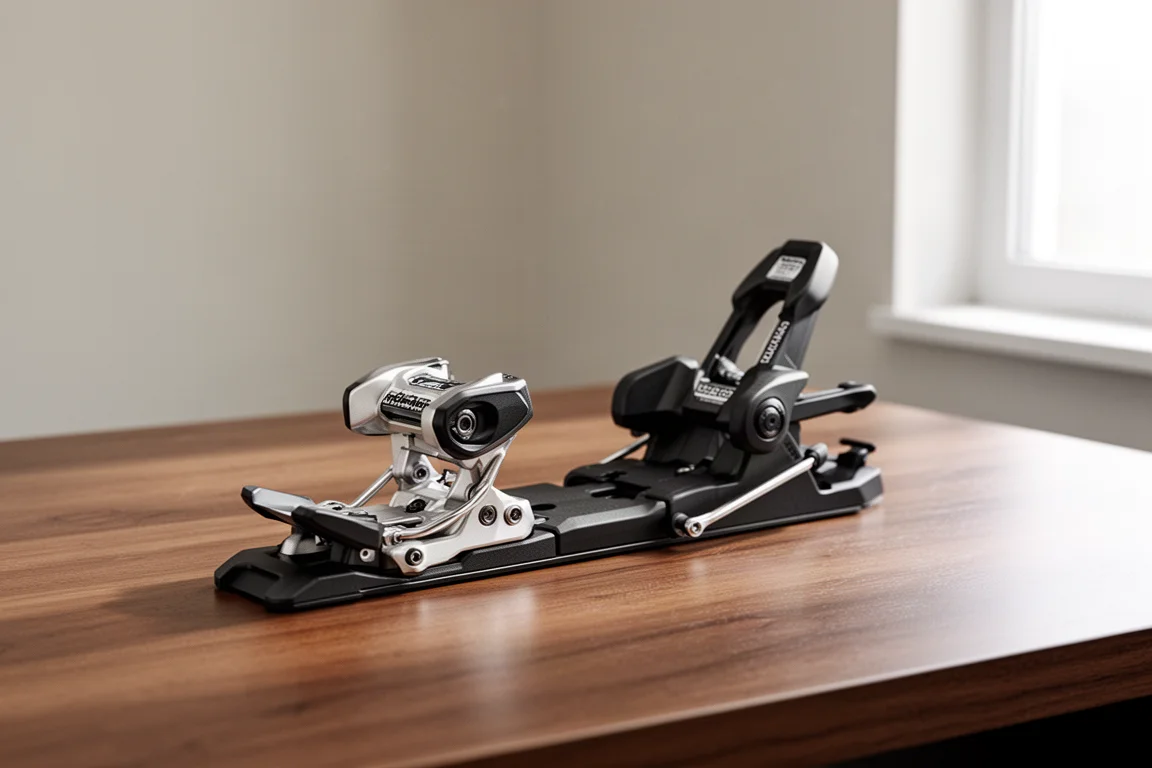
The other major strength is soft snow. Because the Pivot has no plate and is not lifted, your foot sits about as close to the ski and the snow as it can get. There is nothing separating you, so you feel every little thing. On soft skis and fresh powder, that close connection delivers a gradual, connected flex that is very rewarding. On a pure powder or soft-snow setup, this is where the binding earns its price.
Look Pivot 18: Where It Struggles
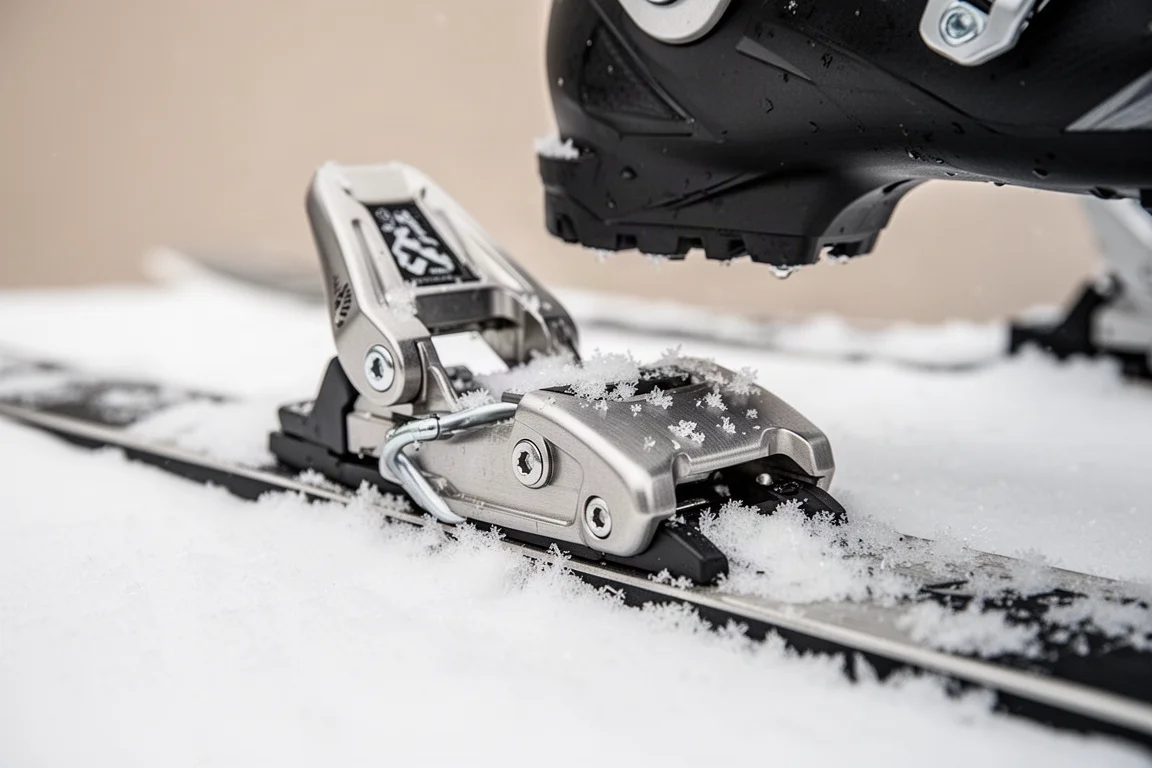
The same design that makes the Pivot special in powder makes it a poor fit for carving. With the foot this close to a soft ski, it is harder to get the edge angles a traditional binding gives you, and the binding feels more touchy when held on edge. Pressuring the end of a turn the way you normally would becomes awkward, and your timing suffers for it.
There are practical annoyances too. The twisting heel means you have to line things up carefully when stepping in, and there is no familiar click or sound confirming you are locked in, so sometimes you step in and are simply not sure it took. Re-locking the heel after a crash is also fiddlier than with a conventional binding.
For the average all-mountain ski of roughly 100 mm underfoot or less, the honest verdict is that this binding is overpriced, complicated, and not doing the right job. In that setting it scores around a 5.9 out of 10, with solid construction essentially carrying the score. On a powder or freestyle ski, though, it earns roughly an 8.9 out of 10, and the durability means the value can even out over years of use across multiple pairs of skis.
Look SPX12: The Sensible Daily Driver
If you are mostly carving and doing a bit of off-piste skiing rather than laps in the park or deep powder days, the Look SPX12 is the recommendation, and it is the binding the tester actually runs on their own daily driver. It gives you the right edge angles for groomed and mixed terrain, it is well made by Look, and it costs roughly a third of the Pivot’s price.
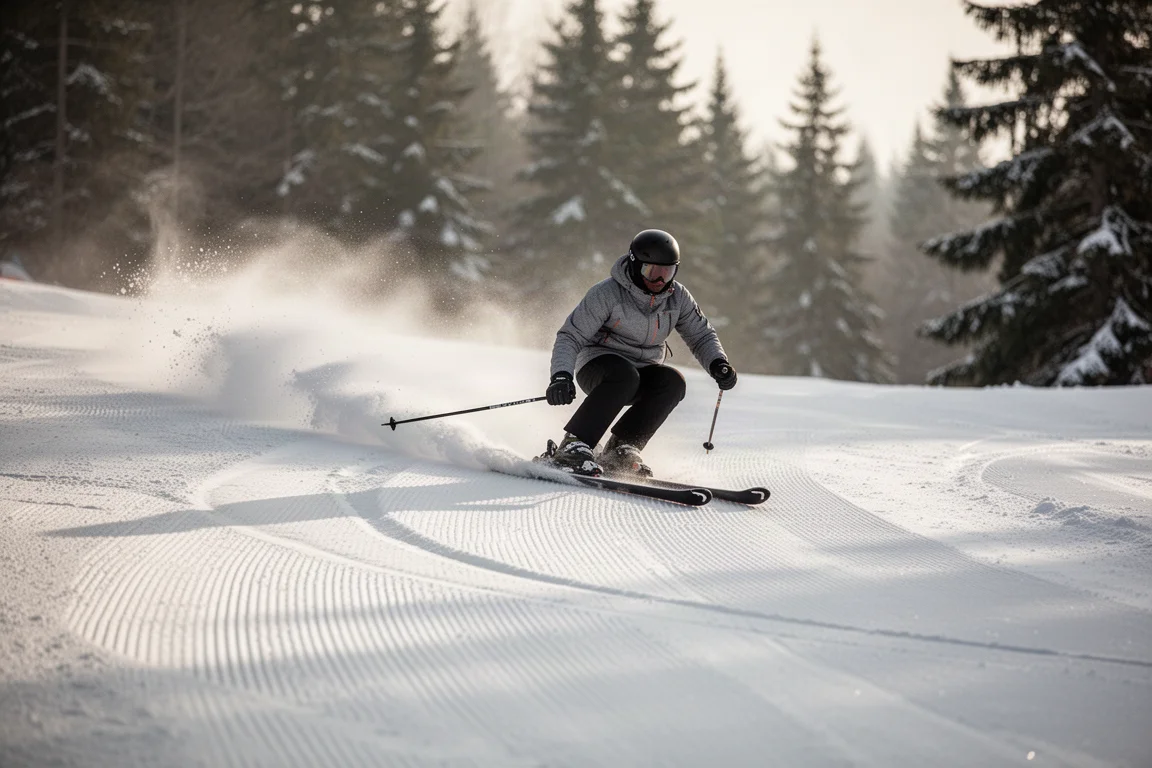
Look has a deep race heritage, and the SPX line carries that forward in a package that suits ordinary skiers far better than a race-inspired pivot design does. For anyone who does not need swing tolerance or a plateless powder connection, the SPX12 simply delivers more value per dollar.
Buying Advice: Match the Binding to the Ski
The simplest rule: put the Pivot 18 on a soft ski or a dedicated powder ski, or use it if you are a freestyle skier, and put the SPX12 on your all-mountain daily driver. A Pivot mounted on a 90 mm carving-oriented daily driver is total overkill and will not reward the money.
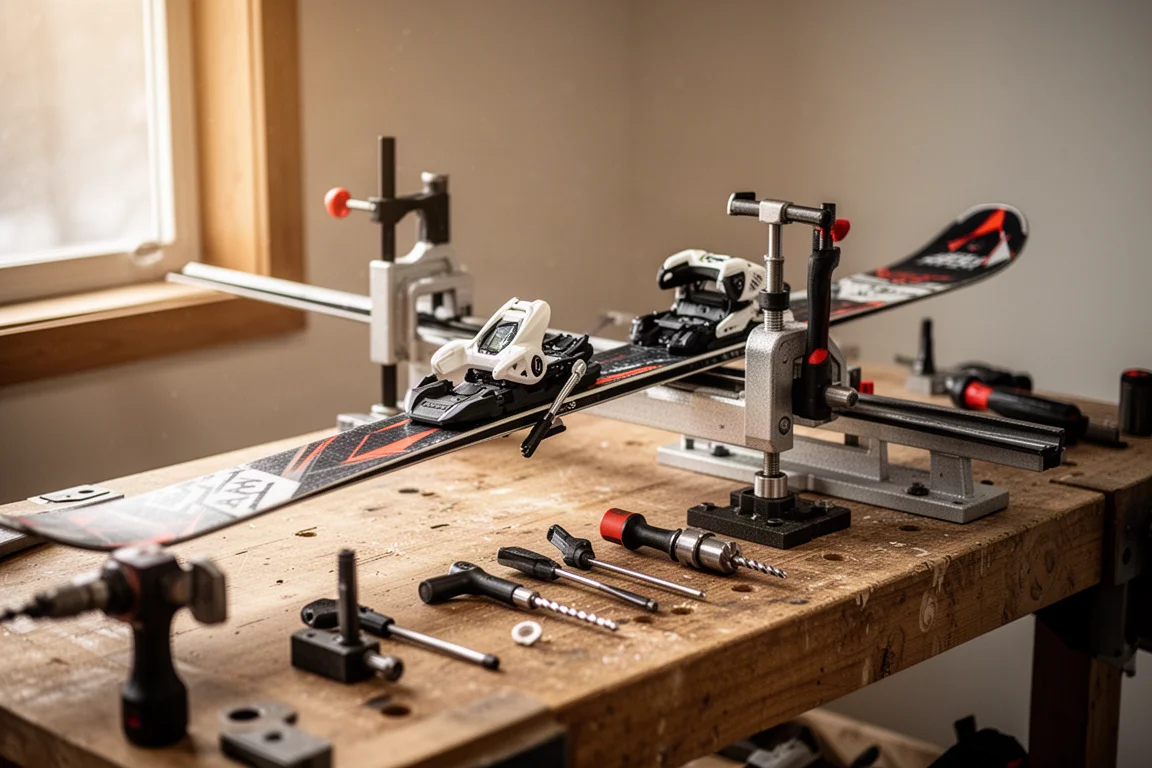
Think of the Pivot 18 as a premium tool for a specific set of circumstances, and the SPX12 as the straightforward choice that quietly does its job everywhere else. If Look ever built an all-metal version of the SPX, it would likely be the best of both worlds; until then, choosing between these two comes down to what you actually ski.
Conclusion
The Look Pivot 18 is a beautifully built, extremely durable binding with a genuine advantage in powder and freestyle use, but it is a poor value on everyday carving setups. The Look SPX12 covers the daily-driver role at a fraction of the price with the right edge angles for most skiers. Know what each binding is good at, and you will get your money’s worth from either one.
Further reading
Related Reviews
Ski Bindings
Alpine Ski Binding Comparison: Entry-Level to Elite Options
A practical guide to alpine ski bindings, covering D-range, stand height, release systems, and top options from Atomic, Marker, Tyrolia, Look, and Armada.
Ski Bindings
Look Pivot 2.0 Bindings Compared: 11, 13, 15, and 18
A practical breakdown of the Look Pivot 2.0 lineup, including what the redesigned heel changes and which model suits your weight, terrain, and release setting.
Ski Bindings
Marker Griffin 16 M Works and Jester 16 X M Works: Inside the New Low-Stand-Height X Binding
Marker's new X binding drops toe stand height to 9 mm and rebuilds the toe as a magnesium monoblock. Here is what that changes on snow, and which skis suit it.