Ski Bindings
Marker Jester X and Griffin X Bindings for 2027: A Practical Guide to the New Lineup
A close look at Marker's 2027 binding lineup, including the Jester X M-Werks 16, Griffin X M-Werks 13, and Griffin X 13, and what each one changes on snow.
Introduction
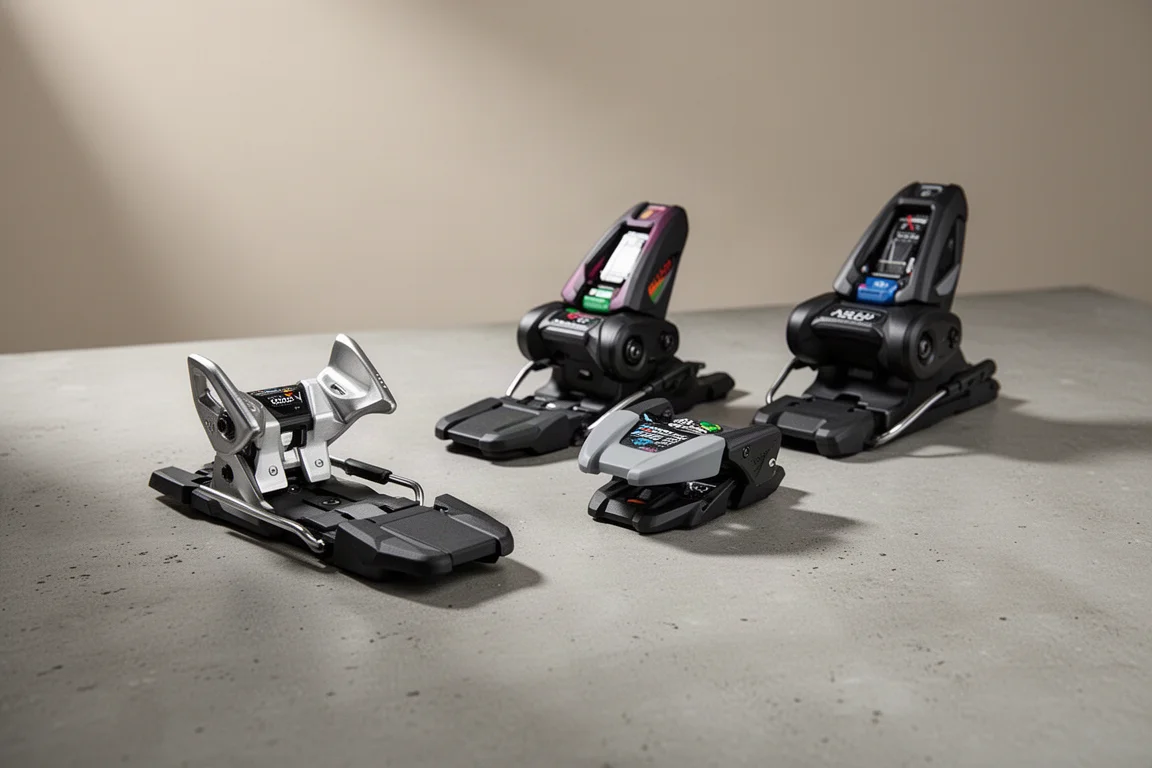
Marker’s 2027 binding range is built around a single idea: bringing the rider closer to the snow. Three models carry that idea into the new season, the Jester X M-Werks 16, the Griffin X M-Werks 13, and the Griffin X 13. All three sit at a 14 mm stand height, a meaningful drop from the 24 mm used by the previous Griffin and the multi-norm Attack, and all three share the same emphasis on immediate power transfer.
The lineup also reshuffles what the Griffin name means. For most skiers who have been riding a Griffin, the Griffin X 13 is the direct replacement, and it arrives at the same $299 price point that the Griffin has carried recently.
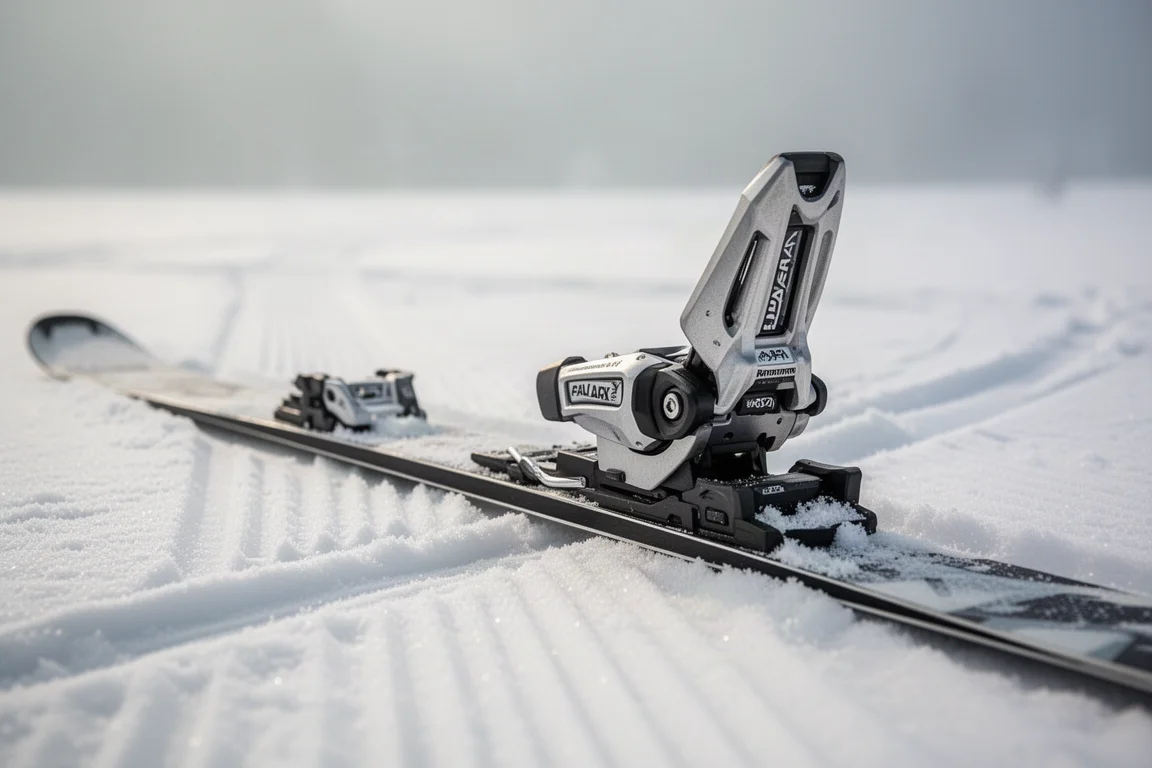
The M-Werks badge is the other thing worth understanding before choosing. It signals a metal build rather than plastic, and in this generation it is available on a Griffin for the first time.
What Changed for 2027 in the Marker Lineup
The headline change is that the Griffin X 13 effectively takes over from the standard Griffin. It keeps the $299 price and gets the widest colour selection, which is a clear signal of where Marker is directing buyers. A multi-norm version, the Griffin 13 MN, is still available for about $30 more, but it only comes in black, and its housing has been restyled to sit visually closer to the Griffin X.
Both the Griffin X and Jester X families accept Alpine and GripWalk boot norms. The multi-norm option exists for the older Walk to Ride standard, which is gradually fading as Alpine and GripWalk become the default across the market.
The M-Werks distinction is straightforward once you know what to look for. On an M-Werks binding, the toe wings and the heel arms are metal. On a non-M-Werks binding, those same parts are plastic. Previously, metal was reserved for the Jester, so the Griffin X M-Werks 13 opens a metal build to skiers who ride a lower DIN range.
Marker Jester X M-Werks 16: Metal Build for Aggressive Skiing
At $489.99, the Jester X M-Werks 16 is the flagship of the group and the model with the most time on snow behind it. Metal toe wings and a metal heel housing give it the most substantial feel of the three, and the 14 mm stand height keeps the foot noticeably closer to the ski than the previous generation.
The most immediate characteristic is power transmission. Engagement is close to instantaneous, and the binding creates more torsional rigidity, which means less movement is required to apply the same force to the edge. In practice, that translates into a binding that starts driving the ski the moment you tip it.
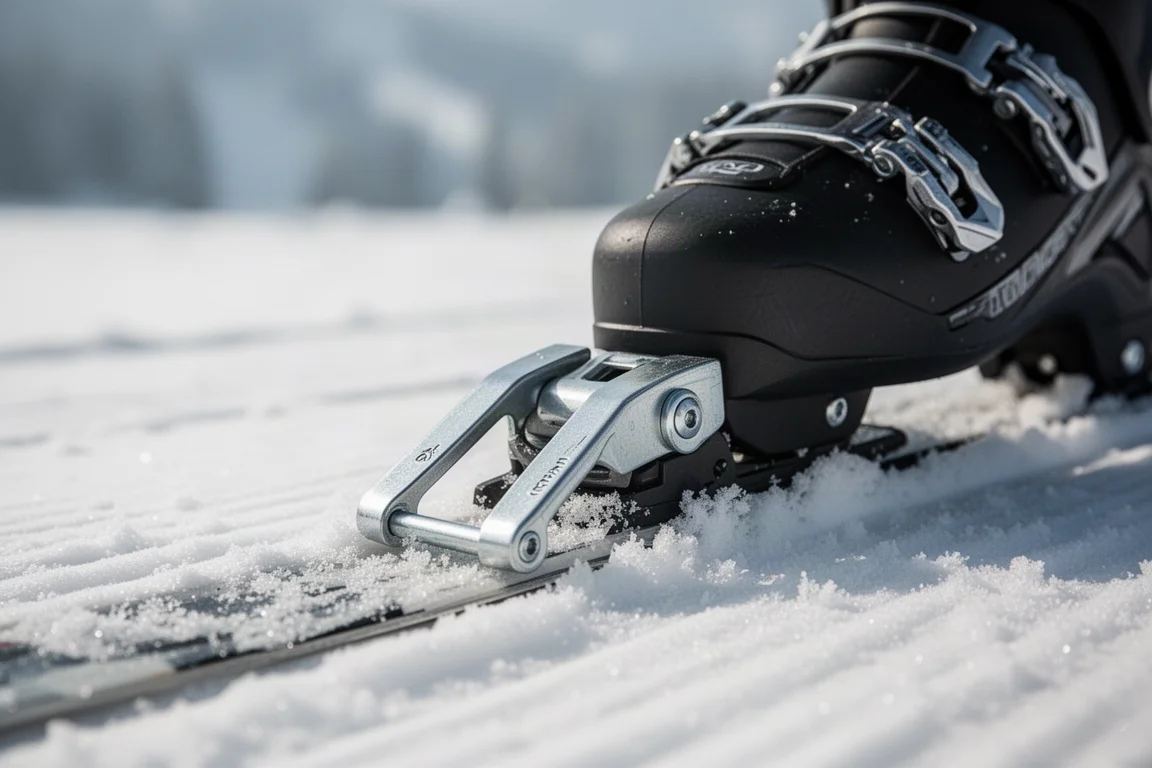
Marker’s approach to elastic travel is worth noting as well. The design is intended to retain energy and power transfer through the elastic phase, then release promptly once a certain force is reached. The emphasis is on the precision of that elastic travel and where it ends, rather than on raw travel length. That is a different philosophy from bindings that hold a skier in longer, and it suits riders who want a predictable release point.
Marker Griffin X M-Werks 13: Metal at a Lower DIN Range
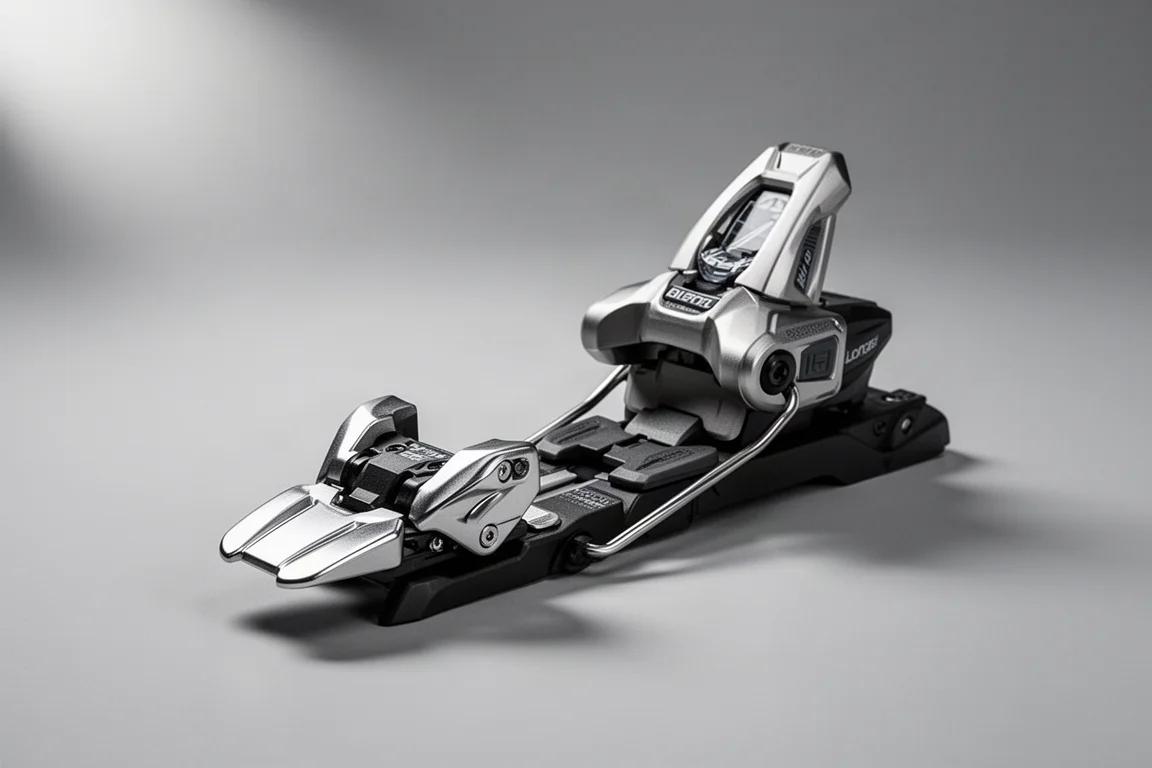
The Griffin X M-Werks 13 is priced at $429.99 and brings the metal toe wings and metal heel arms of the M-Werks build to a 13 DIN range. That combination has not been available on a Griffin before, and it makes the most sense for lighter or younger freeride skiers who want the durability and rigidity of metal without needing a higher release setting.
Everything else follows the family formula: the same low stand height, the same immediate connection to the ski, and the same emphasis on quick, precise power transfer. If you have been riding a plastic Griffin and wanted the metal version without stepping up to a Jester, this is the model that fills that gap.
Marker Griffin X 13: The Lightweight Value Pick
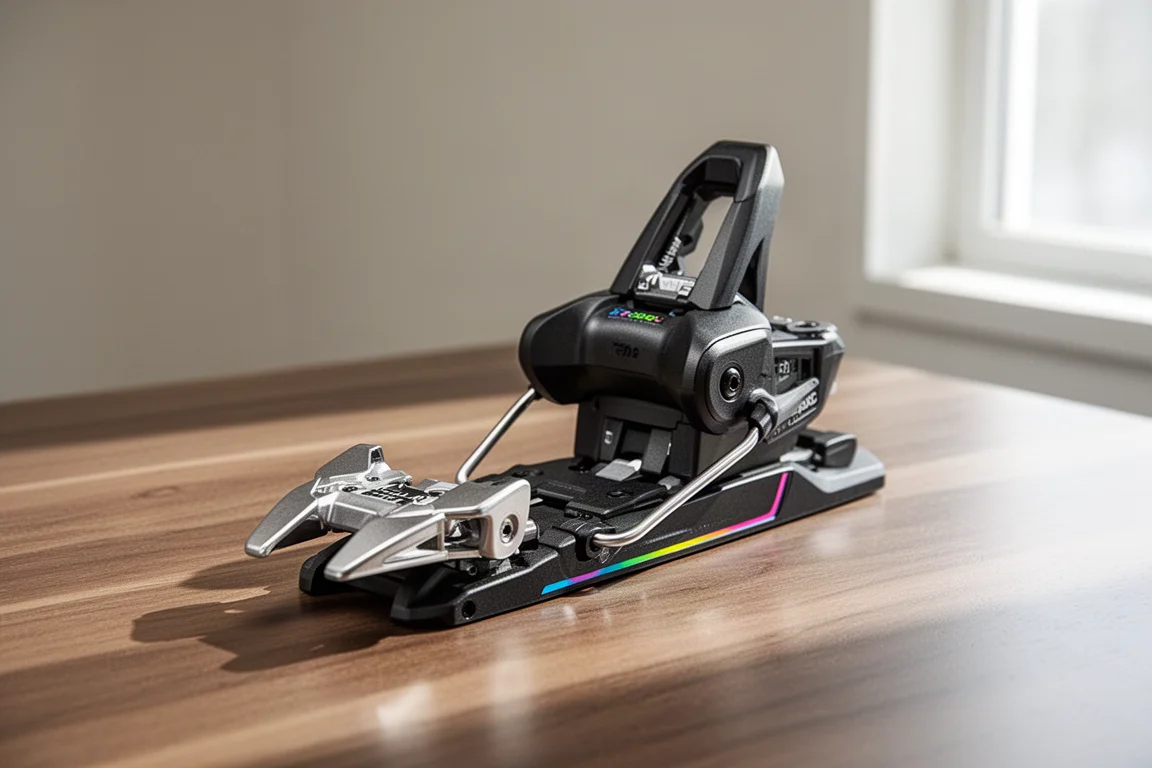
The Griffin X 13 comes in at $299 and swaps the metal parts for plastic toe wings and a plastic heel housing. The result is a considerably lighter binding with a shorter overall footprint than the older Jester, even though the drill pattern is unchanged.
That weight difference is the first thing that registers on snow. Swing weight feels dramatically lower than the metal version, and the binding makes a park ski feel quick and easy to move around.
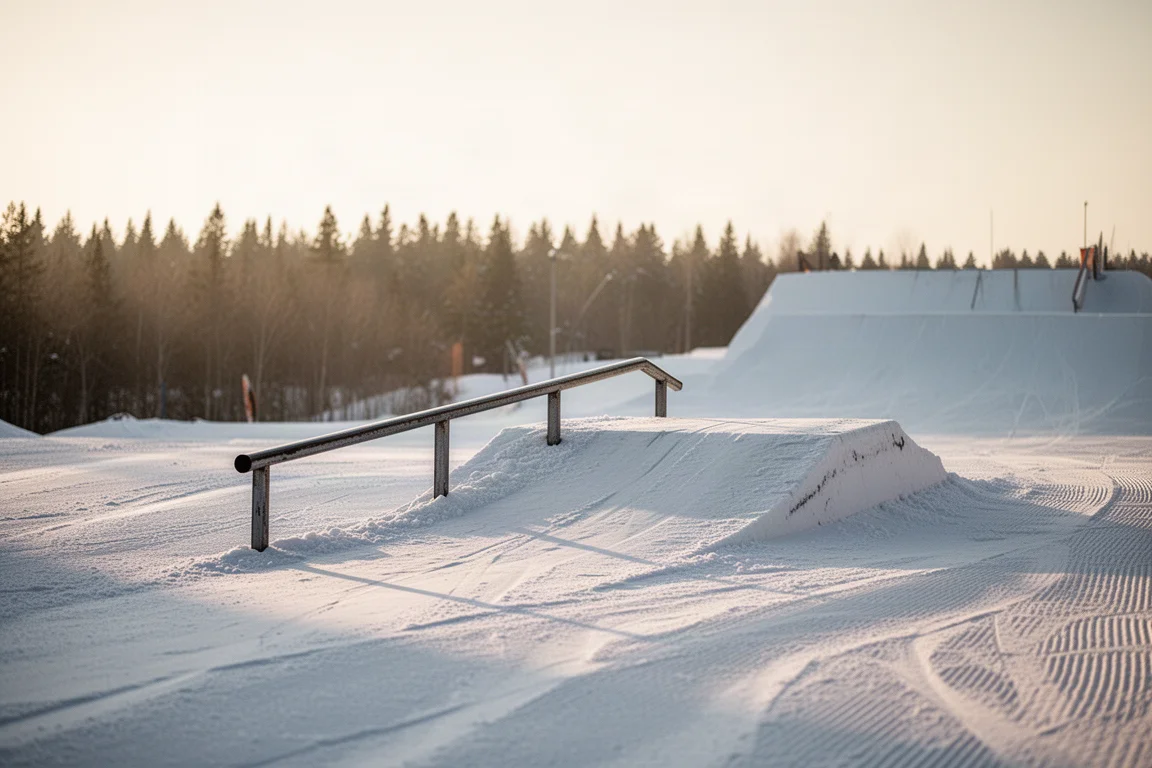
On rails, the low stand height makes it feel as though you are standing directly on the rail rather than perched above it. For most park skiers this is likely to become the default choice, since the metal build is not necessary at this price and the plastic version still delivers the connection and precision the family is known for. Marker notes that moving from metal to plastic produces a slightly less harsh ride, though on a mid-width ski that difference is subtle rather than obvious.
Stand Height, Delta, and the Boot-Out Question
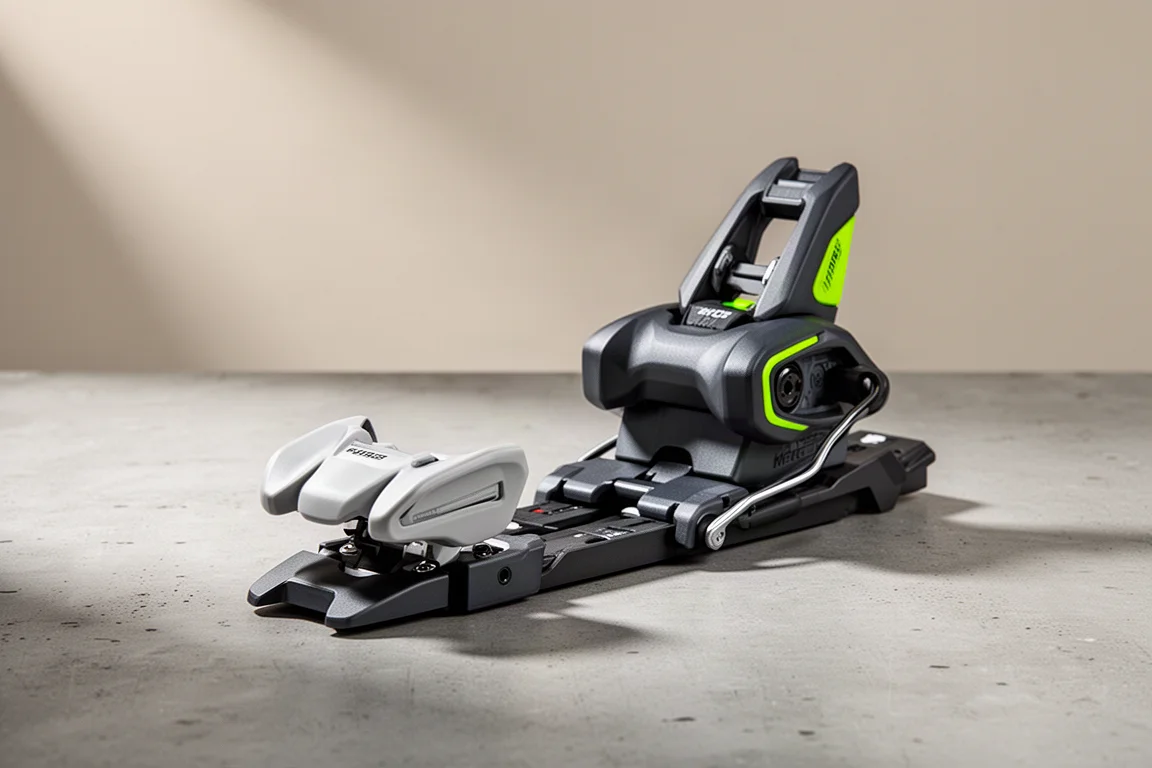
Stand height is where these bindings separate themselves most clearly from the rest of the market. The previous Griffin and the multi-norm Attack both sit at 24 mm. The Salomon Strive, along with its Atomic and Armada equivalents, sits at 20 mm. The Look Pivot 2.0 sits at 18 mm, and the non-multi-norm Tyrolia Attack sits at 17 mm. The Jester X M-Werks 16, Griffin X M-Werks 13, and Griffin X 13 all come in at 14 mm.
Delta, the difference between heel and toe height, is also worth knowing. The toe on these bindings measures 9 mm, which produces a 5 mm drop. Older Griffin and Jester models ran a 4 mm delta, so the newer design carries a slightly larger difference between front and back. Delta preference is personal, and skiers who move between very flat bindings and these will notice the change most.
A common worry about a very low binding is booting out on high edge angles, and the geometry does not support it. When a ski is at a 90 degree edge angle, a fixed point on the boot sits the same distance from the snow whether the binding is 14 mm or 24 mm tall. The relationship between stand height and boot clearance shrinks as edge angle increases, which is exactly when booting out would be most likely. In practice the window where clearance becomes an issue arrives and passes very quickly.
Buying Advice: Matching the Binding to Your Ski
Ski width is the clearest guide to which of these bindings suits you. On narrower skis, the added precision is felt immediately, and in softer or broken snow that immediacy can take some adjustment, particularly when you are trying to lay over carved turns. On a mid-80s ski used for moguls, short turns, and flatter edge angles, the low stand height translates into quickness and agility that is hard to match. Skiers who build turns through refined, gradual input tend to get the most from it.
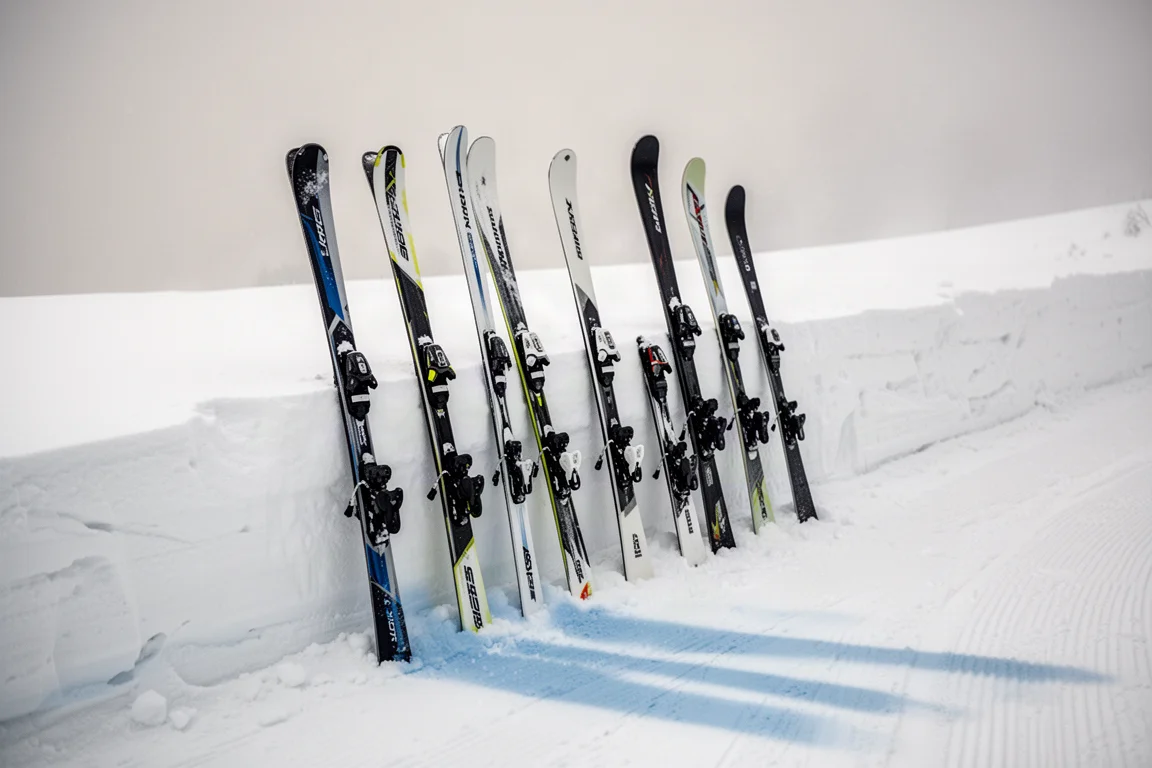
As skis get wider, the conversation gets simpler. On wider freeride skis the extra control is impressive, and the binding handles crud and sloppy spring snow well. It is a safe choice if you are unsure what to mount on a new powder ski.
The most interesting effect shows up on lighter, softer, less precise skis. A ski that already has plenty of power and precision gains a little more, but a softer ski gains a different level of engagement entirely. If you have ever wanted a playful ski to bite a little sooner, this is where the difference is largest. Expect an adjustment period either way, and expect the magnitude of the change to vary with the ski while the type of change stays the same.
Conclusion
The Jester X M-Werks 16, Griffin X M-Werks 13, and Griffin X 13 all push in the same direction: a lower stand height, faster power transfer, and a more direct connection to the snow. Which one makes sense depends on how much metal you need and what you are willing to pay for it. Park and all-mountain skiers get the most value from the Griffin X 13 at $299, skiers who want a metal build at a lower DIN range should look at the Griffin X M-Werks 13 at $429.99, and aggressive freeride skiers will find the Jester X M-Werks 16 at $489.99 the most capable of the three.
Further reading
Related Reviews
Ski Bindings
Alpine Ski Binding Comparison: Entry-Level to Elite Options
A practical guide to alpine ski bindings, covering D-range, stand height, release systems, and top options from Atomic, Marker, Tyrolia, Look, and Armada.
Ski Bindings
Look Pivot 18 vs Look SPX12: Which Look Binding Makes Sense for You?
The Look Pivot 18 is a premium metal binding built for powder and freestyle skiers, while the SPX12 remains the smarter daily-driver choice for most riders.
Ski Bindings
Look Pivot 2.0 Bindings Compared: 11, 13, 15, and 18
A practical breakdown of the Look Pivot 2.0 lineup, including what the redesigned heel changes and which model suits your weight, terrain, and release setting.