Cycling Gear
Marginal Gains for Triathlon: Bike Upgrades That Make You Faster Without Extra Fitness
A practical look at the tires, helmets, and drivetrain parts that deliver real speed gains on a hilly triathlon bike leg, and where the trade-offs sit.
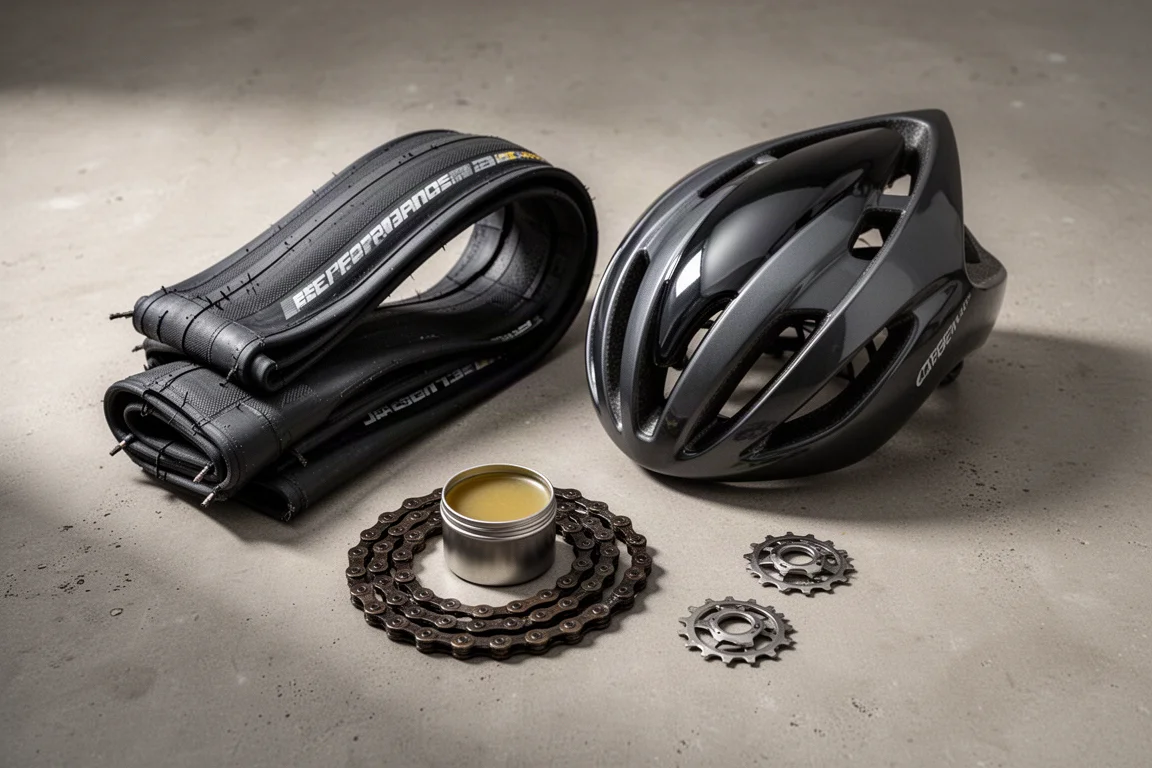
Introduction
A hilly triathlon bike leg raises an old question: time trial bike or road bike? Modelling with real power and aerodynamic data suggests the TT bike is still the faster choice on a rolling course with two big climbs, by roughly three minutes for a rider carrying around 73 to 74 kg of total system weight with a CdA near 0.24. The caveat is that this assumes you are adapted to the position. If you train on the TT bike and let your body get used to it, the numbers hold up. If you spend all your riding time on the road bike, the road bike becomes the more effective option in practice.
Either way, the biggest gains in the final weeks before an event come from equipment you can change, not fitness you cannot build in time. This guide covers the upgrades that deliver the most speed per dollar on a course like that: tires, tire pressure, aero helmets, and drivetrain efficiency, plus the small weight and spares decisions that quietly add up over a long bike leg.
How These Gains Add Up
Speed on the bike comes from a handful of places. Rolling resistance from tires and pressure is the largest single lever, followed by aerodynamic equipment such as a TT helmet, and then mechanical efficiency in the drivetrain and weight. Weight matters least of the group on a course with long climbs, because the time cost is smaller than most riders expect: carrying an extra kilogram of water up the first climb costs roughly 15 to 20 seconds.
Aerodynamics is worth thinking about even when you are climbing slowly. The watt savings are smaller at low speed, but you spend longer on course, so the time saved tends to come out roughly the same. That is why aero equipment still pays on a hilly route, and why it is worth staying in the aero bars whenever you can hold the position comfortably. On the fast sections, such as descents and tailwind stretches, it is worth switching your focus entirely to holding a tight, low position.
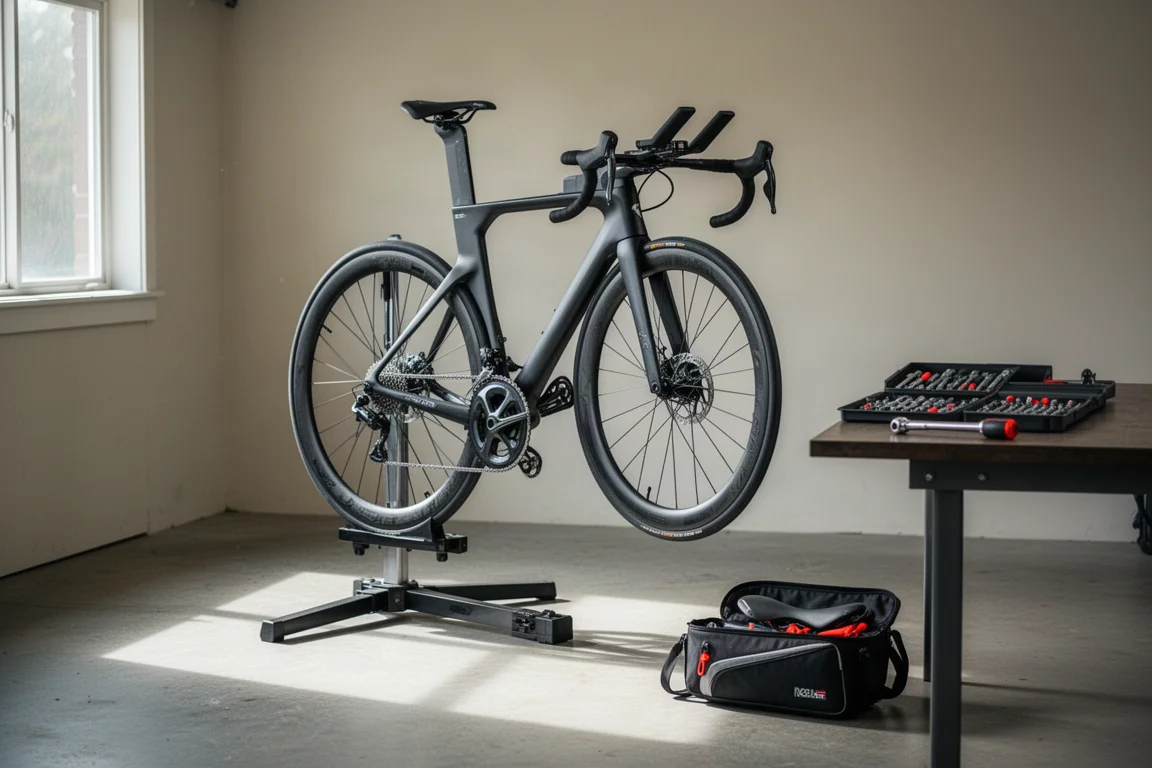
Grouping the changes makes the priorities clearer: fix the tires and pressure first, then the helmet, then the drivetrain and the small details.
Tires: The Biggest Bang-for-Buck Upgrade
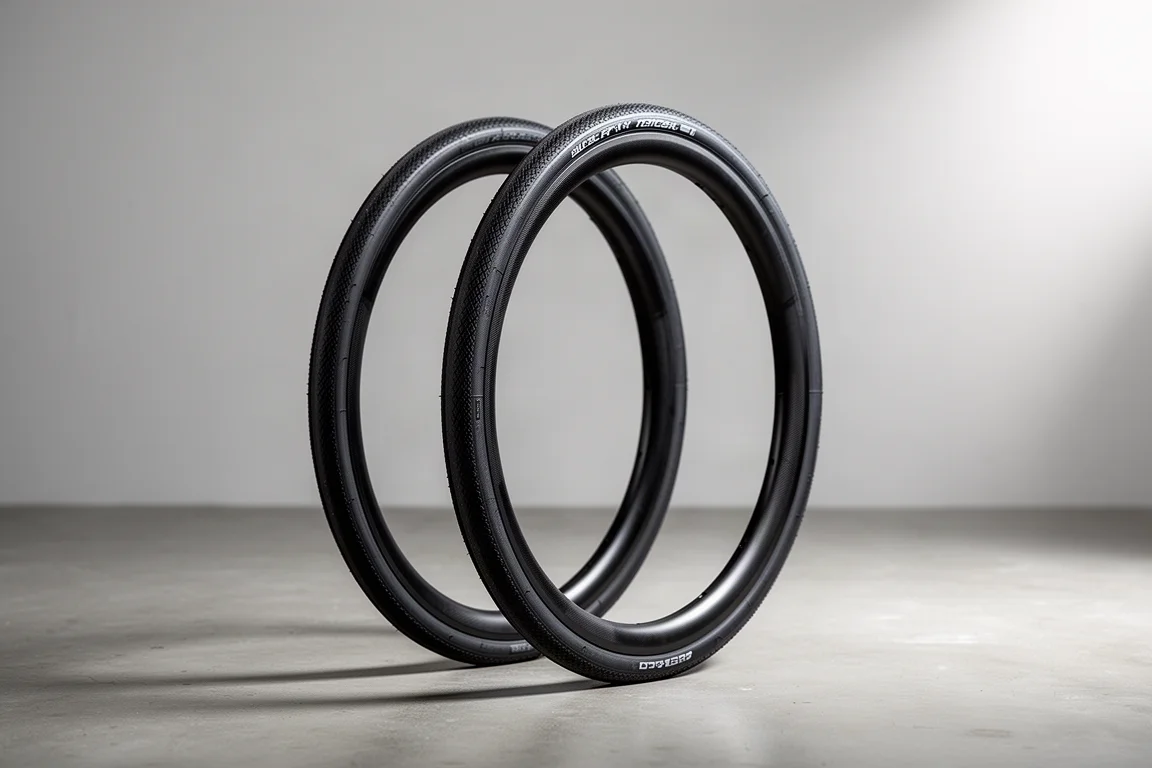
Tires remain the single best value upgrade on any bike, and it is still common to see riders lining up on slow rubber. The trade-off between durability and speed is real, but the gap between the two ends of the market is larger than most people assume.
Continental Gatorskin: Tough but Slow
The Gatorskin is the classic example of a tire chosen for protection over pace. Puncture resistance is excellent, close to bulletproof, which makes it a sensible choice for commuting and rough winter roads. On a race course, though, the cost is significant: compared with leading performance tubeless tires, the difference is around 25 watts, which is comparable to adding roughly 4 kg to the bike.
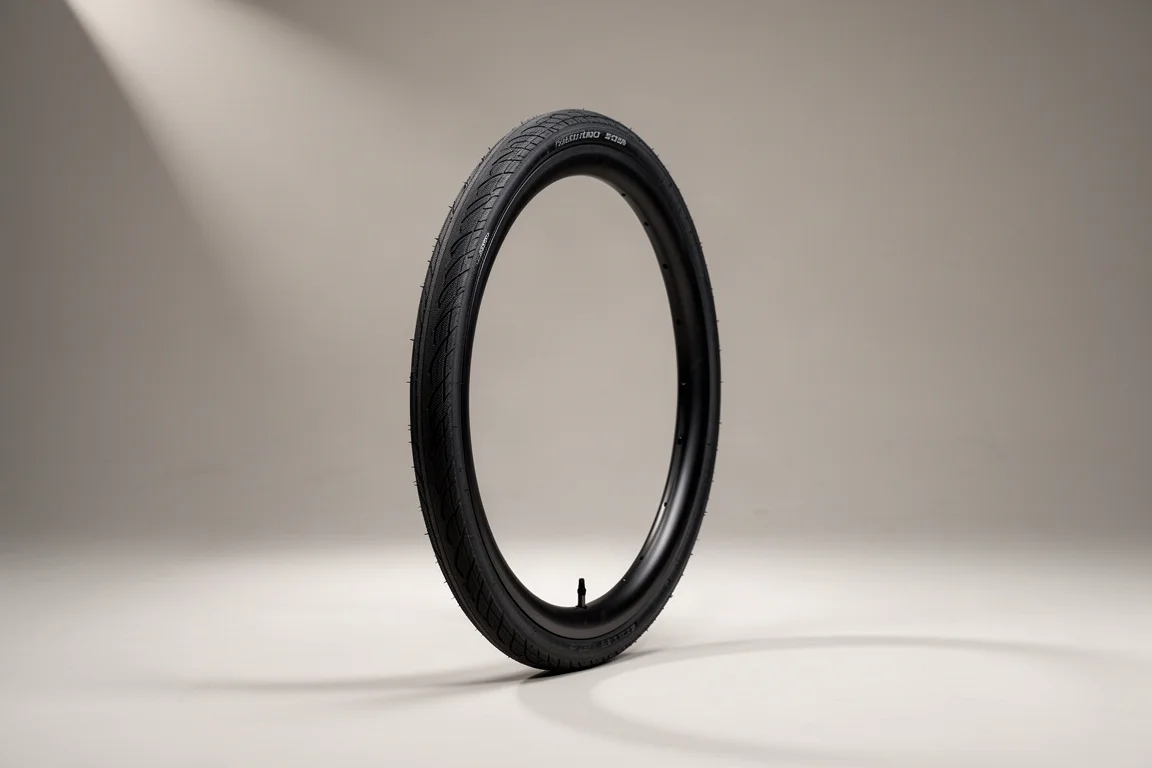
Continental GP5000 TT: Race Rubber With Usable Protection
The GP5000 TT sits at the performance end of the range and is one of the leading tubeless race tires. Unlike dedicated time trial tires, which roll fast but offer very little puncture protection, it keeps enough protection to be realistic for a triathlon where a flat can end your day. Pairing it with a 28 mm width and a tubeless setup gives a good balance of speed and reliability.
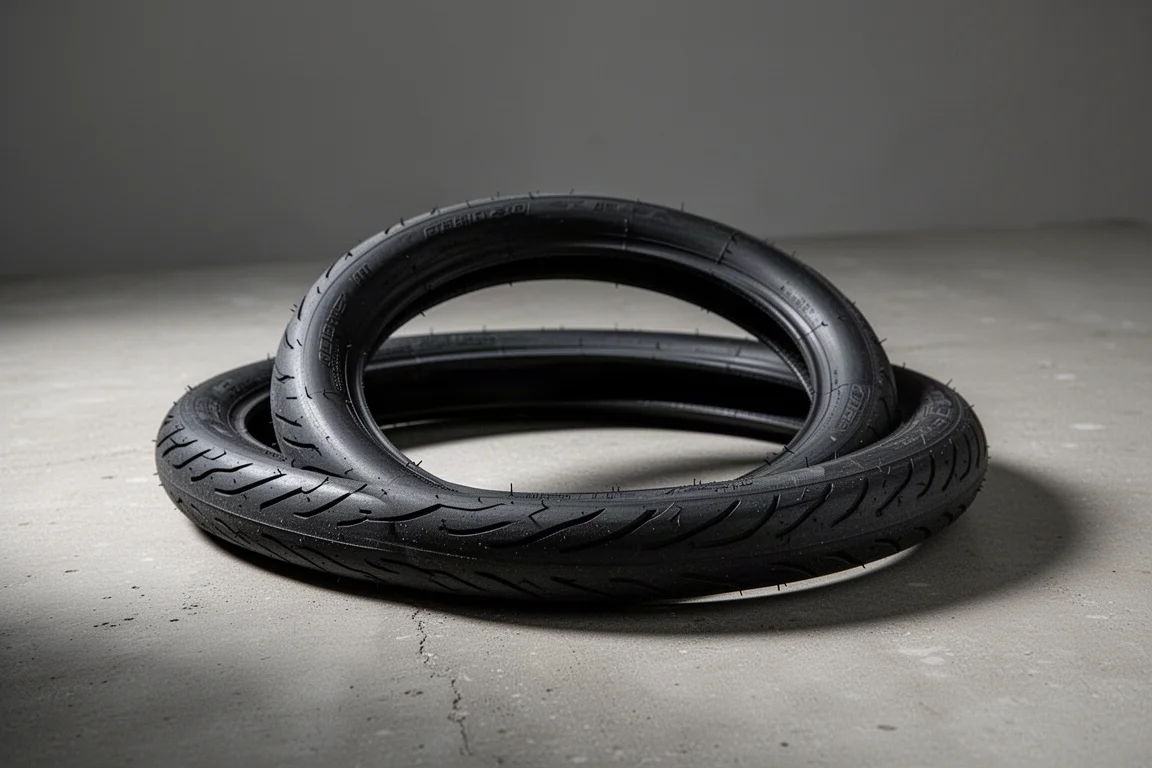
Pirelli P Zero RS: Rapid Rolling for Race Day
The P Zero RS is the other leading performance tubeless option, and it rolls very quickly. It shares the same practical logic as the GP5000 TT: race-level speed without asking you to gamble on a fragile casing. For most triathletes and time trialists, that combination of pace and a reasonable margin against punctures is the right call.
Tire Pressure: Free Speed You Are Probably Leaving Behind
Pressure is the cheapest performance upgrade available, and it is frequently ignored. A slower tire at its optimum pressure is typically faster than a fast tire at the wrong pressure, which is why squeezing a tire by feel before a race can quietly cost you watts. Over-inflating also makes the ride harsher, which matters over a long bike leg.
Online pressure calculators make this straightforward. You need total system weight including the rider, bike, kit, and bottles, the surface condition, the measured tire width, and an estimate of average speed. Measured width matters because tires rarely come up at their nominal size, and the difference changes the recommendation. One practical detail: pump gauges are often accurate only to about plus or minus 10 PSI, so a small digital gauge is worth carrying if you want to dial in a number properly.
Once pressure is set, tubeless riders should also carry plugs. Sealant handles the majority of punctures, and a plug covers most of what is left, so the combination resolves roughly 95 percent of flats without fitting a tube.
Helmets: Why the MET Drone Makes Sense
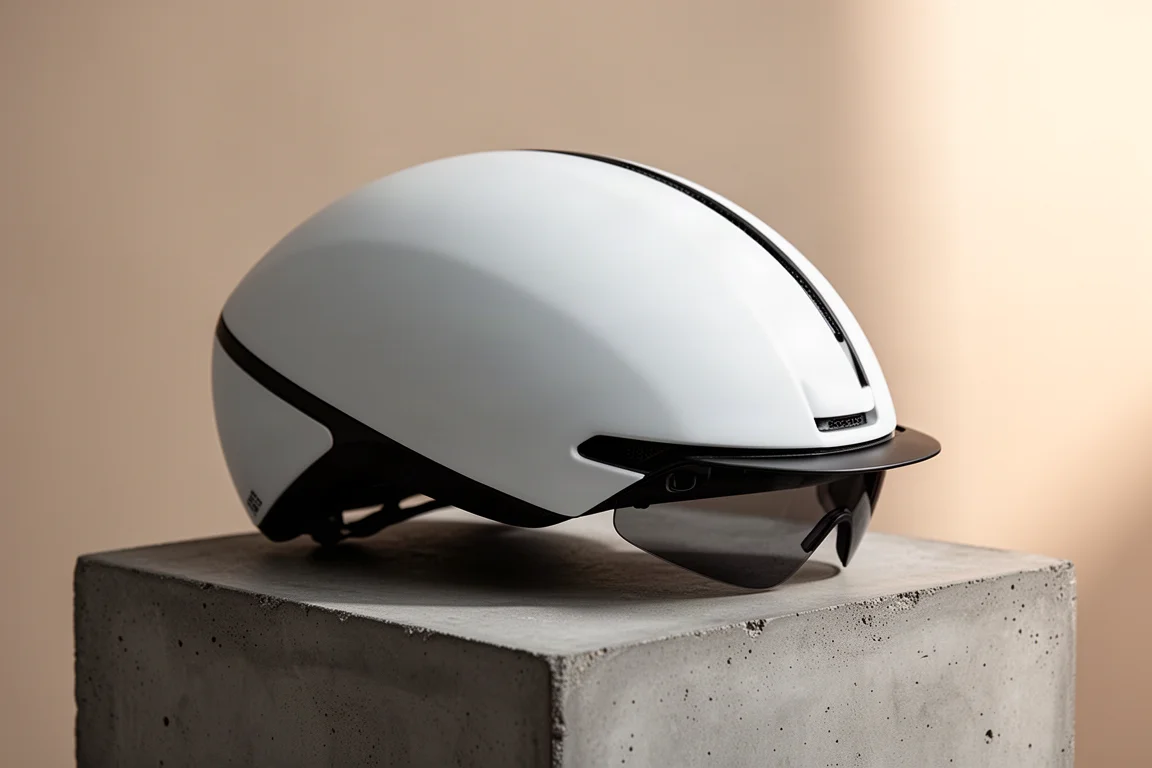
Aerodynamic helmets are one of the largest single equipment gains available, and the numbers are bigger than most riders expect. Testing of an aero TT helmet against a standard road helmet showed a saving of around 2 minutes 45 seconds over the bike leg. That is a substantial return for a piece of equipment you simply put on.
MET Drone: Built for Speed, Practical in Mild Conditions
The MET Drone is a dedicated time trial helmet, and the main question with any closed aero helmet is heat. At an average temperature of around 20 degrees Celsius, with an early morning start, overheating is unlikely to be a major problem, so the aero option makes sense as the primary choice. Packing a well-vented road helmet as a backup is a sensible precaution in case race day turns unusually hot.
Drivetrain: Shimano 105, Ultegra, and Dura-Ace
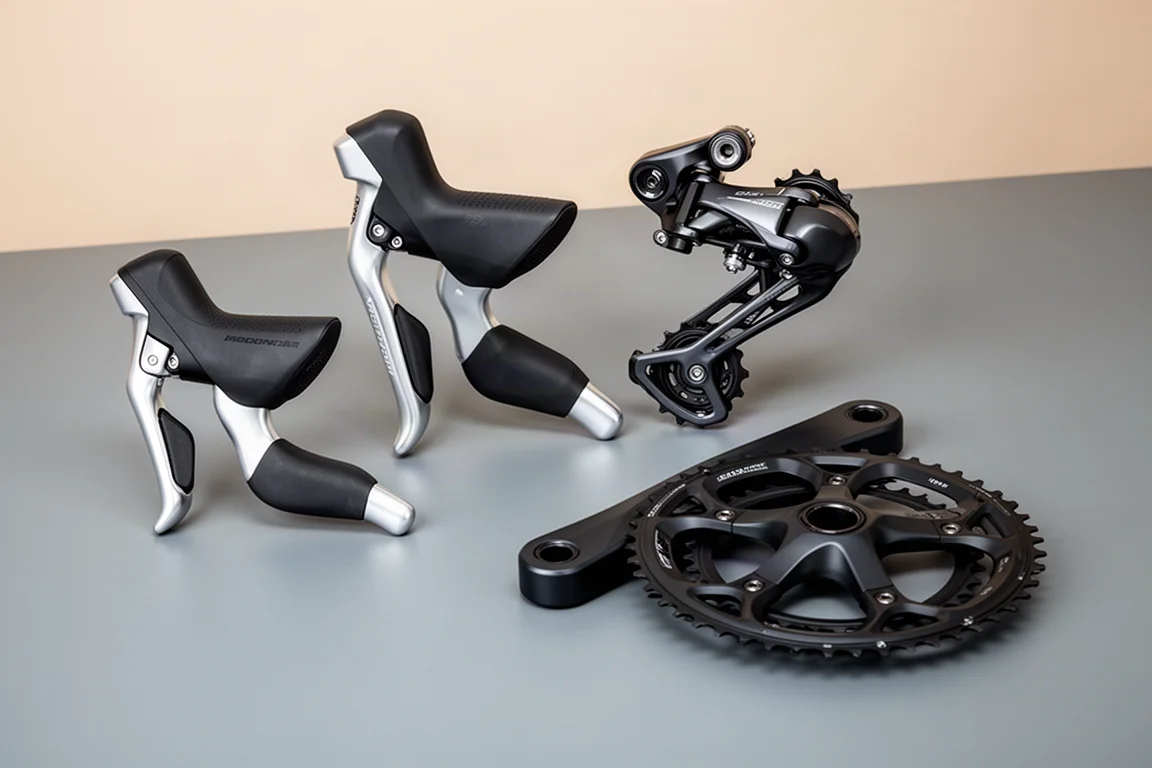
Groupset choice is more about weight and small efficiency differences than about whether the bike works. Mechanical performance across the range is high, and the differences show up in grams, chain efficiency, and bearing quality rather than in shifting reliability.
Shimano 105: The Efficient Workhorse
Shimano 105 is a strong mechanical groupset with excellent efficiency, and it has been raced to national time trial titles. Its main disadvantage relative to Ultegra and Dura-Ace is weight, not function. It also accepts a 36-tooth cassette, which is genuinely useful on a course with steep gradients and lets you keep a comfortable cadence without grinding.
Shimano Ultegra: The Middle Step
Ultegra trims weight relative to 105 and brings small mechanical gains, notably in the chain. For riders who want most of the performance without the top-tier price, it is the natural step up.
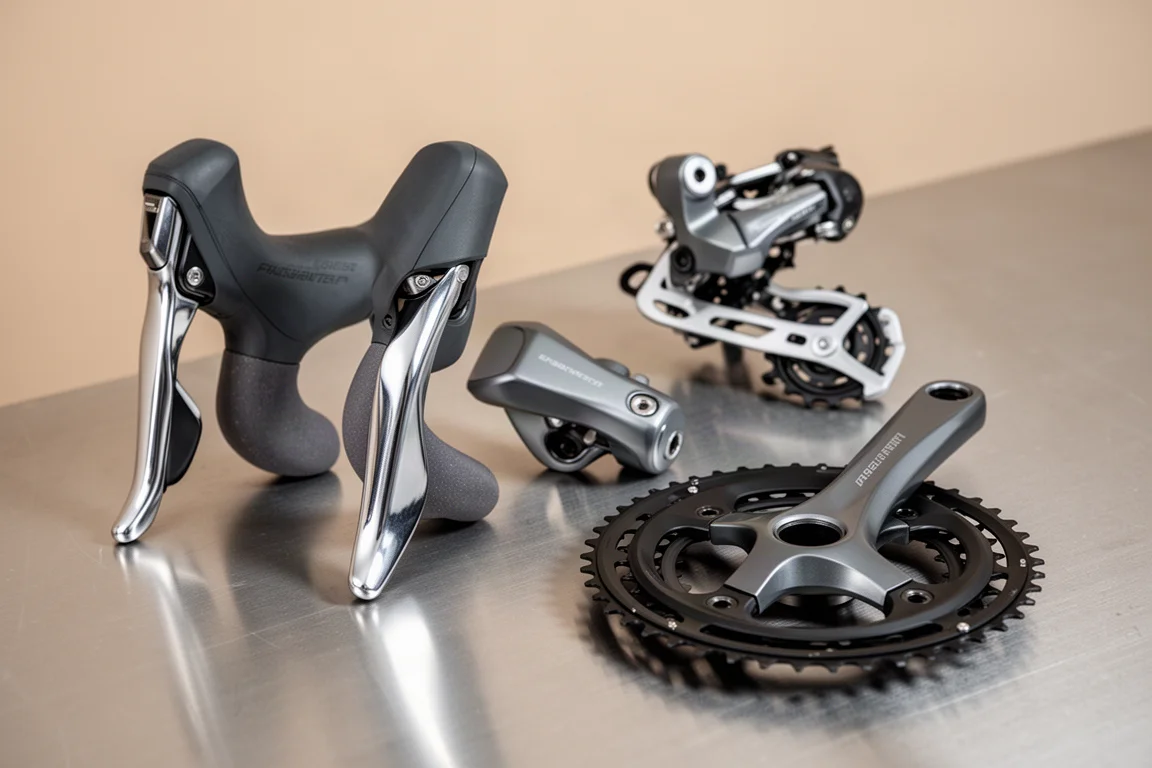
Shimano Dura-Ace: The Lightest Option
Dura-Ace is the lightest of the three and the most efficient in drivetrain terms. The gains are incremental rather than dramatic, but they are real, and they stack with the other changes on this list.
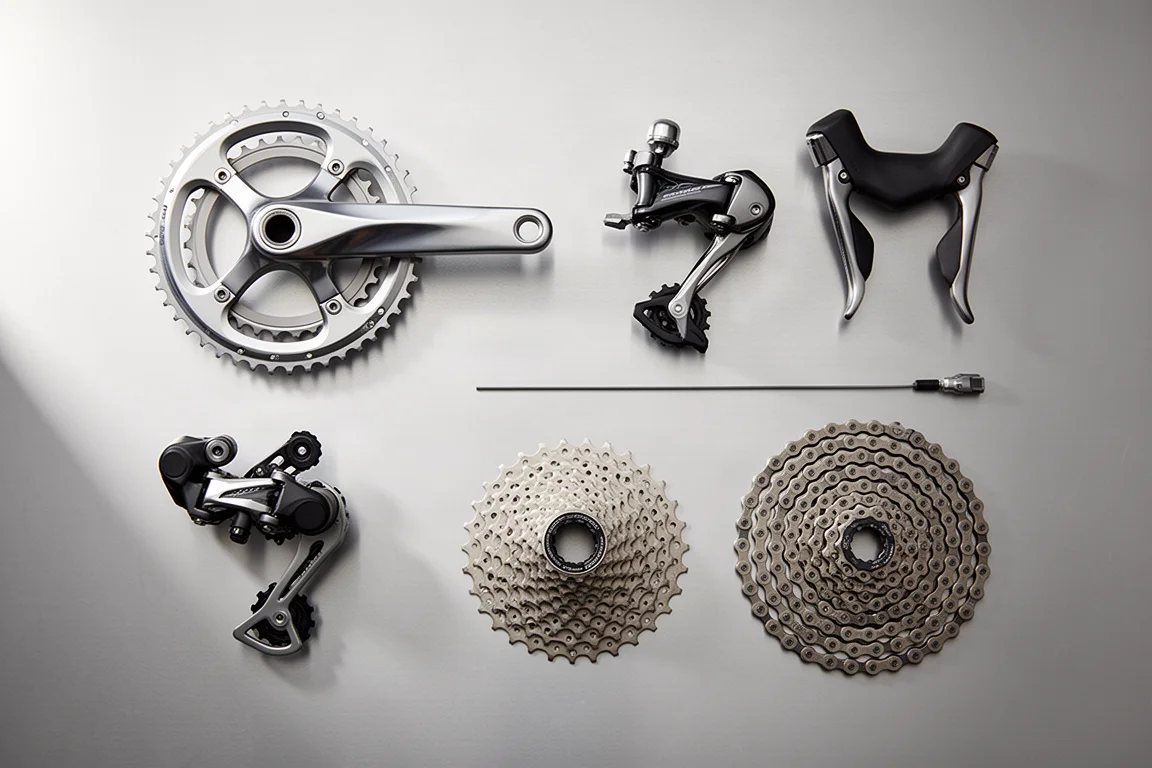
Chains, Jockey Wheels, and Waxing
Small drivetrain details add up over a long bike leg. On 105, the jockey wheels use bushings rather than bearings, which is slightly less efficient, so upgrading them to Ultegra jockey wheels is a sensible first move. Ceramic jockey wheels go further still, and while the gain is modest, it is measurable.
Chains follow the same logic. A 105 chain is a little less mechanically efficient than Ultegra and Dura-Ace chains, and the difference is worth less than a watt, but it stacks with everything else. Waxing takes it further: a race wax blend with friction-reducing additives cuts drivetrain losses more than standard lubrication.
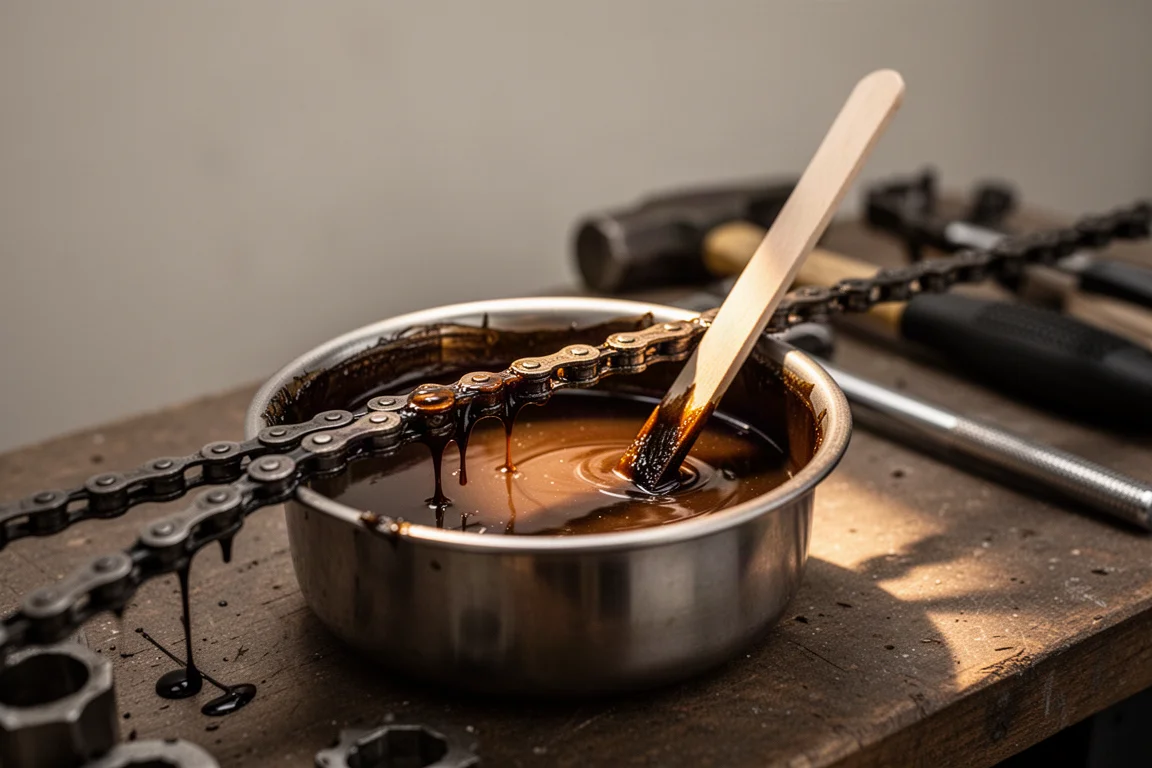
The trade-off with a race wax treatment is lifespan. Performance begins to fall away after roughly 8 hours of ride time, which is fine for a bike leg plus a short pre-race opener session the day before. Break the chain in during that pre-ride so it is running at its best on race morning, and allow time to check shifting and chain length properly rather than doing it the night before you travel.
Weight, Spares, and Race-Day Practicalities
Weight savings off the bike are easy to overlook, and the saddle bag is a good place to start: a fully loaded one can weigh around half a kilogram. Trimming it is a small but free gain.
One useful swap is the spare tube. A standard butyl tube weighs around 120 g, while a TPU tube weighs roughly 35 g, takes up far less space, and has lower rolling resistance if you do have to fit it. The other change is how you carry puncture repair: keep tubeless plugs somewhere you can reach quickly, such as a bento box, rather than buried at the bottom of a saddle bag. A multi-tool is optional weight, and whether it earns its place depends on how much risk you want to carry.
Aero clothing details are worth considering too. Aero calf guards typically make more difference than deep-section wheels, with gains in the region of 2.5 minutes, but they are only permitted in a wetsuit swim. For a non-wetsuit swim the suit has to finish above the knees. Shoe covers are another aero option, though they cost time in transition at both ends.
Pacing deserves the same attention as equipment. Riding at a steady power target is slower than pushing harder where it counts and backing off where speed is already high. Aim to ride harder into headwinds and up the climbs, then ease on descents and fast tailwind sections, without going so deep that the run suffers.
Overall Buying Advice
If you are working through this list with limited time or budget, take the changes in order of return. Tires and pressure come first, because the difference between a slow tire and a fast one at the correct pressure is the largest single gain available, and the pressure part costs nothing beyond a decent gauge.
Aero helmets come next. The saving measured against a standard road helmet is large enough that the helmet is one of the better value speed purchases in the sport, provided the conditions are not unusually hot. After that, drivetrain upgrades are about stacking small gains: jockey wheels, a better chain, and a waxed race chain each contribute a little, and together they add up to a meaningful margin.
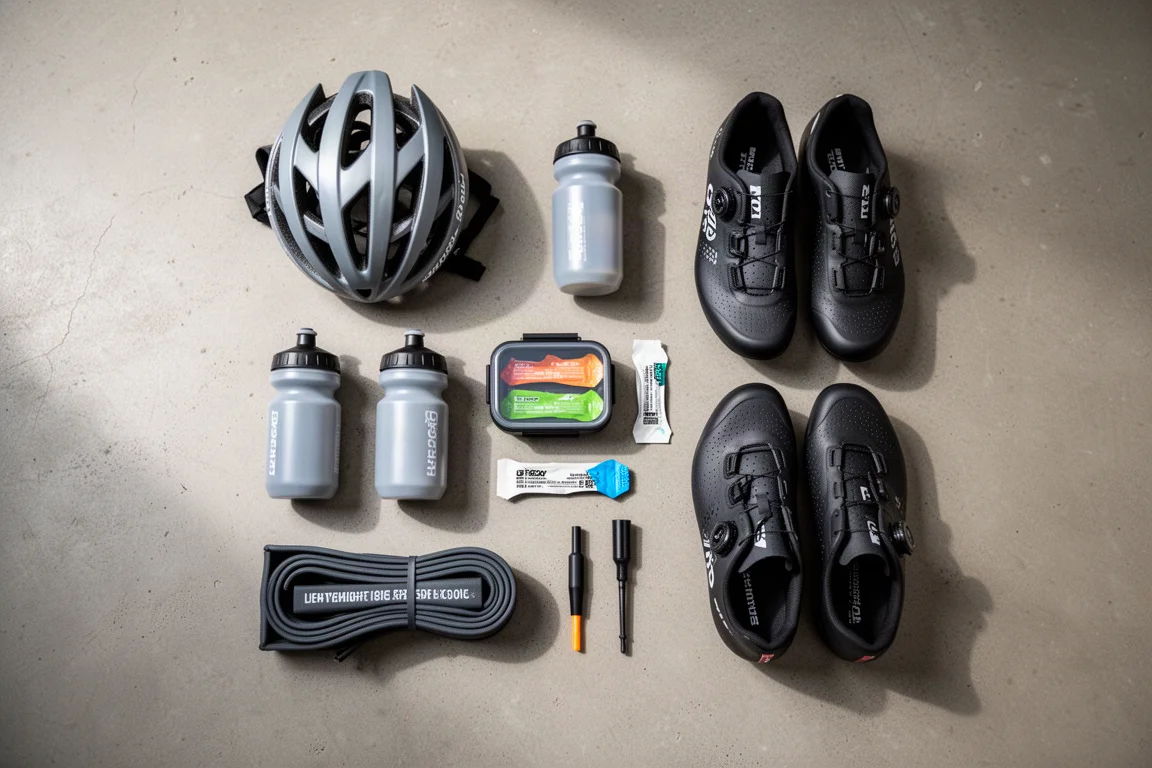
Weight and spares decisions come last, but they are the cheapest to act on. Trim the saddle bag, switch to a TPU spare, and keep your puncture kit accessible. Finally, spend your training time on the bike you intend to race. Adaptation to the TT position is what makes the aero equipment and the position itself pay off on race day.
Conclusion
The fastest route to a quicker bike leg is usually not more training, at least not in the final weeks. Tires, pressure, an aero helmet, and a well-sorted drivetrain deliver measurable gains on a hilly course, and the smaller weight and spares decisions make the whole package more reliable. Get the priorities right, test what you can before race day, and the speed is there without adding a single watt of fitness.
Further reading
Related Reviews
Cycling Gear
8 Cycling Products Riders Keep Coming Back To
Eight cycling components and accessories with clear strengths, honest trade-offs and long-standing reputations among riders and mechanics.
Cycling Gear
Aero Helmets and Bottle Setups Tested: Six Options Ranked by Measured Watt Savings
Wind tunnel data on six aero helmets and bottle setups, with real watt savings, practical trade-offs, and guidance on what is worth buying first.
Cycling Gear
Aero Road Bikes and Fast Tires Worth Watching in 2026
Four aero road bikes and one fast road tire, with the real strengths, the open questions, and what to check before you buy.