Aquascaping Supplies
Marco Mortar vs Aqua Forest Stone Fix: Picking the Right Aquascaping Mortar
Two aquascaping mortars, one full week of curing, and a honest look at how each one handles joints, ledges, and load-bearing rockwork.
Introduction
Aquascaping lives and dies on how well rock stays where you put it. Trying to rebuild a pile of loose rocks after tearing a tank apart to catch a sick or injured fish is a job nobody wants twice, which is exactly why bonding choice matters more than most reefers expect.
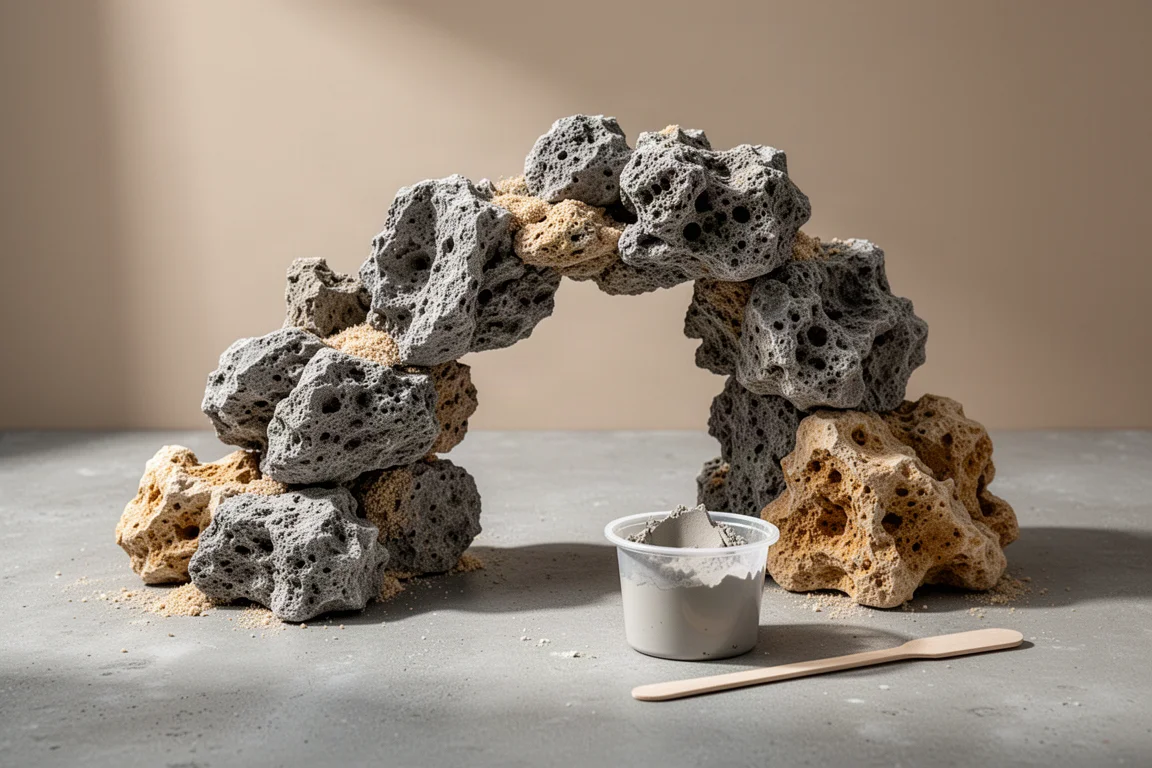
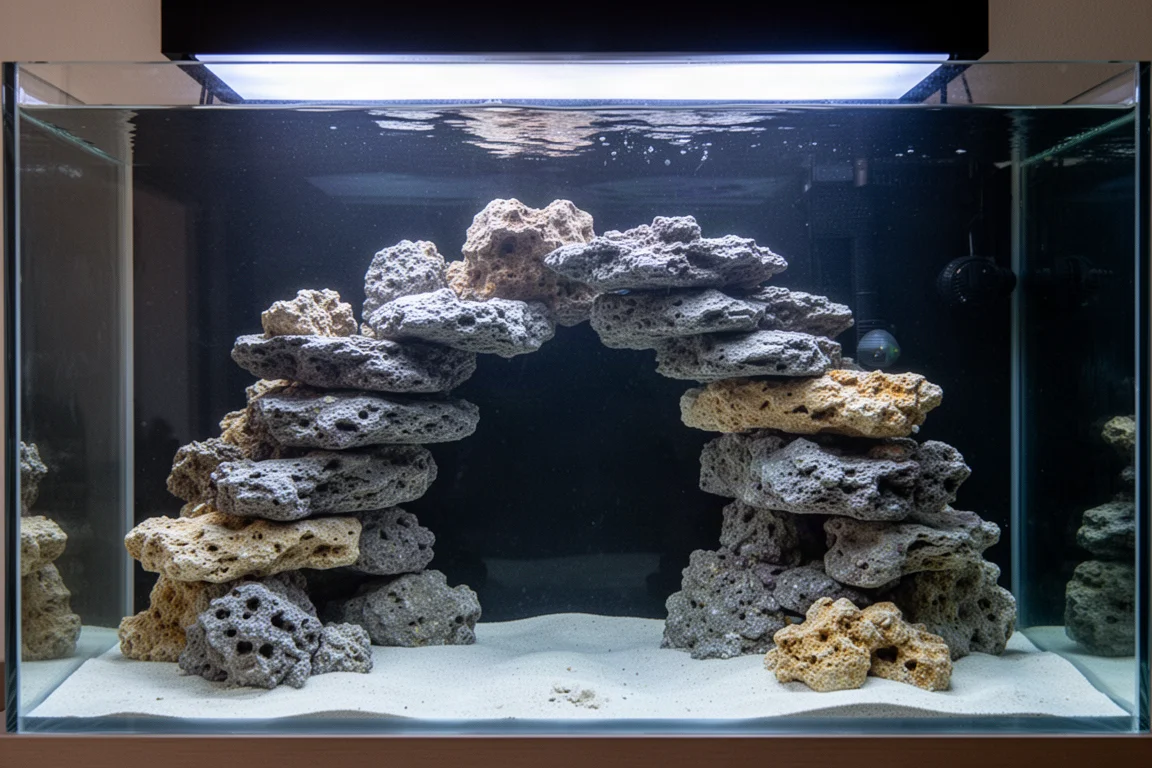
In an earlier round of testing, every bonding option was given only 24 hours to cure, and epoxy on dry rock came out ahead largely because nothing else had time to set. That test was a little unfair to the rest of the field. So the experiment was repeated with a full seven days of cure time for each option, using a small arching aquascape where the centre of the arch was held by the bonding agent alone.
Nine bonding approaches were put through the same series of stress tests. Two mortar-based products, Marco Mortar and Aqua Forest Stone Fix, are the ones most worth understanding before you buy, because they behave very differently in the hand.
What We Tested and How
Every bonding option was used to build a small arching structure, with the intent that the centre of the arch was secured purely by the bonding agent being tested. Each structure then sat undisturbed for a week to cure.
After the seven days, four stress tests followed. Test one was picking up the structure by two points of contact. Test two was lifting the entire aquascape by the centre arch boulder. Test three was a drop from about a foot off the table. Test four, for anything that survived that far, was a drop from five feet off the ground.
The short version: all nine aquascapes breezed through tests one and two, and all nine broke apart in varying degrees of destruction on the one-foot drop. Slow-motion footage of the failures made the outcome unmistakable. No single option walked away as a clear strength winner.
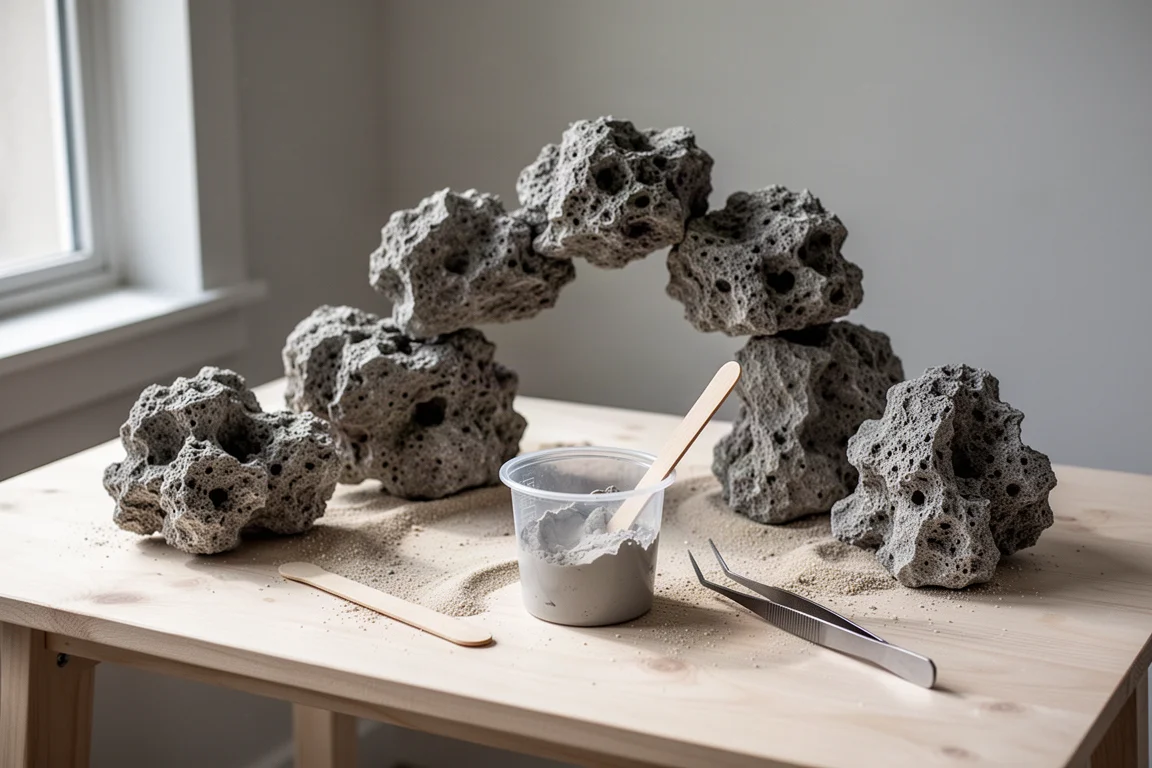
That result is worth reading carefully rather than dismissively. These were basic structures with little complexity, few overhangs, and no serious load-bearing joints, so the test says more about cure behaviour and workability than about the absolute ceiling of any one product. For a real build, where joints sit under load and rockwork has to survive years in the tank, how a bond handles during assembly matters just as much as how it performs on a drop test.
Marco Mortar: Flexible, Forgiving, and Easy to Shape
Mortar on its own is pretty easy to work with, provided you get the consistency right so it does not run. That single caveat carries most of the learning curve: mix it slightly too wet and it slumps out of the joint, mix it stiff and it holds its shape while you position rock.
The limitation is reach. Applying mortar underneath joints or ledges proved pretty difficult, which matters because under-joint placement is where a lot of structural strength actually comes from. Mortar wants to be pressed into an accessible seam, not tucked into a blind gap.
A hybrid approach changes the picture. Pairing mortar with superglue and insta-set lets you benefit from the glue’s fast cure, so joints hold position almost immediately and the rock stops shifting while you work. Even then, securing the joints underneath ledges remains the same problem as mortar alone.
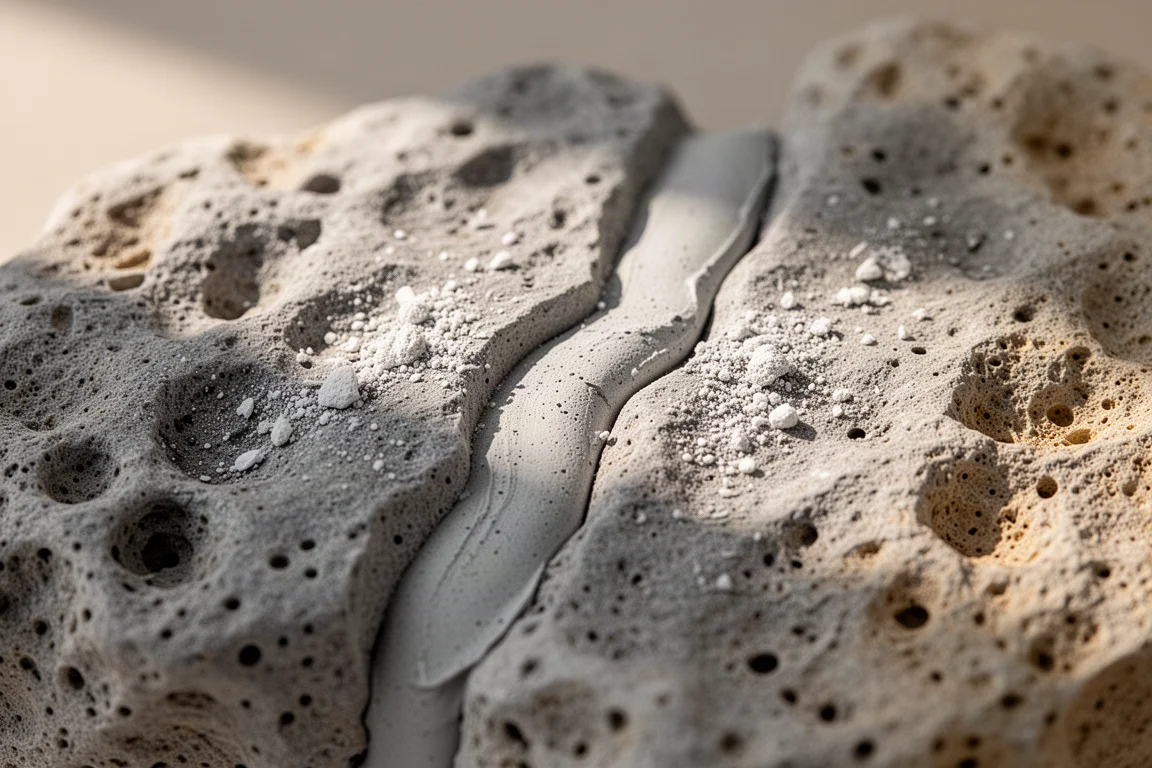
For aquascapers building layered structures with plenty of visible seams, this is a workable and forgiving product. It rewards patience during mixing and punishes anyone who tries to rush a joint that sits out of easy reach.
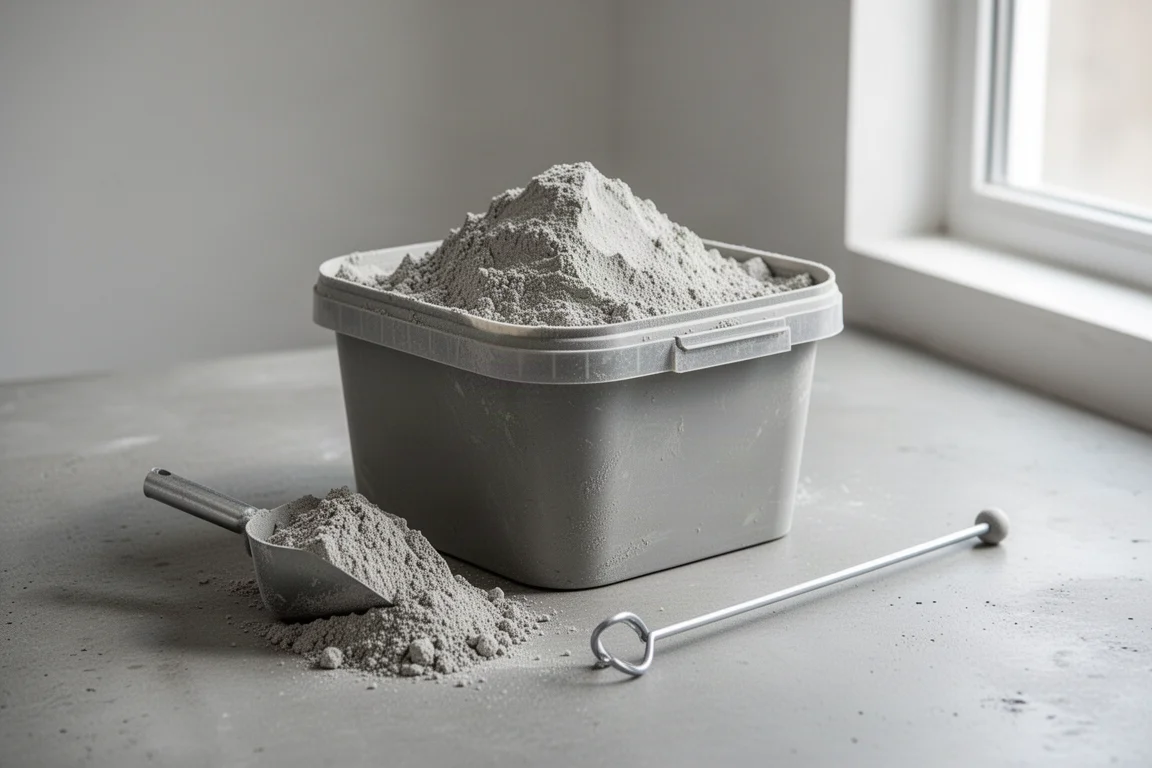
Aqua Forest Stone Fix: Fast Curing With a Clean Finish
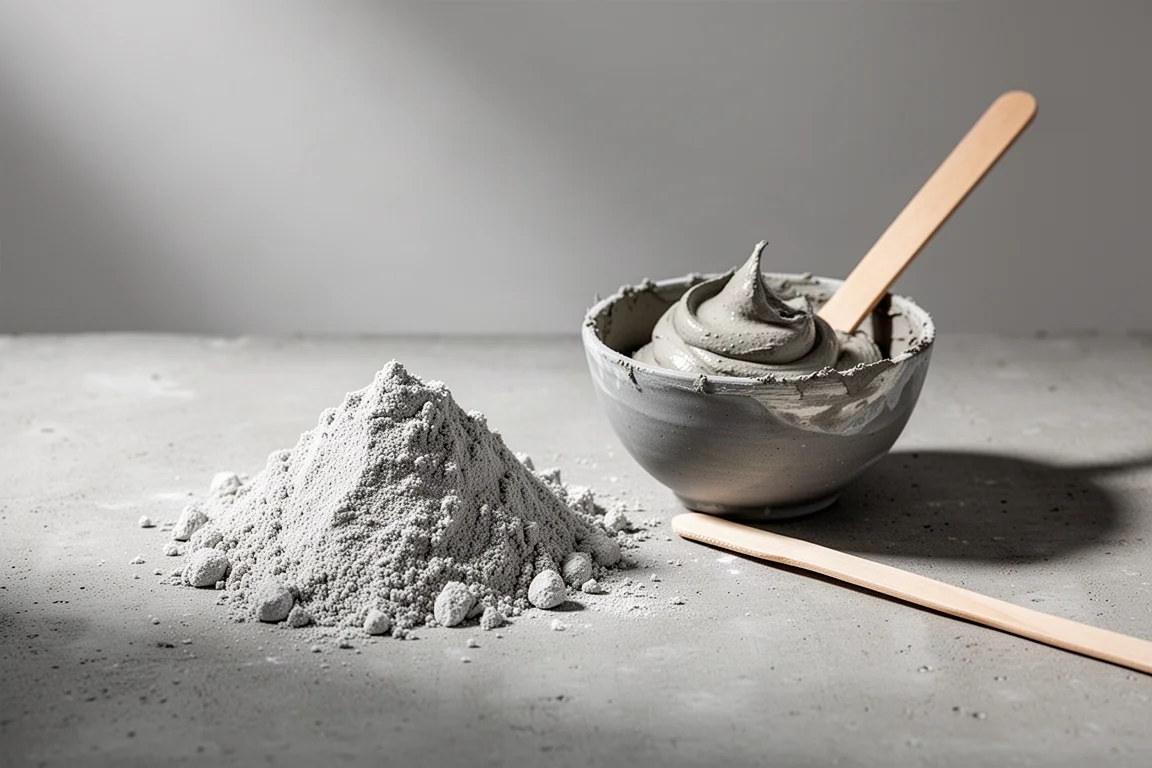
Aqua Forest Stone Fix reaches a usable consistency pretty easily, which makes the mixing stage refreshingly simple. The trade-off arrives immediately afterwards: you need to work fast, and in small batches.
That is not a minor footnote. Mixed at volume, Stone Fix will cure in the container before you get a chance to use it, turning a planned build session into a wasted batch of material. Portioning it out in small amounts and placing rock quickly is the only reliable way to use it well.
For aquascapers who like to methodically place one rock, adjust, and then place the next, this is a product that demands a change of rhythm. For those who prefer to plan the joint, commit, and move on, the quick working window is a genuine advantage because the structure locks up sooner and you spend less time holding rock steady.
What Seven Days of Curing Revealed
The full week of cure time did not separate the field on raw strength, but it did make the practical differences between bonding families very clear.
Superglue-only approaches look rough over time. Gobs of superglue on joints look terrible even after a long spell in the tank, with shiny bits of glue still visible across the rockwork. Superglue with insta-set is more useful because it produces a bond strong enough to move the aquascape around shortly after gluing, but it shares the same visual problem. The three-layer glue cake, where a thin layer of glue is sprayed with insta-set and repeated, was a good idea conceptually but gave no real benefit over other glue methods, and it still reads as glue in the tank.
The watery superglue and sand combination cured surprisingly quickly, and the final result was the best looking of all the options because the sand blends the joints together better than anything else. Getting there is messy work. The watery glue ran onto the cardboard work surface, which meant ripping the aquascape back off and leaving residual cardboard underneath, and getting the sand into exactly the right spot before dousing it in glue is fiddly. It also needs a well ventilated area, because the fumes get overbearing.
Epoxy earned its place for different reasons. Setting aside the colour choices, which really stand out on bone-dry rock, it is one of the only options that allowed securing underneath joints without dripping or falling off in gobs. Being able to mash epoxy into all sorts of nooks and crevices makes it genuinely versatile.
None of this changes the headline result. Every option held through the lifting tests and every option failed the one-foot drop, so builds with real load-bearing joints should be planned around support and structure, not around the hope that one product will carry the whole thing.
The Hybrid Method We Now Rely On
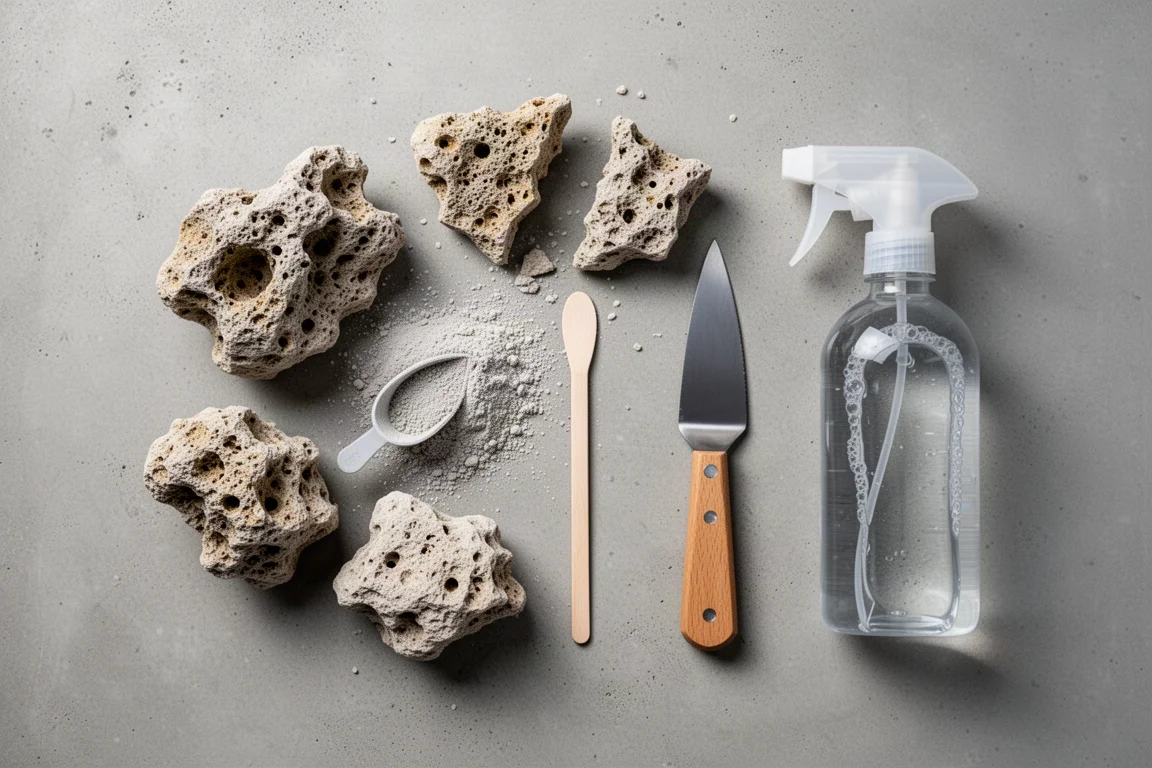
The most reliable approach combines materials rather than choosing between them. Start with superglue and insta-set to secure the joints exactly where you want them, so nothing shifts while you continue building. Then apply epoxy to as many load-bearing structural joints as possible, preferably underneath the rockwork where it can carry weight without being seen. Finally, come back over each joint and hide the seam with rock dust.
This sequence plays to each material’s strengths. Superglue sets fast enough to hold position. Epoxy fills uneven gaps and stays put underneath joints. Rock dust turns the repair into something that reads as natural stone rather than a visible bond line.
For anyone building a structured aquascape rather than a simple pile, that order of operations is the part worth committing to memory.
Buying Advice: Which Mortar Fits Your Build
Choose Marco Mortar if you want a forgiving material that gives you time to position rock and adjust seams, and if you plan to pair it with superglue and insta-set for faster joint locking. It suits layered builds where most joints are accessible, and it is the more comfortable option for anyone still learning how mortar should feel when it is mixed correctly.
Choose Aqua Forest Stone Fix if you prefer to work decisively in short bursts and want a mortar that reaches a workable consistency easily. Commit to small batches, mix only what you can place within the working window, and it will keep up with you rather than setting in the cup.
Whichever you pick, budget for more than mortar. Superglue and insta-set for positioning, epoxy for under-joint structure, and rock dust for finishing are what turn a mortar bond into an aquascape that holds together in practice rather than just in theory.
One expectation worth setting before you buy: no mortar removed the need for sensible structural design in testing. Use mortar to lock and disguise joints, and use proper support underneath load-bearing sections. Doing both is what keeps rockwork intact when a tank has to come apart in a hurry.
Conclusion
Marco Mortar and Aqua Forest Stone Fix both earn their place on an aquascaping bench, and they suit slightly different working styles rather than competing on raw strength. Marco Mortar is the more forgiving choice when you want time to shape joints and combine materials. Aqua Forest Stone Fix is the faster, cleaner-consistency option for aquascapers who can work in small, quick batches.
The seven-day cure test made one thing clear: cure time alone does not guarantee a bond that survives a hard impact, and every bonding option tested broke on a one-foot drop. Buying the right mortar is about how well it lets you build, and pairing it with superglue, epoxy, and rock dust is what gives the finished structure a real chance.
Further reading
Related Reviews

Backpacking Gear
Building a 10 lb Base Weight: An Ultralight Backpacking Gear List
A practical walkthrough of the ultralight pieces behind a 10 lb base weight, from a 765 g pack and a roomy one-person tent to a full camp chair and a dependable water filter.

Road Bikes
10 New Road Bikes Worth Watching: Aero, Titanium, Steel and Endurance Standouts
A practical roundup of 10 new road bikes, from aero flagships chasing single-watt gains to titanium, steel and endurance platforms built for real roads.
Saltwater Aquarium Setup
10 Questions About Cycling a Saltwater Aquarium: What You Need to Know
Essential questions and answers for cycling a reef tank or saltwater aquarium, from biome building to light management and bacterial supplements.