Handheld Gaming
Mangmi Air Y vs Air Y Pro: Which Vertical Handheld Is Right for You?
Two new vertical handhelds from Mangmi aim to fill a gap in the market. We compare the budget Air Y and the more powerful Air Y Pro to help you decide.
Introduction
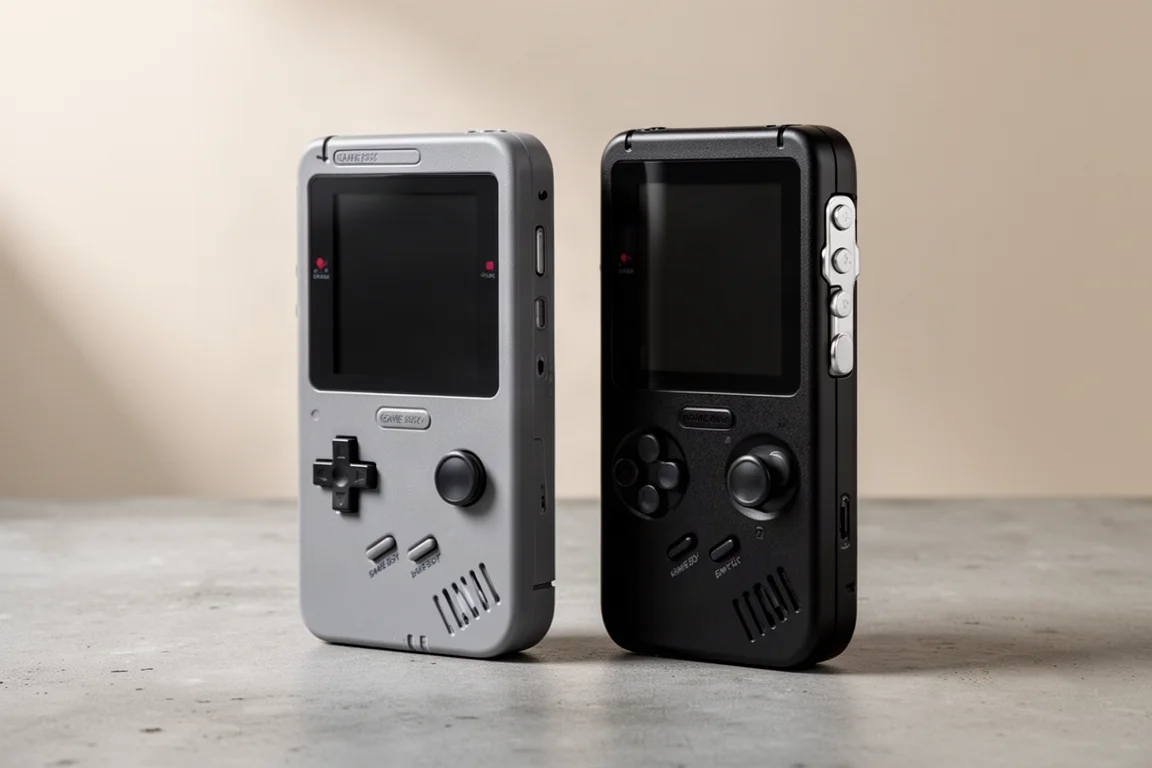
The vertical handheld market is crowded, but Mangmi is entering it with two new models at once. The Mangmi Air Y and the Mangmi Air Y Pro both use a classic Game Boy inspired form factor, but they target different budgets and performance levels. The Air Y comes with a single analog stick and a Snapdragon 662 chip, while the Air Y Pro adds a second analog stick and a more powerful Snapdragon 865 processor.
After testing both devices, it is clear that Mangmi has found a gap in the market. The Air Y offers the best price to performance ratio in the vertical form factor under $100, while the Air Y Pro delivers excellent value for a mid-range vertical handheld. This guide breaks down the differences between the two models so you can decide which one fits your gaming habits.
Design and Build Quality
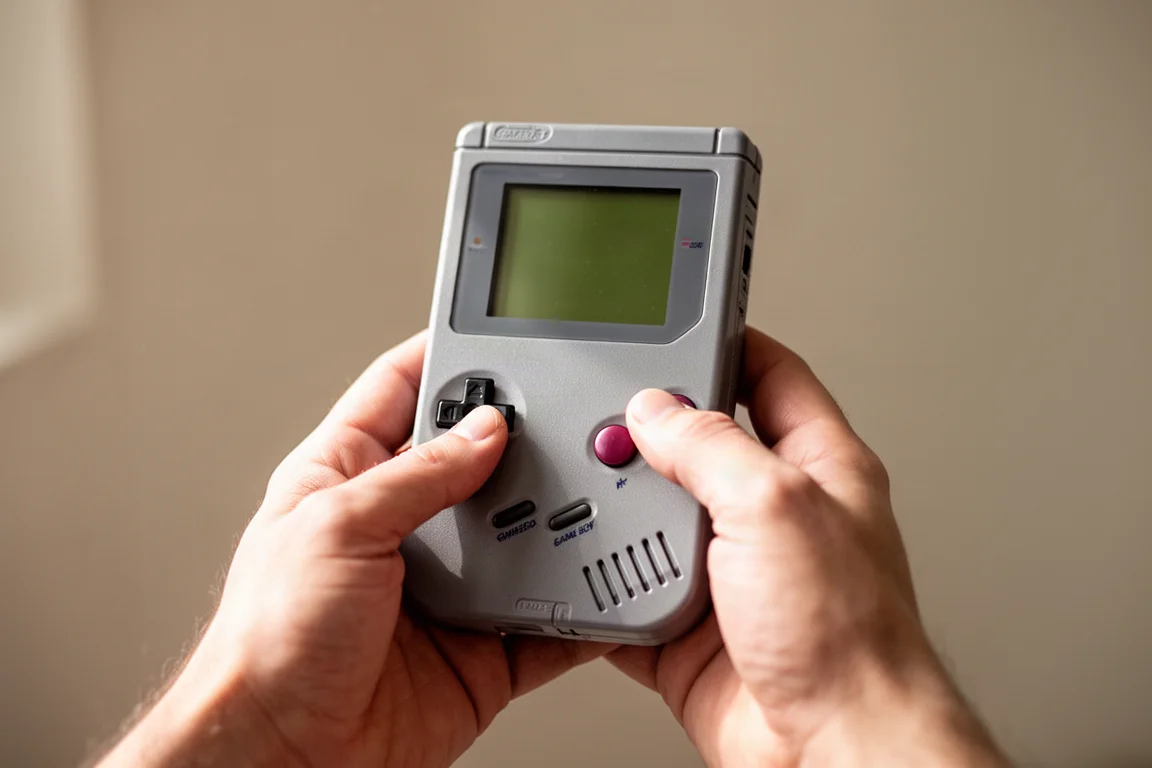
Both devices share a similar design language that will feel familiar to anyone who has used a Game Boy DMG. The dimensions are close to the original Game Boy, though slightly thinner. The rounded edges make the devices comfortable to hold, with no sharp corners. The shoulder buttons are sloped along the sides, which makes it easy to rest your fingers naturally.
The build quality feels solid with no hollow spots. However, the black color option has a noticeable smudge problem. The UV coating on the plastic picks up fingerprints and oils quickly, and under bright light it looks messy. The retro gray model has the same coating, but the lighter color hides the smudges much better. If this bothers you, the gray model is the safer choice between the two.
The devices are a bit larger than truly pocketable. They fit in larger pockets, but most users will treat them as portable handhelds rather than something to slip into a small pocket. Compared to other vertical handhelds like the Retroid Pocket Classic, the Mangmi devices are slightly chunkier because they need room for the analog sticks.
Controls and Ergonomics
The face buttons and D-pad are a highlight on both models. They use rubber membrane connections that feel tactile and responsive. The buttons bounce back quickly without feeling mushy. The X and Y buttons are concave while the A and B buttons are convex, making it easy to tell them apart by touch. The X and Y buttons are also slightly raised compared to the A and B buttons, which takes a little getting used to but becomes natural after a few days.
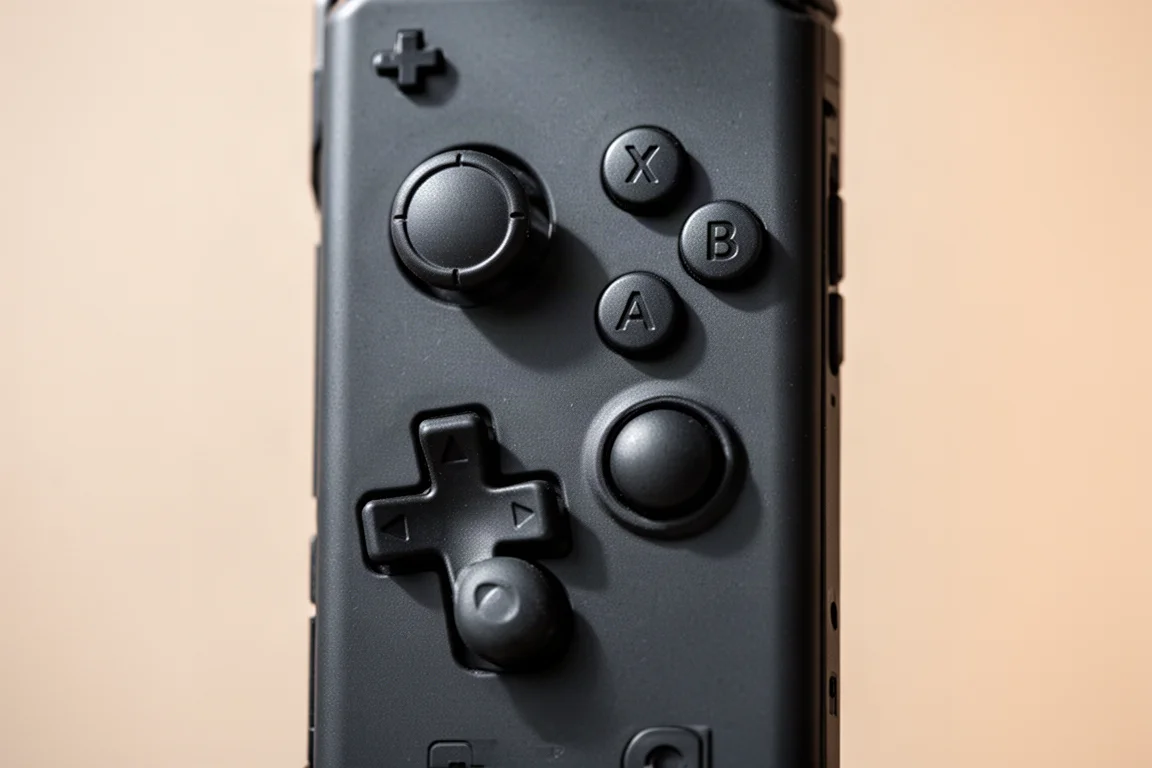
The D-pad has a solid pivot and works well for both precise platformers and fighting games. It is not overly sensitive, so accidental diagonals are rare. The select and start buttons are clicky but dampened, keeping them quiet during play.
The analog sticks are hall sensor units similar to those found in other handhelds. They feel precise with a good range of motion. The sticks have RGB lighting that can be customized in the software. The Air Y has a single analog stick, which makes sense since it targets systems like Nintendo 64 and Dreamcast that only used one stick. The Air Y Pro has two sticks for GameCube and PS2 games that benefit from dual analog controls.
Dual analog gameplay on a vertical handheld is not the most comfortable experience. Relocating your thumbs while also using the shoulder buttons and triggers takes some adjustment. However, if you prefer vertical handhelds and want access to a wider library of games, the second stick opens up many more possibilities.
The shoulder and trigger buttons have a unique design. The shoulder buttons sit on the back edge, with the triggers on the outer sides of the same button. You press the shoulder buttons with the middle part of your finger and the triggers with the tip. The shoulder buttons feel clicky and dampened, while the triggers feel a bit mushier. They are completely functional, but not the most satisfying to press.
Display Quality
Both models share the same 4.2 inch LCD screen with a 1280 by 960 resolution and a 4:3 aspect ratio. The display gets quite bright, making it usable outdoors even in direct sunlight. It also dims to very low levels, which is useful for playing in bed without disturbing a partner.
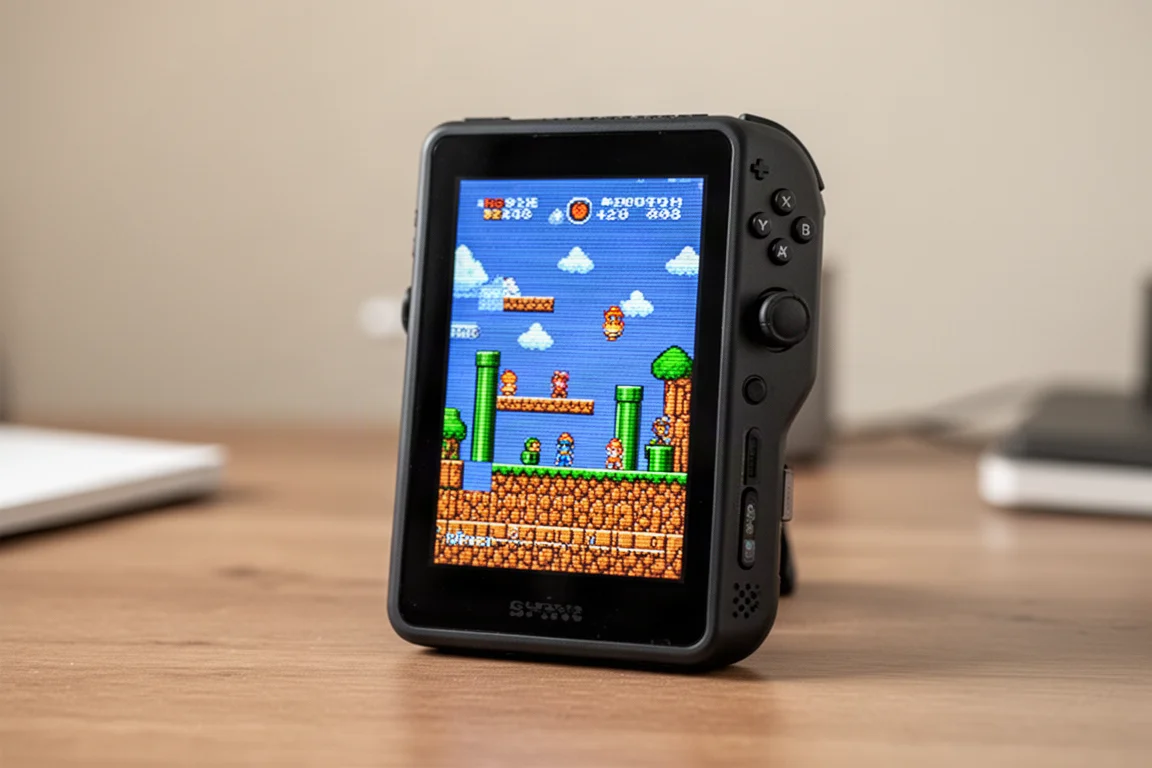
The color saturation is rich and the color balance is excellent for an LCD panel. It does not have the deep blacks or contrast ratio of an OLED display, but it holds its own among LCD screens. The resolution scales well with 240p and 480p content, which covers most retro systems.
The main concern with this screen is LCD ghosting. The same panel has appeared in other devices with noticeable ghosting issues. Mangmi released a firmware update that reduces the ghosting significantly. After the update, the ghosting is barely visible unless you are specifically looking for it during fast motion. It is still slightly worse than high quality LCD panels from other brands, but for most people it will not be a problem. If you are highly sensitive to motion blur, an OLED display with a higher refresh rate may be a better investment.
Performance Comparison
The performance difference between the two models is significant once you move beyond lightweight systems. For Game Boy, Game Boy Color, and Game Boy Advance, both devices perform identically. These classic handheld games feel right at home on a vertical form factor.
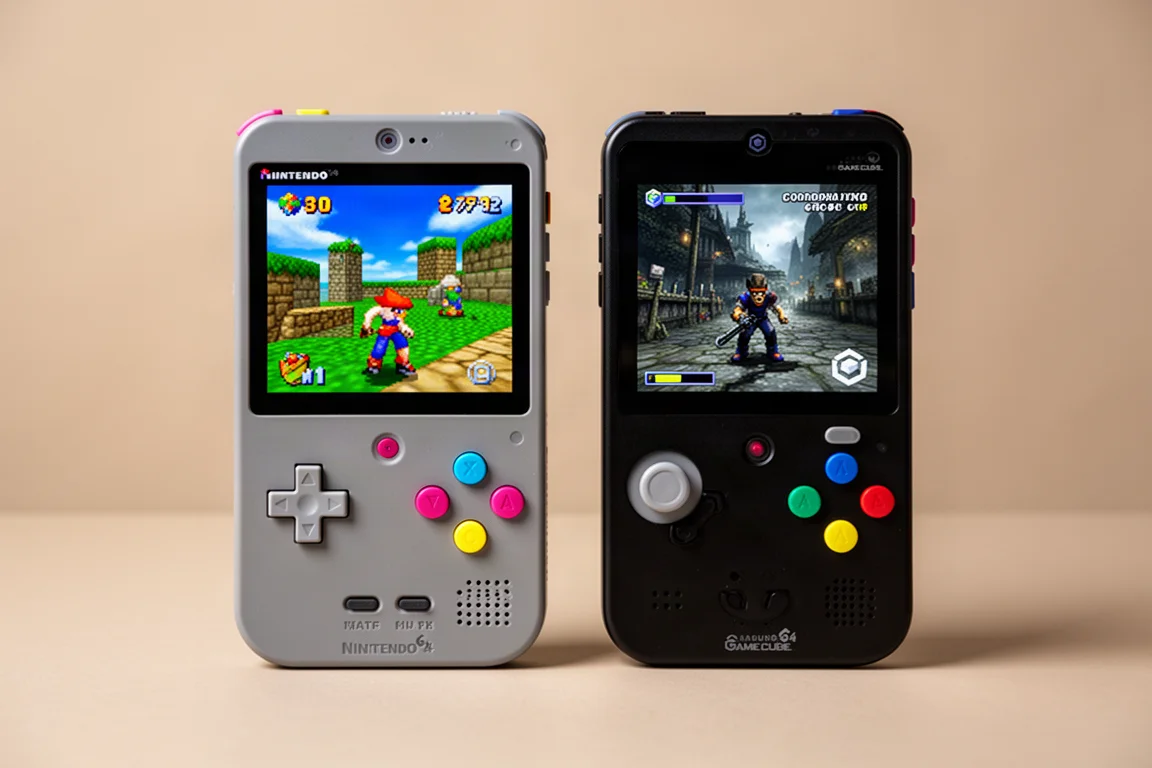
Moving into home console systems, the Snapdragon 865 in the Air Y Pro allows for heavier CRT shaders that add a more authentic retro look. The Snapdragon 662 in the Air Y cannot handle those demanding shaders, so you will need to use lighter alternatives. The games still look great, but the visual effects are not as rich.
For Nintendo 64, the Air Y can play games upscaled to the display’s native resolution, but you will need to use a standalone emulator like Mupen64Plus FZ Pro for the most stable performance. The Air Y Pro can handle RetroArch with universal hotkeys and shaders, giving you more flexibility. The same pattern applies to Dreamcast, where the Air Y benefits from the standalone Redream emulator while the Air Y Pro can use RetroArch.
Sega Saturn is demanding on both devices. Using a standalone emulator with built-in frame skip makes the games playable, though not at a perfect 60 frames per second. The Air Y tops out at PSP, where many games run at 3x resolution, though some require dropping to 2x or even native resolution for smoother performance.
The Air Y Pro handles GameCube and PS2 much better. Most GameCube games run at full speed with a 2x resolution upscale using the Vulkan backend. PS2 is mostly playable, though some demanding titles like God of War II will have occasional slowdowns. The Air Y struggles with PS2, with most games failing to reach full speed even with emulation hacks enabled.
The Air Y Pro can also handle some Nintendo Switch games and lightweight PC games, especially with the 8 GB RAM model. Not every PC game supports the 4:3 aspect ratio, but when you find one that fits, it can be a great experience.
Battery Life and Cooling
Both devices have a 5,000 mAh battery, but battery life varies by model. For lightweight games like Game Boy, the Air Y lasts about 15 hours while the Air Y Pro lasts over 20 hours. For mid-range emulation, expect 6 to 7 hours on both devices. When pushing the hardware to its limits, the Air Y gets 4 to 5 hours on PSP while the Air Y Pro gets 3 to 4 hours on PC gaming. Worst case, both devices deliver between 3 and 4 hours.
The cooling system differs between the two models. The Air Y Pro has multiple fan modes including quiet, balanced, extreme, and smart. The balanced mode is usually sufficient even for demanding games. The Air Y has fewer fan modes and tends to run warmer. The back of the device heats up noticeably even when playing lightweight games with the fan off. The fan on the Air Y can also behave unpredictably, sometimes ramping up to extreme speeds during simple tasks like web browsing.
Price and Value
The Mangmi Air Y is priced at $95 retail, with a pre-order price of $90. The Air Y Pro starts at $160 retail for the 4 GB RAM and 64 GB storage model, with a pre-order price of $146. The 8 GB RAM and 128 GB storage model costs $190 retail or $176 during pre-order.
These prices undercut comparable devices. The Retroid Pocket 5 with the same Snapdragon 865 processor but 12 GB of RAM costs $20 more. The Retroid Pocket Flip with the same chip and 12 GB of RAM is $30 more expensive. The Mangmi devices have less RAM and no OLED display, but the price difference is notable.
For under $100, the Air Y is the most powerful vertical handheld available. Cheaper options like the TrimUI Brick or Anbernic RG40XXV cost around $50 to $60, but they cannot handle Nintendo 64, Dreamcast, PSP, or Sega Saturn as well. For under $200, the Air Y Pro offers more consistent performance than the Anbernic 406V at $150 or the more expensive RG477V at $250, especially for PS2 and PC gaming.
Buying Advice
If you want to play classic handheld systems and light home console games without spending much, the Mangmi Air Y is an excellent choice. It handles Game Boy through PSP with good results, and the single analog stick is sufficient for the systems it targets. The gray color is the better option due to the smudge issue with the black model.
If you want to play GameCube, PS2, and some PC games, the Mangmi Air Y Pro is worth the extra money. The 8 GB RAM model is recommended if you plan to play PS2 or PC games, since RAM usage can exceed 4 GB in those scenarios. The additional storage is also handy.
Between the two, the Air Y Pro is the better all-around device. It offers a strong balance of performance, screen quality, and control options at a price that undercuts the competition. The vertical form factor is the main consideration. If you prefer horizontal handhelds, a device like the Retroid Pocket 5 with an OLED display and more comfortable ergonomics may be worth the extra $20. But if you love the Game Boy style, the Air Y Pro is a compelling option.
Conclusion
The Mangmi Air Y and Air Y Pro each fill a specific gap in the vertical handheld market. The Air Y is the most powerful option under $100, while the Air Y Pro delivers excellent value for a Snapdragon 865 device under $200. Both have solid controls, good screens, and competitive pricing.
The main drawbacks are the smudgy black plastic, the slightly mushy triggers, and the LCD ghosting that is improved but not eliminated by firmware. The cooling system on the Air Y can also be unpredictable. None of these are deal breakers for most users.
If you are looking for a vertical handheld and want the best performance for your money, the Air Y Pro is the new winner. For budget buyers who stick to lighter systems, the Air Y is a strong entry point. Choose the gray model, and if you go with the Pro, consider the 8 GB version for the most flexibility.
Product link
View more details for Mangmi Air Y
This product is mentioned in the review. Check the specifications, options, and compatibility before buying.
View more details for Mangmi Air YFurther reading
Related Reviews
Handheld Gaming
Acer Nitro Blaze Link and Predator Atlas 8: Two New Handhelds Compared
Acer's new handheld lineup includes a budget streaming device and a powerful Windows gaming machine. Here is what to expect from both.
Handheld Gaming
Anbernic RG Rotate Review: A Unique and Powerful Pocket Handheld
The Anbernic RG Rotate brings a clever rotating design, a square 720x720 screen, and solid Android performance to a truly pocketable form factor.
Handheld Gaming
Anbernic RGDS: A Fresh Look at the Linux Experience
The Anbernic RGDS gets better with updated Linux firmware. We explore Rocknix improvements, the new official Anbernic Linux OS, and how this dual-screen handheld handles Nintendo DS gaming.