Power Tool Batteries
Makita XGT Batteries Compared: What's Inside Each Pack and Which One You Should Buy
A cell-level breakdown of the Makita XGT battery range, from the compact 2.0Ah to the new tabless 4.0Ah, with practical buying advice for every tool type.
Introduction
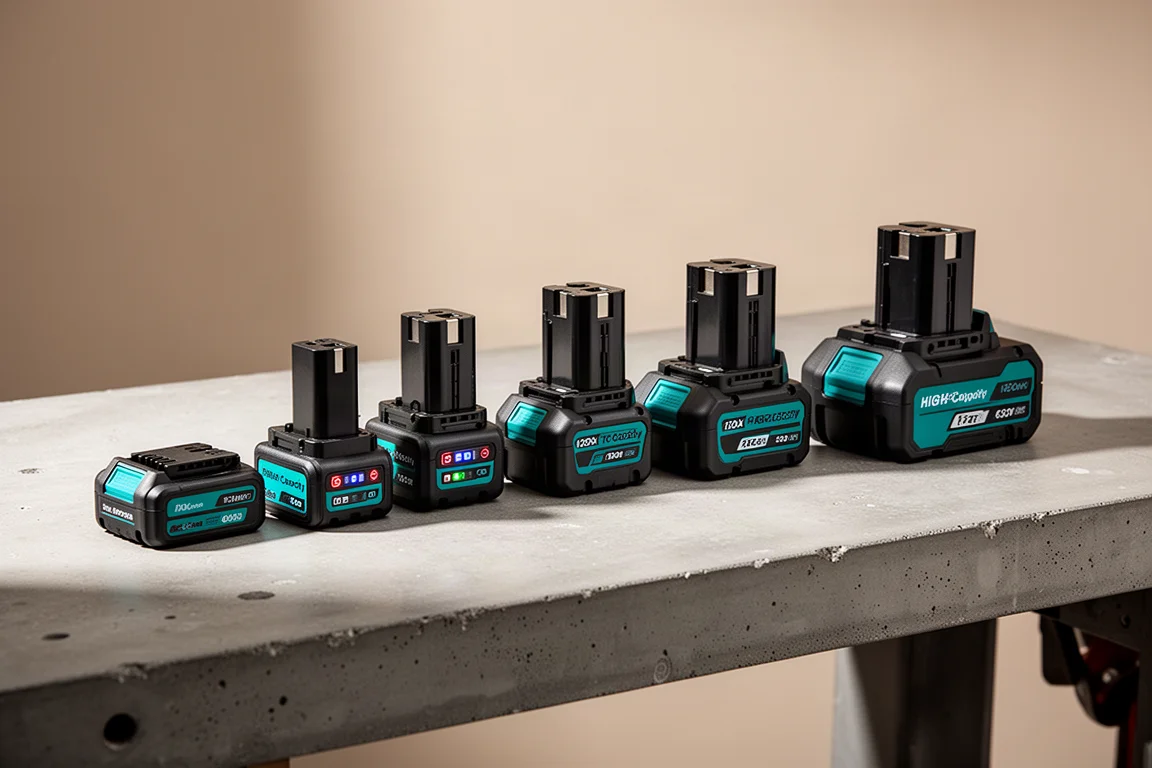
Batteries are the single most asked-about part of any cordless tool system, and Makita’s XGT (40V max) range has grown into a genuinely confusing lineup. There are now six main pack sizes on the platform, and while they all look similar from the outside, the cells inside them are not the same. Knowing what sits inside each pack explains a lot about real-world performance: why one battery runs cool on a chainsaw while another overheats, and why the newest 4.0Ah pack feels noticeably stronger than the older one with the same capacity.
This guide walks through the entire XGT battery range, pack by pack, and finishes with straightforward advice on which battery suits which tool.
What Actually Sits Inside Each XGT Battery
Every XGT pack in the current range uses Murata cells. Murata took over Sony’s battery manufacturing division in 2017 and continues to produce some of the best-branded cells available, so it is reassuring to see them used consistently across the platform.
The XGT packs run at 40V max using ten cells in series (roughly 36V nominal, topping out around 42V fully charged). What separates the packs is cell size, cell chemistry, and cell count:
- The smaller packs use ten 18650 cells (65mm long, 18mm diameter).
- The larger packs use ten 21700 cells (70mm long, 21mm diameter).
- The 5.0Ah and 8.0Ah packs use twenty cells: effectively two ten-cell series strings running in parallel.
More cells means less energy drawn from each cell, which keeps packs cooler and allows more sustained power to reach the tool. That is the core reason a big pack behaves so differently on a high-drain tool.
Makita BL4040F: The Best Battery in the Range Right Now
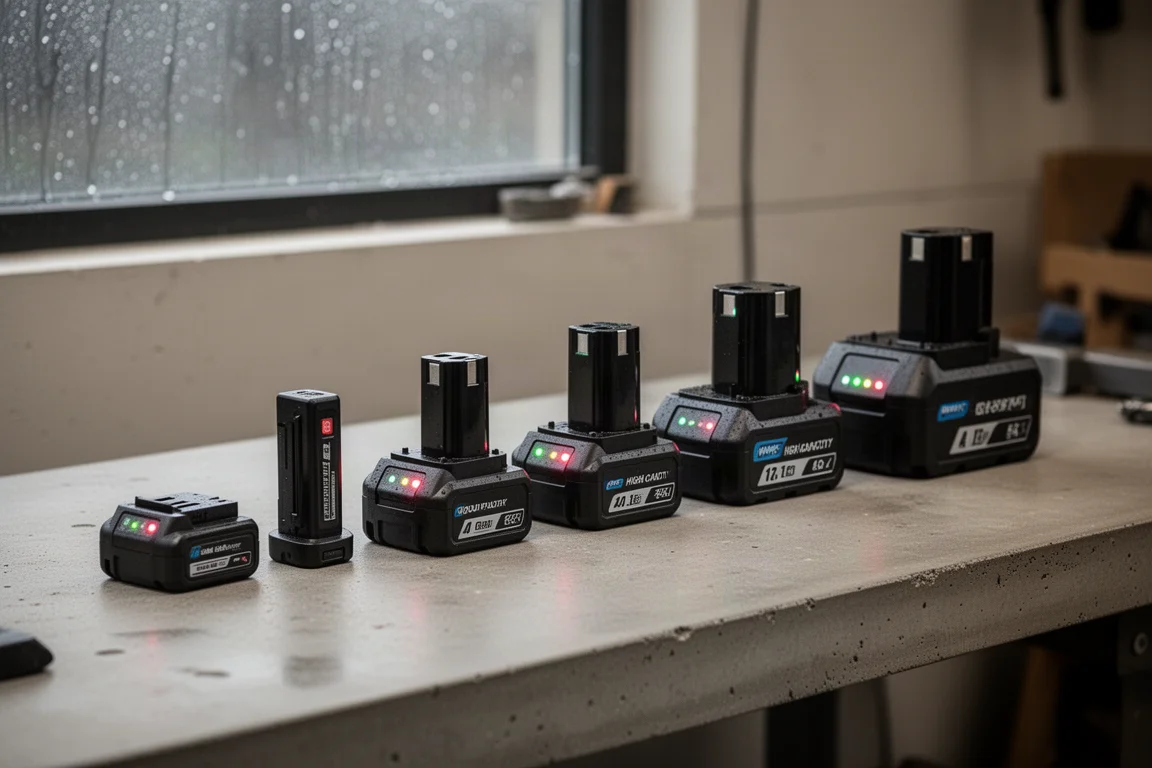
The BL4040F is the newest XGT battery and, in our view, the standout of the whole lineup. It uses ten 21700 VX40 cells made by Murata, and these are the only tabless cells in any Makita battery. Tabless construction dissipates energy faster and with less restriction, which means the pack runs cooler and delivers power more readily.
The result is a maximum output of 2,100W, up from 1,500W on the standard 4.0Ah pack. On tools like rip saws and high-drain saws, that difference is tangible: cuts get through material quicker and with less bogging down. The visual giveaway is a silver sticker rather than the teal-and-silver of the original 4.0Ah.
For a balance of power, weight, and size, this is currently the best all-round XGT battery. It suits nearly every tool on the platform while running cool for a good working time.
Makita BL4025F: Tabless Power in a Compact Pack
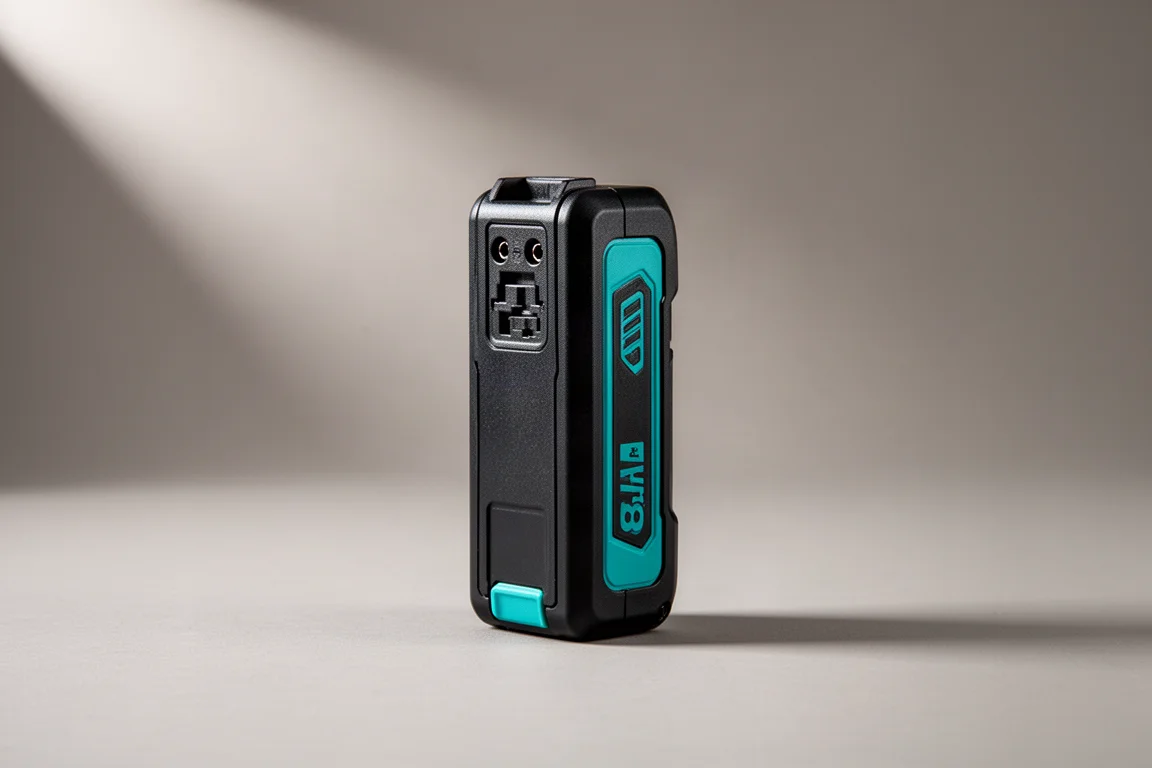
Makita is also preparing an F-series version of the compact 2.5Ah pack. The BL4025F will use tabless 18650 cells, bringing the same technology as the BL4040F into the smaller format. Expected output is in the region of 1.4 to 1.5kW, which would put a compact pack on par with the grunt of the old-school 4.0Ah batteries.
That would make it a very interesting option for impact drivers, drills, and quick jobs where weight matters but power was previously compromised. If it lands close to those figures, it could become the compact pack to buy.
Makita BL4020F: Light and Quick for Small Jobs
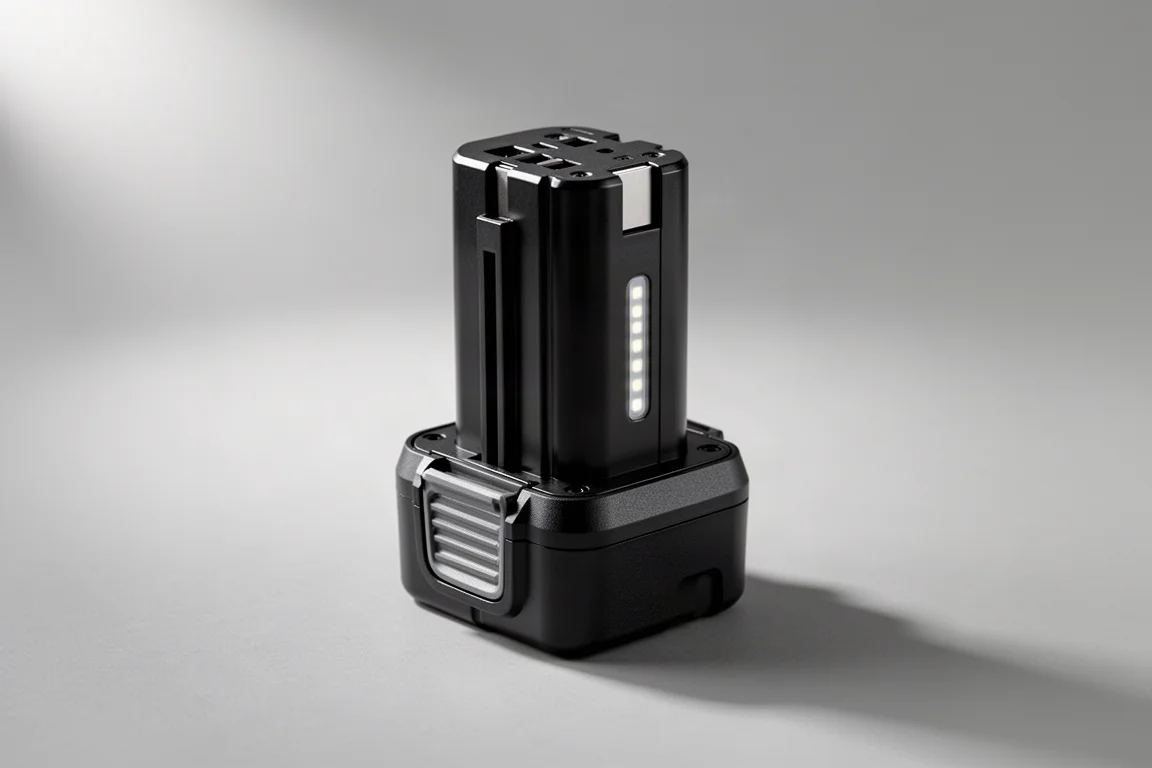
The 2.0Ah pack is the smallest in the XGT range, using ten 18650 cells with Murata VTC4A chemistry rated at 2,000mAh per cell and up to 35A continuous output. Maximum pack output is around 1.1kW (1,100W).
Because the cells are physically smaller, they hold less energy and deliver fewer amps, so this pack is more inclined to get hot on demanding tools like grinders or chainsaws. Where it shines is on fast, light tasks: drills, impact drivers, and small blowers, where its low weight is a genuine advantage.
Makita BL4025: A Bit More Capacity in the Same Compact Format
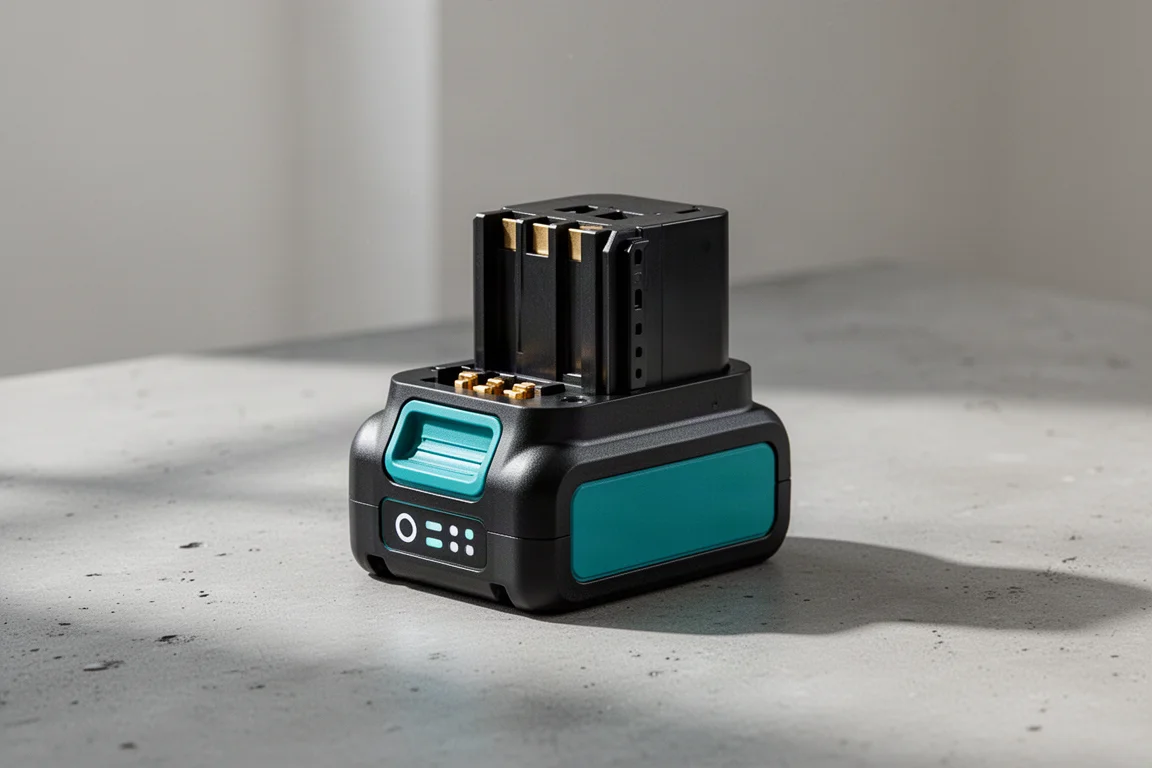
The 2.5Ah pack also uses ten 18650 cells, but with Murata VTC5A cells, which carry the same 35A continuous rating. Maximum output remains around 1.1kW, so do not expect more grunt than the 2.0Ah, just a little more runtime per charge.
This is the natural pick for impact drivers, drills, and fast one-off tasks where every gram on the tool counts. Just avoid pairing it with high-drain outdoor equipment; it is not designed for that kind of sustained load.
Makita BL4050F: Twenty Cells of Balanced Power
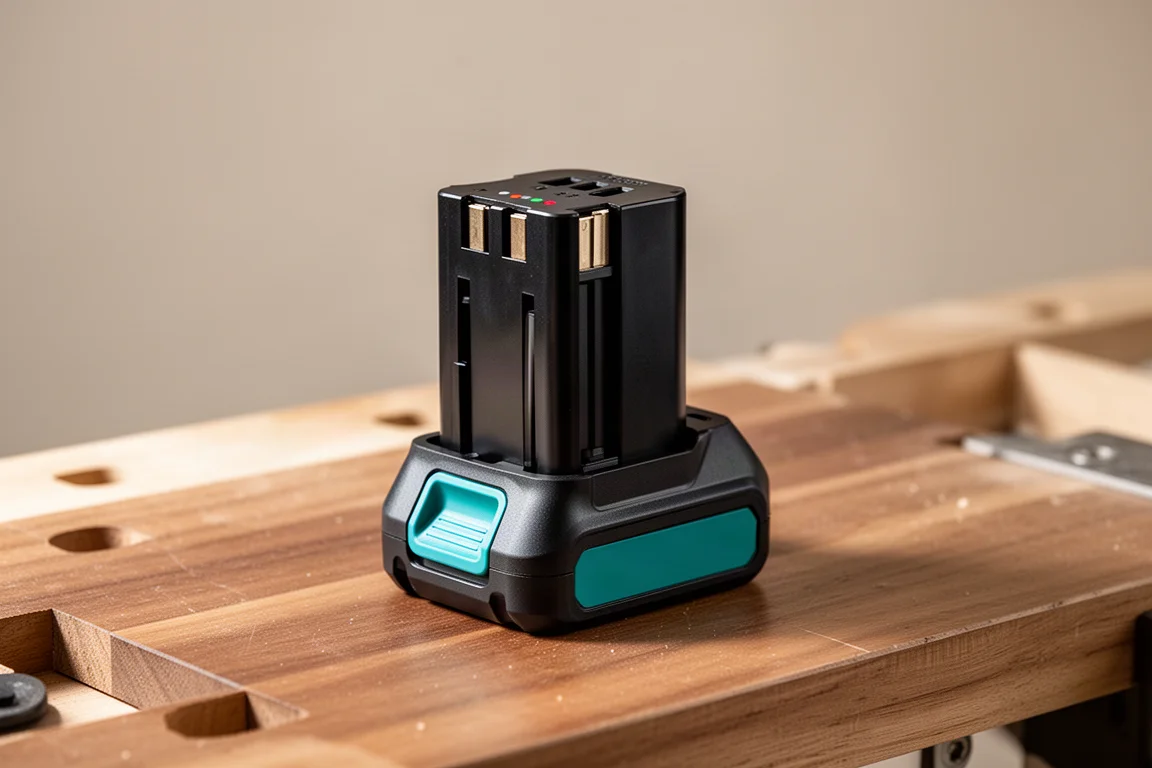
The 5.0Ah pack doubles up the cell count to twenty 18650 VTC5A cells. Structurally, it is the equivalent of two 2.5Ah packs combined, which spreads the energy draw across more cells and keeps everything running cooler under load.
With more cells sharing the workload, this pack is better suited to outdoor power equipment and mid-weight saws than either of the compact packs. It sits comfortably in the middle of the range: enough capacity for longer sessions without the bulk of the biggest packs.
Makita BL4080F: Maximum Output for the Heavy Stuff
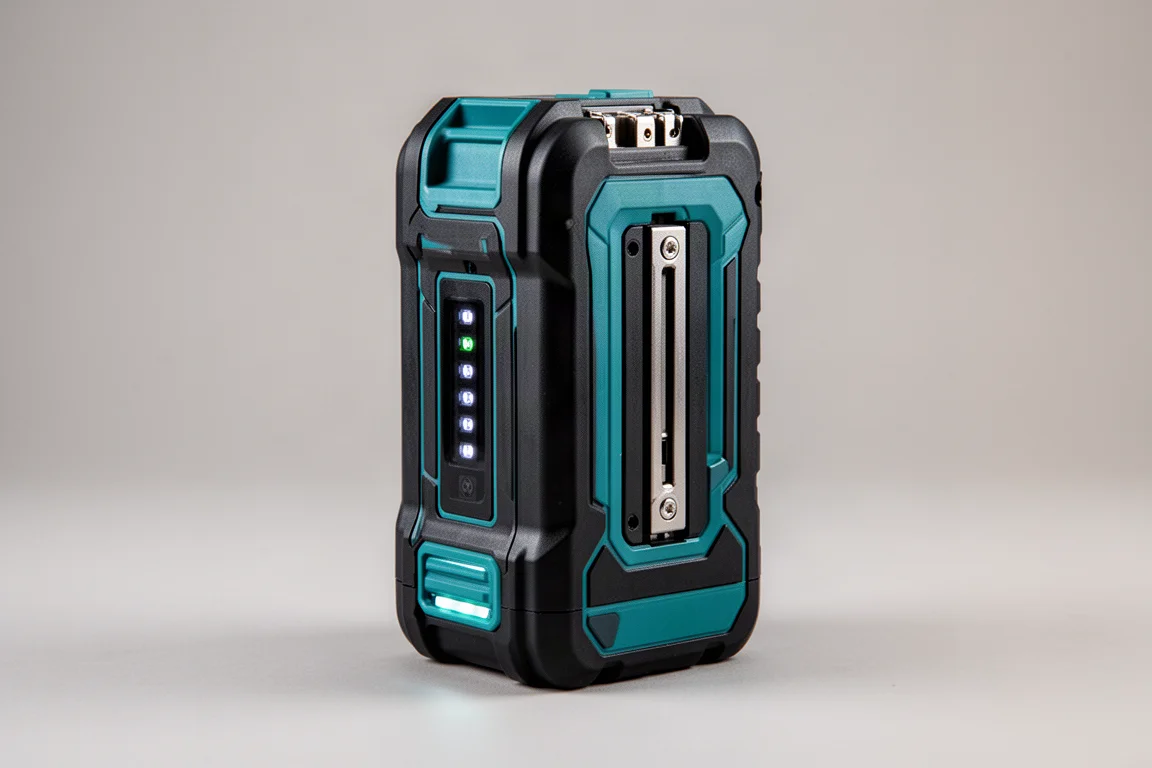
The 8.0Ah is the largest XGT pack, using twenty 21700 VTC6A cells, and it delivers a maximum output of 2,800W. This is the pack for genuinely demanding work: heavy grinding and the big chainsaw. Notably, Makita’s largest chainsaw only accepts this battery; the smaller chainsaws are throttled back to allow up to the 5.0Ah.
The trade-off is size and weight, so it is not a pack you would want hanging off an impact driver. For big tools that need sustained grunt, however, nothing else in the range comes close.
Reading the Signs of an Unhealthy Battery
A battery diagnostic checker can reveal a lot about pack health, and it is worth knowing what a good battery looks like. A healthy pack shows full voltage (around 40V when charged), balanced cells, a high health rating, and an output history with nothing in the high-drain or overheating zones.
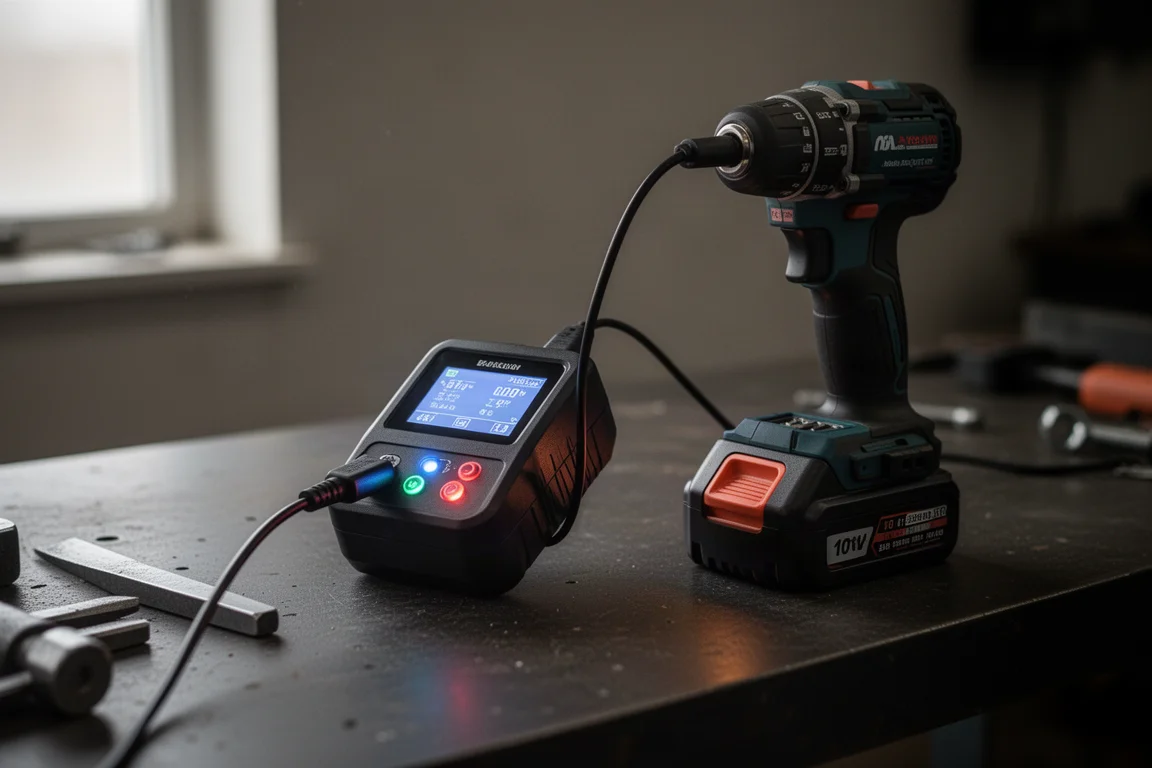
An unhealthy pack tells a different story. Warning symbols on the diagnostic readout indicate board failure rather than bad cells, and once those light up, the pack is effectively finished. One failed pack we examined showed 60% charge yet read zero volts at the terminals, confirming a board problem rather than drained cells.
Two habits matter here. First, if the charger shows the red warning light, clean the battery contacts with a nylon brush and try again rather than repeatedly re-seating it. Cycling a failing pack on and off the charger too many times can brick it permanently. Second, keep XGT batteries cycled fairly regularly; packs left sitting for long stretches can drop in reported health, though regular use keeps that figure high.
Simple Habits That Keep XGT Batteries Healthy
Beyond diagnostics, everyday care goes a long way. Makita hides a small white polycarbonate bung over one of the case screws, so opening a pack is permanently recorded on the housing and will typically void any warranty consideration. Unless a pack is genuinely dead and out of warranty, leave the case closed.
It is also worth repeating: never cut into or open lithium-ion cells. These packs store a serious amount of energy, and damaged cells can fail violently. If a pack shows flashing error lights, will not charge after a contact clean, or reads zero volts on a checker, replace it rather than experiment.
Which Battery for Which Tool
Here is the practical summary for matching packs to tools:
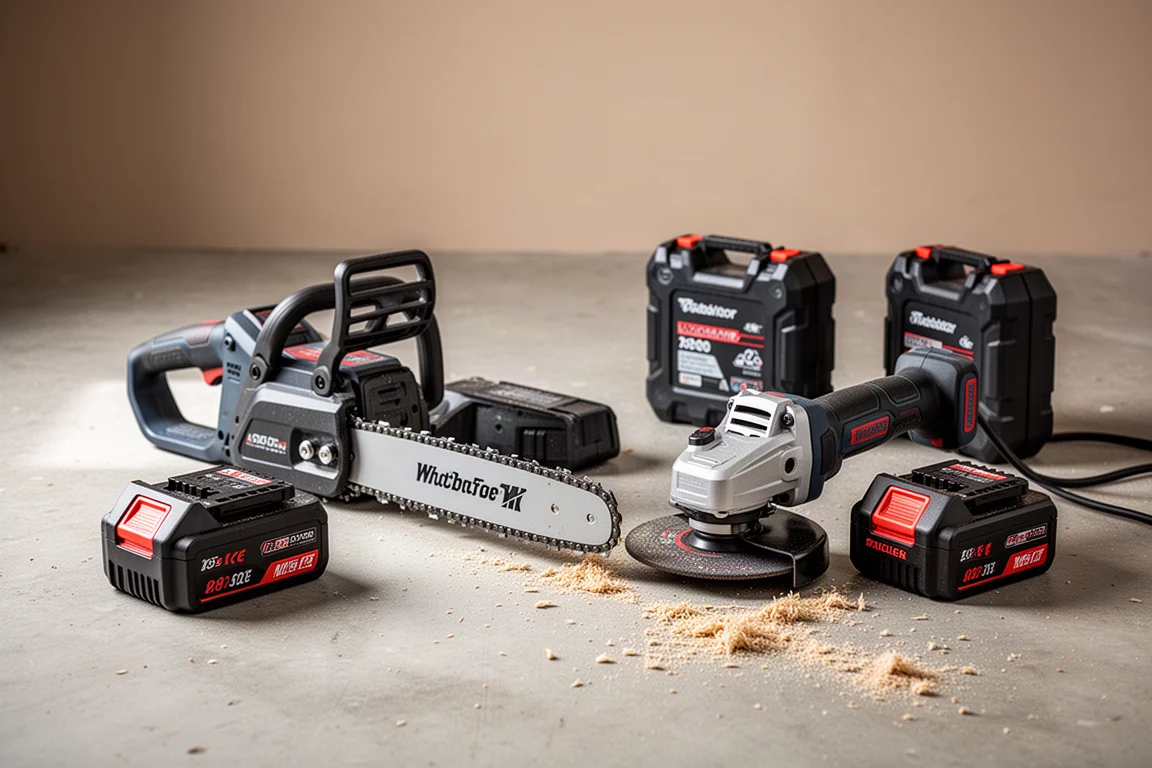
- Big chainsaw: the 8.0Ah is the only option; Makita restricts it to the largest model.
- Smaller chainsaws: up to the 5.0Ah.
- Heavy sustained grinding: the 8.0Ah, which stays coolest under load.
- 80V max dual-battery tools: use the 8.0Ah.
- Outdoor power equipment and vacuums: the 4.0Ah or 5.0Ah packs.
- Impact drivers, drills, and quick small jobs: the 2.5Ah, where weight matters most.
The 4.0Ah (and especially the F version) deserves a special mention as the everyday default. It delivers strong power across nearly the entire platform without the clunk of bigger packs on handheld tools.
Conclusion
Makita’s XGT range is more coherent than it first appears: every pack uses Murata cells, and the differences come down to cell size, cell count, and whether the pack uses modern tabless technology. The BL4040F is currently the best all-round battery thanks to its VX40 cells and 2,100W output, the BL4080F owns the heavy-duty end, and the compact packs earn their place on lightweight handheld tools. If the upcoming tabless 2.5Ah F pack performs as expected, the compact end of the range could get a serious boost too. Match the pack to the tool’s power demands, and the whole system makes sense.
Further reading
Related Reviews
Power Tool Batteries
9Ah M12 Batteries Tested: Which Aftermarket Pack Is Actually Worth Buying?
We measured real capacity, voltage sag, and tool performance from four aftermarket 9Ah M12 batteries against Milwaukee's XC 5.0 High Output pack. One budget option stands out.
Power Tool Batteries
DeWalt DCBP520 5Ah PowerStack Battery Review: Big Power in a Pouch-Cell Pack
The largest PowerStack battery yet promises pouch-cell output with 5Ah of capacity. We break down its size, weight, voltage sag, and real tool performance.
Power Tool Batteries
DeWalt PowerStack 5Ah vs XR 5Ah: What a Heat Gun Runtime Test Revealed
Two DeWalt 5Ah batteries ran a DeWalt heat gun back to back. Same capacity, very different power delivery, heat, and voltage behavior.