Power Tool Batteries
Makita LXT 18V 9Ah and 12Ah Batteries: A Close Look at the Biggest Packs Yet
The first amp-hour increase on Makita's LXT 18V system since 2016. What fits inside, how heavy they are, and what to check before buying.
Introduction
Makita’s LXT 18V platform has used the same amp-hour ceiling for a long time. The 6Ah pack launched in 2016 and nothing bigger followed for over nine years. That has now changed with two new packs: a 9Ah and a 12Ah. We look at how big they are, what cells sit inside, and what the small print on the label means before you commit.
Size and Weight
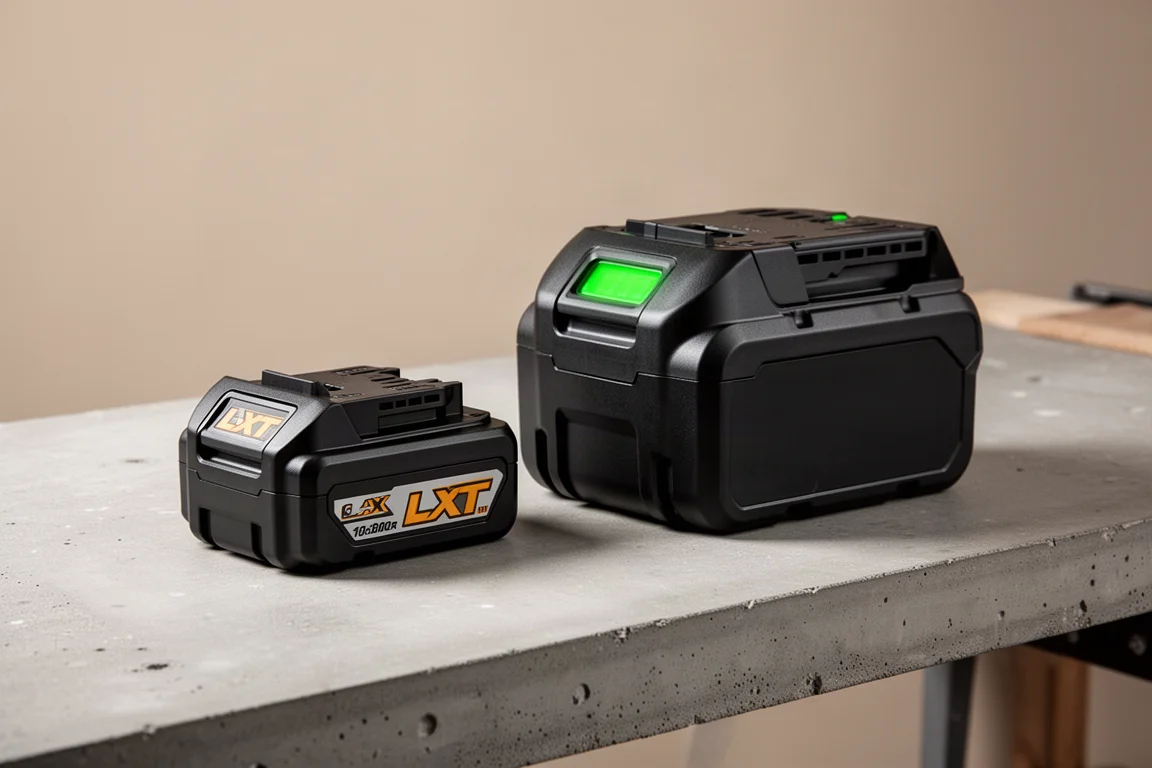
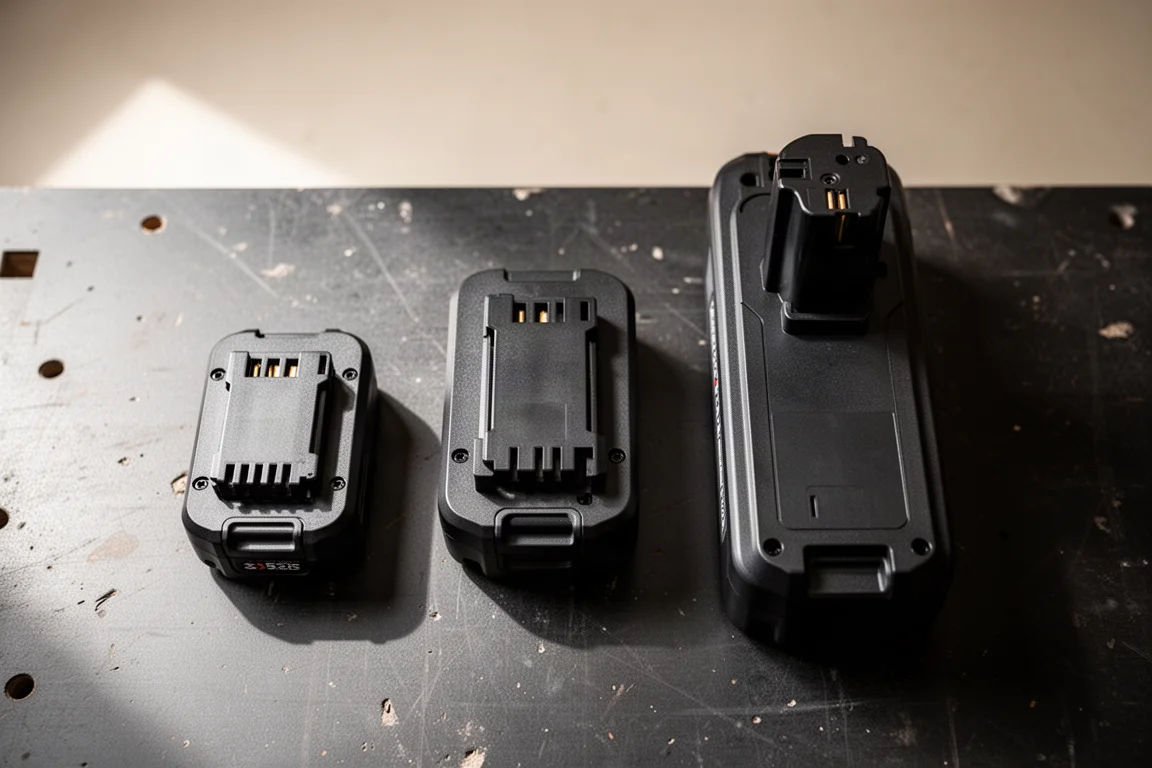
These are a big jump in size from what most users are used to. The familiar 3Ah, 4Ah, 5Ah and 6Ah packs all share the same physical size and shape, because they all hold ten cells and differ only in cell capacity. They also weigh about the same, roughly 620 grams give or take 20g.
The 9Ah measures in at 970g and the 12Ah at a substantial 1.3kg. For context, some competing 12Ah-class packs come in at 1.5kg or more, so the Makita is comparatively lighter for its capacity. The 12Ah also appears narrower than rival packs, which points to 18650-format cells rather than wider 21700 cells. Both packs are noticeably larger in every dimension, height, width and length, compared to the standard range.
Compatibility and Symbols
Out of the box, the packs arrive at 30% charge or below and work immediately on tools without needing a charger first, as confirmed by testing them on a tool straight from the box. The label lists 162 watt hours for the 9Ah and 216 watt hours for the 12Ah, both made in China, with the cell origin not stated.
There is one catch. Both packs carry a list of model numbers on top: DSP600, DSP601, DSS611, DRC200 and DRC300, covering the twin-battery plunge saws, a circular saw and robot vacuums. These packs do not fit or are not approved on many tools, and some markets list a far longer exclusion table. Check compatibility with your specific tools before buying.
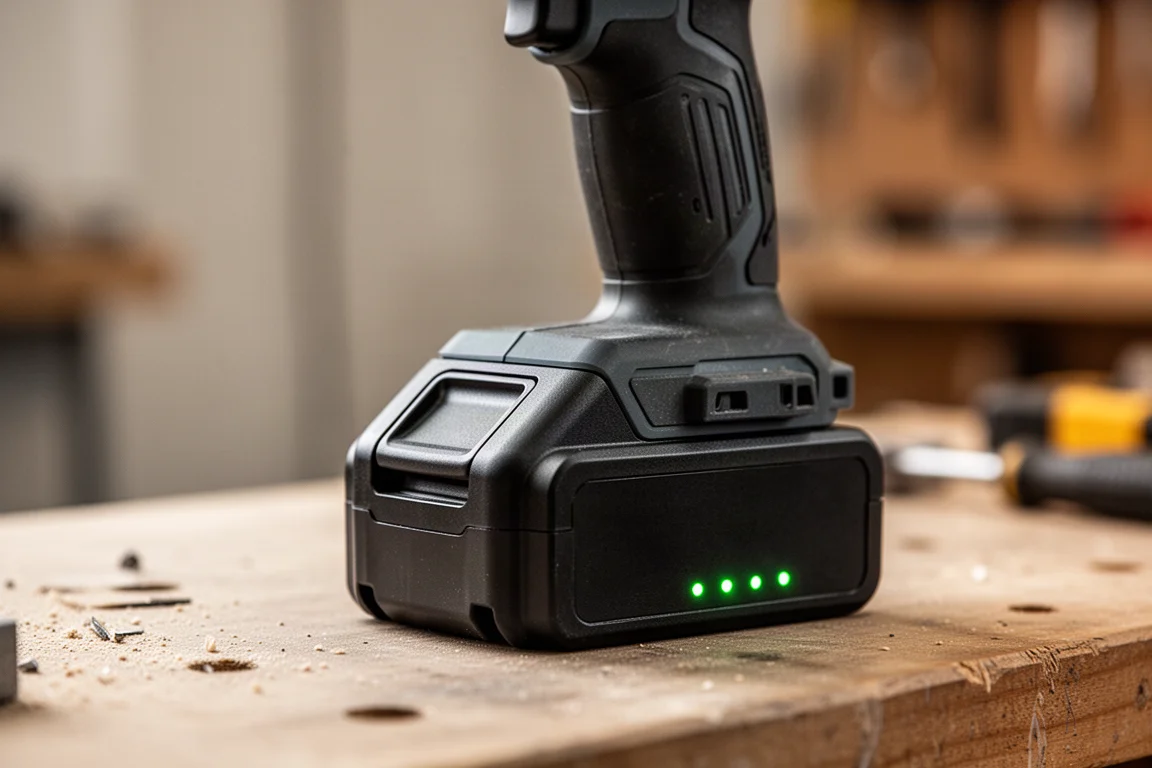
The label symbols are worth knowing too. The star indicates internal circuitry protection that cuts out the pack when it overheats or is overloaded, protecting both battery and tool. The snowflake indicates compatibility with a faster charging option available for the 6Ah, 9Ah and 12Ah packs; the standard 5Ah pack does not carry it. The airplane symbol relates to shipping at a low state of charge. The green charge indicators, rather than the usual red, also behave differently: they stay lit while the tool is in use, so you can check remaining charge at a glance, and the orange light signals the auto-stop point.
Inside the Packs
Opening both packs reveals the same cells: Panasonic NCR18650 cells rated at 3,000mAh each. The 9Ah uses fifteen cells in three parallel groups, and the 12Ah uses twenty cells in four groups. They are not tabless cells, so anyone waiting for that technology in Makita 18V packs will have to keep waiting; production of tabless 18650 cells has faced delays.
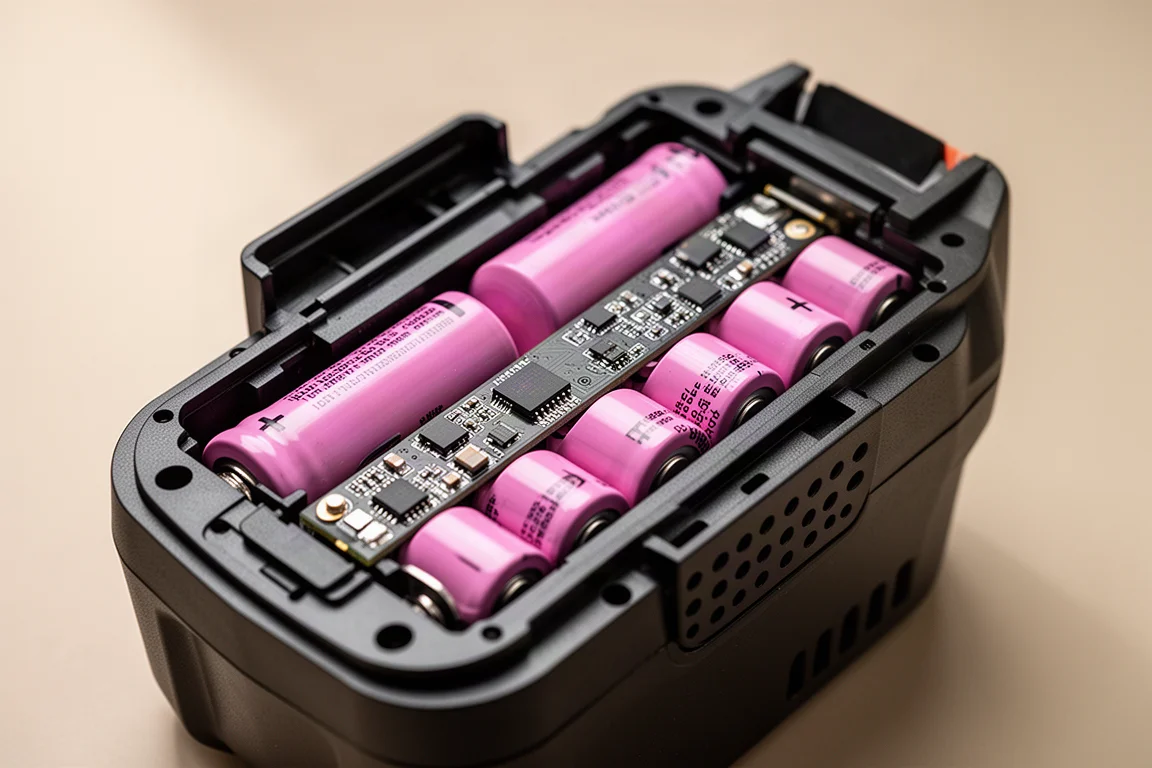
Notably, these appear to be very new Panasonic cells with little published data so far beyond basic dimensions, and these packs may be among the first to use them. The 12Ah pack also shows generous spacing between cells with airflow vents running through the pack, plus more vent holes in the housing than the 9Ah, both aimed at keeping temperatures down under heavy load. Both packs use Torx 10 screws, with two additional screws in the top shell, which is new compared to older LXT packs that only used four bottom screws.
Should You Upgrade?
The 9Ah makes sense for anyone wanting extended runtime on high-draw tools without moving to a heavier dual-battery setup. The 12Ah is clearly aimed at production use, where staying on the tool longer matters more than weight, and its venting and indicator behaviour reflect that. Its 1.3kg weight is respectable for the capacity, but it is still a large, heavy pack that will unbalance lighter tools.
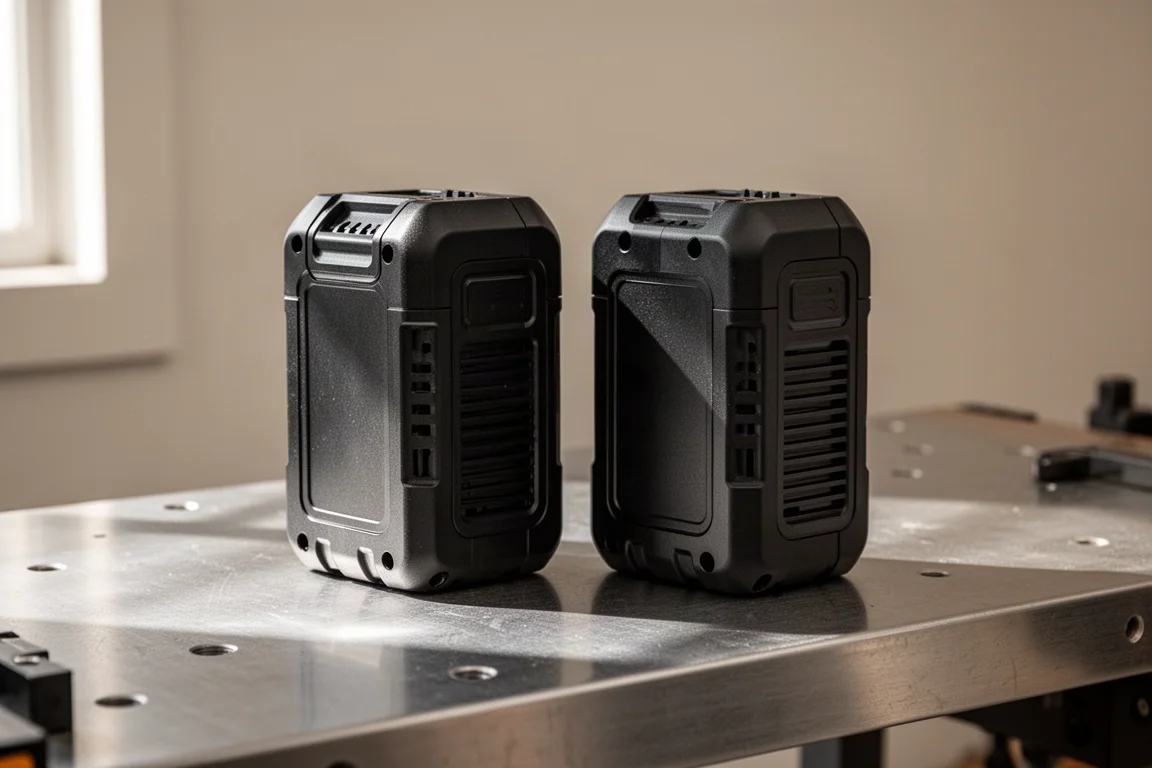
Before buying either, verify that your tools accept them. The listed exclusions, particularly the plunge saws and robot vacuums, are a real limitation, and Makita maintains a fit table by region. If your everyday tools are covered, these packs offer the biggest jump in LXT 18V runtime in nearly a decade.
Conclusion
The 9Ah and 12Ah LXT packs deliver the first meaningful runtime increase on the platform since 2016, using new Panasonic 18650 cells in a well-vented, comparatively light package. Match the pack size to your workload, check tool compatibility carefully, and either one is a solid investment for heavy Makita users.
Product link
View more details for Makita 9Ah LXT 18V Battery
This product is mentioned in the review. Check the specifications, options, and compatibility before buying.
View more details for Makita 9Ah LXT 18V BatteryFurther reading
Related Reviews
Power Tool Batteries
9Ah M12 Batteries Tested: Which Aftermarket Pack Is Actually Worth Buying?
We measured real capacity, voltage sag, and tool performance from four aftermarket 9Ah M12 batteries against Milwaukee's XC 5.0 High Output pack. One budget option stands out.
Power Tool Batteries
DeWalt DCBP520 5Ah PowerStack Battery Review: Big Power in a Pouch-Cell Pack
The largest PowerStack battery yet promises pouch-cell output with 5Ah of capacity. We break down its size, weight, voltage sag, and real tool performance.
Power Tool Batteries
DeWalt PowerStack 5Ah vs XR 5Ah: What a Heat Gun Runtime Test Revealed
Two DeWalt 5Ah batteries ran a DeWalt heat gun back to back. Same capacity, very different power delivery, heat, and voltage behavior.