Portable Power Stations
Makita ConnectX Portable Power Station PDC01: Expensive, Convoluted, and Hard to Recommend
The Makita ConnectX PDC01 turns DC battery power into AC output, but the system it needs to work is costly, awkward, and outclassed by cheaper portable power stations.
Introduction
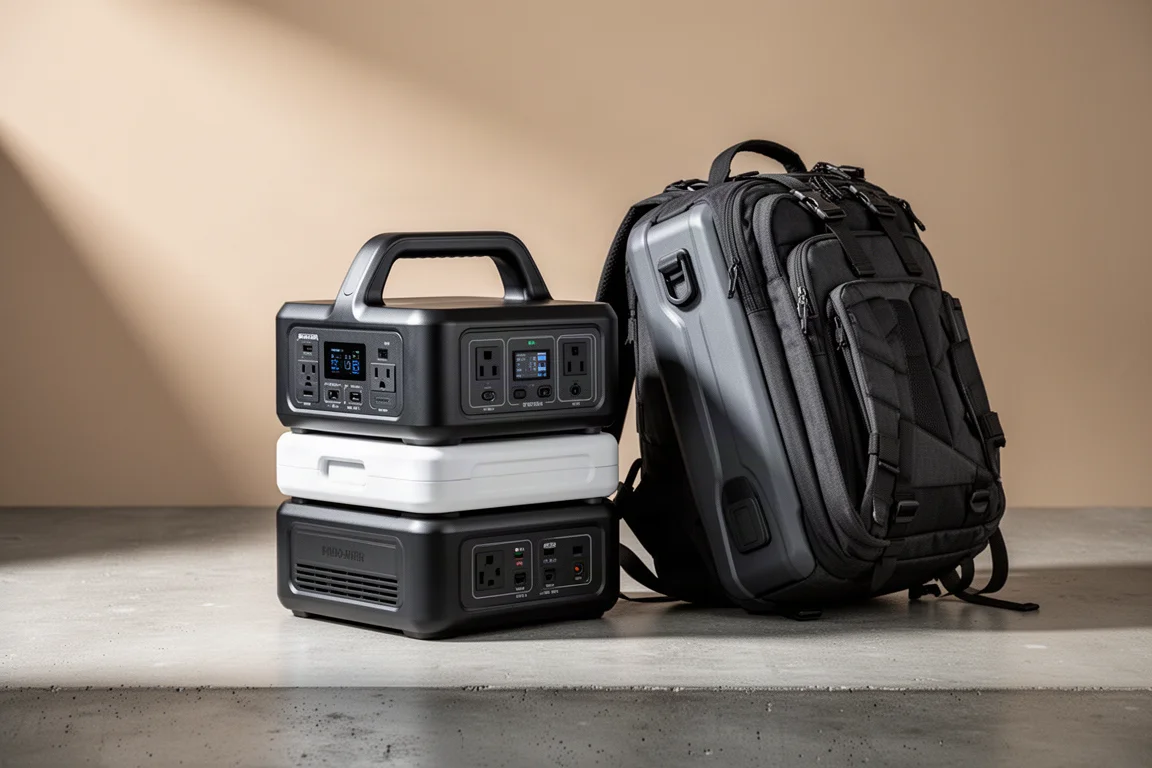
Makita has released a new piece of the ConnectX ecosystem: the PDC01 Portable Power Station, a stackable inverter module that converts DC power from a battery source into standard AC output. On paper, that sounds like a genuinely useful field companion, something you could carry to a job site to charge tool batteries or run small devices.
In practice, it is one of the more confusing product launches we have seen in this category. The PDC01 retails for around $780 on its own, includes no batteries, and cannot clip in any Makita LXT or XGT battery out of the box. To actually use it, you need to buy into a separate backpack power supply system that pushes the total well past $2,000, and even then the runtime and output lag behind cheaper alternatives. This article breaks down what the ConnectX system really involves, what the PDC01 delivers, and why a mainstream portable power station remains the smarter buy for most people.
What the Makita ConnectX PDC01 Actually Is
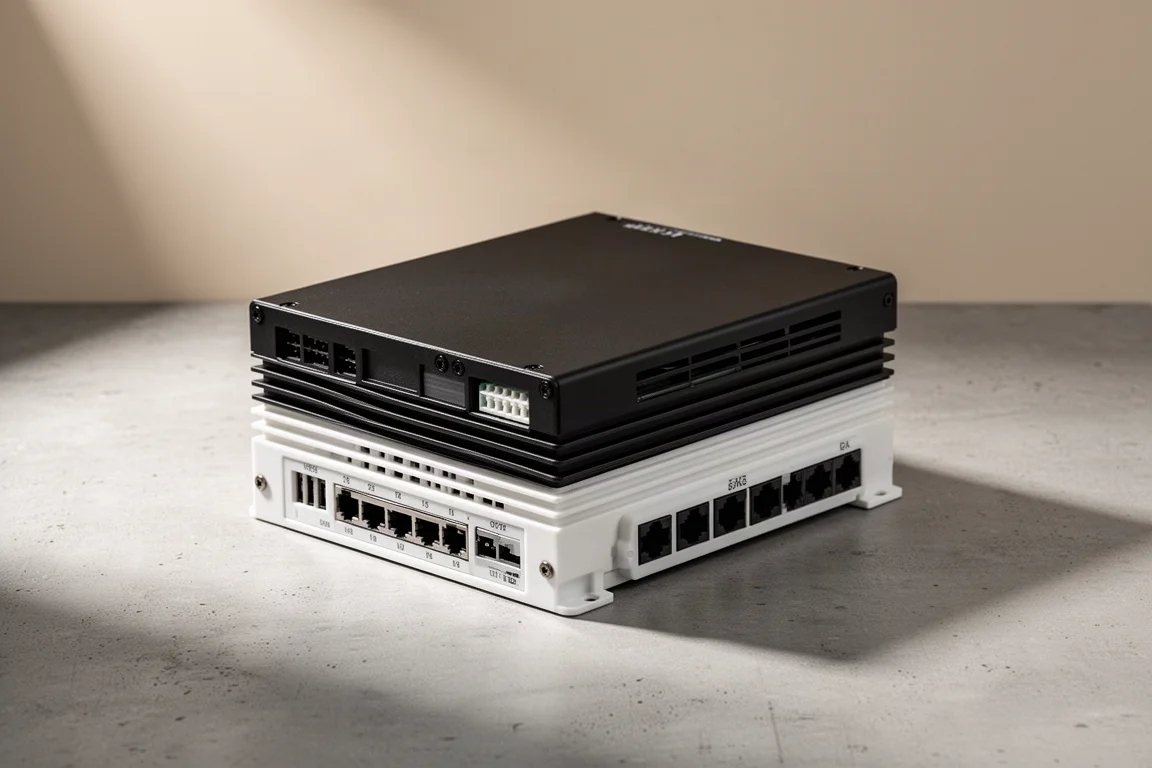
The PDC01 is a small inverter module designed to stack on top of, or underneath, one of Makita’s ConnectX backpack power supplies. Its job is simple: take DC power and turn it into AC power you can use in the field.
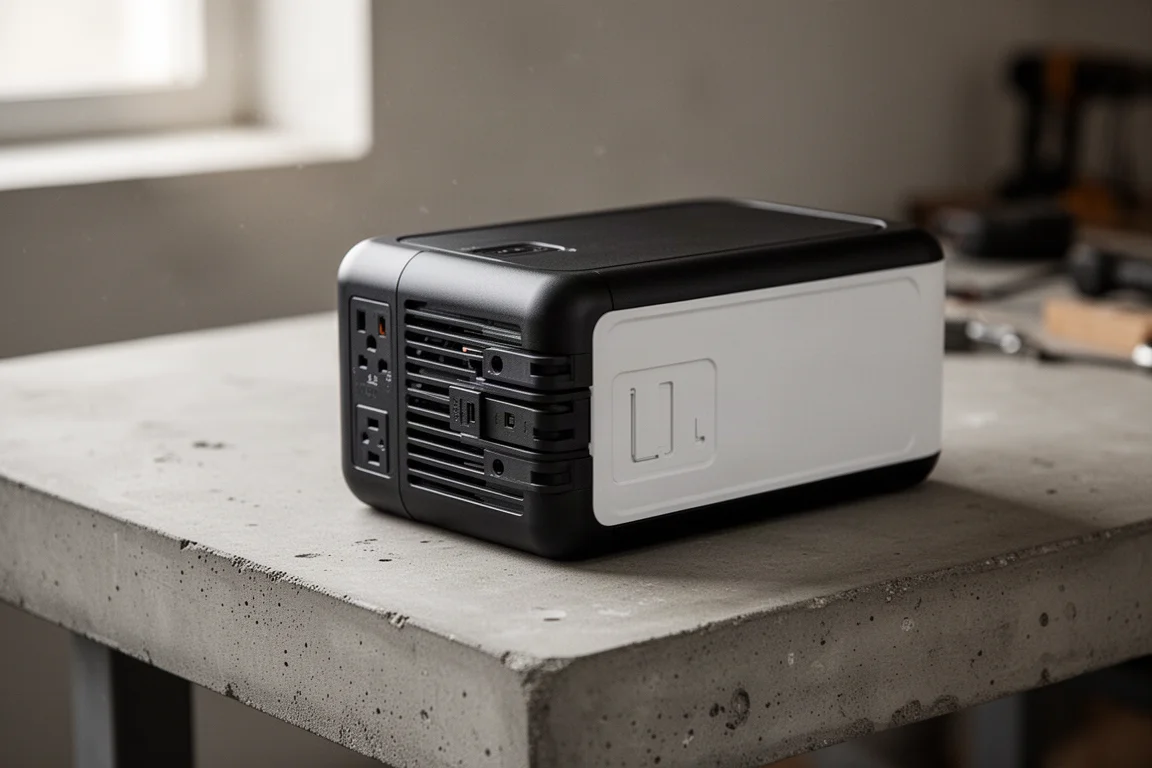
The problem is that “simple” does not describe the buying experience. At roughly $780, this is already a pricey purchase for just an inverter, and Makita has not made it easy to feed it power. There is no way to clip in LXT, XGT, or even CXT batteries directly. Anyone buying this expecting to plug in batteries they already own will be disappointed.
Output is modest for the money: 1,400W continuous with a higher peak figure for momentary surges. The port selection is thin as well. You get two AC outlets, two USB-A ports, two USB-C ports, and a cigarette lighter-style socket. That is the entire connectivity story, and there is no solar input option to speak of.
The Battery Problem: Meet the ConnectX Backpack
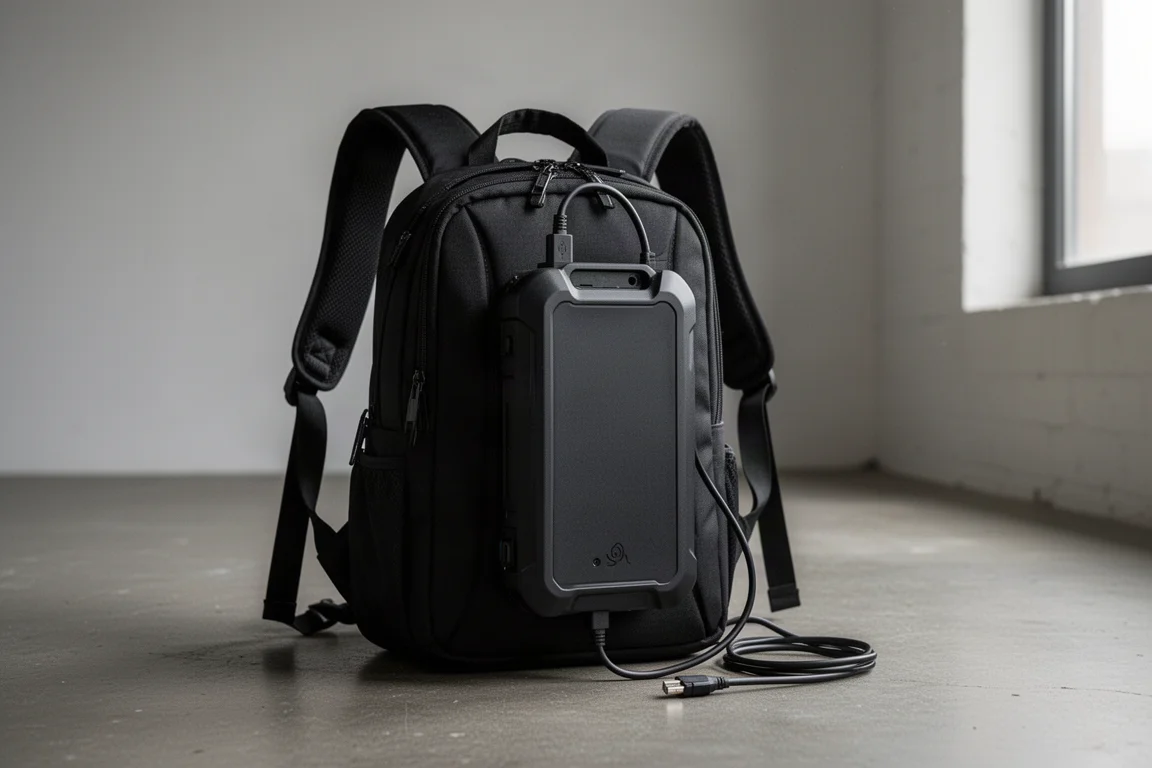
To power the PDC01, you need one of Makita’s ConnectX backpack power supplies, and there are two routes. The first is the dedicated ConnectX backpack battery, priced around $1,400. It is not an LXT, XGT, or CXT pack; it is a standalone wearable battery that feeds LXT or XGT tools through adapters that cost over $100 on their own.
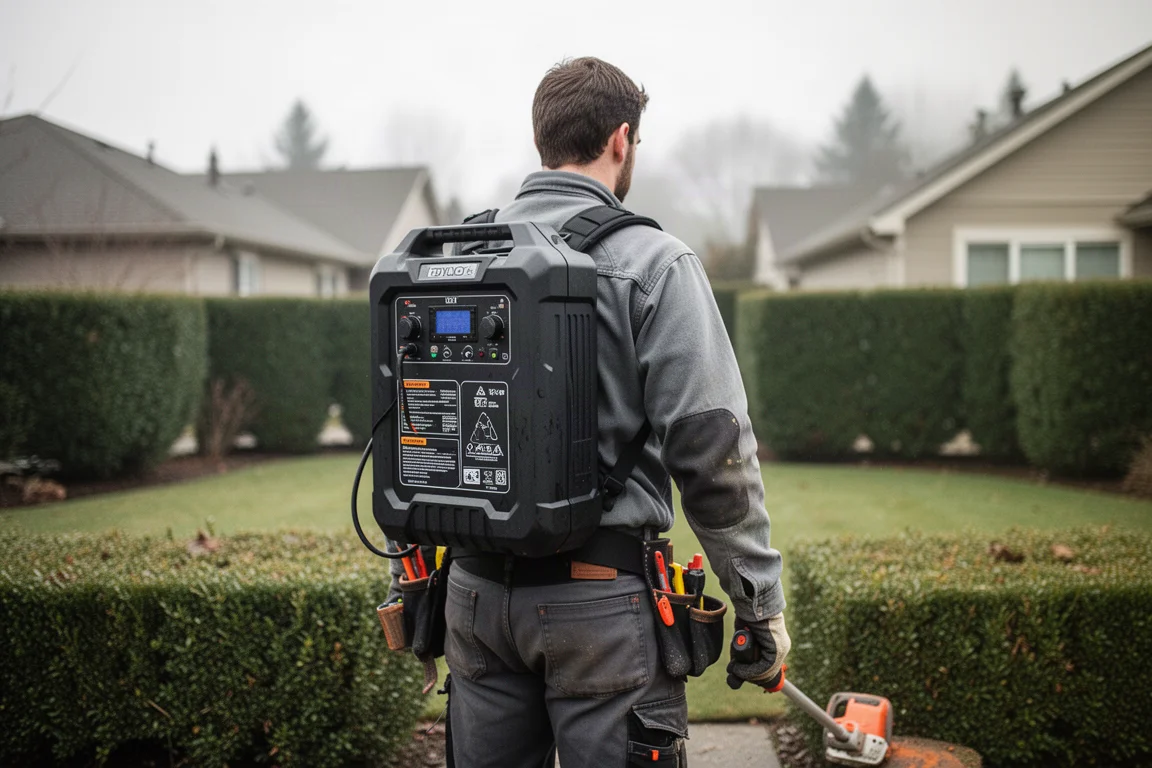
The second route is the LXT portable backpack power supply, which does accept LXT batteries in four slots. Fill those slots with four 6Ah LXT packs, and you get roughly 500Wh of runtime, which is not a lot. Four 6Ah batteries are not cheap either, adding $400 or more even on sale, bringing the total to around $1,100 for half the capacity of the competing option below.
Between the inverter, the backpack, and the batteries, a fully functional portable power setup climbs to well over $2,000, and the whole rig lands close to 50 pounds once you account for the two-piece design. It is bulky for what it is.
What You Get for the Money
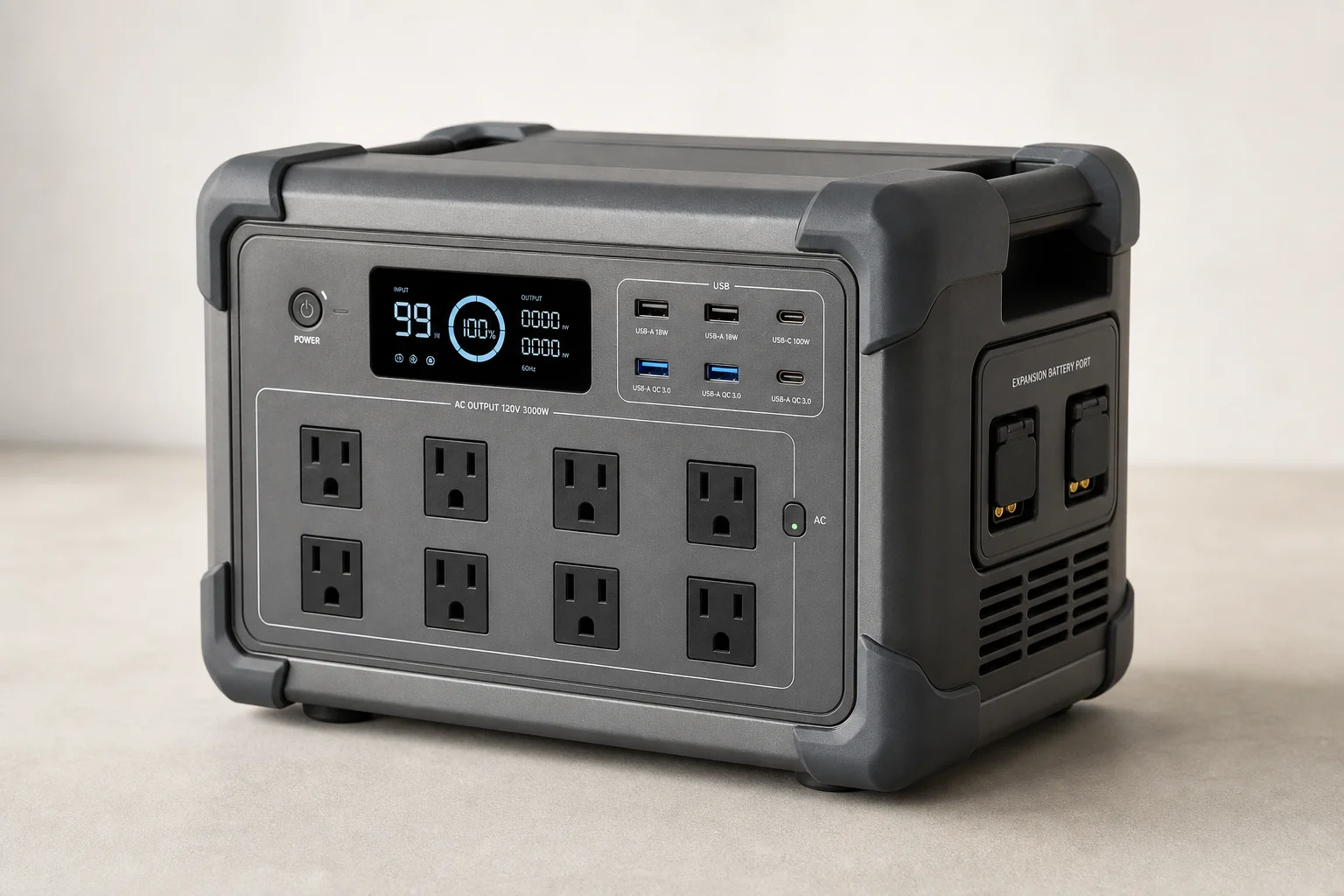
Here is where the value comparison becomes uncomfortable. The EcoFlow Delta 2 Max offers about double the capacity, 2,048Wh, for roughly $500 less, working out of the box with no separate battery backpack or adapters required.
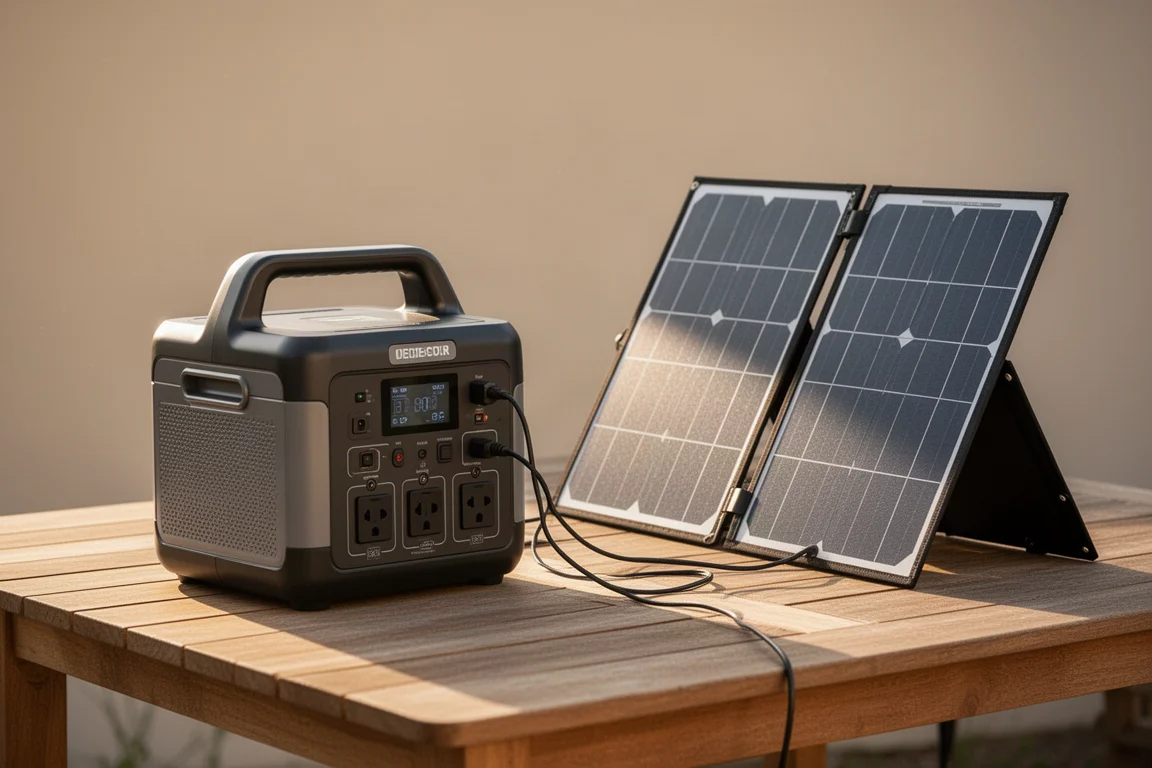
It also supports solar charging, can accept additional expansion battery packs, and outputs around 2,400W standard with up to 3,400W peak for appliances like refrigerators that draw extra power on startup. Yes, it is about twice the weight of the Makita ConnectX module alone, but it is a single self-contained unit rather than a two-piece stack, and the total weight of the complete Makita setup ends up in the same ballpark anyway.
Why the ConnectX System Is Hard to Justify
The core question is straightforward: if the pitch is charging Makita batteries in the field, why invest in a system that uses a battery to charge your batteries, when simply buying more LXT or XGT batteries does the same job more directly?
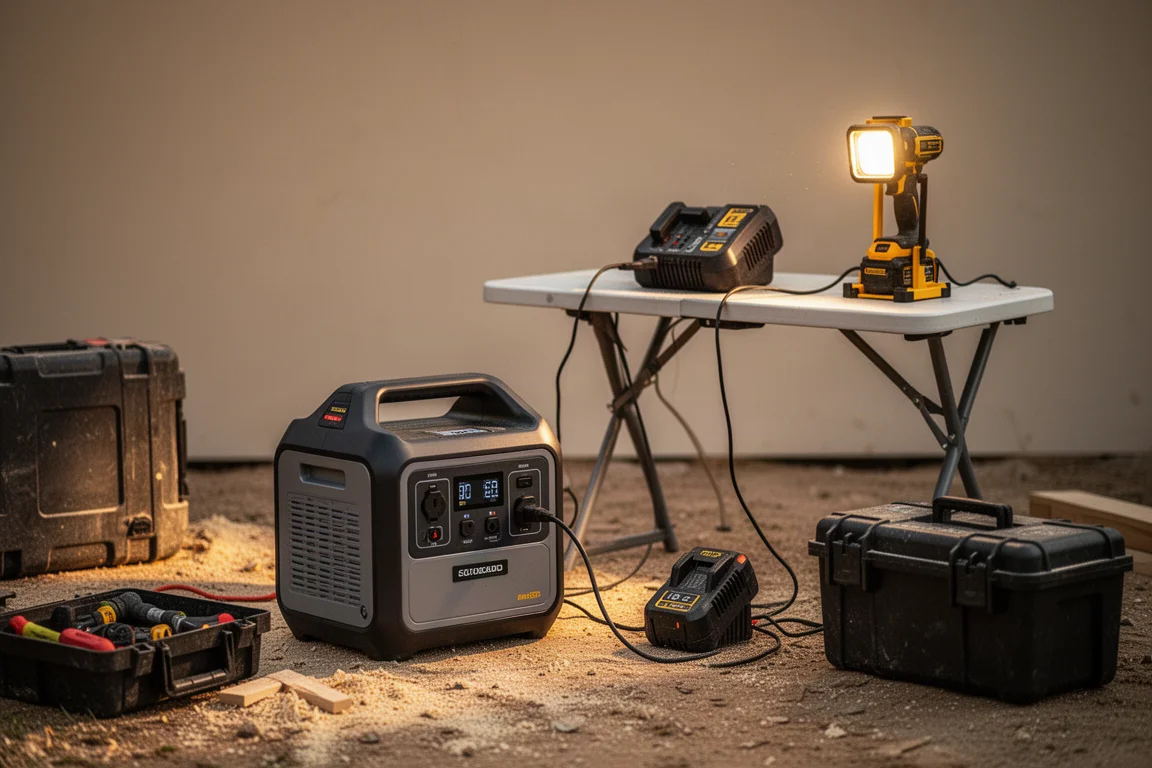
The ConnectX line itself has never really taken off. It was built with a small handful of tools aimed at landscapers, and XGT is widely seen as the better platform to buy into. The PDC01 launched with no XGT battery support, which is a strange omission, though Makita may add it later. There is also the awkward reality that the ConnectX backpack power supply is not available at Home Depot, Makita’s own major retail channel, making the ecosystem even harder to assemble.
At the right price, or if it simply worked with standard Makita batteries out of the box, the PDC01 would be an interesting product. As launched, it is an expensive, complicated stack of pieces that does less than a single cheaper unit from a competitor.
Should You Buy It?
For nearly everyone, no. If you want field power for charging batteries and running devices, an EcoFlow-style portable power station saves you money, arrives as one unit instead of two, supports solar, and delivers almost double the runtime. The PDC01 only makes sense if you are already deeply invested in ConnectX-specific tools and accept the cost and complexity that come with it.
View more details for EcoFlow Delta 2 Max
Conclusion
The Makita ConnectX PDC01 is a well-intentioned idea executed in a way that is expensive and convoluted. A $780 inverter with no battery support, paired with a $1,400 backpack and adapters, is a tough sell when comparable-capacity power stations cost less, do more, and need no accessories. Unless Makita simplifies the system or drops the price significantly, most buyers are better served by putting that budget toward more batteries for the platform they already own, or a single portable power station that just works.
Further reading
Related Reviews

Portable Power Stations
Anker SOLIX F3000 Review: A Powerful Portable Power Station With a Few Design Quirks
The Anker SOLIX F3000 delivers strong performance, fast charging, and a competitive price, but a few design choices may give you pause.

Portable Power Stations
EcoFlow Delta 3 Series: Five New Power Stations Previewed
EcoFlow expands the Delta 3 lineup with five models, from the compact Classic to the flagship Ultra Plus. Here is what each one offers.
Portable Power Stations
Oscal Power Max 6000 Review: A Large Solar Generator With Real Trade-Offs
A week of off-grid use shows what the Oscal Power Max 6000 handles well, where it falls short, and when a fuel generator still makes more sense.