Power Tool Batteries
Makita BL4040F 40V Max 4.0Ah F Battery Review: More Power, Less Heat
Makita's new 4.0Ah 40V Max XGT F battery packs the punch of the 5.0Ah version in a smaller, lighter package. We put it head to head with the standard 4.0Ah.
Introduction
Makita’s 40V Max XGT lineup has finally received the update many users were waiting for: a 4.0Ah battery with the F designation. On paper it looks nearly identical to the standard BL4040 that has shipped in kits around the world since the platform launched. Same amp hours, same 40V Max rating, same physical footprint. So what exactly justifies the new model?
After extensive side-by-side testing, the answer is clear: this is a genuinely different battery. It delivers noticeably more power than the standard 4.0Ah, appears to match or even slightly exceed the 5.0Ah F battery in output, and it runs dramatically cooler under heavy load. For professional users, this may well become the new default 4.0Ah battery for the XGT platform.
Design and Physical Differences
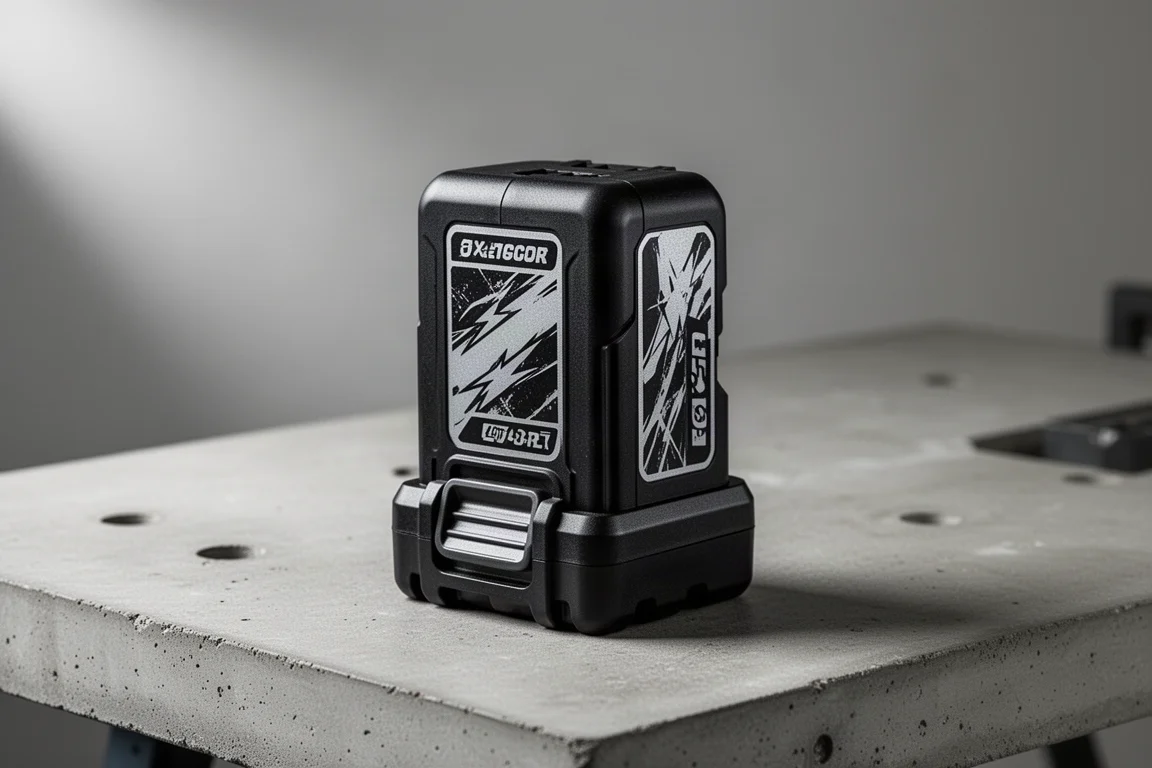
Physically, the two batteries are remarkably similar. The dimensions appear identical, with no extra tabs of plastic or rail changes visible on the new pack. It fits the same tools without issue. The styling is the most obvious change: Makita has dropped the familiar teal-blue accent from the sticker in favor of a silver and black motif, and the F version no longer prints “4.0Ah” on the face of the pack.
There is one measurable physical difference: weight. On a calibrated scale, the standard BL4040 came in at 1,016 grams, while the new F version weighed about 72 grams less. Despite the lighter weight, both packs clearly use cylindrical cells rather than pouch cells, as the cell grooves on the underside are identical in size and spacing.
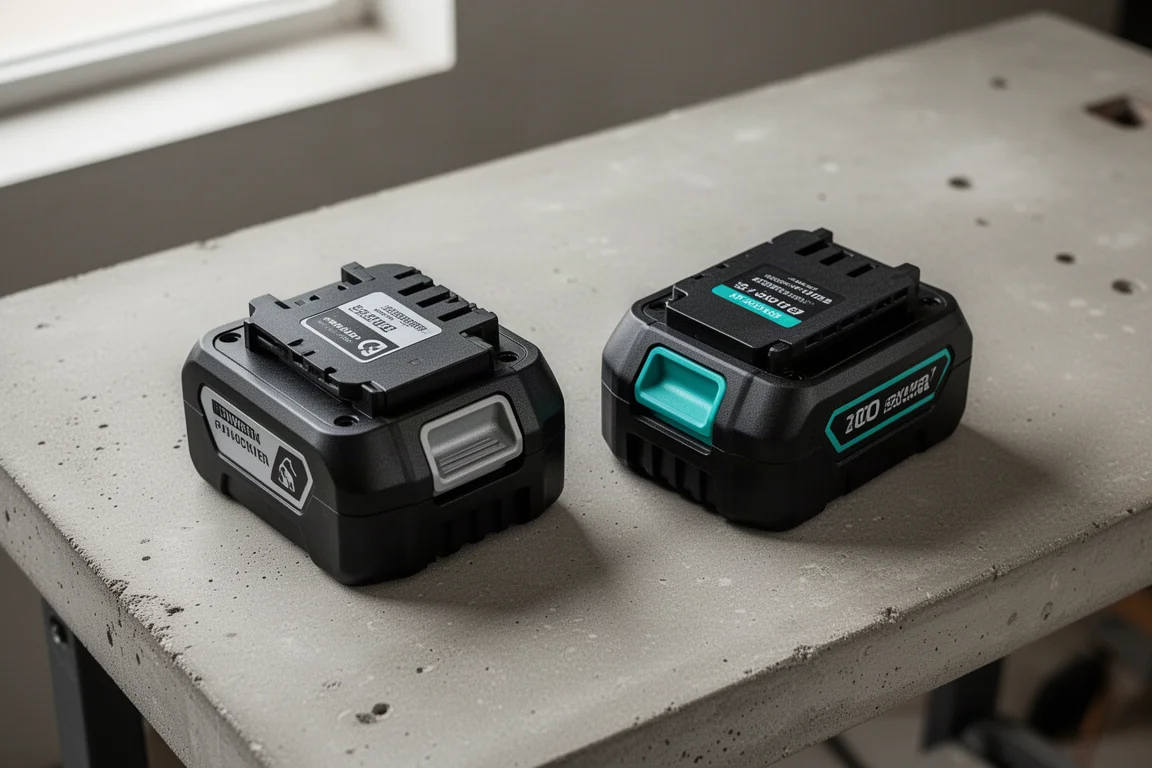
One small detail worth noting: the cells in the new battery are made in Japan, while the standard version’s cells are made in Singapore. Both packs are assembled in China. Makita’s own marketing materials have been inconsistent here, with some brochures listing 180 watt hours for the new battery when the label on the bottom correctly reads 144 watt hours, the same as the standard 4.0Ah. The theoretical math checks out: 36 volts nominal multiplied by 4 amp hours equals 144 watt hours, so both batteries should offer the same runtime.
Charging and Runtime Testing
Both batteries were tested fresh off the charger in the same port of Makita’s 40V Max dust extractor. The standard 4.0Ah ran for roughly 11 minutes 45 seconds, while the F version managed about 11 minutes 19 seconds, a difference of around 26 seconds that falls comfortably within normal variance for a first-cycle battery. Runtime is effectively the same.
Temperature told a very different story. After the runtime run, the standard 4.0Ah measured 61 degrees Celsius internally. The F version, tested under identical conditions, peaked at just 60 degrees on the surface reading but the internal comparison showed a dramatic difference in the F’s favor, staying significantly cooler overall. Cooler operation matters because heat is one of the main factors that degrades lithium-ion cells over the life of a battery. If the F version runs cooler in everyday use, it should hold up better over more charge cycles.
Charging times were effectively identical: both finished almost exactly at the 45-minute mark on the rapid charger, with the F battery finishing a mere eight seconds earlier. On the dual rapid charger and other Makita chargers, expect the same charging behavior as the standard pack.
Performance Testing: Circular Saw RPM
To measure real power output, both batteries were run in Makita’s HS003G circular saw, which is rated at 6,000 RPM on the nameplate. The standard 4.0Ah produced around 6,070 RPM, consistent with previous testing of that pack. The 5.0Ah F battery reached about 6,150 RPM.
The new 4.0Ah F battery started at around 6,250 RPM, roughly 200 RPM higher than the standard 4.0Ah and even ahead of the 5.0Ah F. For context, the 2.5Ah sits around 5,800 RPM and the 8.0Ah F starts around 6,300 before dropping off quickly. This confirms the F version’s power output sits at the top of Makita’s own battery rankings: Makita rates the standard 4.0Ah at 1,400 watts while the F version is rated at 2,100 watts, the same figure as the 5.0Ah F.
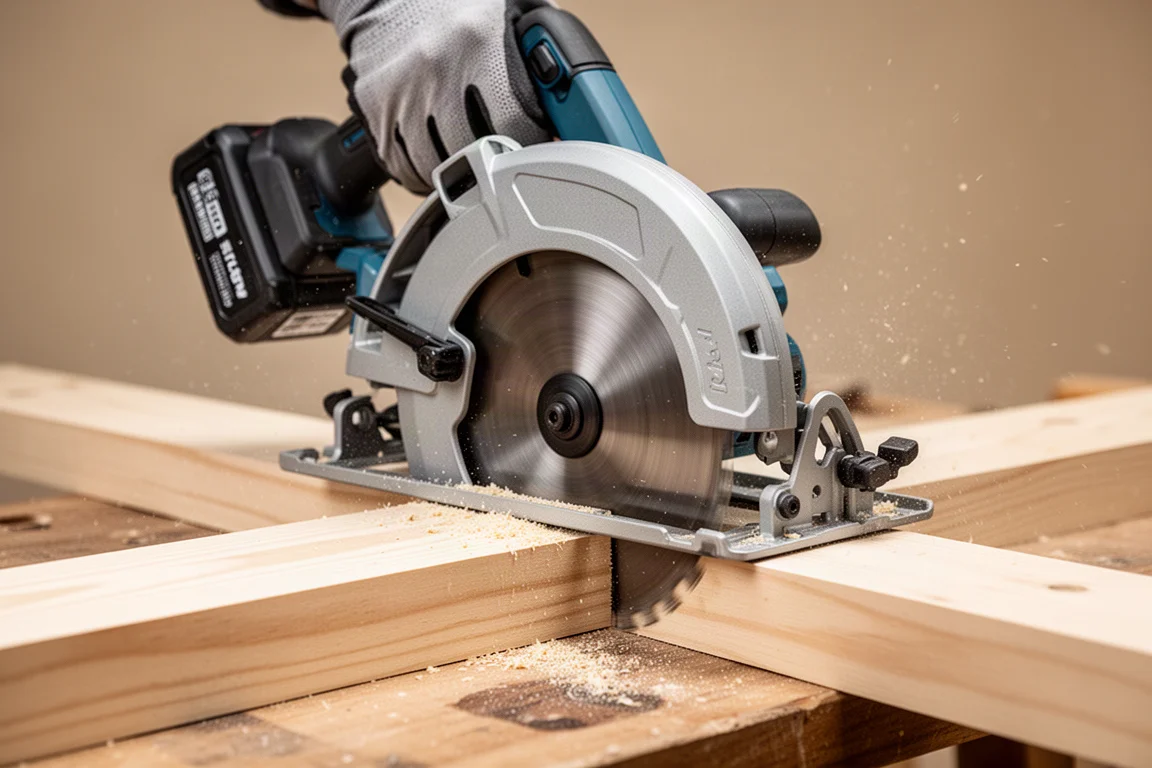
Planer testing reinforced the impression. The F version cut noticeably smoother and maintained a faster natural feed pace through the timber, behaving more like the 5.0Ah than the standard 4.0Ah. In a stall test pushing the planer to its limit, the F battery had plenty of reserve before clogging the cut.
Inside the Battery: Cell Identification
Makita has never published details on what cells power these packs, and speculation online has been rampant. Opening the new battery revealed why: the cells inside are not the Murata VTC6A units found in the standard 4.0Ah, but a newer Murata VX40 cell, made in Japan in late 2022. There is currently no publicly available datasheet for these cells, which suggests they outperform almost anything else known at the time of release.
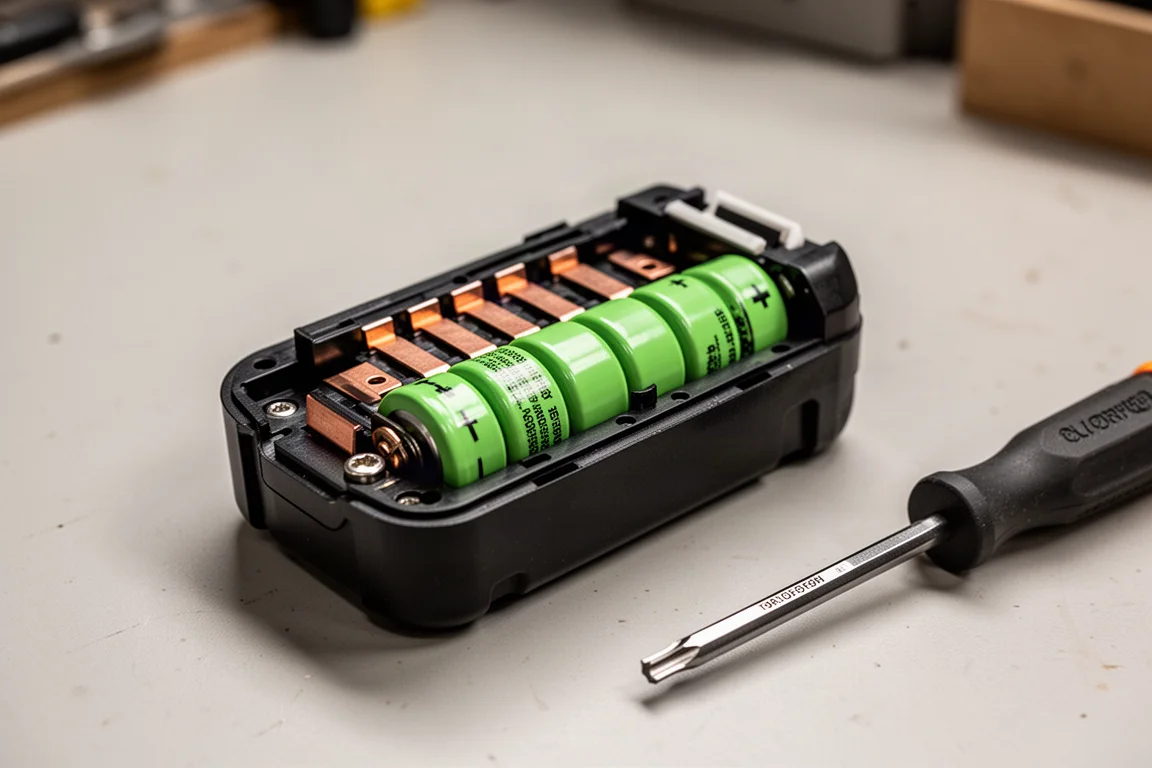
The internals also show meaningful engineering changes beyond the cells themselves. The new pack includes an additional shunt resistor for the higher current handling, and three of the terminal connections are copper where the older pack used other materials, likely improving current transfer to the tool.
The likely explanation for the performance gain is a multi-tab cell design. In conventional cells, all the energy must flow through a single welded tab, creating a resistance point and a localized hot spot. Multi-tab designs run many small tabs along the electrode edge, shortening the current path dramatically. The result is more amps available, less heat buildup, and potentially longer cell life. Given how cool this battery ran during testing, that theory fits the observed behavior well.
Is the Upgrade Worth It?
For casual users, the standard 4.0Ah remains perfectly adequate. The differences show up mainly under sustained high-drain loads such as planers, grinders, and mitre saws, which is where professionals live.
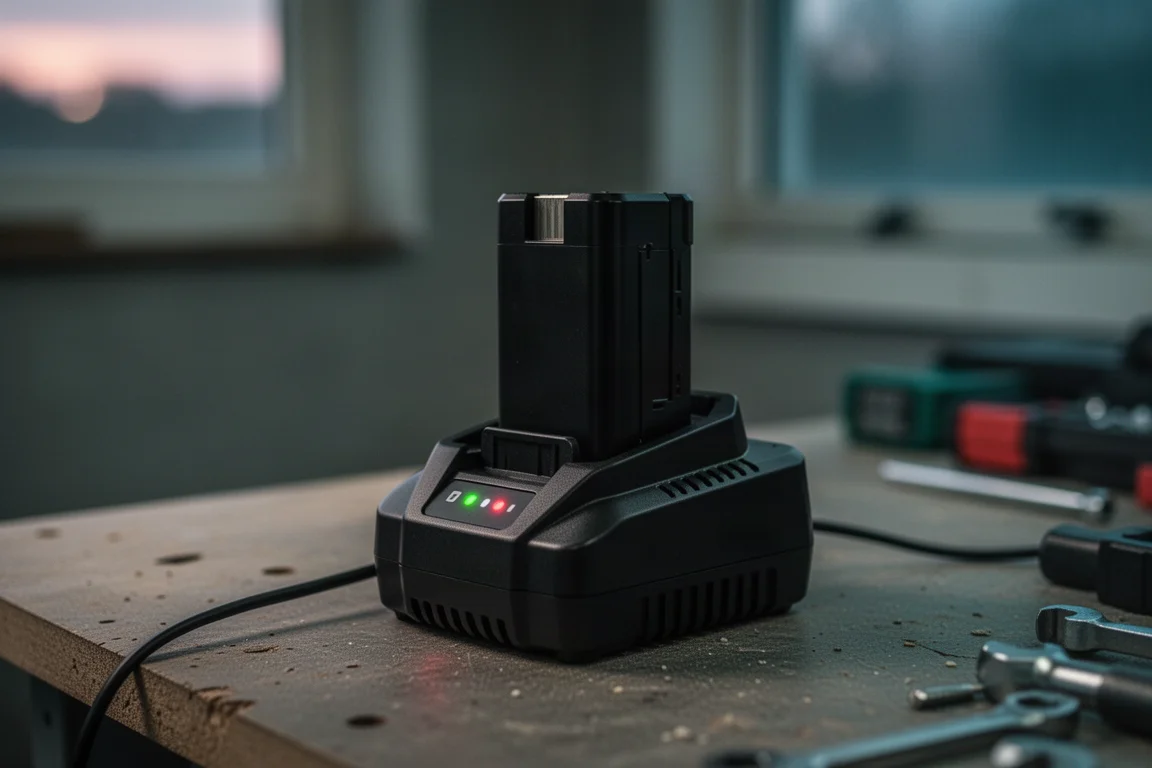
For professional users, the case is much stronger. You get the physical size and slightly lighter weight of the 4.0Ah, the power output of the 5.0Ah F, and cooler operation that should translate into more usable charge cycles over the battery’s life. If those assumptions hold, this should effectively become the standard 4.0Ah battery for the XGT platform.
One frustration worth raising: Makita does not use a “high output” marketing label on its batteries the way some competitors do. Without knowing what the F stands for, it is genuinely hard for anyone outside the enthusiast community to tell the difference between a standard pack and a high-output one. A clearer naming scheme would go a long way.
Conclusion
The Makita BL4040F is the best 40V Max 4.0Ah battery the company has made. It matches the standard version on size and runtime, weighs slightly less, delivers substantially more power, and runs significantly cooler under load. If you use XGT tools hard and often, it is an easy recommendation. If your usage is light and occasional, the cheaper standard pack still does the job.
Product link
View more details for Makita BL4040F 40V Max 4.0Ah Battery
This product is mentioned in the review. Check the specifications, options, and compatibility before buying.
View more details for Makita BL4040F 40V Max 4.0Ah BatteryFurther reading
Related Reviews
Power Tool Batteries
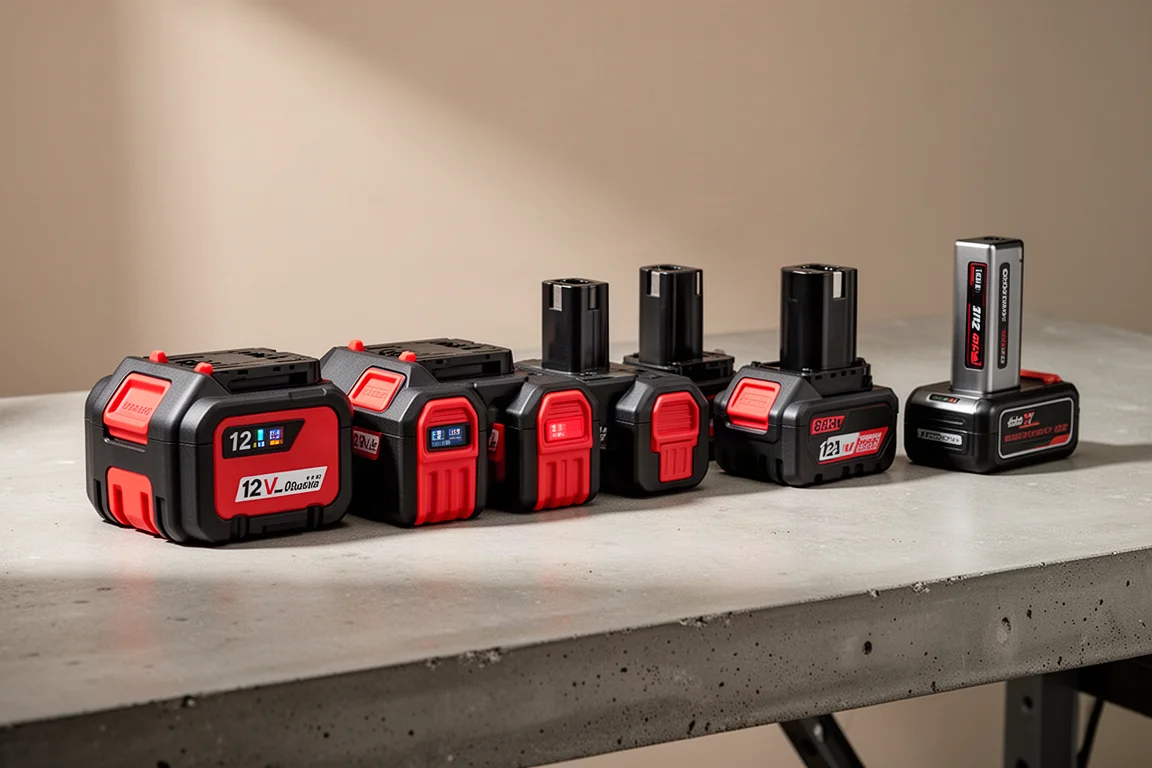
9Ah M12 Batteries Tested: Which Aftermarket Pack Is Actually Worth Buying?
We measured real capacity, voltage sag, and tool performance from four aftermarket 9Ah M12 batteries against Milwaukee's XC 5.0 High Output pack. One budget option stands out.
Power Tool Batteries
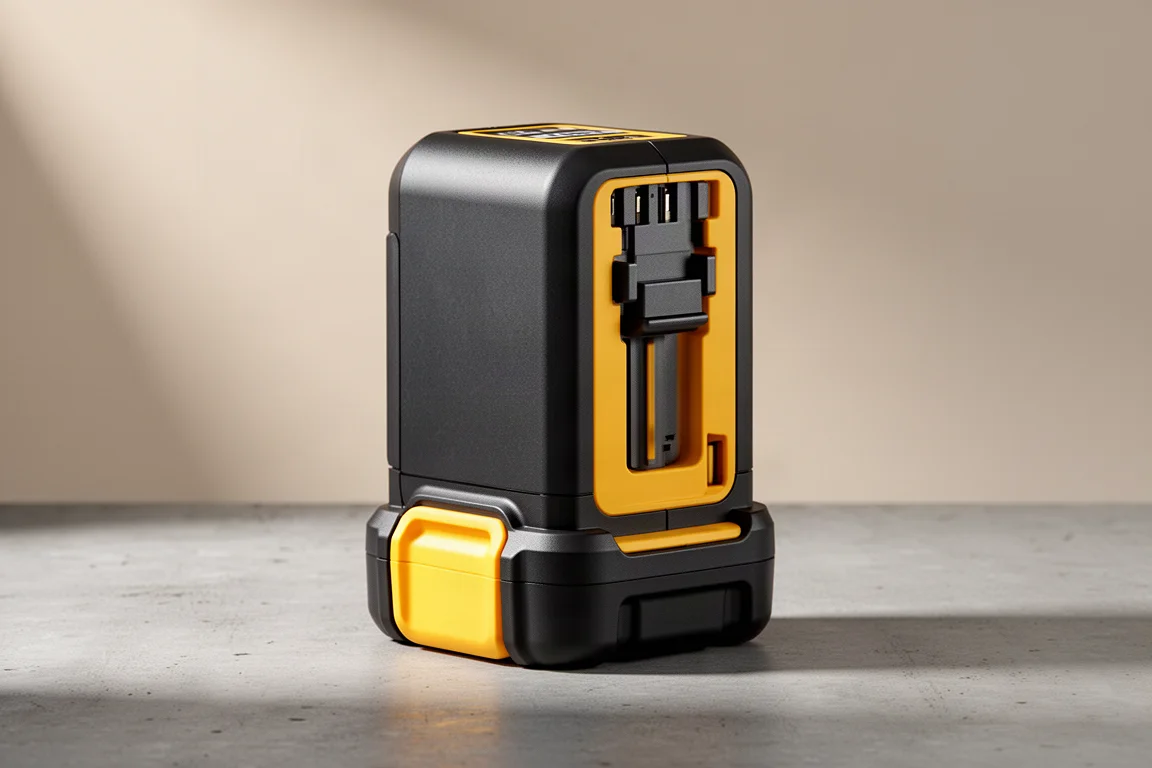
DeWalt DCBP520 5Ah PowerStack Battery Review: Big Power in a Pouch-Cell Pack
The largest PowerStack battery yet promises pouch-cell output with 5Ah of capacity. We break down its size, weight, voltage sag, and real tool performance.
Power Tool Batteries
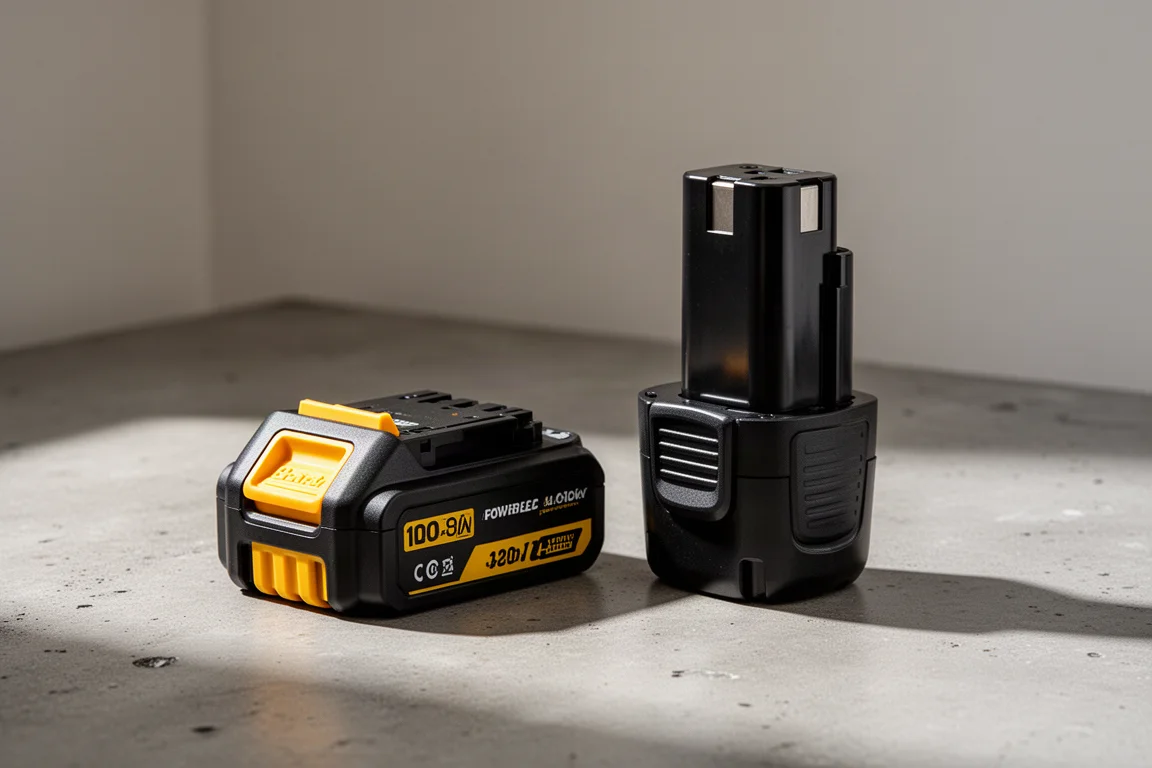
DeWalt PowerStack 5Ah vs XR 5Ah: What a Heat Gun Runtime Test Revealed
Two DeWalt 5Ah batteries ran a DeWalt heat gun back to back. Same capacity, very different power delivery, heat, and voltage behavior.