Power Tool Batteries
Makita 12V CXT Batteries Compared: 2.0Ah vs 4.0Ah vs the New 5.0Ah
A closer look at three batteries in Makita's 12V CXT range, including the new 5.0Ah pack with 21700 cells, green fuel gauge LEDs, and surprisingly light weight.
Introduction
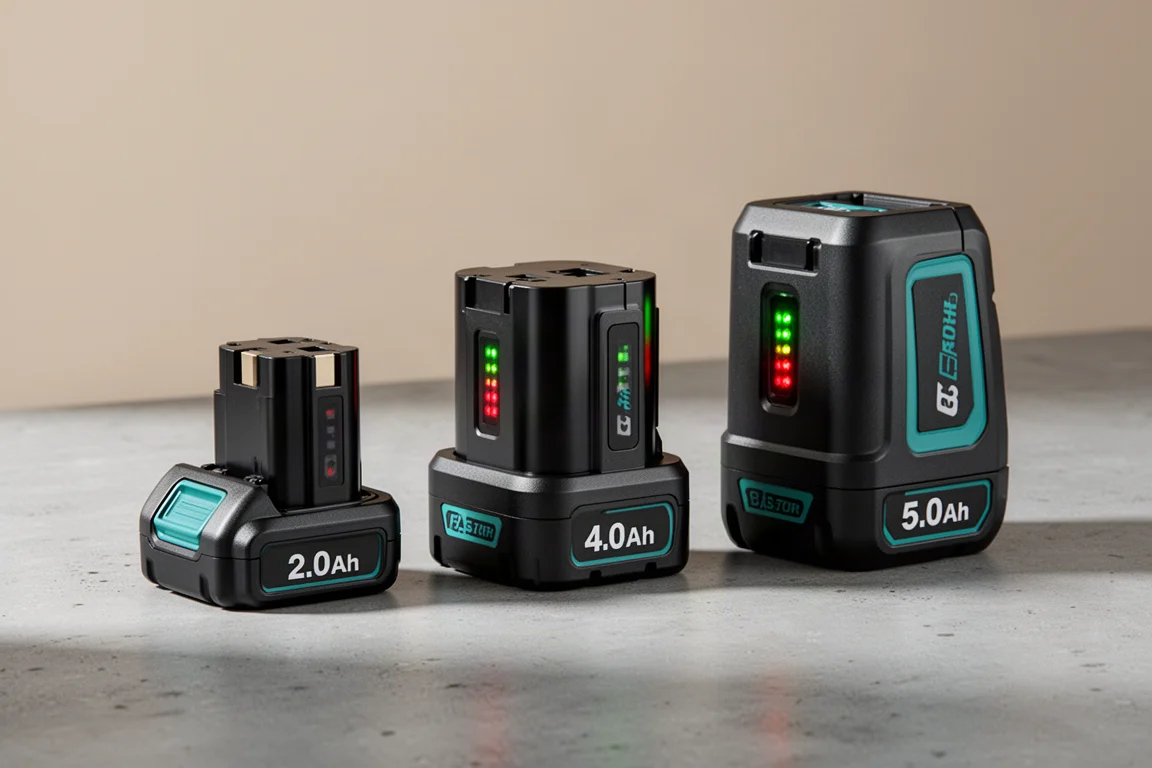
Makita’s 12V CXT range does not get as much attention as its 18V lineup, but the battery side of the system just got a lot more interesting. Alongside the familiar 2.0Ah and 4.0Ah packs, there is a new 5.0Ah battery on the block, and it brings some genuinely surprising traits: 21700 cells, a slightly unusual rating on the label, and a weight lower than the 4.0Ah pack it sits above.
This guide compares the three packs on size, weight, cells, charging, and real-world output so you can pick the one that matches how you actually use 12V tools.
What Makes the New 5.0Ah Battery Different
The 2.0Ah and 4.0Ah packs share the same footprint and differ only in height. Inside, each uses rows of 18650 cells: the 2.0Ah has one row of three, and the 4.0Ah has two rows of three, giving four amp hours in total. The new 5.0Ah takes a different route entirely. It uses three rows of larger, higher-output 21700 cells in a body that is only a couple of millimetres taller and a little wider than the 2.0Ah pack.
The label reads “12V max typical 5.0Ah”, and the bottom of the pack reveals a more specific picture: a 10.8V nominal battery at 4.9Ah, or 52.92Wh. That “typ” prefix is rare on power tool batteries and signals that the 5.0Ah figure is a typical rating rather than a strict minimum. In practice, it is best read as a battery with a little under 5Ah of usable capacity and a lot of output headroom.
Inside the Packs: Cells and Charging
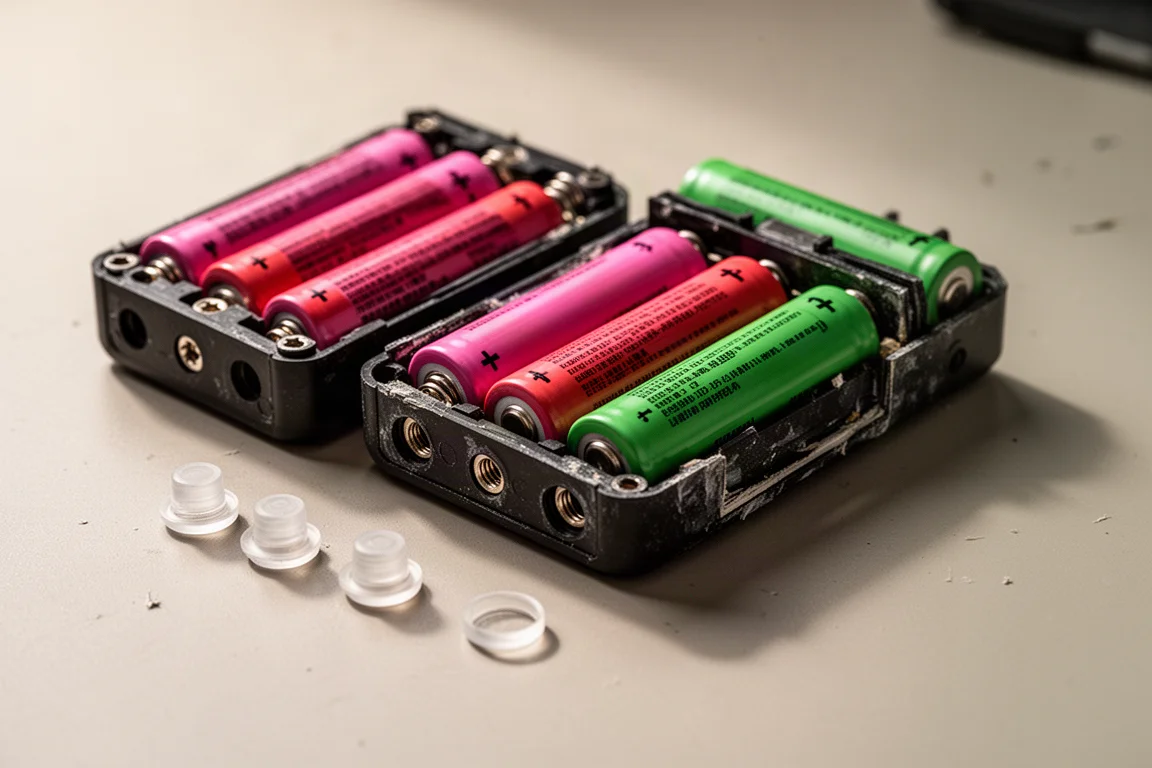
Opening the packs confirms the cell choices. The 2.0Ah and 4.0Ah use Samsung 18650 RX cells rated around 2,000mAh each, while the 5.0Ah uses Samsung 50S 21700 cells rated at 5,000mAh. The 21700 format is physically larger: 21mm in diameter and 70mm long, versus 18mm by 65mm for the 18650. That extra volume is what allows the 5.0Ah to pack more energy into such a compact shell.
The output difference matters as much as the capacity. The 18650-based packs comfortably supply around 20 amps, with short spikes closer to 30 amps. The Samsung 50S cells can supply 20 to 25 amps continuously, with datasheet figures reaching 35 to 45 amps for shorter bursts before thermal protection cuts in. In plain terms, the 5.0Ah can deliver more power to demanding 12V tools without the cells working as hard.
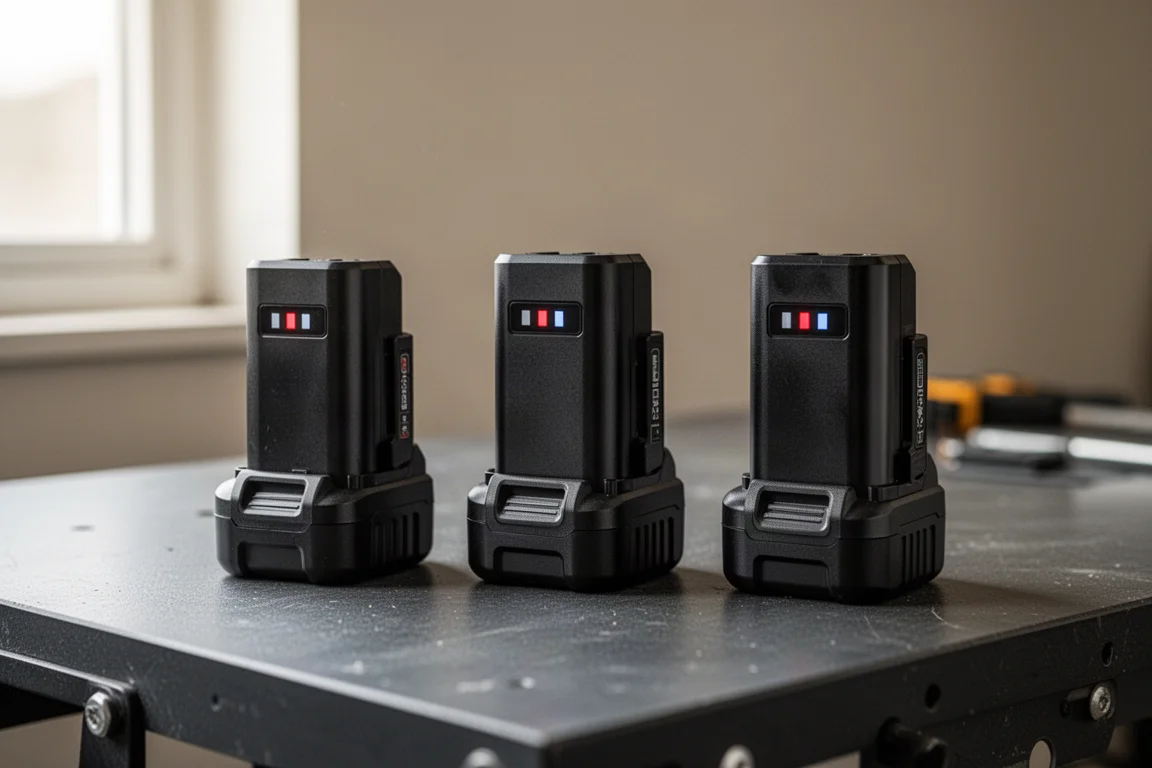
Charging times are close between the two larger packs: about 70 minutes for the 4.0Ah and 75 minutes for the 5.0Ah, roughly matching official figures. The 2.0Ah charges in around 30 minutes. So you gain an extra amp hour in the 5.0Ah for almost no charging penalty.
Fuel Gauge and Battery Management
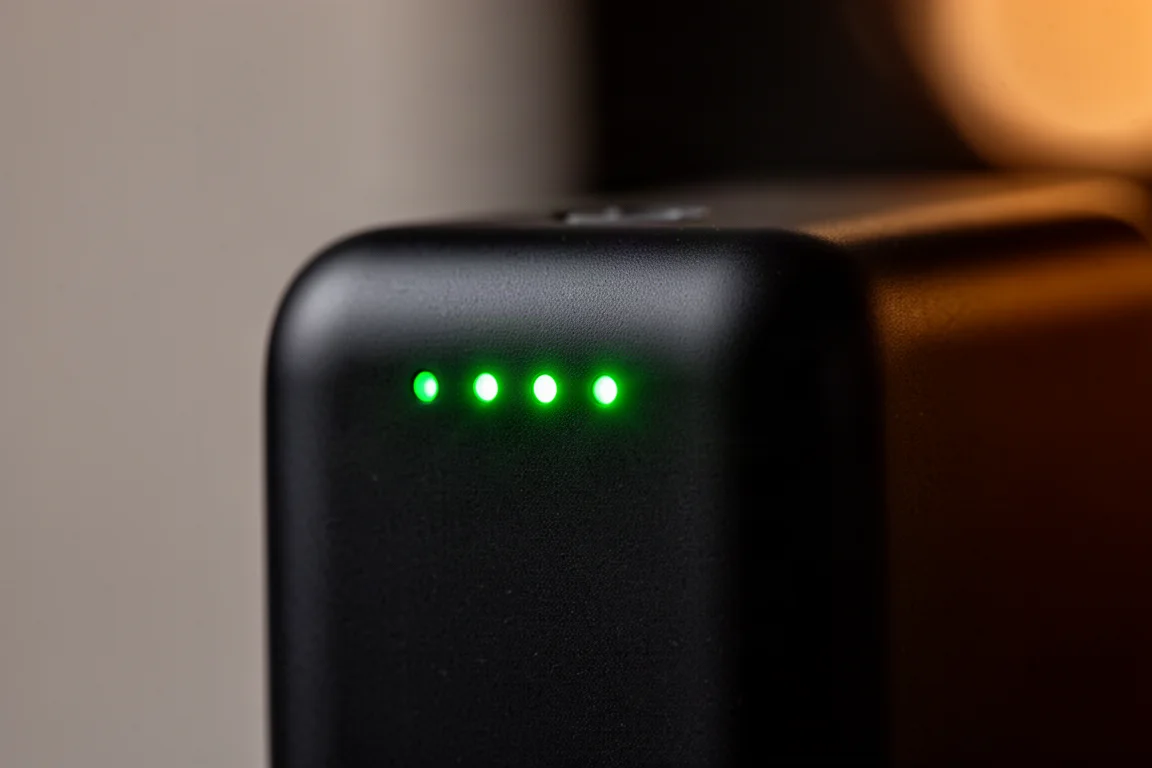
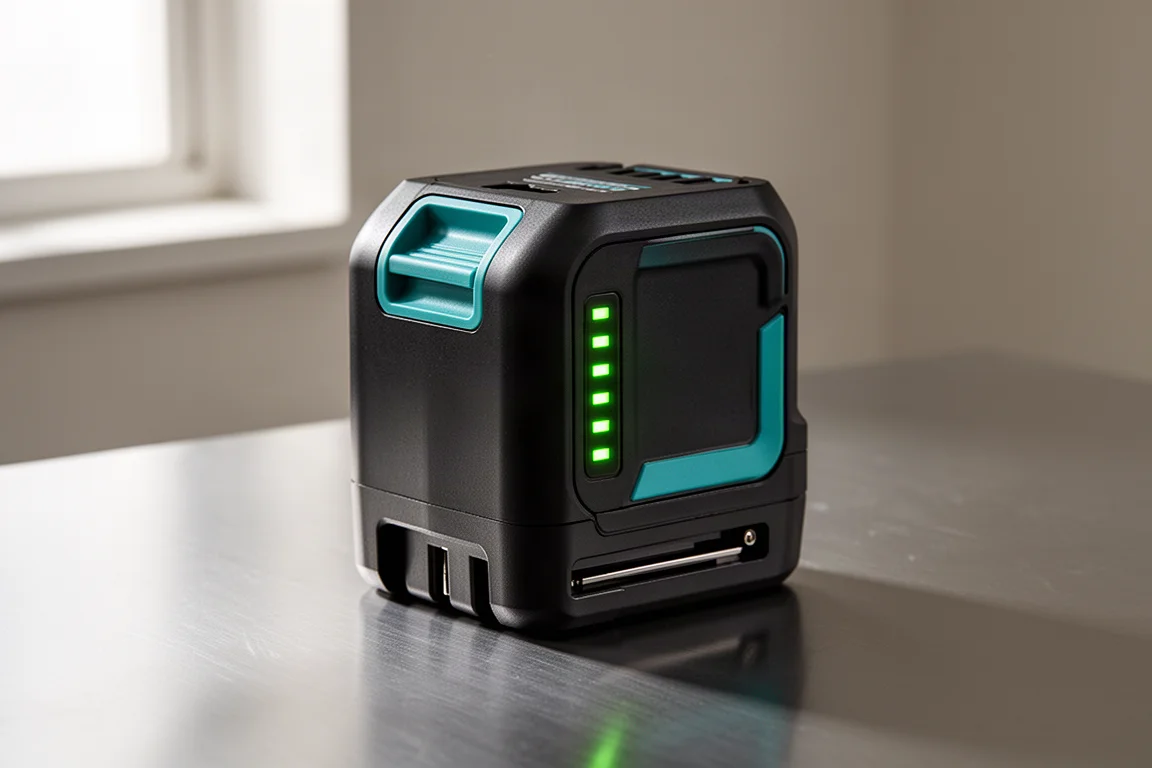
One small but welcome change: the new 5.0Ah pack uses green LEDs for its fuel gauge, where all previous CXT packs use red. Green is simply easier to read at a glance.
There is also more going on inside the 5.0Ah pack than in the simpler 2.0Ah and 4.0Ah designs. The battery management circuitry is noticeably more involved, which suggests a slightly dearer pack but also better protection and control for those high-output cells.
Real-World Power and Runtime
Weights tell an interesting story: the 2.0Ah weighs 214g, the 4.0Ah weighs 375g, and the 5.0Ah comes in at 315g. That means the 5.0Ah is lighter than the 4.0Ah while holding a full extra amp hour of capacity.
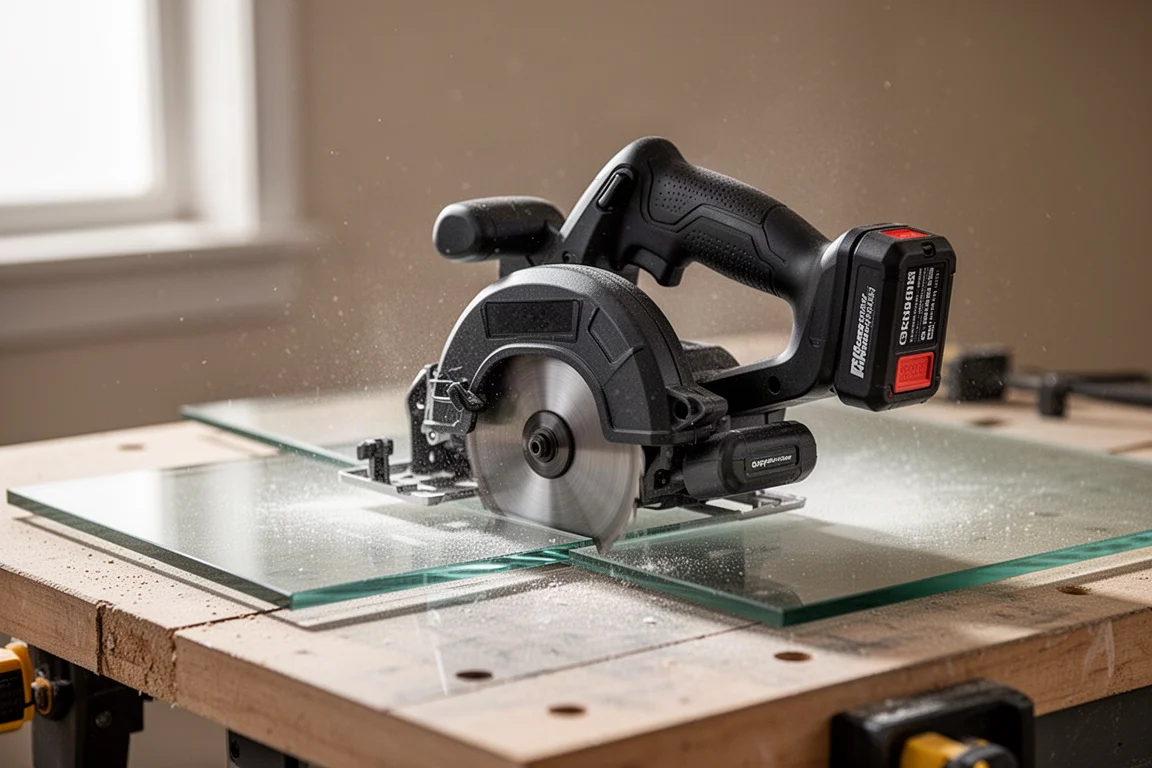
On a 12V glass cutter, the differences were audible. The 2.0Ah managed around 1,290 RPM, the 5.0Ah reached roughly 1,360, and the 4.0Ah surprised by recording just over 1,400. The 4.0Ah has twice as many cells as the other two, so each individual cell does less work to deliver the same result, which can translate into slightly better sustained output on some tools.
Putting it together, the 5.0Ah offers around two and a half times the runtime of the 2.0Ah in a body of nearly the same size, with more available power. That makes it arguably the best compromise in the range: smaller and lighter than the 4.0Ah, longer running than the 4.0Ah, and stronger than the 2.0Ah.
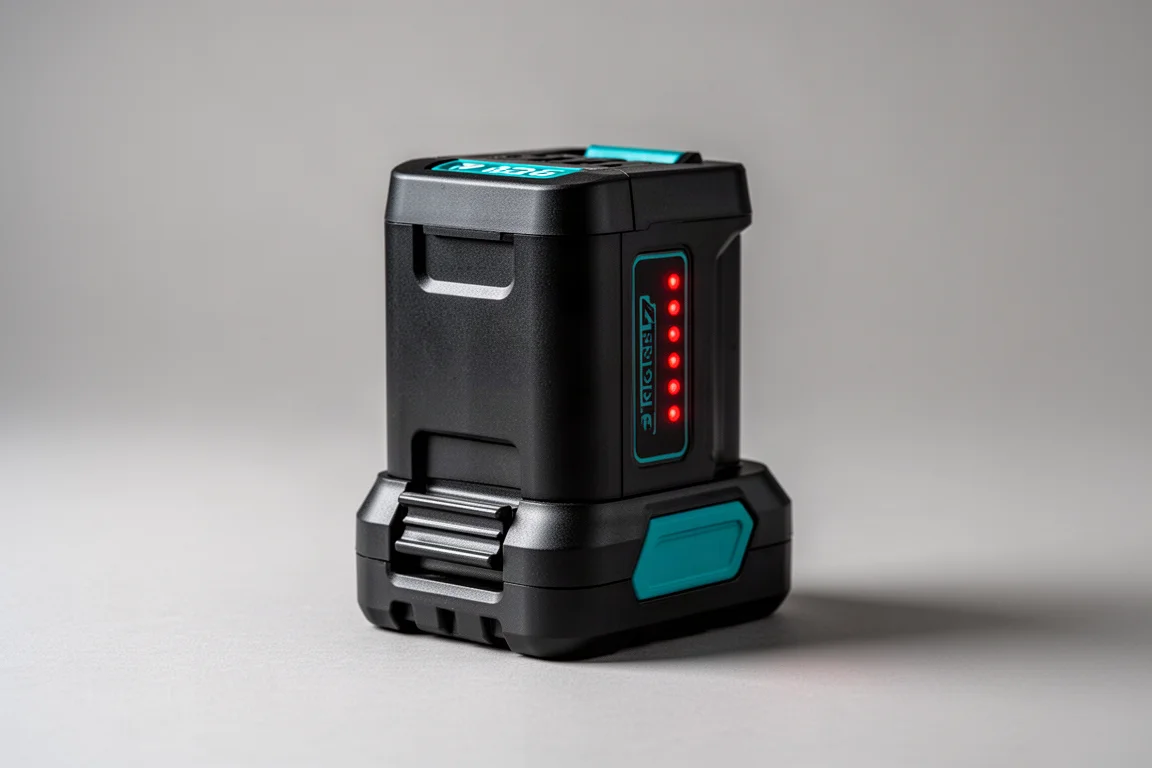
The 4.0Ah remains a solid choice if you want maximum sustained output on a budget of space, and it may well be the strongest performer of the three on power-hungry tools. Its main drawback is weight: at 375g it is the heaviest of the group.
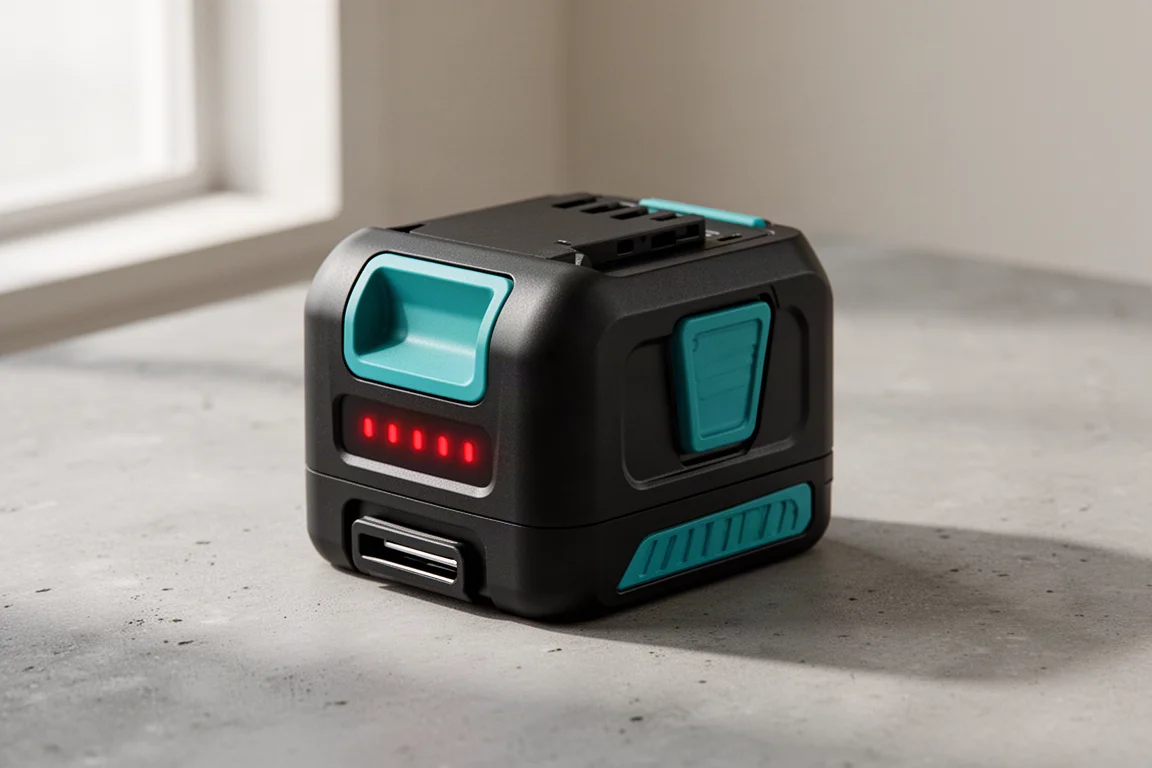
The 2.0Ah is the smallest and lightest, charges fastest, and is fine for light-duty tools where runtime is not critical. It is the pack most people already own several of, and for quick jobs it does the job without adding bulk.
Buying Advice
If runtime in a compact body is the priority, the 5.0Ah is the standout: more capacity than the 4.0Ah at a lower weight, higher-output 21700 cells, and a friendlier green fuel gauge. If sustained power on demanding tools matters most, the 4.0Ah’s doubled cell count gives it a slight edge. The 2.0Ah remains the light, quick-charging option for small jobs. It is also worth noting that Makita’s 12V tool line has been comparatively quiet in recent years, and the arrival of a high-output 5.0Ah battery suggests new compact tools may be on the way.
Conclusion
Makita’s 12V CXT battery range now covers three distinct needs: featherweight convenience in the 2.0Ah, sustained output in the 4.0Ah, and a genuinely impressive balance of runtime, weight, and power in the new 5.0Ah. For most users upgrading an existing CXT kit, the 5.0Ah is the pack to reach for first.
Further reading
Related Reviews
Power Tool Batteries
9Ah M12 Batteries Tested: Which Aftermarket Pack Is Actually Worth Buying?
We measured real capacity, voltage sag, and tool performance from four aftermarket 9Ah M12 batteries against Milwaukee's XC 5.0 High Output pack. One budget option stands out.
Power Tool Batteries
DeWalt DCBP520 5Ah PowerStack Battery Review: Big Power in a Pouch-Cell Pack
The largest PowerStack battery yet promises pouch-cell output with 5Ah of capacity. We break down its size, weight, voltage sag, and real tool performance.
Power Tool Batteries
DeWalt PowerStack 5Ah vs XR 5Ah: What a Heat Gun Runtime Test Revealed
Two DeWalt 5Ah batteries ran a DeWalt heat gun back to back. Same capacity, very different power delivery, heat, and voltage behavior.