Cookbooks
Make It Fancy by Brandon Skier: A Week-Long Cookbook Review
We cooked 31 of the 76 recipes in Make It Fancy over seven days. Here's how the enthusiast cookbook from the creator behind Sad Papi performed in a real kitchen.
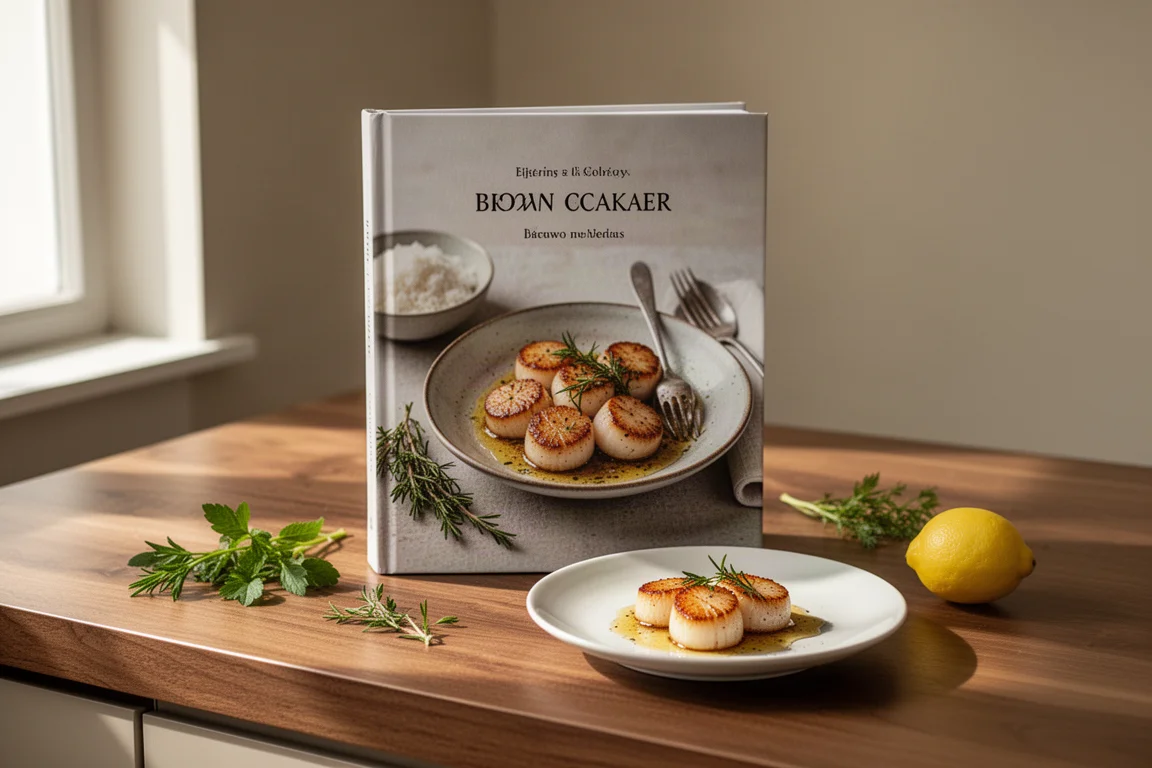
Introduction
Make It Fancy is the first cookbook from Brandon Skier, better known online as Sad Papi, one of the most popular food creators working today. His content leans toward technically precise, fine-dining-inspired dishes delivered in an approachable, low-key way, and the book follows that same philosophy. Right in the introduction, Brandon calls out that these recipes are meant for something special, not everyday cooking. That framing matters: this is an enthusiast cookbook that wants to be more complex than average, and it should be judged on those terms.
Who This Product Is For
This book suits confident home cooks who want to level up. If you already know roughly what you are doing in the kitchen and enjoy projects with multiple moving parts, the techniques and ingredients here will stretch you in useful ways. It is also a natural fit for fans of Brandon’s content who want to recreate that restaurant-leaning style at home, particularly for intimate dinners for two to four people, anniversaries, or supper clubs. Beginners who want quick weeknight meals should look elsewhere.
A Week With the Book: What We Cooked
We spent five days cooking out of the book under strict rules, aiming for at least 10% of the recipes and following each one as closely as possible, then added a bonus day of cooking adjusted to our own tastes. In total we made 31 of the 76 recipes: seven mains, six sides, one dessert, two drinks, and 15 dependencies. The average finished dish took three and a half hours from start to finish, made 3.7 servings, and cost $24.30 per serving, with a slight caveat on that cost because of the dependency prep.
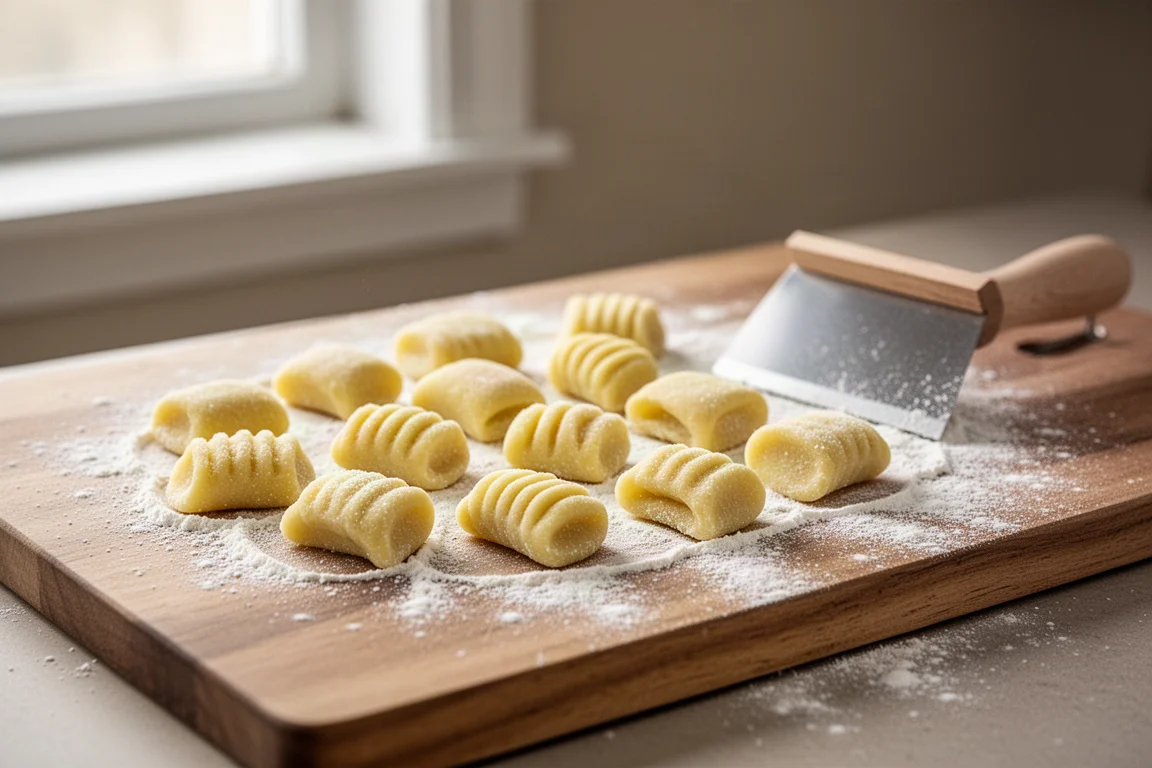
Day one set the tone with the potato gnocchi with chili pomodoro and fried garlic, alongside broccolini with black garlic salsa verde. The gnocchi is deliberately tiny, cut to roughly a quarter by half inch, and the triple-blanched, fried garlic gives the dish a genuine mix of textures: soft tomato, crunchy garlic chips, and a chewy, slightly crisp gnocchi. Both dishes earned solid smashes, and the broccolini in particular delivers a fantastic amount of flavor for the effort.
Day two was an all-pistachio menu: roasted baby carrots with spiced labneh and pistachio dukkah, a dukkah-crusted lamb rack with burnt honey gastrique, and pistachio oil cake. The lamb came out beautifully even after a small fat-trimming mistake, the carrots were some of the best we have made, and the airy, muffin-like cake impressed as well. Hard smashes across the board.
Where the Book Shines
Day three brought hiramasa crudo with cilantro serrano oil and duck breast with mole poblano. The crudo was a highlight: mild background heat, refreshing, with every strong flavor balanced so the fish still tastes like fish. The mole was the trickiest recipe of the week, mostly because our blender struggled to keep things smooth, but the finished duck with its rich, nutty, chocolatey mole was excellent.
Day five delivered the standout of the week: beef and potato puree with bone marrow and bordelaise. The potatoes are a cheesy puree, the marrow melts in your mouth, and the recipe is written so well that much of it can be done in parallel and mostly hands-off. It is an impressive dish for guests, though plan ahead: the bordelaise needs roughly six hours of stock and another six of reduction. The blistered grapes with stracciatella and saba salad was the week’s only miss, simply too sweet and grape-forward for our tastes.
Things to Consider Before Buying
Accessibility is the most complicated score for this book because it is fancy by design. Several ingredients were genuinely hard to find: whole sorghum took nearly a full day to track down locally, finger limes were unavailable, and stracciatella required what we came to call burrata surgery. The many dependencies also mean days of advance preparation, specialty leftovers, and a lot of dishes.
On the plus side, the tool list was lighter than expected from a book like this, needing little more than a few strainers and an optional pasta paddle for the gnocchi. More importantly, Brandon’s instructions are concise and straightforward, and the techniques are made to feel far easier than they look. We only felt we truly botched one detail all week, and even that turned out nearly perfect.
Two other things to weigh. First, working from this book is expensive on a per-serving basis once dependencies are factored in, since those preparatory recipes do not have their own serving counts. Second, the book’s legibility is imperfect: the notes carry important information but are printed in a light font in bright red, which is hard to read on white pages. The stark, high-contrast photography is stunning and matched our real outcomes, but the design overall earns a seven rather than more.
Bonus Day: Cooking Off Script
For the bonus day we cooked as we normally would, adjusting to our own tastes: blistered shishitos with bonito aioli and puffed grains, grilled branzino with fish sauce caramel, and yuzu lemonade.
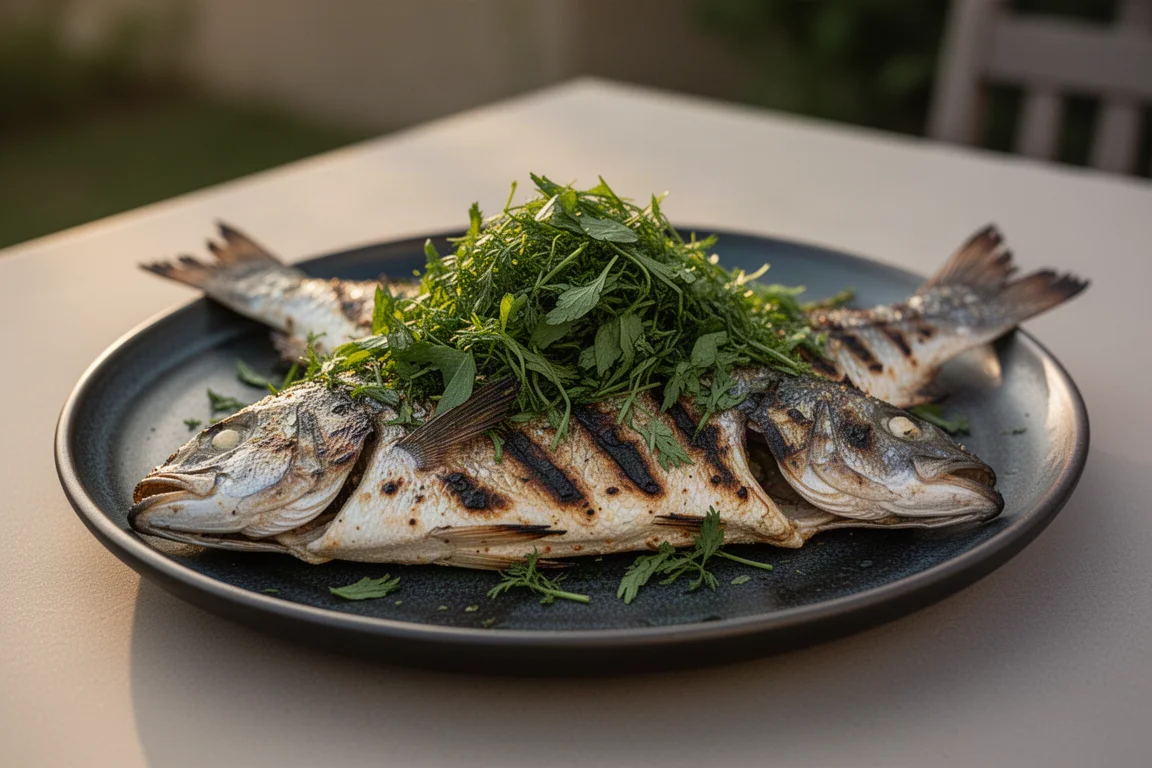
The branzino was easily the star. Smothering a whole fish in chives, Thai basil, and mint, then finishing it with a spicy, sweet, funky fish sauce caramel, produced a hard smash from both of us. The smoky aioli, made by extracting katsuobushi into the oil and blending more into the mayo, is a clever trick worth stealing. The shishitos leaned bitter and acidic, a light smash, and the yuzu lemonade was fine without being memorable, though it improved alongside the fish.
Day Seven: Cooking With the Author
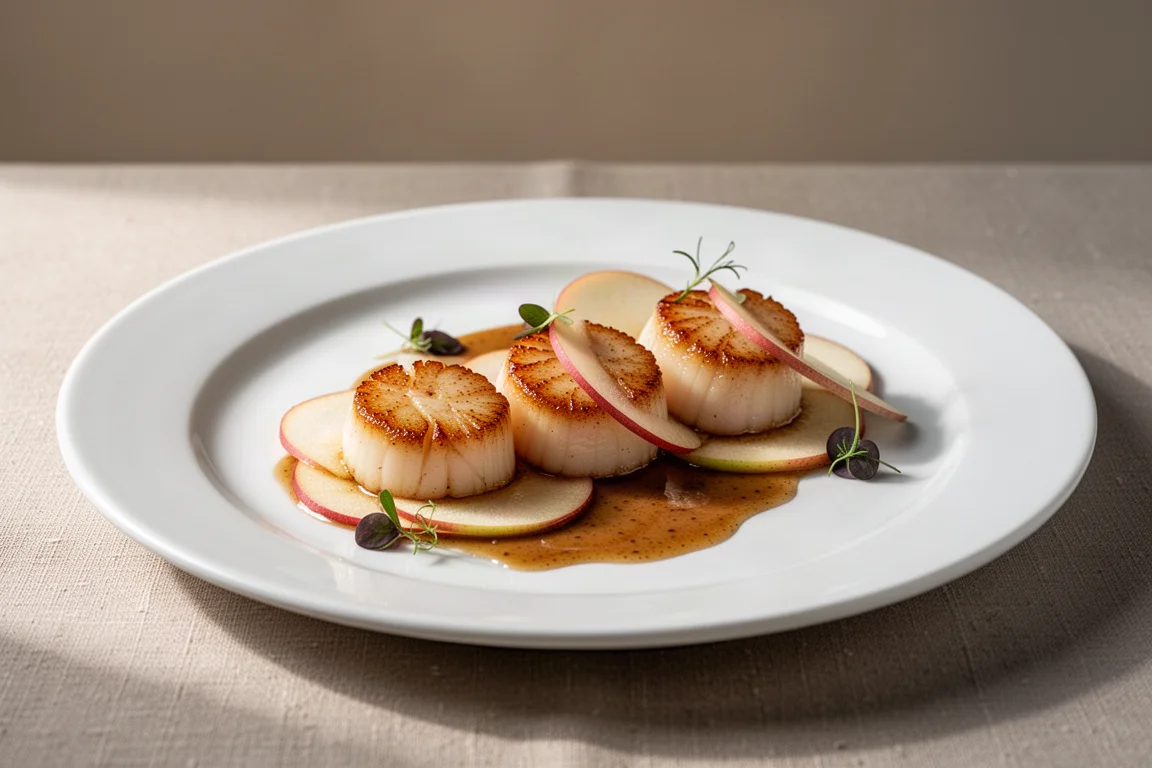
The review ended with a seventh day cooking alongside Brandon himself, making the scallops with celery root, apple, and brown butter. The conversation covered the making of the book: it was contracted at 75 recipes, produced by a team of just three people, with Brandon handling the cooking and food styling himself. He also explained that the publisher pushed the recipes from weight-based measurements to imperial, then to both, partway through the process, and he had no further say once the manuscript was handed off.
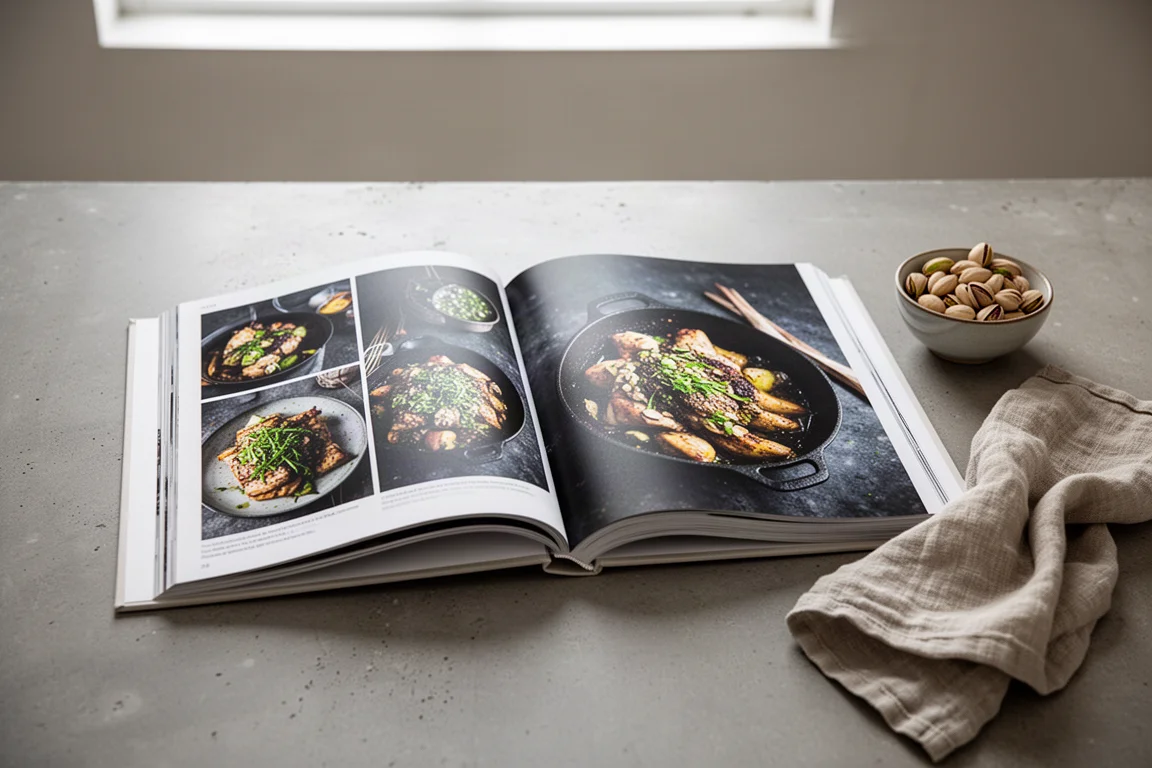
The dish itself was divine, with a genuinely brown brown butter emulsion balanced by a lot of citrus, and it earned a hard smash. The conversation also clarified the book’s intent: recipes sized for two to four people, sitting deliberately on the line between restaurant and home cooking.
The Scores
Accessibility: 9. Fancy means fancy time, fancy ingredients, and fancy dishes, but Brandon makes the complexity feel easy, and that is a genuine achievement.
Design: 7. Gorgeous high-contrast photos and strong typography, held back by the hard-to-read red notes.
Flavor: 10. Every single dish except the blistered grape salad was a smash for at least one of us. A book that asks this much must deliver on flavor, and it did.
Writing: 8. Concise, no-nonsense, and focused on getting you to the finish line, with a few typos and publisher-driven compromises as the only real deductions.
Value: 10. Only 76 recipes, about 25% fewer than most books we review, but the leftovers from all those dependencies became a practical education, and the techniques carried directly into our everyday cooking.
That brings the overall score to 8.8.
Buying Advice
Make It Fancy relies on you already kind of knowing what you are doing, but if you take the time to parse the steps, even a good home cook will come out the other side with new expertise to show for it. Buy it if you want a special-occasion cookbook that teaches real restaurant techniques, you are comfortable sourcing a few specialty ingredients, and you accept that a finished dish may take three and a half hours. Skip it if you want fast weeknight meals or a fully beginner-friendly collection. As an enthusiast cookbook judged on its own terms, it earns its place on the shelf.
Conclusion
Make It Fancy is an ambitious, beautifully photographed book that mostly succeeds at making fine-dining techniques approachable for committed home cooks. Its flaws, mainly tricky ingredients, heavy prep, and some publisher-driven recipe compromises, are real but do not outweigh the near-universal quality of the food we cooked from it. If special-occasion cooking excites you, this is an easy recommendation.
Product link
View more details for Make It Fancy Cookbook
This product is mentioned in the review. Check the specifications, options, and compatibility before buying.
View more details for Make It Fancy CookbookFurther reading
Related Reviews
Cookbooks
Africana Cookbook Review: A Pan-African Journey Worth Cooking Through
We cooked 13 dishes from Africana by Llorado Umashayor over one week. Here is what worked, what stumbled, and who this beautiful cookbook is really for.
Cookbooks
By Heart by Haley Catalano: First Look at a Calm, Practical Cookbook
We cooked two recipes from By Heart by Haley Catalano, including a tomato-based sandwich and chicken fat mashed potatoes, to see if the book's calm, detail-first approach holds up in a real kitchen.
Cookbooks
Charred by Genevieve Taylor Review: Vegetable Grilling Beyond Corn and Halloumi
We cooked 11 recipes from Charred over four days. Here is what works, what falls flat, and whether the book earns a spot on your shelf.