Smart Trainers
Magene T110 Review: The Budget Direct-Drive Smart Trainer That Overdelivers on Accuracy
Four months of structured training on the Decathlon-rebranded Magene T110: genuinely impressive accuracy, silent operation, and a few quirky spec decisions you should know about before buying.
Introduction
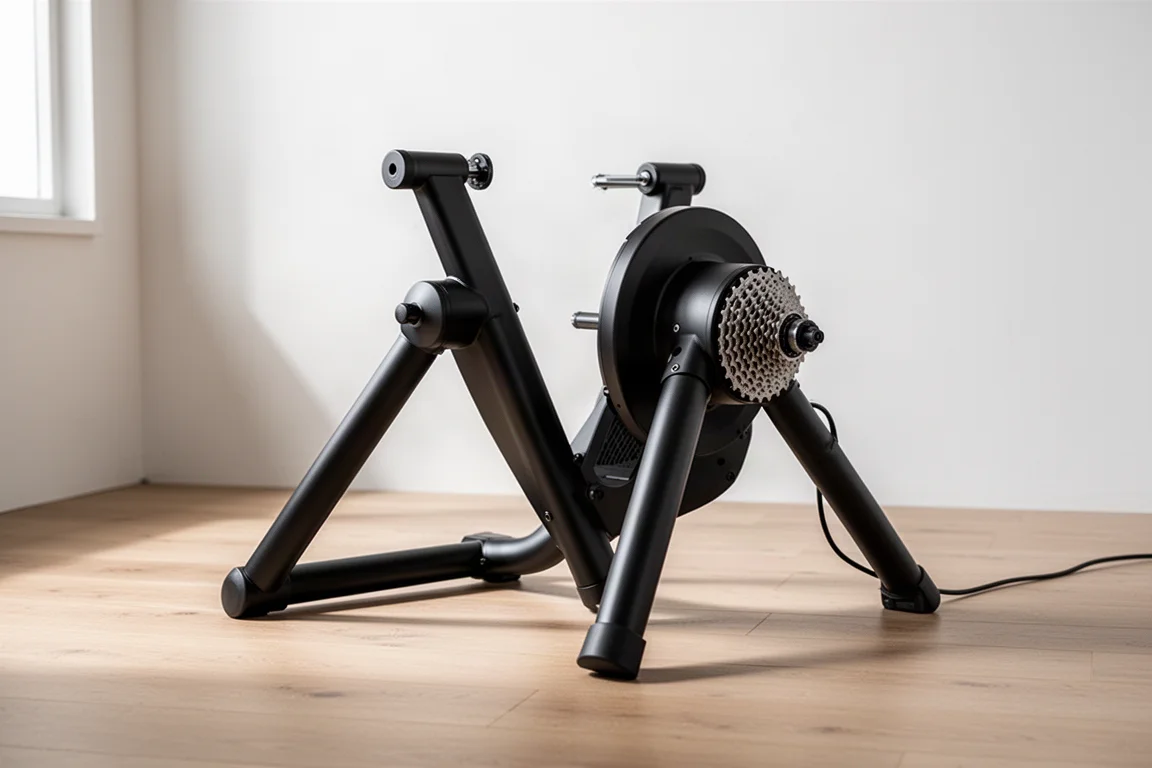
At the budget end of the direct-drive smart trainer market, this one is genuinely hard to beat on value. The trainer sold through Decathlon is a rebranded Magene T110, and after roughly four months of on-and-off use, including long structured sessions from two different riders in the household, the headline verdict is simple: the real-world performance beats the spec sheet, with a few deliberate compromises that may or may not matter to you.
There are two configurations available. One ships without a cassette, so you install your own, and normally retails for €249 (we picked ours up for €199 during a Black Friday sale). The other comes pre-fitted with the Zwift Cog and Zwift Click for virtual shifting. We tested both configurations, plus the separately purchased Cog and Click installed on the standard version.
Who This Trainer Is For
This is a direct drive trainer, meaning you remove your rear wheel and mount the bike directly to it. It is essentially silent: any noise you hear is your own drivetrain, not the trainer. Connectivity is Bluetooth over FTMS, which pairs cleanly with every mainstream training app. The catch is that it cannot pair with smartwatches or bike computers, since almost none of those use FTMS, so keep that in mind if watch data matters to you.
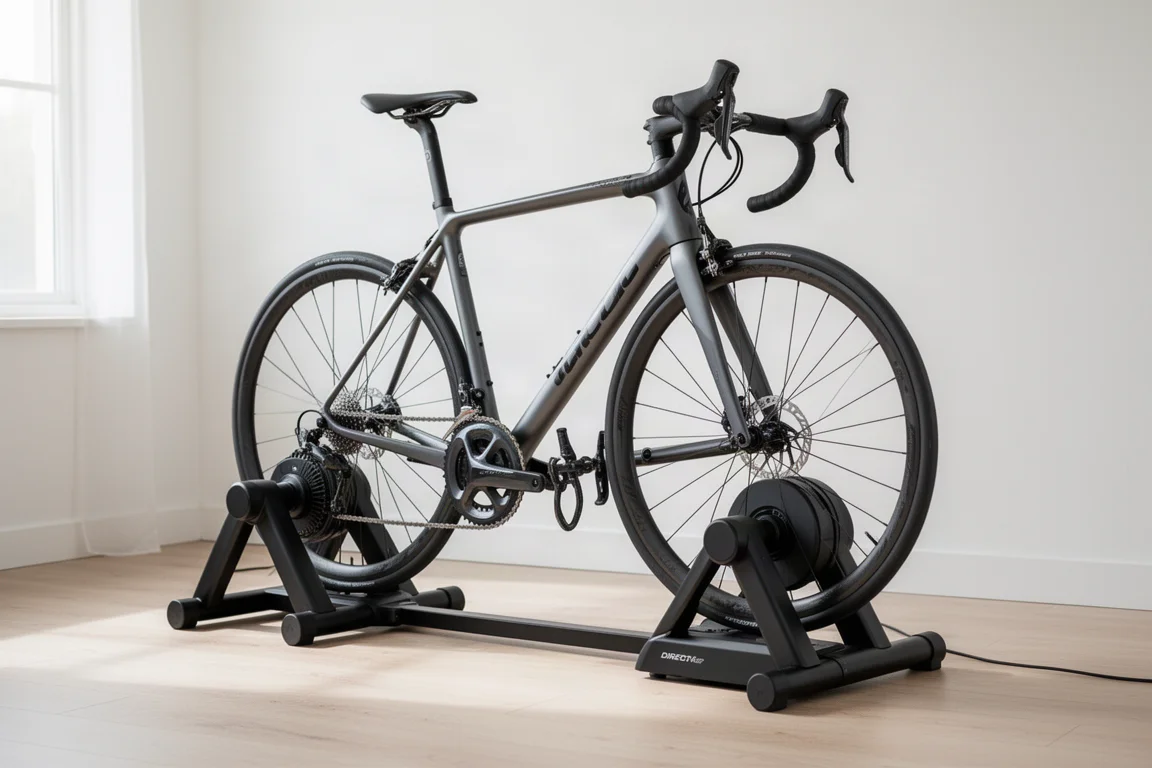
If your riding consists of structured workouts, intervals, and general fitness sessions, this trainer will cover you completely. If you are a sprint-focused Zwift racer, read the caveats below carefully, because the power ceiling is a real limit.
Main Strengths
The claimed accuracy is plus or minus 5%, but in real testing against multiple power meters it consistently landed closer to plus or minus 1.5 to 2%. That is mid-range trainer territory, and on some test rides the power trace matched reference power meters astonishingly well, up to the 600 watt ceiling. Responsiveness is equally solid: in ERG mode, intervals reached their target power within about three seconds, which is exactly where you want a trainer to sit. At lower intensities around 250 watts in the small ring, it was also very stable.
Setup is straightforward: attach the legs, fit a cassette that matches your bike, plug in, and pair through the app of your choice. It worked without issues across several major training platforms. Road feel is fine rather than spectacular, limited by a smaller flywheel than its competitors, but it still beats virtually every wheel-on trainer on setup convenience and usable inertia.
Things to Consider Before Buying
The biggest annoyance is the lack of cadence broadcasting. The underlying Magene T110 supports it, and other reviews of that model confirm it broadcasts cadence just fine, but on the Decathlon version it has been disabled in software, apparently to upsell a €25 cadence sensor. Almost every trainer on the market, including sub-€200 options, broadcasts cadence today, so this is a frustrating and entirely avoidable omission. The workaround costs about €25.
The second gap is no ANT+ connectivity at all. In practice this is less painful than it sounds: phones, tablets, and Apple TV all use Bluetooth FTMS anyway, and only older head units with ANT+ dongles would miss it. Next is the 600 watt power cap. Anything above that simply flatlines at 600. For structured training this is a non-issue, as almost no intervals exceed 600 watts. For Zwift sprint finishes, it is a deal breaker.
Finally, the maximum simulated incline is 6%, noticeably lower than the 12-16% range common among trainers in the €400-500 bracket. However, most platforms default trainer difficulty to 50%, which turns a 12% simulated grade into 6% anyway, so on default settings most riders will never notice. Above 6% the resistance simply stops increasing, but the trainer keeps delivering power without any drama.
Zwift Cog and Click Version
The Zwift Cog and Click configuration removes cassette compatibility entirely: a single cog works with 10, 11, 12-speed, and more, and shifting happens through a small handlebar-mounted Click remote offering 24 virtual gears. Your bike’s mechanical shifters are not used at all. It is simple and works as expected.
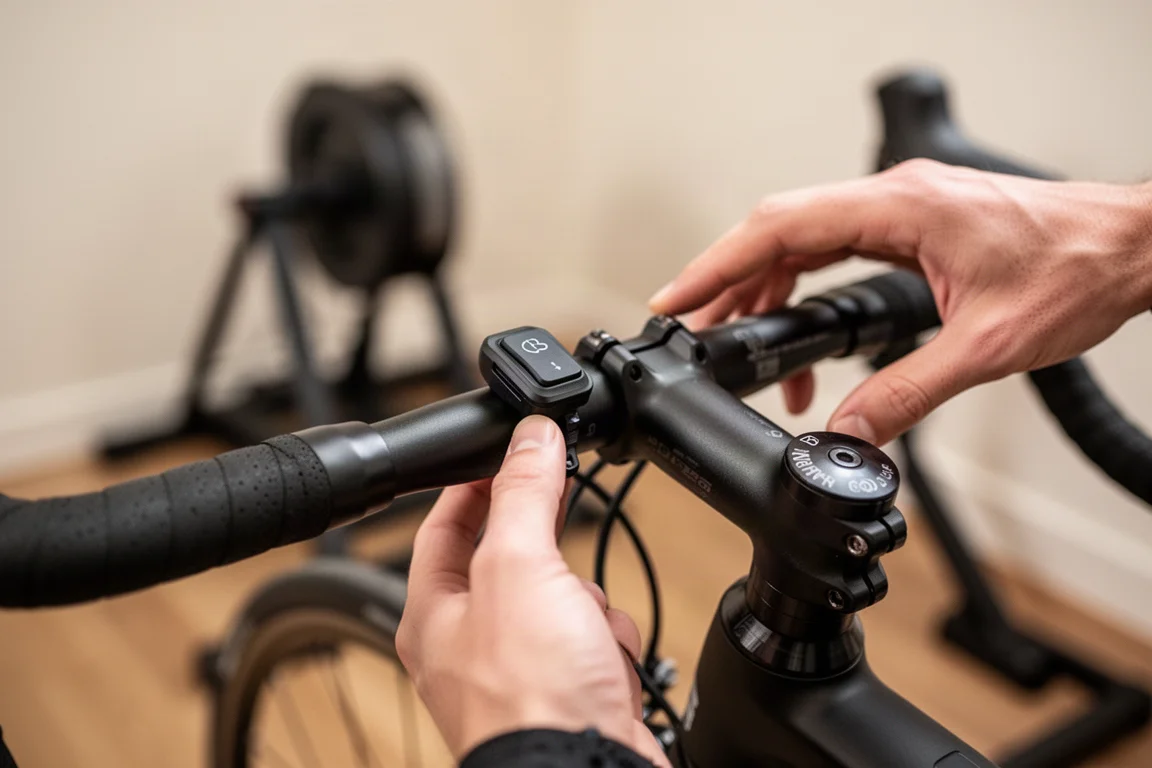
One practical note for ERG-mode workouts: on intervals above roughly 350 watts, the small flywheel needs more speed to generate resistance, so you may need to shift to the big ring up front. Below that threshold, no adjustments are needed.
Firmware and App Quirks
The trainer’s app is the Magene Onelap app, not a Decathlon one, because Magene builds the hardware. That middle layer showed in the past: firmware updates that enabled Zwift Cog and Click compatibility took months to arrive, even while Decathlon was already selling that version in its stores. It is worth being aware of if you like fast firmware turnaround.
Accuracy: Better Than Claimed
Across an hour of mixed 20- and 40-second intervals, an hour-long hilly simulation ride, and a standard high-speed flat-and-climbs test route, power accuracy stayed within 1-2% of reference power meters. Even during an 11% average gradient virtual climb topped at 33%, where the trainer holds resistance at a flat 6% feel, it sustained roughly 300 watts the entire way with spot-on accuracy and no overheating. High flywheel speed situations, including hard efforts on steep virtual descents, were equally precise.
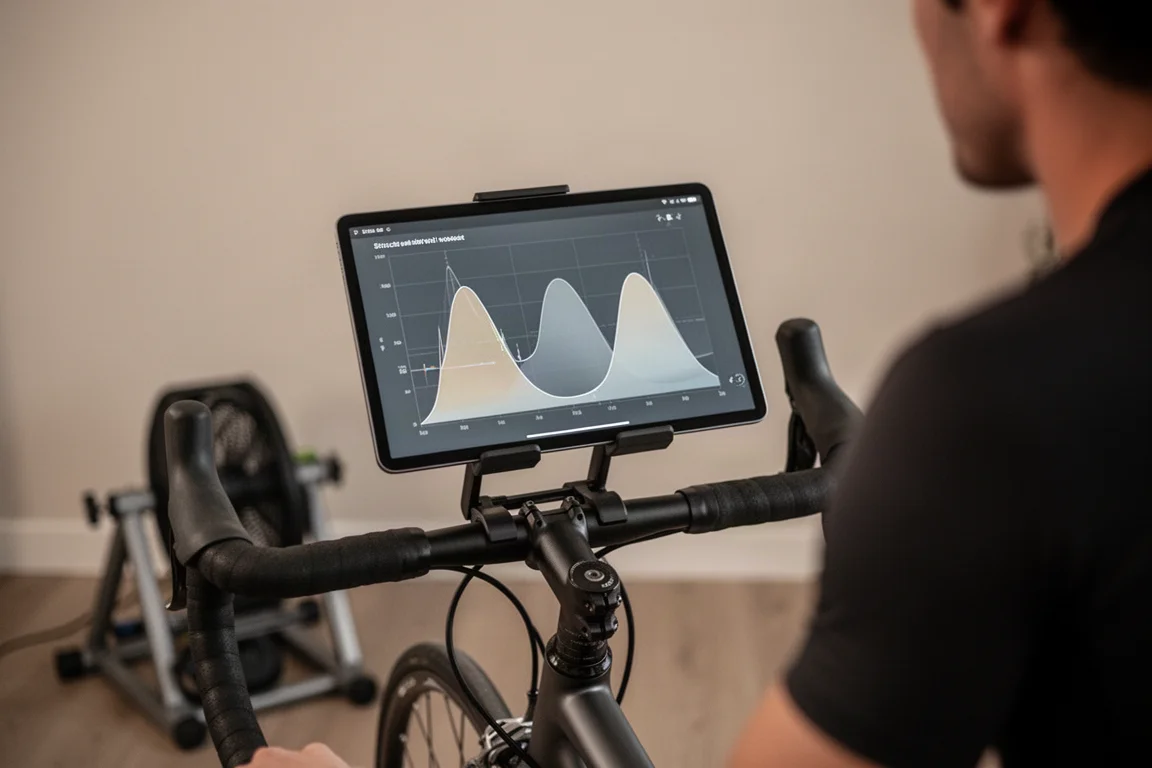
The only visible artifact is the flat top at 600 watts during sprints, and slight wobble at very high intensity in the big ring. Within the range structured riders actually use, this is one of the best-measuring budget trainers available.
Buying Advice
The pricing logic is easy to break down. At €199 on sale, or €249 at the current standard price without a cassette, add a cassette (around €50-60) and a cadence sensor (€25), and you are at the low €300s. At that point the JetBlack Victory at €399 with the Zwift Cog included becomes the smarter buy if you can find it, since it is superior in nearly every way aside from easy availability. But at €299 in the Zwift Cog and Click configuration, this trainer is a genuinely good deal, cadence annoyance included, since you can solve that for €25.
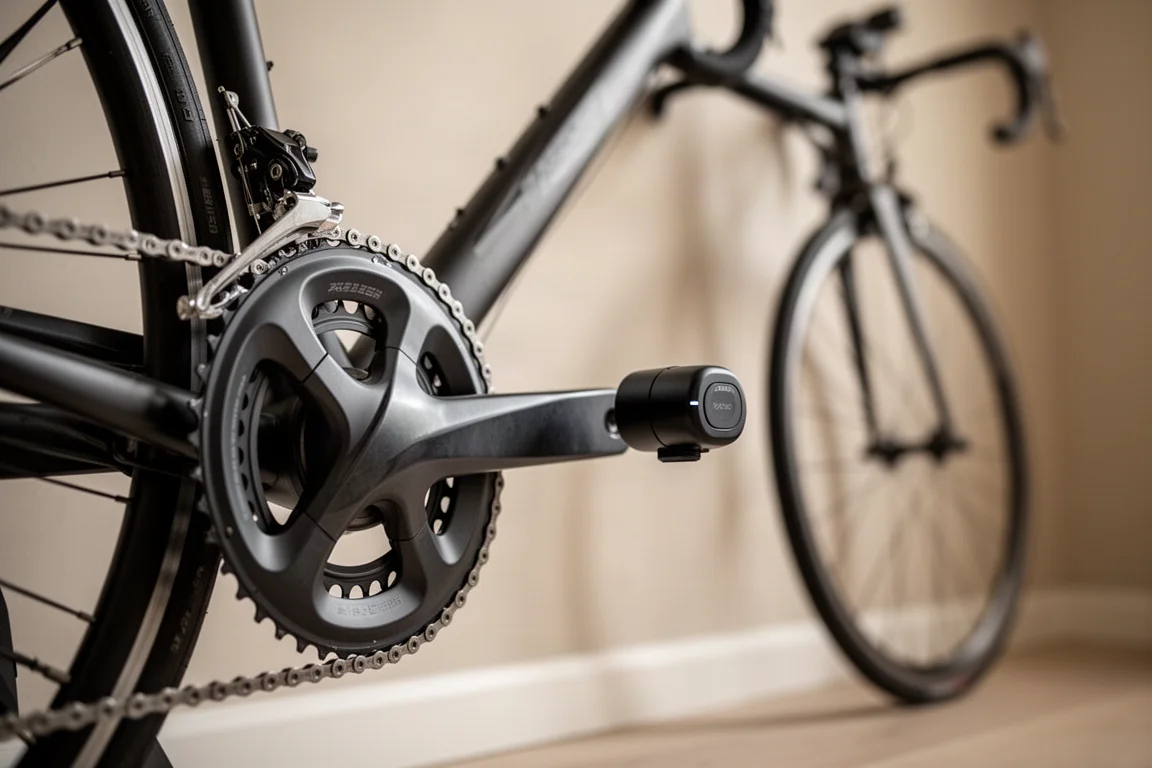
If Decathlon ever re-enables cadence in software, the without-cassette version at €249 becomes an easy recommendation across the board. Until then, buy it for the accuracy, the silence, and the price, and budget the extra €25 for the sensor.
Conclusion
The Decathlon version of the Magene T110 is one of the best budget direct-drive smart trainers available today. Its accuracy overdelivers massively, structured training works flawlessly, and the Zwift Cog setup is a real convenience. The disabled cadence, missing ANT+, 600 watt cap, and 6% incline limit are all worth knowing about, but only one of them will matter to most buyers, and only one matters if you race sprints indoors. For everyone else, this is an easy budget recommendation.
Product link
View more details for Magene T110 (Decathlon Smart Trainer)
This product is mentioned in the review. Check the specifications, options, and compatibility before buying.
View more details for Magene T110 (Decathlon Smart Trainer)Further reading
Related Reviews
Smart Trainers
Pinnacle HC Review: An Affordable Direct Drive Smart Trainer
A close look at the Pinnacle HC, a £500 direct drive smart trainer with a 2,200W ceiling, a 5.7kg flywheel, and a quiet, stable ride feel for indoor training.
Smart Trainers
Wahoo Kickr Core vs Zwift Hub: Which Budget Direct Drive Smart Trainer Should You Buy?
A practical head to head between the Wahoo Kickr Core and the Zwift Hub, covering price, flywheel weight, setup, noise, connectivity, and power accuracy.
Smart Trainers
Elite Avante Review: A Smart Trainer That Punches Above Its Hardware
The Elite Avante pairs mid-range trainer hardware with high-end software features like built-in Wi-Fi and heart rate bridging. Here is how it holds up after months of riding.