Cycling Power Meters
Magene P715 Power Meter Pedals Review: Dual-Sided Power at a Surprising Price
A dual-sided power meter pedal system with claimed ±1% accuracy, 120-hour battery life, and a choice of Look or Shimano cleat bodies for $499.

Introduction
Power meter pedals are one of the simplest ways to add power data to a bike. They install in minutes, swap between bikes without touching the cranks, and pack easily when you travel. Magene’s P715 is a dual-sided system built around that idea, and it arrives with a specification sheet that looks unusually complete for the price.
Magene claims plus or minus 1% accuracy, a 120-hour battery life with magnetic charging, and seven advanced training functions. Each pedal is claimed at 159 g with Shimano bodies, and the system is offered with two pedal body options so riders can run either Look or Shimano cleats.
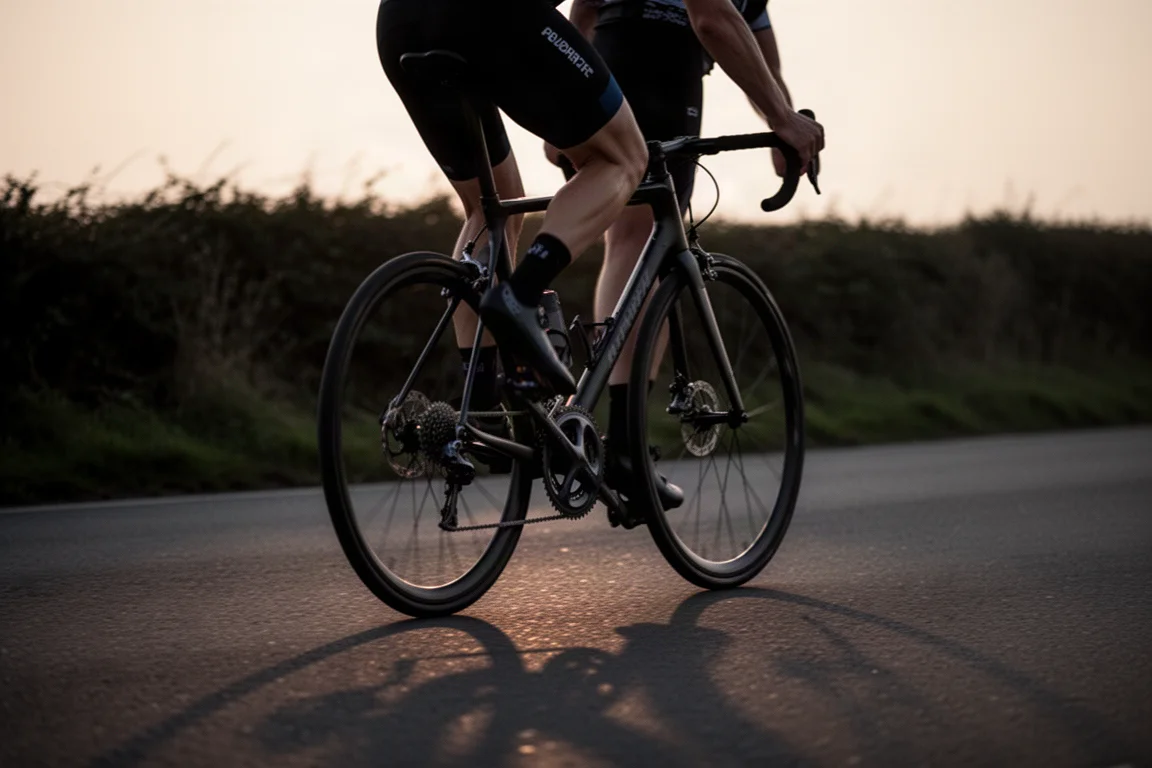
The combination of dual-sided measurement and a $499 price (around £399) is what makes the P715 worth a closer look. The rest of this article covers who it suits, where it stands out, and what is worth weighing up before ordering.
Who This Product Is For
The clearest case for the P715 is a rider who wants power on more than one bike. Because everything lives in the pedal, moving the system between a road bike and a second frame takes a pedal swap rather than a crank change, and the same applies when boxing a bike for travel.
It also suits riders who already have a strong preference for Look or Shimano cleats. Magene supplies two pedal body options, so the choice of cleat system is made at purchase rather than forced on the rider.
Finally, it is aimed at cyclists who want left and right data rather than a single-sided estimate. A dual-sided system reports each leg separately, which opens up the balance, smoothness, and pedal stroke metrics covered below.
Main Strengths
The headline claim is plus or minus 1% accuracy. If that figure holds up in real riding, it sits in the territory of far more expensive power meters, and Magene says the power module is positioned close to the point where power is actually produced in order to reduce power loss and measurement error. Dropouts and odd readings are one of the most frustrating parts of training with power, so the placement claim is worth noting.
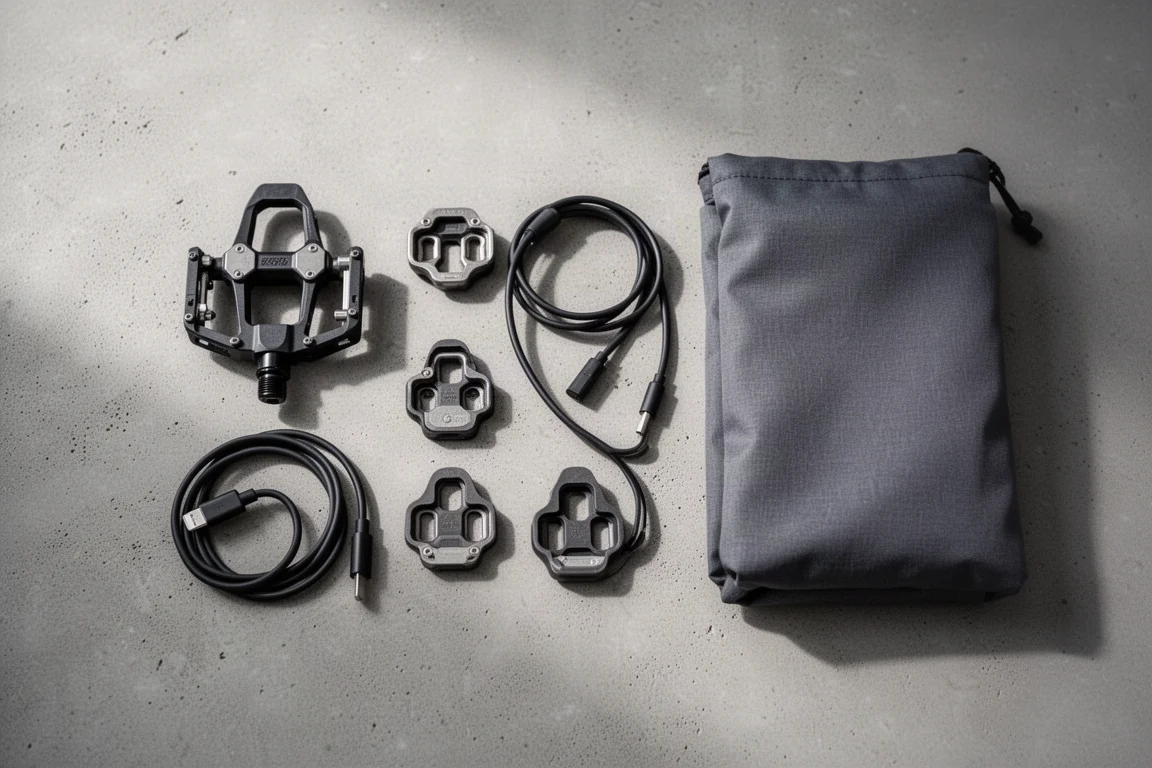
Battery life is claimed at 120 hours between top-ups, which is competitive with other pedal-based meters. Charging is handled by a magnetic cable supplied in the box: the connectors simply click into place, which makes topping up quick and keeps the cable easy to carry on a trip, where finding a specific coin cell battery abroad is far less convenient.
The pedals are also claimed at just 159 g per pedal with Shimano bodies, so the weight penalty for adding dual-sided power is modest. An IPX7 rating covers submersion in a metre of water for 30 minutes, which is a meaningful durability claim for a component that sits low on the bike and takes the full spray of a wet road.
For riders who want a power meter that behaves like a normal pedal in daily use, this is the core of the appeal: ordinary pedals on the outside, full measurement hardware inside.
Power Data and Training Insights
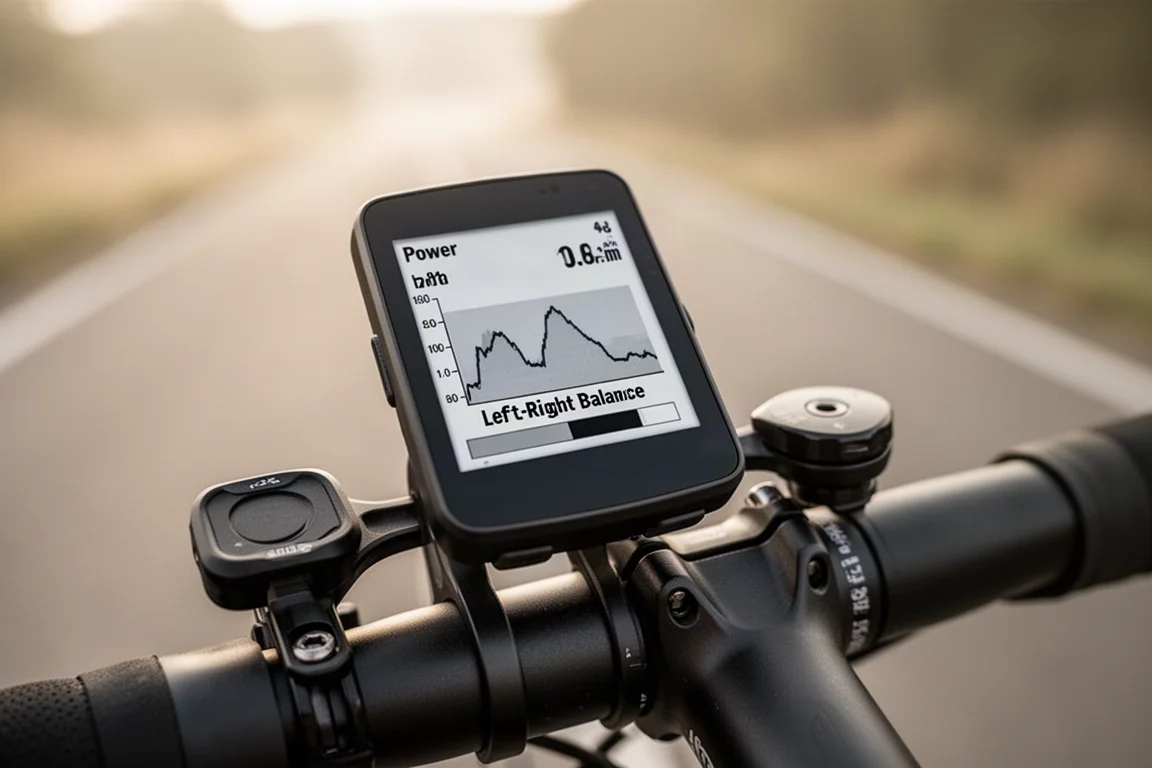
Magene lists seven advanced training functions, and the ones that matter most are left balance, pedalling smoothness, torque effectiveness, power phase, and riding position. Together they describe not just how much power is going into the pedals, but how it is being applied through the stroke.
The system also includes an embedded gyroscope, which Magene says refines measurements by calculating instantaneous power at every angle of the pedal rotation. That is the kind of detail that separates a basic power number from usable pedal stroke analysis.
Left and right balance is the metric most riders will check first. Because the system measures both sides independently, a clear discrepancy between legs becomes visible in the data, which can flag something worth investigating away from the bike rather than something to push through.
These figures are manufacturer claims, and real-world verification is the part every prospective buyer will want to see confirmed over longer term use.
Installation, Charging and Durability
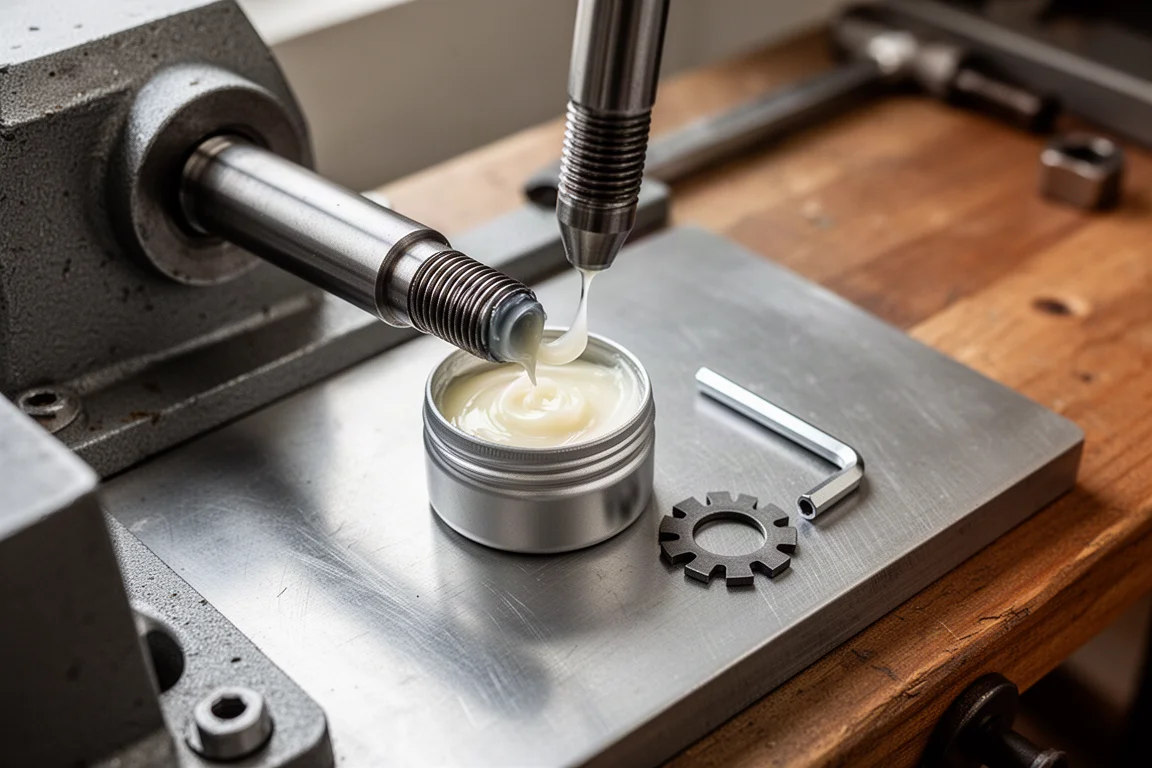
Fitting the P715 is deliberately conventional. The pedals thread in like any other pedal: apply a little grease, use an 8 mm Allen key to tighten, and the job is done. There is no crank removal, no bottom bracket work, and no tool shopping list.
There is one small detail to get right. The supplied pedal washers are a single direction design, with a face marked to sit against the crank. Fit them so that the marked side faces the crank, as intended.
Charging is equally straightforward thanks to the magnetic cable. The connectors snap into position, and the cable is small enough to travel with the bike, which removes the usual worry about battery access on a trip.
Pedal bodies are a consumable part over the long term, and Magene has addressed the two places where wear normally appears. A large metal plate protects the main contact point between pedal and cleat, and the front of the body, where cleat float can eventually wear the surface, is designed with that in mind. Magene’s estimate is roughly 7 to 10 years of heavy use before this becomes a concern, and because the clever hardware sits in the axle, the bodies are the replaceable part rather than the whole system.
Add the IPX7 rating and the P715 reads as a system built to survive real weather and real mileage rather than fair-weather riding.
Things to Consider Before Buying
Accuracy is a claimed figure rather than an independently verified one, so buyers who depend on precise numbers for structured training should factor in how much that matters to them.
Colour availability varies by region. The black version is offered everywhere except the European Union and the UK, while the silver version is offered everywhere except Germany and Italy. Checking which finish is available locally is worth doing before ordering.
Cleat compatibility is fixed at purchase. Riders need to decide between the Look and Shimano pedal bodies up front, and the 159 g per pedal figure applies to the Shimano bodies.
Finally, the pedal bodies are a wear item. The design mitigates the usual contact and float wear points and the hardware lives in the axle, but long-term riders should still expect the bodies to be the part that eventually needs attention.
Buying Advice
At $499, or around £399, the P715 is priced well below what dual-sided power usually costs, and that is the strongest argument in its favour. For a rider who wants two-sided data, the ability to move the system between bikes, and the convenience of charging rather than hunting for coin cells, the value case is clear.
The decision comes down to a few practical points. Confirm which cleat body suits the shoes already in use, check which colour is sold in your region, and be comfortable treating the accuracy figure as a manufacturer claim until it is verified over time.
If those boxes are ticked, the P715 delivers the core benefits of pedal-based power: simple installation, easy travel, straightforward charging, and full left and right measurement at a price that undercuts most of the dual-sided field.
For riders weighing up a first power meter or a second one for a travel bike, this is a system that removes most of the usual friction.
Conclusion
The Magene P715 makes a persuasive case for pedal-based power. Dual-sided measurement, a claimed 120-hour battery life with magnetic charging, a 159 g per pedal weight, IPX7 sealing, and a choice of Look or Shimano cleat bodies add up to a well-rounded package, and the $499 price is the part that stands out most. Riders who want left and right data across multiple bikes, and who value an install that takes minutes rather than an evening, will find plenty here to justify a closer look.
Product link
View more details for Magene P715 Power Meter Pedals
This product is mentioned in the review. Check the specifications, options, and compatibility before buying.
View more details for Magene P715 Power Meter PedalsFurther reading
Related Reviews
Cycling Power Meters
Five Affordable Power Meters for Road and Off-Road Cycling
Five practical power meter options under $500 that deliver reliable power measurement without breaking the budget.
Cycling Power Meters
Assioma Pro MX-2 Review: Dual-Sided Off-Road Power Meter Pedals
A light dual-sided off-road power meter pedal with a claimed 191 g weight, plus or minus 1% accuracy and a 60-hour battery.
Cycling Power Meters
Best Power Meter Pedals 2026: Seven Systems Compared
A practical comparison of seven power meter pedal systems, covering accuracy, battery life, servicing, weight and price.