Adaptive Cycling
Madeleine CA Monaco Carbon Handcycle Review: Racing Speed, Touring Compromises
A carbon-fiber racing handcycle with a superb head and neck support, a very low fast riding position, and real limits on durability, gearing and turning.
Introduction
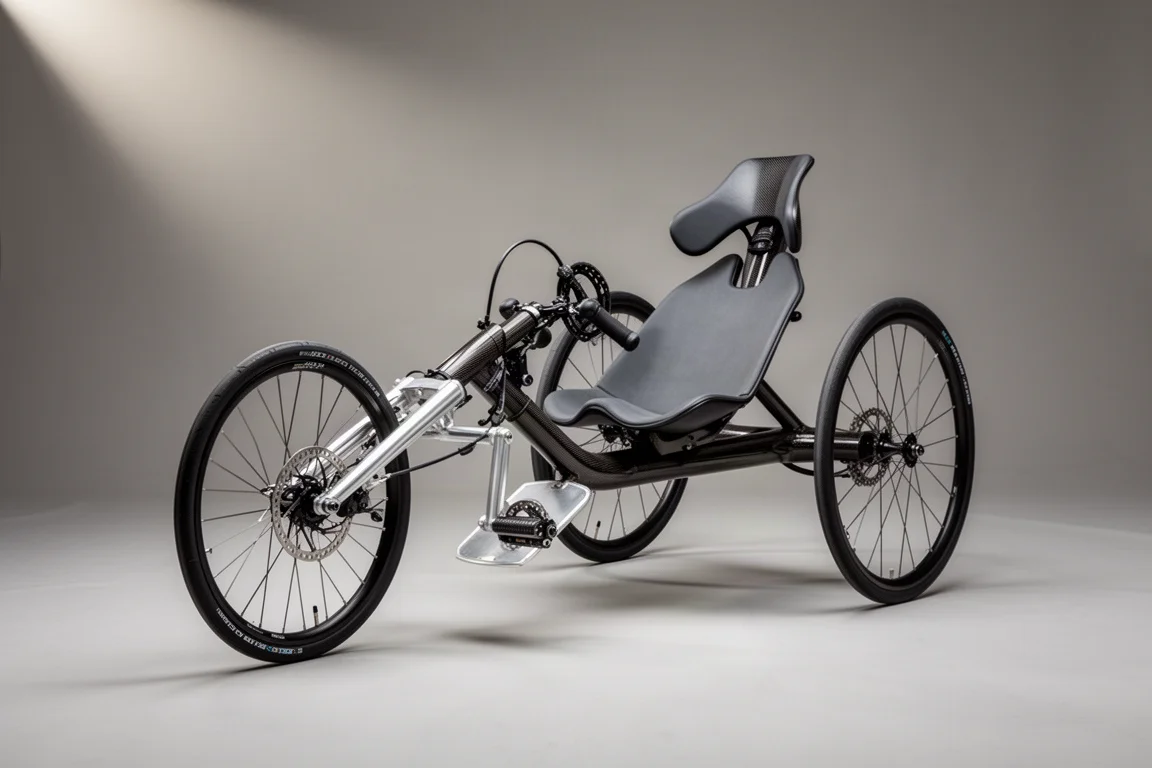
The Madeleine CA Monaco is a carbon-fiber racing handcycle built around a single priority: speed. Its frame is carbon, while the fork, foot plates and rear drafting bar are aluminum. That combination produces a very light, very low machine that is quick in a straight line and uncompromising everywhere else.
This handcycle has been used extensively on a long-distance ride across the USA, and that kind of mileage reveals things a showroom never will. Some parts have held up impressively. Others have needed reinforcement, improvisation and repair.

Anyone considering this handcycle should understand up front that it is a racing tool. It is fast, it is comfortable in one very specific way, and it is not designed to carry luggage, tow a trailer or survive city streets.
Who This Handcycle Is For
The CA Monaco is purely a racing handcycle. It is not intended for touring, commuting or general recreational riding, and using it for anything other than racing on smooth surfaces is not advisable.
It suits riders who already race and who want a light, low, fast platform. Because handcycles are built bespoke for each user and take a long time to produce, they are also difficult to replace, which makes choosing the right configuration at the outset important.
Riders who need durability, luggage capacity or parts that are easy to source should look at a different class of handcycle. An aluminum frame with 20-inch rear wheels, and ideally a wheel size shared with a riding partner’s bike, would be far more practical for long trips.
Main Strengths
Speed is the headline. The riding position is extremely low, which helps aerodynamics and makes the handcycle feel quick, though it also means the frame sits close to the ground.
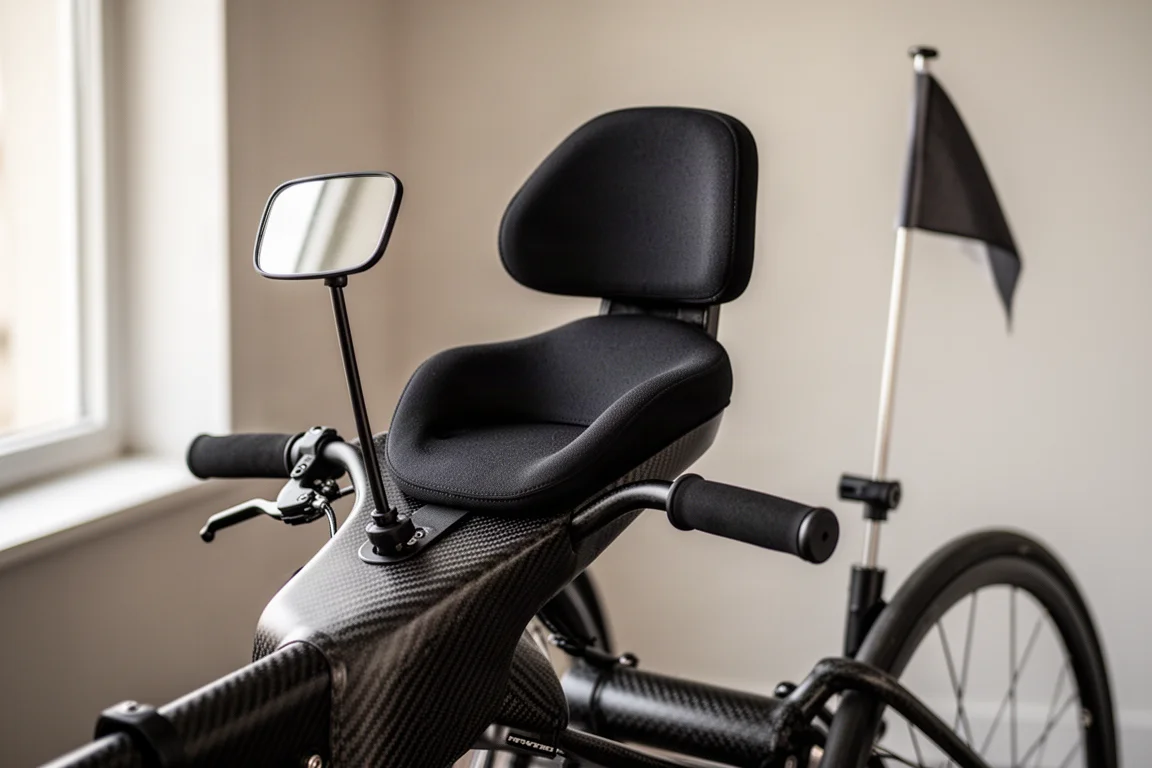
The head and neck support is the standout piece of design. It carries the full weight of the head and neck and is genuinely comfortable over long distances, which matters enormously on a machine where the rider is reclined for hours.
The drivetrain is essentially a conventional bicycle drivetrain mounted upside down, with a chain and a half in length. That familiarity helps with maintenance and means standard tools and components mostly apply. The Continental Gator Skin tires also proved durable over the trip, and they mount and dismount easily on these rims, which is a real advantage when a puncture happens far from help.
Design and Build Details
The frame is carbon fiber. The fork, the foot plates and the drafting bar at the rear are aluminum. The drafting bar exists so rival handcycles cannot catch the back of the frame or the rear wheels during a race, and it is not designed to carry anything.
Wheel size is 650c, which is the traditional standard for handcycles but also means road clearance is low. Modern racing handcycles typically use 20-inch rear wheels to shorten the wheelbase and improve the turning circle.
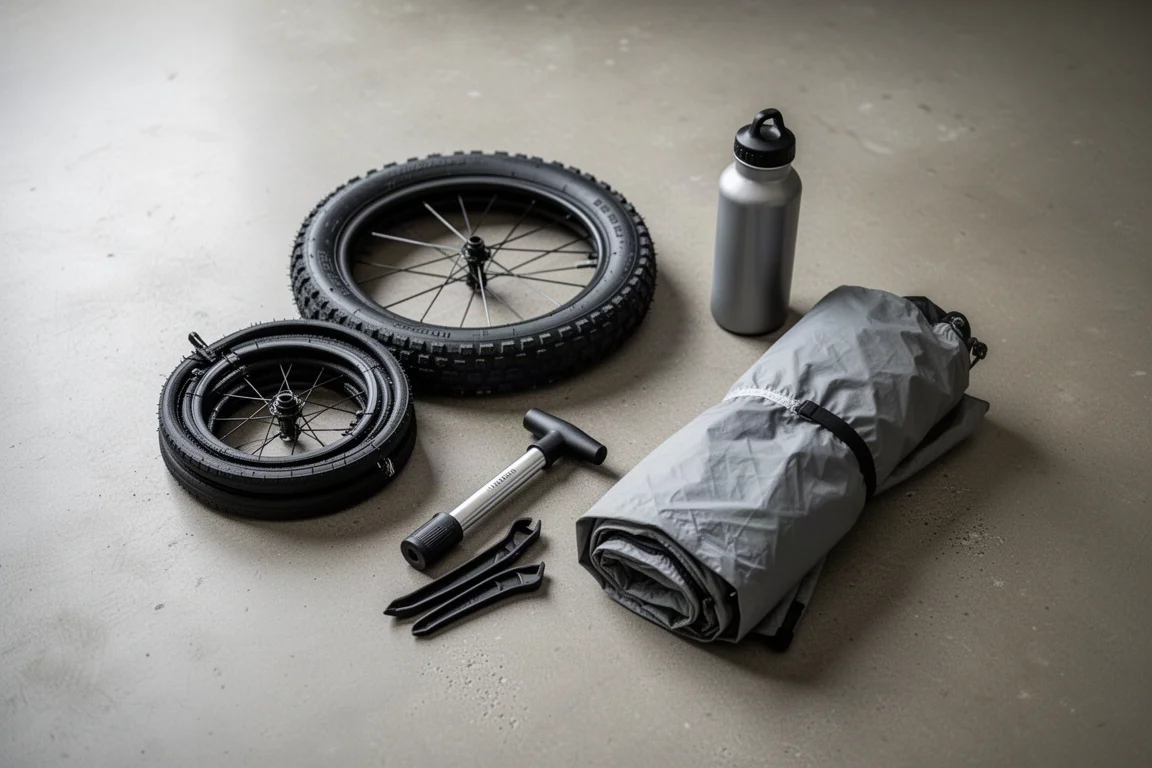
Steering is centred by an elastic mechanism working around a pivot point at the front of the frame. A small mirror on a stalk provides rearward visibility. A removable flag, a single bottle holder, and straps for a jacket, a Camelback and folding spare tires complete the practical setup.
Real-World Durability and Maintenance
This is where the picture becomes more complicated. The frame is old and has accumulated damage over years of use, and it was reinforced before this long trip. Even so, three weeks of riding produced fresh damage, and that happened without the handcycle ever going over a speed bump. That alone shows how poorly suited this design is to anything beyond smooth racing surfaces.
The steering centring elastic broke completely, which left the whole assembly swinging to one side and made getting in and out of the handcycle very difficult. It was repaired by Chris Madden of Draft Wheelchairs. The brake cable was replaced with a reinforced version before the trip, and it rubs against the rider, causing cuts and bleeding over time.
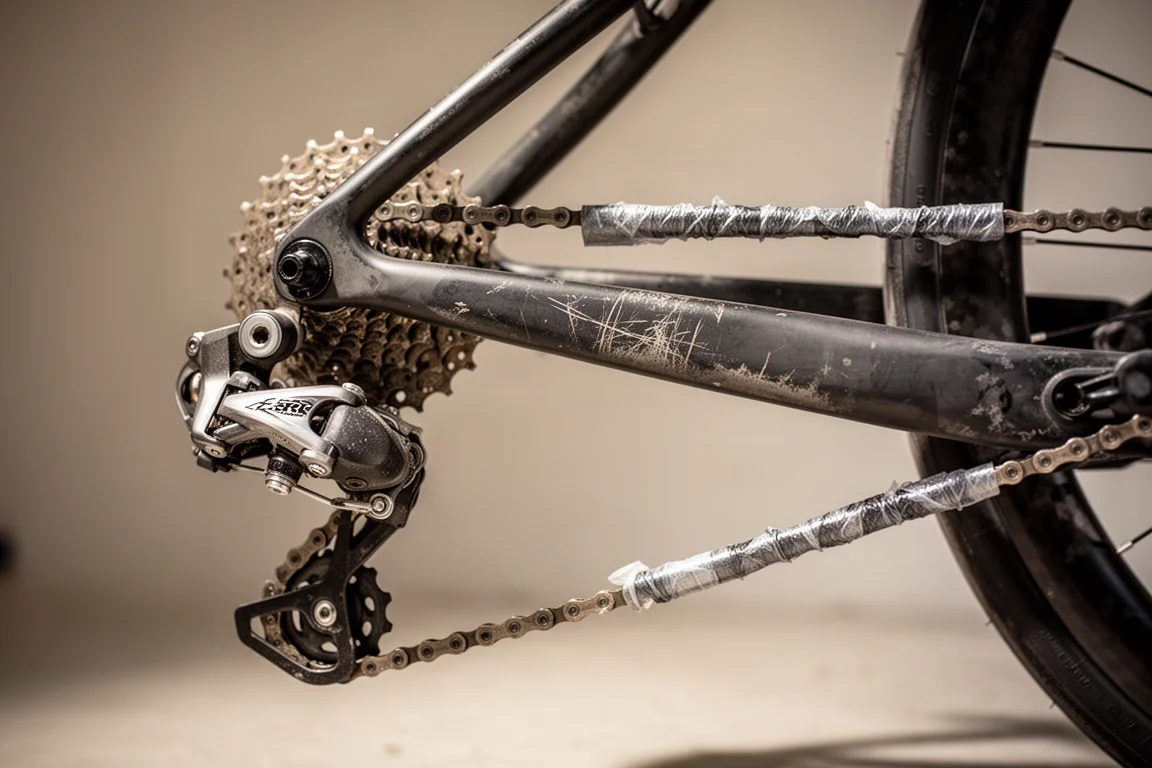
The rear derailleur hanger is integrated into the frame rather than being a replaceable part, so the gearing never indexed correctly. The workaround was to shift down two gears and back up one, then trim, and that was the routine for the entire trip. The cassette is a 10-50, and a 10-52 did not fit. Helicopter tape protects the frame where the chain rubs when it is on the big ring. The front chainring is 46 teeth, which is too large for climbing, towing a trailer or towing a wheelchair.
The trailer attachment is not something to copy. The drafting bar was reinforced in advance, and the coupling was improvised using a towel, duct tape and a through axle borrowed from a Burley Coho XC trailer so the trailer’s quick-release system still worked. It held for seven days of riding, but it is not a supported or advisable setup.
Things to Consider Before Buying
Tire choice is limited in the 650c size. The Gator Skin Continentals worked well, with only two punctures on the front and both of them pinch flats, and folding Schwalbe spares were carried because they save space. Anyone buying into this wheel size should plan a spare tire strategy in advance.
Turning is the other major limitation. The turning circle is very poor and becomes worse with a trailer attached. When the handcycle gets stuck, the only way to pivot it is to lift the front wheel, which is not something a rider can do alone.
Visibility is restricted from such a low position, and the small mirror is the main way to see behind. Legs can also interfere with the steering. A seat belt is fitted, and it functions as a retention device rather than a safety restraint in the usual sense.
Finally, cost and replacement. These machines are expensive and difficult to replace, and they are bespoke, so a damaged frame is not a simple swap.
Buying Advice
Buy this handcycle only if racing is the intended use. It is quick, the carbon frame is light, and the head and neck support is excellent, but it is not a touring platform and it is not designed for towing or for city riding.
Before ordering, work through the details that caused problems here: confirm the derailleur hanger design and how gearing will be indexed, check the largest cassette that will actually fit, size the front chainring for the terrain you will ride rather than for top speed alone, and confirm tire availability in your wheel size. If your plans include long distances, luggage or a trailer, an aluminum handcycle with 20-inch rear wheels and parts shared with a riding partner’s bike is the more sensible choice.
Conclusion
The Madeleine CA Monaco is a purpose-built racing handcycle with a light carbon frame, a very low and fast riding position, and a genuinely comfortable head and neck support. It is at its best on smooth surfaces at speed.
It is also an old, heavily used design in this configuration, with a non-replaceable derailleur hanger, a chainring that is too large for touring, limited tire options and a turning circle that makes anything technical difficult. Treat it as a racing machine, match it carefully to your plans, and it can be a rewarding one. Expect it to tour, and it will fight you the whole way.
Product link
View more details for Madeleine CA Monaco Carbon Handcycle
This product is mentioned in the review. Check the specifications, options, and compatibility before buying.
View more details for Madeleine CA Monaco Carbon HandcycleFurther reading
Related Reviews
Road Bikes
3T Strada Italia Review: A Radical Aero Road Bike That Rides Smooth
A made in Italy carbon aero road bike with a deep head tube, wide tire clearance and a genuinely comfortable ride. Here is what to know before buying.
3D Printing Materials
9 Advanced 3D Printer Filaments: A Practical Guide to Engineering-Grade Materials
Explore nine advanced filament types for 3D printing, from Nylon and polycarbonate to carbon fiber composites. Learn their strengths, trade-offs, and best applications.
All-Road Bikes
Fara Allroad Review: A Road-First Carbon Bike for Rough Tarmac and Long Days
A carbon all-road bike from a small Norwegian brand, built for rough roads, wide tires, and bikepacking. Here is how it rides and what to check before buying.