Climbing Shoes
Mad Rock Drone 2 and D2.One: Two Innovative Climbing Shoes Compared
A practical look at the Mad Rock Drone 2 and D2.One, two downturned climbing shoes with one-piece forefoot rubber, Science Friction 3 and a finned 3D hooking heel.
Introduction
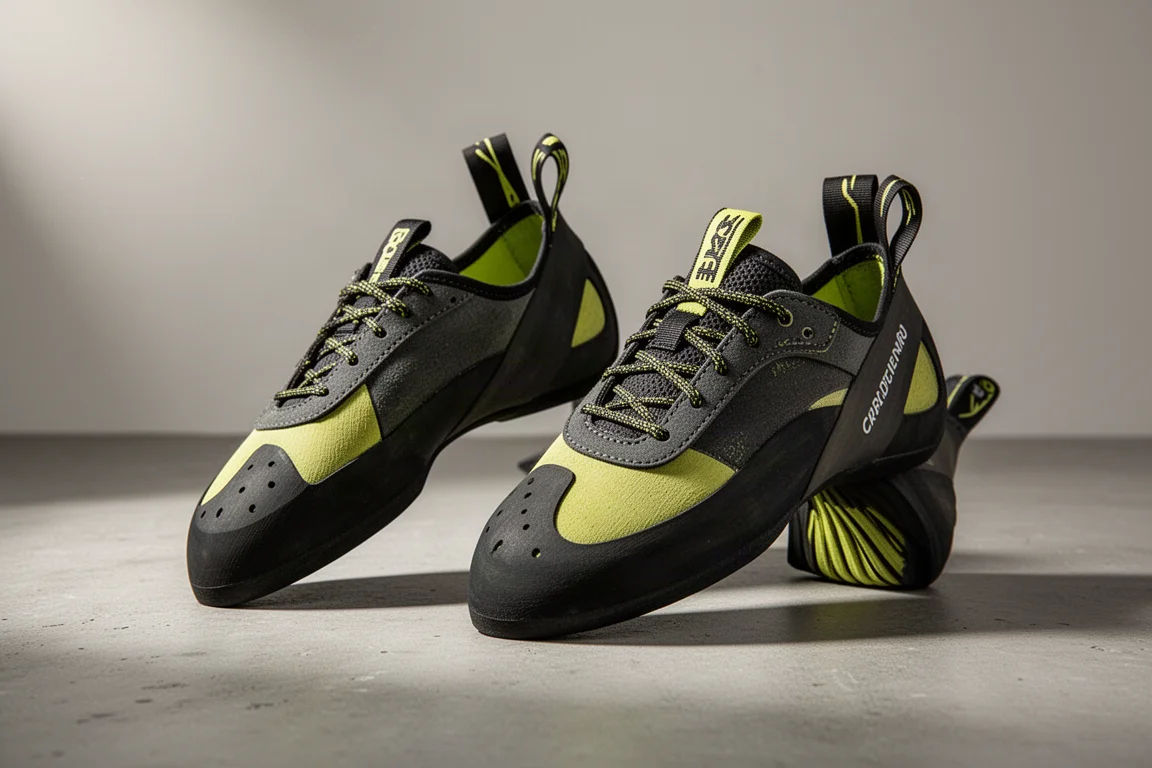
Mad Rock is a relatively new name on many climbing shop shelves in the UK, but the brand has been making rock shoes for a long time and has been making a real impact here. Two models in particular, the Drone 2 and the D2.One, have attracted attention because of how they are built rather than how they look.
Both are high-performance, aggressively downturned shoes with a strongly tensioned heel, and both sit on the same last. Yet they climb very differently. This comparison sets out what they share, where they diverge, and which one is likely to suit your terrain.
What Both Mad Rock Models Have in Common
The Drone 2 and the D2.One share a last, an aggressive downturn and a tensioned heel. Both are designed for performance rather than all-day comfort.
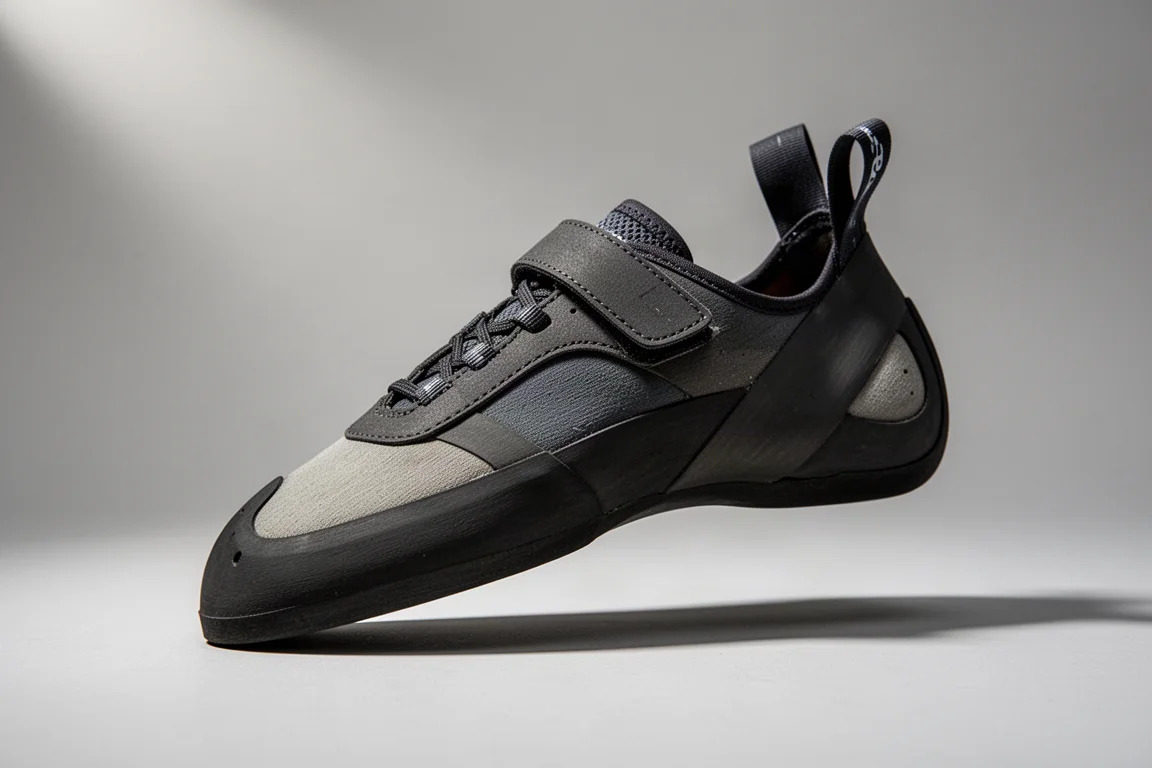
The most distinctive shared feature is at the front. The whole forefoot rubber is a single piece, running into an unusually long toe patch that reaches all the way up to the Velcro tab and appears very well bonded. Because there are no seams across that area, the shoes should resist the delamination that softer-built models suffer when they are hammered indoors. That construction also explains the firm, tight feel straight out of the box, and rubber does take some softening before it works the way you want.
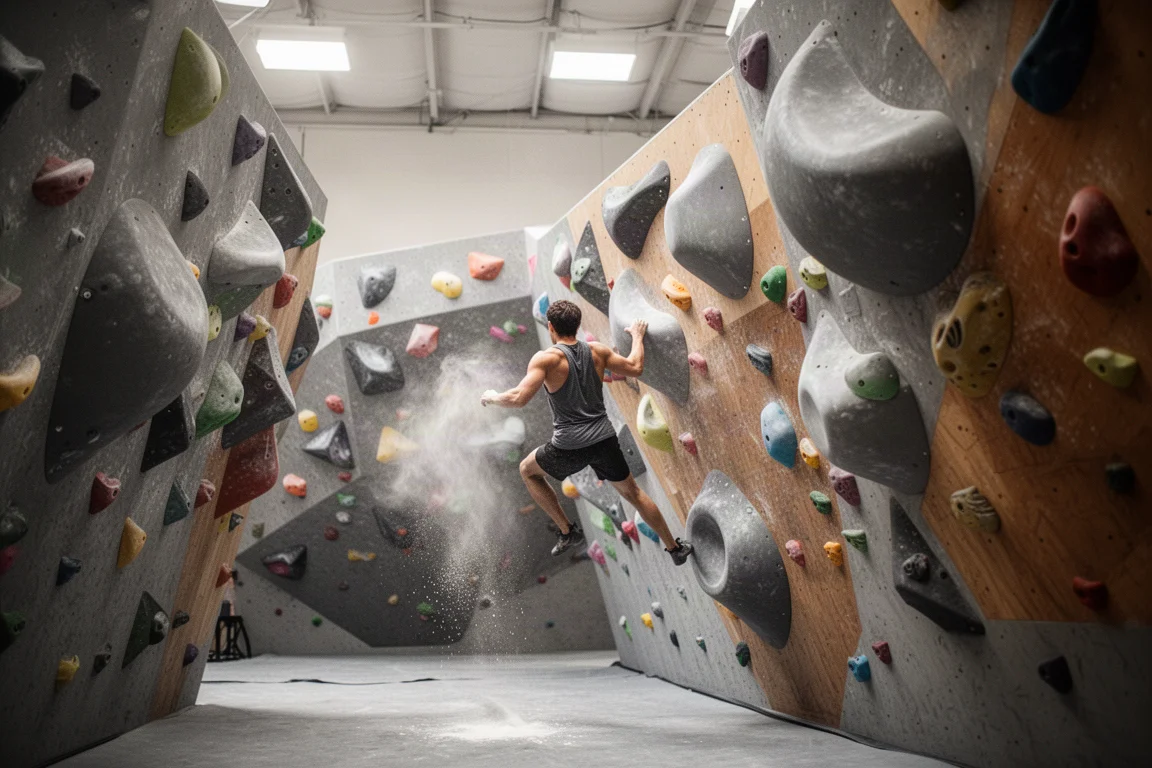
Both models come in a high volume fit and are also available in an LV version. Despite the high volume label, they do not feel especially high volume on the foot, so climbers who normally buy low volume shoes should not rule them out without trying them on.
Mad Rock D2.One: Softer, More Pliable
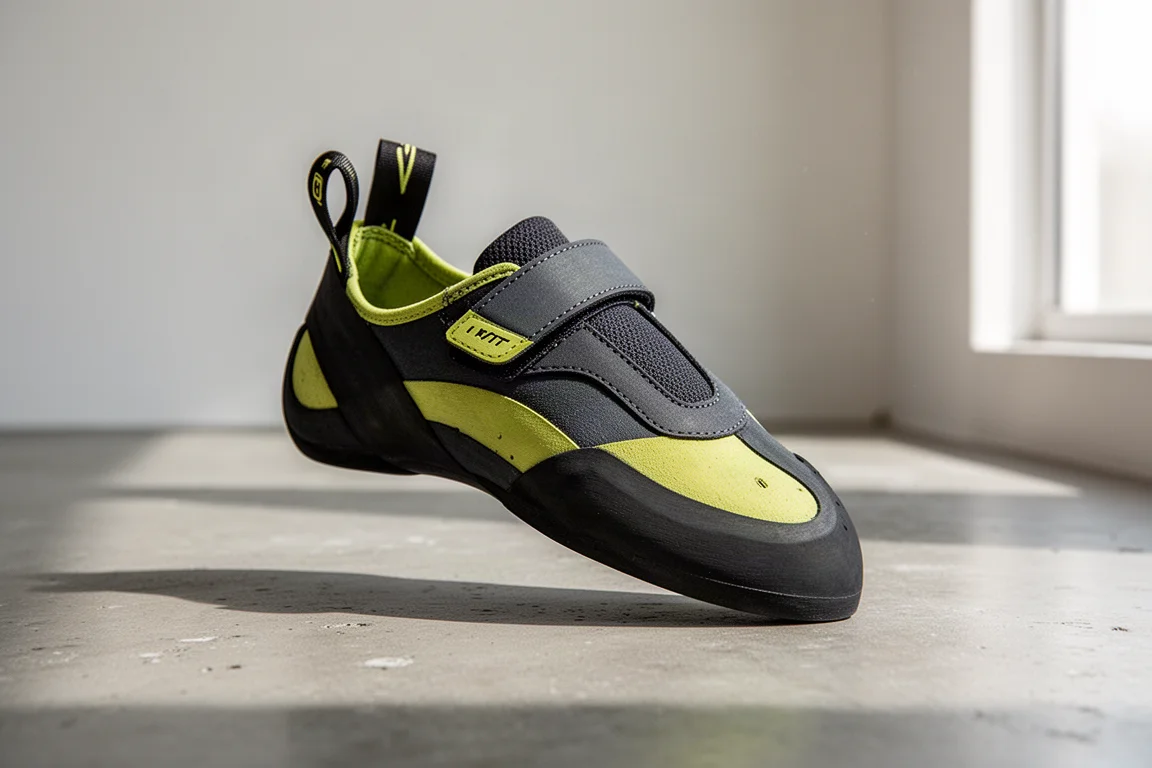
The D2.One uses the same last but a noticeably softer and more pliable build. Mad Rock describe it as the balance point between support and sensitivity, and on volumes and slabs that extra give is exactly where it earns its place.
Science Friction 3 rubber is used across the whole shoe rather than mixing compounds: on top of the toe patch, on the sole and in the heel. A single strap closure tensions the foot into the heel for a precise fit, and the opening is generous and plush, so getting the shoe on is not a struggle. The front construction still carries plenty of tension, but the stretch between the rubber sections lets the foot settle in and keeps the shoe comfortable once broken in.
The 3D Hooking Heel Explained
The feature drawing the most attention sits at the back. Mad Rock’s 3D hooking heel carries a pronounced ridge or fin running down it, moulded as a single piece in Science Friction 3 rubber.
On a small edge, a pebble or a protruding feature, that fin can trap and lock in, holding completely solid. Climbers working specific projects have described it as a game changer, and importantly it does not appear to interfere with ordinary heel hooking. It reads as a specialist advantage rather than a compromise.
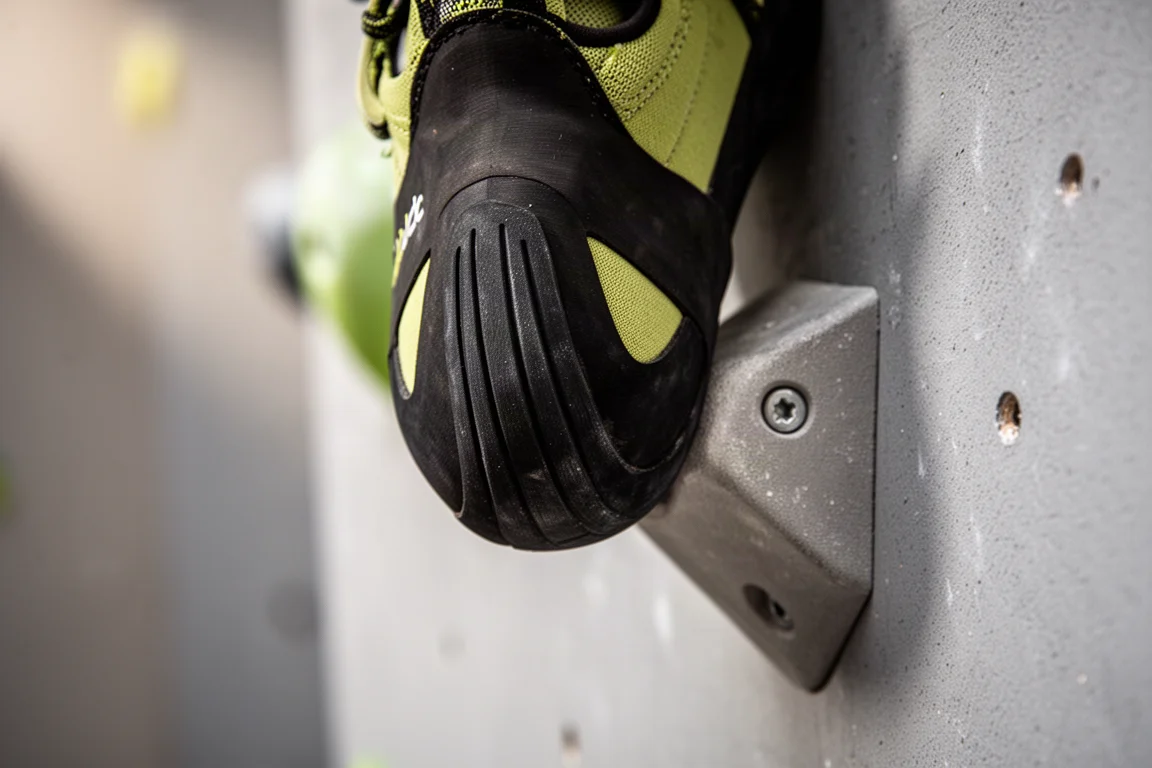
Like the forefoot, the heel is a single moulded unit, which continues the same durability story as the front of the shoe. It is a genuinely different approach to a part of the shoe that most brands treat as an afterthought.
Mad Rock Drone 2: Stiffer Edging Performance
The Drone 2 carries over the same fit and last, the same one-piece rubber forefoot and the same heel construction, but it is a far stiffer shoe. A full-length midsole runs through it, which is what keeps that stiffness and support in place over time.
Out of the box it feels like a dedicated edging machine. That matters for heavier climbers and for venues such as peak limestone, where standing on tiny edges is often the crux of the day. Many shoes arriving on the market now are very soft, which suits indoor bulging and competition-style blob problems, but sometimes a solid platform is simply what you need.
The Drone 2 does break in and soften, and that is welcome. Once it has, it stays supportive while retaining enough sensitivity for intermittent smears as well as small edges.
Sizing, Fit, and Break-In
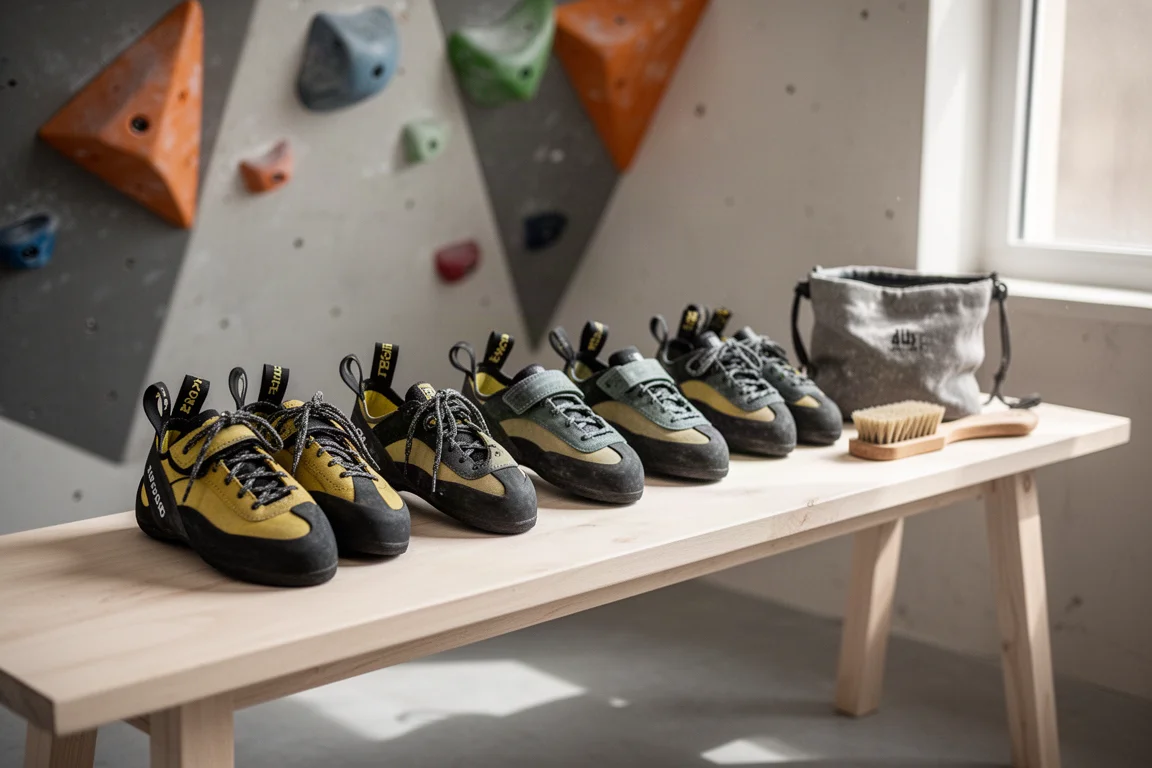
Both models break in considerably compared to many other shoes, so sizing deserves care. They feel firm and tight out of the box, and it is worth factoring that in when you first try a pair.
The long one-piece toe patch, the stretch panel between the rubber sections and the single strap closure together keep tension on the foot while still letting it settle. If you are between sizes or used to a different brand’s fit, try both the high volume and the LV options before committing to one.
Who Should Buy Which
Choose the D2.One if your climbing leans toward volumes, slabs and indoor problems where sensitivity and smearability matter most. Choose the Drone 2 if you want a stiff, supportive shoe for standing on small edges, particularly if you are a heavier climber or spend your time on limestone.
Neither shoe is a beginner’s all-rounder, and neither is trying to be. They are performance tools, and the right pick depends almost entirely on the terrain you climb most.
Buying Advice
Both shoes sit in the same performance category, so the decision comes down to stiffness rather than quality. The D2.One is the more forgiving, versatile option for volumes and smears. The Drone 2 is the specialist edging tool, and its full-length midsole is the reason it stays that way.
If you can, try both on before buying and pay attention to the initial tightness, since the break-in period is significant. Think about the holds you meet most often, and whether the finned 3D hooking heel is an advantage on the projects you have in mind.
Conclusion
The Drone 2 and D2.One bring genuinely different construction to a category that has not changed much in years: a one-piece forefoot rubber that resists delamination, Science Friction 3 rubber used throughout the shoe, and a finned 3D hooking heel that locks onto small features. The D2.One softens the package for volumes and slabs, while the Drone 2 keeps it stiff for edging. Match the shoe to your terrain and either one can feel like a real step forward.
Further reading
Related Reviews
Climbing Shoes
Evolv Climbing Shoes Compared: Zenist, Nighthawk, and Skyhawk
A soft bouldering specialist and two all-day trad shoes from Evolv, compared by feel, rubber, fit, and the kind of climbing each one suits.
Climbing Shoes
Evolv V6 Review: A Comfortable Climbing Shoe Built for Progression
The Evolv V6 is a flat-feeling, vegan climbing shoe aimed at new climbers progressing toward V6, with a stiff forefoot, relaxed heel, and easy on-and-off design.
Climbing Shoes
La Sportiva Skwama Lite Review: A Softer, Comfort-First Take on the Skwama
The La Sportiva Skwama Lite keeps the Skwama's shape and P3 platform but dials back tension for all-day comfort, with a vegan build and a washable design.