Backpacking Chairs
M Snail Carbon Fiber Backpacking Chair Review: Ultralight Materials, One Failure Worth Knowing About
A 1.6 lb carbon fiber and Dyneema backpacking chair for roughly $60 to $70, plus the frame connector failure that ended one unit and the support response that followed.
Introduction
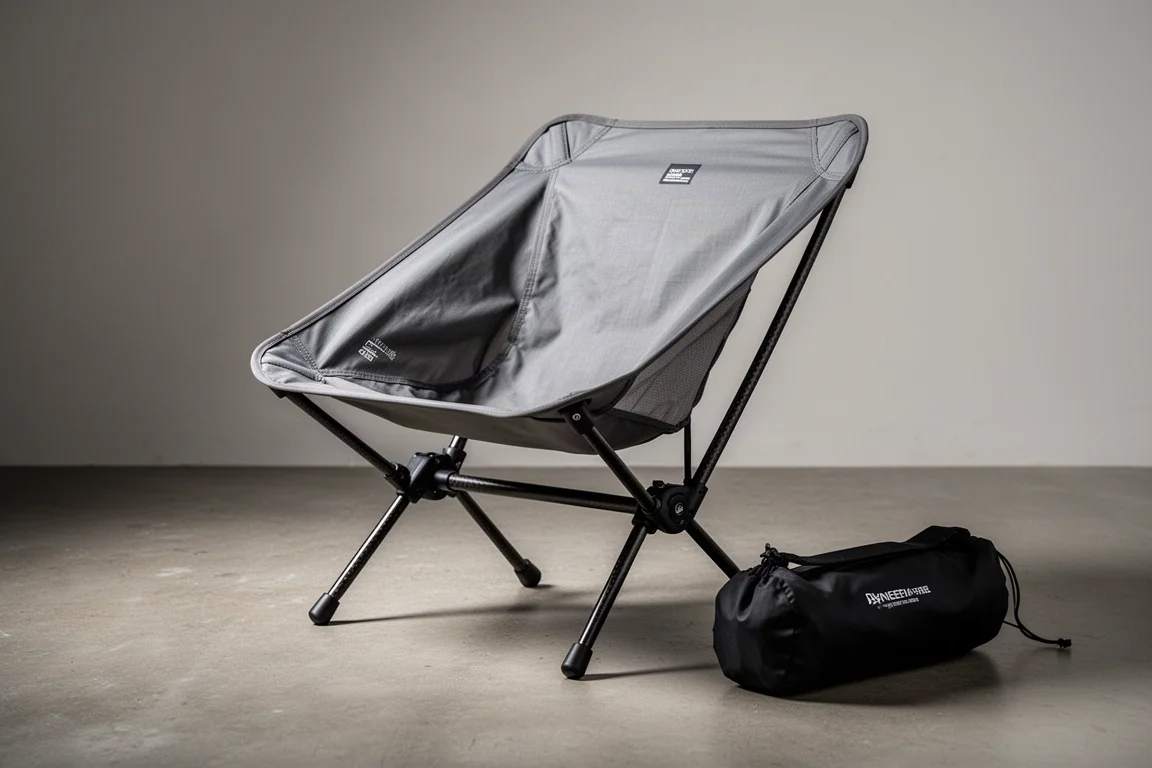
The M Snail ultralight carbon fiber backpacking chair occupies an unusual position in the gear market. The frame is carbon fiber, the seat is Dyneema, and the complete setup weighs 1.6 lb, yet it typically sells for roughly $60 to $70 on Amazon, where the price shifts from day to day. Outdoor products built from these same materials often cost several hundred dollars, sometimes approaching four figures, and that gap is the main reason this chair deserves attention.
That low price does not come with a low weight limit either. The chair is rated to 330 lb, which is far above the weight of the person testing it, so any problem that appears is unlikely to be a question of overloading. The appeal is straightforward: a genuinely light chair made from serious materials, at a price that does not require a decision to be agonized over.

Over roughly one month and about four trips out, the chair performed well. Then one unit failed at a glued frame connector in a way that could not be repaired. What follows is a full account of the strengths, the failure, and the support experience that followed it.
Who This Product Is For
This chair suits backpackers who count every ounce and still want to sit up properly at camp rather than lean against a pack. At 1.6 lb it fits into the same weight class as many ultralight shelters, which makes it realistic to carry on multi-day trips where a conventional camp chair would be left at home.
It also suits campers who want premium materials without paying a premium price. Carbon fiber and Dyneema are among the more advanced materials used in outdoor gear, and seeing both in a chair in this price bracket is unusual.
It is less suited to anyone who wants a chair they never have to think about. A carbon frame is strong in the direction it is designed to take load, but glued connectors and hollow tubing deserve a little attention from the owner, especially in the first weeks of use.
Main Strengths
The headline figure is weight. The entire setup, frame, seat and storage bag, comes to 1.6 lb. For backpackers, that is the difference between bringing a chair and leaving one behind.
The materials are the second strength. A carbon fiber frame paired with a Dyneema seat places this chair in the same material conversation as equipment costing many times more. The 330 lb weight limit also means the load rating is generous relative to the chair’s own weight, which is a good sign for stability at camp.
Price is the third. At roughly $60 to $70, the chair undercuts what most shoppers would expect to pay for this combination of materials. Prices on Amazon move around, so the figure can land at either end of that range depending on the day.
Support is the fourth, and it was genuinely surprising. When a problem was reported through the company’s website, the reply arrived the same day. The company asked for photographs of the issue, a description, and a shipping address for a replacement chair. For an inexpensive product, that is a faster and simpler process than many larger outdoor brands offer.
The Failure That Occurred
The failure happened on the fourth trip out, while getting up from the chair after dinner. The back support gave way, and the chair would no longer hold itself together. The break was not repairable.
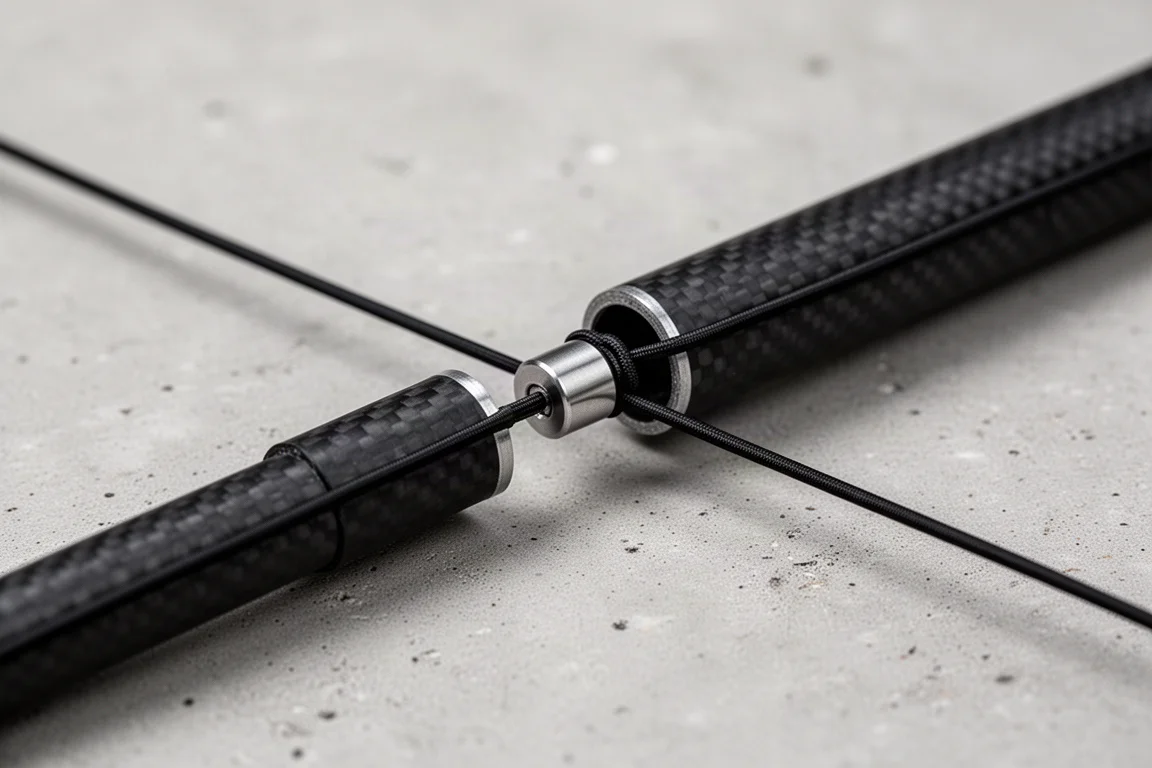
The cause is more interesting than the break itself. Inside the back support pole, a short connector piece that joins one pole section to the next is glued into place. On the failed side, that connector came unglued and slid deep into the pole, where it could not be retrieved without destroying the section. With the connector out of position, the two pole segments had nothing to hold them together, and the load passing through the joint splintered and cracked the carbon fiber.
This matters because it was not a failure of the materials. The carbon fiber and the Dyneema seat were otherwise intact. It was an assembly defect, specifically the adhesive bond holding the connector in place. A single unit failing this way does not prove that every chair will fail the same way, and there is not yet enough information to say whether the problem is isolated or more widespread. It is the kind of detail worth knowing about regardless, because a chair with a loose connector can be checked before it becomes a broken chair.
Things To Consider Before Buying
The first consideration is that the failure described here involved one chair. It may be unique to that unit, and it may not be. Buyers should treat it as a known possibility to watch for rather than a certainty.
The second is the repair question. Once a connector works its way up inside a pole section, there is no practical field fix. If the adhesive bond at a joint lets go, the chair is likely finished, so it is worth inspecting the joints when the chair first arrives and again after the first few uses.

The third is the buying channel. A chair bought on Amazon falls under the usual return window, and once that window closes, resolution depends on contacting the company directly. One buyer who ordered from the company’s own website reported a slow delivery because the chair shipped from overseas, along with no reply to a follow-up message. That silence may have been a filtering issue rather than a lack of response, because messages from this company can arrive from what looks like a personal email address and are easily caught by spam filters. The same thing happened here: the reply sat in a spam folder until it was checked.
The fourth is assembly. One buyer received a chair with the frame and poles put together incorrectly. That case was fixed by undoing the shock cord, taking the frame apart, and rebuilding it correctly, after which the chair worked as intended. Checking the pole layout on arrival is a quick way to catch that before it becomes a mystery.
Support and Replacement Experience
Contacting the company was simple once the spam folder was checked. The message was sent through a form on the company’s website, since no email address was listed, and the reply came back the same day. The request was minimal: photographs of the damage, a description of the problem, and an address to ship a replacement to.
That is a better support experience than many shoppers get from far more expensive products. For context, a warranty claim on a sleeping pad from a larger outdoor brand took weeks of back-and-forth before a replacement was arranged. Here, a chair costing roughly $60 to $70 was handled in a single exchange.
A replacement chair is on the way, and further testing will show whether the connector issue appears again. The practical lesson for buyers is to check the spam folder before concluding that a company has gone quiet, and to keep photographs of any damage ready if a claim is needed.
Buying Advice
At $60 to $70, this chair delivers materials and weight figures that are difficult to find elsewhere at the price. For a backpacker who wants to sit comfortably at camp without adding meaningful pack weight, it is an easy recommendation to consider, provided the buyer understands that the frame relies on glued connectors and deserves a quick inspection.
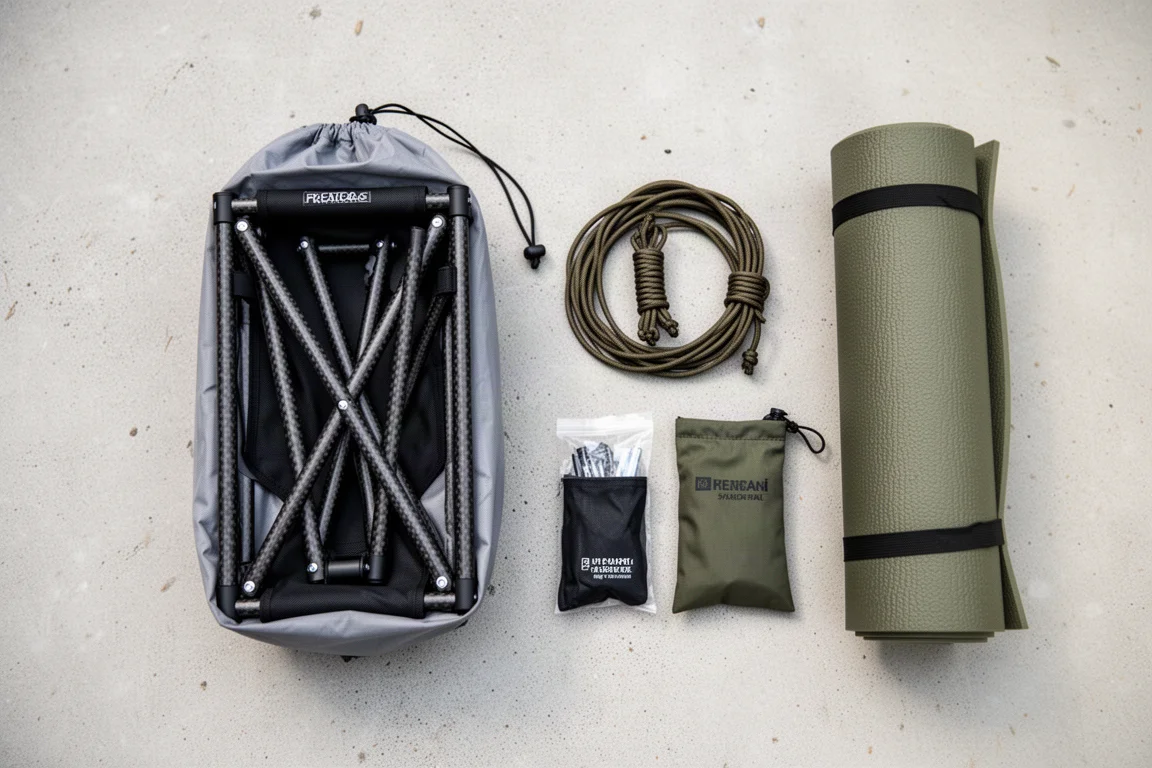
Buying through Amazon keeps the standard return window available, which is the simplest safety net during the first weeks of ownership. Whichever route is chosen, unpack the chair, confirm the poles are assembled in the correct order, seat the connectors fully, and sit in it at home before relying on it in the backcountry. If a joint feels loose or a pole section does not lock up as it should, that is the moment to raise it with the company rather than on a trip.
For anyone who wants a chair they can treat roughly and forget about, a heavier and more conventional design may be the calmer choice. For anyone counting grams, the trade-off here is reasonable, and the support response makes the risk easier to accept.
Conclusion
The M Snail ultralight carbon fiber backpacking chair gets a great deal right: 1.6 lb of carbon fiber and Dyneema, a 330 lb weight limit, and a price near $60 to $70 that undercuts almost everything comparable. The failure that ended one unit was an adhesive assembly defect at a frame connector, not a material failure, and the company replaced the chair quickly and without argument. Buy it for the weight and the materials, inspect the joints on arrival, and keep the spam folder in mind if you ever need support.
Product link
View more details for M Snail Ultralight Carbon Fiber Backpacking Chair
This product is mentioned in the review. Check the specifications, options, and compatibility before buying.
View more details for M Snail Ultralight Carbon Fiber Backpacking ChairFurther reading
Related Reviews
Backpacking Chairs
Get Out Gear Trek Chair vs Helinox Chair Zero: Which Backpacking Chair Is Worth the Weight?
A three-way comparison of the Get Out Gear Trek Chair, the Helinox Chair Zero, and the Chair Zero High-Back, covering weight, comfort, setup, durability, and value.
Backpacking Chairs
Helinox Chair vs REI Co-op Flexlite Air Chair: Two Lightweight Backpacking Chairs Compared
Two one-pound backpacking chairs share the same aluminum frame material, but they differ in seating posture, upfront price, and how much the replacement seat fabric costs.
Backpacking Chairs
Best Backpacking Chairs Compared: Five Ultralight Options From Budget to Premium
A practical comparison of five folding ultralight backpacking chairs, from a $50 budget lounger to a $180 feature-rich option, with clear comfort, weight, and price trade-offs.