Phono Cartridges
Lyra Delos Review: A High-Resolution Moving Coil Cartridge
A close look at the Lyra Delos moving coil cartridge, its resolution and dynamics, and how it compares with two other low-output designs.
Introduction
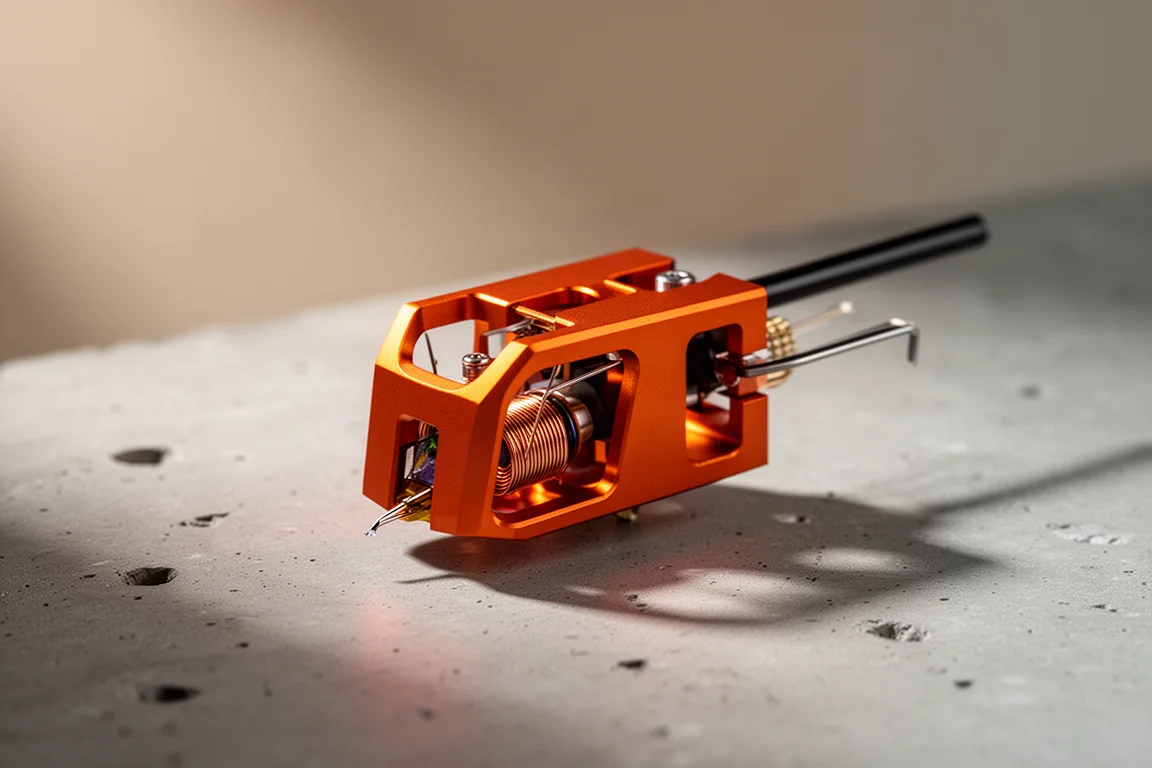
The Lyra Delos is a low-output moving coil cartridge priced at $1,995, which places it at the most accessible point in the Lyra range. It arrived in 2008, and no design changes have been claimed since. The body is anodised aluminium with an open architecture, and the cantilever is solid boron. Lyra’s New Angle technology is one of the design’s defining features.
Every Lyra cartridge is designed by Jonathan Carr, and each individual unit is assembled and fine-tuned by Yoshinori Mishima, who listens to test tones, test records and music and adjusts each sample by ear.
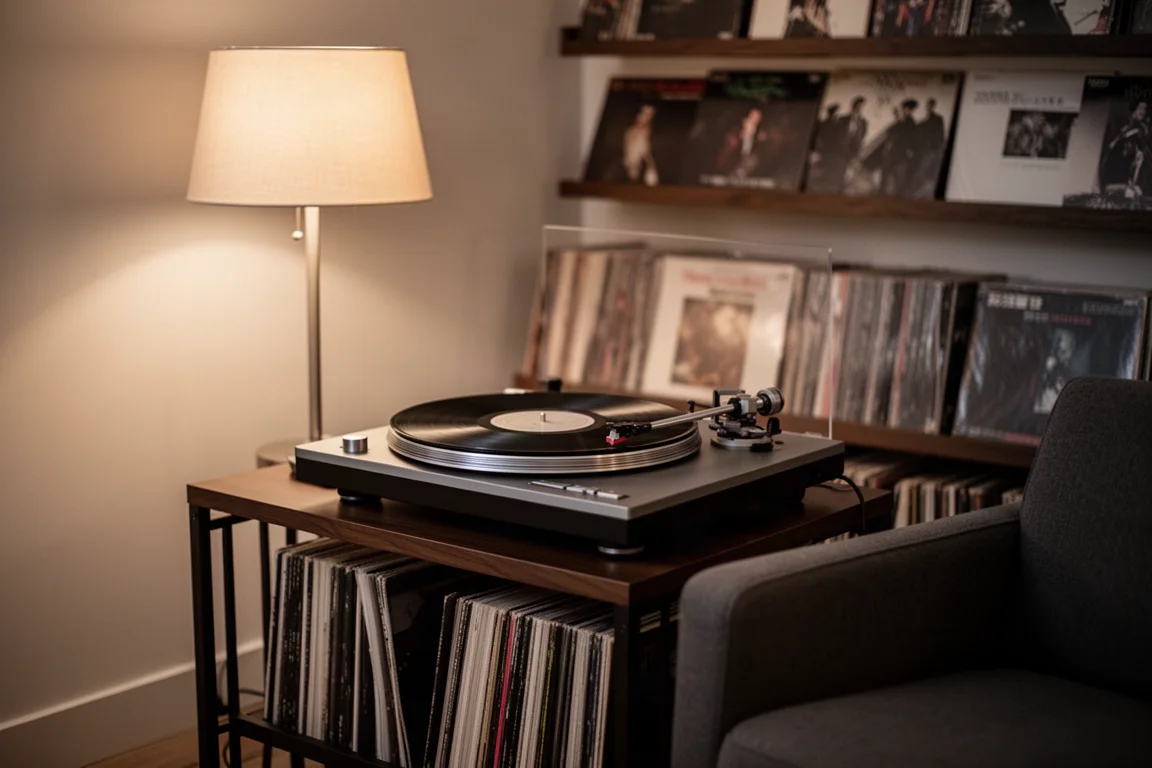
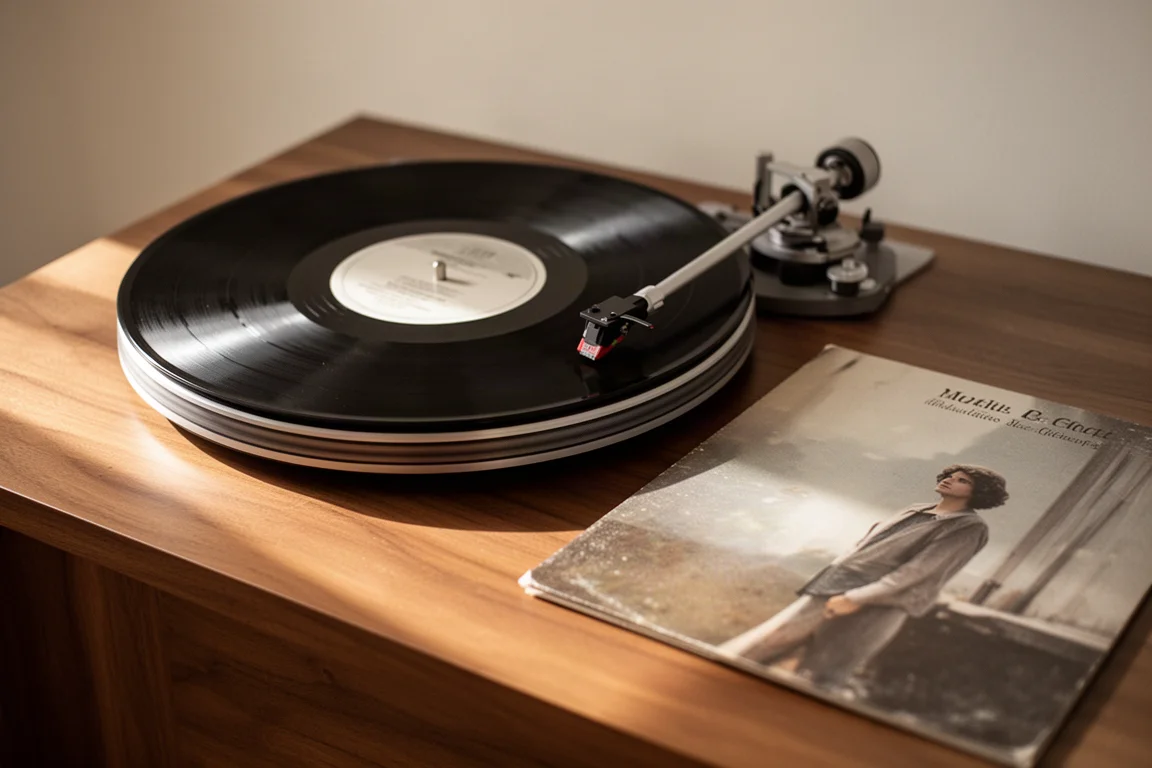
The cartridge was used here in a system built around a Technics SL-1200G turntable, a Parasound JC3+ phono preamplifier, a Pass XP30 preamplifier, a Pass XA25 power amplifier and Pure Audio Project Duet 15 loudspeakers.
Who This Product Is For
The Delos is aimed at listeners who spend most of their listening time with vinyl and want to hear deeper into records they already know. Its output is 0.6 mV, which is higher than average for a low-output moving coil design, but it still asks for a phono stage with enough gain to drive it cleanly.
It also suits listeners who care most about dynamics and energy. If your priority is a warm, forgiving presentation that softens the edges of imperfect pressings, this is not the cartridge that will do that for you. The Delos is built around resolution first.
Design and Build
The Delos uses an anodised aluminium body with an open architecture, finished in a distinctive orange tone. The cantilever is solid boron, and Lyra’s New Angle technology shapes how the generator is arranged inside the body. Output is specified at 0.6 mV.
The model sits at the bottom of the Lyra line on price, but it is built to the same design philosophy as the rest of the range, and each unit is individually checked and adjusted before it leaves the factory.
Main Strengths
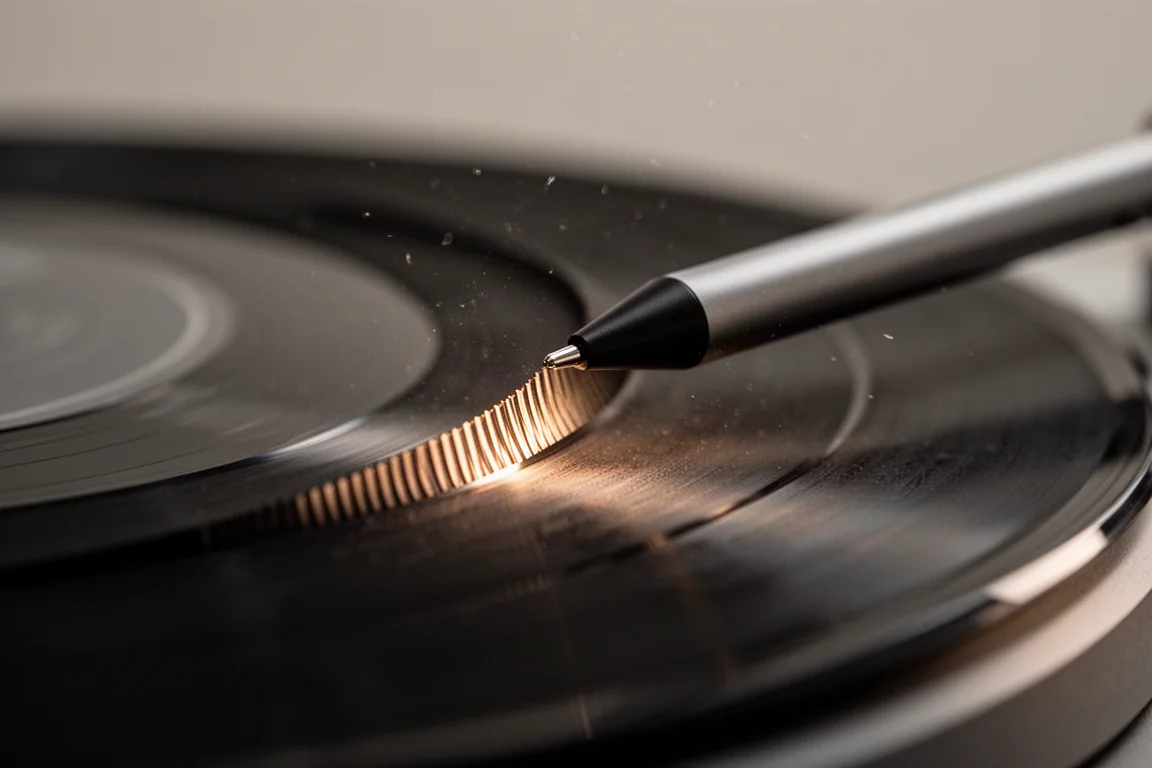
Resolution is the headline. The Delos extracts more from the groove than the two other low-output moving coils it was compared against, and that shows up most clearly on recordings that are decades old. Familiar material starts revealing detail that had not been noticed before.
Dynamics are the second strength. Transients have a hard leading edge with no softening, bass is tight and fast, and the sense of front-to-back depth in a recording is unusually clear. Tone is strong as well, particularly with singers, and the cartridge holds a stable image across a side of vinyl.
Listening Notes
A handful of records made the character of the cartridge easy to hear. Procol Harum’s live album with the Edmonton Symphony Orchestra, recorded in 1971, showed the scale of a rock band, orchestra and choir in a concert hall, and the way the drums filled that space was unusually well defined.
Jake Xerxes Fussell’s record, a mix of blues, folk and traditional material, came across as unhurried, with the music filling the room. The Kronos Quartet’s Long Time Passing, a 2020 tribute to Pete Seeger, made bow pressure on the strings easier to hear than usual. On a Creedence Clearwater greatest hits collection, the rhythm section and the vocals carried real intensity, and the long instrumental stretch of Susie Q was absorbing. A 1984 Max Roach Percussion Ensemble album showed the attack of sticks against metal and the weight of large bass drums. The Chambers Brothers’ Time Has Come Today, with its fuzzed-out guitars, was another reminder of how much this cartridge reveals at the edges of deliberate distortion.
How It Compares
Both comparison cartridges are low-output moving coils in the same price class. The Dynavector XX2 takes a sweeter approach: strings sound gentler, the lower midrange carries more body, and vocals are fuller, but detail is less clear and the dynamics are held back compared with the Delos.
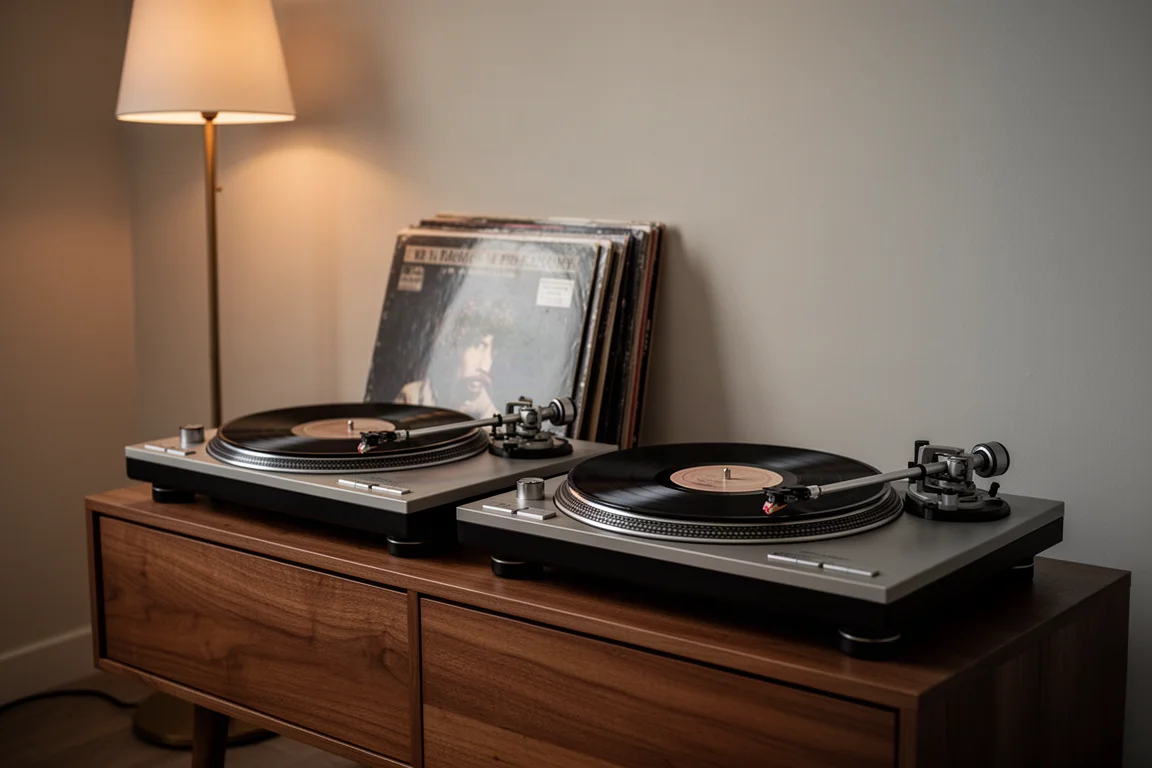
The Ortofon Cadenza Blue moves further in the same direction. Its dynamics are noticeably reduced next to the Delos, transient attack is softer, and the sense of front-to-back depth in a recording is diminished. Both alternatives sweeten the sound and make bright or harsh recordings easier to live with. The Delos does not, and the difference between them is larger than is typical among moving coil cartridges.
Things to Consider Before Buying
The Delos is a revealing cartridge, and that cuts both ways. Bright recordings sound bright, harsh recordings sound harsh, and less than good pressings will not be flattered. The Cadenza Blue and the XX2 both soften those edges to a degree, while the Delos keeps them intact.
A low-output moving coil also needs a phono stage with sufficient gain. At 0.6 mV the Delos is more flexible than some low-output designs, but it is still not a cartridge to pair with a basic moving magnet input.
Buying Advice
At $1,995 the Delos is the entry point to the Lyra range, and it behaves like a high-resolution component rather than a compromise. If your system already resolves well and you want to hear more of what is in the groove, including the parts that are not pretty, it is a strong match.
If your priority is a smoother, more forgiving sound that makes problem records more palatable, the Dynavector XX2 or the Ortofon Cadenza Blue are the directions to consider instead. Neither reaches the Delos for dynamics, but both are easier on difficult material.
Conclusion
The Lyra Delos is a low-output moving coil cartridge that puts resolution and dynamics first. It is the most affordable model in the Lyra line, and on fifty-year-old recordings it finds detail that had been sitting in the groove all along. Buy it for what it reveals, and be prepared for it to reveal everything.
Product link
View more details for Lyra Delos
This product is mentioned in the review. Check the specifications, options, and compatibility before buying.
View more details for Lyra DelosFurther reading
Related Reviews
Phono Cartridges
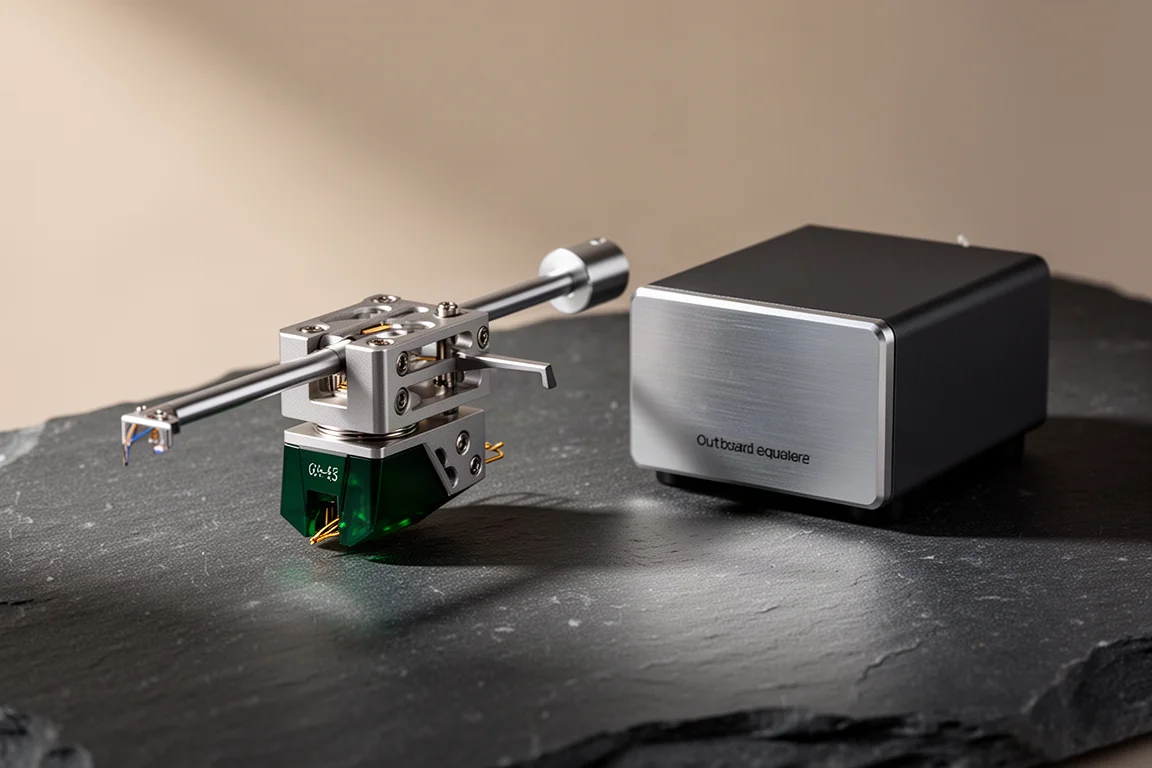
DS Audio E1 Review: An Optical Cartridge That Reads Vinyl Differently
A close look at the DS Audio E1, a Japanese-made optical cartridge system that reads the groove with an LED and a photodiode, including what it does well and what to weigh before buying.
Phono Cartridges
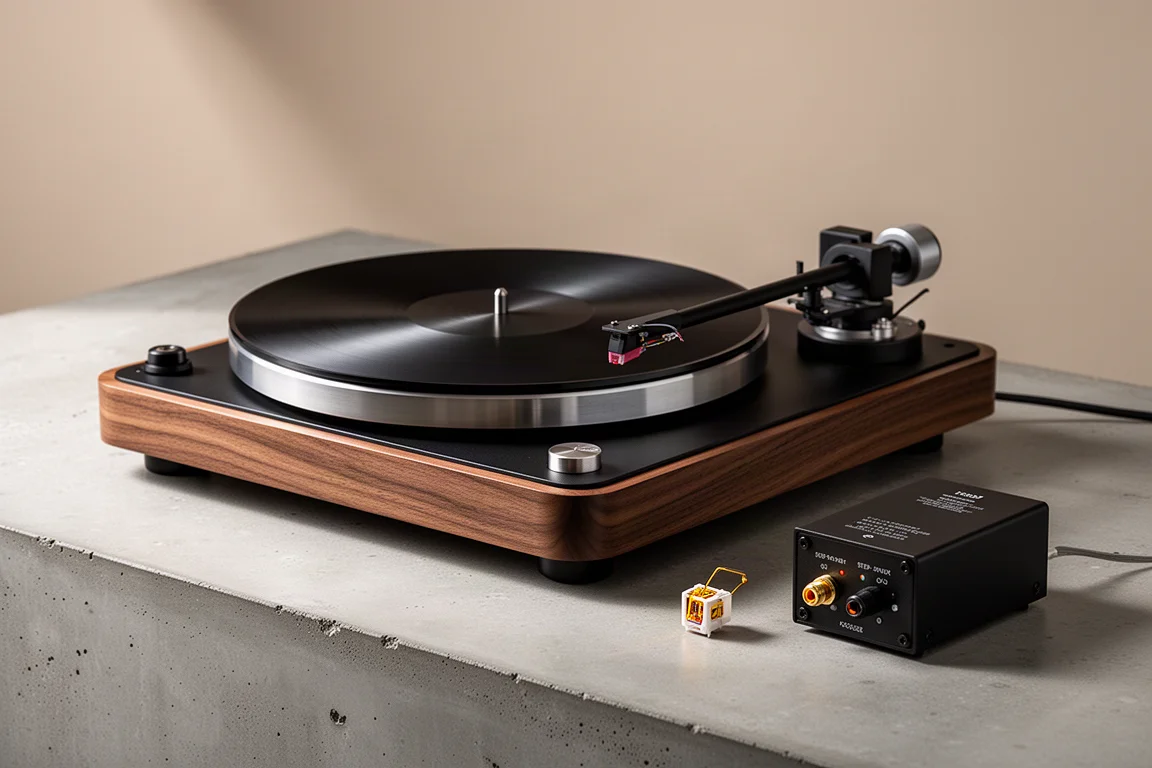
EMIA Denon DL-103 and 103 SUT Review: More Music From an Iconic Cartridge
A modified Denon DL-103 moving coil cartridge paired with a purpose-built step-up transformer, plus how it compares with two other moving coil options.
Phono Cartridges
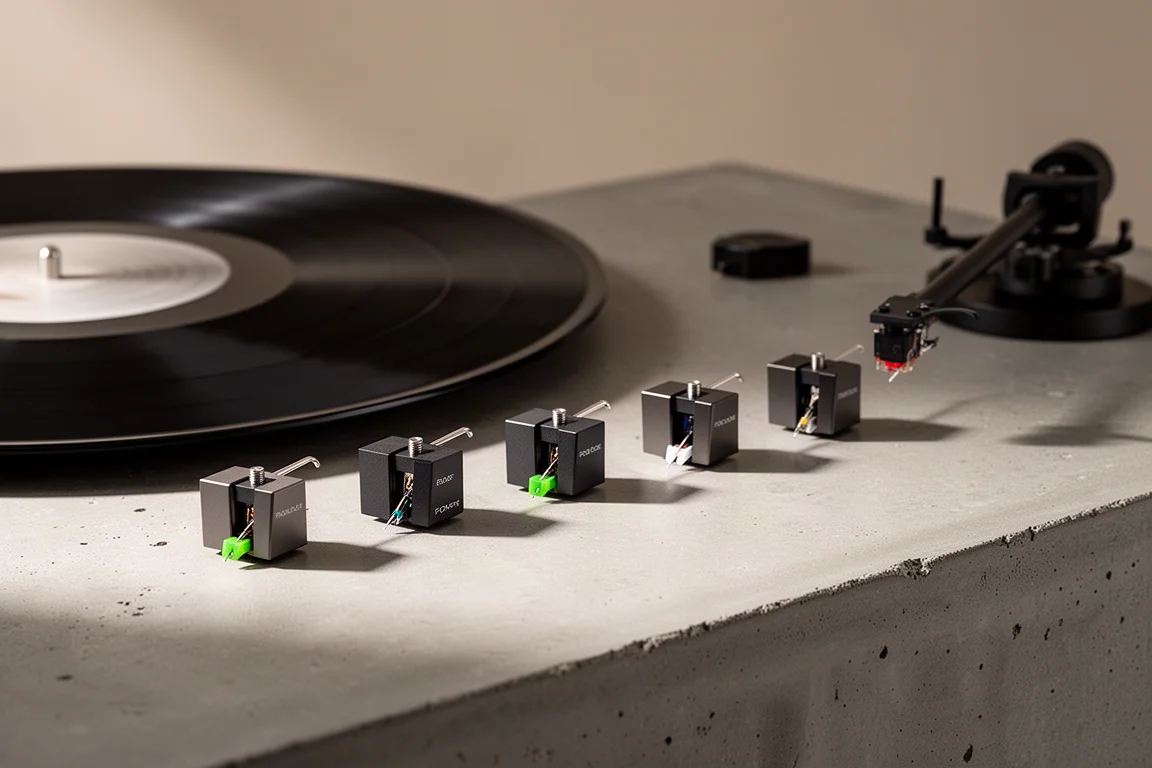
Five Phono Cartridges Compared: From a $69 Moving Magnet to a $2,150 Moving Coil
Five phono cartridges compared on the same turntable, from an affordable moving magnet to high-end moving coils, with the strengths and trade-offs of each.