Phono Cartridges
EMIA Denon DL-103 and 103 SUT Review: More Music From an Iconic Cartridge
A modified Denon DL-103 moving coil cartridge paired with a purpose-built step-up transformer, plus how it compares with two other moving coil options.
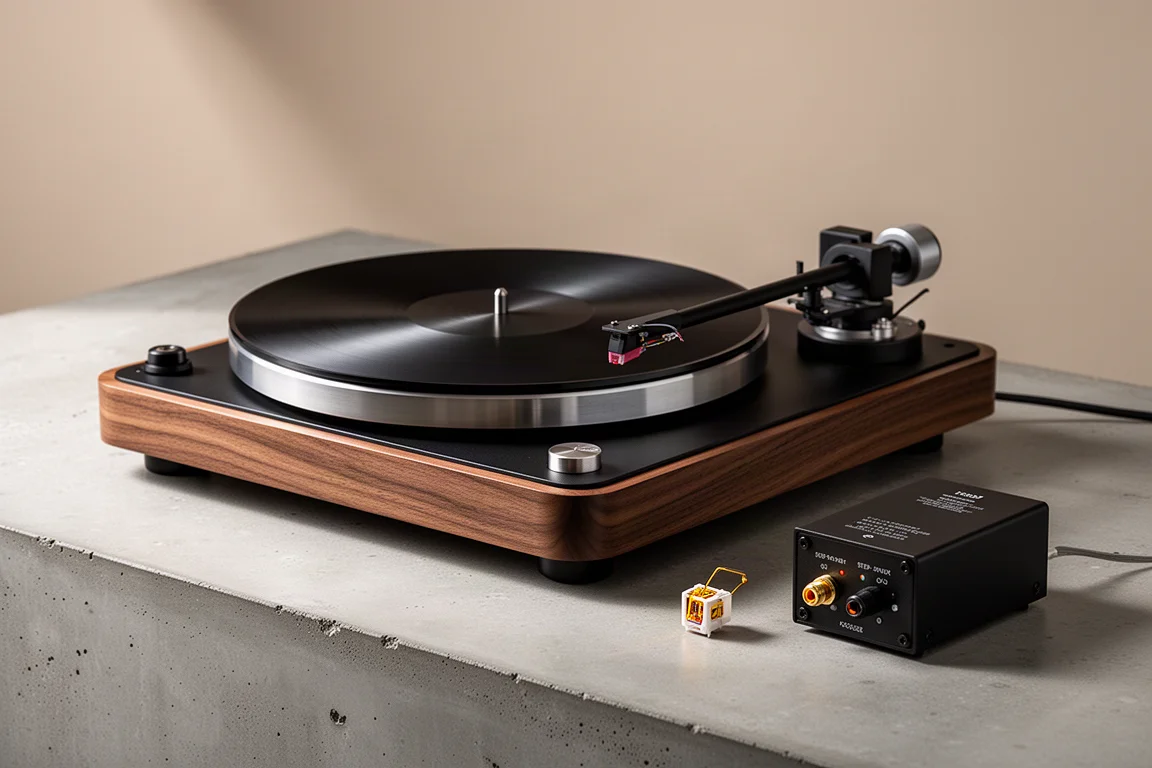
Introduction
Denon’s DL-103 has been in continuous production since 1962 and is still built in Japan, where much of the assembly is carried out by hand. At around $400 for the standard version, it remains one of the most accessible low output moving coil cartridges available, and it has stayed in catalogs for more than six decades because of the way it plays music rather than the way it measures.

The DL-103 is also an electrical outlier. Its internal coil impedance is 40 ohms, while almost every other low output moving coil cartridge sits somewhere between 2 and 10 ohms. That single figure shapes which step-up devices suit it best, and it explains why a transformer built specifically around that number can change so much about how the cartridge sounds.
EMIA, a collaboration between Jeffrey Jackson’s Experience Music and Dave Slagle’s Intact Audio, addresses the DL-103 platform directly with two products: a modified DL-103 cartridge and the 103 SUT step-up transformer designed around the cartridge’s 40 ohm impedance. The pair sells for $2,000, or $1,500 for the transformer alone if a DL-103 is already on hand.
This guide covers what the modification actually changes, what the transformer contributes, and how the two compare with a metal-bodied DL-103 from Zu Audio and a Dynavector XX2 low output moving coil cartridge.
Why the Denon DL-103 Platform Matters
The DL-103 debuted in 1962 and has never really left. Its longevity comes from a combination of price, hand assembly in Japan, and a voicing that leans toward color and drive rather than analytical detail. At roughly $400, it has long been treated as an entry point into moving coil playback.
Its 40 ohm internal impedance is the detail that matters most for system building. Internal impedance is a property of the cartridge itself and should not be confused with loading impedance, which is a setting on the phono stage. Because the DL-103 sits far above the 2 to 10 ohm range that most low output moving coils occupy, it benefits from a step-up device that is designed around that higher figure rather than one built for a typical moving coil.
That is the gap EMIA set out to fill. Rather than treating the DL-103 as a budget cartridge to be lived with, the company treated it as a platform worth rebuilding around.
EMIA Modified Denon DL-103 Cartridge
The EMIA cartridge starts life as a stock DL-103 and is then altered in a small number of very specific ways. The plastic body is removed and discarded. In its place sits a 3D printed protective shield around the inside of the cartridge. The internals are then mounted to a brass plate. That is the full extent of the changes, and while the list is short, the effect is not.
Sonically, the modified cartridge takes the existing DL-103 character and pushes it further in the direction it already leans. It comes across as more colorful, more dynamically alive, and more engaging than a stock version, with a sense of drive that is immediately apparent on rock records and large-scale material. The presentation has a party-in-the-room quality that is hard to attribute to any single spec.
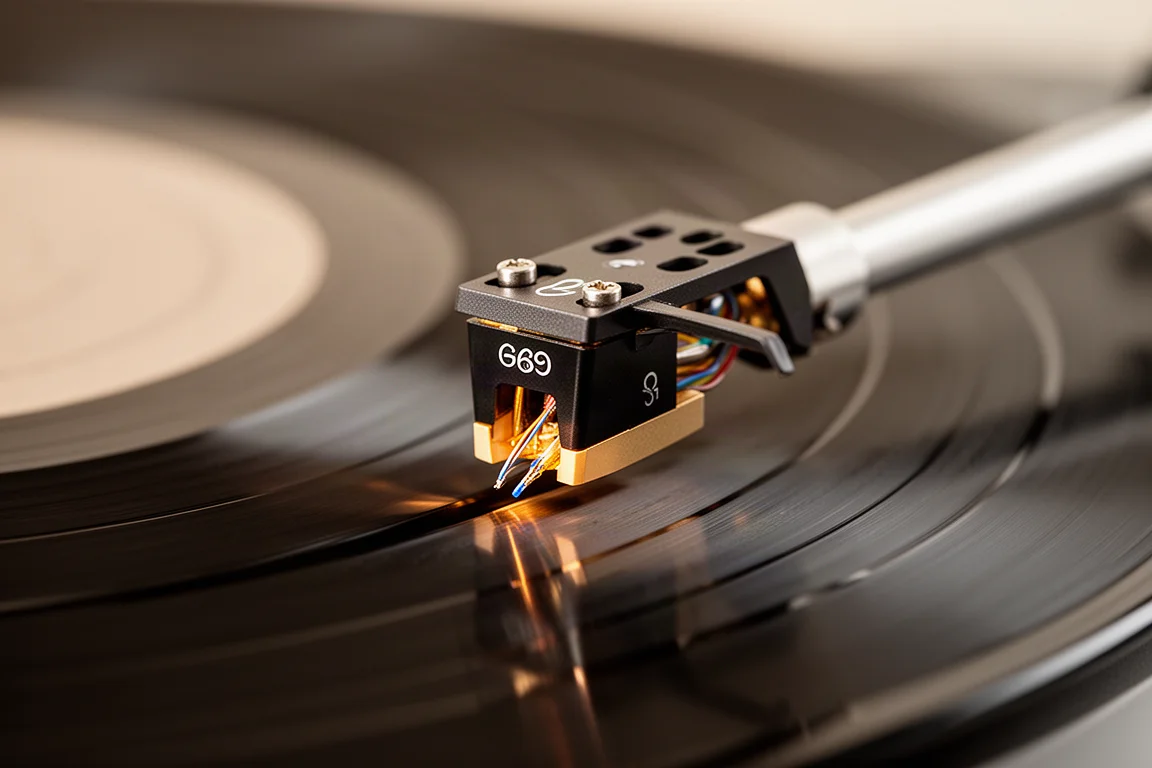
It is not the last word in transparency. Top end detail is limited, and while the bass carries plenty of gusto and slam, it is not the most precise or the most finely resolved bass on the market. What wins listeners over is the totality: the cartridge pulls a performance out of the groove and holds attention on it, and the trade-offs are the ones that come with that kind of voicing. It is best understood as one of the most enjoyable high-end cartridges rather than the most transparent one.
EMIA 103 SUT Step-Up Transformer
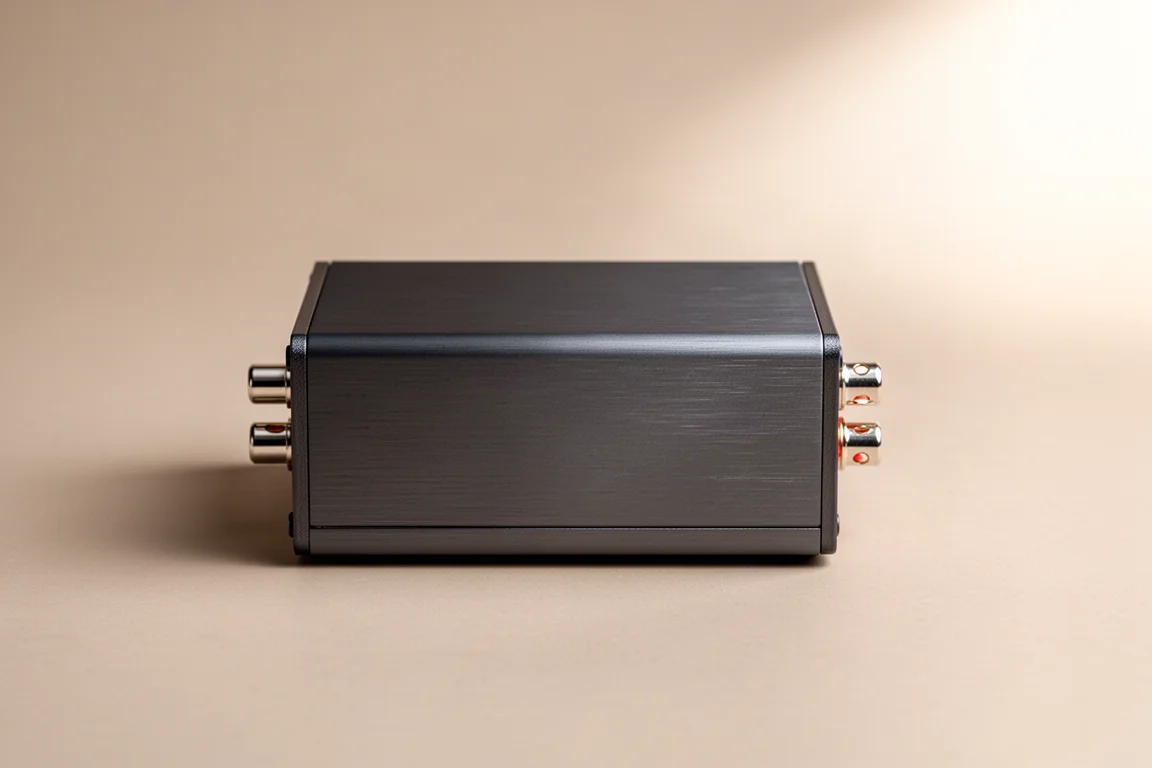
Dave Slagle designs and winds transformers, and the 103 SUT was custom designed for the DL-103’s unusually high 40 ohm internal impedance. It is optimized for 40 ohm cartridges. It will function with other cartridges, but the design target is specific, and that specificity is the point.
Installation is simple. The cable from the turntable runs into the step-up transformer, and the transformer’s output feeds a moving magnet phono input rather than a moving coil input. In a system built around a direct drive turntable with a removable headshell and a tube moving magnet phono stage, the chain stays short and uncomplicated. High output moving coil cartridges are a different case: they are designed to run straight into a moving magnet or moving coil input and do not benefit from a step-up transformer at all.
The reward is how much of the cartridge’s character survives the gain stage. Against other transformers that are commonly paired with the DL-103, including the Peerless 4722, the Supex 1000 and the Audio Note S1, the 103 SUT draws noticeably more music from the groove. Moving coil inputs, by comparison, tend to sound flatter and less alive with the same cartridge. EMIA ships worldwide, and the transformer arrives in a Pelican case.
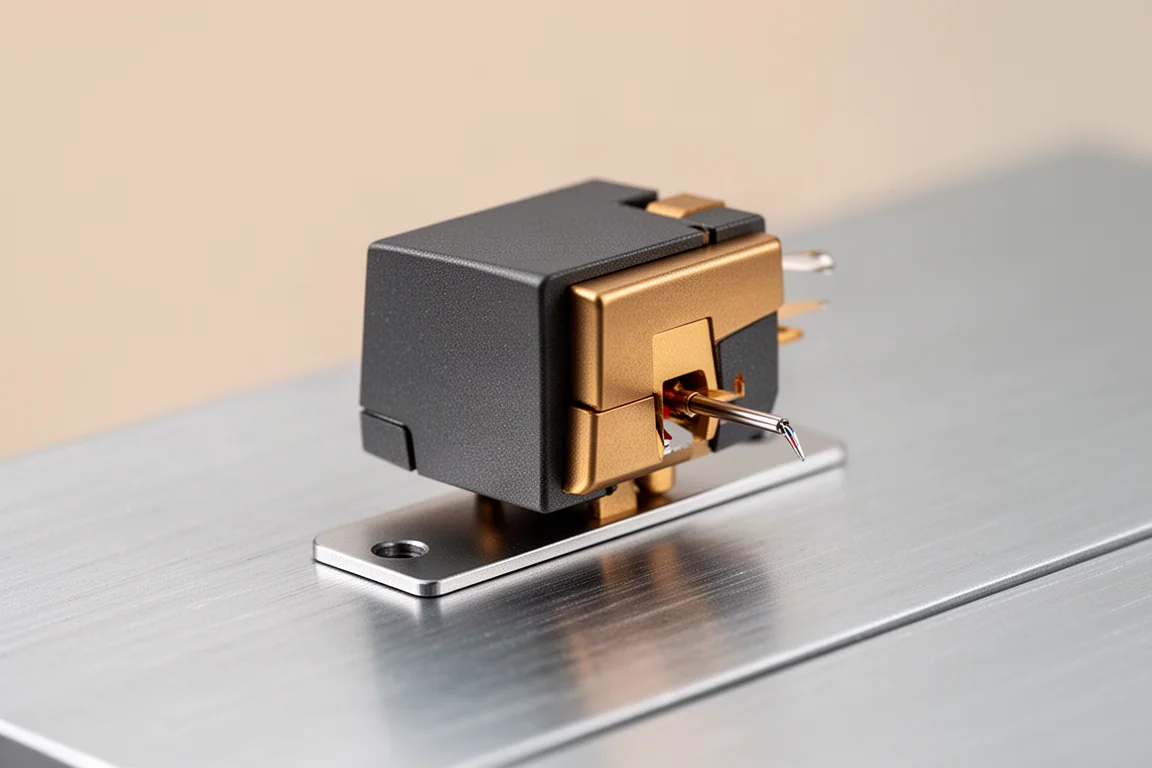
Zu Audio Modified Denon DL-103
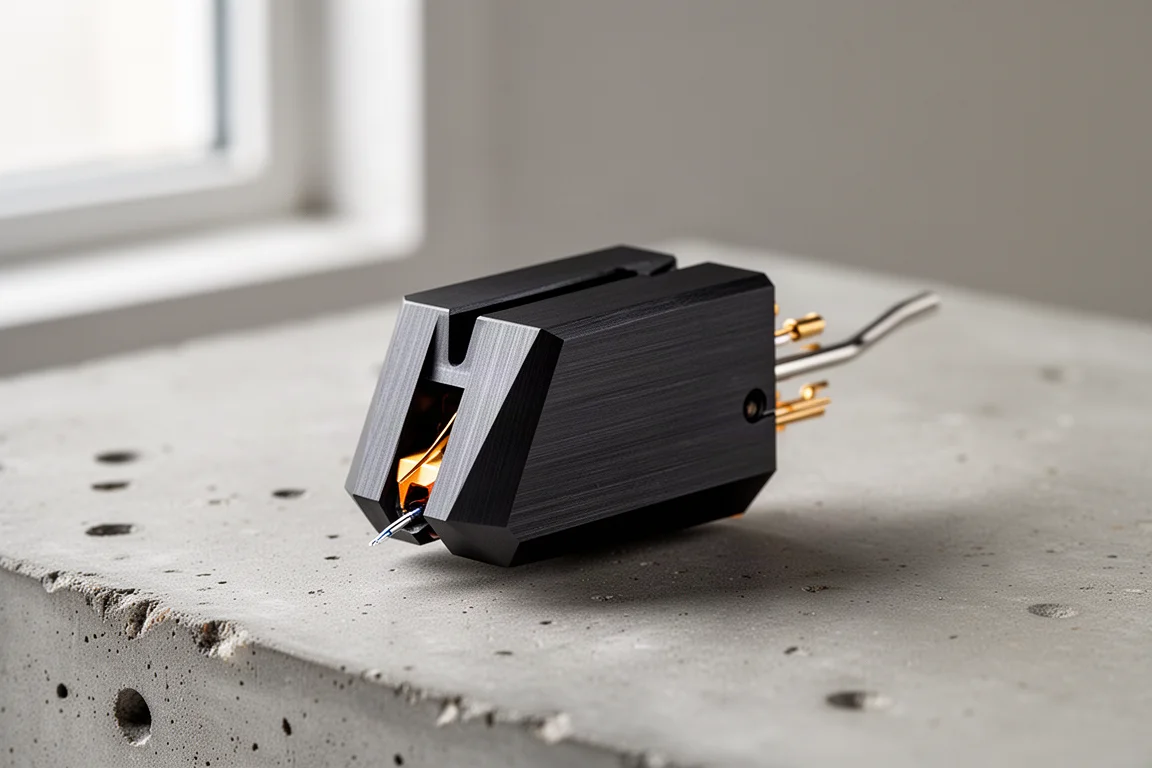
Zu Audio approaches the same platform from a different angle. The plastic body is removed, and the internals are locked down in an epoxy stabilizer before being fitted into a solid machined aluminum body. The goal is stability and a more substantial housing rather than a change in electrical behavior.
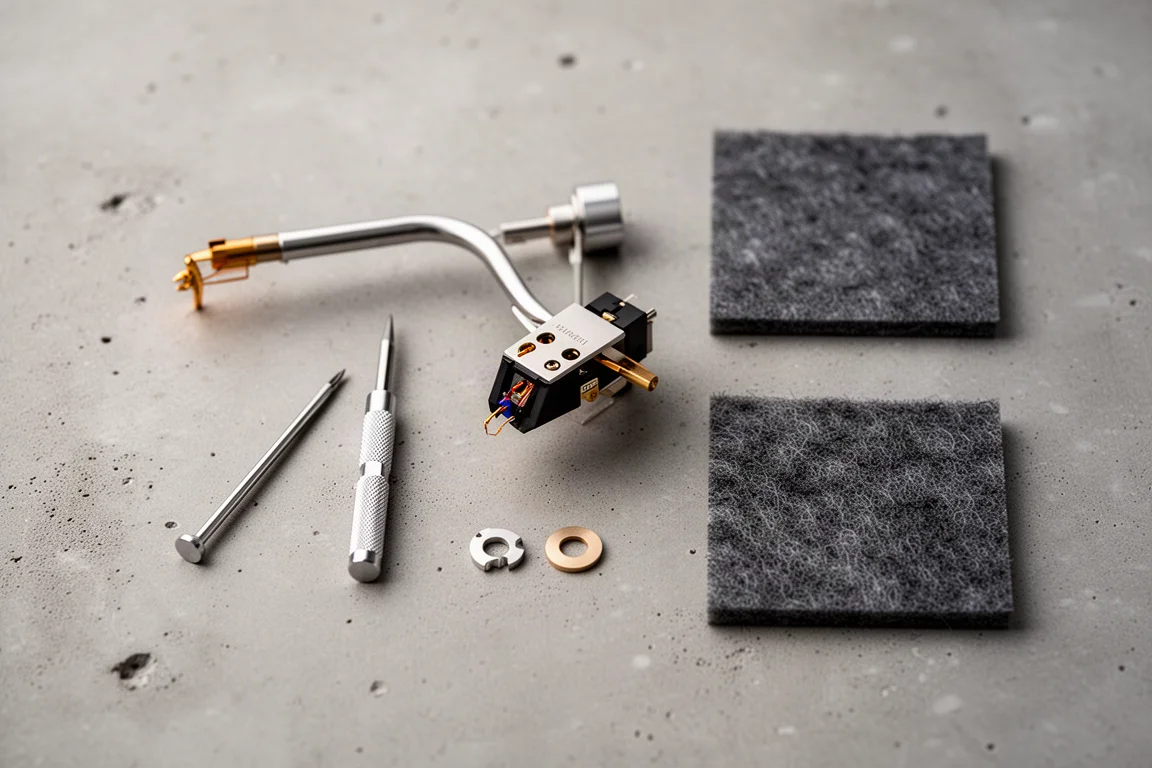
The result is a genuinely different sound from the EMIA version, and both have their admirers. The Zu Audio cartridge is an easy one to live with and has a character of its own. Where the two diverge is in dynamic contrast: the EMIA version carries more jump and more life, which is the deciding factor for listeners who place dynamics at the top of their priorities. Anyone weighing the two should decide whether they want the stabilized metal-bodied presentation or the extra drive.
Dynavector XX2 Low Output Moving Coil Cartridge
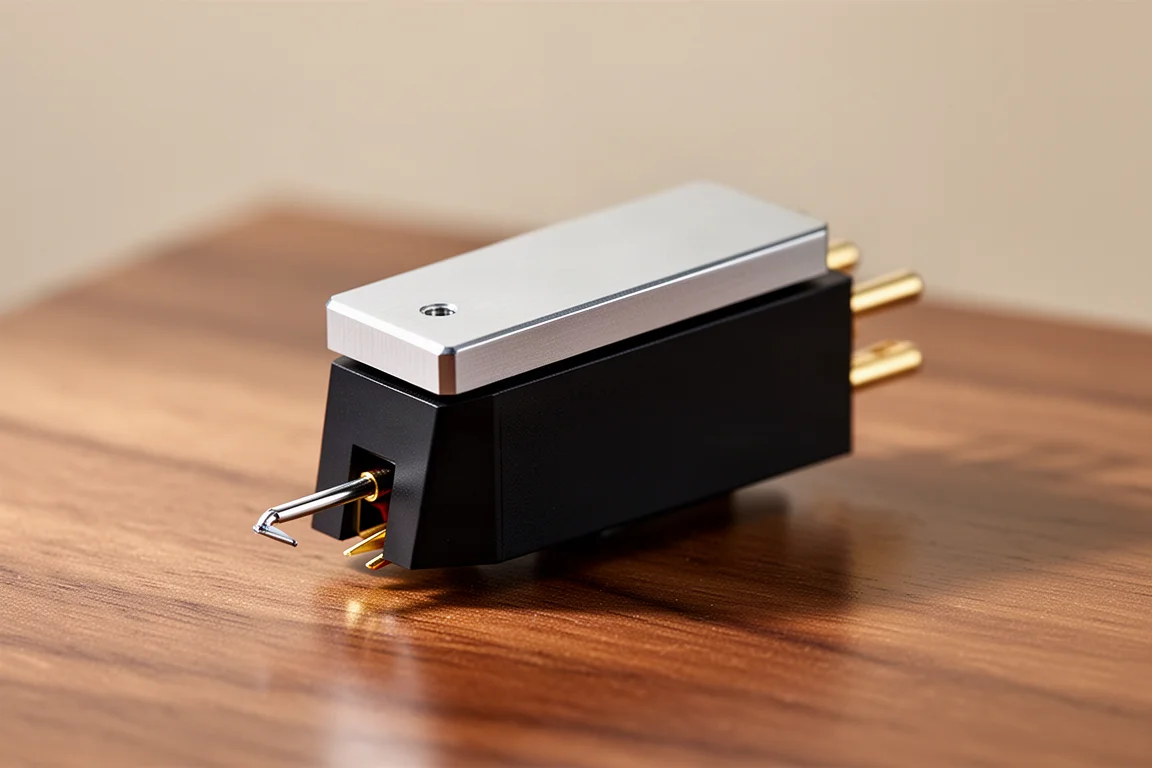
The Dynavector XX2 is a low output moving coil cartridge that pairs with a matching Dynavector step-up transformer, and it approaches the music from a different direction entirely. Where the EMIA package trades some transparency for color and drive, the Dynavector setup offers more air, more space and more clarity. Instruments are laid out more clearly across the soundstage, and the bass carries more texture and more detail in the bottom end.
The trade-off runs in both directions. The Dynavector presentation is clearer but less colorful, and the cost is roughly double that of the EMIA cartridge and transformer combination. Both approaches are legitimate, and the choice comes down to whether a listener prioritizes soundstage precision and low level resolution or the color and dynamic snap that the DL-103 platform delivers.
Choosing Between These Cartridge Options
Start with the turntable and the phono stage rather than the cartridge alone. A turntable with a removable headshell makes it practical to keep more than one cartridge on hand and swap between them in a minute or two, which is how many vinyl listeners end up working: matching the cartridge to the record rather than committing to a single presentation for everything.
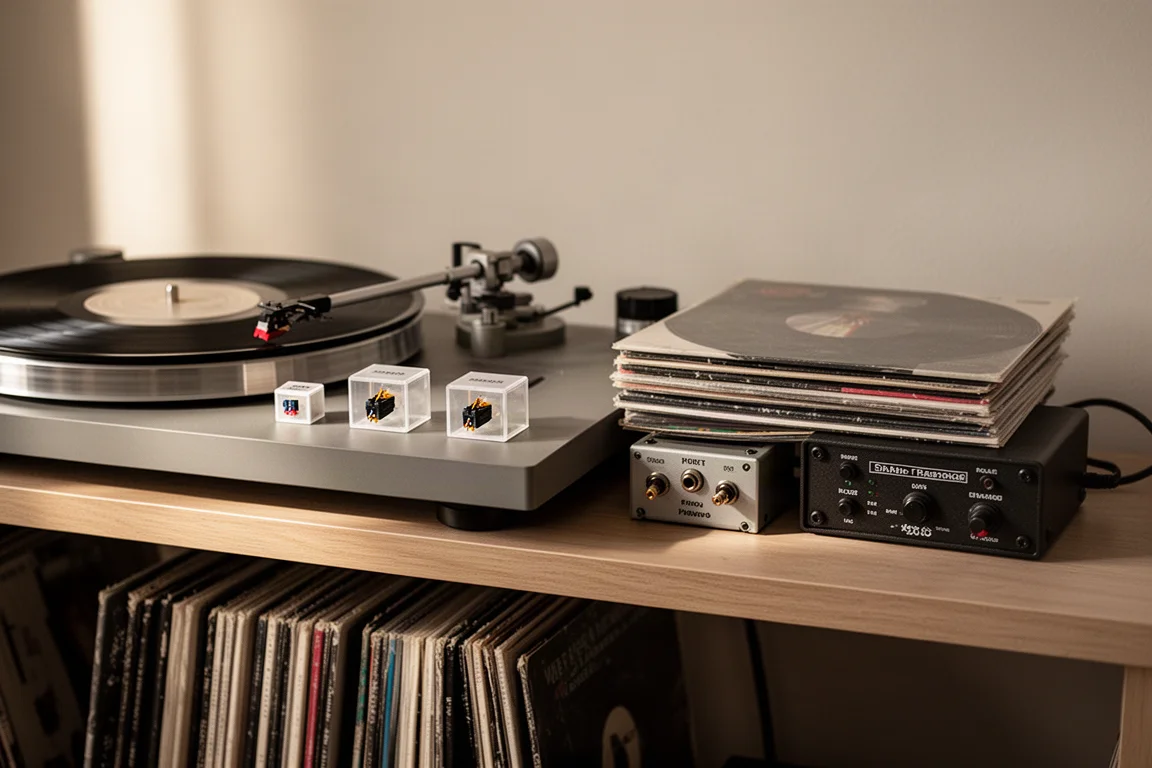
For anyone who already owns a Denon DL-103, the 103 SUT is the more direct upgrade path. At $1,500 for the transformer alone, it is designed specifically for the 40 ohm impedance of the cartridge already in the system, and it requires nothing more than a moving magnet input to work. For anyone starting fresh, the $2,000 combination of the modified cartridge and its matching transformer arrives as a complete package with the cartridge and transformer designed for each other.
The Dynavector route costs roughly twice as much and rewards listeners who want air, clarity and a precisely arranged soundstage. The EMIA route rewards listeners who want color, drive and the sense of a performance happening in the room. Neither is a compromise of the other, and the honest answer for many owners is that both have a place in a collection.
Conclusion
The Denon DL-103 has spent more than sixty years as an affordable entry point into moving coil playback, and the EMIA treatment reframes it. Removing the plastic body, shielding the internals and mounting them to a brass plate changes less than it sounds like it should, yet the cartridge that results is more colorful, more dynamic and more engaging than the stock version. The 103 SUT, designed around the cartridge’s 40 ohm impedance and used through a moving magnet input, is what unlocks most of that character.
The honest caveats are worth repeating. Top end detail is limited and the bass favors slam over precision, so listeners who want maximum transparency should look at a cartridge like the Dynavector XX2 instead. But for those who want a cartridge that makes records feel like events, the EMIA combination delivers a $2,000 experience, and the transformer alone is a sensible upgrade for a DL-103 already sitting in a headshell.
Further reading
Related Reviews
Phono Cartridges
DS Audio E1 Review: An Optical Cartridge That Reads Vinyl Differently
A close look at the DS Audio E1, a Japanese-made optical cartridge system that reads the groove with an LED and a photodiode, including what it does well and what to weigh before buying.
Phono Cartridges
Five Phono Cartridges Compared: From a $69 Moving Magnet to a $2,150 Moving Coil
Five phono cartridges compared on the same turntable, from an affordable moving magnet to high-end moving coils, with the strengths and trade-offs of each.
Phono Cartridges
Goldring E3 vs Ortofon 2M Blue vs Nagaoka MP110: Three Phono Cartridges Compared
A practical comparison of three affordable phono cartridges, covering sound signature, mounting, and how to choose the right one for your turntable.