Phono Cartridges
Five Phono Cartridges Compared: From a $69 Moving Magnet to a $2,150 Moving Coil
Five phono cartridges compared on the same turntable, from an affordable moving magnet to high-end moving coils, with the strengths and trade-offs of each.
Introduction
Phono cartridges are where the character of a vinyl system gets decided. Two cartridges can track the same record and deliver recognizably different versions of it, one leaner and more detailed, another fuller and more forgiving.
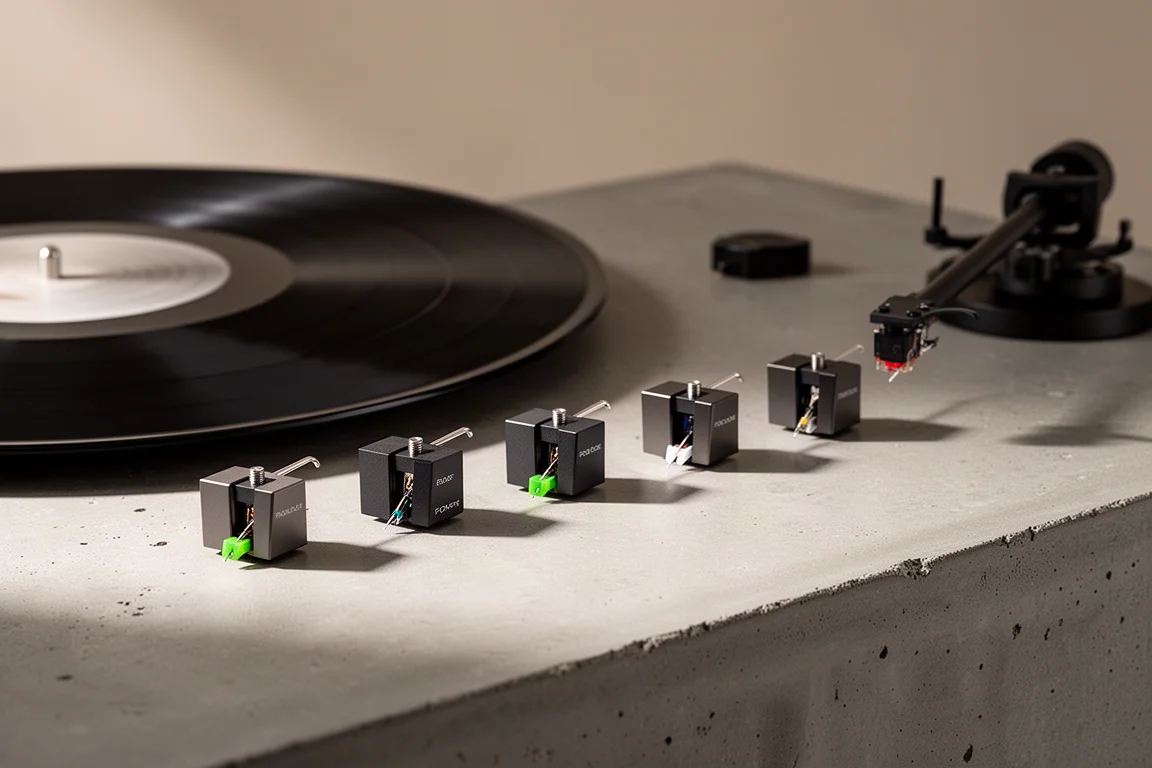
This roundup covers five cartridges that span an unusually wide range, from a $69 moving magnet that has stayed in production for decades to a $2,150 moving coil built in Japan. All five were compared on the same turntable and the same phono stage, which makes the differences between them easier to hear and easier to describe.
How These Five Cartridges Were Compared
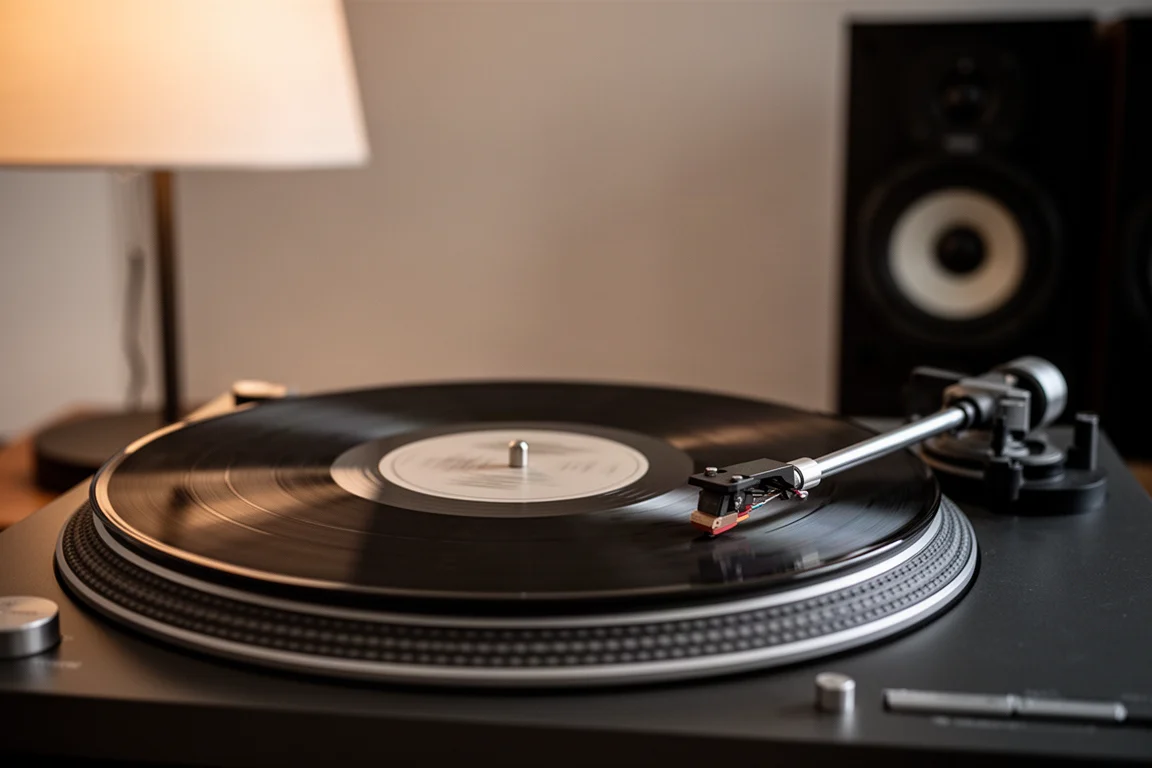
Every cartridge in this group was mounted on the same turntable, a Technics SL-1200G with a removable headshell. That detail matters. A removable headshell lets a cartridge be swapped in seconds, so comparisons stay close in time and the personality of each model is easier to hold in mind.
Amplification was identical for all five, with a Parasound JC3+ phono preamp feeding the system. Most listening was done through Klipsch Cornwall IV speakers, with time also spent on the Mission 770 and, briefly, the KEF Reference 3 Meta.
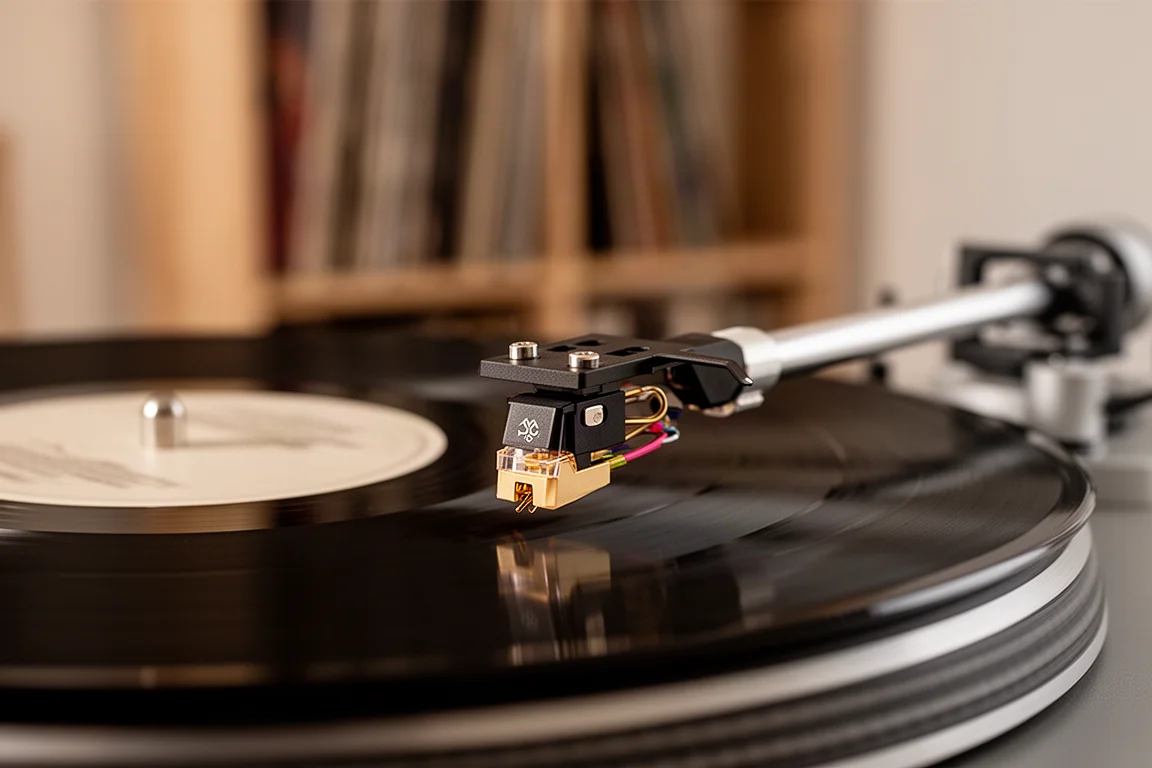
That same removable headshell points to a practical option that runs through this entire roundup. If your turntable accepts one, you are not limited to a single cartridge. A detail-focused moving coil for serious listening and an inexpensive moving magnet for everything else can sit side by side in one system, and switching between them takes seconds rather than an evening.
Audio-Technica AT-VM95E: Affordable Moving Magnet Fun
At $69, the Audio-Technica AT-VM95E is the least expensive cartridge here. It is also the latest generation of a line that has been in the Audio-Technica catalog for more than 40 years, which says something about how well the formula works.
The stylus is user replaceable. It slides out and a new one slides in with no technical skill required, and a replacement costs $49. The same body accepts a range of interchangeable styli of different quality levels, so the sound can be improved later without replacing the whole cartridge.
In character, this is a vivid and lively cartridge. It is not the most refined option in this group, not the smoothest, and not the best tracker, but it is genuinely fun to listen to, and it handled the dynamic trumpet work on a demanding live jazz session better than its price suggests.
There is also a strong case for the AT-VM95E as a second cartridge rather than a primary one. Records of questionable condition, party play, background listening, and anything that would put unnecessary wear on an expensive stylus are all jobs it handles without anxiety. When the stylus eventually wears out, a $49 replacement puts it back in service.
Audio-Technica ART 9Xi: High-End Moving Coil Clarity
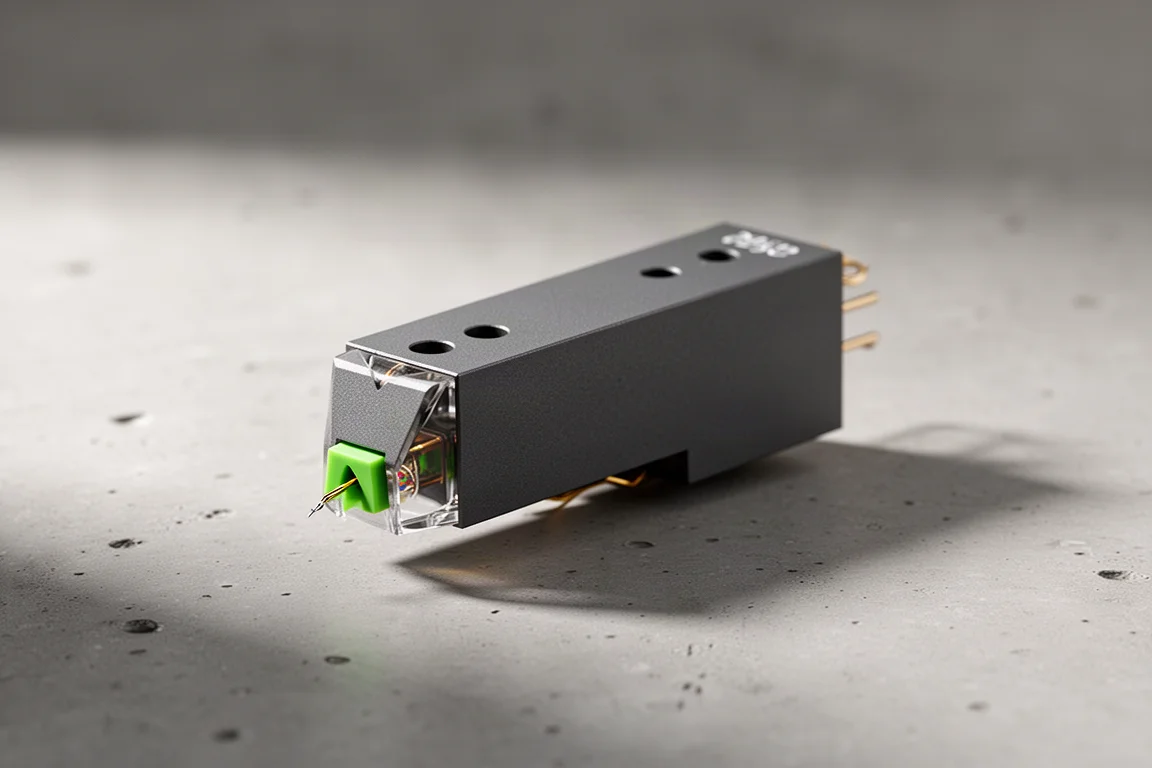
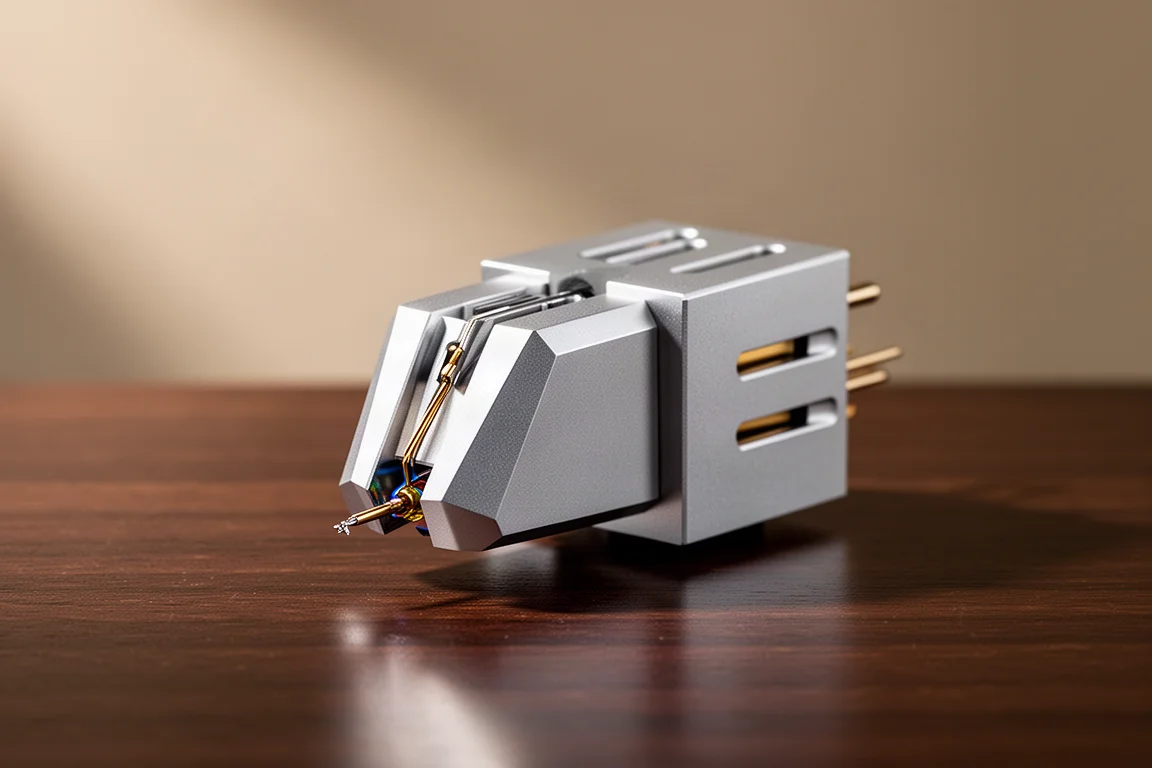
The Audio-Technica ART 9Xi sits far higher in the same brand’s range at $1,500, and it is a different proposition entirely.
What it delivers is immediacy together with body and dimensionality. The imaging is very clearly focused, and moving back to it from a fuller-sounding design makes the whole presentation snap into place: sharper imaging, faster drums, a snappier snare, and noticeably more definition in the bass drum.
On a dense record that packs ten songs onto each side, it kept the drive and power of the music intact instead of letting the compression dominate. That is a useful quality with material that was cut hot in the first place.
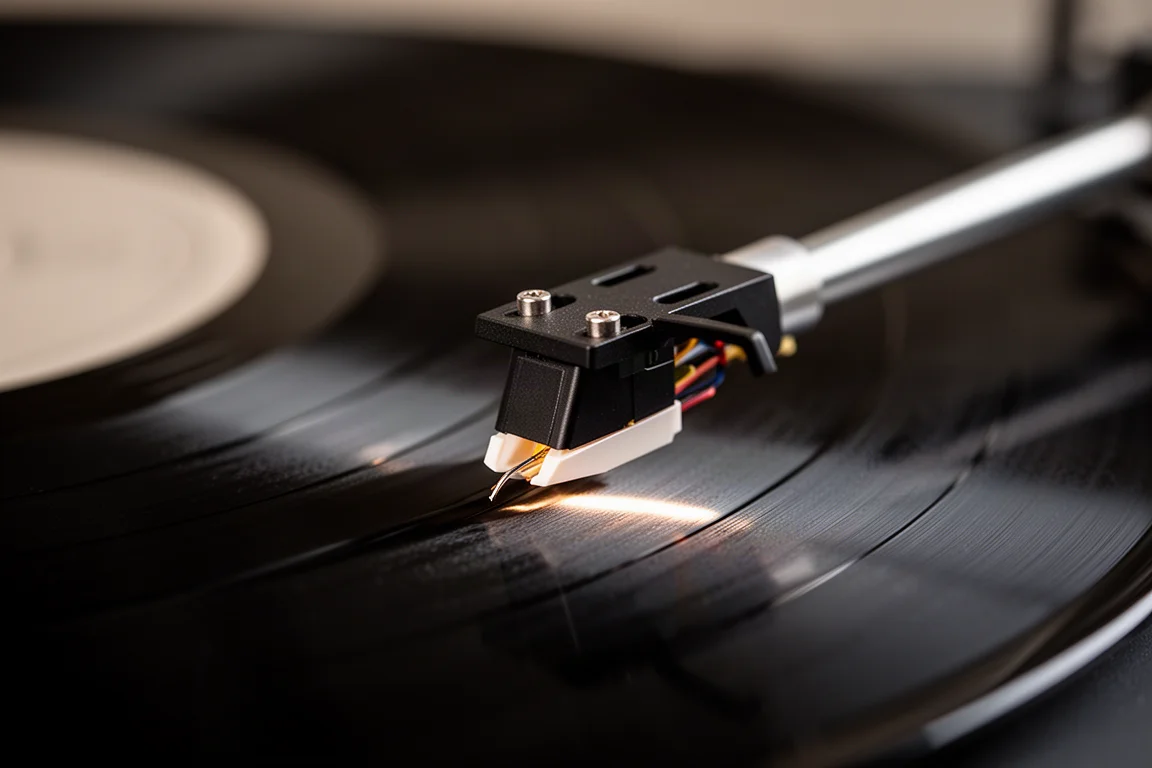
What it does not have is the extra weight and juice that the Grado brings to the same records. It is a clarity-first cartridge, and within this group it sits clearly above the AT-VM95E in refinement and focus.
Grado Platinum3: Moving Iron Character
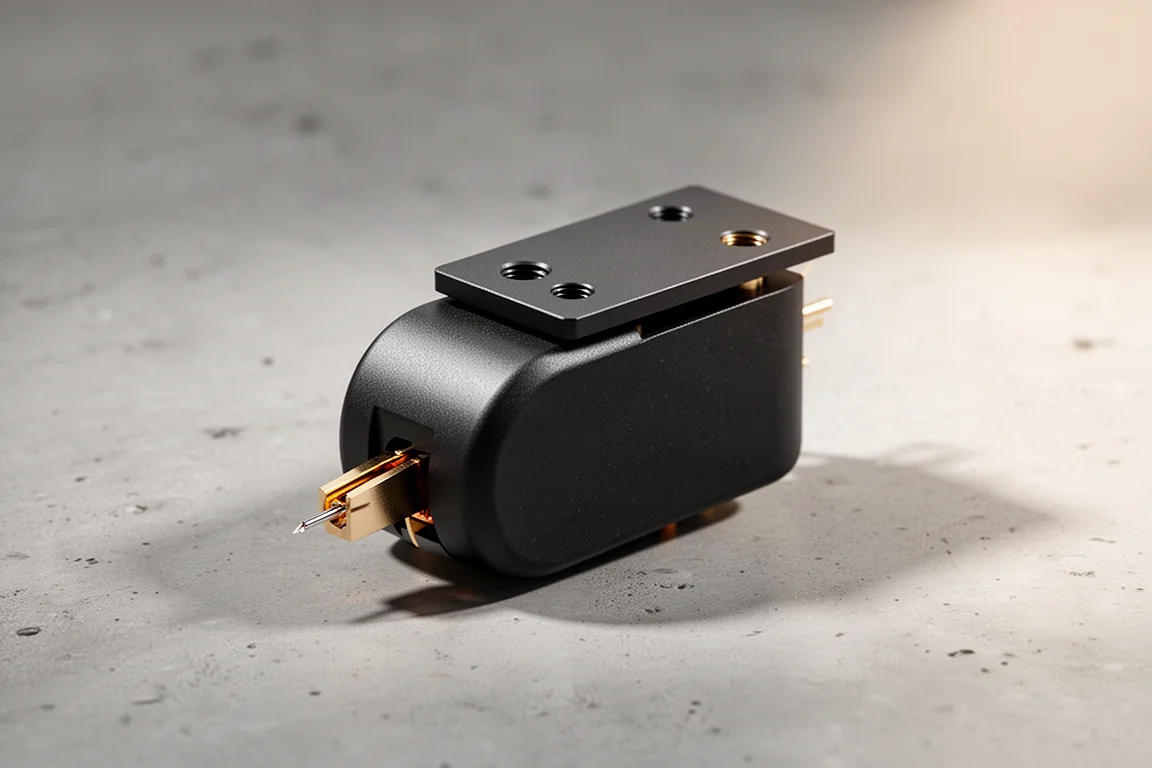
The Grado Platinum3 is a moving iron design made in Brooklyn, and at $400 it is priced far below the three moving coils here. From a user’s point of view it behaves like a moving magnet, so it slots into the same setups. It is available in high output and low output versions at the same price.
Where it differs from the moving coils is in emphasis. The bass carries extra weight, more meat on the low end, but it stays tight rather than mushy. Top-end detail is present without being hyper-detailed, and the imaging is not as razor sharp as what the moving coils produce.
What it offers instead is a character that is hard to quantify and easy to enjoy. On rock records driven by a heavy backbeat, the result is powerful and energizing, and the trade in absolute accuracy buys a sound that is unusually engaging.
Dynavector DV XX2: Focus and Effortless Detail
At $2,150, the Dynavector DV XX2 is the most expensive cartridge in this roundup. It is a moving coil design made in Japan.
Switching to it from the ART 9Xi, the focus and transparency of the recording jump up. There is more tactility to the sound, the outlines of each instrument and the shape of the soundstage are more clearly defined, and small percussion details buried deep in a mix become audible where they were previously hidden.
It also does this without any sense of strain. The presentation feels effortless, and the tracking and refinement of the design come through as a relaxed, unforced quality rather than as an obvious effect.
On a vivid live big band recording, it brought back both the energy and the clarity at once, which is exactly the combination the less expensive cartridges tend to trade away.
Dynavector DV 20X: A Softer Moving Coil
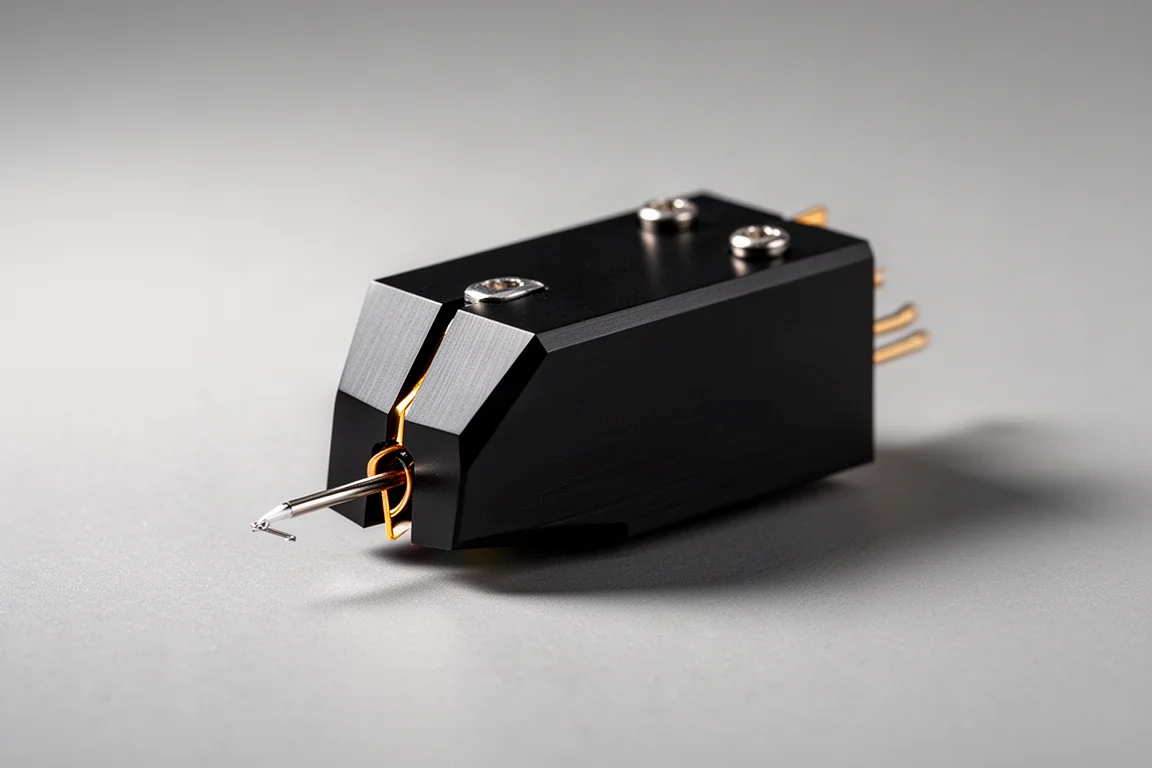
The Dynavector DV 20X is $1,250, also a moving coil made in Japan, and it is available in high output and low output versions at the same price.
Compared with the brighter and more forward cartridges in this group, the DV 20X softens the edges in a pleasant way. It is easier to listen to, less bright and less forward, and it can be turned up louder without becoming fatiguing.
Which version to choose depends on the phono stage. A preamp that handles low output moving coils with ease will get better sound from the low output version. With a more modest phono stage, roughly under $1,000, the high output version is the better-matched and safer choice.
Buying Advice: Matching a Cartridge to Your System
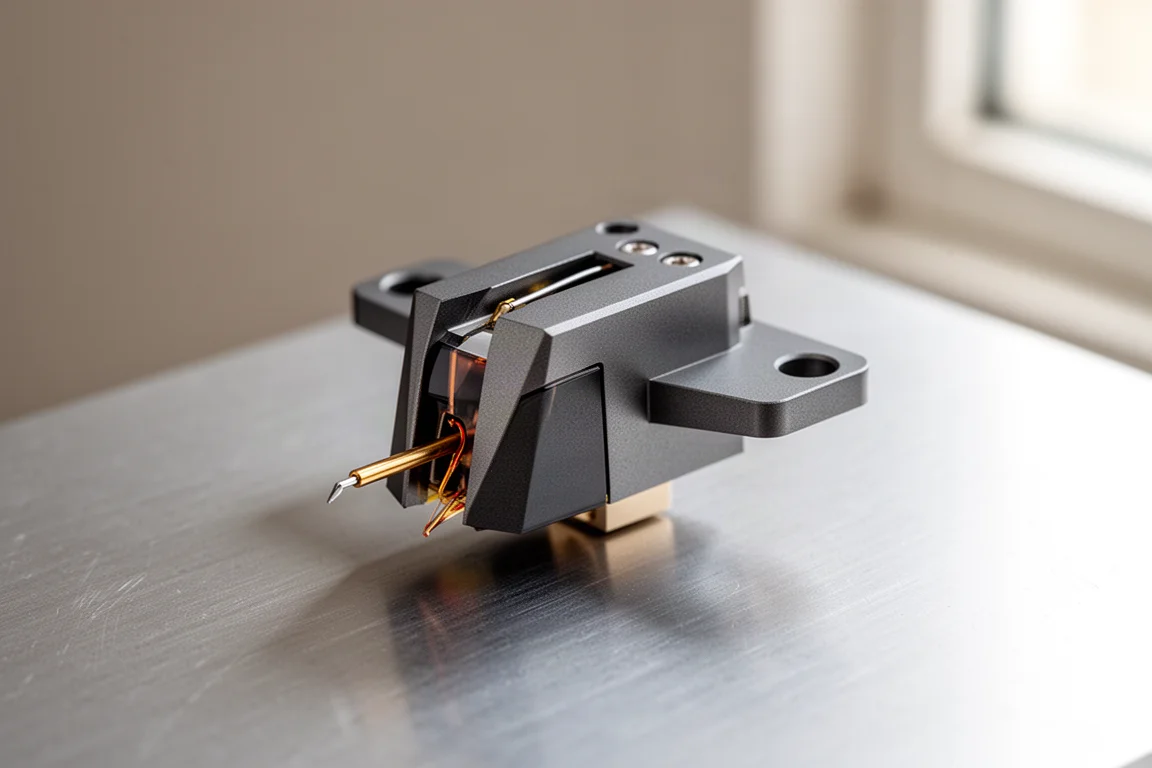
Across this group, the most useful conclusion is that accuracy is not really the deciding factor. The Grado Platinum3 is probably not the most accurate cartridge here, and neither is the AT-VM95E. What matters more is which presentation suits the way you listen: the extra weight and drive of the Grado, the detail and clarity of the moving coils, or the vivid, inexpensive energy of the AT-VM95E.

Two practical decisions are worth settling before you buy. The first is output type. Both the Grado Platinum3 and the Dynavector DV 20X come in high output and low output versions at the same price, and the low output version only makes sense if your phono stage can handle it properly. If you are unsure, the high output version is the safer choice.
The second is whether your turntable has a removable headshell. If it does, buying two cartridges at different price points is a realistic strategy rather than an indulgence, and it lets you match the cartridge to the record instead of compromising on one sound for everything.
Conclusion
These five cartridges cover a range from $69 to $2,150, and each one earns its place by doing something the others do not. The AT-VM95E is the affordable, vivid option and an ideal second cartridge. The Grado Platinum3 brings weight and character at $400. The Dynavector DV 20X is the relaxed moving coil at $1,250, the Audio-Technica ART 9Xi delivers focused clarity at $1,500, and the Dynavector DV XX2 combines detail and energy most effortlessly at the top of the group.
None of them is the single right answer for every system. The useful question is which one matches your phono stage, your turntable, and the way you actually listen.
Further reading
Related Reviews
Phono Cartridges
DS Audio E1 Review: An Optical Cartridge That Reads Vinyl Differently
A close look at the DS Audio E1, a Japanese-made optical cartridge system that reads the groove with an LED and a photodiode, including what it does well and what to weigh before buying.
Phono Cartridges
EMIA Denon DL-103 and 103 SUT Review: More Music From an Iconic Cartridge
A modified Denon DL-103 moving coil cartridge paired with a purpose-built step-up transformer, plus how it compares with two other moving coil options.
Phono Cartridges
Goldring E3 vs Ortofon 2M Blue vs Nagaoka MP110: Three Phono Cartridges Compared
A practical comparison of three affordable phono cartridges, covering sound signature, mounting, and how to choose the right one for your turntable.