Headphone Amplifiers
Luxman X8 Review: An AI-Assisted Headphone Amplifier That Respects Physics
A $699 integrated headphone amplifier and DAC with a conversational EQ layer. Where it genuinely helps, where it stops, and who should consider it.
Introduction
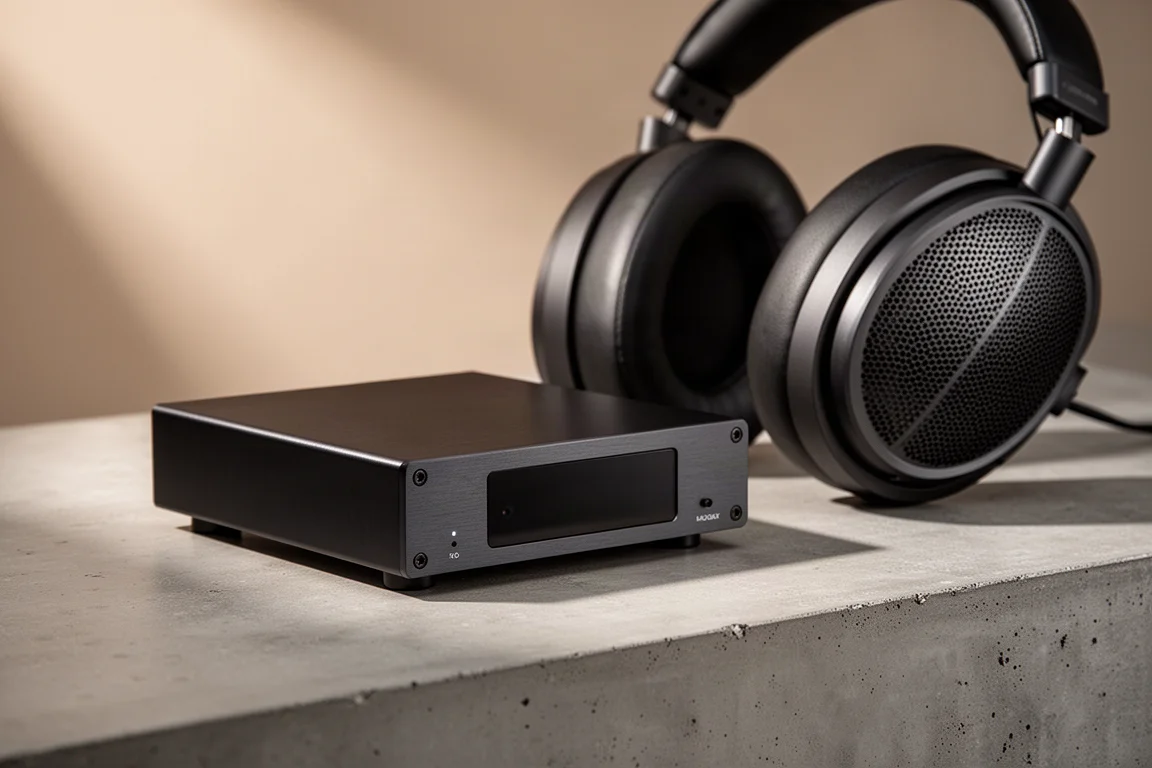
The Luxman X8 is a $699 integrated headphone amplifier, which means it combines a DAC and a headphone amplifier in a single desktop unit. On its own it is a capable all-in-one. The feature that sets it apart is an AI-assisted tuning layer: describe the sound you want in ordinary language, and the X8 adjusts its EQ to match.
The interface is deliberately simple. Open the control app on a phone or load the control page in a browser, and you get a chat-style field. Type what you want the sound to do, and the unit changes its equalisation accordingly. Luxman positions the X8 as the first AI-assisted integrated hi-fi box that claims to help anyone tune the sound they want, and that claim is the interesting part, because it raises an obvious question about where helpful tuning ends and physics begins.
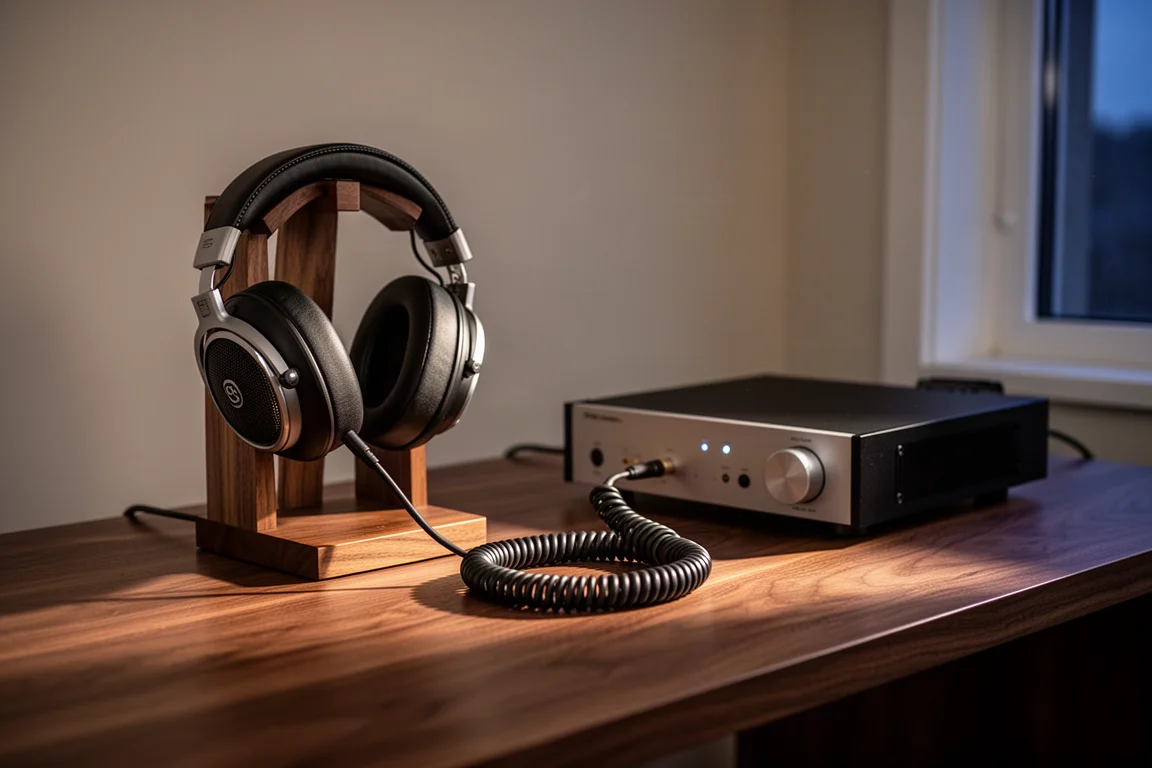
Over an extended period of use with planar headphones, the X8 was pushed with simple requests, ambitious requests, and requests that no equaliser can honestly fulfil. The results are more nuanced than a simple pass or fail, and they say a lot about what this kind of tool is actually good for.
Who the Luxman X8 Is For
The X8 makes the most sense for listeners who want to change how their headphones sound but have no interest in learning parametric equalisation. The unit shares the same headphone database as the X9, so it carries target response curves for most headphones on the market. That means it can start from a sensible reference point for a specific headphone rather than a blank EQ slate.
It also suits people who move between two very different listening modes. One listener might want a strictly neutral response for editing and checking dialogue, then switch to a warmer, more relaxed character for casual music listening. With multiple presets saved in the app or the browser control page, that switch is a single tap.
Anyone shopping for a straightforward desktop DAC and headphone amplifier with no interest in tuning will still get a capable unit, but the tuning layer is the reason to choose this model over a conventional alternative.
Main Strengths
The most important strength is the baseline. The X8 is a solid headphone amplifier before any AI feature is involved, and it does not depend on the tuning layer to justify itself. That matters, because software features age and hardware quality does not.
Simple requests are handled convincingly. Asking for a more punchy and dynamic mid-bass produced a change that was immediately audible when toggling between the tuned and stock responses. Someone experienced with parametric EQ could achieve something similar, but the X8 compresses that process into a couple of minutes of typing.

Larger spatial requests are treated more cautiously. A prompt for a more holographic and expansive soundstage did widen the perceived presentation, moving the sound out of the head and making it less intimate, though the change was subtle rather than dramatic.
Character changes are where the tool becomes genuinely interesting. A request for a richer, warmer, more forgiving presentation moved the sound noticeably in that direction, and repeated incremental prompts brought it closer to the character of a dedicated tube amplifier. It never became identical to a tube design, but the distance closed further than a frequency-domain adjustment on a $699 unit would suggest.
Just as important is how the system handles an impossible request. When asked to reproduce the sound of a specific high-end tube amplifier exactly, it eventually declined, explained the reasons, and described its own boundaries. That behaviour is more useful than an endless string of small adjustments that never quite arrive.
Conversational EQ That Actually Works
The practical appeal is the range of everyday problems it can address quickly. Fatiguing vocals can be softened, bass punch can be dialled in, and the treble can be given more air, all described in plain words rather than filter settings. Because the tuning is built around the specific headphone connected and the listener’s own taste, the result is personal rather than generic.
Presets and Prompt Stacking
Prompts can be stacked. Rather than asking only for a punchier mid-bass, a listener can combine a punchier mid-bass, a larger soundstage, less fatiguing vocals, sweeter vocals, and airy highs in one request, or build them up one at a time and refine each step. Doing the same work manually would take far longer and be considerably more tedious.
Because the tuning lives in presets, switching between them is a click or a tap in the app or browser page. That makes the feature practical for daily use rather than a one-off experiment.

Between a neutral preset used for editing work, where coloration is unwanted because dialogue needs to translate across devices, and a warmer preset for relaxed listening, the X8 effectively becomes two different amplifiers.
Things to Consider Before Buying
Physics sets the ceiling here. Equalisation operates in the frequency domain, and no amount of prompt writing changes the fact that a headphone driver sits against the listener’s ears. When the X8 was asked to make headphones sound like a full stereo speaker system, it did not succeed. The workaround was to lift the treble further for a sense of space, and the result was less forgiving and simply not enjoyable to listen to.
That limitation is worth understanding before buying. The X8 is an excellent tool for shaping tone, balance, warmth, and perceived space. It is not a substitute for a loudspeaker system, and it is not a tube amplifier, even when it moves convincingly in that direction.
Some requests also land more subtly than others. Spatial changes in particular are incremental rather than transformative, so listeners expecting a dramatic widening should calibrate their expectations.
Finally, preset management and prompt entry depend on the phone app or the browser control page. The tuning feature is only as convenient as the device you use to reach it.
Buying Advice
Approach the X8 as a capable desktop DAC and headphone amplifier that happens to include an unusually practical tuning tool, rather than as a device that replaces hardware. At $699 it delivers a strong baseline plus a feature set that is already usable today.
The most effective workflow is to start with a single, clear request, listen, and then stack refinements. Building up a preset in small steps produces better results than one long, vague prompt, and it makes the boundaries of the system obvious early.
Software development is worth factoring in. The manufacturer maintains an active software team and has already delivered an update for the X8, so the tuning behaviour is likely to improve over time rather than stay fixed.
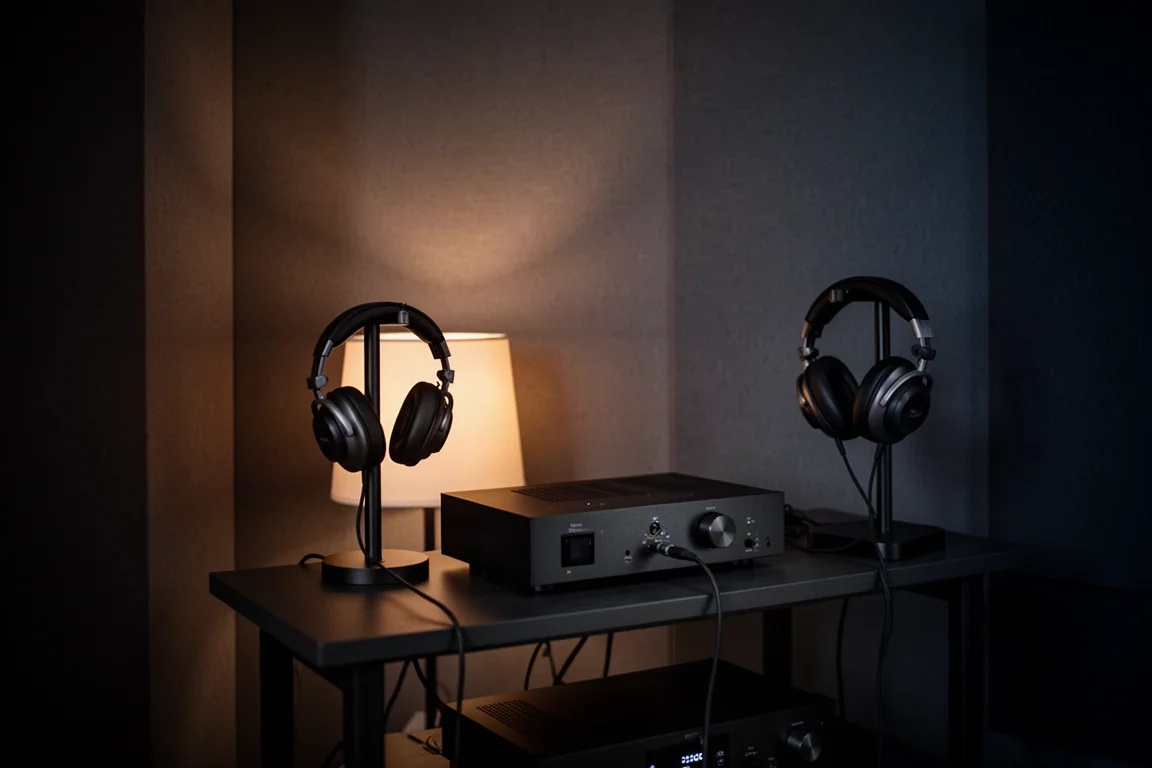
For listeners who split their time between analytical monitoring and relaxed listening, saving a neutral preset and a warmer preset is the simplest way to get value from the feature from day one.
Conclusion
The Luxman X8 is a strong headphone amplifier that does not need a software hook to be worth owning. The AI-assisted tuning layer is the more interesting story: it handles straightforward tonal requests convincingly, moves toward tube-like warmth with surprising success, and declines gracefully when asked for something physics will not allow. For anyone who wants to shape the sound of their headphones without learning EQ, it is a genuinely practical option, provided expectations match what equalisation can and cannot do.
Product link
View more details for Luxman X8
This product is mentioned in the review. Check the specifications, options, and compatibility before buying.
View more details for Luxman X8Further reading
Related Reviews
Headphone Amplifiers
Creative Labs Sound Blaster X5 Review: A Flexible USB DAC and Headphone Amp
The Sound Blaster X5 pairs a fully balanced dual-DAC headphone amp with DSP, mixing, recording, and console audio in one compact USB-powered enclosure.
Headphone Amplifiers
Fosi Audio K5 Review: A Tiny Budget DAC Amp for Travel, Gaming, and Hotel Listening
A compact USB-C DAC amp with tone controls, optical and coaxial inputs, and a clean mid-forward sound that suits efficient headphones and IEMs.
Headphone Amplifiers
Fosi Audio SK01 Review: A Tiny Headphone Amp That Doubles as a Three-Band EQ
A compact $72 audio box with treble, mid-range, and bass controls, a loudness button, and a capable headphone stage. Here is where it earns its place.