Cycling
Lotus 110 vs Orbea Orca Aero: An Iconic Beam Bike Meets a Modern Aero Road Bike
An iconic 1990s time trial machine goes head to head with a modern UCI-legal aero road bike at matched power, and the gap is smaller than the age difference suggests.
Introduction
Few bikes carry as much history as the Lotus 110. It descends directly from the Lotus 108, the machine Chris Boardman rode to individual pursuit gold at the 1992 Barcelona Olympics while setting a world record in the process. The 110 is the road-going evolution of that design, and Boardman and the Gan team raced it at the 1994 Tour de France, where he set the fastest prologue time trial of the era at an average of around 55 km/h.
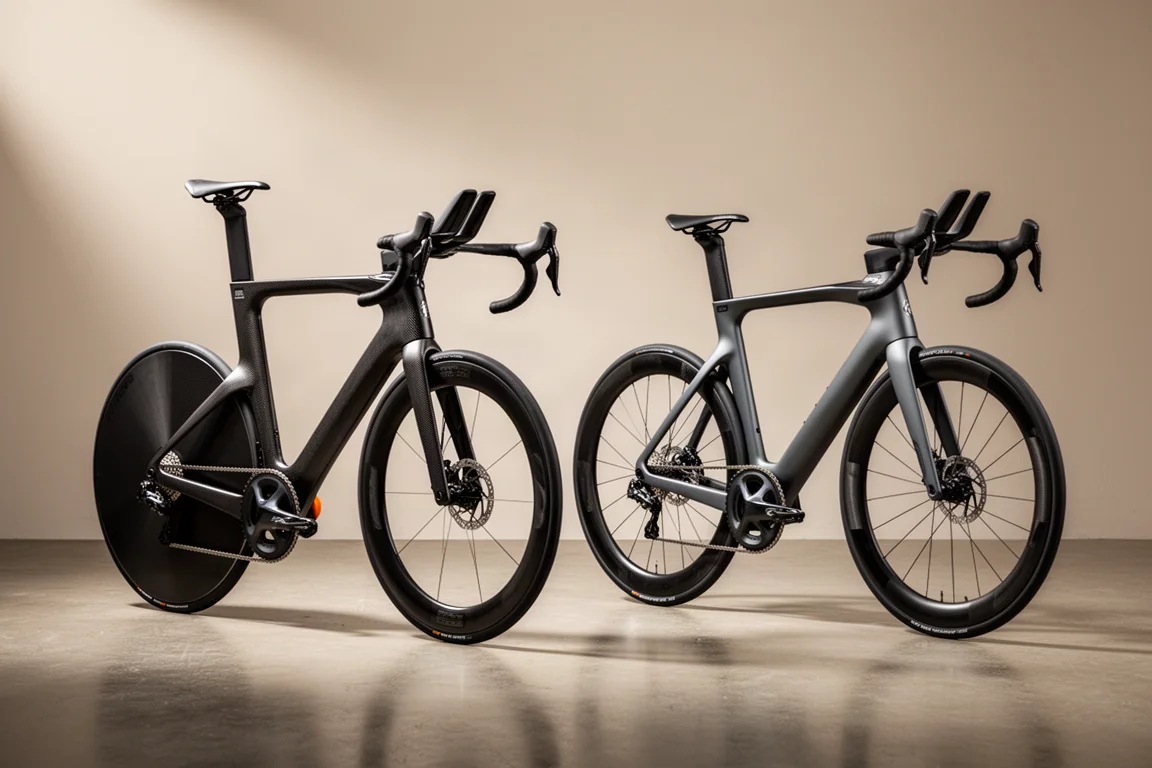
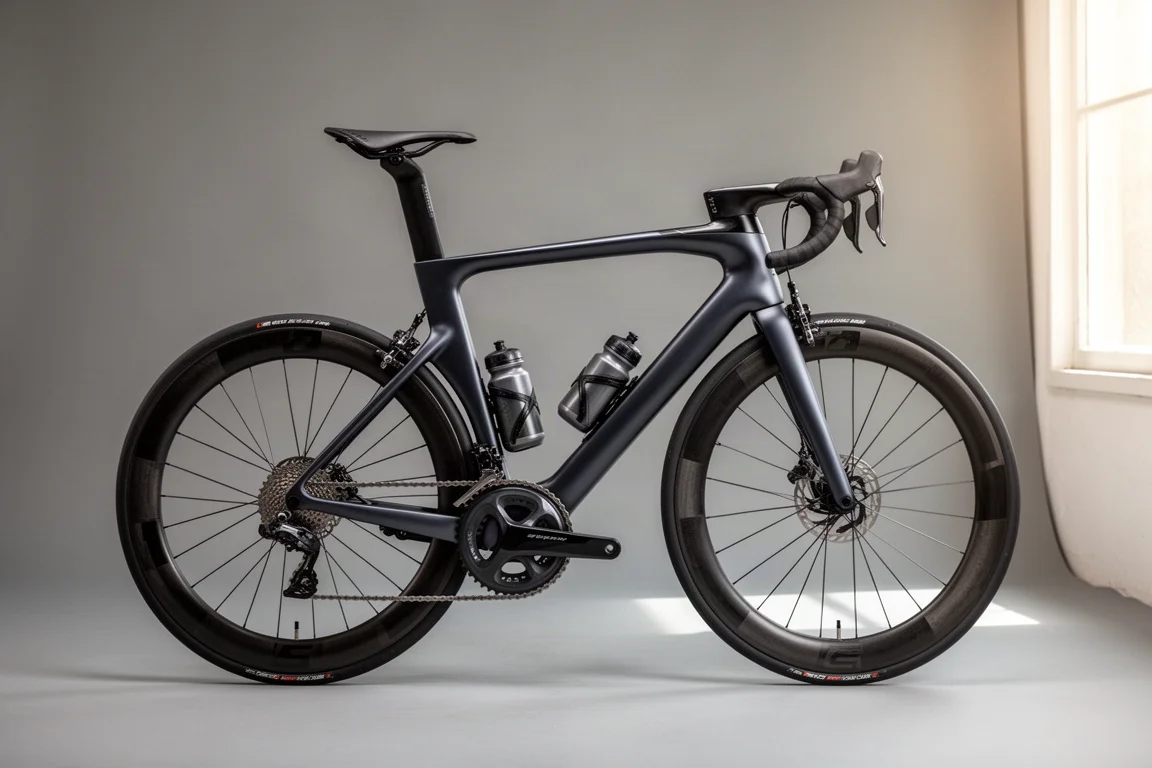
Its opposite number here is the Orbea Orca Aero, a current-generation aero road bike built to be UCI legal and fitted with top-tier equipment, including a Shimano Dura-Ace Di2 groupset and Shimano C50 aero wheels.
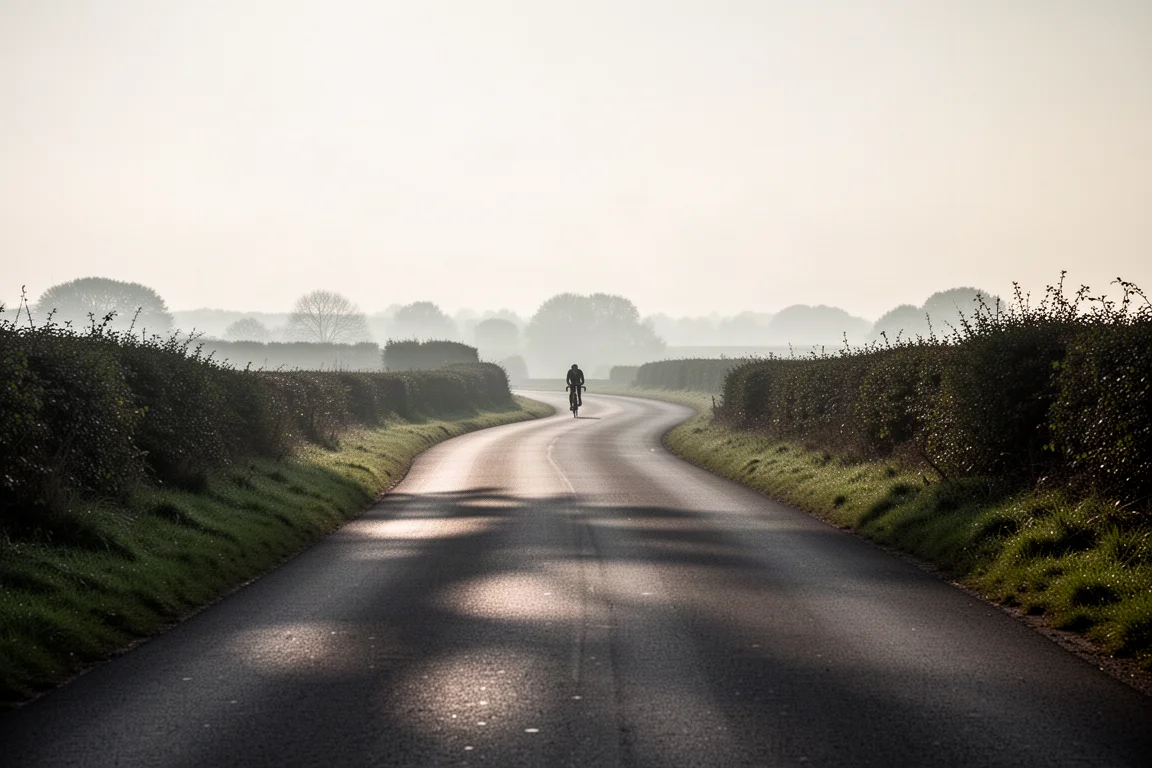
Putting the two side by side is a genuine test of how far aerodynamic design has actually travelled. Both were run over the same course at matched power, measured with power meter pedals, so the comparison reflects the bikes and their setups rather than differences in effort.
Lotus 110: The Bike That Changed the Rules
The concept behind the Lotus range originated with designer Mike Burrows, who spent much of his career chasing lighter and more aerodynamic shapes. The 110 keeps the signature beam layout with no down tube, but adapts the track-focused 108 for road use. That means a more traditional fork, vertical dropouts instead of the horizontal track dropouts, and the addition of cables, brakes and gears.
The earlier 108 still holds the hour record in the eyes of many. Boardman’s ride on it covered 56.3 kilometres, a distance that remains further than more recent hour efforts built on the latest aerodynamic technology.
On the road, the 110 surprises in two ways. It holds speed exceptionally well, and it stays stiff when you come out of the saddle, with none of the tail-wagging you might expect from a beam frame. It also feels heavy in the hand, closer to 10 or 11 kilograms than a modern race bike, and the ride quality matches that dense, solid feel. Weight matters less than it looks in a time trial context, which is why the original rear disc was designed to accept added weights that increased centrifugal force and turned the wheel into a flywheel.
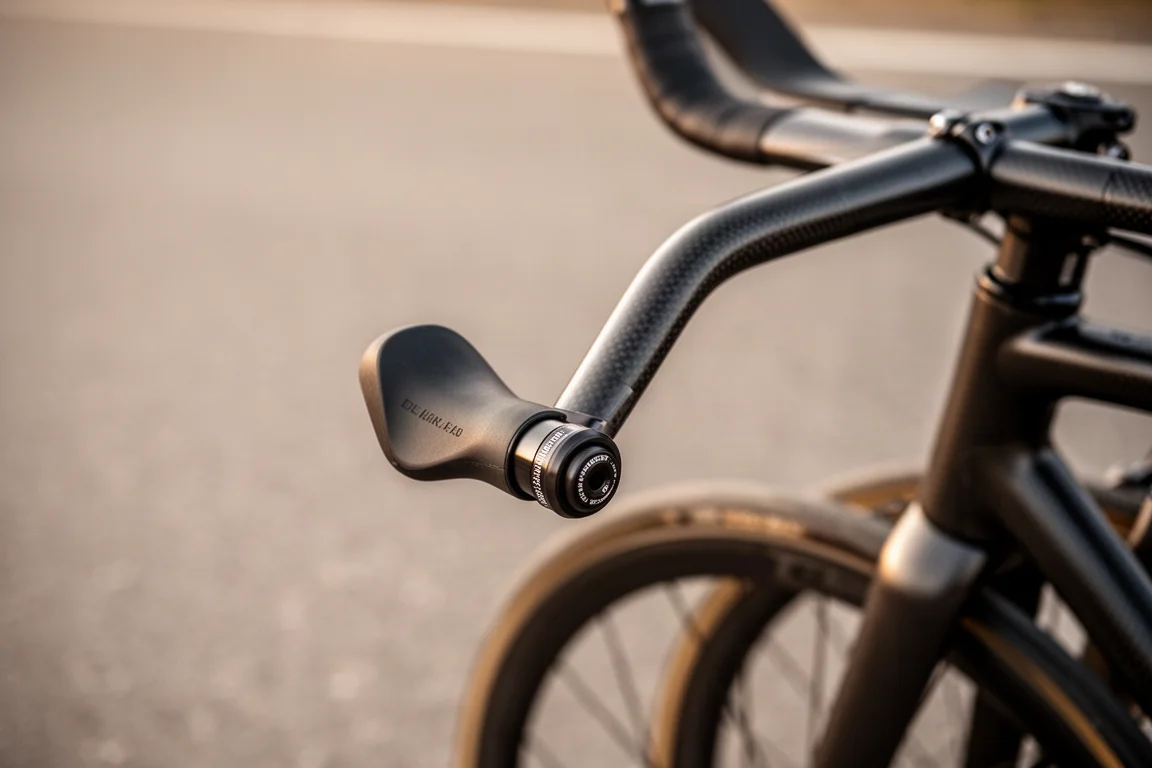
Shifting is one of the more noticeable vintage compromises. The 110 places its shifters on the ends of the extensions rather than on the down tube, which is a clear step up from older time trial machines, but the mechanism is still friction based and the usable gear range is narrow.
Orbea Orca Aero: The Modern Aero Benchmark
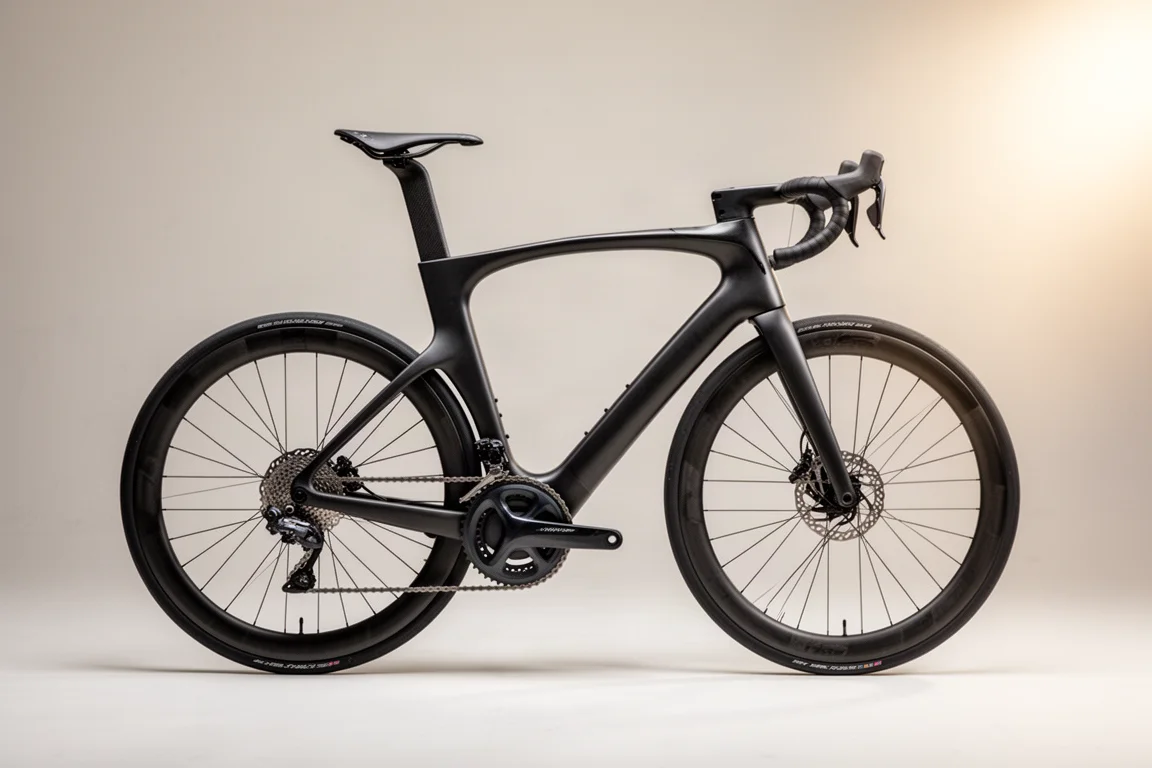
The Orbea Orca Aero represents the current state of the art in a UCI-legal road frame. This build sits at the top of the range, with a Shimano Dura-Ace Di2 groupset and Shimano C50 aero wheels, and it uses conventional drop handlebars rather than time trial extensions.
The most striking detail is an addition under the down tube. It is part of the bike as supplied, but it has to be removed for UCI-sanctioned racing, which makes it a neat illustration of how tightly the rulebook constrains modern aero design. The front end is also highly adjustable, so the bar height can be raised or lowered to suit the rider rather than the other way around.
How the Two Bikes Compared on the Road
The test was run at a repeatable power output on both bikes, with power meter pedals providing the measurement, so the results reflect the frames and their setups rather than differences in effort.
The outcome was closer than the age gap between the two bikes would suggest. One rider was roughly a second quicker on the Lotus 110, while the other lost time on it and attributed that to a position that never felt fully dialled in. Taken together, the Lotus 110 still looks outrageously fast for a design from the early 1990s, and it is far from disgraced against a bike built three decades later.
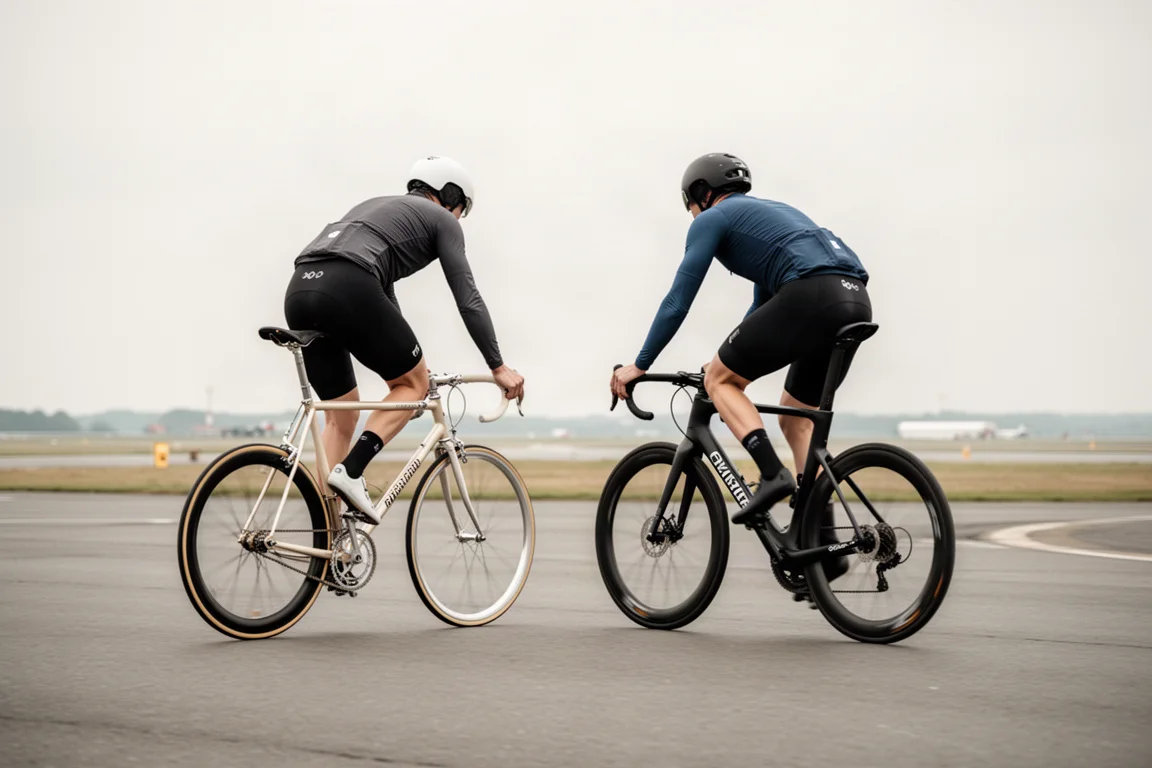
What the modern bike does better is everything around the frame. An 11-30 cassette with small jumps between gears and instantaneous Di2 shifts makes a rolling course far easier to ride at a steady power, and the adjustable stem on the Orca Aero allowed the front end to be raised into a position that suited the taller rider. Gearing, tyre choice and rider fit all worked in the modern bike’s favour.
The conclusion is not that the Lotus 110 has been overtaken in outright speed. It is that a modern aero road bike is not much slower, and that a modern time trial bike, with faster tyres and a fully optimised position, would be quicker still.
Which Bike Suits Which Rider
The Lotus 110 makes sense for a specific kind of buyer. It is a piece of design history, a bike with a direct line to Olympic gold, a world record and the fastest prologue of its era. If you want to own and ride an icon, there is very little else like it.
Practical expectations still matter. The frame is heavy by modern standards, the gearing is narrow, shifting is friction based, and examples surface through collectors and specialist sellers rather than through normal retail channels. It also rewards time spent dialling in the position, and a rider who does not fit the frame as it stands will give away time.
The Orbea Orca Aero suits riders who want to race and train on a modern, UCI-legal platform. The wide gearing, electronic shifting, aero wheels and adjustable front end make it easy to ride quickly from the first outing, and the removable under-down-tube addition means it can be adapted for sanctioned racing.
For riders whose priority is outright speed against the clock, a dedicated modern time trial bike remains the faster option. For riders who want a fast road bike with genuine aero credentials and everyday usability, the Orca Aero is the straightforward choice.
Conclusion
The Lotus 110 remains one of the fastest and most distinctive bikes ever built, and the fact that it can run a modern aero road bike close is remarkable. The Orbea Orca Aero shows how much of that speed can now be delivered with electronic shifting, a wide gear range and a position you can actually adjust. One is a collector’s piece with real pace; the other is a modern race bike that makes that pace easy to reach.
Further reading
Related Reviews
Cycling
2026 Bike of the Year and the Cycling Gear Worth Watching
A drop bar roundup for 2026 covering the Ridley Kanzo Fast 2.0, Shimano Dura-Ace Di2 R9300, Trek Checkpoint ALR Gen 3, Specialized Tarmac SL9, Garmin Fenix 9 and Insta360 X6.
Cycling
Best All-Road Bikes 2026: Six Versatile Endurance Road Bikes Worth Considering
A practical look at six all-road and endurance road bikes, from lightweight carbon speed machines to steel all-rounders and comfort-focused mile eaters.
Cycling
Best All-Road Bikes 2026: 8 Endurance Bikes for Road and Light Gravel
Eight all-road bikes that blur the line between endurance road and light gravel, compared on tire clearance, ride character, practicality, and value.