Camping Sleep Pads
Lost Horizon Air Mattress Review: A Self-Inflating Cot Pad With an R-Value of 13
A practical look at the Lost Horizon cot-size air mattress, from its R-value of 13 and self-inflating foam core to its weight, its packed size, and its repacking routine.
Introduction
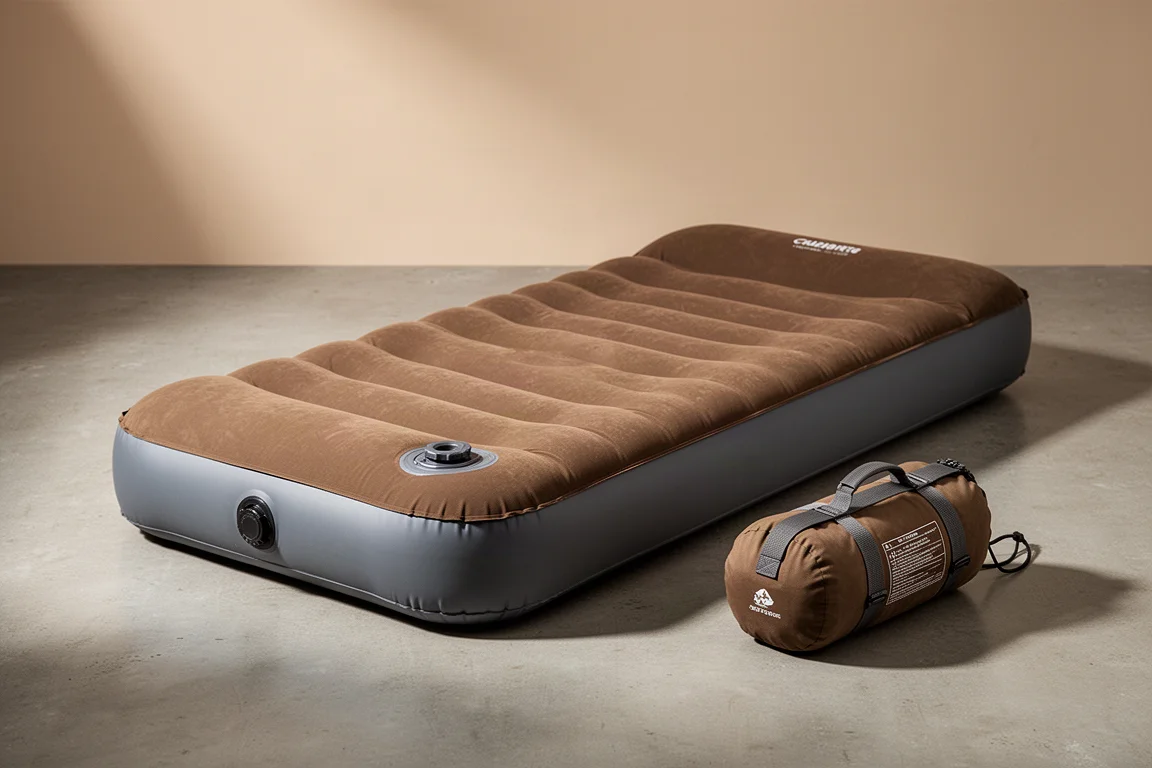
The Lost Horizon air mattress in cot size is a self-inflating sleeping pad built for campers who want one surface that works both on a cot and on the ground. It sells for around $110, uses a thick self-inflating foam core, and carries an R-value of 13. That last figure puts it in unusual territory, since most air mattresses sit closer to an R-value of 7.
This review covers what the pad does well, where it asks for patience, and who gets the most value from it.
Who This Product Is For
This pad makes the most sense for campers who sleep on a cot, particularly in cool to cold conditions. The cot size is large enough to use on the ground on its own and small enough to sit properly on a cot, which gives it two clear roles in a single product.
It also suits ground campers who want insulation without adding a second sleeping pad underneath. With an R-value of 13, the pad is designed to keep cold from moving up through the mattress and reaching the sleeper.

Anyone who carries gear on their back should weigh the tradeoff carefully, because the cot size comes in at almost 8 lbs. Car campers, van campers, and anyone who drives to a campsite will feel that weight far less.
Main Strengths
Comfort and Surface Feel
The top surface is smooth and soft against the skin without feeling silky, and the 4 in thickness gives enough cushioning to sleep on your side, stomach, or back without bones pressing into the cot or into the ground.
The materials are also quiet. Tossing and turning produces very little noise, which matters in a shared tent.
Warmth and Insulation
The R-value of 13 is the headline number here. Most air mattresses sit around 7, so this pad is built for colder conditions than the typical inflatable. The likely reason is a thick, dense foam core, which is also consistent with how much the pad weighs.
Build Quality and Inflation
Construction looks excellent. The welding is clean and there is no fraying or loose material anywhere on the pad.
Inflation is straightforward. The rotating valve at the top can be set to release air, to let the pad self-inflate, or to admit air while keeping it from escaping. Self-inflation takes roughly 5 to 15 minutes, depending on how tightly the pad was rolled and how long it has been stored. A brand new pad arrives heavily compressed and may take up to 2 hours the first time, after which the process speeds up considerably.
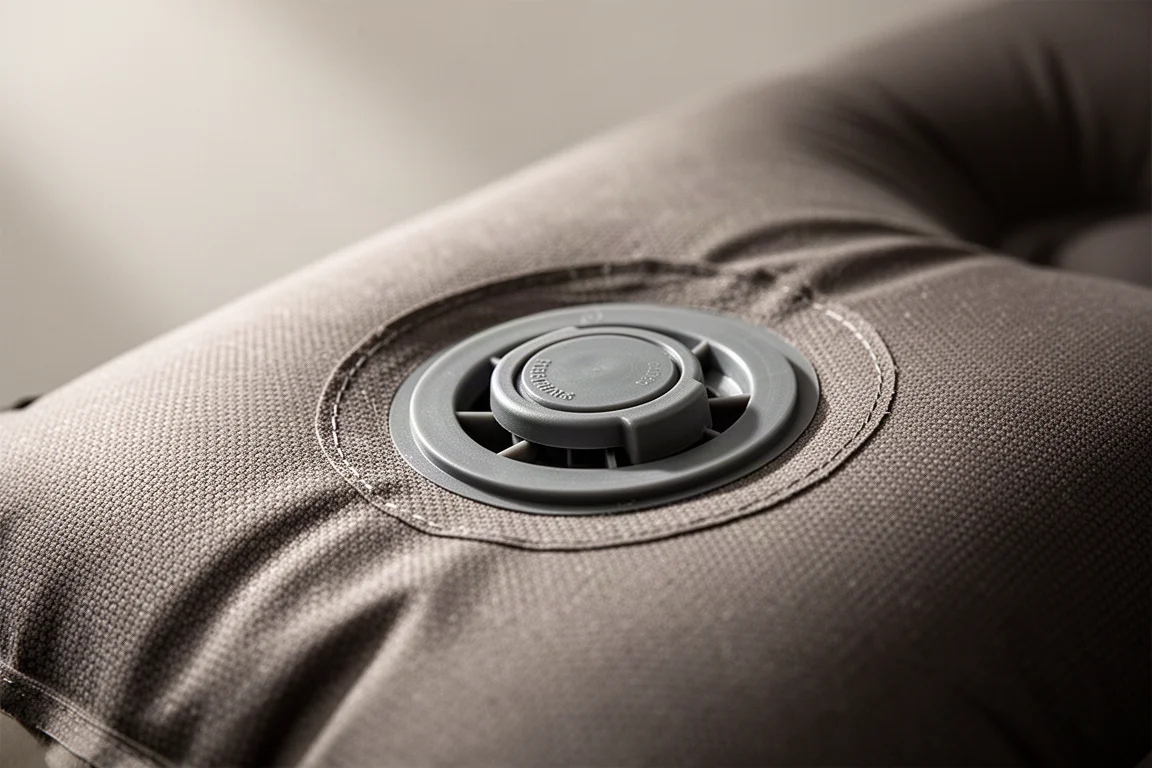
If you would rather not wait at all, the storage bag doubles as a pump sack, and you can also top the pad off by blowing into the valve.
Things to Consider Before Buying
Weight and Packed Size
The cot size weighs almost 8 lbs. Comparable air mattresses of a similar size typically come in around 4 lbs, so this is a heavy pad. Packed, it measures 25 in by 13 in. Inflated, it measures 75 in long, 25 in wide, and 4 in thick, with a weight limit of 220 lbs.
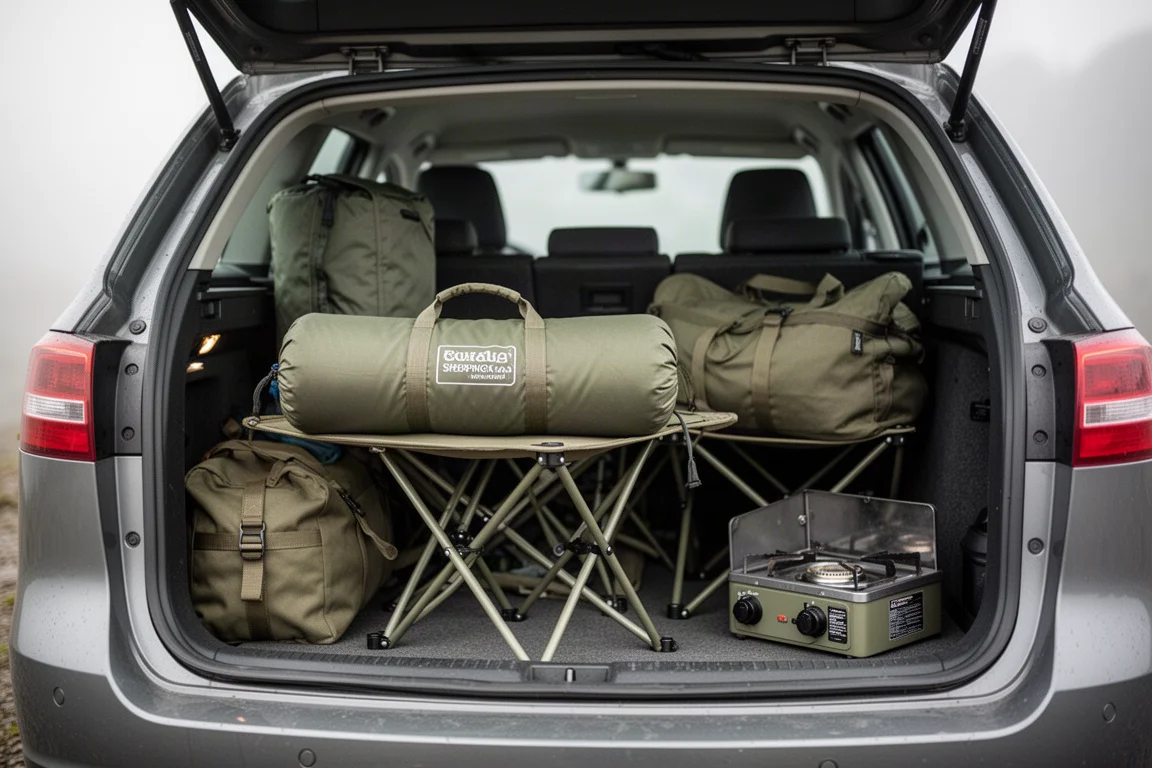
That weight is the clearest tradeoff for the insulation and the thickness on offer.
Repacking and Storage
Rolling the pad back up takes real effort, particularly when it is new. The foam is tight and resists compression. Working from the foot of the pad and using your knees to help push the roll along makes the job noticeably easier, and the process gets faster once the pad has been rolled a few times.
Always secure the compression strap before storing. Even with the valve closed, the foam keeps expanding over time, and a pad stored without the strap can swell enough to be very difficult to pull back out of the storage bag.
Size and Color Options
The range includes twin, full, queen, single, slim single, and cot sizes, and some versions ship with an air pump while others do not. The cot size is available in one colorway: brown on top, gray on the sides, and gray on the bottom. The underside has no anti-slip patches.
Buying Advice
At $110, the Lost Horizon cot-size pad delivers a high R-value, a comfortable top surface, and solid construction for the money. If you camp on a cot in cool or cold weather, or you want a single pad that works on the ground and on a cot, this is an easy option to consider.
Be honest about how you camp. If you carry your gear on your back, the nearly 8 lb weight will be hard to justify. If your gear travels by car, the weight matters far less than the warmth and the comfort.
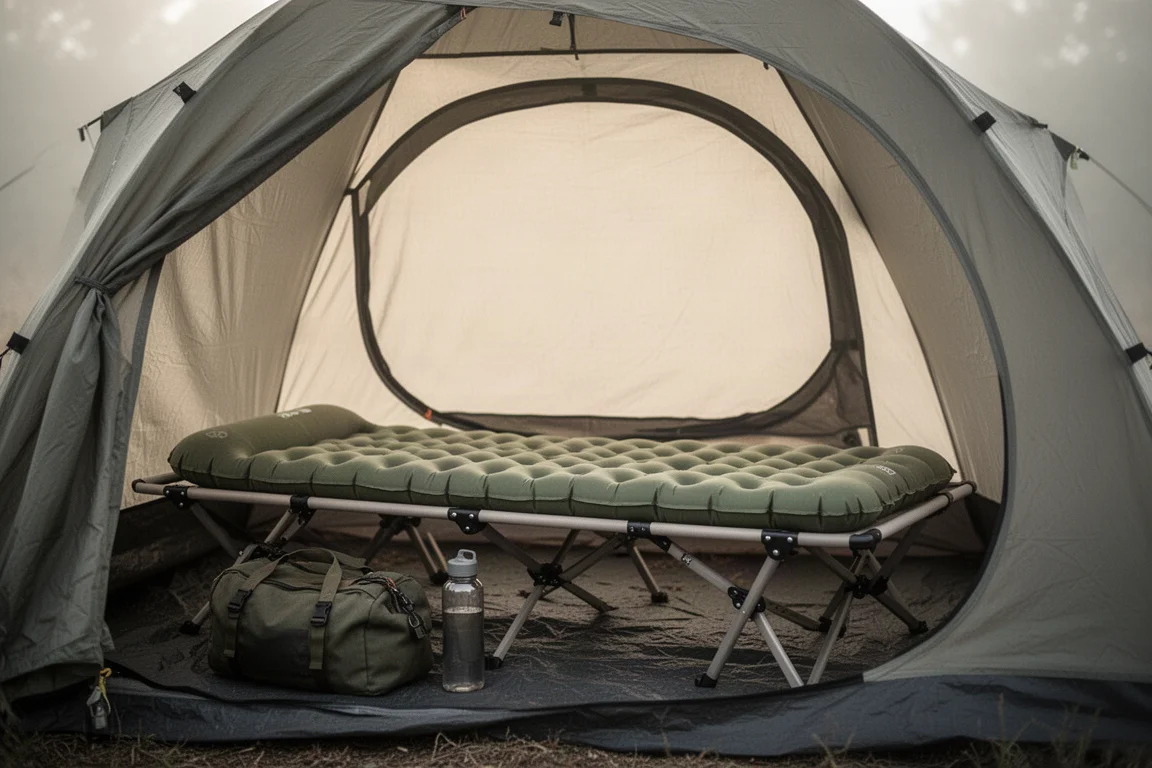
Also plan for the break-in period. The first inflation is slow, and the first few repacks take effort. Both improve with use.
Conclusion
The Lost Horizon air mattress cot size is a well-built self-inflating pad with an unusually high R-value, a comfortable sleeping surface, and a price that fits its feature set. Its main compromises are weight and a repacking routine that demands some patience. For cot camping and cold-weather ground camping, those compromises are easy to accept.
Product link
View more details for Lost Horizon Air Mattress
This product is mentioned in the review. Check the specifications, options, and compatibility before buying.
View more details for Lost Horizon Air MattressFurther reading
Related Reviews
Backpacking Tents
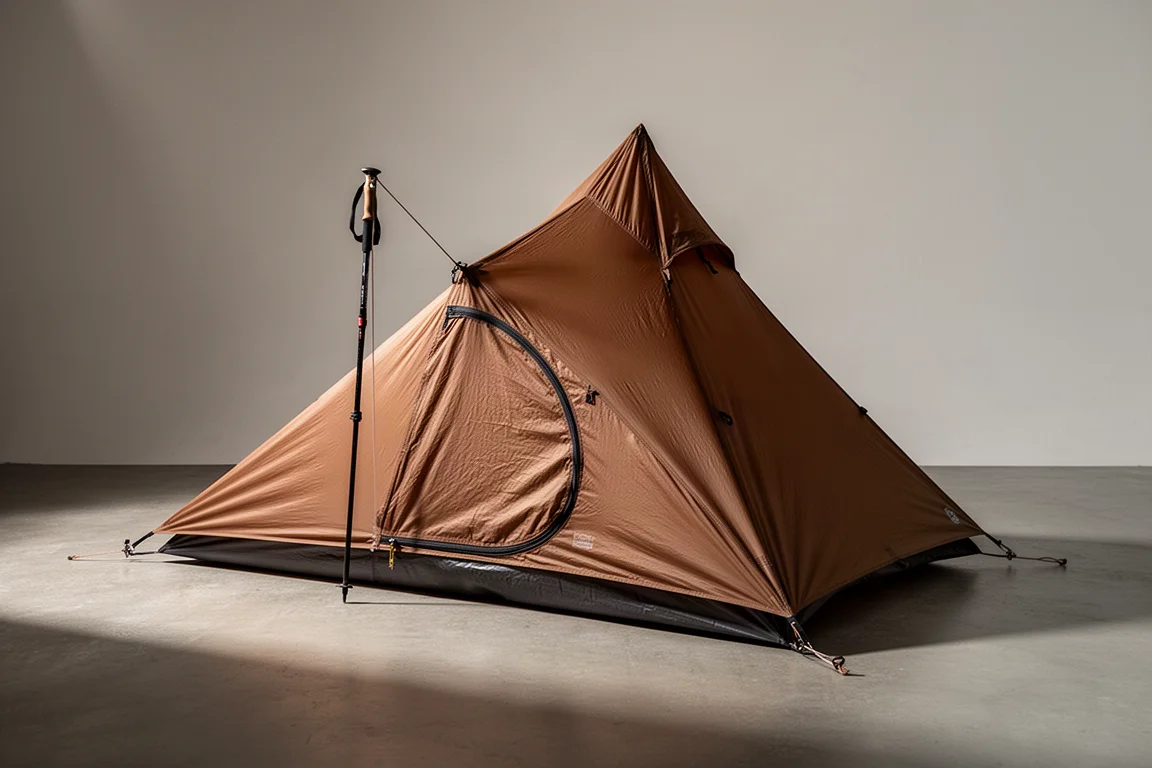
3F UL Lanchan Pro 1 Review: A 1 lb 8 oz Single-Wall Trekking Pole Tent
A practical look at the 3F UL Lanchan Pro 1, a single-wall trekking pole shelter with a 1 lb 8 oz weight, 20D silnylon fabrics, and a roomy 90 x 31 x 49 inch interior.
Backpacking Tents
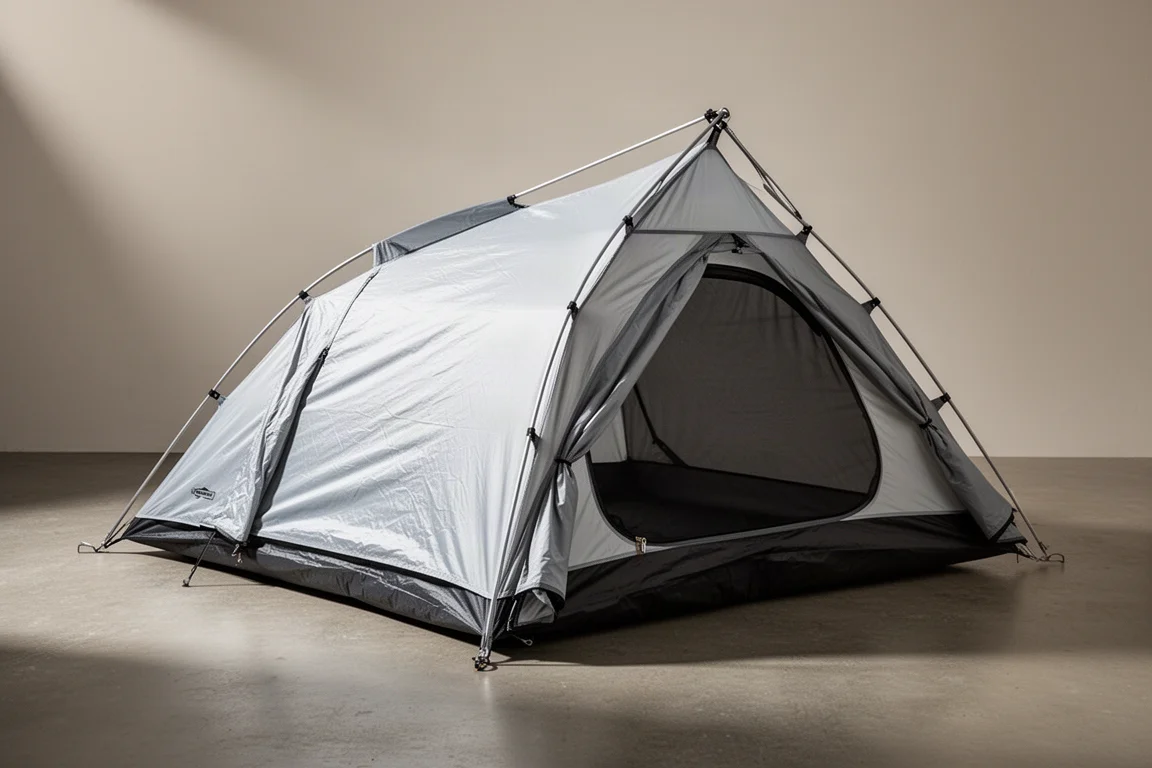
3F UL Taiji 2-Person Tent: A Convertible Backpacking Shelter Worth a Closer Look
A practical look at the 3F UL Taiji two-person tent, covering its materials, true two-person interior, fly-first pitching, and the seasonal inner swap that lets one shelter cover more of the year.

Backpacking Tents
3FUL Lanshan Twoerson Pro Review: A Light Trekking Pole Shelter That Struggled in Rain
A two-person trekking pole shelter with a 2026 redesign, pitched with sticks and put through a night of steady rain. Here is what worked, what did not, and what to check before buying.