Cycling Gear
Long-Distance Cycling Kit: 8 Practical Picks for Touring and Bikepacking
A practical long-distance cycling kit list covering shorts, layers, shoes, audio, navigation, lights, luggage and a steel touring bike, with the trade-offs to weigh before buying.
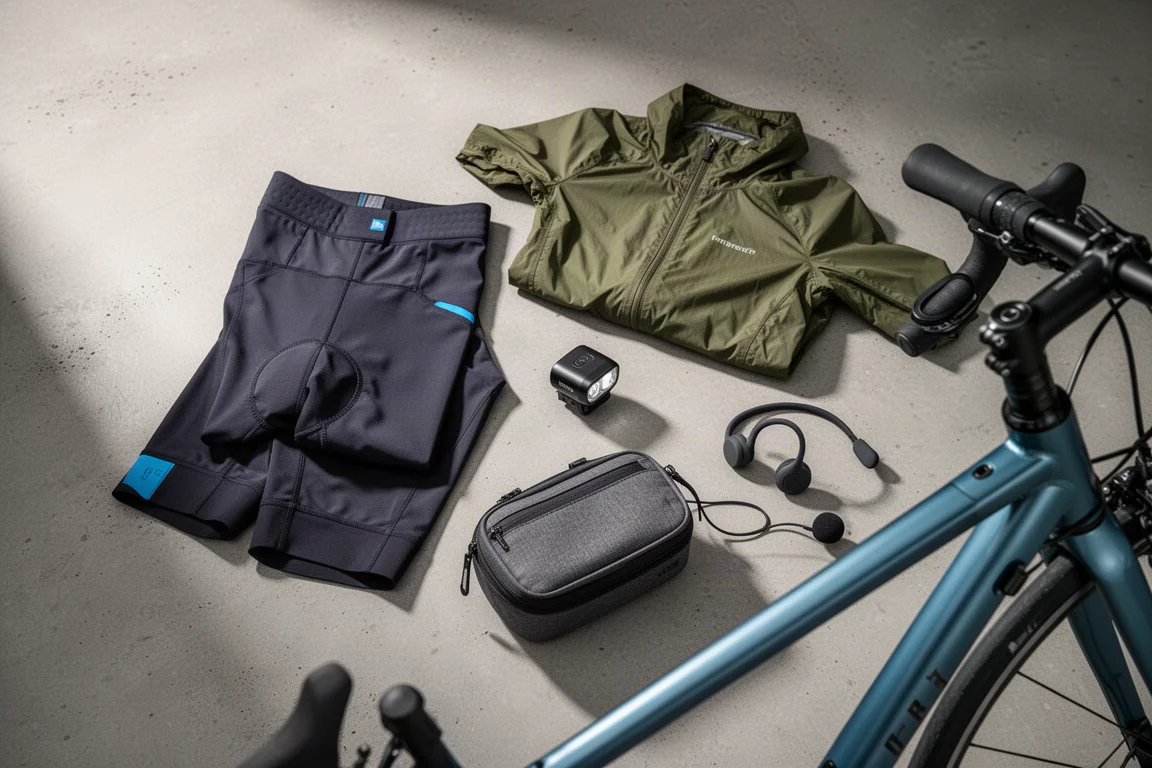
Introduction
Long-distance cycling does not demand specialist gear, but it does reward a few sensible choices. The items below were used day after day on a 2,000-mile tour that mixed riding with hiking, and almost all of them were chosen to keep costs low rather than to look the part. If you are a hiker thinking about your first multi-day ride, or a rider planning a long route on a modest budget, these picks show where money is worth spending and where a cheap and cheerful option does the job just as well.
What Matters on a Long-Distance Ride
Three things decide whether a kit list works over weeks rather than weekends. The first is contact comfort. Shorts, saddle, gloves and shoes are the parts your body touches for hours at a time, so small flaws there become real problems by day ten. The second is weather management. Wind and rain arrive without warning, and the answer is usually a light layering system rather than one heavy garment.
The third is visibility and power. Lights need to run for hours, which is why rechargeable units make more sense than anything that generates waste, and navigation needs to be reliable enough to follow for a full day without babysitting.
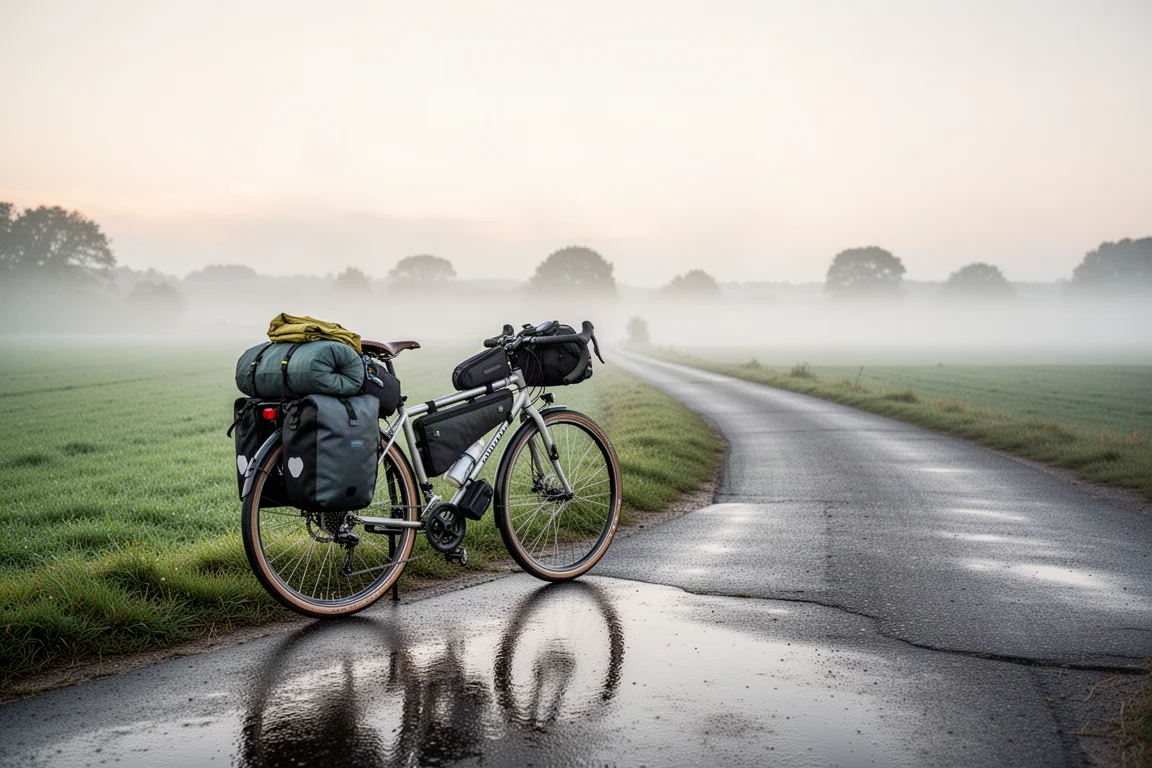
Weight is the trade-off running through all of it. Metal mounts, steel frames and heavier pedals are less exciting on paper, but they survive the road, and that matters more than a saving of a few grams.
dhb Aeron Cycling Shorts: An Everyday Base Layer
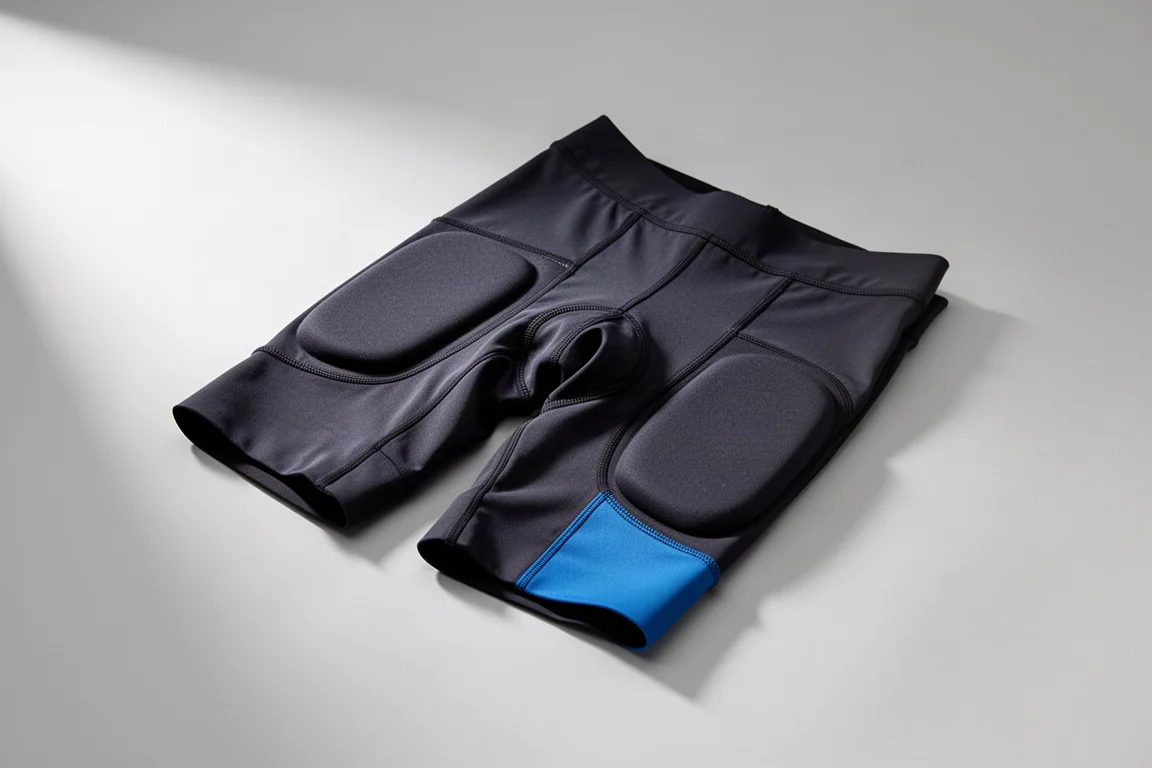
For padded shorts, the priority is a fit that stays put. Shorts that roll down at the back are a constant irritation, and bib shorts solve that by carrying the fabric over the shoulders. This pair comes from a budget-focused range that includes bluesign certified products, and the version used here carries a small blue accent on the leg.
Two or three pairs make the routine workable. Rotate them daily, wear nothing underneath, and use an antibacterial chamois cream once or twice a day to keep everything clean and comfortable over long mileage. Buying from a retailer with a straightforward returns policy makes it much easier to try sizes before committing.
Rab Borealis Jacket: Windproof Protection for the Upper Body
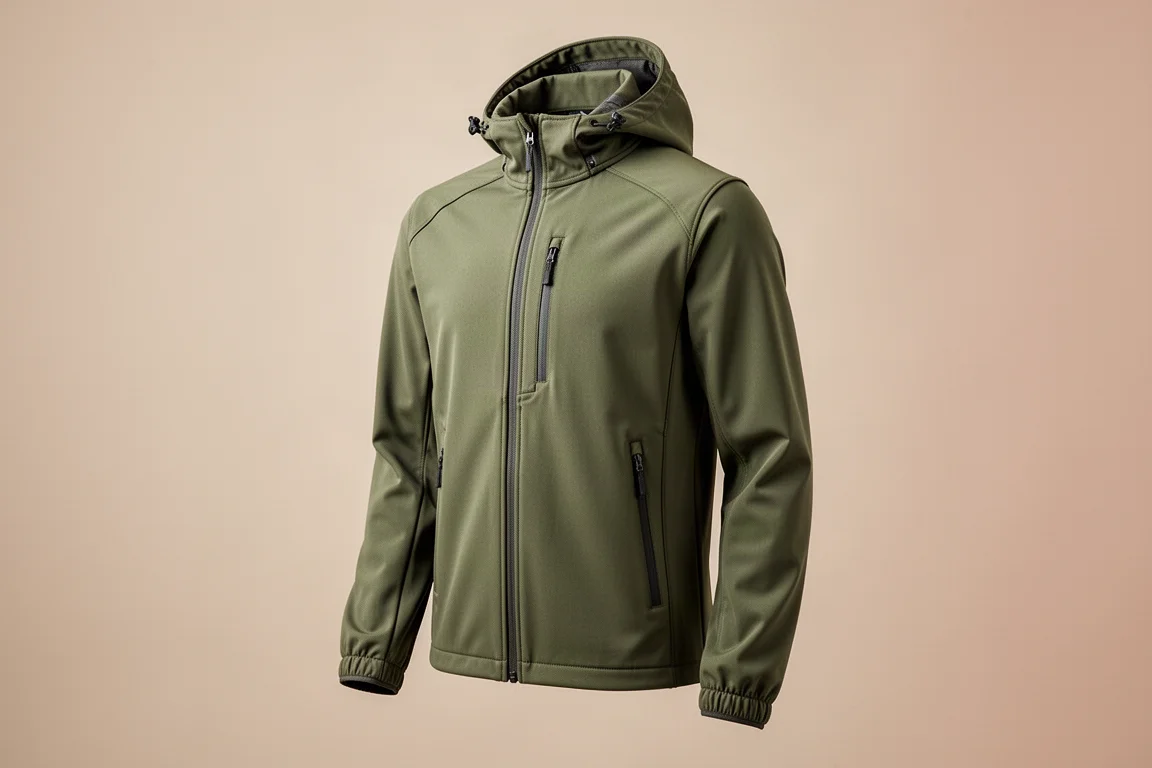
A cycling jersey is designed around rear pockets, but rear pockets are useless if you ride with a back support belt, as many riders with back trouble do. A lightweight windproof jacket borrowed from hiking kit solves the same problem differently. It has two zipped front pockets, elasticated cuffs, a hem that drops low enough to cover the lower back, and a hood that fits over a helmet with a collar that comes up to the chin.
It packs down small and works as the outer layer on most days, with a thermal mid layer added underneath when the temperature drops. For riders who find close-fitting cycling tops restrictive, this is a comfortable alternative that covers a wide range of conditions.
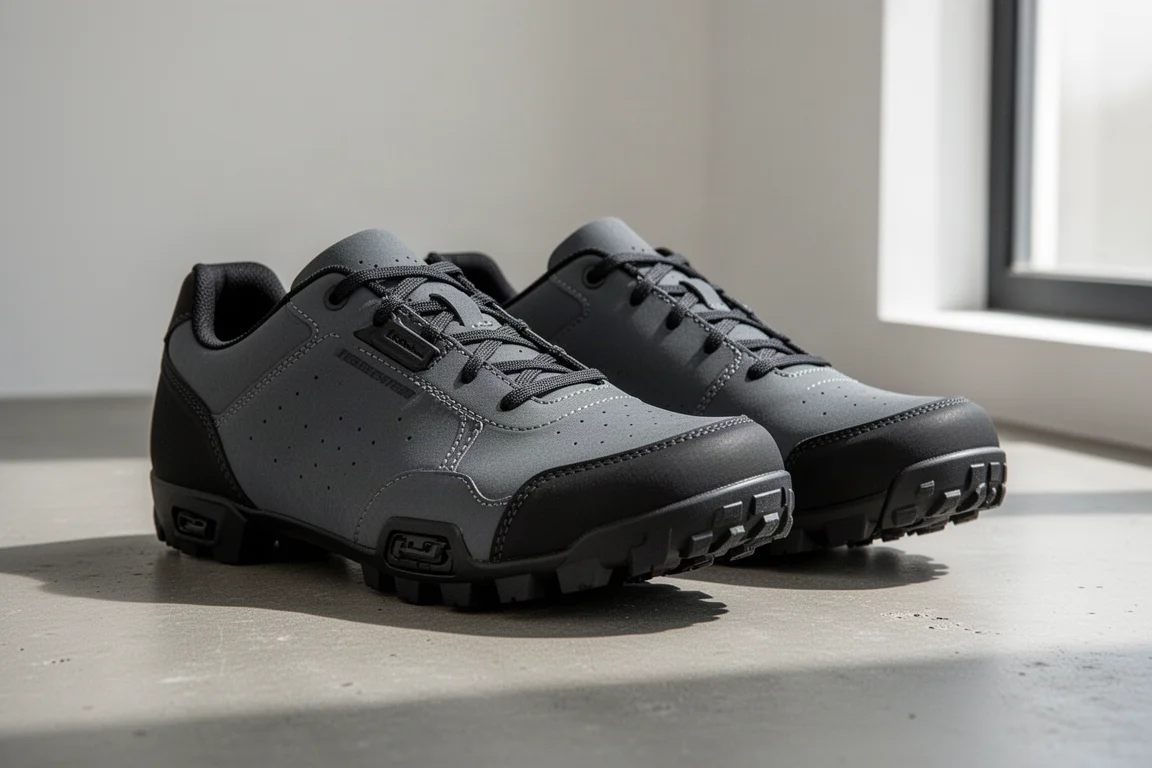
Shimano MT3 Cycling Shoes: Clip-In Without a Race Fit
Clip-in pedals are not just about looking the part. With the bike set up properly, they help posture and can improve energy efficiency, because the pedal stroke pulls as well as pushes. These mountain-bike style shoes are a practical entry point: a walkable sole, a recessed cleat, and a shape that suits touring rather than racing.
They are not for everyone. Riders prone to plantar fasciitis may find the stiffer sole aggravates it, in which case flat pedals and ordinary trainers are a perfectly reasonable choice for a long tour. Trying both setups over a few hundred miles is the only reliable way to know which suits your feet.
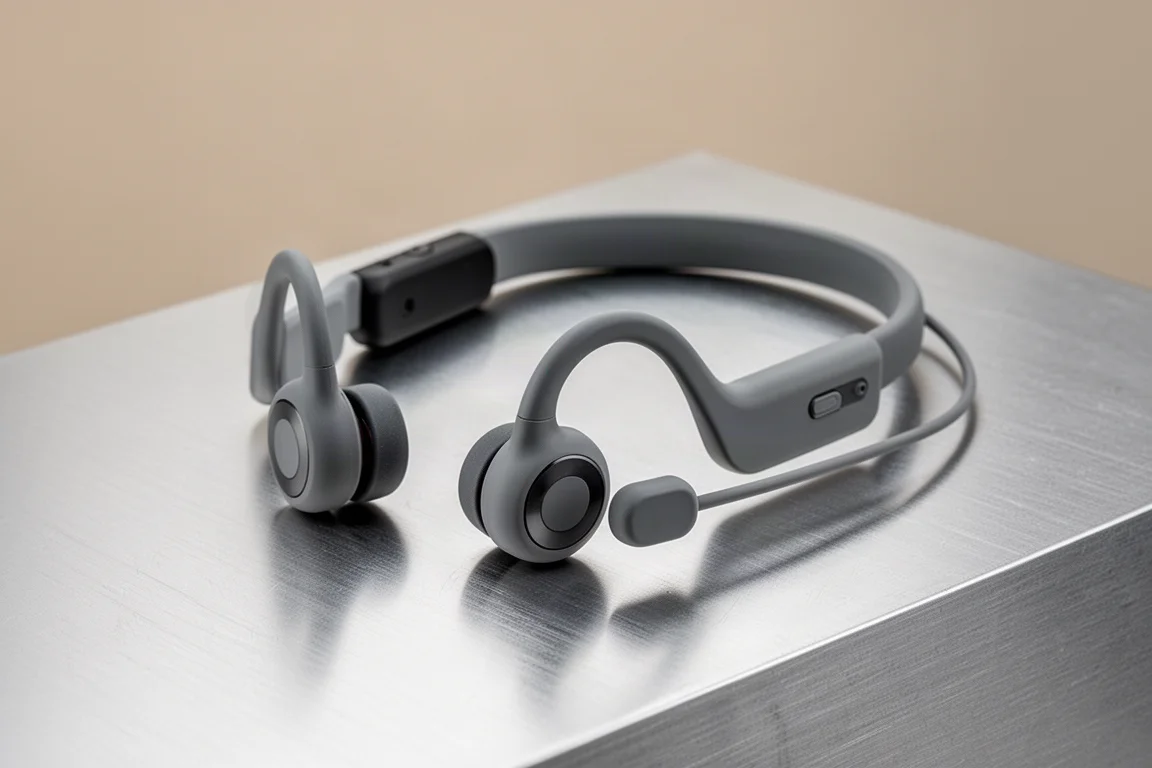
Aftershokz OpenComm: Bone Conduction Audio With a Boom Mic
Bone conduction headsets sit outside the ear rather than inside it, transmitting sound through the small bones around the ear. That leaves the ear canal open, which is a genuine safety advantage on the road. This model adds a boom microphone in front of the mouth, so it doubles as a headset for calls, and the claimed battery life of eight to ten hours covers a full riding day with charge to spare.
Two limitations are worth knowing before you buy. Heavy rain can make the electronics glitch, so a hood or helmet cover is a sensible precaution, and maximum volume can struggle against wind noise at speed. Comfort takes a few rides to settle in, after which the headset becomes easy to forget. It is not marketed specifically for cycling, so treat it as a versatile audio tool rather than dedicated bike equipment.
Garmin Edge 830: Navigation and Live Tracking
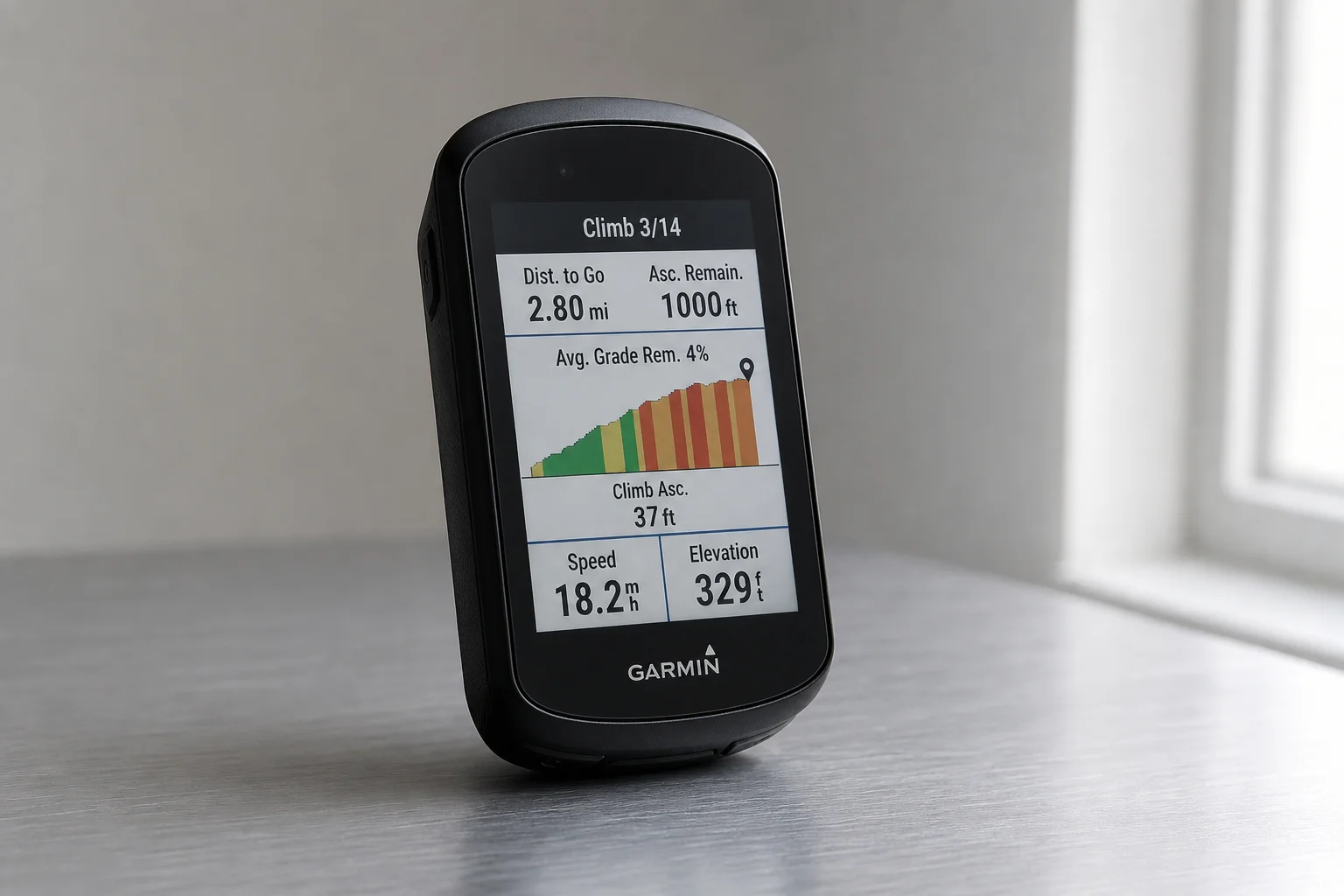
A bike computer earns its place when it can be trusted for a whole day. This unit handles navigation with long battery life, and its live tracking shares the planned route with family or friends following along, which is a significant reassurance on a solo tour. Battery can be stretched further by pausing and sleeping the device during stops, a habit that also prevents accidentally ending a session mid-ride.
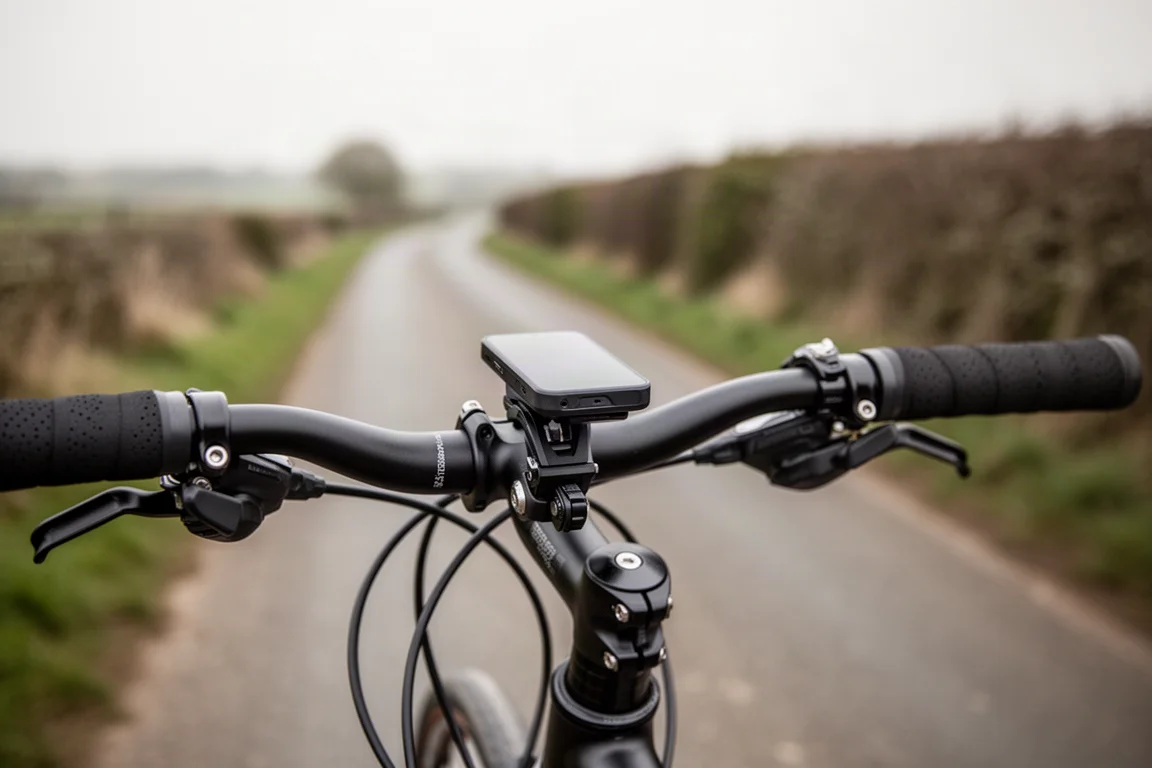
Routing is not flawless. It has led to dead ends and onto busy roads that were better avoided, so a quick look at the day’s route before setting off is worthwhile. Mounting the unit out front rather than on the stem keeps the screen in view without straining the neck, which matters over long days in the saddle. For riders who only need to see where they are, a simpler computer may be enough, and the tracking features are what justify the step up.
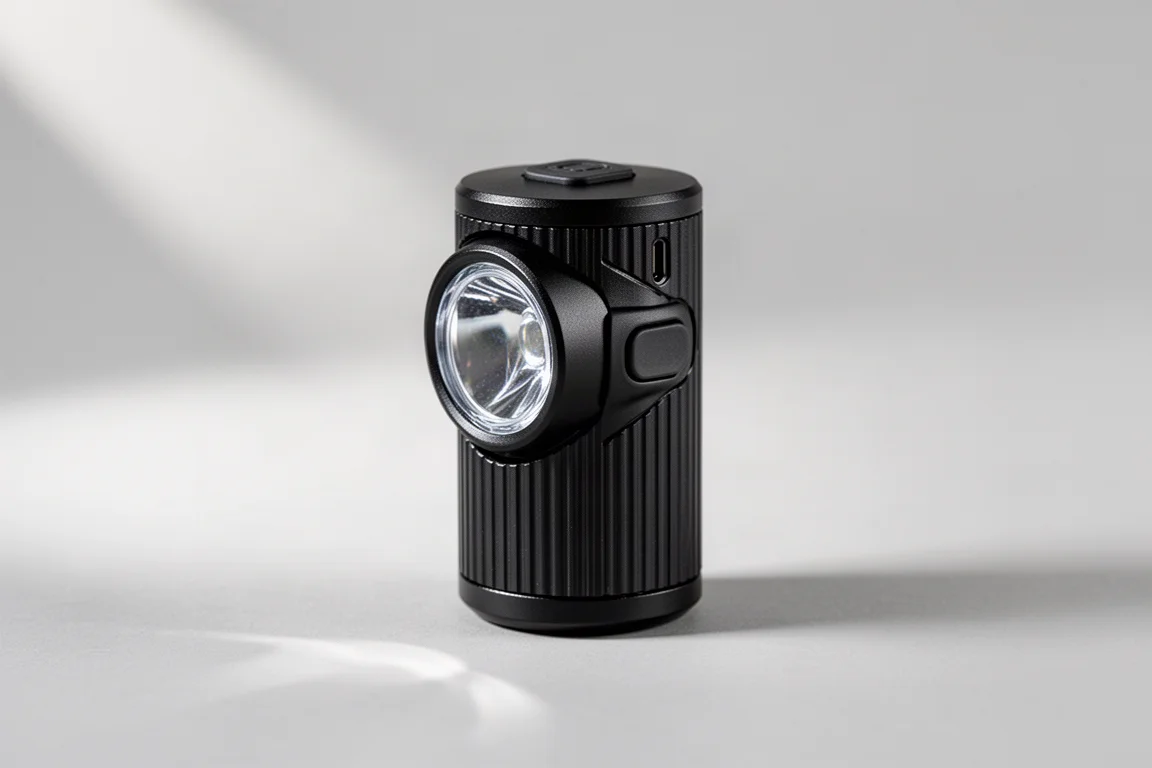
Cateye AMP 800: A Bright, Rechargeable Front Light
Being seen and seeing the road are two separate jobs, and the front light does both. This unit is bright enough for unlit lanes, rechargeable, and rated for a long runtime depending on the mode, with a strobing setting that stretches battery life further. It is on the heavy side for a handlebar light, which is the price of the output.
Weather sealing is the caveat. Despite a waterproof rating, sustained heavy rain caused it to glitch and overheat before recovering to normal operation. Carrying a second, smaller light as a spare is a sensible precaution when daylight hours shorten, and it is worth remembering that being obvious from behind matters just as much as being seen from the front.
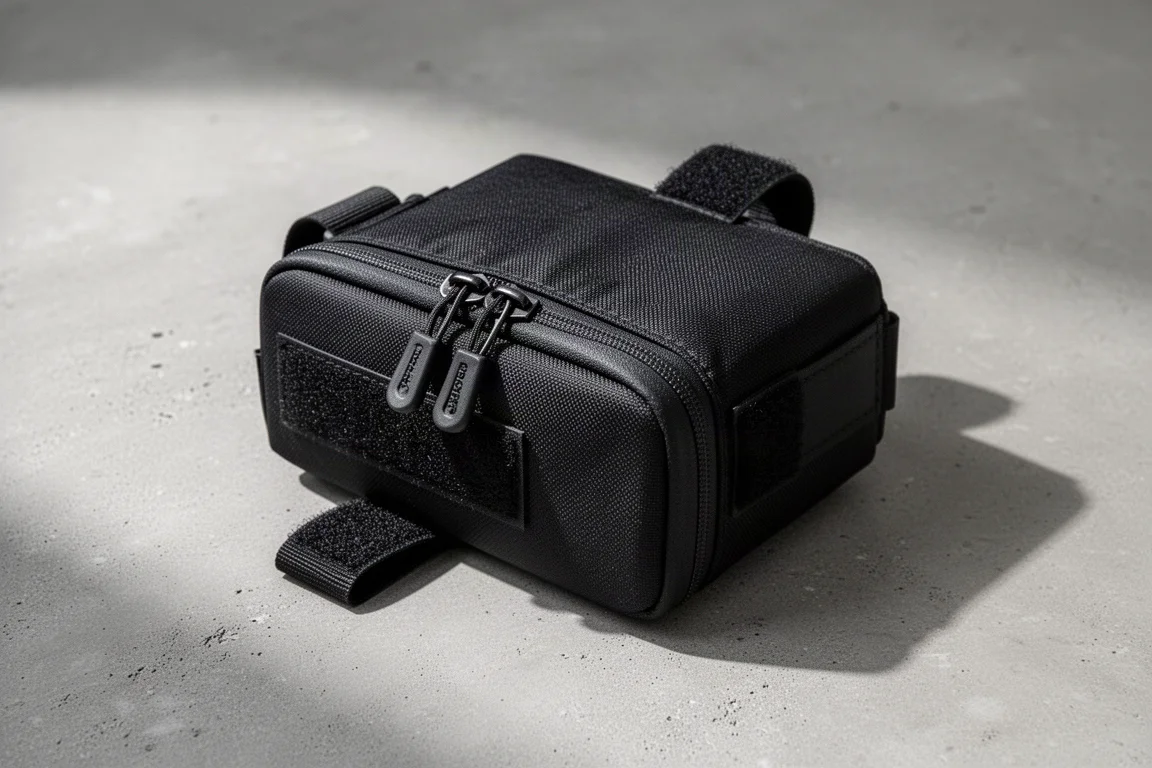
RockBros Cross Handlebar Bag: Storage You Can Reach
Handlebar bags that stick out from the bars catch the knees, which is why a compact crossbar bag works better for riders who pedal with their knees slightly in. This one is medium sized and holds the essentials for a day: energy gels, a neck buff, lip balm and a phone, all within reach without stopping.
The zip can be a little sticky, and despite the waterproof claim it will not survive sustained rain without a cover, so keep electronics in a dry bag inside. For the price it is a useful piece of everyday storage rather than a fully weatherproof luggage system.
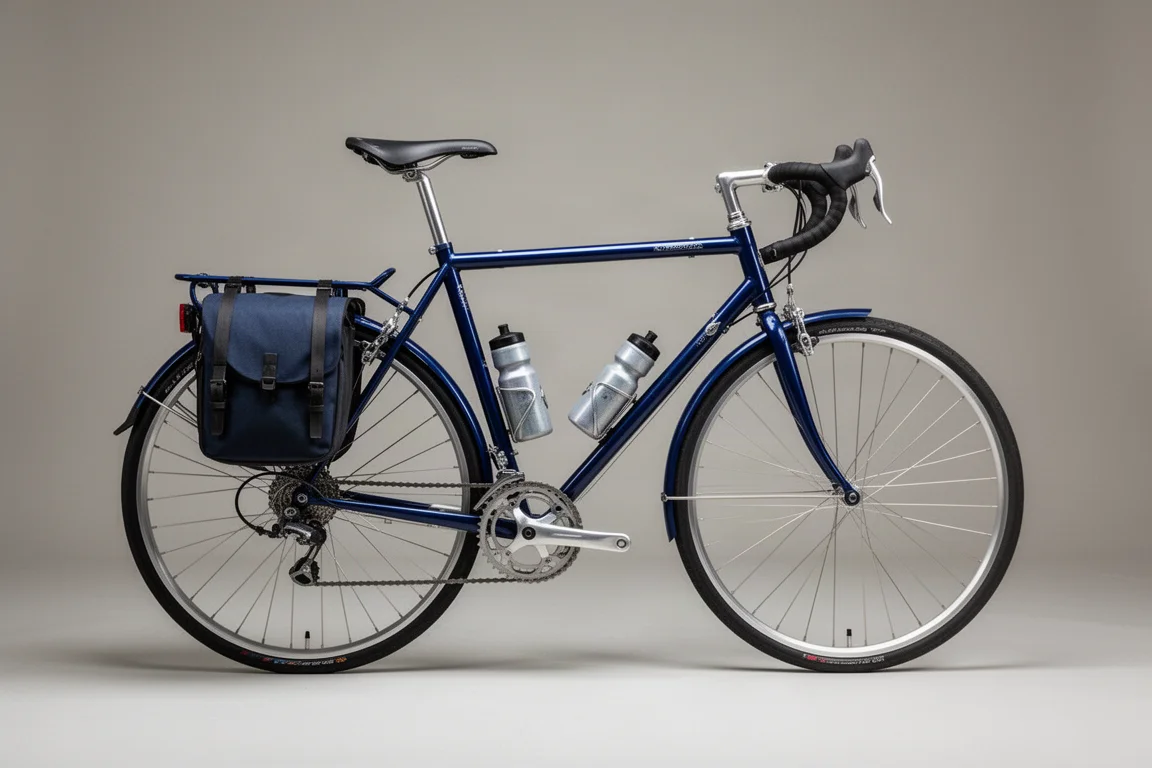
Dawes Horizon Touring Bike: Heavy, Solid, Dependable
Touring bikes are judged on reliability rather than speed, and this steel-framed machine is built around that idea. It sits between a road bike and a mountain bike, with drop handlebars that offer several hand positions, a comfortable saddle and rack mounts at the rear. Marathon tyres paired with puncture-proof inner tubes containing a sealing compound reduce roadside repairs, and the rim brakes use inexpensive replacement pads.
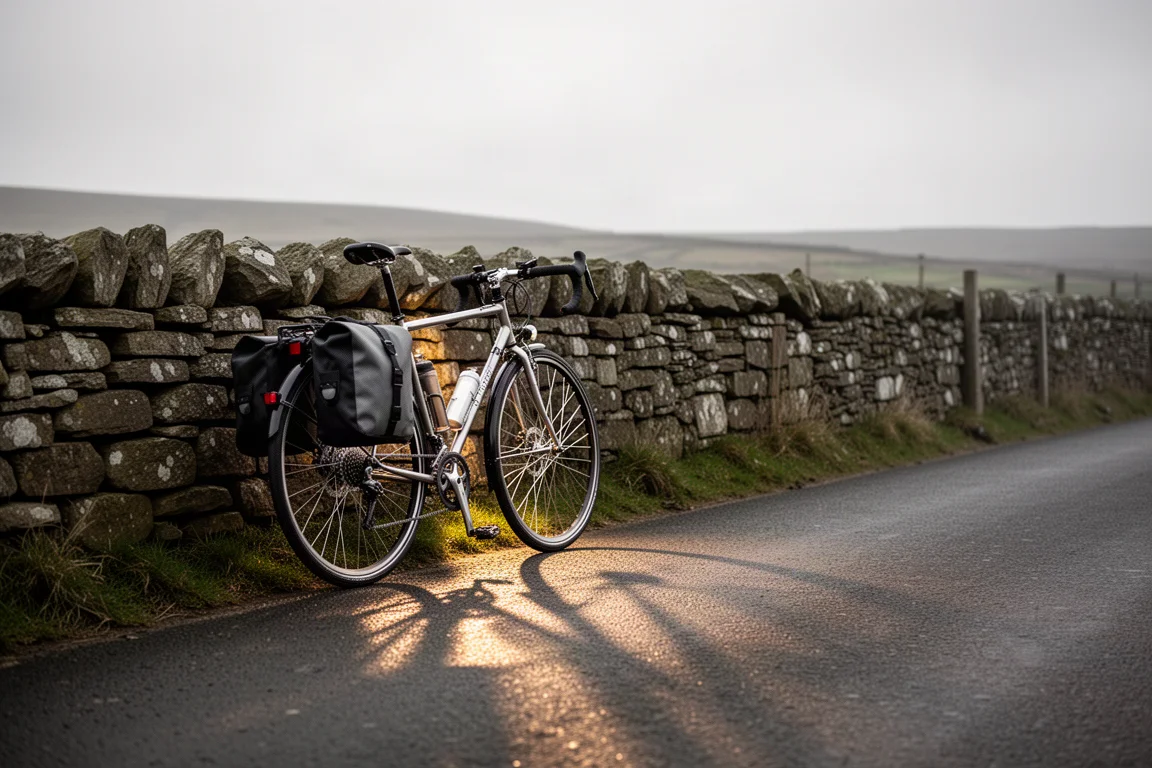
The main complaint is weight. It is a heavy bike, and that is felt on every climb. In exchange, it feels solid and predictable with a load on board, and the details show touring priorities: a metal camera mount that can be swivelled forward or back, double-sided pedals that are flat on one side and clip-in on the other, and mounts for two water bottles. The metal mounts loosen slightly over time, but they survive far better than plastic alternatives.
Buying Advice: Building a Kit on a Budget
The cheapest way into long-distance cycling is to reuse what you already own. Hiking jackets, walking trousers and ordinary trainers cover a surprising amount of ground before you need anything bike-specific. When you do buy, prioritise the items that touch your body for hours: shorts, shoes and gloves. Second-hand padded clothing in good condition can cut costs substantially, and a retailer with an easy returns process makes trying sizes far less painful.
Rotate at least two pairs of shorts, wash them daily, and keep a small tube of antibacterial cream in your bag. Choose rechargeable lights over disposable batteries, and carry a spare light plus a power bank for the days when the route runs longer than planned.
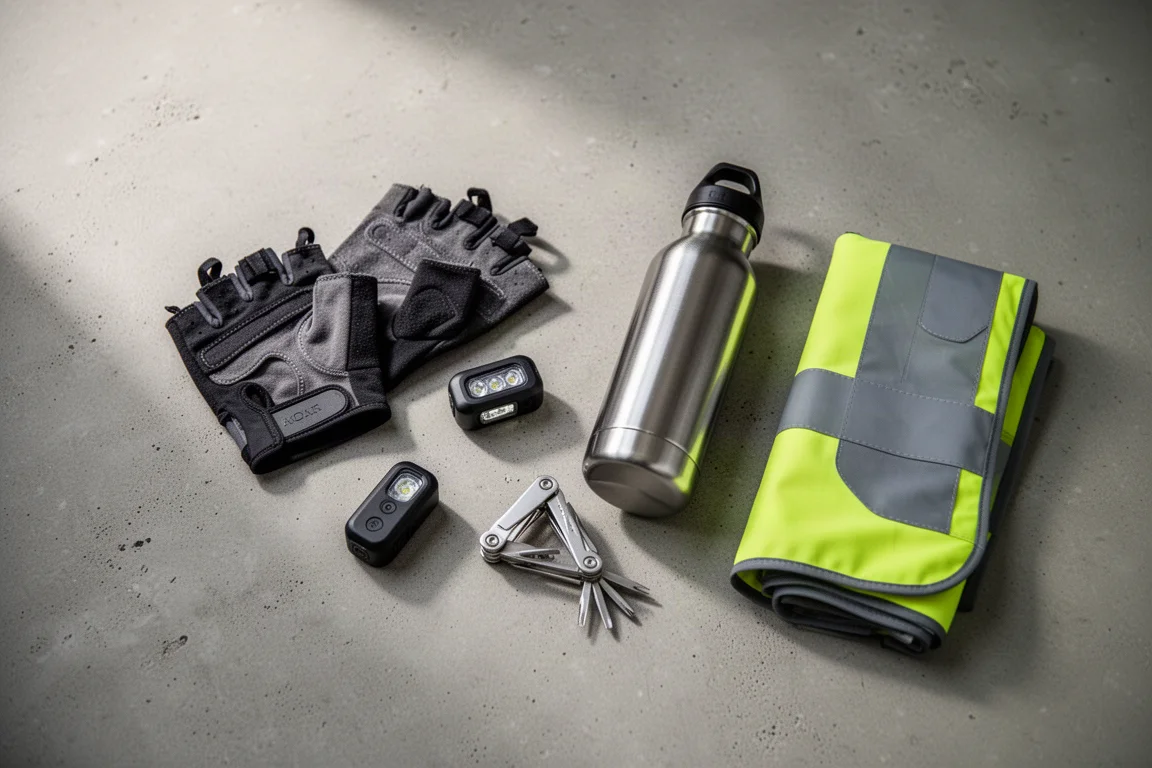
Finally, resist the urge to buy everything at once. Build the kit across a few shorter trips and let the gaps tell you what is actually missing. Most riders discover that the expensive items they thought they needed matter far less than a comfortable saddle and a pair of shorts that stay in place.
Conclusion
A dependable long-distance kit is less about brand names than about matching each item to a real job. Padded shorts that stay put and rotate cleanly, a windproof layer that covers the lower back, shoes you can walk in, audio that keeps your ears open, navigation you can trust, a bright rechargeable light and a bag you can reach into without stopping all earn their place. A heavy steel touring bike is the other side of that bargain: slower on the climbs, but calm and predictable with a full load. Start with what you own, add the pieces that solve a problem you have actually felt, and the rest of the kit list tends to look after itself.
Further reading
Related Reviews
Cycling Gear
8 Cycling Products Riders Keep Coming Back To
Eight cycling components and accessories with clear strengths, honest trade-offs and long-standing reputations among riders and mechanics.
Cycling Gear
Aero Helmets and Bottle Setups Tested: Six Options Ranked by Measured Watt Savings
Wind tunnel data on six aero helmets and bottle setups, with real watt savings, practical trade-offs, and guidance on what is worth buying first.
Cycling Gear
Aero Road Bikes and Fast Tires Worth Watching in 2026
Four aero road bikes and one fast road tire, with the real strengths, the open questions, and what to check before you buy.