Cycling Gear
Long-Distance Cycling Kit on a Budget: 10 Practical Picks
A realistic long-distance cycling kit built on budget brands, repurposed hiking layers, and a few electronics that have earned their place over 1,000 miles.
Introduction
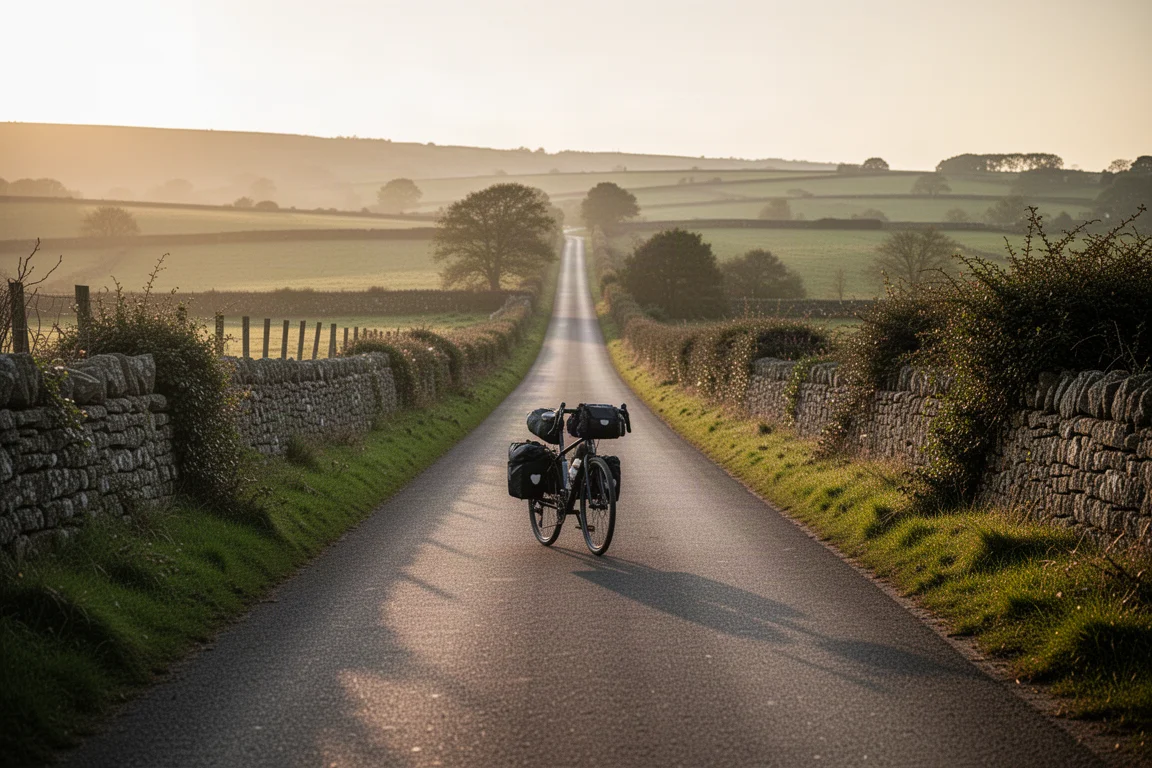
Long-distance cycling has a reputation for expensive kit. It does not have to be that way. Over a 2,000-mile, 55-day ride that links the UK’s national parks from north to south, the equipment that has actually been used every day is a mix of budget-brand clothing, repurposed hiking layers, and a small number of electronics chosen for reliability rather than prestige.
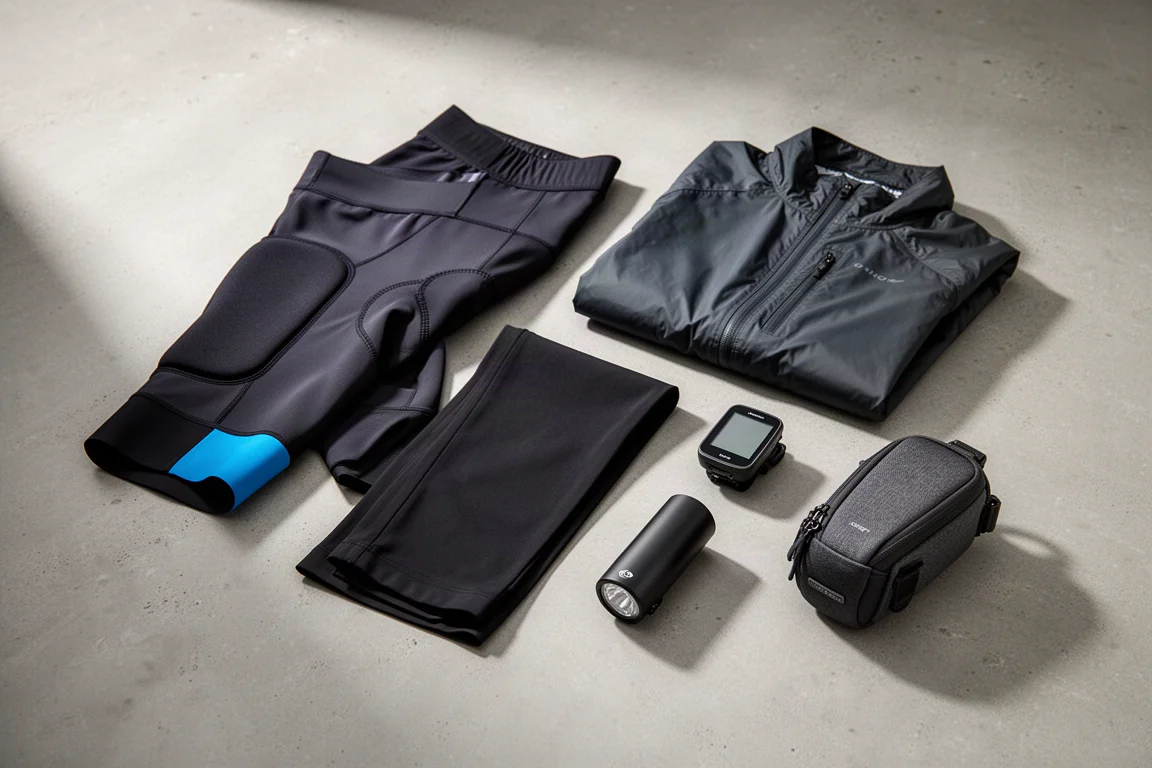
This roundup covers the items that have earned their place after roughly 1,000 miles of riding: padded shorts and cold-weather legwear, windproof and insulating layers, cycling shoes, bone-conduction audio, a navigation computer, a front light, an action camera, and a handlebar bag. Each entry explains what the item does well, where it falls short, and who it suits.
The goal is simple. If you are a hiker or a casual rider thinking about your first multi-day trip, this is a realistic picture of what works and what you can safely skip.
How This Kit Was Chosen
Three criteria shaped every choice. The first is cost: where a budget brand does the job, it wins. The second is ethics, and several of the items here carry bluesign certification, which reflects a more responsible approach to textile production. The third is comfort over appearance, which is why a plain bright t-shirt and a hiking jacket appear in a cycling kit list.
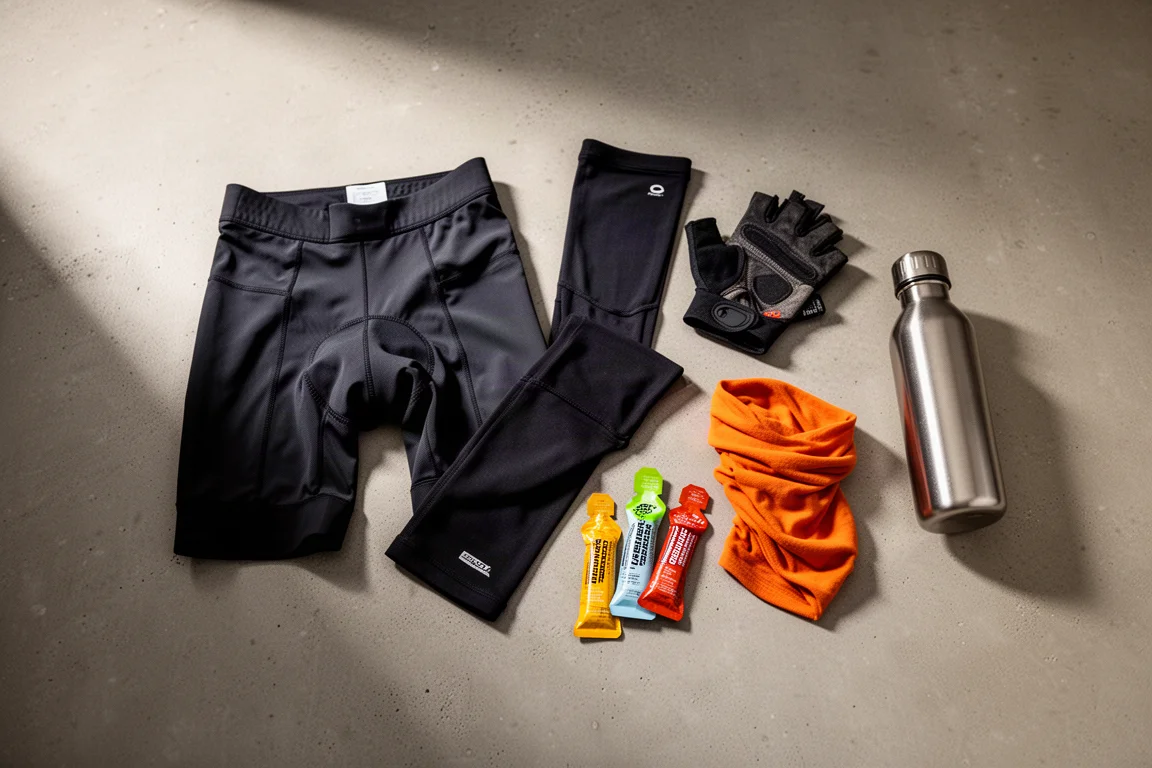
Second-hand buying plays a role too. Padded shorts and full-length cycling trousers are among the easiest items to find used, and paying less than half price for a lightly used pair is a sensible way to build a rotation without spending much. Whatever the source, the test is the same: does it survive day after day in the saddle?
One practical note on layering. Leg warmers are a lightweight way to turn a pair of shorts into full-length legwear when the temperature drops, and they take up almost no space when they are not needed.
dhb Aeron Cycling Shorts: A Budget Base Layer
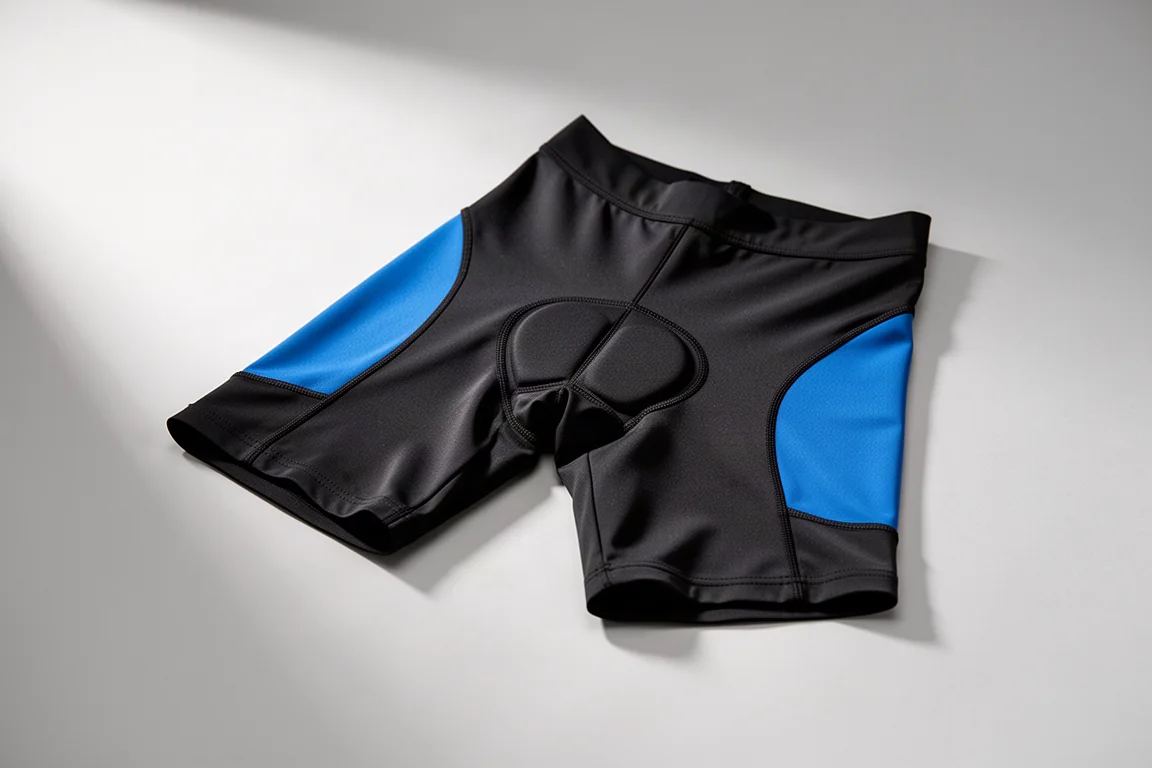
The dhb Aeron shorts are the everyday choice, and they are the sort of item that makes budget kit credible. The brand sits at the affordable end of the market, offers bluesign certified options across its range, and the shorts themselves are comfortable enough to wear day after day. A small blue accent panel on the leg adds a touch of visibility without turning you into a billboard.
Two pairs are in rotation. Cycling shorts are worn without underwear, so swapping and washing daily is the simplest way to stay hygienic on a long trip. A light antibacterial cream applied once or twice a day also helps on high-mileage days, and it does not need to be a specialist product.
If you are new to padded shorts, expect some trial and error. Cheap high-street padded shorts can fray around the groin and lose their pad within about 100 miles, and three-quarter padded trousers quickly feel inadequate as distances grow. Bib-style designs are worth considering because they stay in place instead of rolling down at the back.
dhb Aeron Cycling Trousers: Cold-Weather Legwear
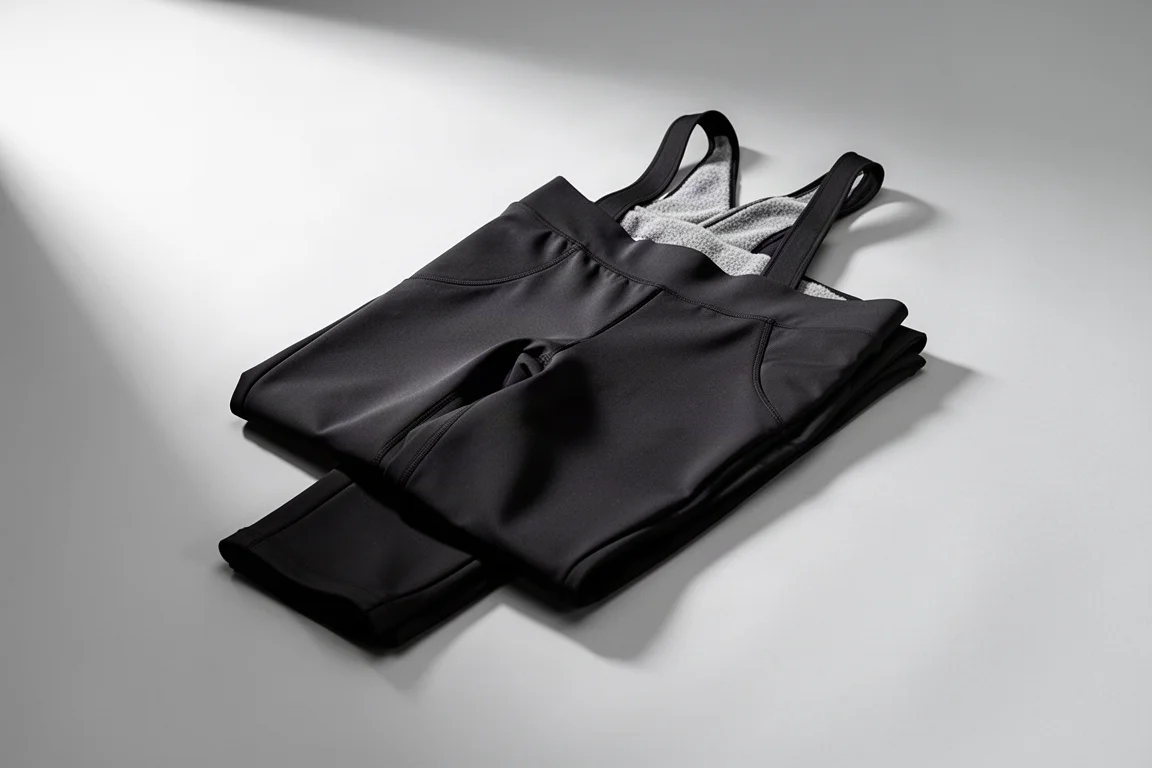
As autumn arrives, shorts stop being enough. The dhb Aeron trousers are the thicker, full-length option from the same range, with a soft brushed lining that feels snug against the skin and plenty of stretch through the strap so they stay comfortable over long hours.
They are warm. On a mild day they will likely be too warm, which makes them a good choice for genuinely cold mornings and evenings rather than a general-purpose layer. If you already own shorts from the same brand, the fit should feel familiar.
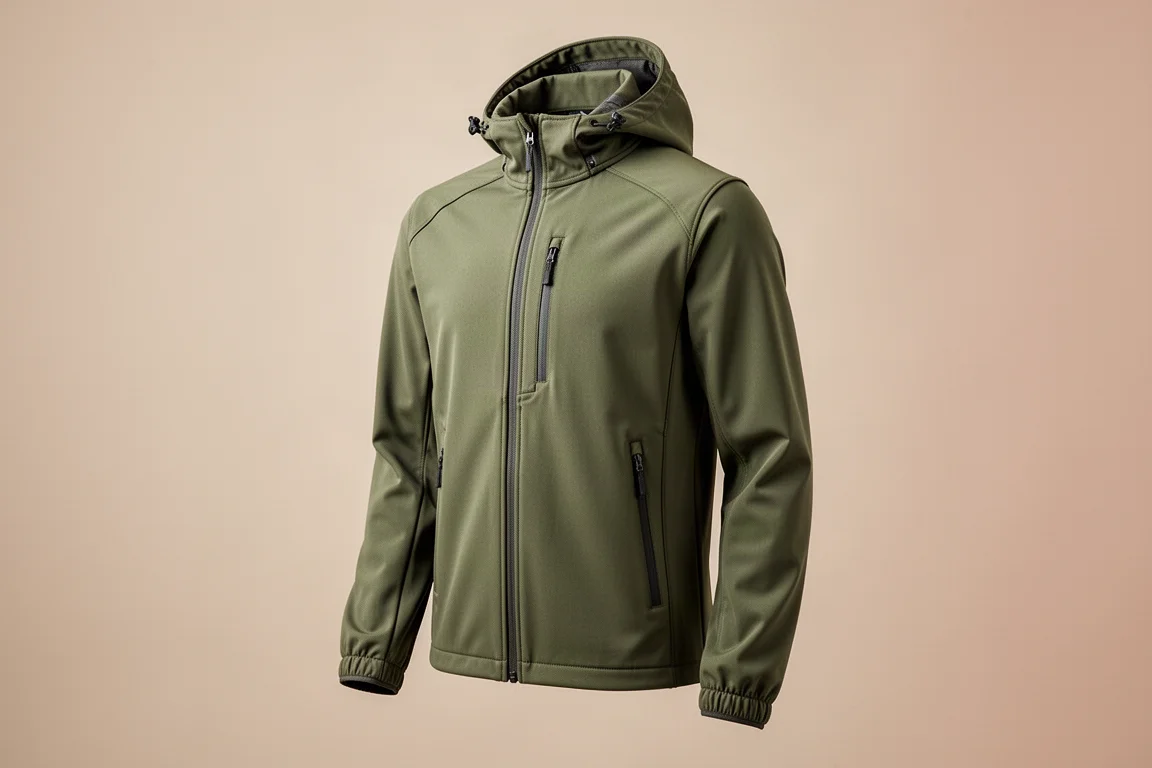
Rab Borealis Jacket: A Windproof Shell That Covers the Back
The Rab Borealis is a hiking jacket used as a cycling jacket, and it works. It is windproof, which matters more than insulation when you are moving, and it has two zipped front pockets, elasticated cuffs, and a hem that drops low enough to cover the lower back in a riding position.
The hood fits over a helmet and the collar comes up to the chin, so there are no gaps for cold air to find. Cycling jerseys put pockets on the back for a reason, but if you ride with a back support or a hip belt, rear pockets are impossible to reach anyway, and front pockets become the more useful design.
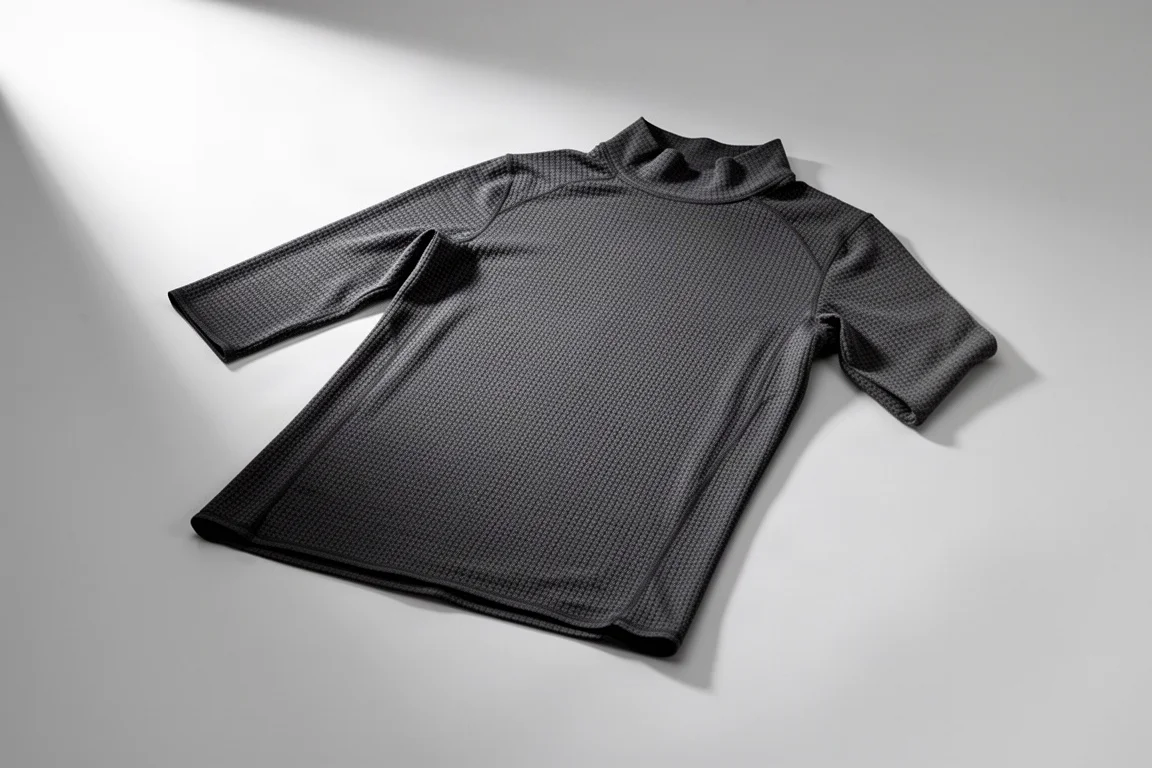
Mountain Equipment Lumano Jumper: Lightweight Insulation
When the temperature drops further, the Mountain Equipment Lumano jumper adds warmth without bulk. It is lightweight, close-fitting, and thermal, made primarily from polyester and bluesign certified. It layers neatly under a shell and is warm enough to wear on its own in the evening once the riding stops.
The close cut is the point. A mid-layer that hugs the body traps warmth efficiently and does not bunch under a jacket, and the low weight means it earns its place in a pack even on trips where it is only used occasionally.
Think of it as the layer you add before you reach for something heavier. It handles cold starts, long descents, and cool evenings without taking up much space.
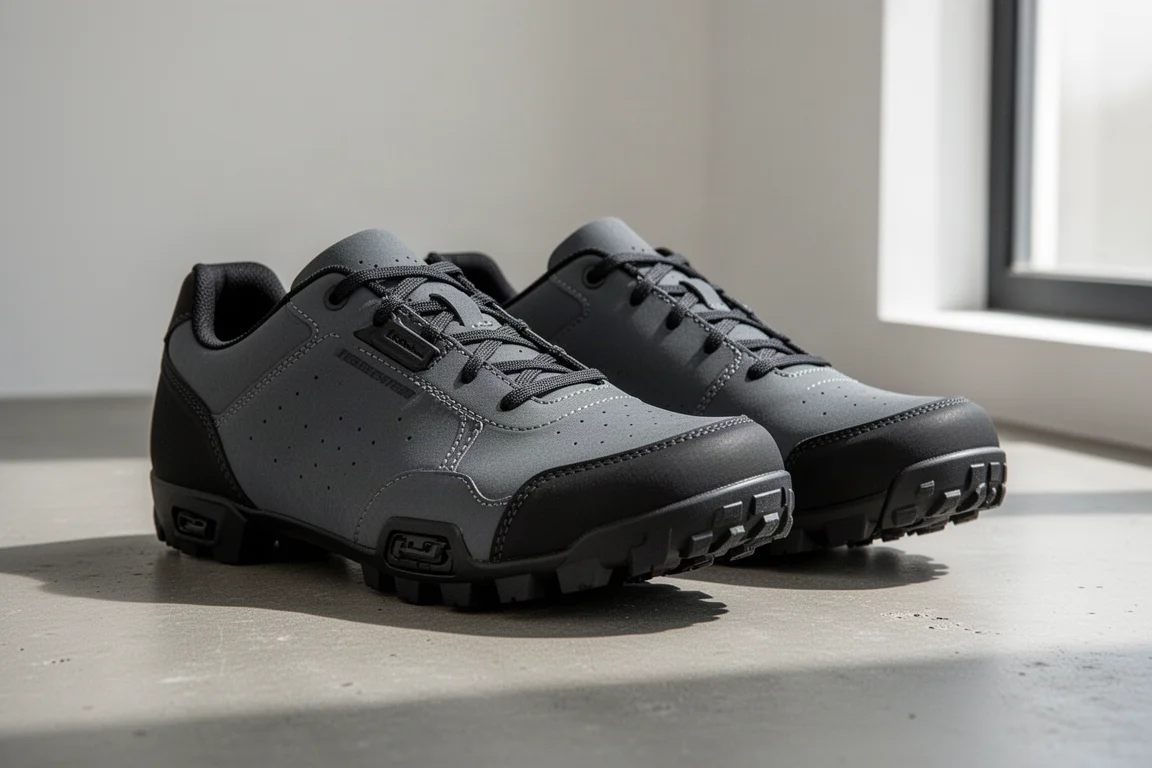
Shimano MT3 Cycling Shoes: Clip-In Without the Race Look
The Shimano MT3 is a mountain-bike style shoe with a recessed cleat, which makes it walkable as well as rideable. When a bike is set up properly, clipping in supports posture and improves pedalling efficiency, because you can pull through the pedal as well as push down on it.
There is a caveat. These shoes aggravated plantar fasciitis for one rider, and most of the first 1,000 miles were ridden in ordinary trainers instead. That is worth knowing before you commit. If you have foot or arch issues, test clip-in shoes carefully, and do not assume that a stiffer, more efficient shoe will be the more comfortable one.
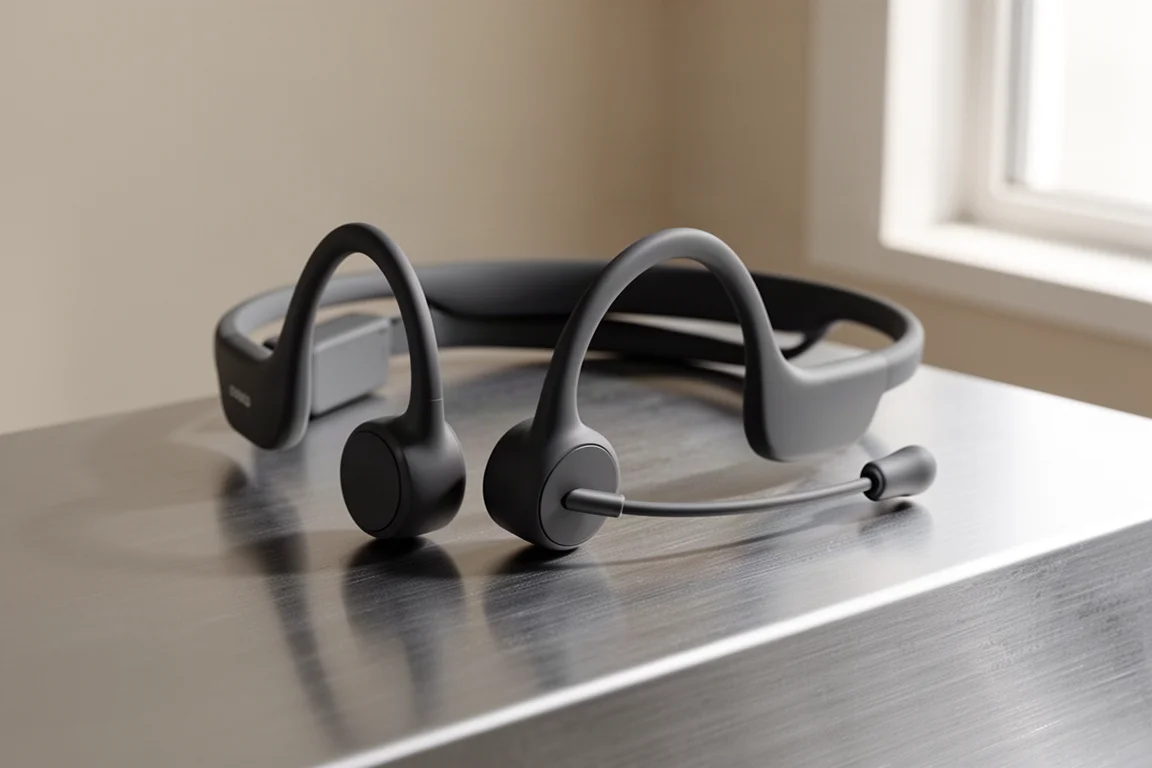
AfterShokz OpenComm Earphones: Bone Conduction Audio on the Bike
The OpenComm is a bone-conduction headset. The transducers sit outside the ear and pass sound through the small bones around it, which leaves the ear canal open and keeps you more aware of traffic than in-ear headphones would. A boom microphone sits in front of the mouth for calls, and the headset pairs over Bluetooth.
Battery life is a strong point. The claimed figure is eight to ten hours, and six hours of near-continuous use leaves plenty in reserve. They are light and comfortable once your head adjusts to the slight pressure around the ear, and a helmet or hood keeps them protected from rain.
Two limitations are worth stating plainly. They are not designed for cycling, and one outing in heavy rain caused glitchy behaviour before they recovered. Maximum volume is also modest, and wind noise at speed can overwhelm quiet audio.
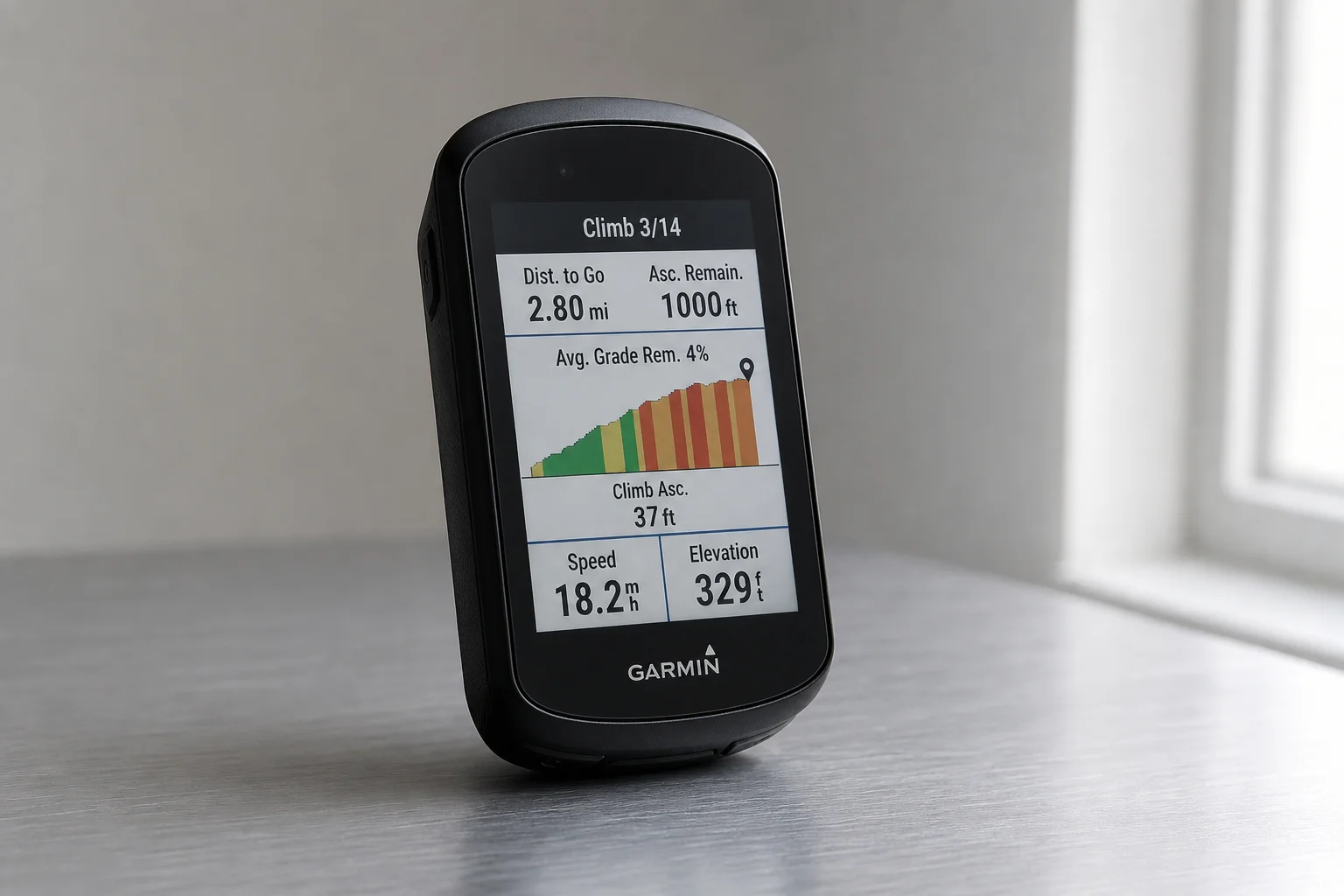
Garmin Edge 830: Navigation and Live Tracking
The Edge 830 is the navigation computer that has guided roughly half of a 2,000-mile route. Its most valuable feature on a supported trip is live tracking: a support driver, family, and friends can follow both your current position and the planned route you are following, which makes it easy to see where you are and whether something has gone wrong.
Battery life has been excellent, helped by a simple habit of pausing and sleeping the unit whenever you stop. Routing is mostly reliable but not perfect, with occasional dead ends, unwanted paths, and stretches of busy road. If you ride long distances, learning to check and adjust a route on the device is part of the deal.
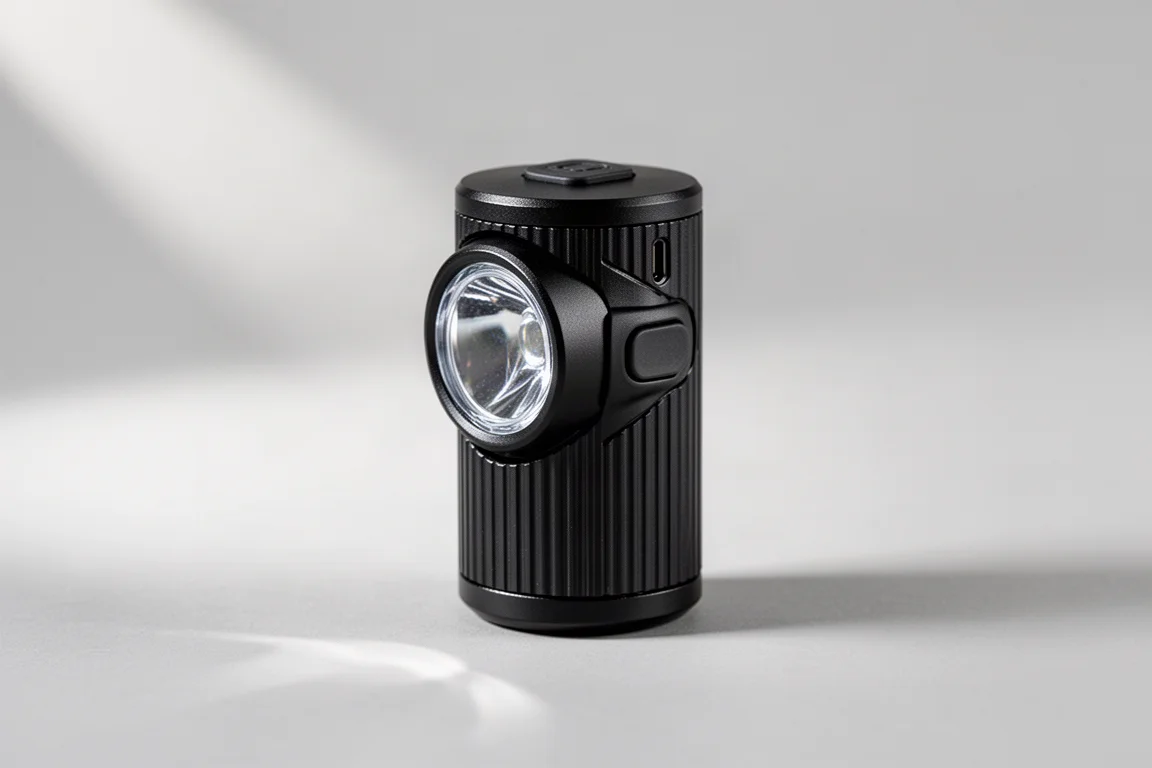
CatEye AMP 800: A Bright Front Light for Shorter Days
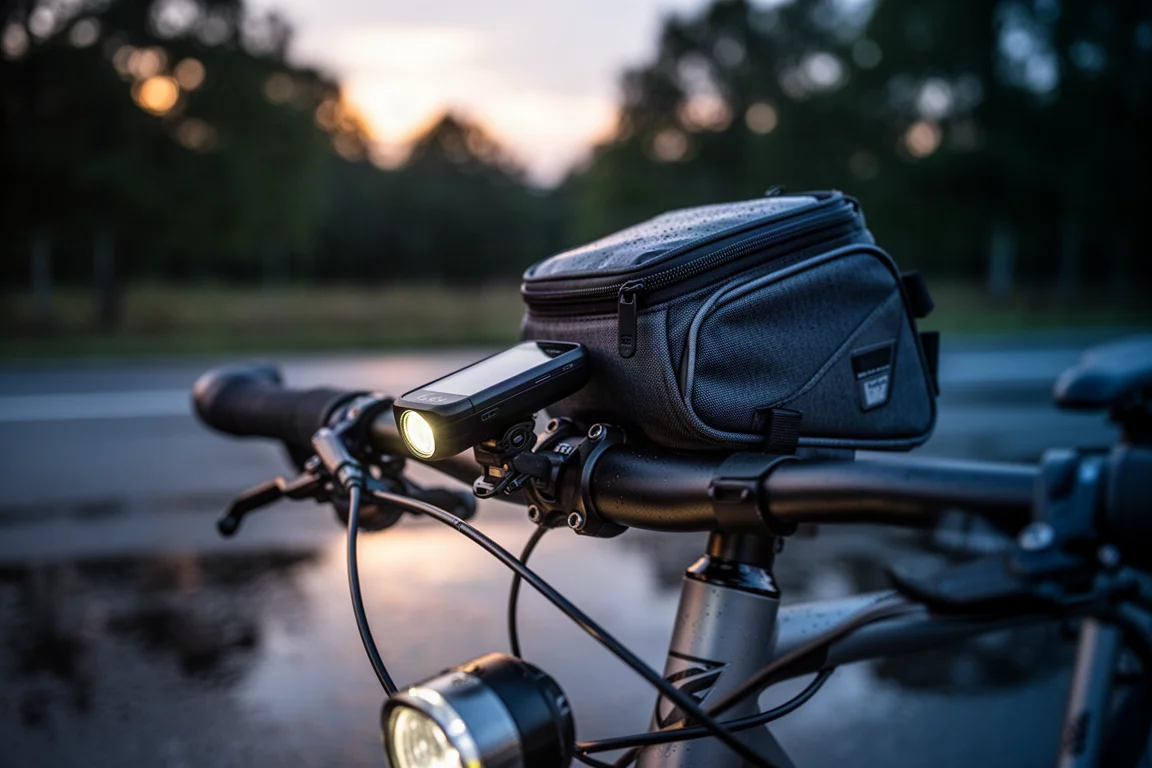
The AMP 800 is a rechargeable front light with plenty of output, and it is the primary light for autumn and winter riding when daylight runs short. Battery life is long enough for a full day on lower settings, and everything in this kit is rechargeable rather than disposable.
It is not the lightest option, and despite a waterproof rating, one proper downpour caused it to glitch and overheat before it settled back to normal. A second, lower-output light travels as a spare, which is a sensible habit if you ride after dark. A steady beam is the better default on shared roads.
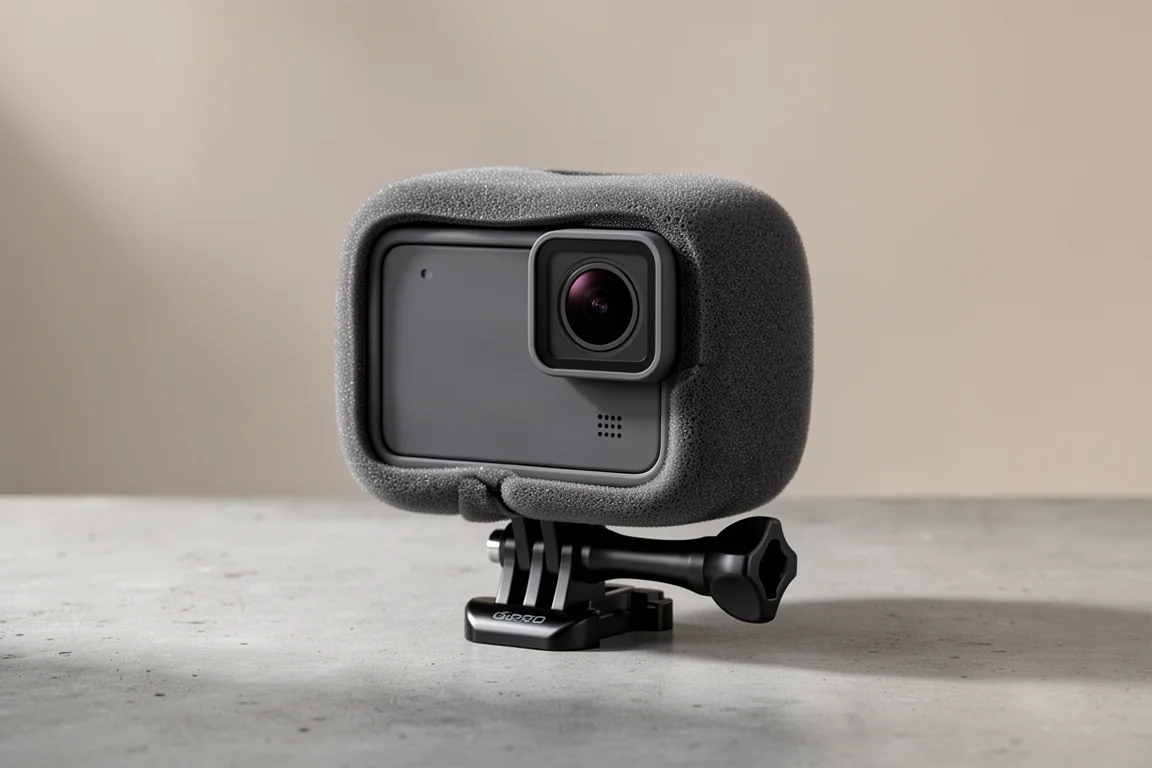
GoPro Hero 8: Documenting the Ride
The Hero 8 is a compact action camera used to film the ride itself, mounted on the handlebars and fitted with a foam wind muff to reduce wind noise in the recorded audio. It is small enough to leave on the bike and simple enough to operate one-handed while stopped.
For anyone documenting a long trip, the practical value is in the mounting rather than the camera. A stable mount that survives vibration, rain, and daily use matters more than any single specification, and this setup has held up over months on the road.
Rockbros Cross Handlebar Bag: Everyday On-Bike Storage
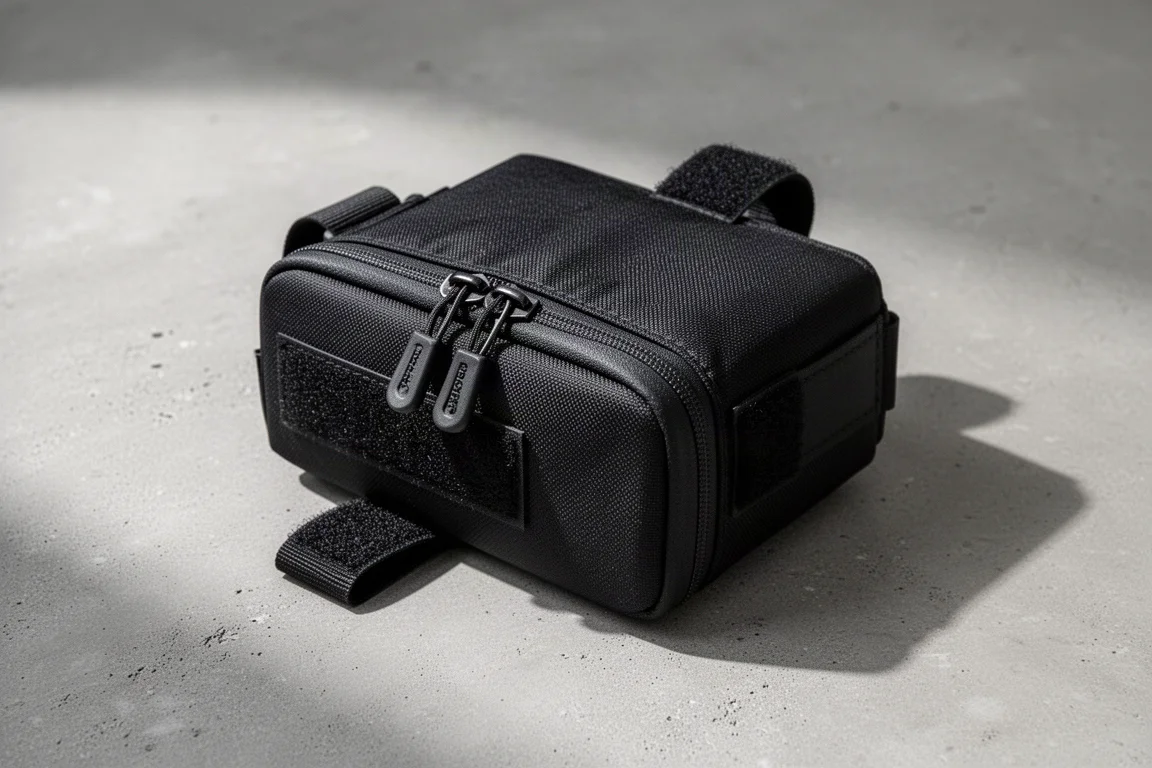
The Rockbros cross handlebar bag is the item that gets opened most often. It holds gels, a buff, lip balm, and a phone, all within reach without stopping. It was chosen specifically because it does not protrude sideways, so it never catches a knee on the pedal stroke.
The waterproof claim is optimistic. Rain gets in, and the zip can be fiddly, though keeping the bag partly open when the weather is dry makes the phone easy to grab and return. For the price, it does the job it was bought for.
Practical Tips for Long-Distance Rides
A few habits matter as much as the kit. Rotate two or three pairs of shorts and wash them daily. Use a light antibacterial cream. Keep bright clothing in the mix, because being seen from behind is the priority when traffic approaches from that direction, and a high-visibility cover for your luggage helps in mist and low light.
Hydration is worth planning rather than guessing. A working rule of one bottle per hour at an average of 10 to 12 miles per hour gives you a simple way to calculate how much water to carry on days without a resupply stop. Keep a spare light, keep everything charged, and pause your computer whenever you stop so the day’s distance stays in one piece.
A back support is another item that quietly earns its place. A lifting belt worn under a jacket helps with lower-back pain on long days, and it also explains why rear jersey pockets are useless for some riders.
Overall Buying Advice
Start with contact points. Shorts, shoes, gloves, and a saddle are where comfort is won or lost, and they are worth more attention than any accessory. Budget brands with ethical certifications can cover these well, and second-hand clothing is a legitimate route to a bigger rotation for less money.
Then think about safety and navigation. A reliable front light, a rear light, and a navigation computer with live tracking change what is possible on a long route, especially as the seasons shift and daylight shortens. Rechargeable everything avoids disposable battery waste and keeps the kit simple.
Finally, resist buying a full kit list at once. Most of the items here were added as a specific problem appeared, whether that was cold legs, a dead light, or nowhere to put a phone. Buying to solve a real problem is how a kit ends up being used rather than stored.
Conclusion
Long-distance cycling does not require premium gear. A budget brand for shorts and trousers, a hiking shell and mid-layer for weather, walkable cycling shoes, a navigation computer with live tracking, a bright front light, and a simple handlebar bag cover almost everything a multi-day ride asks for. The rest is habit: rotate and wash your kit, carry more water than you think you need, and keep your lights charged.
Further reading
Related Reviews
Cycling Gear
8 Cycling Products Riders Keep Coming Back To
Eight cycling components and accessories with clear strengths, honest trade-offs and long-standing reputations among riders and mechanics.
Cycling Gear
Aero Helmets and Bottle Setups Tested: Six Options Ranked by Measured Watt Savings
Wind tunnel data on six aero helmets and bottle setups, with real watt savings, practical trade-offs, and guidance on what is worth buying first.
Cycling Gear
Aero Road Bikes and Fast Tires Worth Watching in 2026
Four aero road bikes and one fast road tire, with the real strengths, the open questions, and what to check before you buy.