Stationery
Log Stationery Logwood #Pencil Review: A Minimalist Wooden Mechanical Pencil
A slim wooden mechanical pencil from a South Korean brand, built around a familiar and proven internal mechanism. Here is what works, what does not, and how it compares to the IWI Fusion Color Wood.
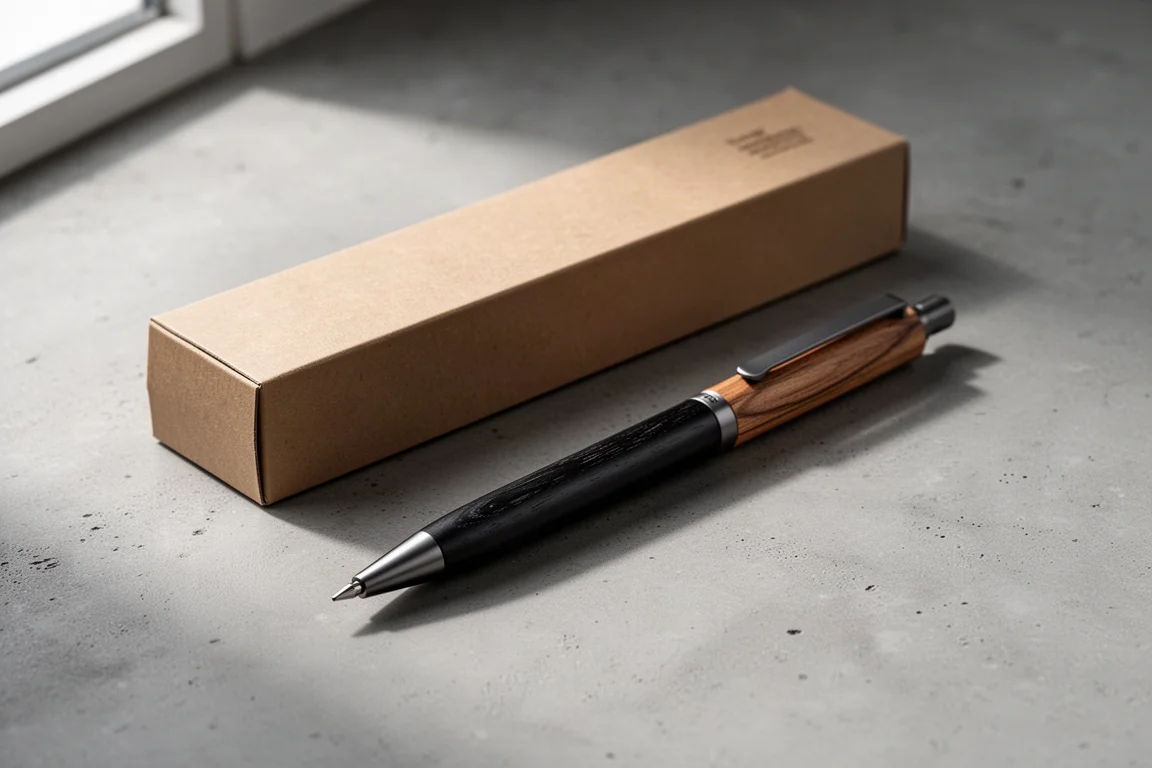
Introduction
Log Stationery is a stationery brand developed by Nabiv Design Studio in South Korea, focused on minimalist design and quality materials. In Japan it is distributed by the importer Interact, and the brand has only recently started appearing on shelves there.
One of its standout releases is the Logwood #Pencil, a wooden mechanical pencil released in March 2026 at 4,400 yen including tax. At first glance it might look like an unusually expensive wooden pencil, but the real story is in the construction. It is available on sites like Amazon, though physical store availability is still limited. This review covers the black ebony model in detail, plus how it stacks up against the IWI Fusion Color Wood, a similarly priced wooden pencil from the same importer.
Design and Build Quality
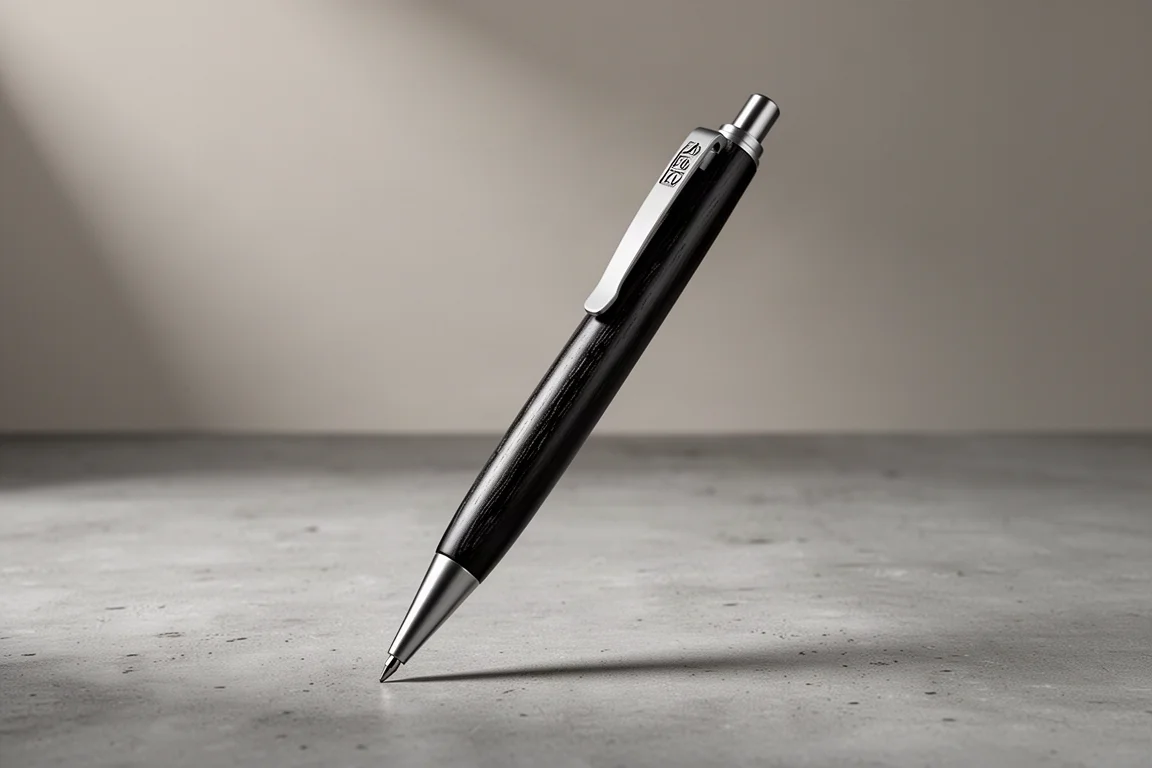
The overall design is deliberately simple. The barrel is cylindrical and tapers toward the tip, giving the pencil a slender, elegant profile. It comes in two colors, black and brown, and the wood species differs between them: the brown model uses beech, while the black model uses ebony. With the ebony version, the appeal is less about visible wood grain and more about texture and how the material ages over time. The surface is smooth and glossy, which also helps with grip.
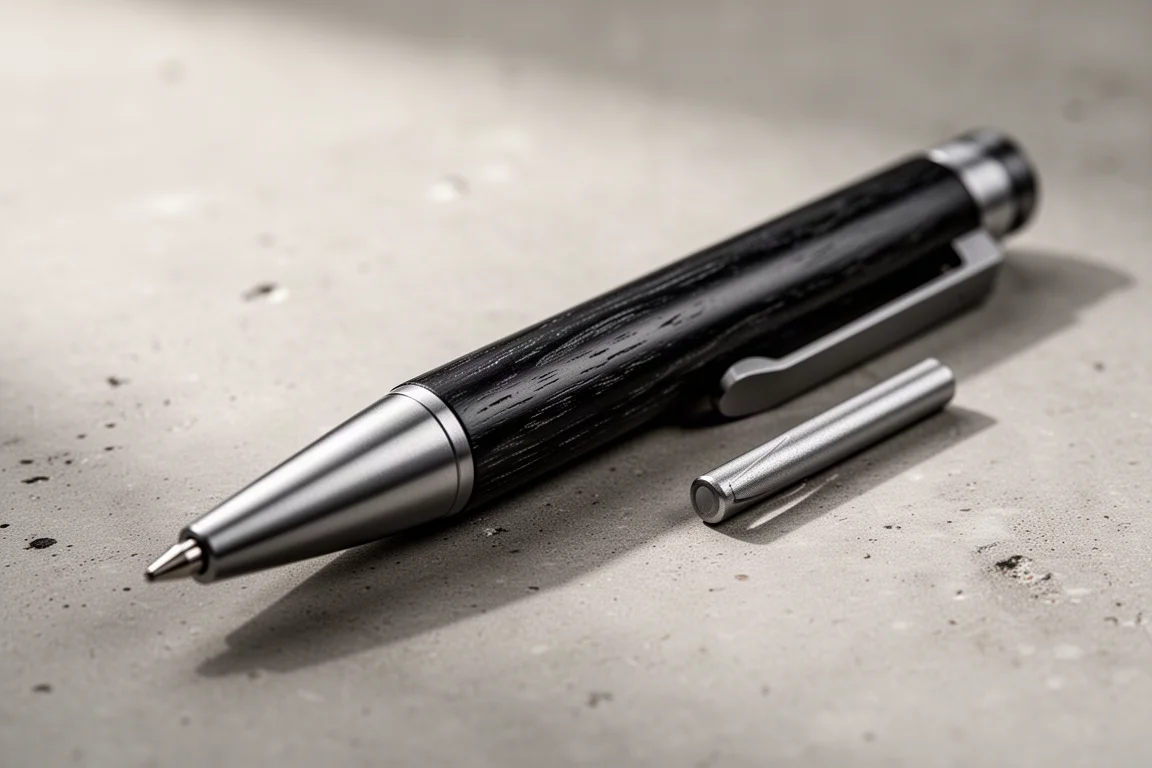
Near the grip the barrel measures about 9mm, so this is a genuinely slim pencil. Writers who prefer a thicker barrel may find it too narrow. The clip is fairly long with a curved side profile and a slightly raised brand logo, likely laser-etched, on an aluminum body. It rotates rather than being fixed in place, and it can be removed easily if it gets in the way while writing. The tip of the clip is neatly folded and rounded, so there is little risk of it scratching the wooden barrel.
The nose cone is metal, quite long and slender, with a 4mm guide pipe that gives excellent visibility of the pen tip. The tip is retractable, which protects the fragile guide pipe and makes the pencil safe to carry around, and despite being retractable there is no wobble at the tip.
Internal Construction
This is where the Logwood gets interesting. The lead reservoir is plastic and the clutch is metal, of a small type. Unusually, the nose cone and body are not screwed together; instead, the nose cone screws directly onto the clutch, holding everything in place. Most pencils join the nose cone and body, so this is a distinctive assembly.
The internal mechanism is the same as Pentel’s P20 series, which suggests a solid foundation for the writing experience. The knock feel is crisp, snappy, and satisfying. An eraser is included, but there is no cleaning pin in the box. The center of gravity sits high in the barrel.
Writing Experience
In use, the Logwood writes comfortably. The grip does not feel slippery, there is no rattling in the knock cap, and the overall feel is solid. Because the tip is long, the balance works out well even with the high center of gravity, and the slender nose cone makes it easy to see what you are writing.
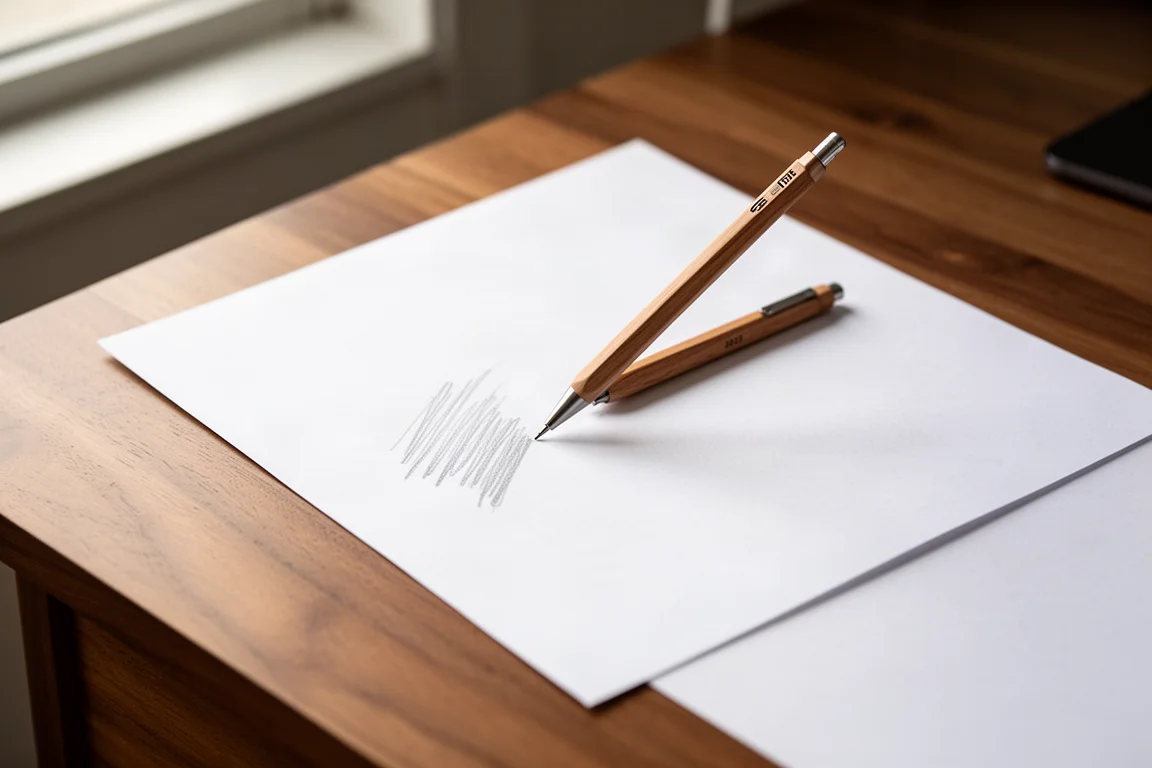
Testing across different lead grades confirmed the pencil’s flexibility. The wood barrel is long and unsplit, and the pencil is lightweight for a wooden-bodied model, which makes it less tiring over long writing sessions.
Points to Consider Before Buying
The writing feel is idiosyncratic. The experience itself is not bad and there is no wobble in the knock cap, but because the tip is long, finding a consistent grip takes effort. Holding the bottom of the wood feels a bit far from the paper, while holding near the step feels close. It is a pencil that requires some getting used to.
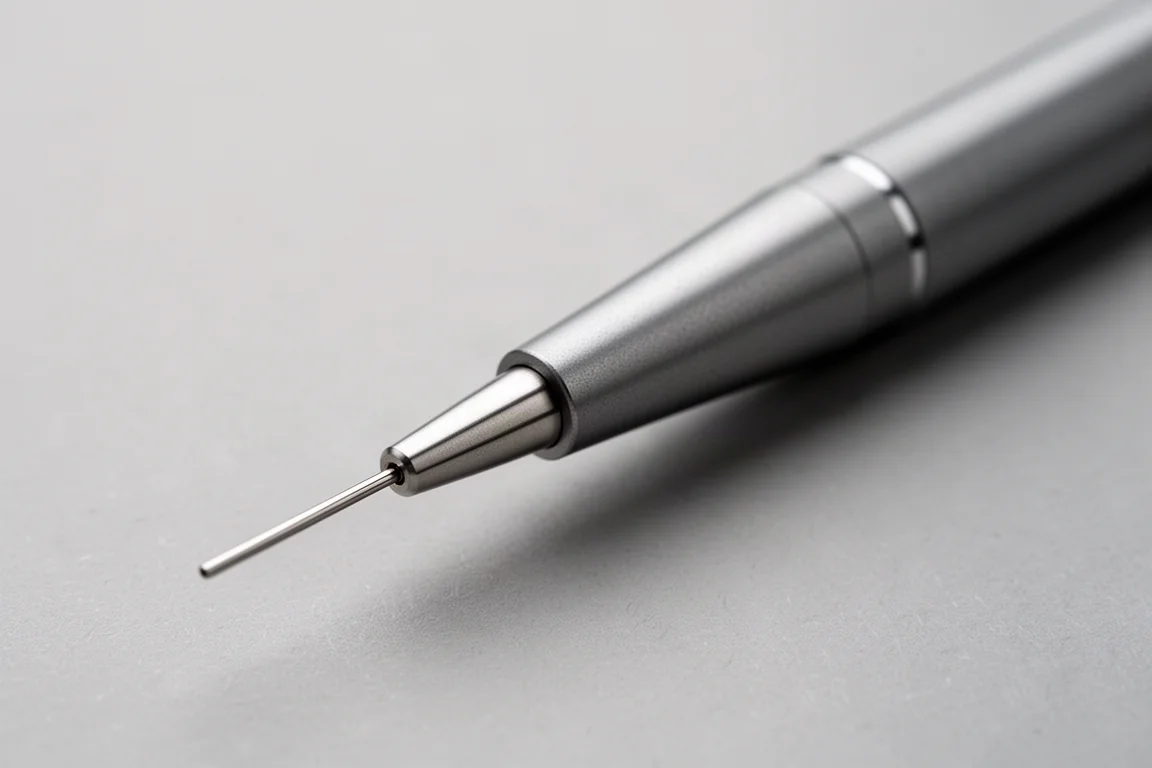
There is also a slight tip wobble. This is not caused by the retractable mechanism but by the precision of the tip’s manufacturing, and a faint sense of lead movement while writing was noticeable. Swapping in a high-precision tip from the P20 series was attempted, and while the threads fit, the barrel shape did not match, so the replacement was not possible. That aside, the concerns are limited.
How It Compares: IWI Fusion Color Wood
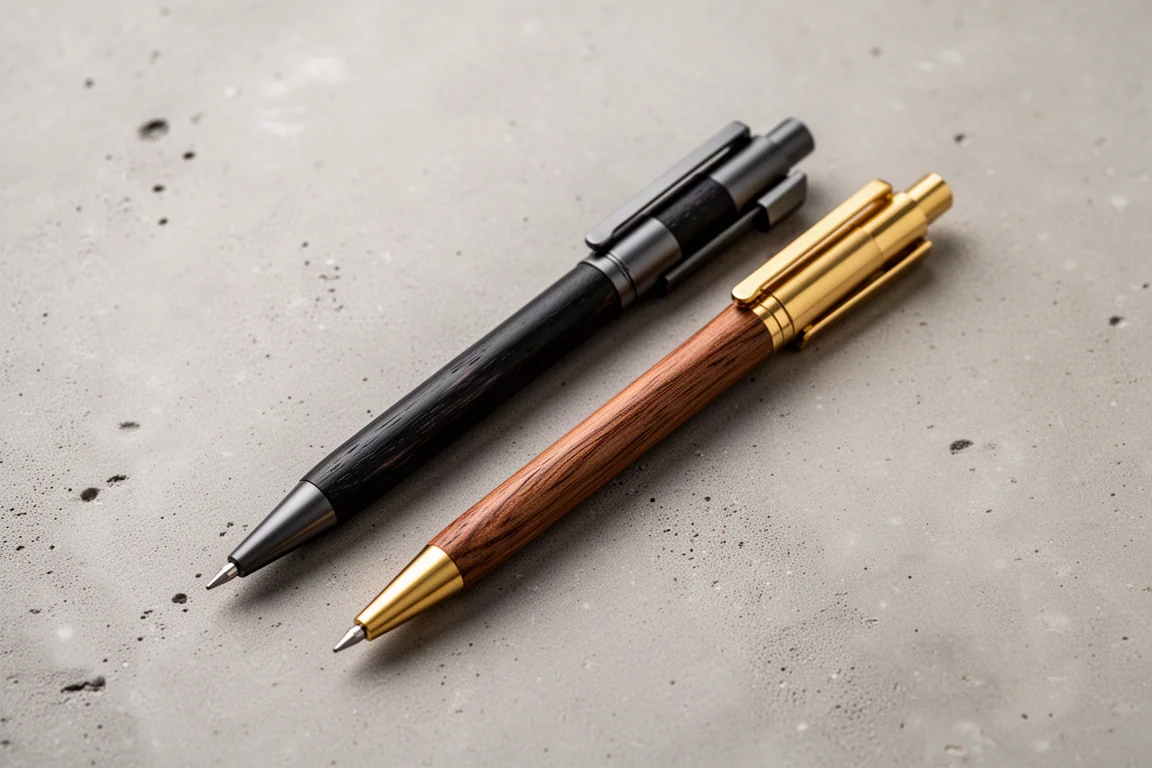
At 4,400 yen including tax, there is one obvious rival: the IWI Fusion Color Wood. Although the brands are different, both are distributed in Japan by the same company, Interact, and both are wooden pencils at the same price.
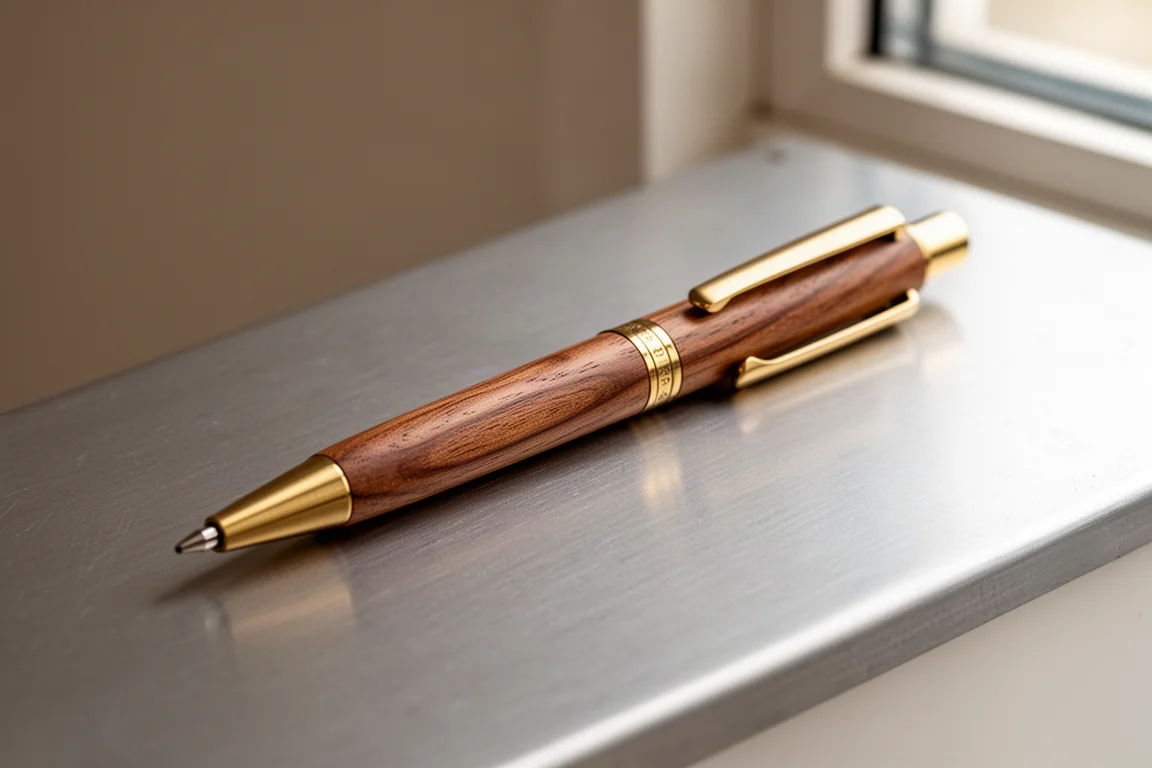
They look similar at a glance but are opposites in character. The Fusion is flashy, uses brass fittings, and has a stylish, softer writing feel, which is the opposite of the higher-rigidity Logwood. Note that an earlier Fusion model may differ from the current version, so the writing experience can vary between runs.
Buying Advice
Choose the Logwood if you want a simple, understated pencil with higher rigidity and a crisp knock, and you do not mind a slim barrel and an adjustment period for grip. Choose the Fusion if you prefer a stylish look and a softer writing feel. Both sit at the same 4,400 yen price point, so the decision comes down to writing character rather than cost.
For a mechanical pencil whose main drawbacks are a slight tip wobble and an unusual grip, the proven P20-series internal mechanism, retractable tip, and genuinely attractive wood construction make the Logwood a worthwhile pick for anyone who enjoys discovering stationery that is not yet widely known.
Conclusion
The Log Stationery Logwood #Pencil is a well-built, minimalist wooden mechanical pencil with a satisfying knock, excellent tip visibility, and a distinctive internal structure borrowed from a proven platform. Its quirks, mainly the idiosyncratic grip and minor tip wobble, are worth knowing before buying, but they do not undo what makes it appealing. If a slim, high-rigidity wooden pencil sounds like your kind of tool, it deserves a place on your desk.
Further reading
Related Reviews
Stationery
Musgrave Pencils Review: Four Classic Pencils from Tennessee's Last Pencil Factory
We put four Musgrave pencils to paper, from the classic Harvest to the Unigraph 1200 drawing pencil, to see what a century-old Tennessee workshop can still do.
Stationery
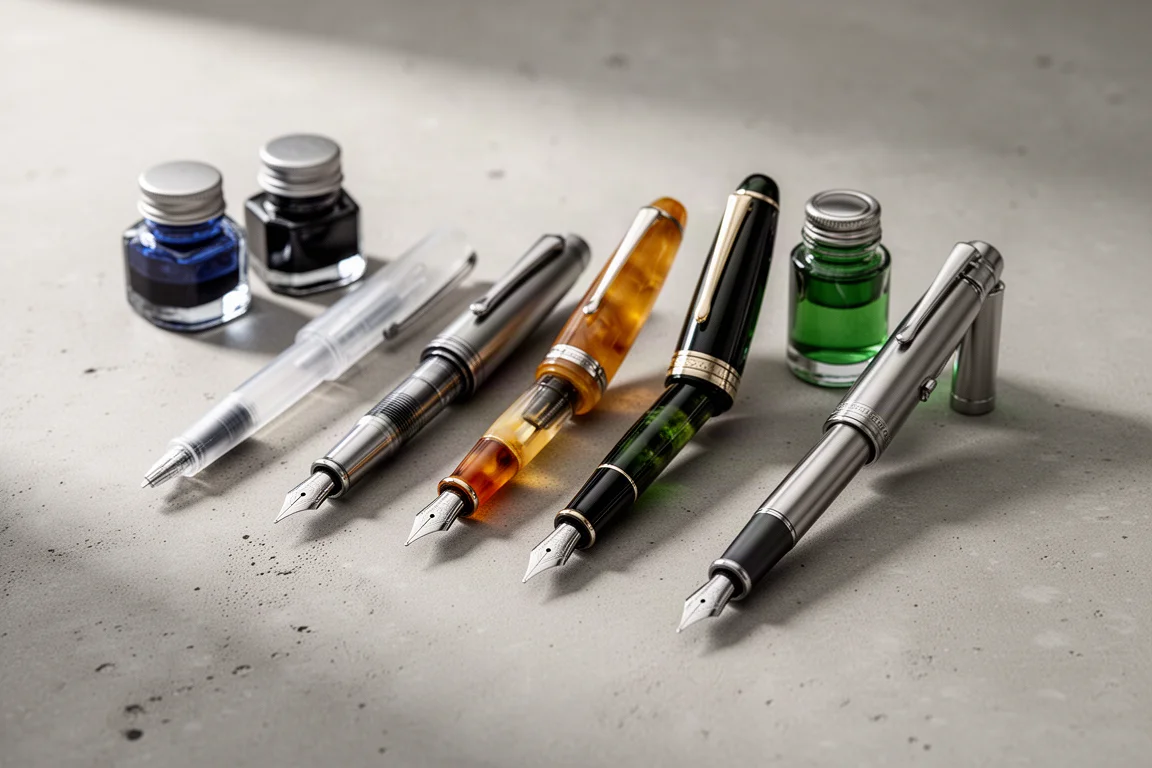
Fountain Pen Tiers Explained: From Starter Pens to Luxury Grails
A practical overview of the different levels of fountain pens and inks, from a sub-$20 starter setup to Italian piston fillers and retractable gold-nib everyday carries.
Stationery
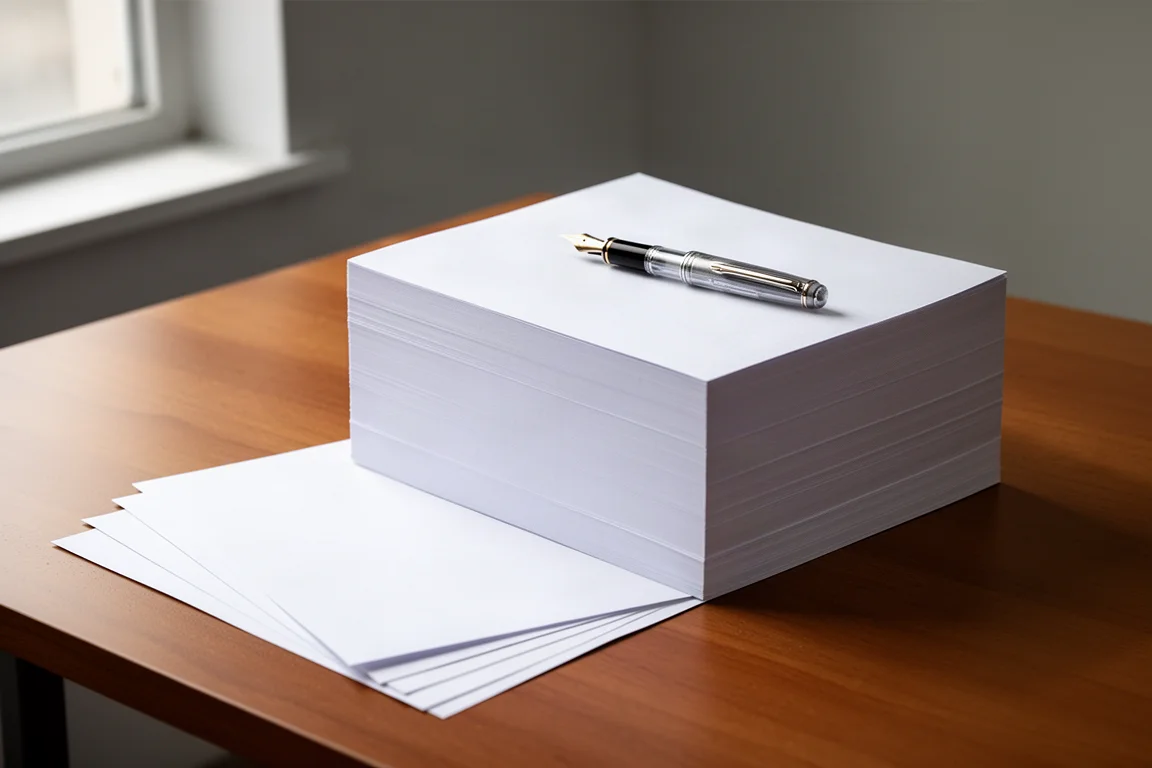
HP Premium 32 lb Copy Paper Review: A Fountain Pen Friendly Everyday Printer Paper
A heavy, smooth 120 GSM copy paper that handles fountain pens far better than standard printer stock, with only minor trade-offs in shading and sheen.