Winter Sports Gear
Line Chronic 94 and 101 Review: Two Park-Focused Twin Tips Compared
Line replaced its Chronic 95 with two 2024 twin tips. Here is how the Chronic 94 and Chronic 101 differ, what they share, and how to pick between them.
Introduction
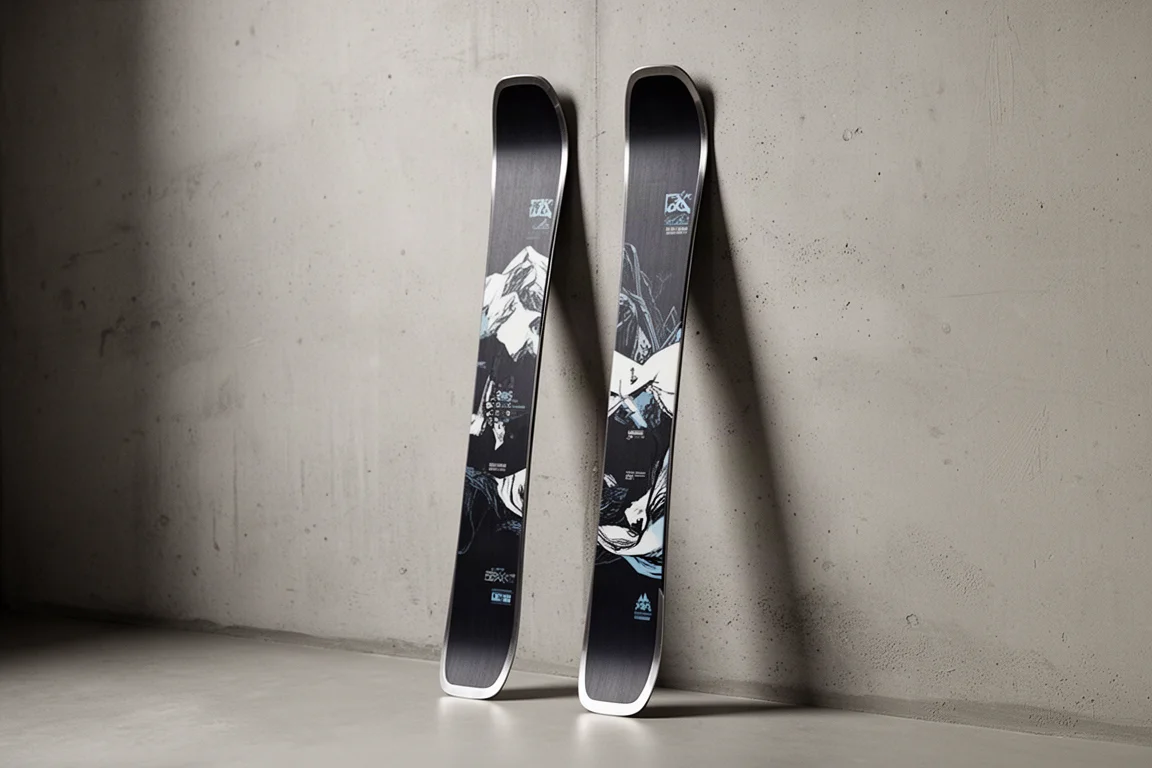
Line has built its name around twin tips, and the 2024 Chronic collection shows how much attention the category is getting. Rather than one ski, the outgoing Chronic 95 has been replaced by two: the Chronic 94 and the Chronic 101. Both use the same construction and the same flex philosophy, so the real decision comes down to width, rocker balance, and how much of your season happens in the park. This guide covers what the two skis share, where they separate, and how to choose.
Build and Construction: What Both Skis Share
At the core of both skis is an aspen veneer wood core, made from stringers of aspen glued together vertically. That core is the bulk of the ski, and there is relatively little in the way of additives beyond it. Line instead leans on a thick-and-thin approach. The core profile is generous underfoot, where a full sidewall and sandwich construction sit, and it tapers toward the edges into a thinner cap-wall build. A thicker sidewall extends into the core, and the base is pushed further into the body of the ski, which adds stiffness and durability without adding materials.
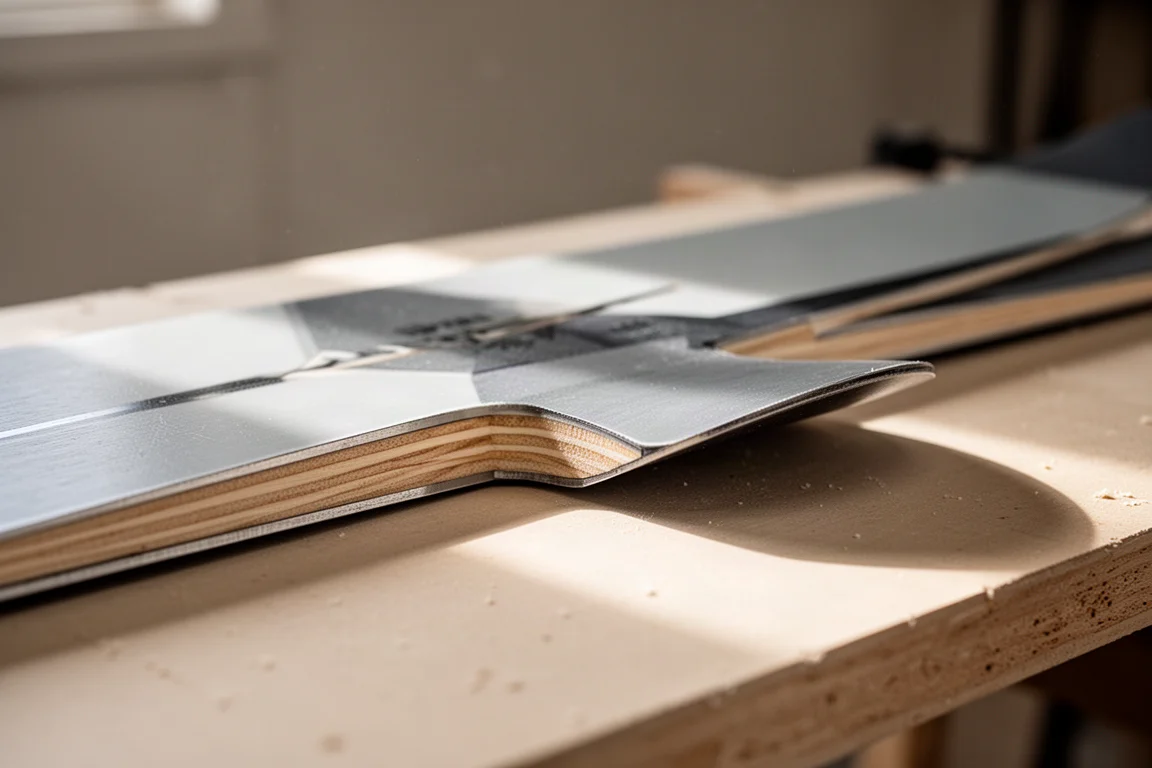
The tips and tails follow the same idea. The core thins toward the ends and stops roughly a centimeter short, leaving fiberglass bonded directly to fiberglass in the very tip and tail. The result is a ski that is firm underfoot and very soft at the extremities. Line also uses a bio resin here, with a claimed 20 percent reduction in carbon footprint for the resin materials. The shapes themselves are a little more symmetrical than the outgoing Chronic, with less difference between tip and tail widths and longer rocker. Tip rocker runs slightly deeper than tail rocker, though the two ends stay fairly balanced.
Line Chronic 94: The Park-First Twin Tip
The Chronic 94 is the narrower of the two and the one aimed most directly at park skiers. Compared with the outgoing Chronic 95, it is a better park ski in essentially every way. It keeps the rail-friendly playfulness of the old shape while adding underfoot stability, and that stability translates into noticeably more confidence on bigger jumps. For riders whose season is built around laps through the park, this is the natural starting point.
Line Chronic 101: The Wider All-Mountain Twin Tip
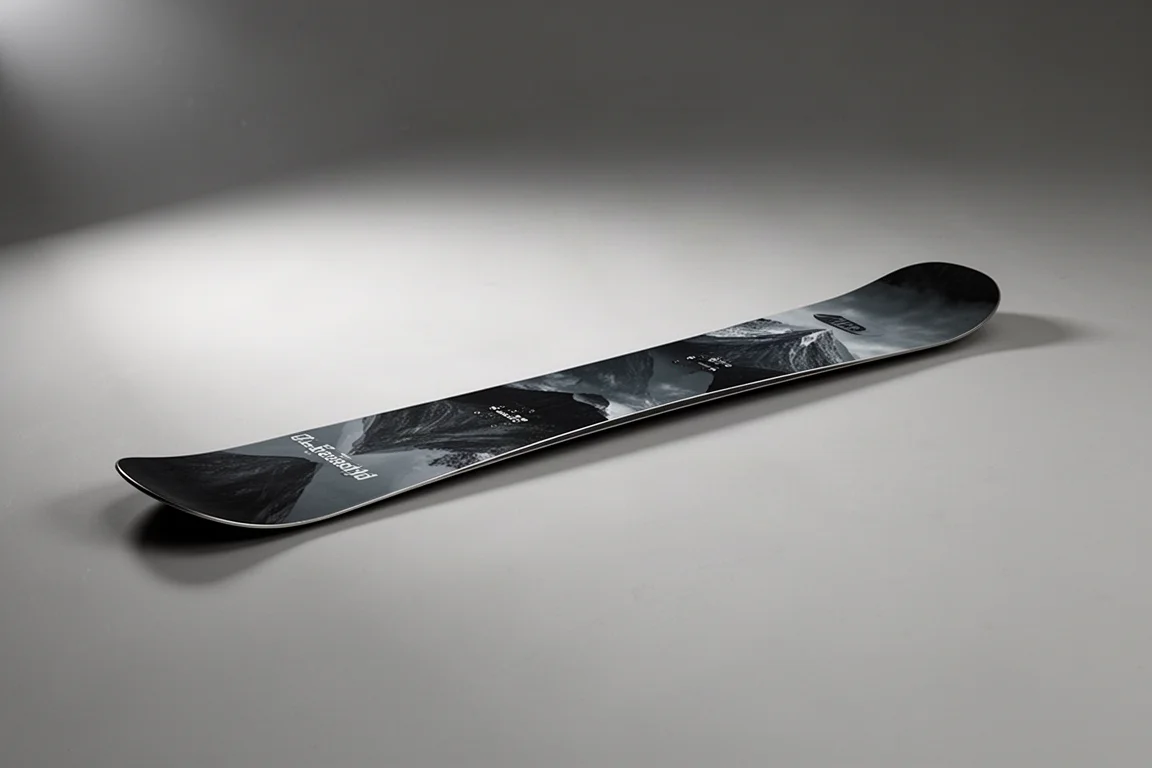
The Chronic 101 shares the construction and flex character of the 94 but adds width, which changes where it makes the most sense. In soft spring snow, in trees, on low-snow powder days, and in moguls, the wider model is a couple of steps ahead of the outgoing Chronic. It also works well as a wider everyday twin tip for riders who already own something narrower and want a second ski with more float.
Groomer and Soft Snow Performance
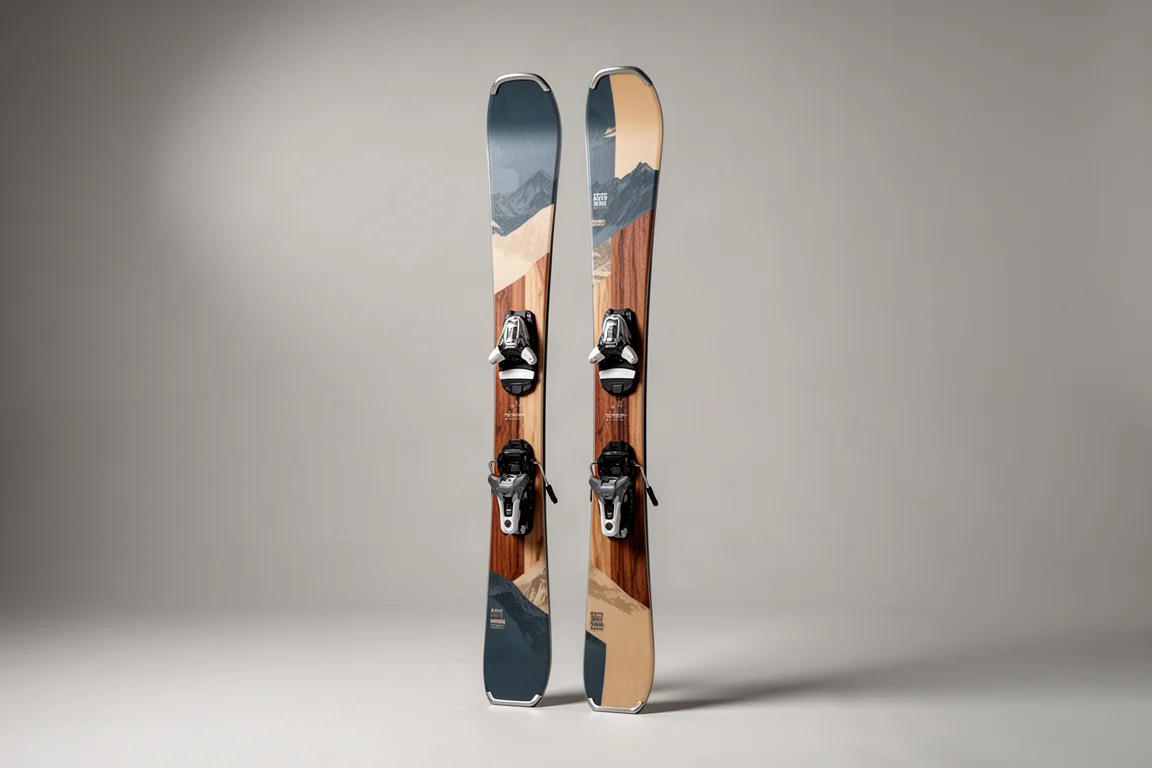
On groomers, both skis are easy and intuitive. The soft tips and tails never fight the rider, turn initiation is simple, and the shape produces rounder, cleaner turns than the outgoing Chronic. They are also rock solid underfoot, which makes them more rewarding at high edge angles than the hand flex of the tip would suggest. These are not forward-pressure skis. They respond best to a more centered stance and to lateral turn initiation.
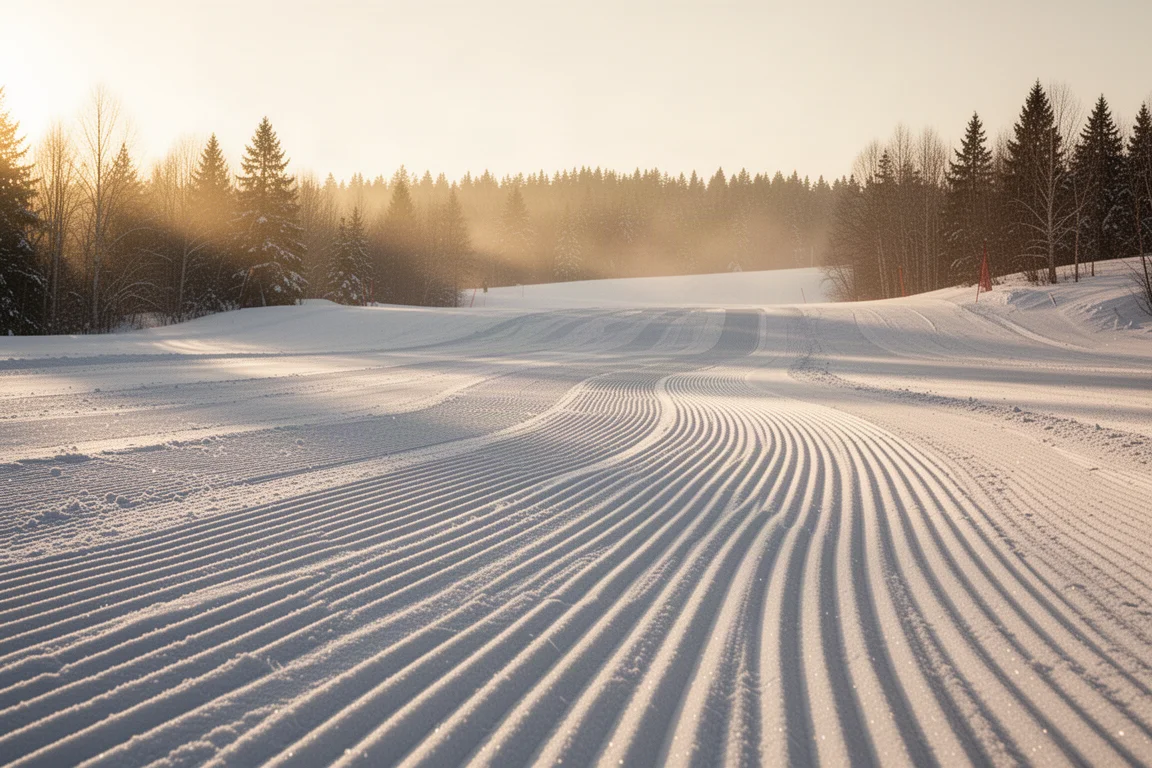
In soft snow, the wider 101 matched warm, soft spring conditions particularly well. In trees, on low-snow powder days, and in moguls, both new skis are a clear step up from the model they replace. On bulletproof ice, riders may notice some movement in the tips and tails, which is the trade-off for such soft extremities.
Park and Mogul Performance
In the park, the Chronic 94 is the stronger of the two. The underfoot stability added for 2024 does not come at the cost of rail playfulness, and it does buy noticeably more performance on bigger jumps. Moguls are a different story. The very soft tips and tails can let the tail feel as though it slips out from under a heavier or more aggressive skier, and the ski suits a smearing, slipping style rather than a hard-charging zipper line. Lighter or developing skiers learning to ski moguls are likely to find it a very forgiving tool, and the soft tail is far less of an issue in trees.
Durability and Long-Term Wear
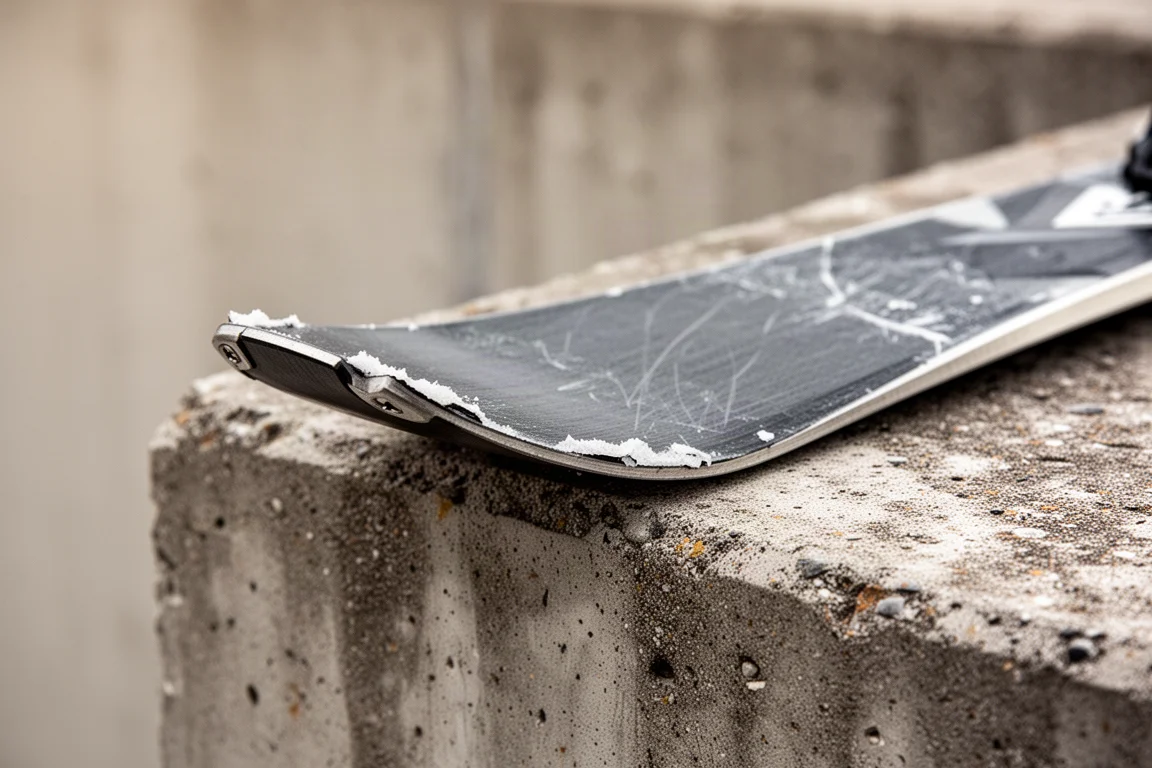
Durability was clearly a focus for this build. Line tests the tip by repeatedly slapping the ski against a hard surface to recreate the delamination that follows a backseat landing, and it drops a chunk of metal onto the edge to simulate rail impact. The edges themselves are a little thicker than most companies use. On a heavily used pair that had been skied many times, the wear was mostly light chipping at the tip rather than delamination.
Sizing, Flex, and Rider Fit
Hand-flexing the tip of either ski gives a misleading impression of how they behave. The tips and tails are extremely soft, but the section underfoot is strong, and that is what riders feel once the ski is up on edge. Longer lengths stay manageable rather than intimidating, so stability can be added through length without ending up on more ski than expected. As a whole the skis are not ultralight, at roughly 2,000 grams per ski in a 179 centimeter length, though the light tips and tails keep swing weight low.
Choosing Between the Chronic 94 and the Chronic 101
The simplest way to choose is by how much of your time is spent in the park. The more park laps in your season, the more the Chronic 94 makes sense. The 101 becomes the better pick in regions that get a lot of snow, or for riders who are not worried about edge-to-edge quickness for tricks such as multiple switch-ups.
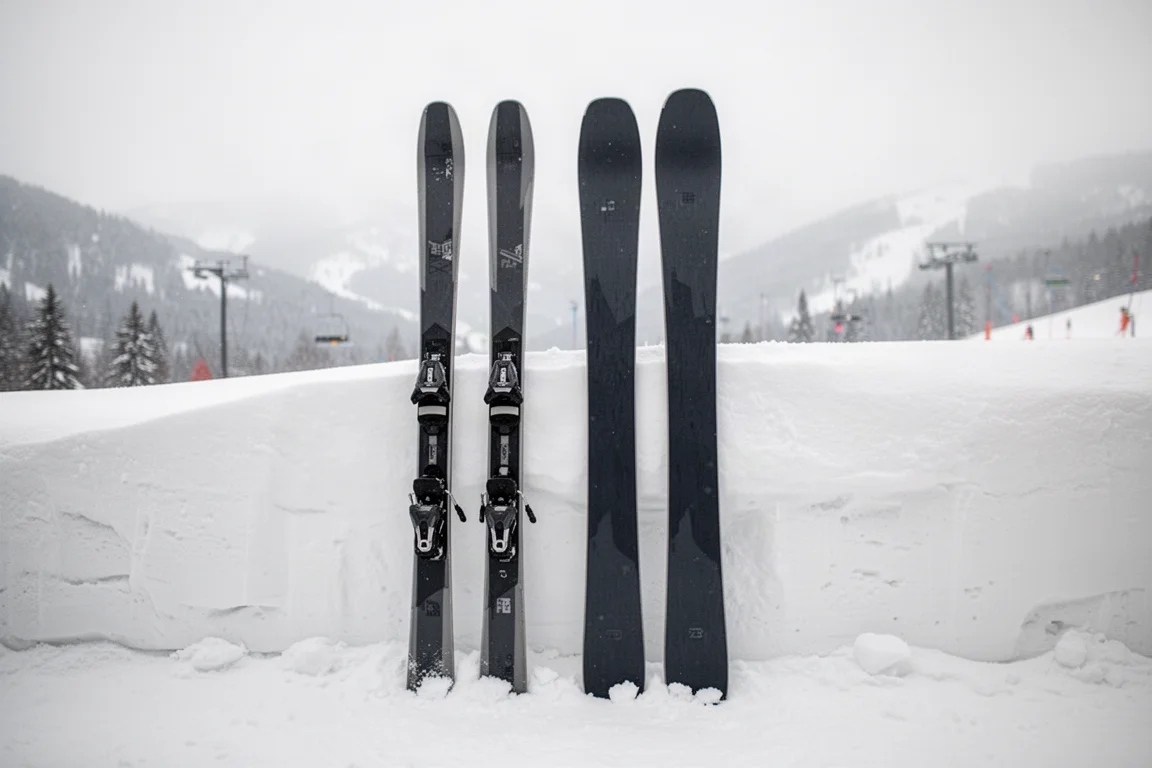
It also helps to think about what else is in the quiver. If these would be your only skis and you want one option that handles everything you do, the 94 is the more versatile daily driver. If you already own something narrower, or you want a twin tip that sits closer to a powder ski, the 101 is the better fit.
Conclusion
Both skis deliver the playful, easygoing feel the Chronic name is known for, and both are more capable than the single ski they replace. Choose the 94 if park laps are the priority or if you want one twin tip that covers the widest range of everyday riding. Choose the 101 if you see more soft snow or you want a wider companion to a narrower ski.
Further reading
Related Reviews
Winter Sports Gear
Cevapro Running Gloves Review: Lightweight Winter Gloves with Touch Screen Control
A practical pair of lightweight winter gloves designed for runners, cyclists, and outdoor enthusiasts. Touch screen compatible, water resistant, and comfortable enough for extended wear.
Backpacking Gear
Building a 10 lb Base Weight: An Ultralight Backpacking Gear List
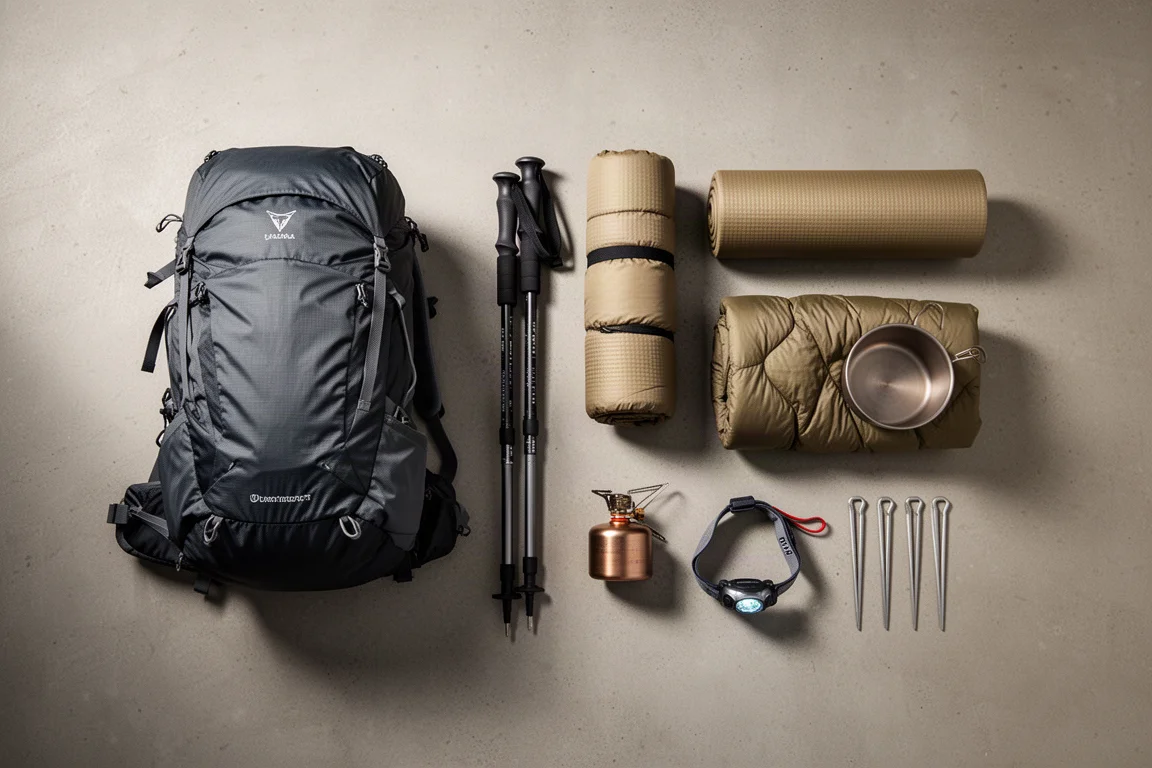
A practical walkthrough of the ultralight pieces behind a 10 lb base weight, from a 765 g pack and a roomy one-person tent to a full camp chair and a dependable water filter.

Road Bikes
10 New Road Bikes Worth Watching: Aero, Titanium, Steel and Endurance Standouts
A practical roundup of 10 new road bikes, from aero flagships chasing single-watt gains to titanium, steel and endurance platforms built for real roads.