Freeride Skis
Line Bacon 108 Review: A Playful Freeride Ski for Soft Snow and Tight Trees
A close look at the Line Bacon 108, a maple-cored freeride ski with a 108 mm waist, a long rocker profile, and a loose, floaty feel in soft snow.
Introduction
The Line Bacon 108 arrives as the newest version of a ski that has built a following for its loose, playful feel in soft snow. The Sir Francis Bacon name is gone, and the model now sits simply as the Bacon 108, joined in the range by a wider Bacon 115.
The changes go deeper than the name. The convex shaping of the previous generation has been dropped, and the Bacon 108 now follows the shaping approach used across Line’s newer Chronic models. For anyone who loved the old ski, that raises an obvious question: does it still feel as loose and forgiving? The flex and profile keep much of that character, even if the turn shape has shifted slightly.
This review covers what the Bacon 108 is built from, how it behaves in soft snow, who it suits, and what to weigh before buying.
Who This Ski Is For
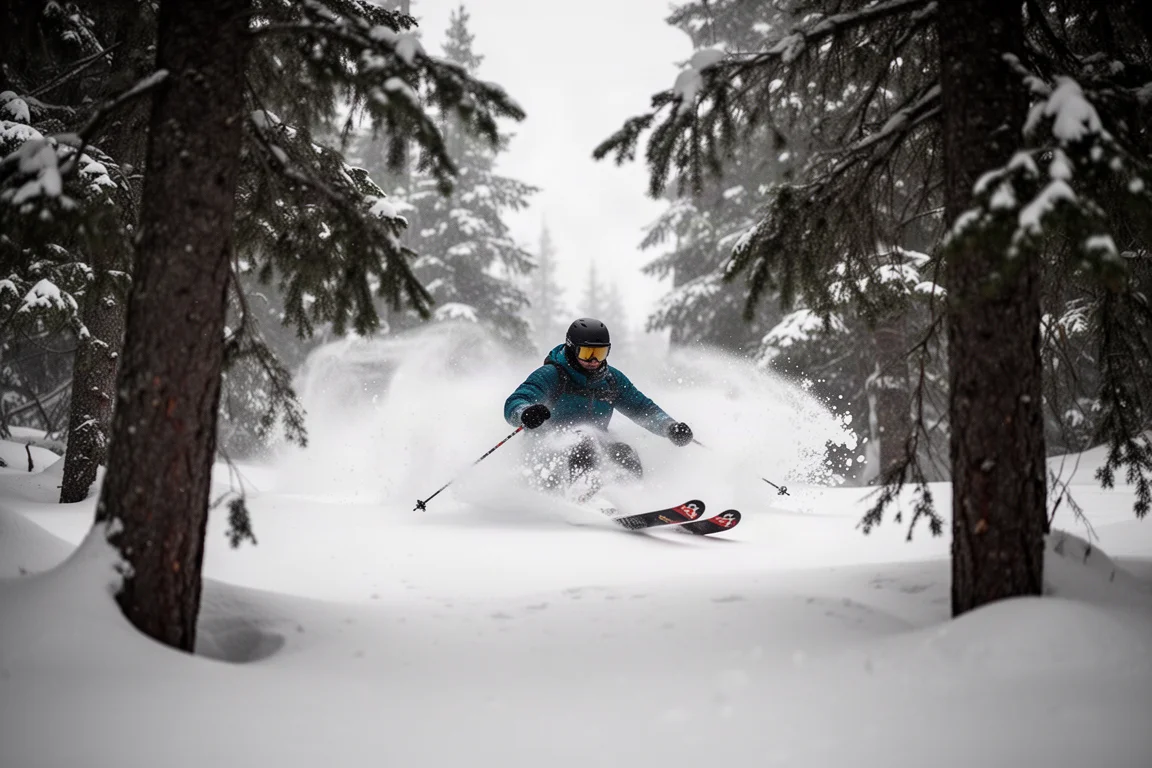
The Bacon 108 is aimed at advanced and expert skiers who bring creativity and playfulness into deep snow and freeride terrain. It rewards a rider who likes to drift, smear and pivot rather than lock into a single carved arc.
The 108 mm waist makes it a natural fit for soft snow, tight trees, and the kind of variable conditions where a floaty tip and tail matter more than edge grip on hardpack. If that describes the terrain you spend most of your season in, the shape makes immediate sense.
It is a less obvious match for intermediates shopping for a first wider ski. The ski has a distinct, somewhat specialised feel, and it asks for a rider who already knows what they want out of a freeride build.
Core Construction and Flex
The Bacon 108 uses a maple macro block core. Maple is the same material used in the Blend and the Tom Wallisch Pro, while the Chronic series relies on aspen. The choice matters: maple bends readily without breaking, which is what gives this ski its notably flexible feel.
Thickness varies deliberately along the length. The ski is thicker underfoot, then tapers toward the tip and tail until the ends are very thin. Bases and edges are thicker, and the sidewall extends further into the ski. The result is more mass and more resistance through the middle, with the extremities left free to flex.
That construction is what separates the feel from tip to tail. Underfoot the ski pushes back; at the ends it stays soft and easy to manipulate.
Shape, Rocker, and On-Snow Feel
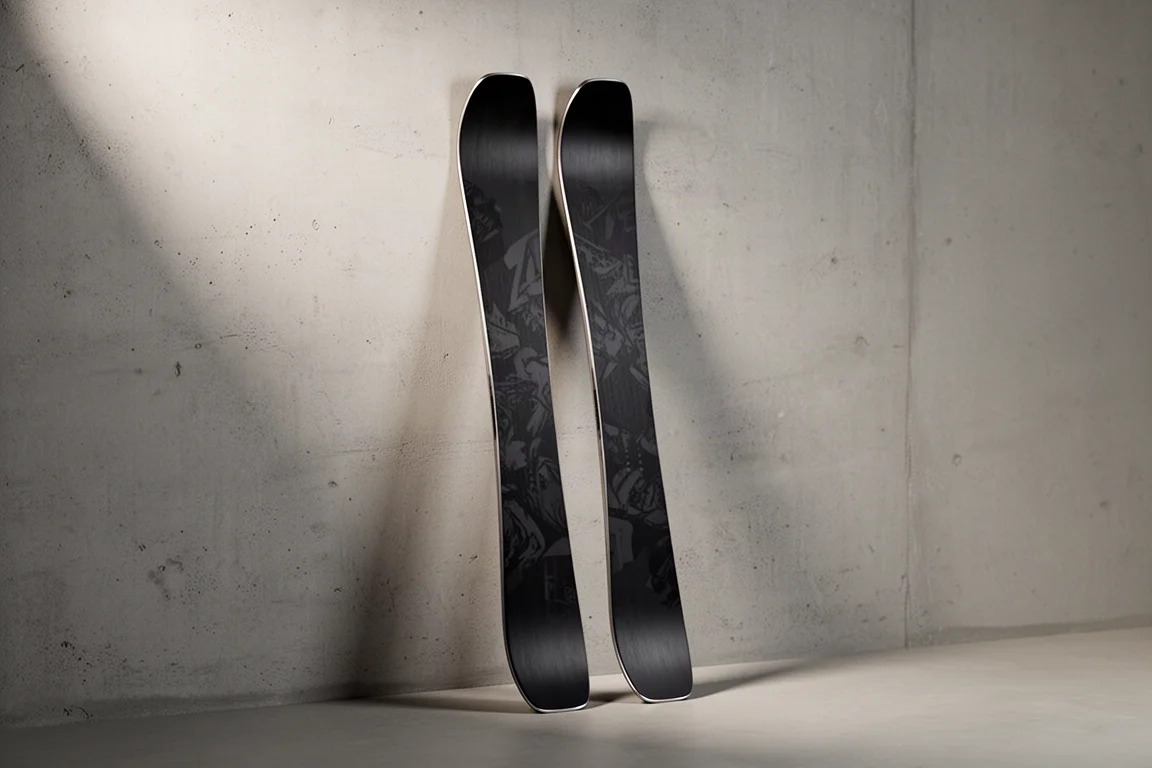
The most visible change is the loss of the convex shape. What remains is a long rocker profile that starts well down the ski, a modest amount of camber underfoot, and a round, smooth taper through the tip.
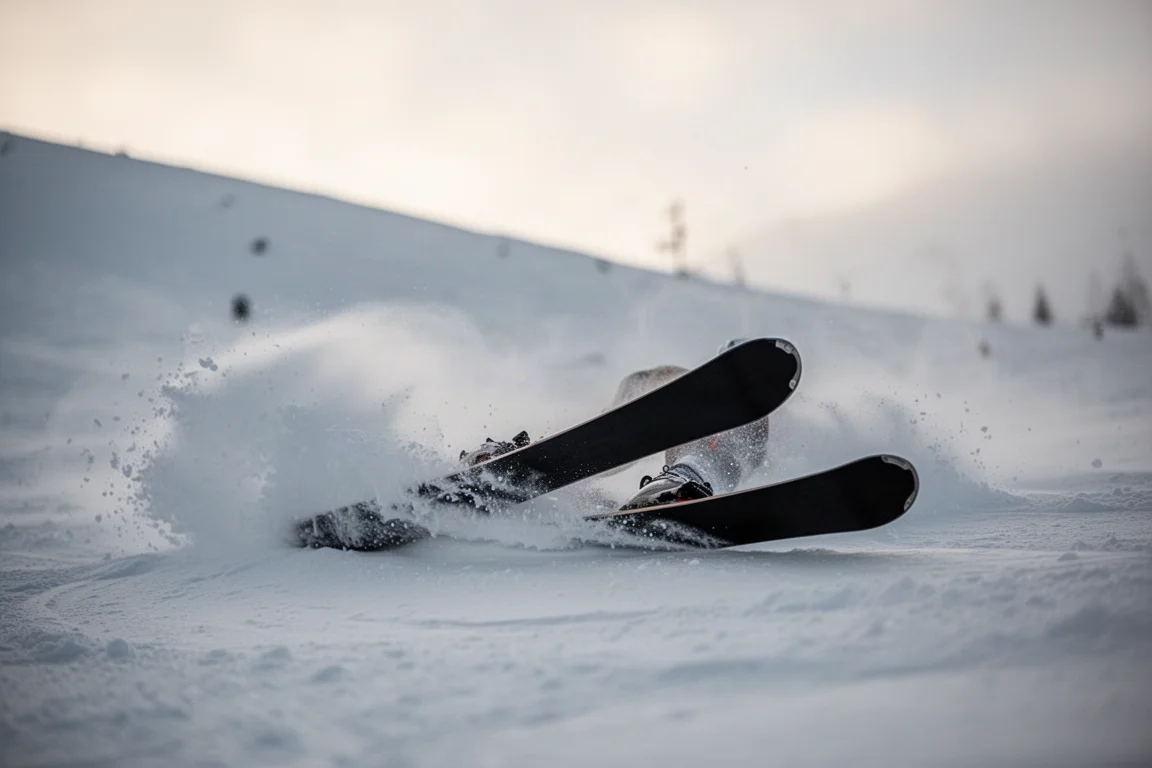
In soft snow the tip and tail float generously, and the ski wants to sit on top of the surface rather than sink into it. Because the convex shape is gone, the turn is slightly less round and less smeary than the previous version, though the thin, flexible extremities compensate more than you might expect.
The tail is a little more sharply pointed than the tip, which gives it a rudder-like quality and makes the back of the ski feel playful. Tail rocker is somewhat shorter than the tip rocker, but the splay is similar, so the ski keeps a consistent round feeling from front to back.
Main Strengths
The clearest strength is versatility within soft conditions. The Bacon 108 is happy drifting and pivoting, and it stays composed when the snow gets deeper or heavier. It is a multi-directional ski in the freeride sense, and it does not insist on a single turn shape.
Float is another strong point. The thin, flexible tip and tail rise easily, and the round taper shape keeps the ski predictable when you are working through trees or tight terrain.
Durability is part of the design story as well. The maple core, thicker edges and bases, and the deeper sidewall all point to a ski built to absorb repeated use in demanding terrain.
Things to Consider Before Buying
There is real substance to this ski. The combination of a thick core underfoot and the density of maple gives it a noticeable weight, and that weight sits in the middle of the ski rather than the ends. Riders who prioritise a light, feathery feel underfoot should factor that in.
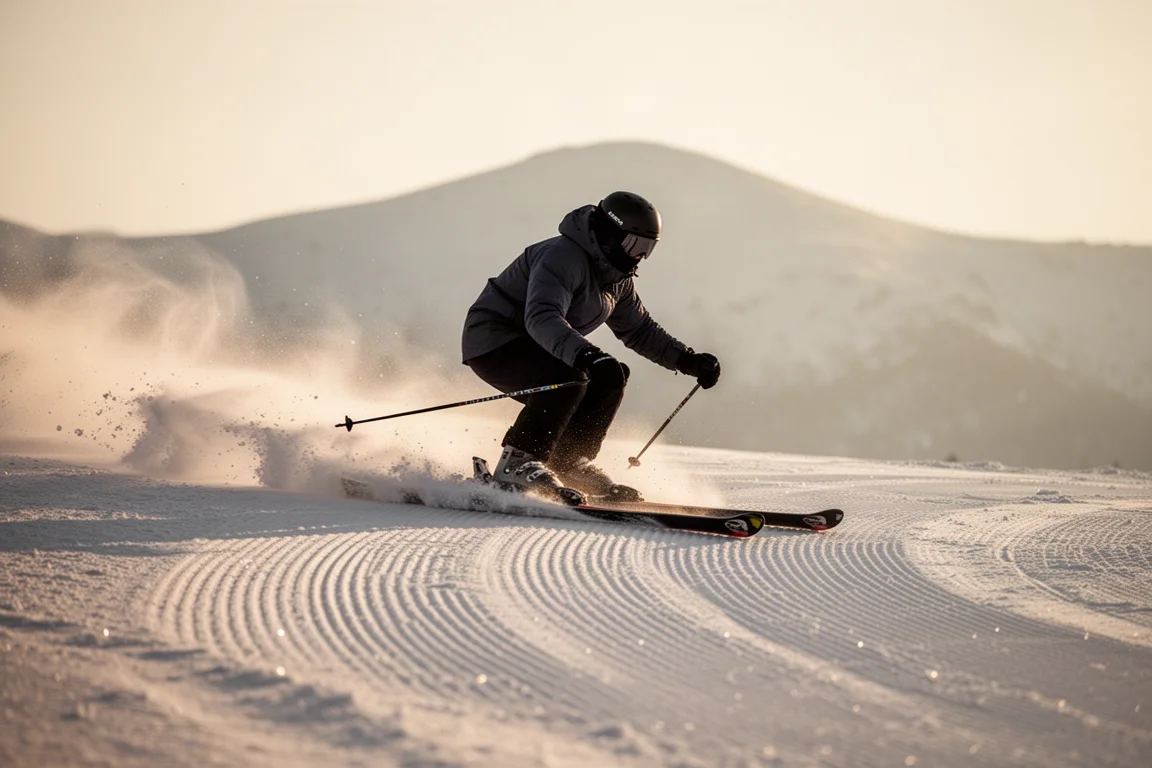
The removed convex shape also changes the turn character. If the previous model’s very round, smeary turn was the main appeal for you, this version will feel a little different, even though the flex goes a long way toward preserving that loose quality.
Finally, it is worth considering your level honestly. The Bacon 108 sits squarely in the advanced and expert range. An intermediate looking for a wider ski may find it a niche choice.
Where It Fits in the Lineup
The Bacon 108 reads as the next logical step in the line that runs through the Chronic 94 and Chronic 101. It shares the general shaping direction of those skis, with a different profile and construction, and it now anchors the wider end of that family alongside the new Bacon 115.
For anyone comparing within the range, the key distinctions are the maple core and the varying thickness of the Bacon 108 versus the aspen core used in the Chronic models.
Buying Advice
Buy the Bacon 108 if you ski soft snow often, like a loose and playful ski, and want something that stays creative in trees and freeride terrain. The float, the flexible ends and the rudder-like tail all support that style of skiing.
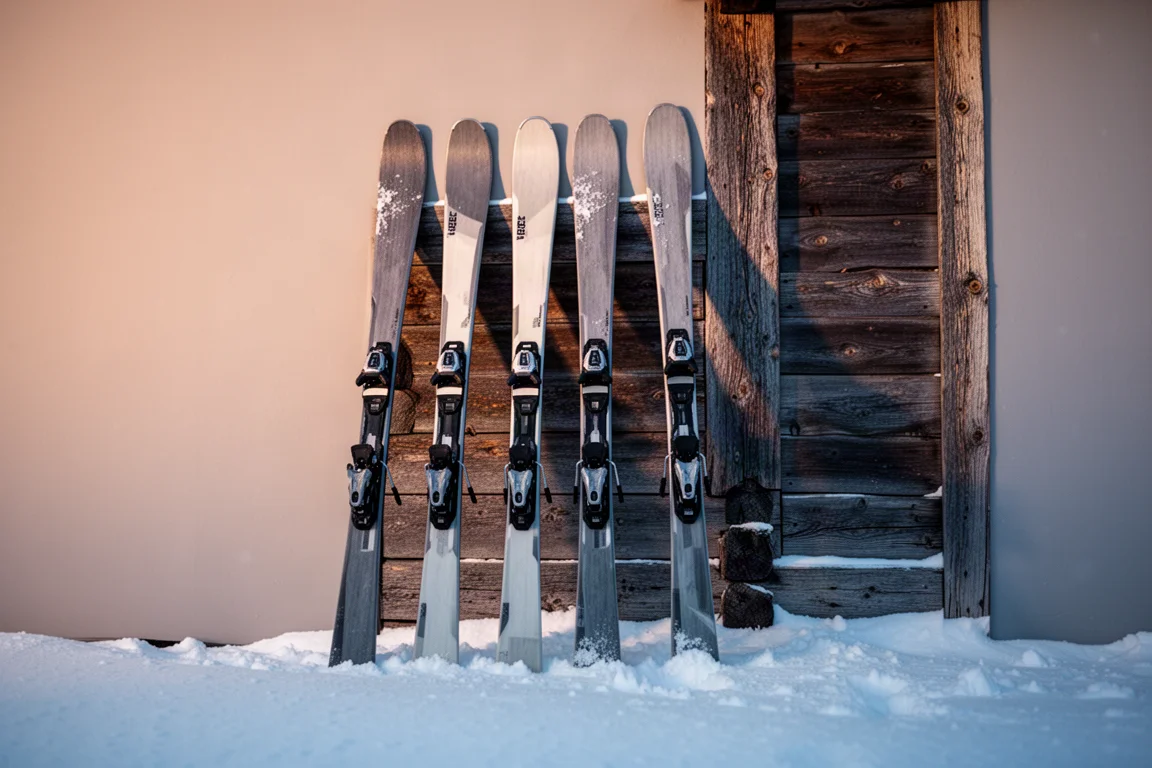
If your priority is a light ski or a forgiving first wide ski, look carefully at the weight and the advanced-level character before committing. For the right rider, though, the combination of a stable middle and a loose, floaty tip and tail is exactly the point.
Conclusion
The Line Bacon 108 keeps the spirit of its predecessor while moving to a new shape and a maple core. It trades a little of the old convex roundness for a profile that still floats, still smears and still encourages playfulness in soft snow. Advanced and expert skiers who spend their days in deep snow and freeride terrain will find it a convincing option; intermediates shopping for a wider ski should treat it as a more specialised tool.
Product link
View more details for Line Bacon 108
This product is mentioned in the review. Check the specifications, options, and compatibility before buying.
View more details for Line Bacon 108Further reading
Related Reviews
Freeride Skis
Armada Playmaker 101 Review: A Light, Lively Freeride Ski Built to Play
A closer look at the Armada Playmaker 101, a lightweight freeride twin tip with a poplar and paulownia core, carbon rods through the mid-body, and a deliberately playful character.
Freeride Skis
Armada Playmaker 111 Review: A Lightweight Freeride Ski Built for Soft Snow
A close look at the Armada Playmaker 111, a 111 mm freeride twin tip built around float, playfulness, and a drifty feel in fresh and soft snow.
Freeride Skis
Best Women's Freeride and Powder Skis 2026
A 104 mm to 118 mm comparison of sixteen women's freeride and powder skis, covering weight, rocker, metal placement and the terrain each model suits best.