Road Bikes
Lightweight vs Aero Road Bikes: Factor O2 VAM and Giant Propel Advanced Compared
A real-world comparison of a lightweight climbing bike and an aero road bike, covering route data, ride feel and practical buying guidance.
Introduction
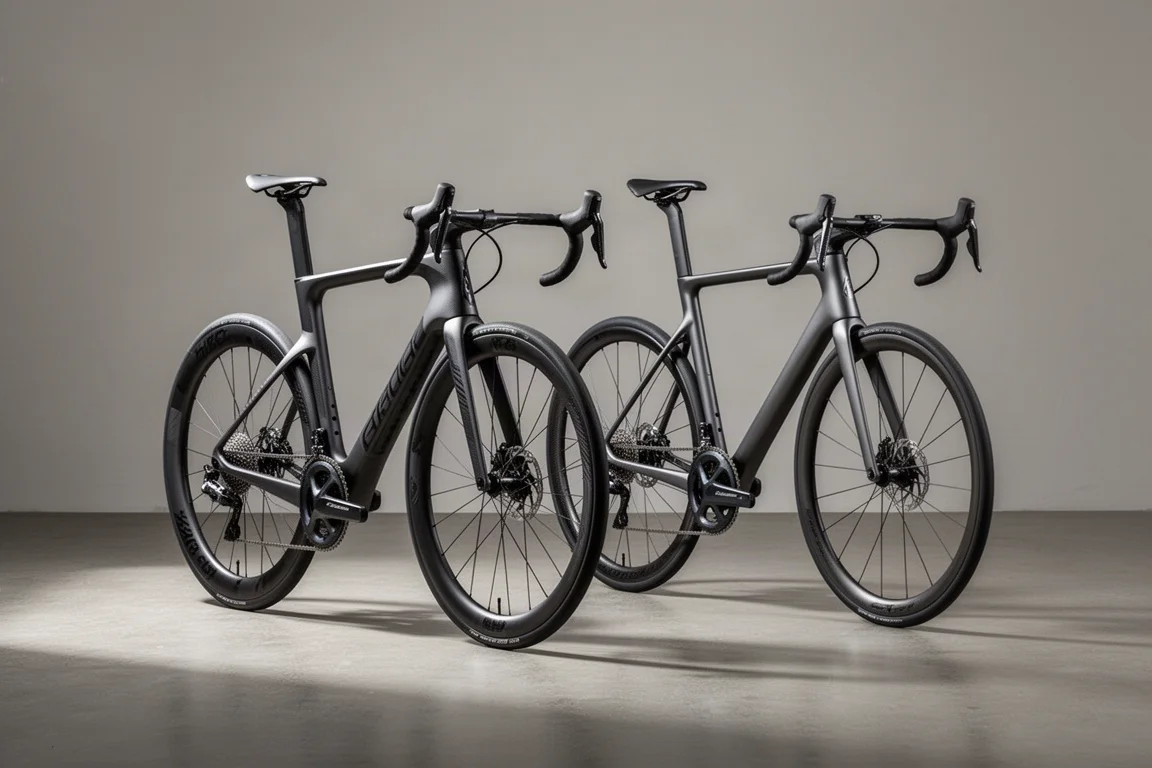
Weight and aerodynamics have shaped road bike design for years, and the two priorities pull in different directions. A lightweight climbing bike and an aero road bike can look like opposites on paper, so the useful question is simpler: which one actually helps a rider go faster on the roads they ride most? This comparison puts a Factor O2 VAM and a Giant Propel Advanced side by side to see how each approach translates into real time and real effort on a mixed route.
How Weight and Aerodynamics Shape Real-World Speed
Road bike development has long centred on reducing weight, because the rider is the engine and there is a limit to how much extra power a person can produce. Making the bike lighter improves the overall power to weight ratio, and that is why builders have reached for materials such as titanium, aluminium, stainless steel and carbon fibre over the decades.
Once a bike is up to speed, though, wind resistance becomes the dominant force. The faster you go, the more power is needed to push both rider and bike through the air, which is why aerodynamics has driven frame design for roughly the last decade. Shaping tubes and components to reduce drag matters even though the rider accounts for the large majority of the total drag.
The catch is that aerodynamics is difficult to verify without a wind tunnel, while weight can be checked instantly by lifting a bike off the floor. That hands weight an outsized psychological role in buying decisions, even when the measured benefit on the road is more nuanced.
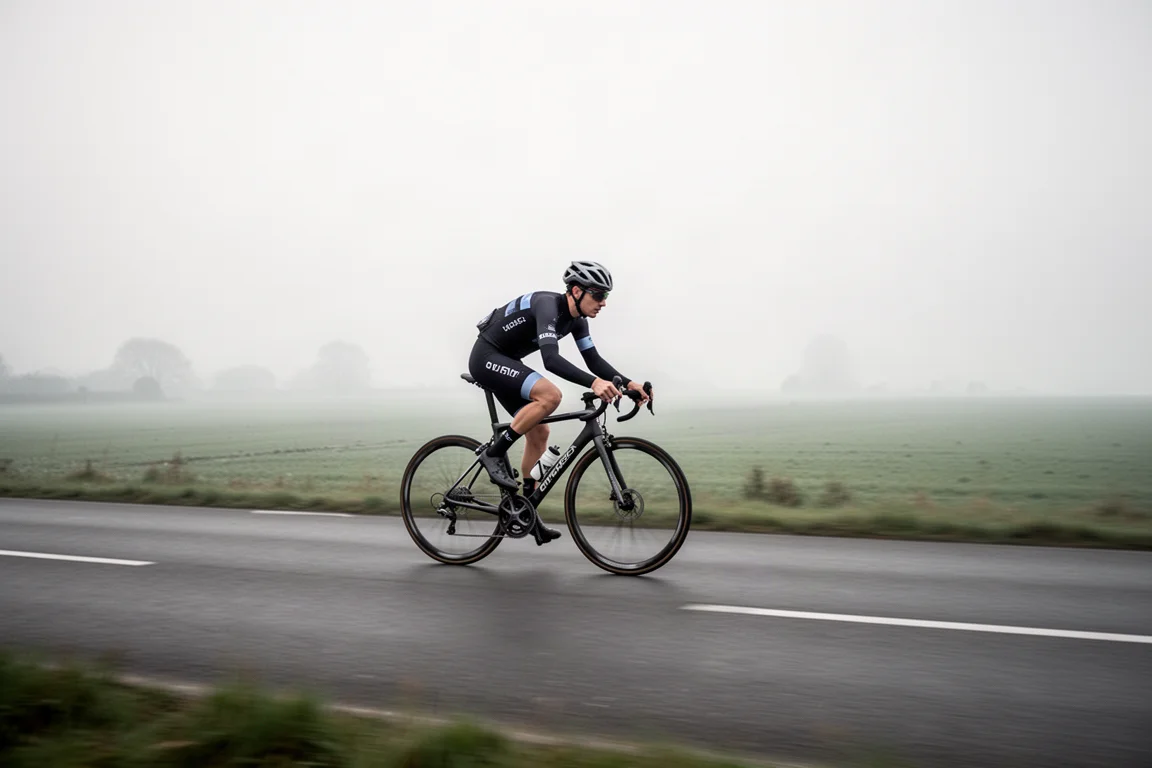
On the test route used here, an analysis of resistance showed that 49 percent of the total came from air and 36 percent from gravity. That balance favours an aero bike overall, but it also leaves room for a light bike to gain ground wherever the road tilts upward.
Giant Propel Advanced: The Aero Option
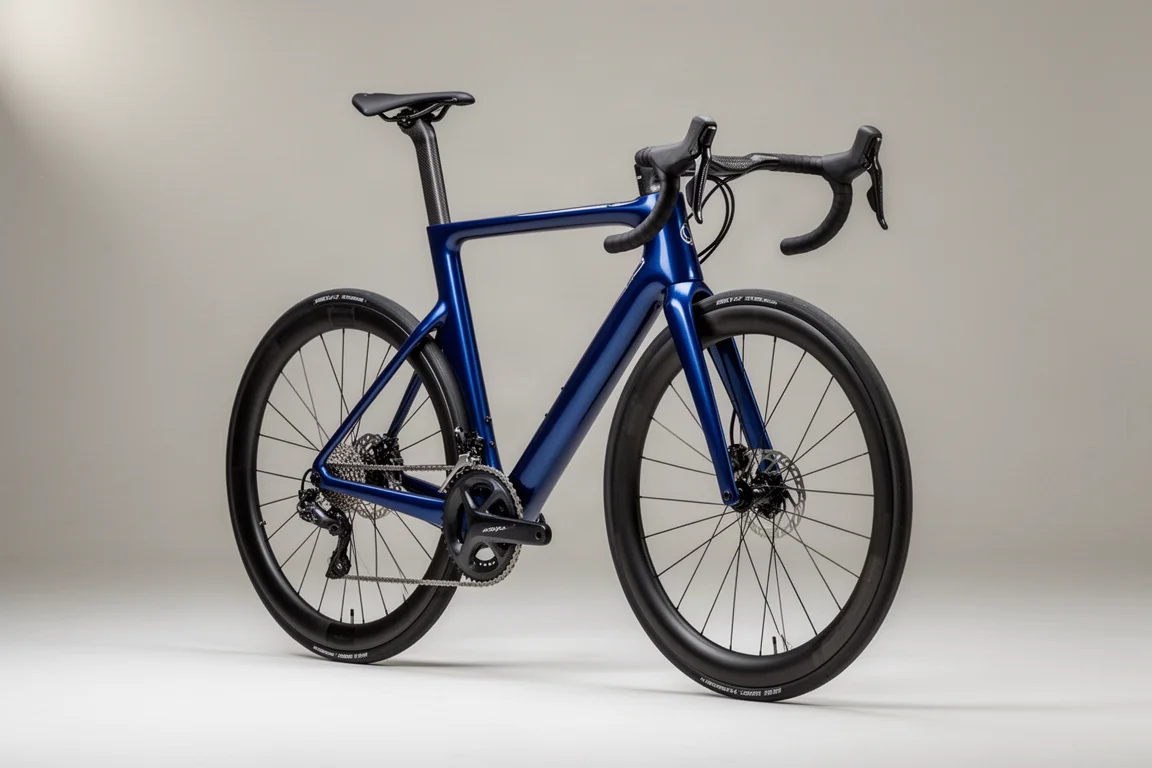
The Giant Propel Advanced is the more affordable sibling of the range topping SL model. It uses a different, lower grade carbon fibre for the frame while keeping the same fork, and crucially it carries over the same aero profiles as the top end version. The seatpost is a conventional design rather than an integrated one, and the cockpit is a two piece handlebar and stem, which means both can be swapped. Cables and hoses are routed inside the frame.
In this build the bike weighs 7.8 kg. It is fitted with the older version of the SRAM Force AXS groupset, which has larger hoods than the newer generation. Pricing sits at £6,400 with SRAM Force AXS, or £6,000 with Shimano Ultegra 12 speed.
Factor O2 VAM: The Lightweight Climber
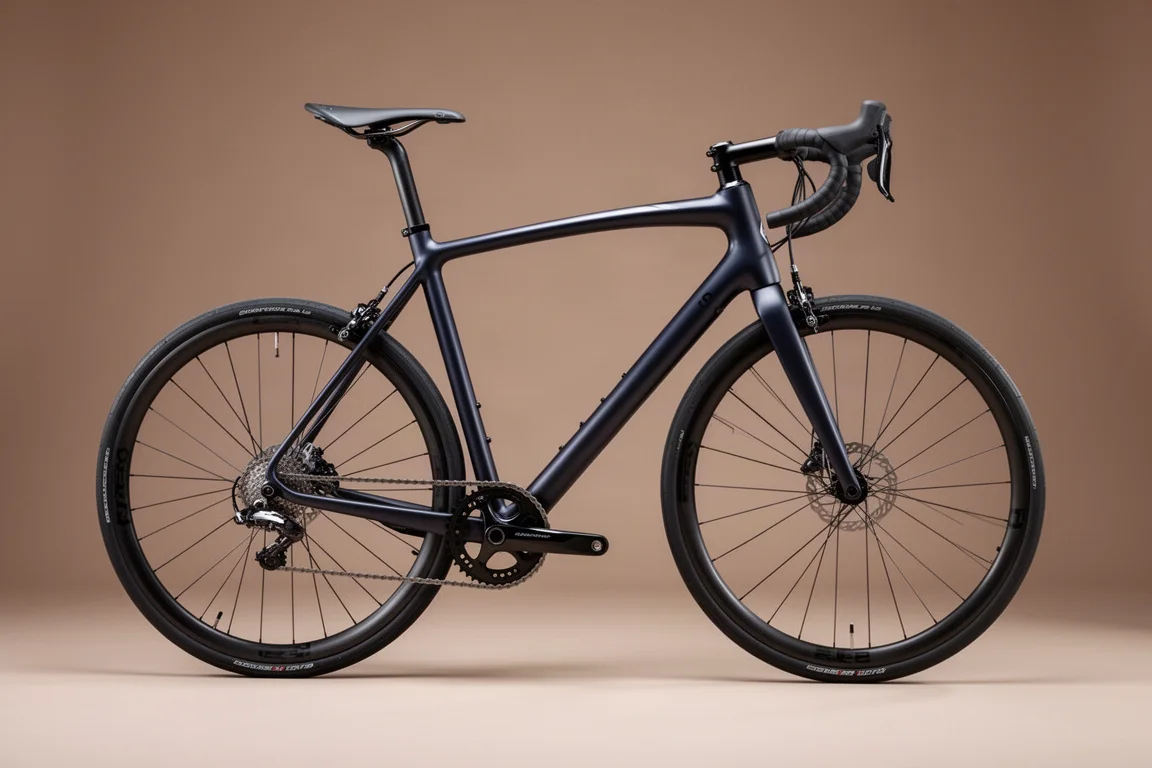
The Factor O2 VAM is built as an out and out lightweight climbing bike. The frame is claimed at 730 grams, and the paint is applied so thinly that the carbon fibre layup is visible through the top tube and down tube. A large part of the bike’s low overall weight comes from its new wheels, claimed at 1,146 grams for the pair.
As tested, without pedals and in a size 56, this bike weighs 6.3 kg. That figure makes it one of the lightest road bikes to come through a test of this kind. The build uses SRAM Red eTap AXS and costs £11,800, rising above £12,000 if a power meter is added. The manufacturer also makes aero claims for the frame, describing it as close to a pure aero race bike at certain yaw angles, and the head tube, down tube and seat tube shapes are clearly designed to manage airflow.
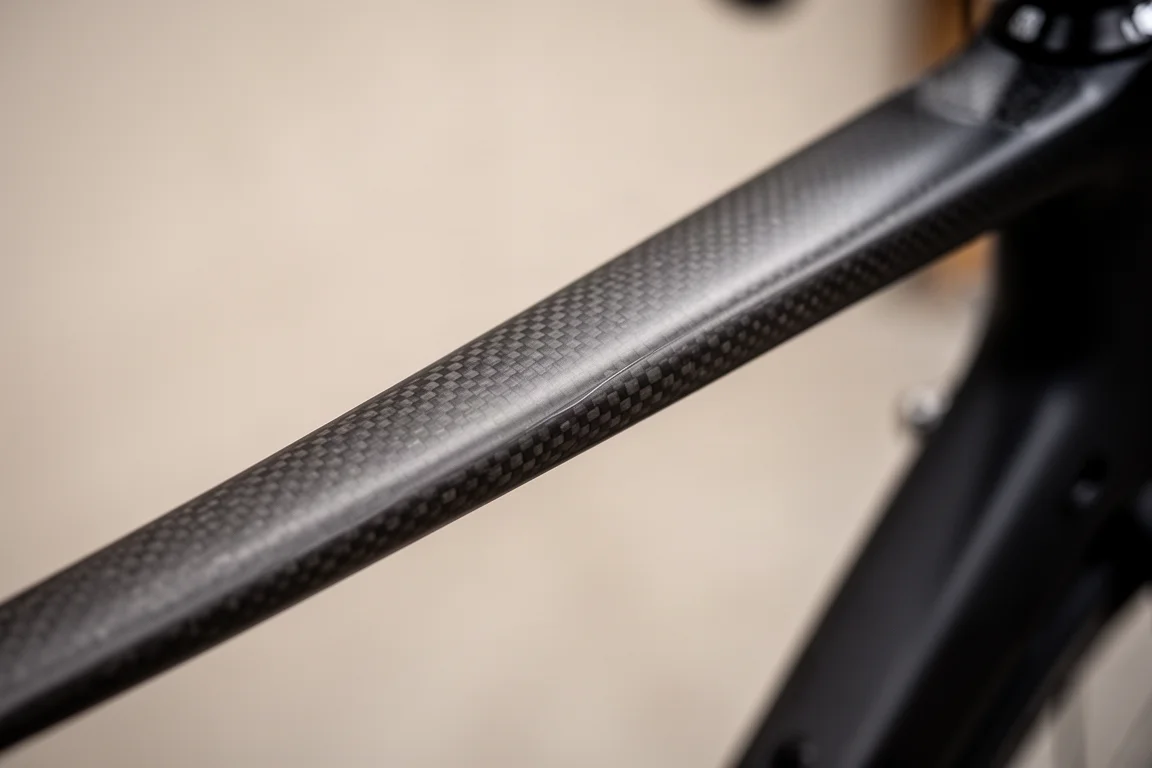
However, the tube profiles are not as deep as those on a dedicated aero frame, so the design sits between two categories rather than firmly in the aero camp. That middle ground turns out to matter in the results.
Test Results: Where Each Bike Was Faster
Both bikes were ridden over an 11.4 km route at a matched effort level, with power and heart rate recorded. The route opens with a fast flat section where 40 km/h is possible, then a five percent gradient, a rolling stretch through woodland, and finally a climb with hairpins. Power on the climb was targeted at 300 watts for each run.
The Factor O2 VAM completed the course in 21 minutes 14 seconds at an average speed of 32.2 km/h and an average power of 225 watts. The Giant Propel Advanced took 21 minutes 30 seconds at 31.9 km/h and 220 watts. The lightweight bike was faster overall, which was not the expected outcome.
Splitting the route explains the result. Up to the foot of the climb, the Propel was quicker at 15 minutes 24 seconds against 16 minutes 9 seconds for the Factor, a clear win for the aero bike on the flatter, rolling roads. On the climb itself, the Factor pulled away early and reached the summit 13 seconds ahead. It is a short and relatively gentle climb, so a longer or steeper ascent would likely widen that gap further.
Ride Quality and Real-World Feel
Numbers only tell part of the story. Back to back, the Factor O2 VAM felt more alive and more nimble, and adjusting a line on the road felt enjoyable and engaging. The Giant Propel Advanced felt noticeably less exciting by comparison, and its efficiency and speed were never in doubt, but the sensation of riding it was flatter.
Both bikes delivered good comfort and smoothness over rough surfaces. The difference in feel may come down to the wheels as much as overall bike weight, since the Factor’s wheels are far lighter than those on the Giant. That is a question worth returning to in a dedicated wheel comparison.

For riders who value how a bike communicates the road beneath them, that subjective difference is likely to weigh as heavily as any stopwatch result.
Buying Advice: Which Bike Suits Your Riding
Choose the Giant Propel Advanced if your riding is mostly fast, rolling terrain and you want aero performance at a comparatively accessible price. The two piece cockpit adds practical flexibility for fit changes, and the SRAM Force AXS or Ultegra 12 speed builds keep the cost well below the lightweight option.
Choose the Factor O2 VAM if climbing is the priority and budget is less of a constraint. Its low weight and quick, involving ride quality suit riders who spend their time on sustained ascents, and it still holds its own on flatter roads thanks to aero shaped tubes.
If your routes mix flat roads and climbs in roughly equal measure, the results here suggest the gap between the two approaches is smaller than the marketing language implies. Weight is easy to measure at the shop, but the terrain you actually ride should decide the purchase.
Conclusion
This comparison produced a genuinely surprising outcome: the lightweight Factor O2 VAM was faster around a mixed 11.4 km course than the aero Giant Propel Advanced, even though the route’s resistance profile leaned slightly toward the aero bike. The aero bike won on the flat and rolling approach, while the light bike won on the climb and overall.
That makes both bikes credible choices for different riders. The right answer depends less on the category label and more on the gradients, surfaces and distances that fill your own riding.
Further reading
Related Reviews

Road Bikes
10 New Road Bikes Worth Watching: Aero, Titanium, Steel and Endurance Standouts
A practical roundup of 10 new road bikes, from aero flagships chasing single-watt gains to titanium, steel and endurance platforms built for real roads.
Road Bikes
2026 Tour de France Road Bikes: Six Race Machines Worth a Closer Look
Six race bikes from the 2026 Tour de France grid, reviewed for paint, silhouette, wheels and the specification details that matter to buyers.
Road Bikes
3T Strada Italia Review: A Radical Aero Road Bike That Rides Smooth
A made in Italy carbon aero road bike with a deep head tube, wide tire clearance and a genuinely comfortable ride. Here is what to know before buying.