Road Bikes
Lightweight vs Aero Road Bikes: Giant Propel Advanced and Factor O2 VAM Compared
A back-to-back comparison of an aerodynamic road bike and a lightweight climbing bike, with real route data, ride feel notes, and buying advice for each.
Introduction
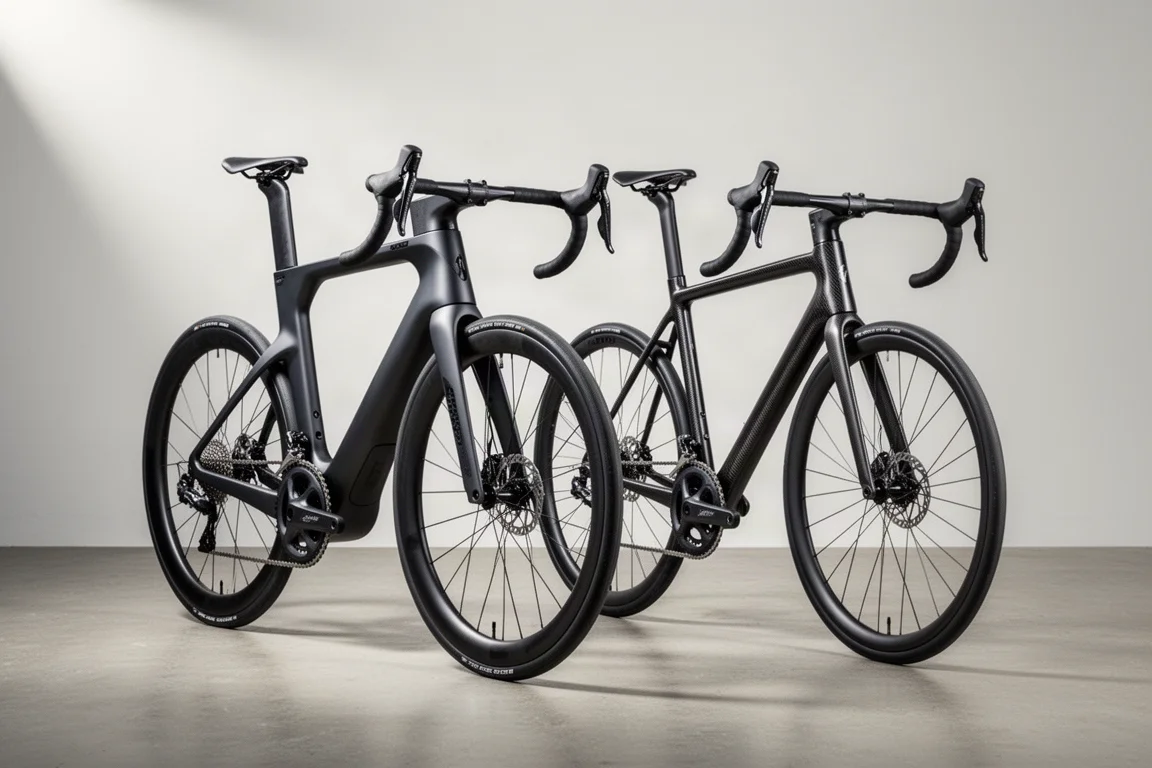
Weight and aerodynamics are the two forces that shape modern road bike design, and they rarely pull in the same direction. Lighter bikes climb better, more aerodynamic bikes hold speed on flatter ground, and buyers have to decide which of those two strengths matters more for the roads they actually ride.
The Giant Propel Advanced and the Factor O2 VAM sit at opposite ends of that spectrum. One is a mid-range build of an aerodynamic race platform, the other is a purpose-built lightweight climbing bike with a price tag to match. Riding them back to back over the same route produced a result that was genuinely surprising.
The sections below cover what each bike is, how they performed, and which rider each one suits, with prices and weights included where they are known.
How These Two Bikes Were Compared
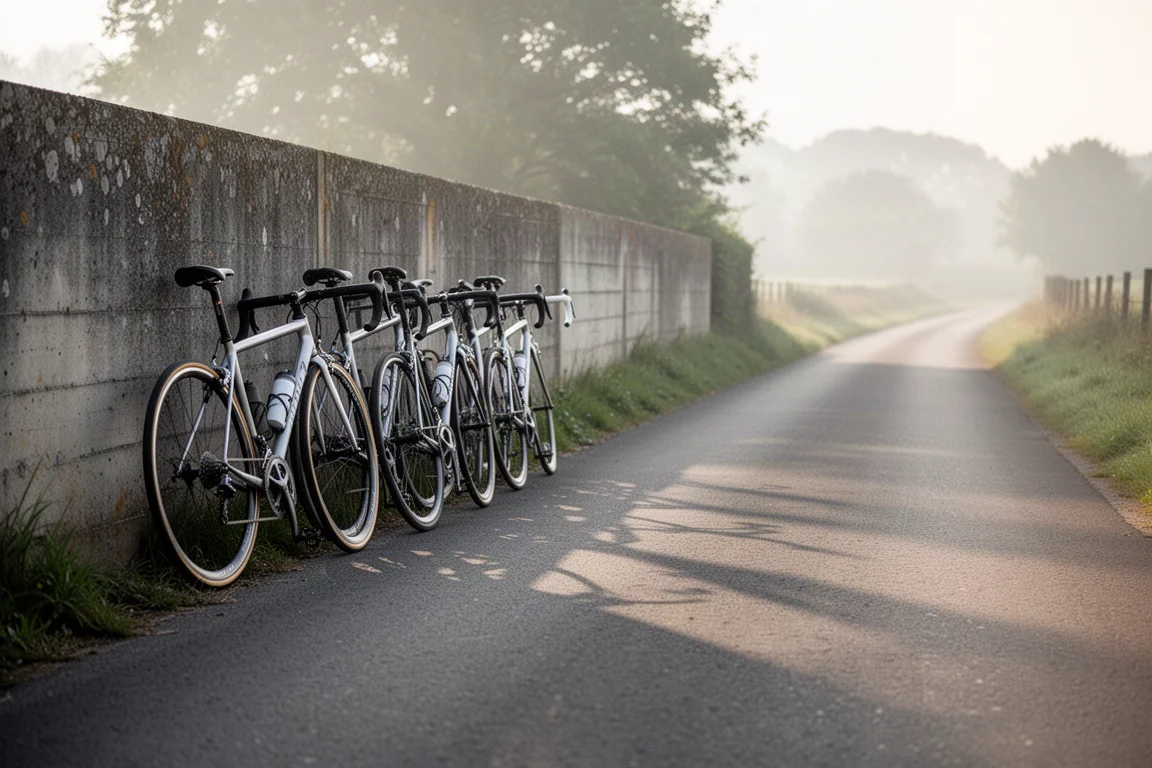
Both bikes were ridden over the same 11.4 km route, a loop that takes roughly 22 minutes at a good pace. The course opens on flat road where 40 km/h is achievable, moves into a five percent gradient, continues through a rolling wooded section, and finishes on a climb with hairpins that leads up onto a common.
Effort was matched between runs using a power meter and heart rate, with a target of 300 watts on the climb. Both bikes were size 56. The Giant Propel Advanced weighed 7.8 kg in its mid-range build, while the Factor O2 VAM weighed 6.3 kg without pedals.
The character of the route matters as much as the numbers. On this loop, roughly 49 percent of the resistance came from air and about 36 percent from gravity, which gives an aerodynamic bike a theoretical edge on paper before a single pedal stroke is turned.
Giant Propel Advanced: The Aero Option
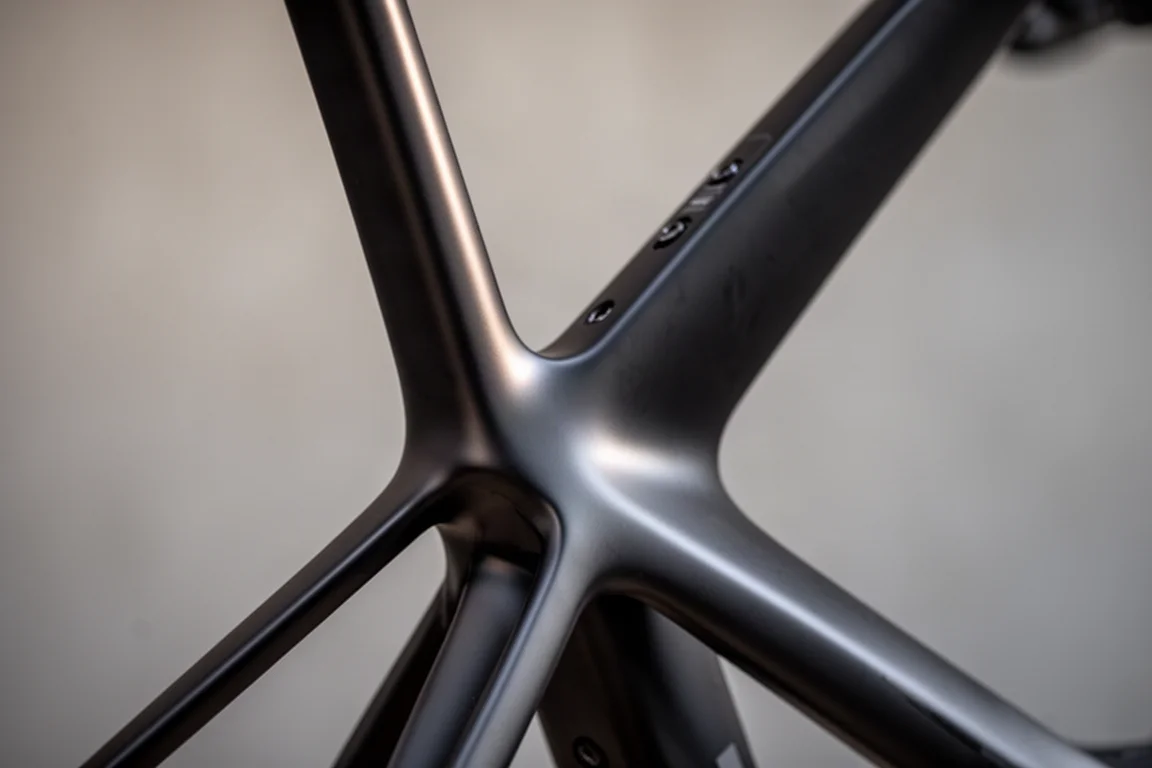
The Giant Propel Advanced is the more affordable mid-range version of the Propel line. Its frame does not use the same high-grade carbon as the top-end SL model, although the fork is shared, and the aerodynamic tube profiles are carried over unchanged from the SL. The shapes doing the work of managing airflow are therefore the same as the flagship bike’s.
Practical details stand out as well. The Propel Advanced uses a standard seatpost rather than an integrated seat mast, and a two-piece handlebar and stem, so bar width, stem length, and overall fit can be adjusted without replacing a one-piece cockpit. Cables and hoses are routed inside the frame.
The build tested used SRAM Force AXS, the earlier version with larger hoods, and that specification is priced around £6,400. An Ultegra 12-speed build comes in at around £6,000. For riders who want genuine aero performance without flagship pricing, that is a sensible place to land. The top-end Propel, for reference, weighs 6.9 kg.
Factor O2 VAM: The Lightweight Option
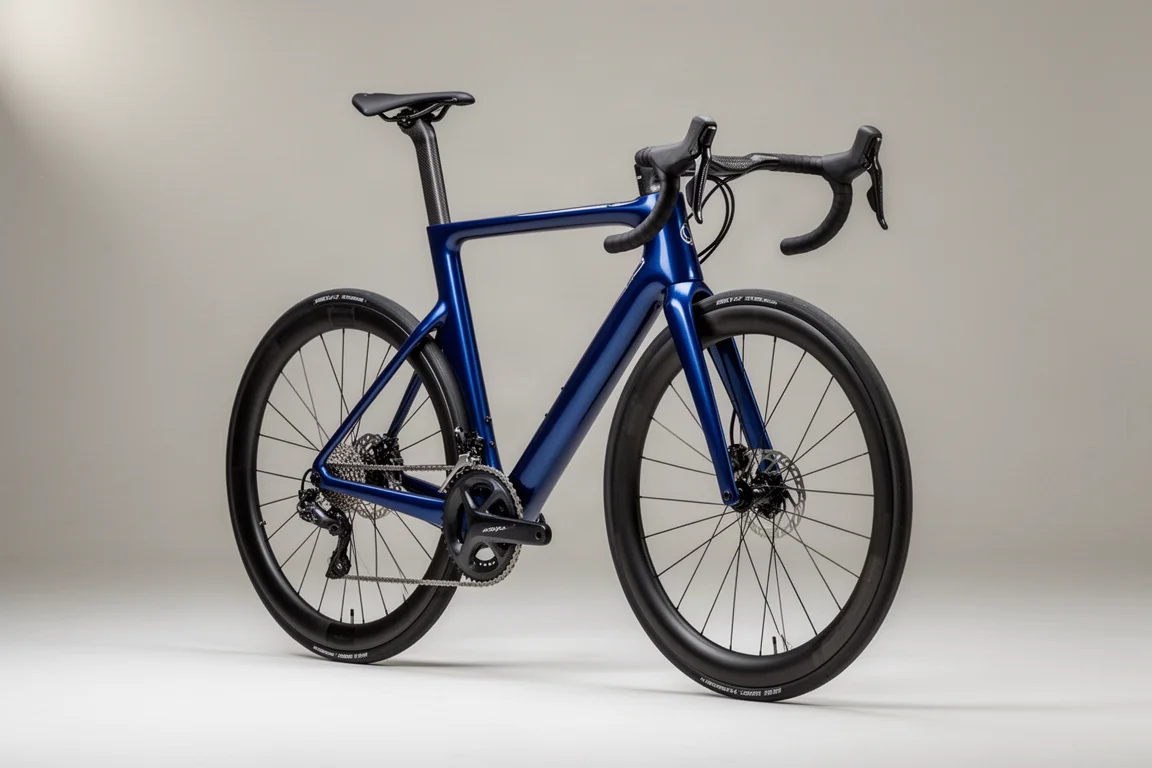
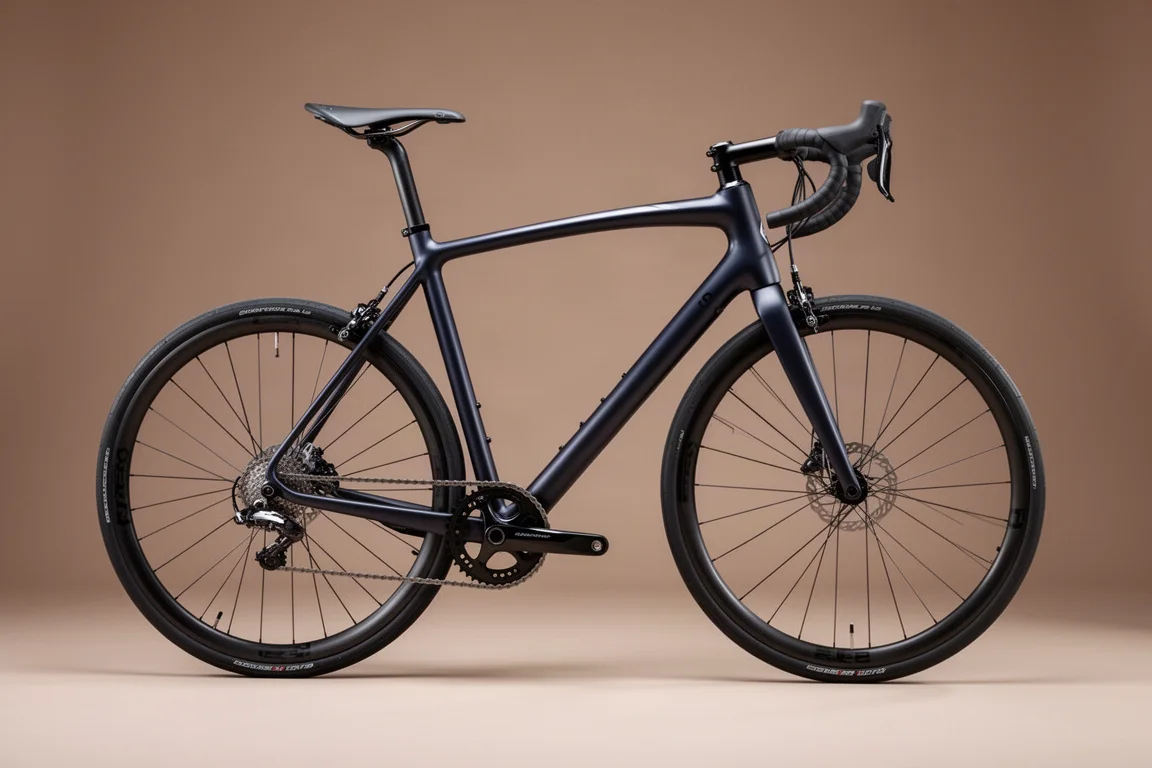
The Factor O2 VAM is built around climbing. Its claimed frame weight is 730 grams, and the paint is thin enough that the carbon layup is visible on the top tube and down tube. A large share of the low overall weight comes from the wheels, which are claimed at 1,146 grams.
It is not purely a climbing specialist. The company claims the bike is nearly as aerodynamic as a pure aero race bike at some yaw angles, and the head tube, down tube, and seat tube are all shaped to manage airflow over those sections.
The build tested used SRAM Red eTap AXS and costs £11,800, rising above £12,000 once a power meter is added. That is a significant premium, and it is worth being clear that this sits in flagship territory rather than at the value end of the market.
Ride Quality and Real-World Feel
Numbers only tell part of the story. Riding the two bikes back to back made the difference in character very clear: the Factor felt more alive, more nimble, and more engaging, while the Giant Propel felt efficient but noticeably less exciting to ride.

Both bikes were comfortable and smooth over rough road surfaces, so the gap was not about compliance. A likely contributor is wheel weight, since the Factor’s wheels are far lighter than the Propel’s. That raises a fair question about how much of the difference comes from the wheels rather than the frames, and it is the kind of variable worth isolating in a future test.
Weight vs Aerodynamics: What the Data Suggests
The stopwatch result went to the lighter bike. The Factor completed the 11.4 km route in 21 minutes 14 seconds, averaging 32.2 km/h at 225 watts. The Giant Propel finished in 21 minutes 30 seconds, averaging 31.9 km/h at 220 watts.
Splitting the route explains why. On the flatter and rolling roads before the climb, the Propel was actually quicker, reaching the foot of the climb in 15 minutes 24 seconds against 16 minutes 9 seconds for the Factor. The aero bike did exactly what it was designed to do.
The climb reversed that. Riding at a similar average power close to 300 watts, the Factor pulled ahead early and reached the summit 13 seconds clear. It is a short, moderate climb, so 13 seconds is a modest margin, but the pattern is clear: extend the climb in length or gradient and the lightweight bike’s advantage would grow.
The aero bike wins on flatter, undulating roads, the lightweight bike wins on the climb, and the overall result depends on how much of each your riding contains.
Buying Advice: Choosing Between Aero and Lightweight
The decision comes down to terrain and budget. If most of your riding is flat or rolling, and you want to hold speed with less effort, the Giant Propel Advanced brings the aero shapes of the flagship model into a friendlier build, with the added flexibility of a standard seatpost and a two-piece cockpit.

If your riding is defined by long or steep climbs, the Factor O2 VAM’s low weight and lively feel will be the more rewarding choice, provided the price is comfortable. It also makes aerodynamic claims of its own, so it is not a one-trick bike.
There is a useful takeaway about weight itself here. It is the one performance attribute you can assess without a wind tunnel, simply by lifting a bike, and that psychological pull is real. But this comparison shows the trade-off between weight and drag depends heavily on where you ride, not on which number looks better on paper.
Conclusion
Two well-executed bikes, two different priorities. The Giant Propel Advanced is the value-conscious aero option, quicker on flat and rolling roads and easier to adapt to a rider’s fit. The Factor O2 VAM is the lighter, more expensive, more engaging climbing bike, and it was faster over a route that finished with a climb. Match the bike to your terrain and your budget, and either one will do its job well.
Further reading
Related Reviews
Road Bikes
10 New Road Bikes Worth Watching: Aero, Titanium, Steel and Endurance Standouts
A practical roundup of 10 new road bikes, from aero flagships chasing single-watt gains to titanium, steel and endurance platforms built for real roads.
Road Bikes
2026 Tour de France Road Bikes: Six Race Machines Worth a Closer Look
Six race bikes from the 2026 Tour de France grid, reviewed for paint, silhouette, wheels and the specification details that matter to buyers.
Road Bikes
3T Strada Italia Review: A Radical Aero Road Bike That Rides Smooth
A made in Italy carbon aero road bike with a deep head tube, wide tire clearance and a genuinely comfortable ride. Here is what to know before buying.