Road Bikes
Canyon Ultimate CFR and Selle Italia SLR: Is a Lightweight Road Bike Still Worth Buying?
A 170 km route with around 5,500 metres of climbing puts the case for lightweight road bikes to the test, with notes on the Canyon Ultimate CFR and the fourth-generation Selle Italia SLR saddle.
Introduction
Walk through any new road bike launch and you will find the same headline: aerodynamics. The reasoning is sound at the top of the sport, where riders hold 40 to 45 km/h and every watt saved in a wind tunnel translates into real time on the road. For most amateur riders the picture looks different. Average speeds are lower, climbs are longer, and the question of whether a dedicated lightweight climbing bike still makes sense is a fair one.
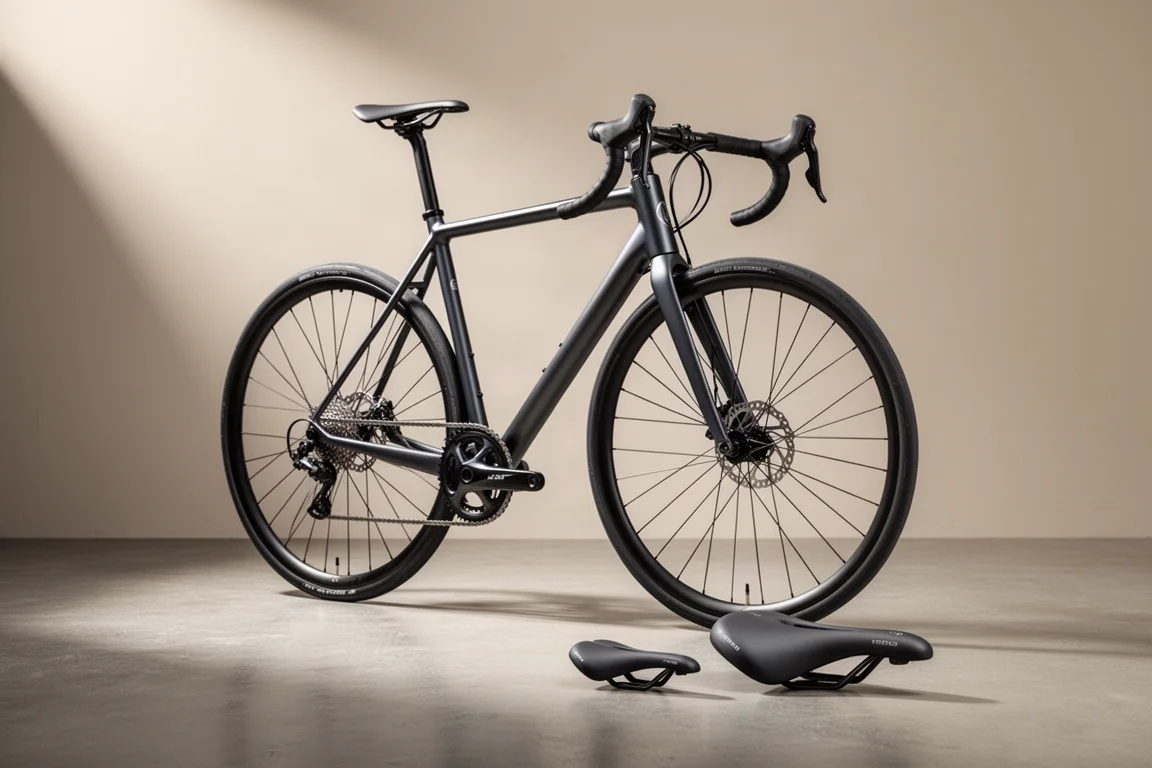
To answer it honestly, this article looks at a demanding 170 km route with around 5,500 metres of climbing spread across four major ascents, ridden on a Canyon Ultimate CFR that weighed 6.8 kg out of the box. A fourth-generation Selle Italia SLR saddle completed the build. The result is a practical look at what light weight actually buys a rider, and where it does not.
Why This Route Rewards Light Weight
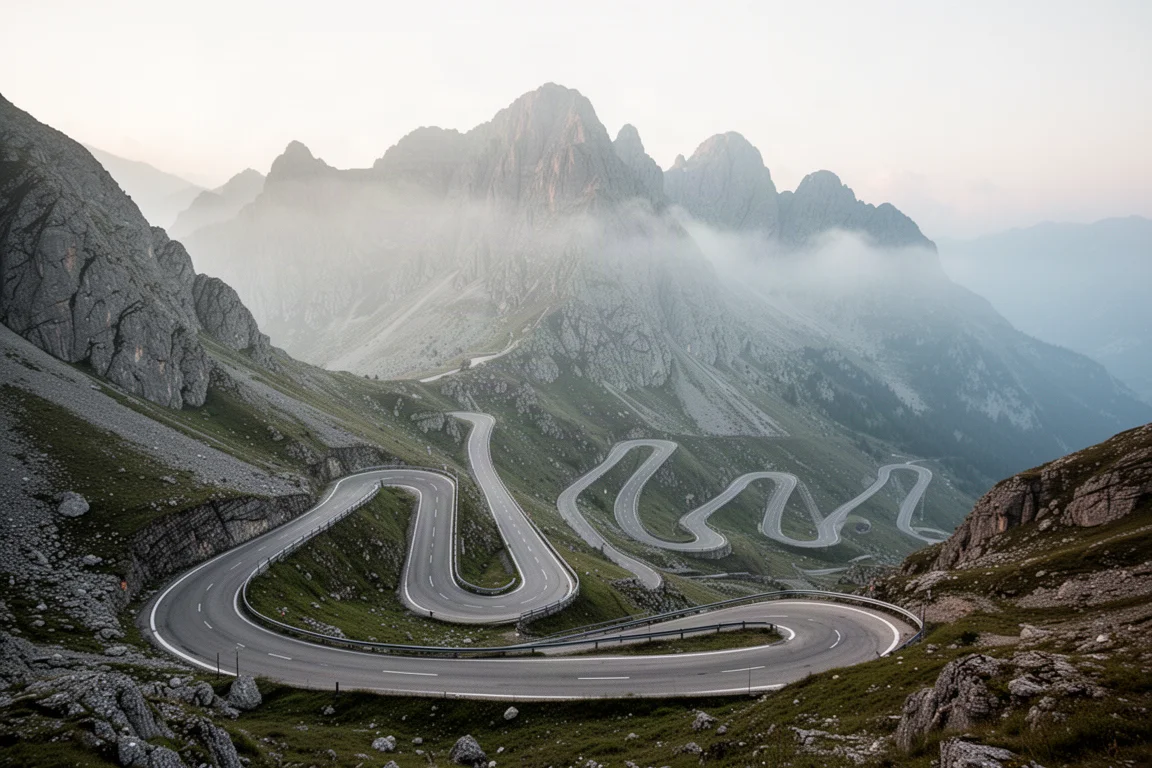
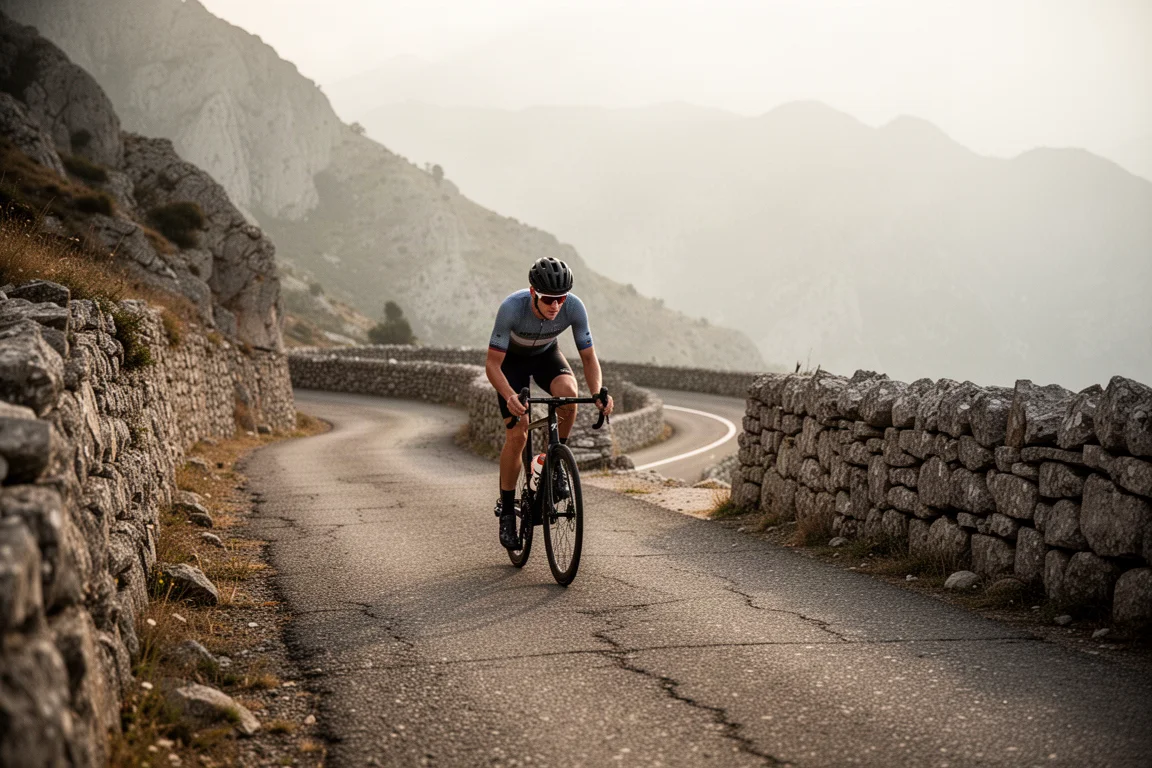
The route packed roughly 5,500 metres of climbing into 170 km, with about 65 km of it going uphill. The Col du Lautaret opened the day with 24 km of climbing at an average gradient of 5.2%, ramping up and easing off on the way to the summit. The Col du Galibier followed as the hardest climb of the day, its steep upper slopes rising above 2,600 metres. The Col de Sarenne, narrow, bumpy and winding, pushed gradients close to 9% as a final sting before the descent into Alpe d’Huez.
On gradients like these, pace is measured in single digits. The rider was lucky to hold 10 km/h on the climbs, against a 20 km/h average for the day and descents that touched 80 km/h.
Pacing mattered as much as the bike. Riding to heart rate and power, and deliberately avoiding spikes, kept the effort sustainable across all four climbs and brought the ride home in 8 hours 12 minutes of ride time, plus roughly 25 to 30 minutes stopped for bottles and water.
Canyon Ultimate CFR: Ride Feel on the Big Climbs
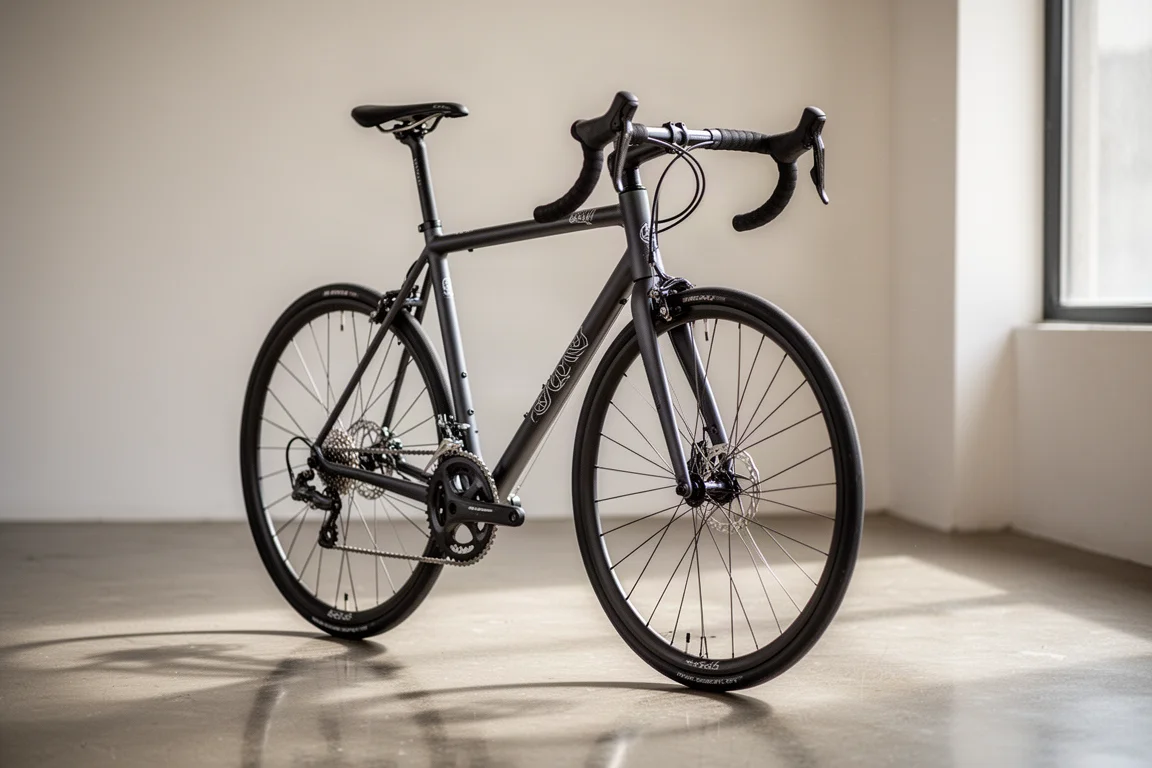
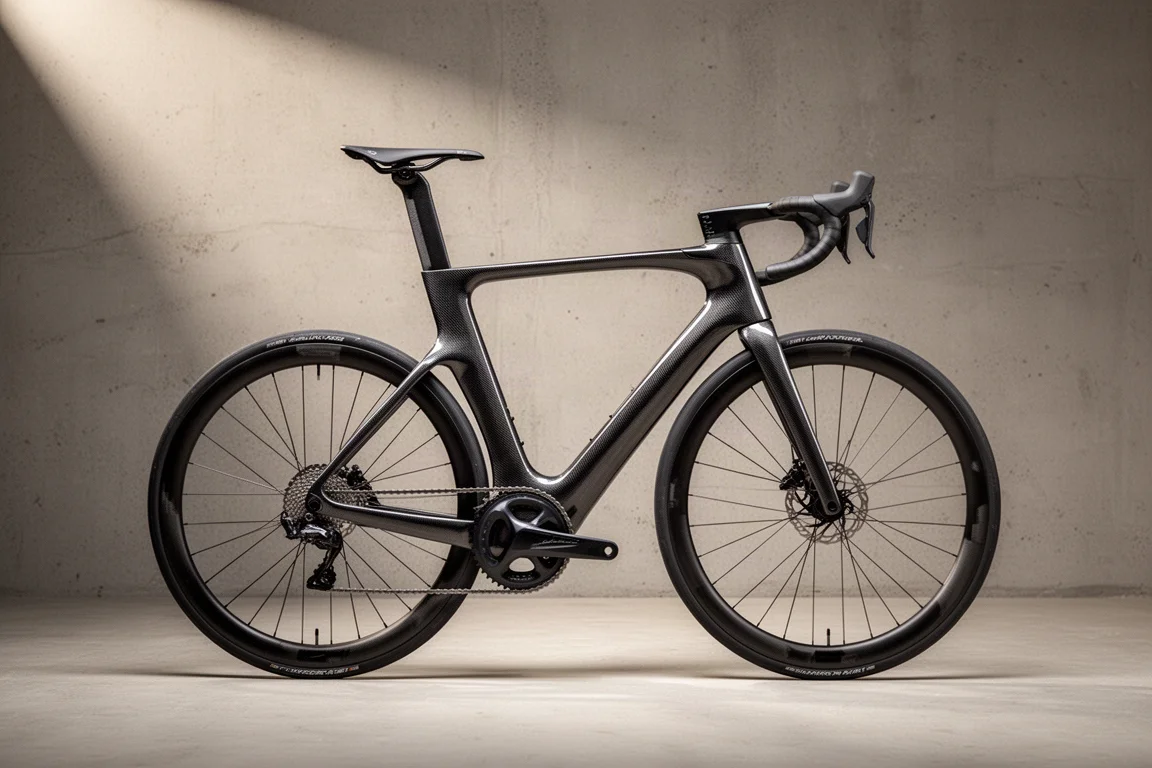
At 6.8 kg out of the box, the Canyon Ultimate CFR is a dedicated lightweight climbing bike, and the difference shows up in how it responds rather than in a wind tunnel figure. The ride feel is pointy, edgy and agile, with a sharpness that becomes most obvious once the road pitches upward.
Long stretches of the Galibier and the Lautaret were ridden out of the saddle, and that is where the bike made its strongest case. It felt more precise and more responsive than a heavier aero bike with deeper-section wheels, reacting immediately to changes in effort and line. Whether that translates into a faster time over a whole route is a separate question. Answering it properly would mean riding the same course again on a heavier aero bike, and that comparison was not made.
Crosswind Stability and Descending Confidence
The shallow carbon wheels are a large part of the lightweight package. They are light, they roll well, and they are noticeably less susceptible to crosswinds than deeper rims. That matters at altitude. At the top of the Galibier, around 2,600 metres, the wind was strong enough to buffet another rider on an aero bike with deep-section wheels, while these wheels stayed planted on the descent.
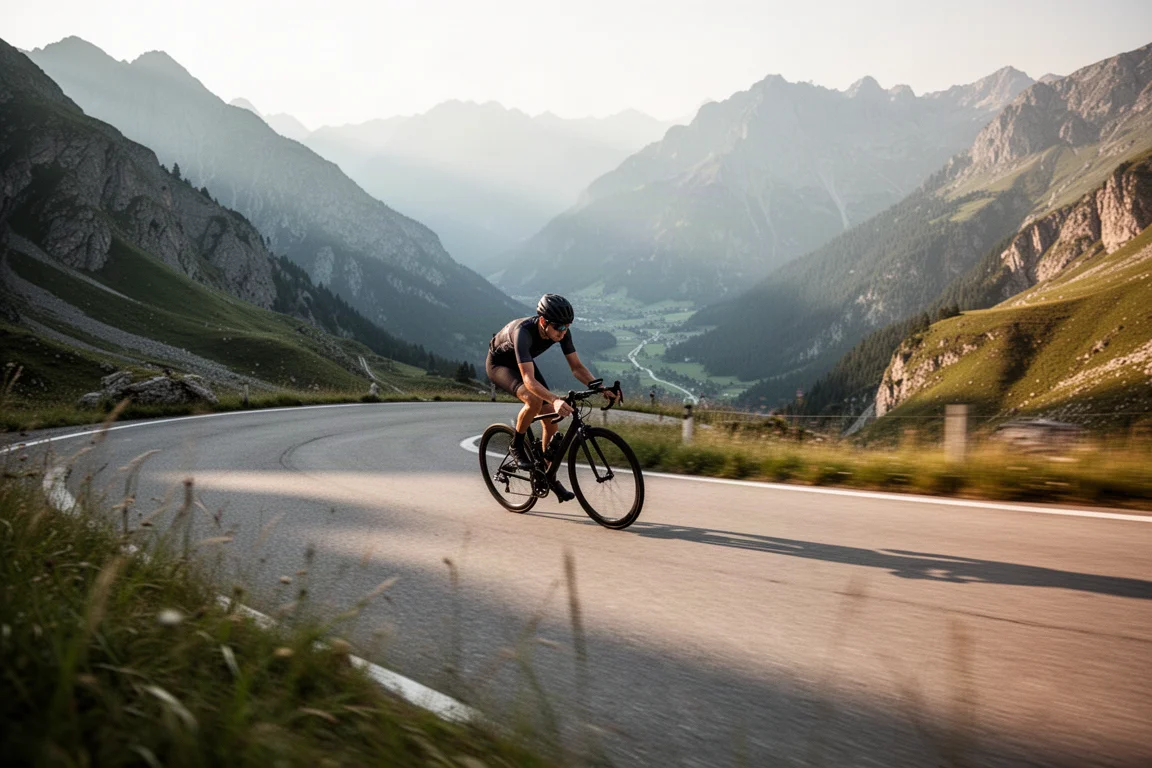
That stability feeds directly into confidence, particularly when descents are taken at speed. The downhill sections reached 80 km/h, and a wheel that holds its line in gusty conditions lets a rider stay relaxed and committed rather than fighting the front end. For anyone riding exposed terrain, this is a genuine advantage of a shallow, lightweight wheelset.
Selle Italia SLR: A 137 g Saddle for Long Climbs
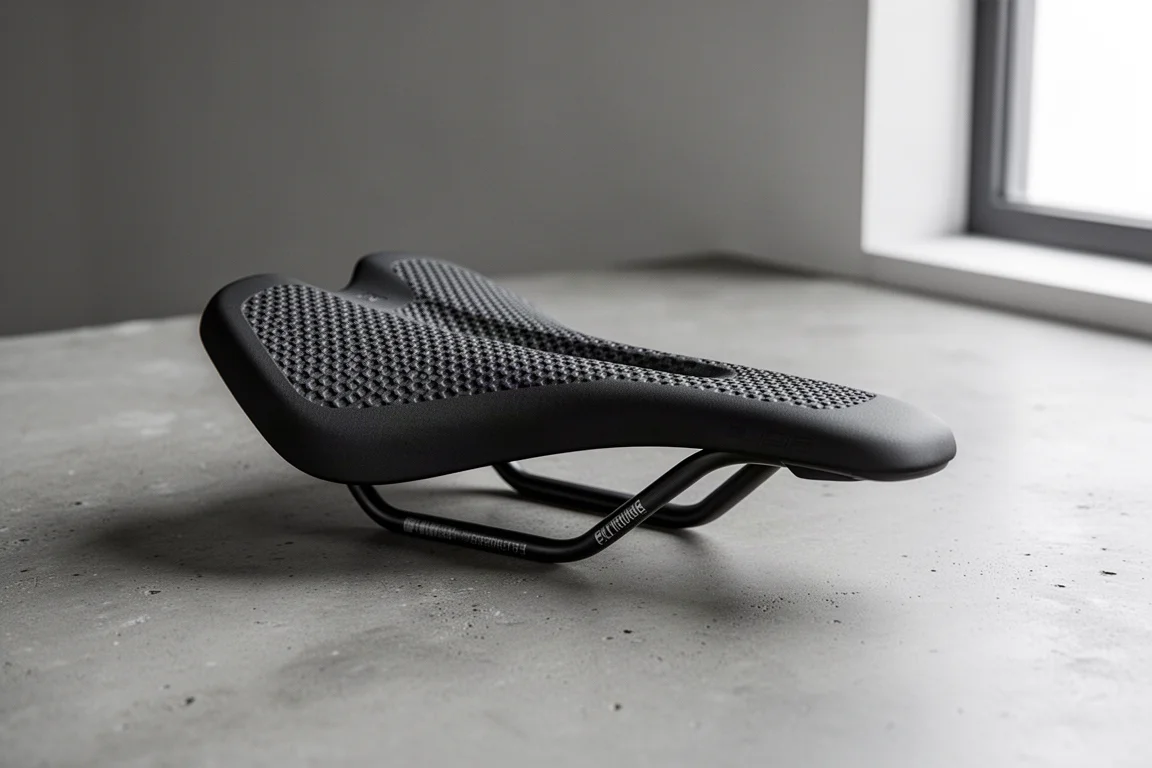
At 137 g, the fourth-generation Selle Italia SLR is one of the lightest 3D printed saddles on the market, and it is a natural match for a lightweight build. Weight is not the whole story, though. The SLR is appreciated for the balance it strikes between comfort and support, particularly on long rides where a saddle that gives too much or too little becomes a problem over several hours.
The new design is shorter and more compact, sitting right on the UCI dimensional limit. The rear profile is slimmer and lower, which gives it a cleaner, more modern look. Selle Italia has also raised the stack height by 4 mm, making it easier to fine tune saddle position during setup. Lighter, sleeker and more adjustable, it is a fitting finishing touch to a lightweight road bike build.
What the Average Speed Numbers Actually Suggest
Aero claims are usually measured in a wind tunnel at 40 to 45 km/h. The reality of a route like this one looks rather different: an average speed of 20 km/h for the day, around 10 km/h on the climbs, and descents that peaked at 80 km/h. Most of the ride was spent going uphill, and much of it was spent well below the speeds at which aerodynamic gains are most pronounced.
That does not prove a lightweight bike was faster. It does suggest that on a climbing-heavy route, weight and ride quality are likely to matter more than a small aero advantage, at least for a rider at amateur speeds. The honest position is that the difference would need a controlled back-to-back test to quantify, and even then it would only apply to one specific route and one specific rider.
Where a Lightweight Bike Still Makes Sense
For riders who live in mountainous areas, in France, Switzerland, Germany or parts of the United States, a dedicated lightweight bike remains highly relevant. When a route stacks thousands of metres of climbing into a single day, weight and responsiveness are the qualities a rider feels most.
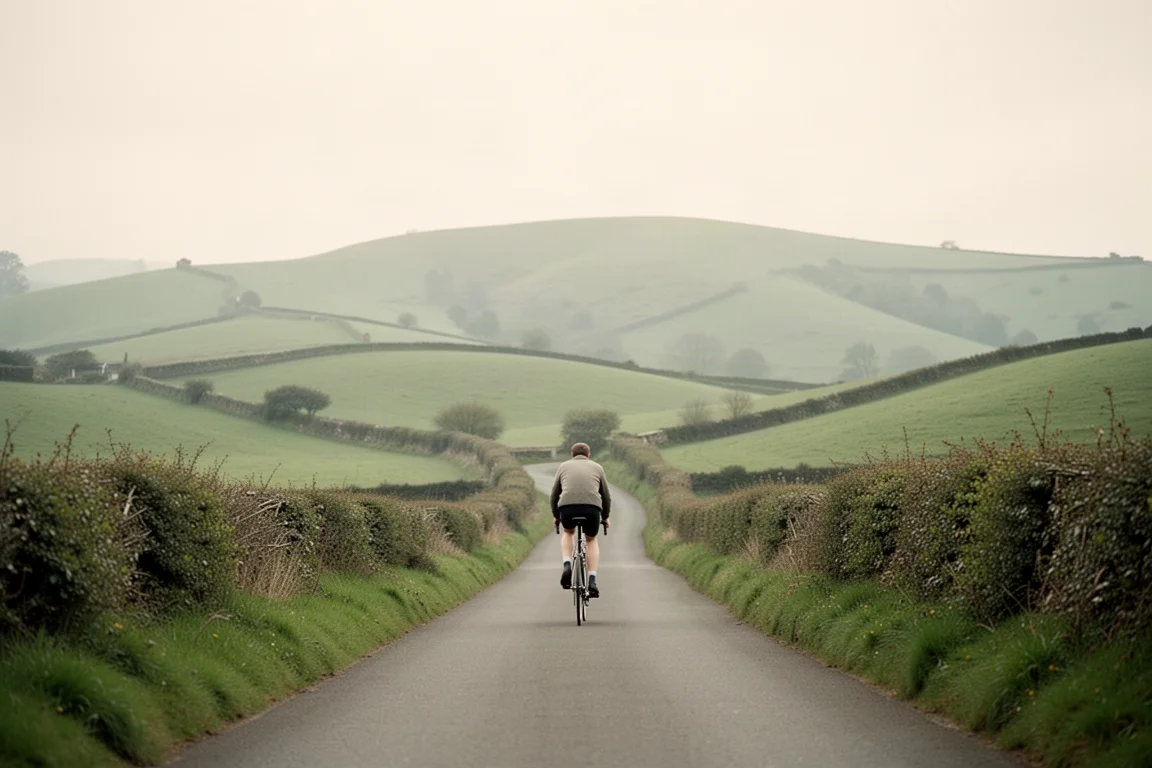
On rolling terrain, where climbs are short and steep rather than long, the balance shifts. There, the benefits of an aero bike are likely to outweigh the advantages of a lighter one, and a rider based somewhere like the Cotswolds may be better served by an aero-focused machine. Preference plays a part too: plenty of riders simply enjoy the way a light bike feels when they pick it up and ride it.
The market is changing as well. Some brands continue to offer separate aero and lightweight models, while others are consolidating into a single bike designed to be both light and aerodynamic. That choice is good for buyers, but it does mean the dedicated climbing bike has to justify itself more clearly than it once did.
Buying Advice: Matching the Bike to Your Terrain
The first question to answer is where you ride, not what the professionals ride. If your typical routes are built around long, sustained climbs, a lightweight bike like the Canyon Ultimate CFR is a logical choice: low weight, agile handling and shallow wheels that stay stable in crosswinds. If your terrain is rolling and your average speeds are higher, an aero-oriented bike is likely to serve you better.
The second question is how much the details matter to you. A bike at 6.8 kg feels different in the hands and under acceleration, and that sensation is part of what you are paying for. On the saddle side, the Selle Italia SLR is worth considering if you are assembling a light build and do not want to sacrifice support on long days. Its compact shape and 4 mm higher stack height give more room to dial in position, which matters over multi-hour rides.
Treat any weight-versus-aero decision as personal rather than absolute. Both approaches are valid, and the right answer depends on gradient, distance, road surface and the kind of rider you are.
Conclusion
Lightweight road bikes have not lost their relevance, but that relevance is more specific than it used to be. On a 170 km route with around 5,500 metres of climbing, the Canyon Ultimate CFR delivered exactly what a climbing bike should: low weight, a sharp and responsive ride, and shallow carbon wheels that stayed composed in strong crosswinds at 2,600 metres. The fourth-generation Selle Italia SLR, at 137 g, is a fitting companion for that kind of build, balancing comfort and support over long days.
If your riding is defined by long climbs, a lightweight bike remains a strong choice and one worth buying with confidence. If your roads roll rather than rise, an aero bike may suit you better. Either way, the decision is best made by matching the bike to the terrain you actually ride.
Further reading
Related Reviews

Road Bikes
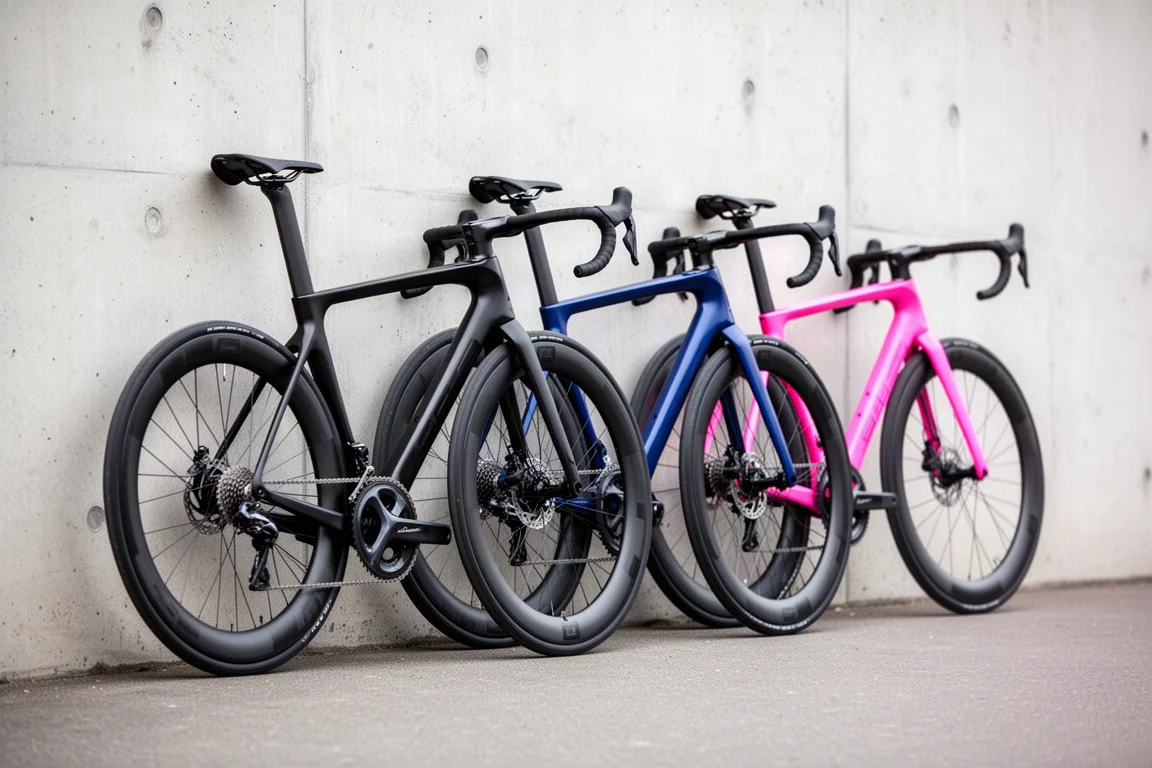
10 New Road Bikes Worth Watching: Aero, Titanium, Steel and Endurance Standouts
A practical roundup of 10 new road bikes, from aero flagships chasing single-watt gains to titanium, steel and endurance platforms built for real roads.
Road Bikes
2026 Tour de France Road Bikes: Six Race Machines Worth a Closer Look
Six race bikes from the 2026 Tour de France grid, reviewed for paint, silhouette, wheels and the specification details that matter to buyers.
Road Bikes
3T Strada Italia Review: A Radical Aero Road Bike That Rides Smooth
A made in Italy carbon aero road bike with a deep head tube, wide tire clearance and a genuinely comfortable ride. Here is what to know before buying.