Road Bikes
Five Lightweight Climbing Race Bikes That Still Hit the UCI Weight Limit
Five modern disc-brake race builds that sit at or near the 6.8 kg UCI minimum, with the component choices and trade-offs that make each one worth a closer look.
Introduction
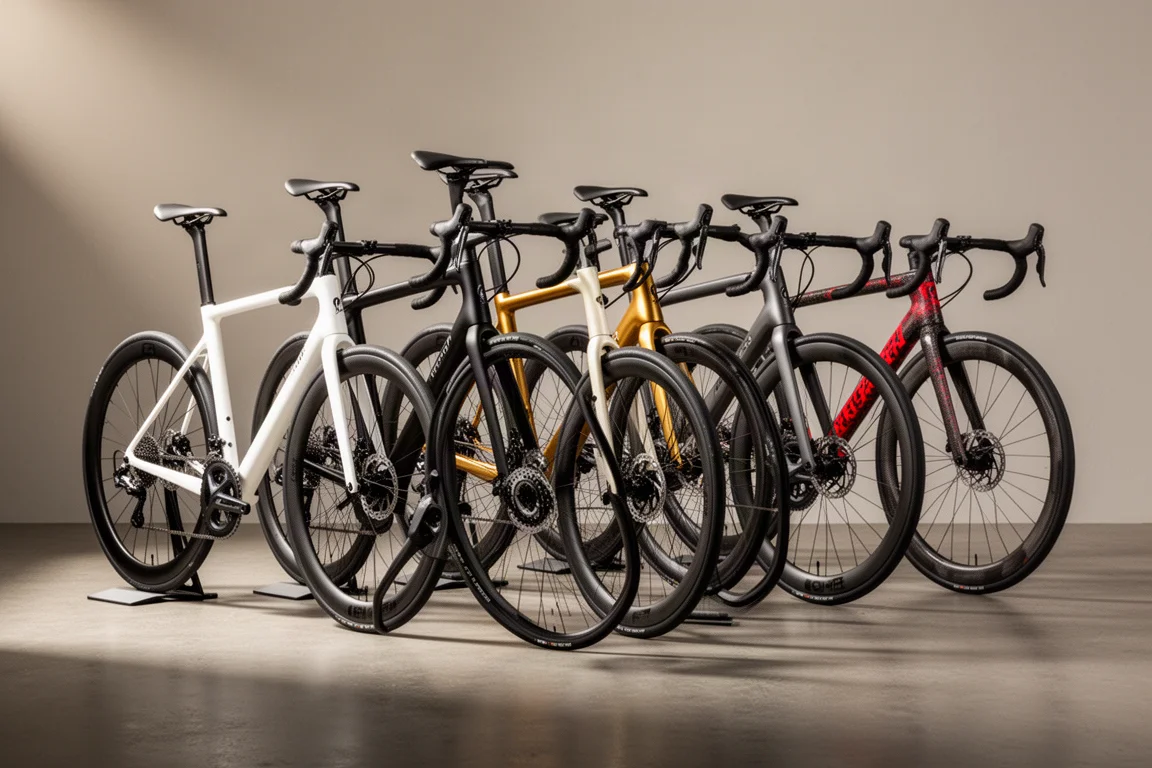
Rim brakes have all but disappeared from the professional peloton, and for a while it looked as though the classic sub-7 kg climbing bike would disappear with them. The reality is more encouraging. Modern disc-brake race builds can still meet the UCI minimum weight limit of 6.8 kg, and the five bikes below show how it is done: a mix of lightweight frames, careful component choices, and in some cases a small collection of custom parts.
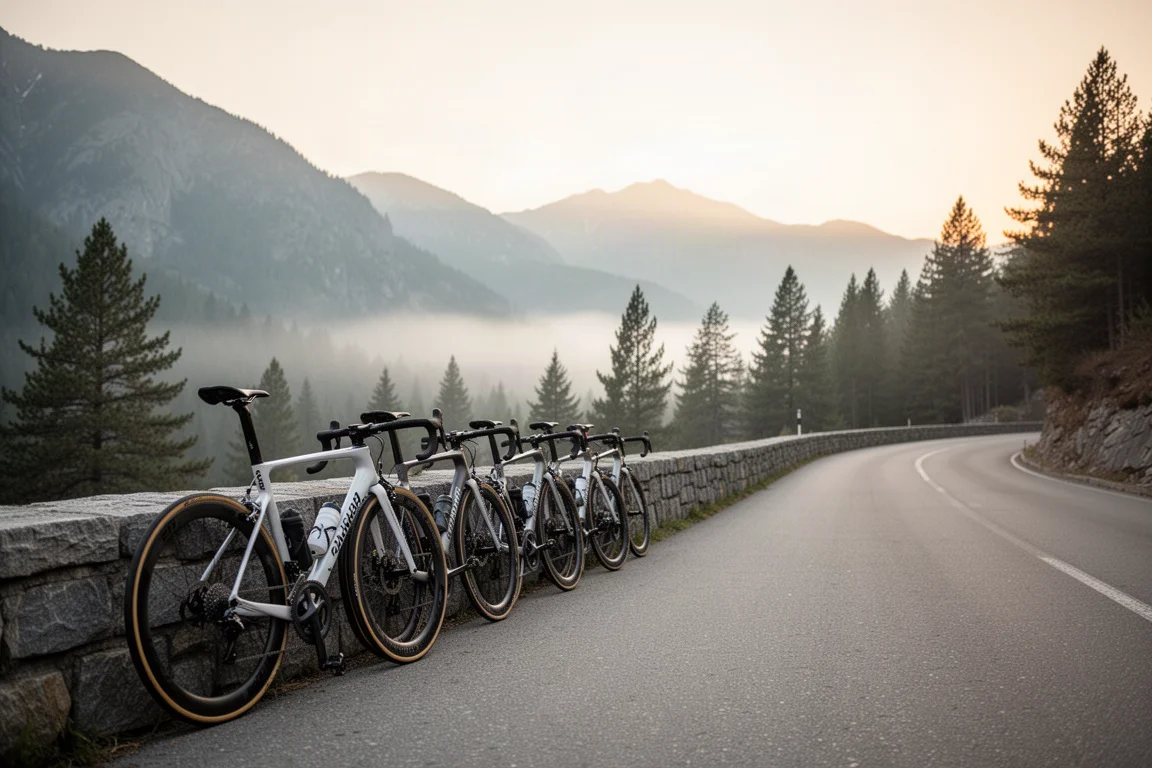
Each of these bikes was prepared for a grand tour, which means every gram was argued over. The figures below are complete build weights rather than catalogue numbers, and where a measurement includes pedals, bottle cages, or a bike computer, that is noted, because those accessories can easily account for several hundred grams on their own.
How These Builds Stay Near the UCI Weight Limit
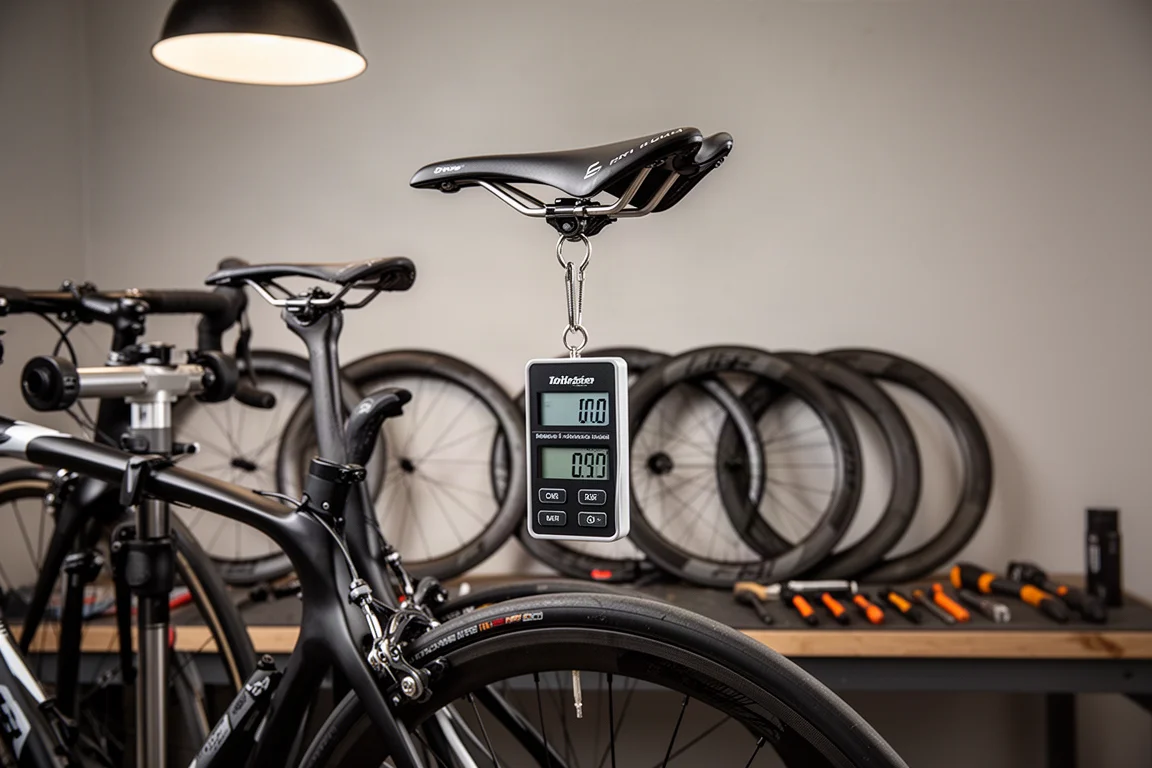
Comparing race bike weights is trickier than it looks. A number quoted for a bare frame and a number quoted for a complete bike with pedals, cages, and a computer are not the same thing, and the difference can be large enough to change the story completely.
Three details matter most when reading the numbers that follow:
- What is included in the measurement, since pedals, cages, and computers add real weight.
- Which wheels are fitted, because swapping a deep aero wheelset for a lighter climbing set is the quickest way to drop below the limit.
- How the bike is set up for the day, as chainring size, tyre width, and rotor choice all shift the total.
It is also worth remembering that any scale has a margin of error, so a build sitting 35 g under the limit is better understood as being at the limit rather than comfortably below it.
Colnago V5 RS
The V5 RS is the most heavily customised bike on this list. Beyond the special paint, the build carries engraved chainrings, a carbon headset cap, a direct-mount derailleur hanger, and a custom bottom bracket shell. Even the through axles are bespoke, at 54.5 g for the pair. The longer you look, the more small details appear, including polished silver hubs and spokes.
On the scales the complete bike came in at 6.765 kg, roughly 35 g under the UCI minimum. That margin is imperceptible on the road, but it shows how far a top team will go to remove any excuse on a mountain stage.
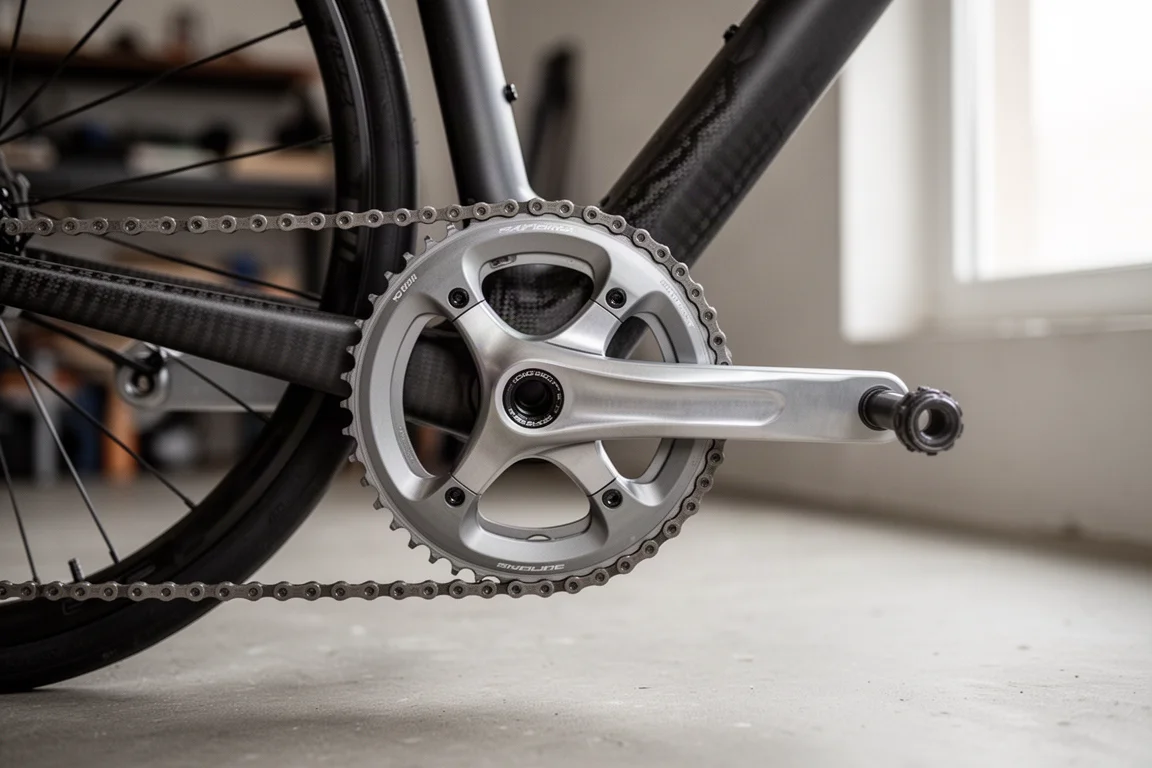
The build is not purely a weight exercise. The 28 mm tyres measure closer to 31 mm once mounted, which adds grip and comfort and can reduce rolling resistance, and the bike uses standard Dura-Ace brake rotors rather than the carbon rotors seen on the previous version of this frame.
The result is a machine that should be as quick on the flat as it is on a climb, which is exactly what a rider fighting for the overall classification needs.
Cervélo R5
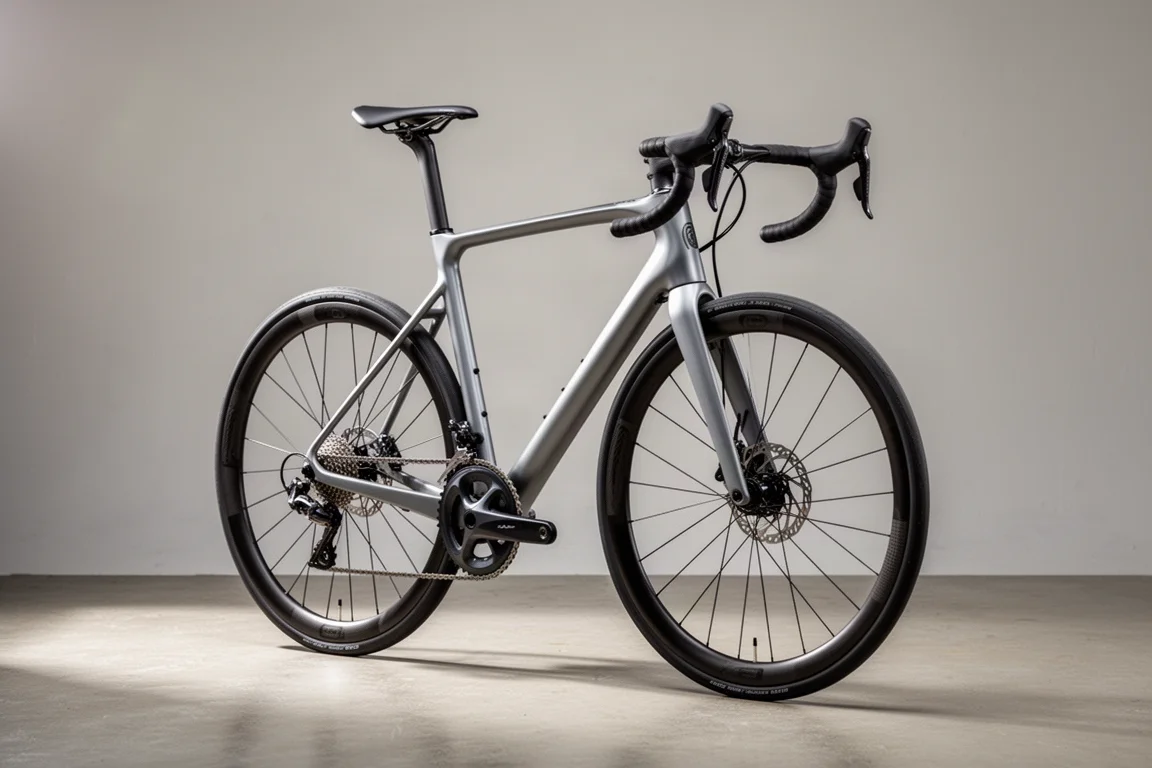
A new R5 appeared at the race before it had been officially launched, and the complete build, including bottles and cages, pedals, and a bike computer, weighed in at around 7 kg. That is a striking figure once you account for everything bolted to the bike.
The brand has had a busy season, with a new gravel model and a new aero flagship arriving within weeks of each other. That raises a genuine question for anyone watching the racing: on a climbing day, does the lighter R5 offer enough of an advantage over the more aerodynamically efficient aero model to justify the swap? The aero bike has already taken a hilly stage win and a notable one-day victory this year, so the answer is not obvious.
For riders rather than racers, the appeal of the R5 is simpler. It is a lightweight platform built around modern disc brakes and wide tyres, and it shows how close a production frame can get to the UCI minimum when the build is chosen carefully.
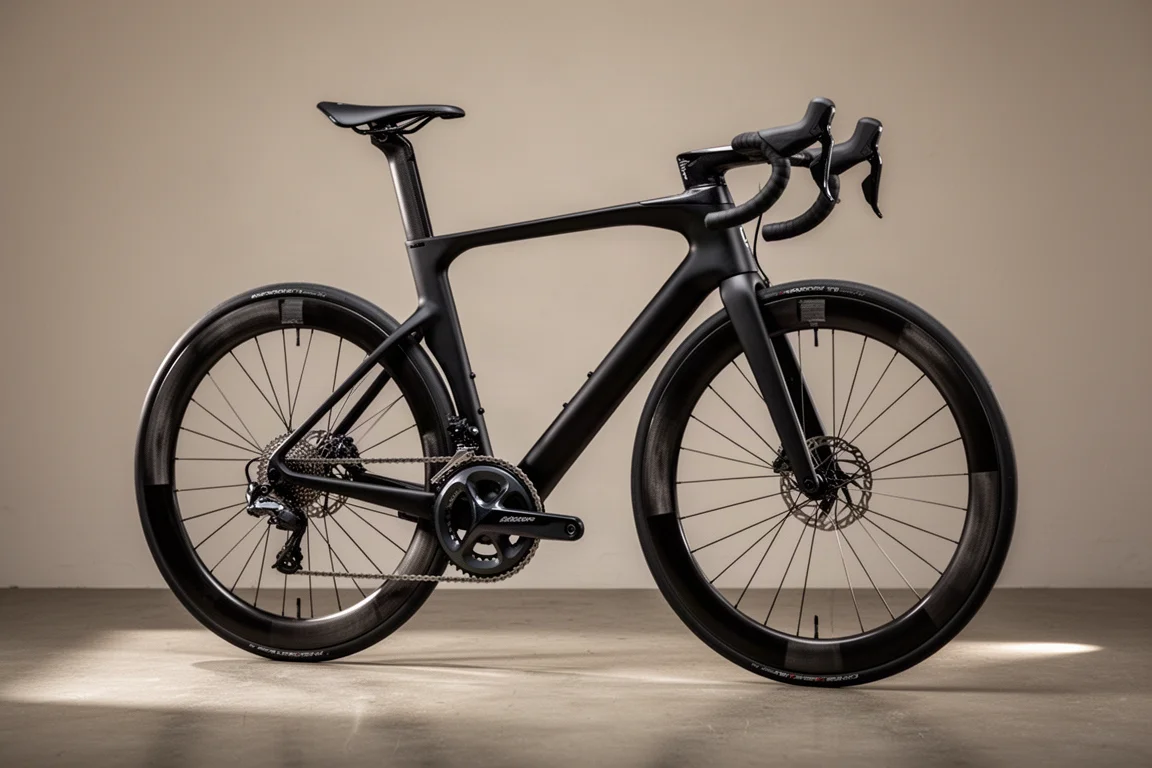
Specialized S-Works Tarmac SL8
At 7.1 kg in full aero specification, this is one of the lightest builds in the race. The gold paintwork and the very large chainring are both working against the scale, and a smaller chainring would trim a little weight, but the setup is aimed at speed rather than at a weigh-in.
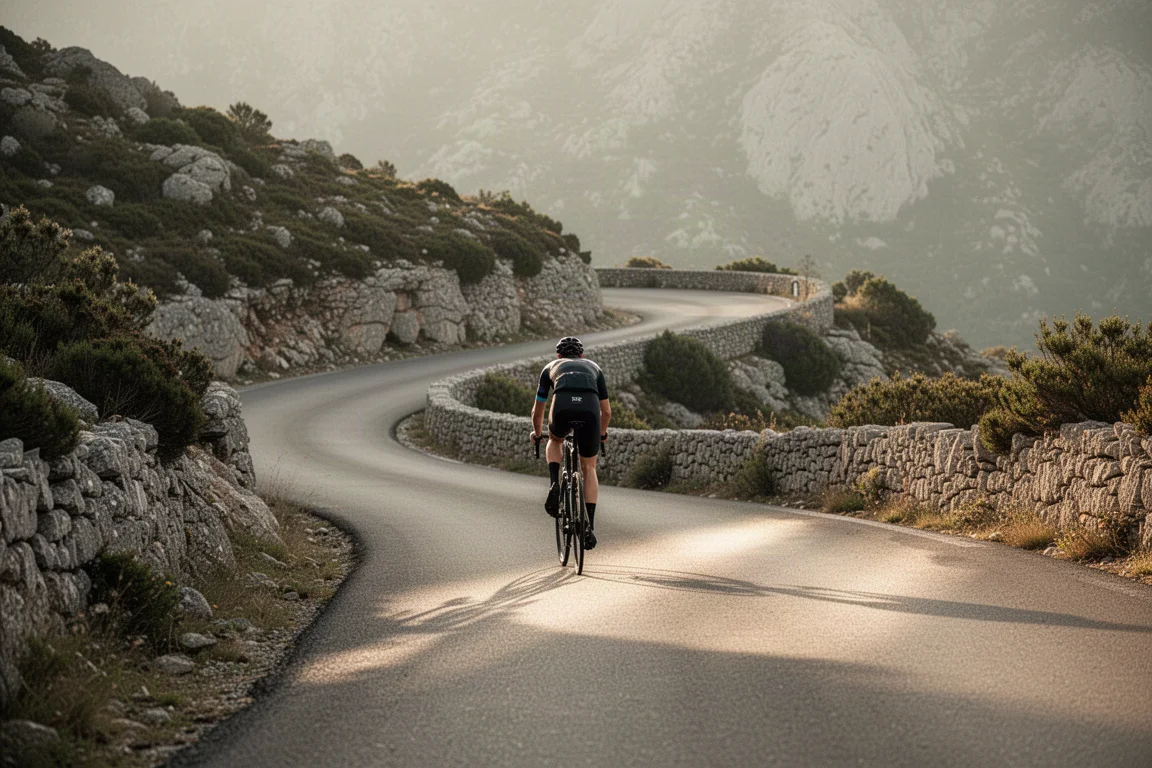
For mountain stages, the deep aero wheels can be swapped for the lighter climbing wheelset in the same range, which brings the build down towards the UCI limit. A lighter frame with plain black paint has been used in previous seasons for exactly this reason, and it may reappear when the road goes uphill.
That flexibility is the real story here. One frame can be configured as a fast aero race bike for flat and rolling days, then rebuilt with lighter wheels for the high mountains, which is why this platform appears across several teams at the race.
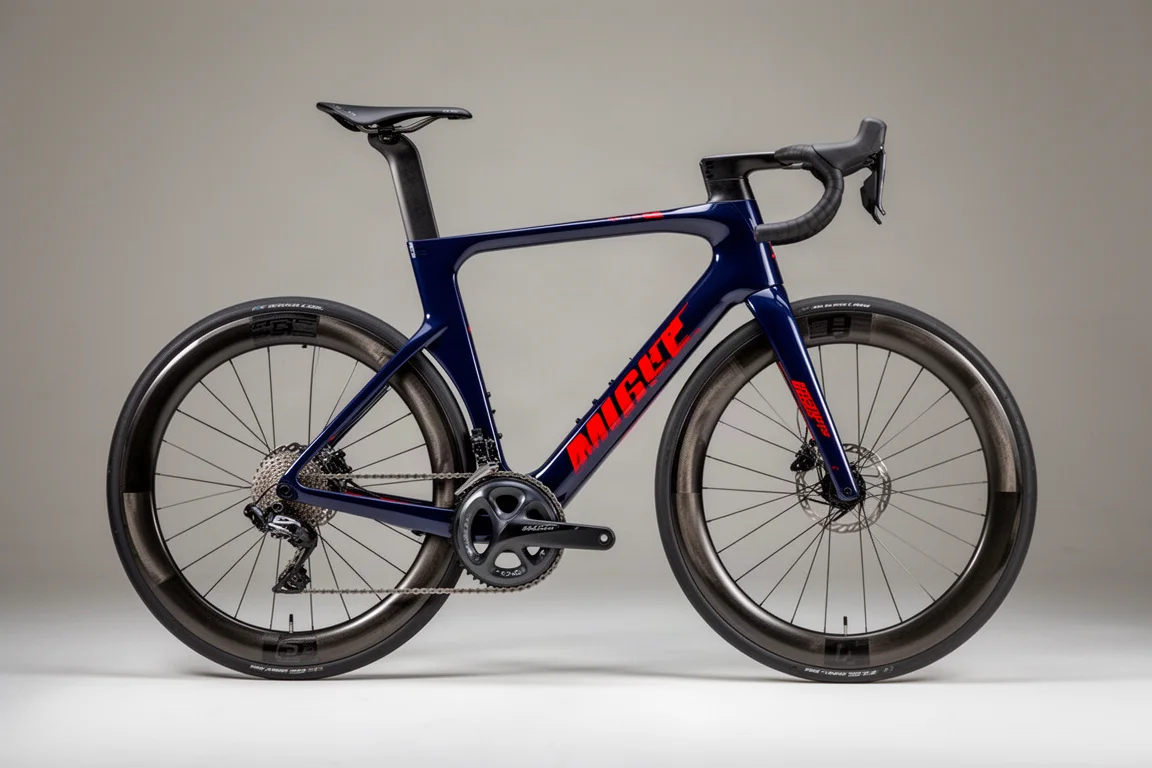
Canyon Aeroad CFR
This is the aero bike that won the previous edition of the race overall by four seconds, the smallest winning margin in the event’s history, which is a useful reminder that aero efficiency still counts on a climbing-heavy course. Aerodynamic gains accumulate across a three-week race and can leave a rider with more energy when the gradients steepen.
The brand’s own figures quote a medium Aeroad CFR at 6.98 kg, close enough to the limit that a change of wheels or tyres could take it under. The same range also includes a lightweight model listed at roughly 250 g less for the same specification, and that trade-off between low weight and low drag is the central decision for anyone shopping in this category.
A larger build with 60 mm rims, big chainrings, and custom paint weighed around 8 kg at the start of the race, but that setup was aimed at flat, sprint-heavy stages. With lighter wheels and climbing gearing, the same frameset moves much closer to the limit.
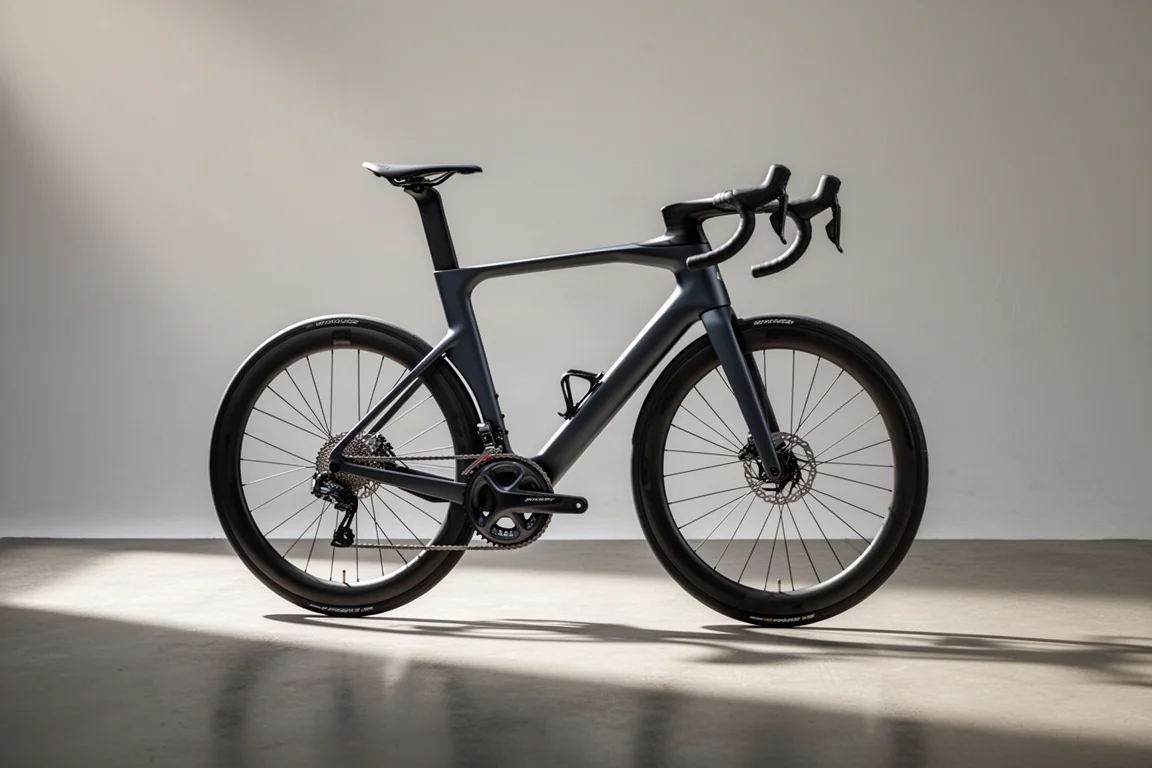
BMC Teammachine SLR
The Teammachine SLR is the wildcard here, a brand new frame ridden by a second-division team hoping to take stages from breakaways. It is the bike of choice for the hillier days rather than the flat sprints.
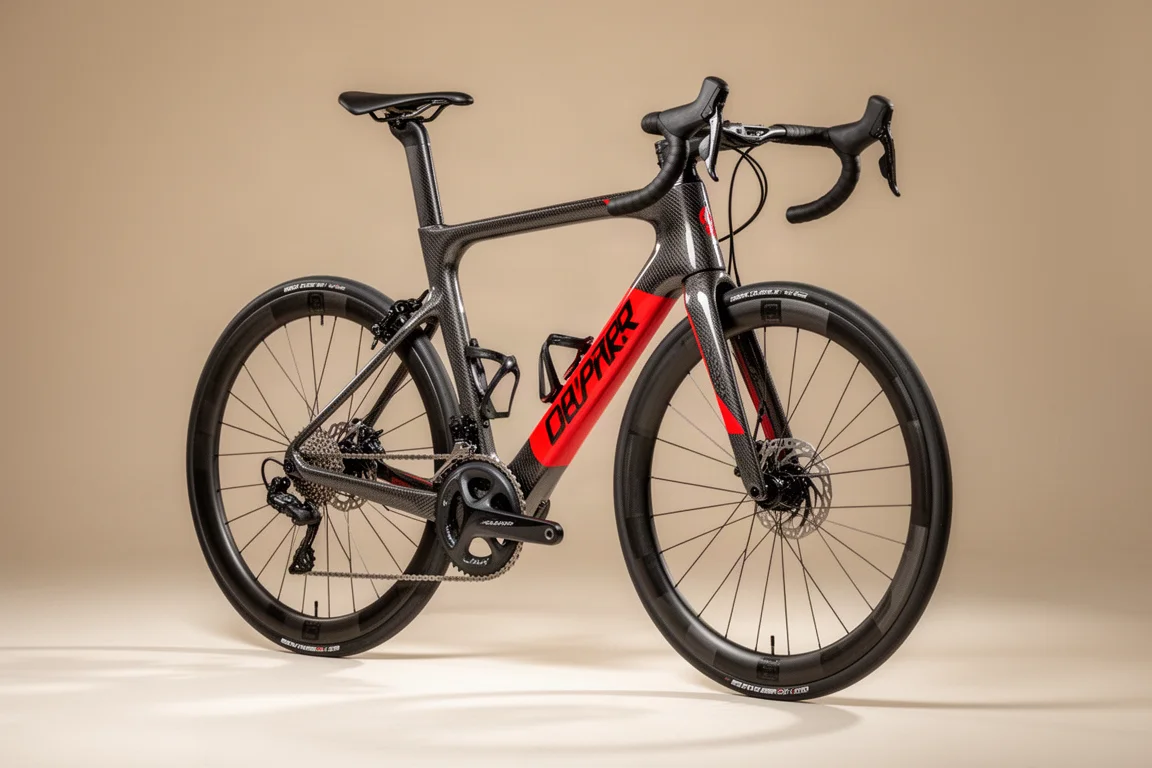
A 52 cm build weighed 7.125 kg, and that figure includes pedals, integrated aero bottle cages, and a bike computer, so the bare bike is lighter than the number suggests. The finish is raw carbon under a clear coat with a large red graphic on the frame, and the build runs an older model of carbon wheels.
The previous generation had a special lightweight edition that came in below the standard build. Whether a similar version of this frame appears is an open question, and it is worth watching for anyone who wants the lightest possible version of an already competitive platform.
For now, the stock frame is the one to judge. It is a modern, disc-brake climbing platform that stays within a few hundred grams of the UCI limit even with a full complement of accessories attached.
Buying Advice: Matching the Build to the Terrain
The gap between the lightest bike here and the heaviest is roughly 360 g once you compare like with like, and most of that difference comes from component choices rather than from frame design. Wheels, tyres, rotors, and cranksets are where the real savings live, and they are also the parts most riders can change later.
If you ride mostly rolling terrain, an aero frame with a mid-depth wheelset is usually the more useful purchase, because the efficiency gains apply on almost every ride. If your riding is dominated by long, steep climbs, a lighter frame and a shallow wheelset will feel more rewarding, and the numbers above show that the UCI limit is reachable without exotic parts.
Pay attention to how weights are quoted. A claimed figure that excludes pedals, cages, and a computer can look far better than a real-world build. Ask what is included, and treat anything within about 100 g of the limit as effectively at the limit.
Finally, remember that a bike sitting 35 g under 6.8 kg will not feel faster than one sitting 35 g over it. Buy for the geometry, the fit, and the component spec that suits your riding, and treat the weight figure as one detail among many rather than the whole story.
Conclusion
Lightweight climbing race bikes are alive and well, even with disc brakes. The five builds here range from a heavily customised machine measured at 6.765 kg to a stock frame at 7.125 kg with pedals, cages, and a computer attached, and every one of them is a credible grand tour bike.
The most useful takeaway is that the UCI minimum is not reserved for factory specials. Sensible wheel choices, careful tyre selection, and a frame that suits your terrain will get most riders much closer to that target than any single expensive component.
Further reading
Related Reviews

Road Bikes
10 New Road Bikes Worth Watching: Aero, Titanium, Steel and Endurance Standouts
A practical roundup of 10 new road bikes, from aero flagships chasing single-watt gains to titanium, steel and endurance platforms built for real roads.
Road Bikes
2026 Tour de France Road Bikes: Six Race Machines Worth a Closer Look
Six race bikes from the 2026 Tour de France grid, reviewed for paint, silhouette, wheels and the specification details that matter to buyers.
Road Bikes
3T Strada Italia Review: A Radical Aero Road Bike That Rides Smooth
A made in Italy carbon aero road bike with a deep head tube, wide tire clearance and a genuinely comfortable ride. Here is what to know before buying.