Camping and Outdoor Gear
Light Fighter 1 Military Tent and Windbreaker Cold Weather Kit: Winter Storm Field Test
A one-person military tent and its cold weather conversion kit put through a night of high wind, ice, and snow on an exposed mountain campsite.
Introduction
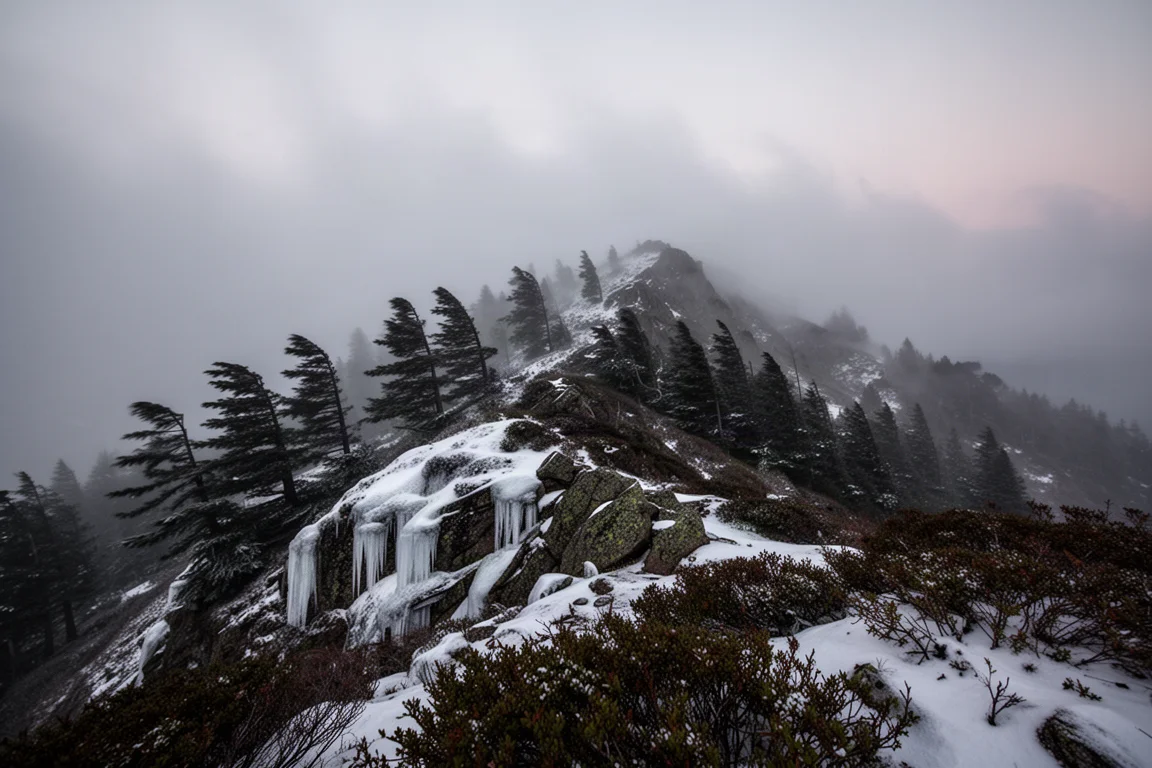
Winter camping rarely rewards improvisation. The conditions on this trip set the tone early: winds steady around 30 mph and gusting to 50, snow alternating with ice and freezing rain, and an overnight low near 12 degrees Fahrenheit with a wind chill close to 15 below zero. In weather like that, shelter is not a convenience. It is the difference between a good night out and a miserable one.
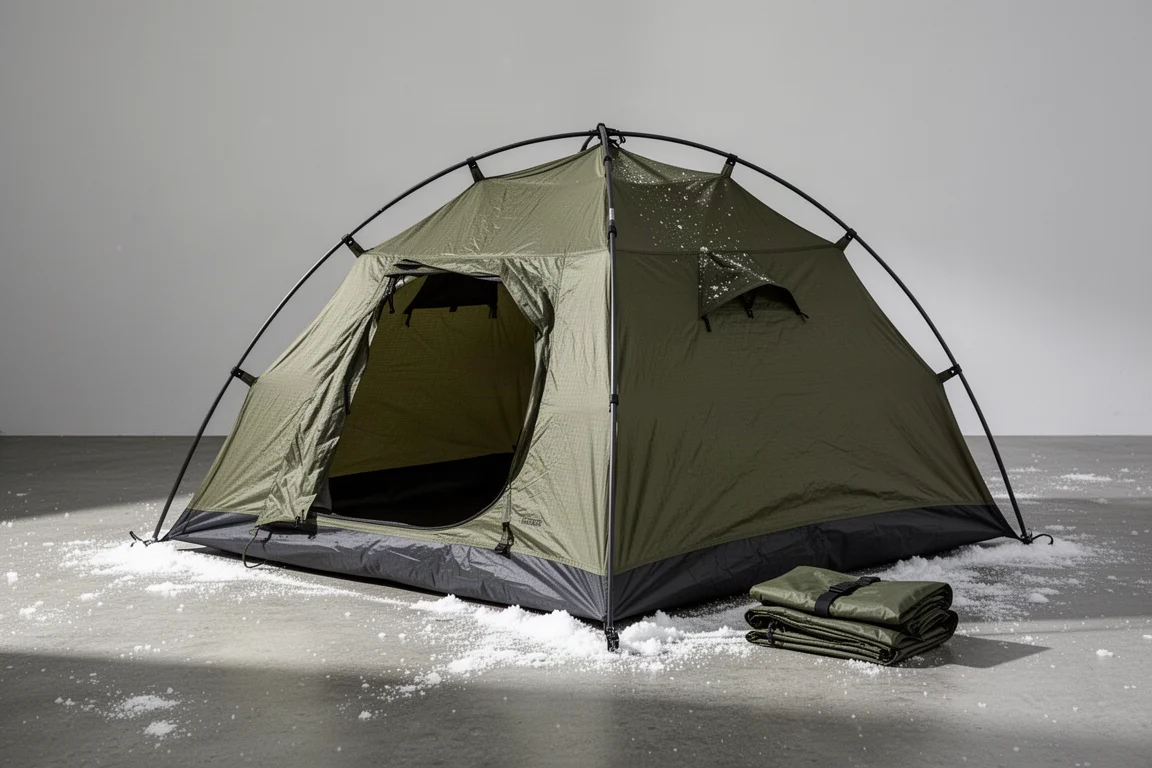
The gear under test was built for exactly this kind of weather: the Light Fighter 1, a one-person, three-season military tent used by the U.S. military, and the Windbreaker cold weather conversion kit, which turns that three-season shelter into a four-season one. Both were pitched on an exposed mountain campsite and left to handle a full night of wind, ice, and snow.
This article looks at what each piece is, how the pair performed together, and which campers are most likely to get real value from them.
What to Look For in a Cold Weather Shelter
Three things decided the outcome of this trip: wind blocking, moisture management, and how much weight and bulk a shelter adds to a pack. A tent that stops the wind but traps every breath of moisture will leave you damp and cold by morning. A tent that breathes freely but lets the wind straight through will do the same.
Weight and durability matter just as much. Snow and ice load fabric and poles, so a shelter that is light enough to carry still has to hold its shape when the weather turns. Setup matters more than most people expect as well: cold hands, thick gloves, and frozen hardware make a simple pitch far harder than it looks in a warm driveway.
Light Fighter 1 Military Tent: Three-Season Shelter With Mil-Spec Build
The Light Fighter 1 is a one-person, three-season tent made for the U.S. government, and it separates itself from typical military shelters in a few ways. The design leans civilian: it is lighter than most military tents while still meeting mil-spec standards for strength and waterproofing. Because it is a three-season design, it uses a lot of mesh, which is ideal for airflow in warm weather and less helpful once the temperature drops.
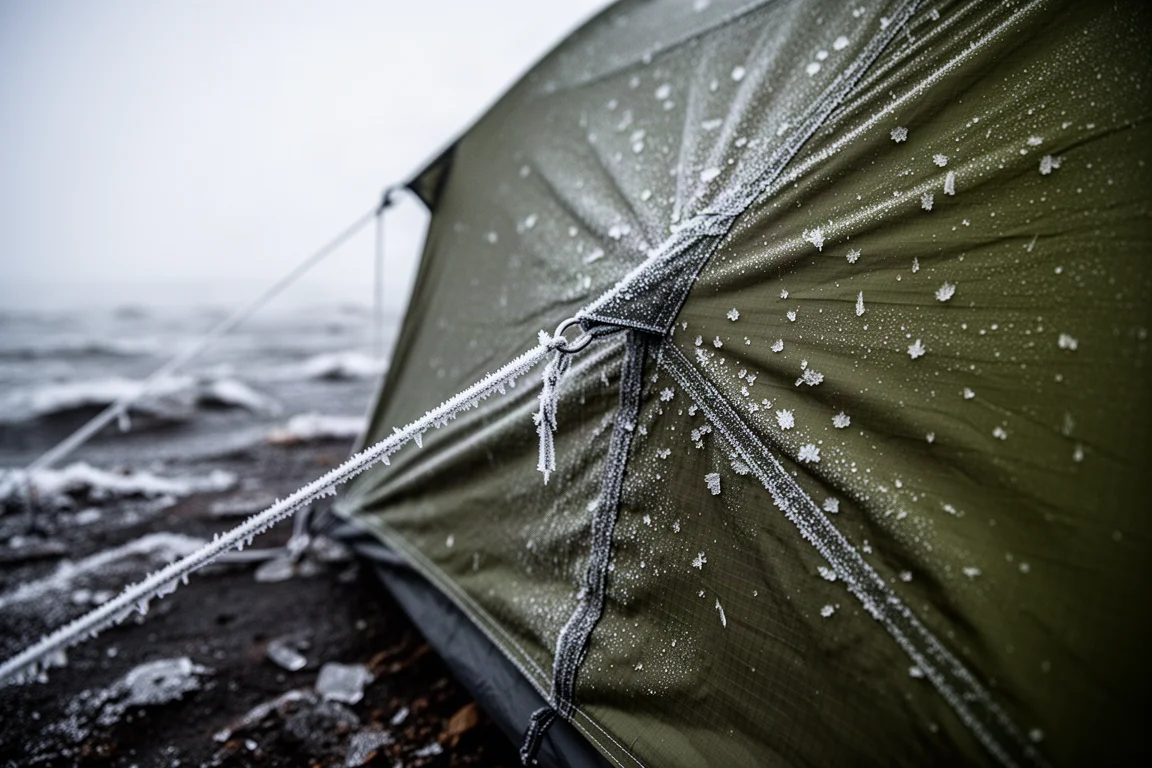
Setup is a little slow at the beginning, but the process speeds up noticeably once the tent is roughly halfway up. On a windy, icy day, fitting the ground sheet alone is enough to test anyone’s patience. Once standing, the tent carried the accumulated weight of snow and ice and held up against sustained gusts.
Windbreaker Cold Weather Conversion Kit: Adding a Fourth Season
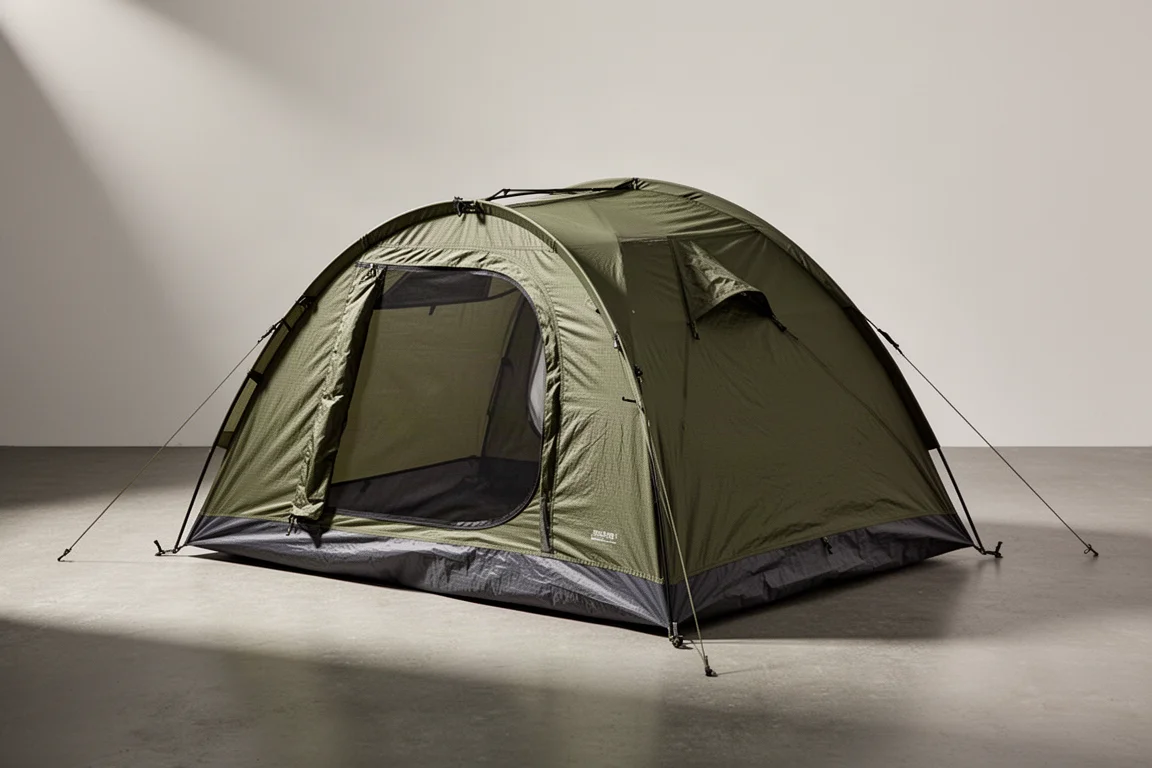
The mesh-heavy three-season build left an obvious gap for cold weather, so the tent’s maker developed the Windbreaker kit to close it. The kit adds a double wall that holds in more heat, blocks wind, and releases moisture, which keeps the person inside warmer and more comfortable. It also keeps the vents in place, so airflow continues and helps with condensation and moisture control.
In use, the wind blocking is the headline. Roughly 90 percent of the wind was shut out, and the temperature difference between the inside and outside of the tent was substantial, warm enough that a camera lens fogged up shortly after coming in from the cold.
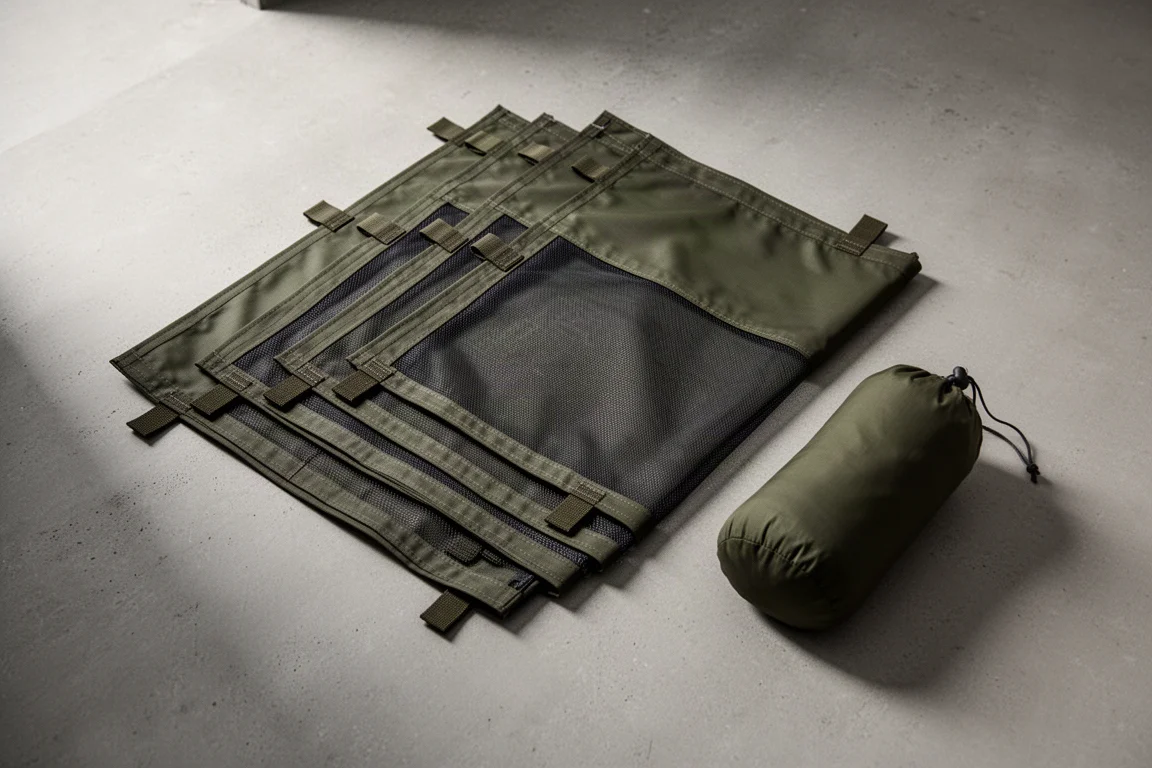
How the Pair Performed Through a Storm Night
Snow fell through the evening and iced over everything it touched, including the tent fabric and the guy lines. Drifting pushed roughly five inches of snow into the vestibule by morning. Even during the strongest gusts, almost none of that wind made it inside the tent.
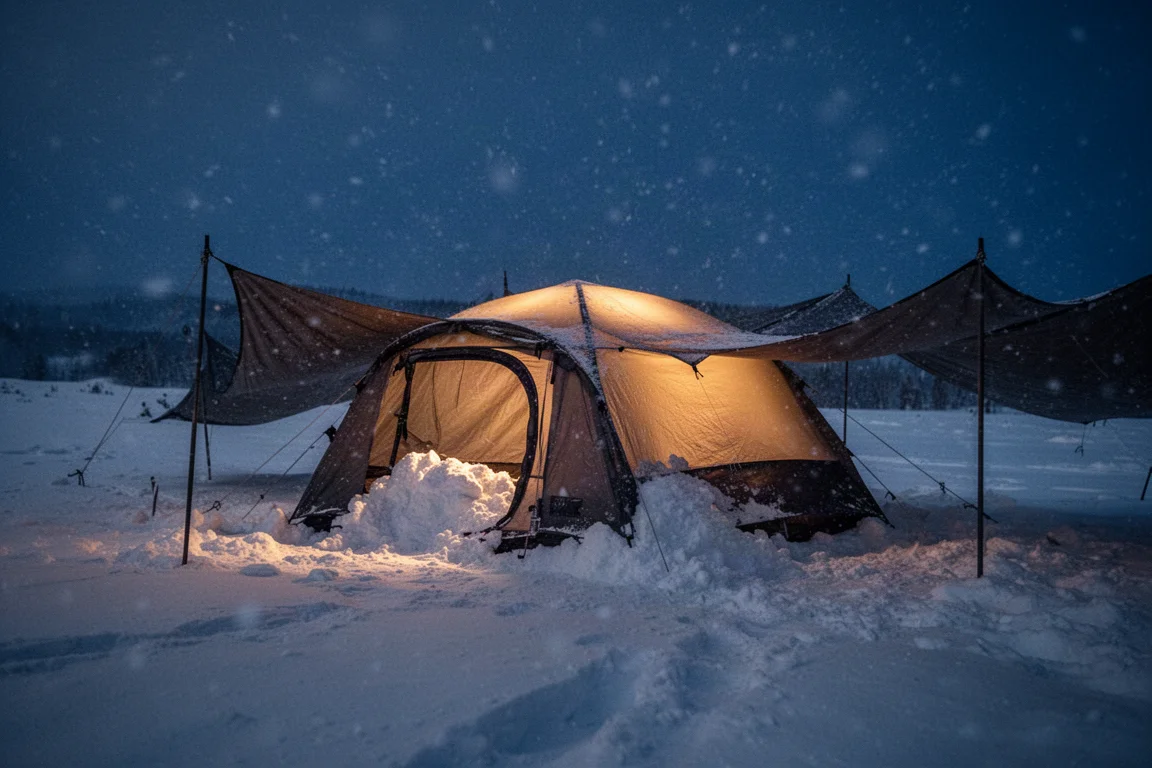
The morning report was straightforward. Conditions outside were genuinely cold, and the difference between inside and outside the tent was substantial. The kit will not make a tent hot, but it does hold in heat and block wind, and the tent itself came through the storm well, working as a genuine four-season shelter rather than a three-season tent pressed into service.
Setup, Packing, and Cold Weather Practicalities
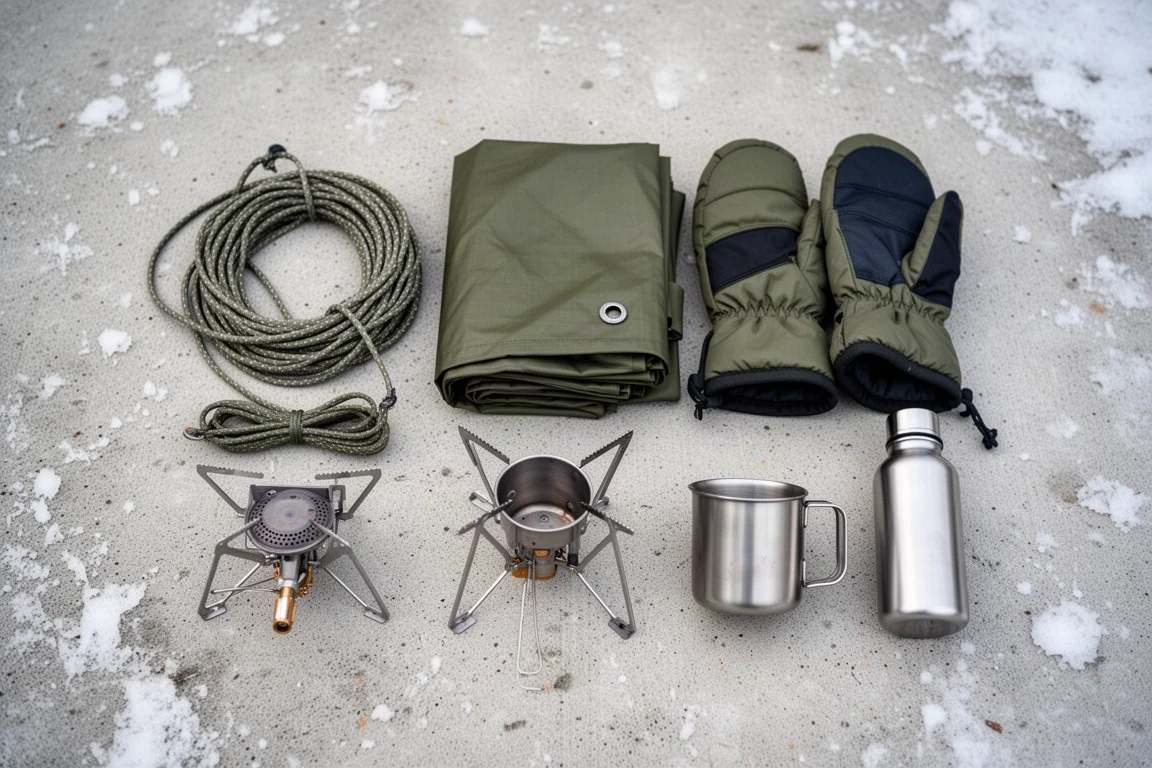
Pitching in wind and ice is a test of patience, but the bigger chore is breaking camp in it. Packing up meant taking mittens off to untie lines, warming hands, then pulling them back on, over and over, while the cold locked up the hardware: straps stiffened, buckles froze, and poles resisted folding. Gloves should always be set down with the opening facing down, otherwise they fill with snow and ice.
Water management deserves attention too. A canteen left outside the tent froze solid overnight and had to be thawed inside a sleeping bag, which is a reminder that anything holding liquid needs a plan once temperatures fall well below freezing.
Buying Advice
The two pieces answer different questions. The Light Fighter 1 is the shelter: a lightweight, waterproof, mil-spec one-person tent that carries well and stands up to serious weather, with the mesh-heavy three-season construction that keeps it comfortable in warm conditions. The Windbreaker kit is the upgrade path, extending that same tent into cold weather use by adding a double wall that holds heat, blocks wind, and manages moisture.
If you camp in three seasons and want one tent you can push into winter, buying the two together makes sense. If you already own the three-season version, the conversion kit is the direct way to extend it into the fourth season. Either way, practice the pitch at home before you rely on it in bad weather, and go in knowing that the mesh panels are exactly why the kit matters once the snow starts.
Conclusion
Two pieces of gear, one clear purpose. The Light Fighter 1 provides a light, strong, waterproof one-person shelter that handles wind and snow load, and the Windbreaker cold weather conversion kit turns it into something you can sleep in comfortably when the temperature drops. For campers who spend time out in real winter conditions, that combination is worth a close look.
Further reading
Related Reviews
Camping and Outdoor Gear
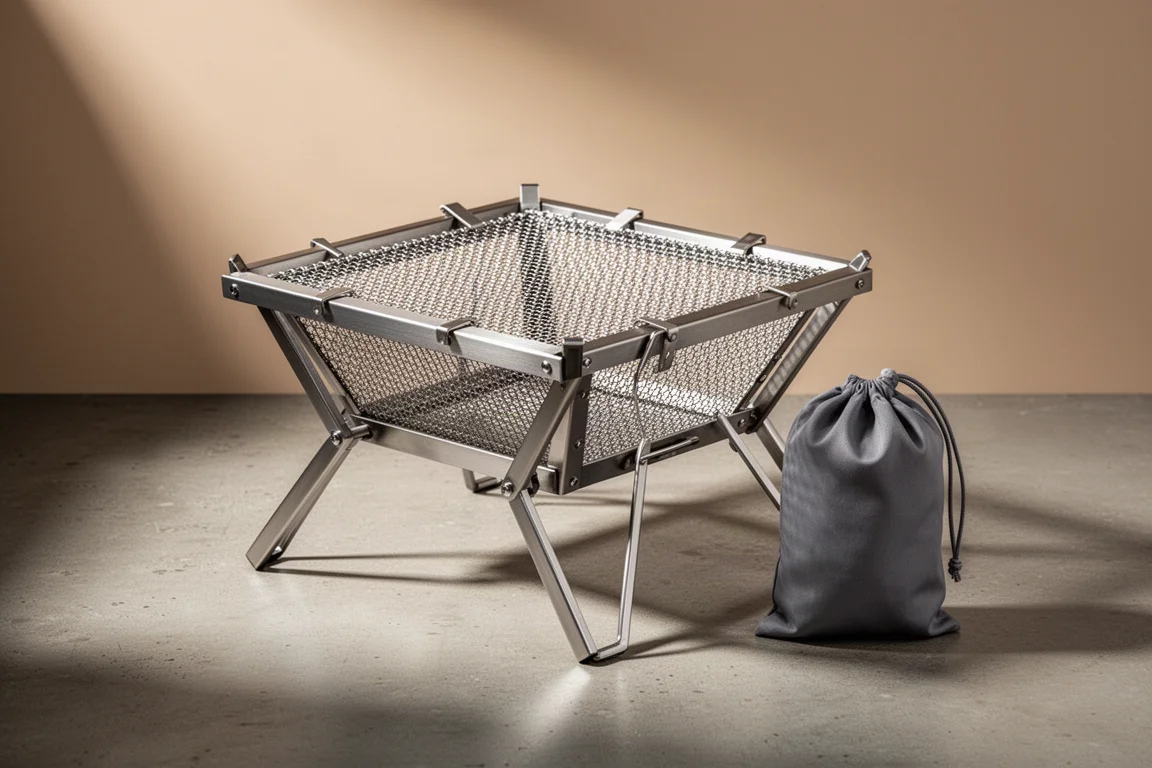
Kikrikee 22-Inch Fire Pit Stand Stove Review: Big Heat From a Two-Pound Pack
A lightweight stainless steel fire pit stand that delivers serious heat and packs down small, with honest trade-offs around setup, fuel use, and open-fire safety.
Winter Camping Gear
Affordable Winter Camping Gear: Six Budget Pieces Tested Below Freezing
Three reflective sleeping pads, an updated down jacket, a titanium pot and a $25 winter stove, assessed on frozen ground at around minus 12 degrees Celsius.
Camping Tents
Alps Mountaineering Ranger Tent Review: A Roomy One-Person Shelter With a Demanding Setup
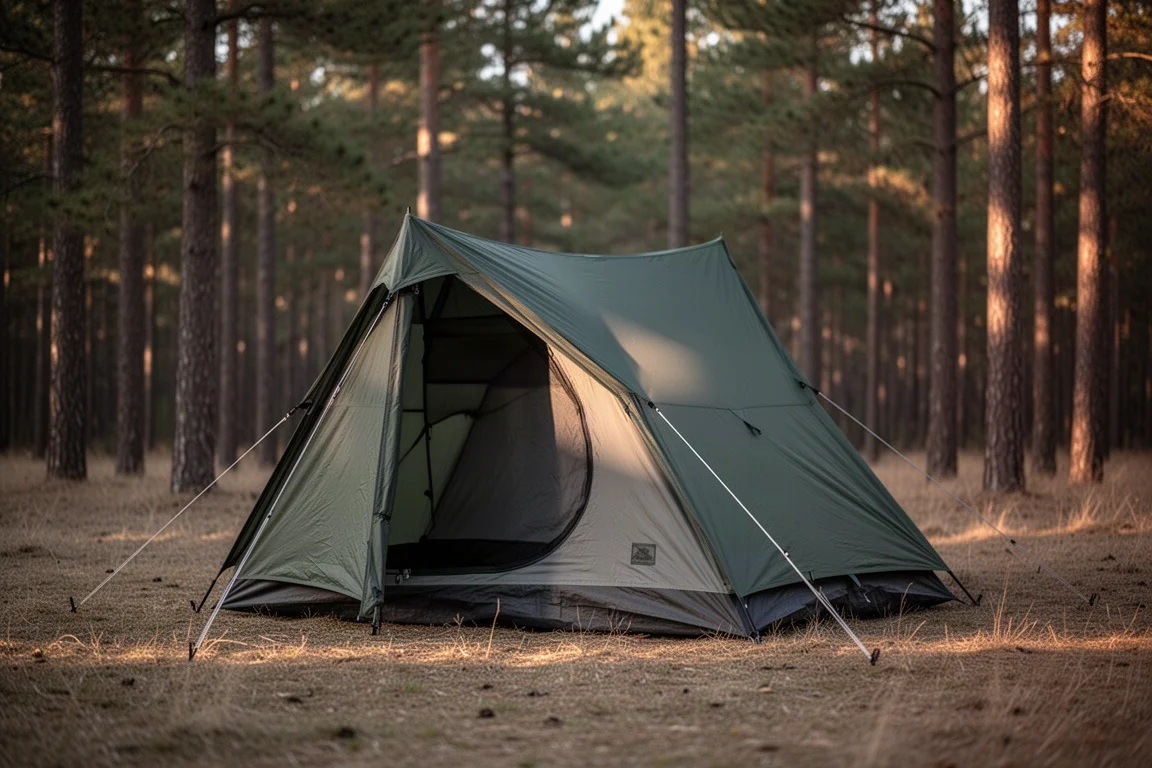
The Alps Mountaineering Ranger is a tall, spacious one-person tent with robust hardware, but its multi-pole setup and missing printed instructions ask a lot of first-time buyers.