Backcountry Skis
Liberty Genesis 106 BC Review: A Light Touring Ski With Real Downhill Character
The Liberty Genesis 106 BC pairs an aspen maple core and carbon stringers with a rockered, surfy shape, giving backcountry skiers a lighter build that still holds up on the descent.
Introduction
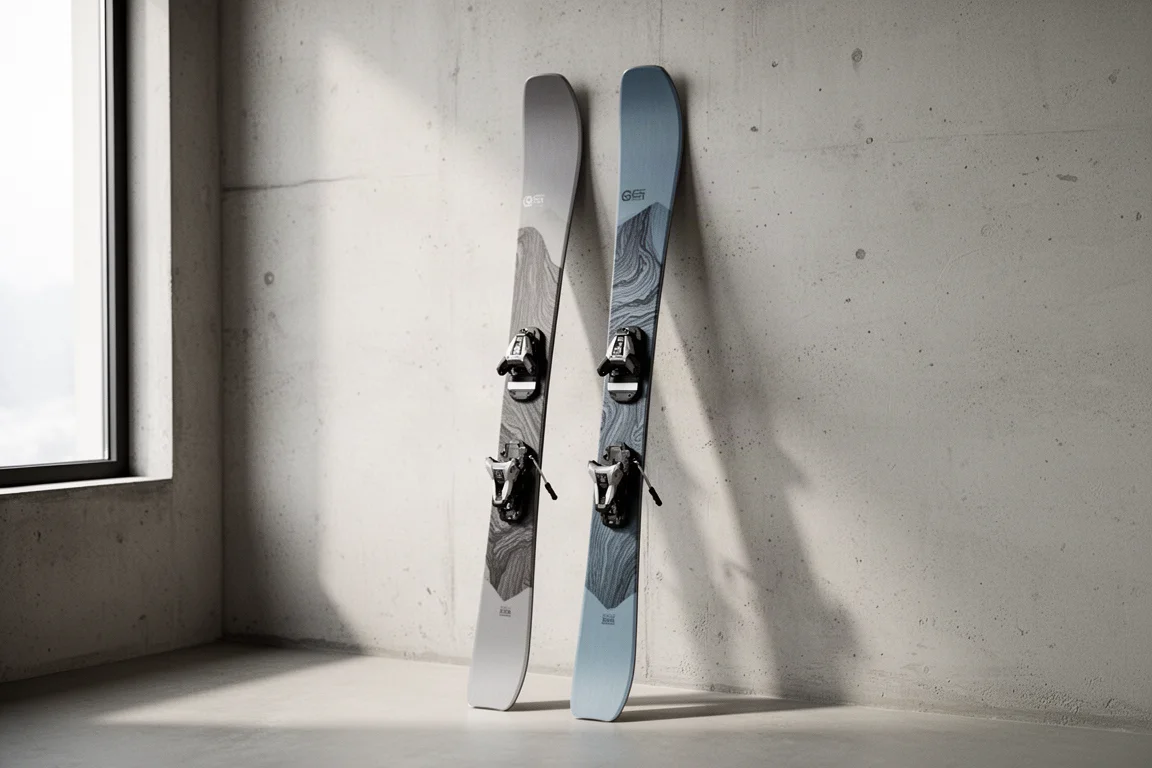
The Liberty Genesis 106 BC takes a proven shape and reworks it for skiers who earn their turns. It shares its shape and construction with the Genesis 106, but the backcountry version is built substantially lighter, which shifts the ski’s character toward efficient climbing without giving up the downhill manners the design is known for.
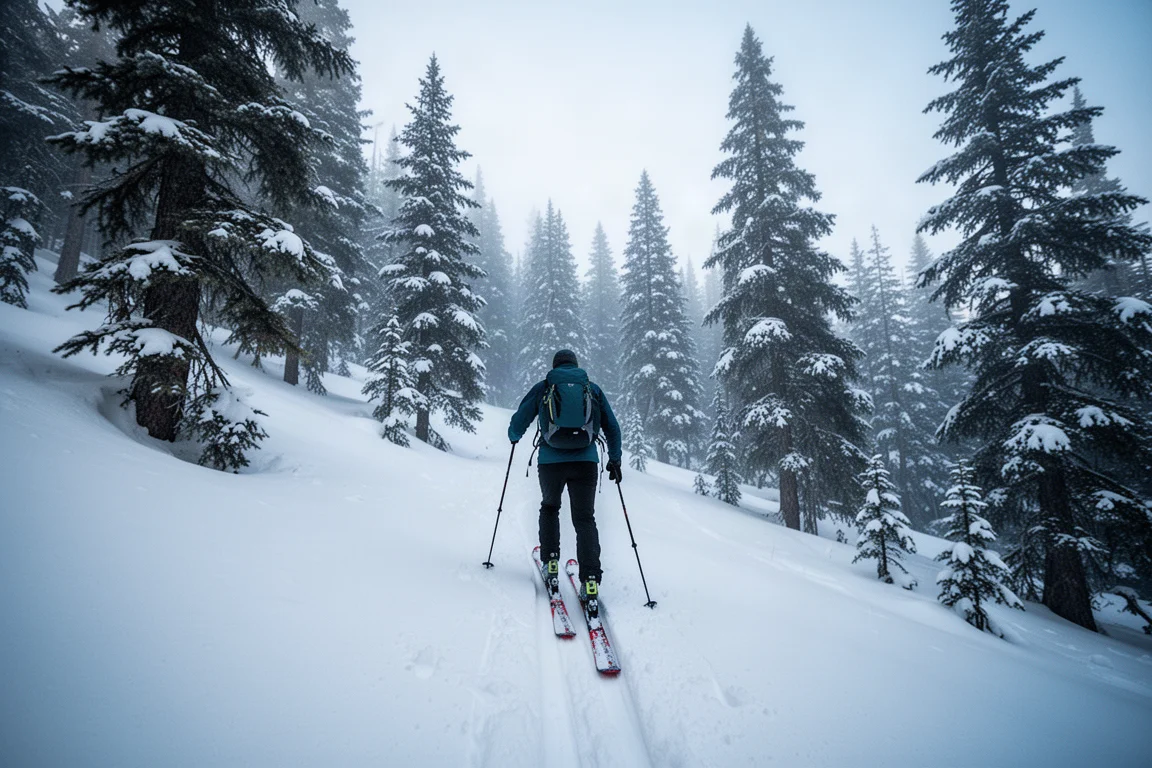
That balance is exactly why this ski deserves a closer look. Plenty of touring skis climb efficiently and then feel nervous on the way down, while plenty of heavier resort skis feel planted but punish you on the skin track. The Genesis 106 BC is positioned in the middle of those two extremes, and the details below explain how it gets there.
Who This Ski Is For
This is a ski for the rider who wants an efficient touring setup and still expects strong downhill performance. If your days involve long approaches, rolling terrain, and a payoff lap on the descent, the lighter build is doing real work for you rather than simply trimming numbers on a spec sheet.
It also suits skiers who like a playful feel in soft snow. The shape is described as surfy and floaty in deeper conditions, so anyone who prefers a loose, smearing turn over a locked-in race stance will feel at home on it. Riders who spend their time on hardpack or in the terrain park are looking at a different category of ski entirely.
Main Strengths
The headline strength is weight. Compared with its Genesis 106 sibling, the BC version drops a significant amount of mass, which is felt most clearly on the uphill. Less weight underfoot means less energy spent on every switchback, and that is the entire point of a backcountry-specific build.
Stiffness is handled by carbon stringers running through the ski, so the lighter construction does not translate into a soft, vague ride. The result is a ski that holds its shape under load while remaining easy to move around in soft snow.
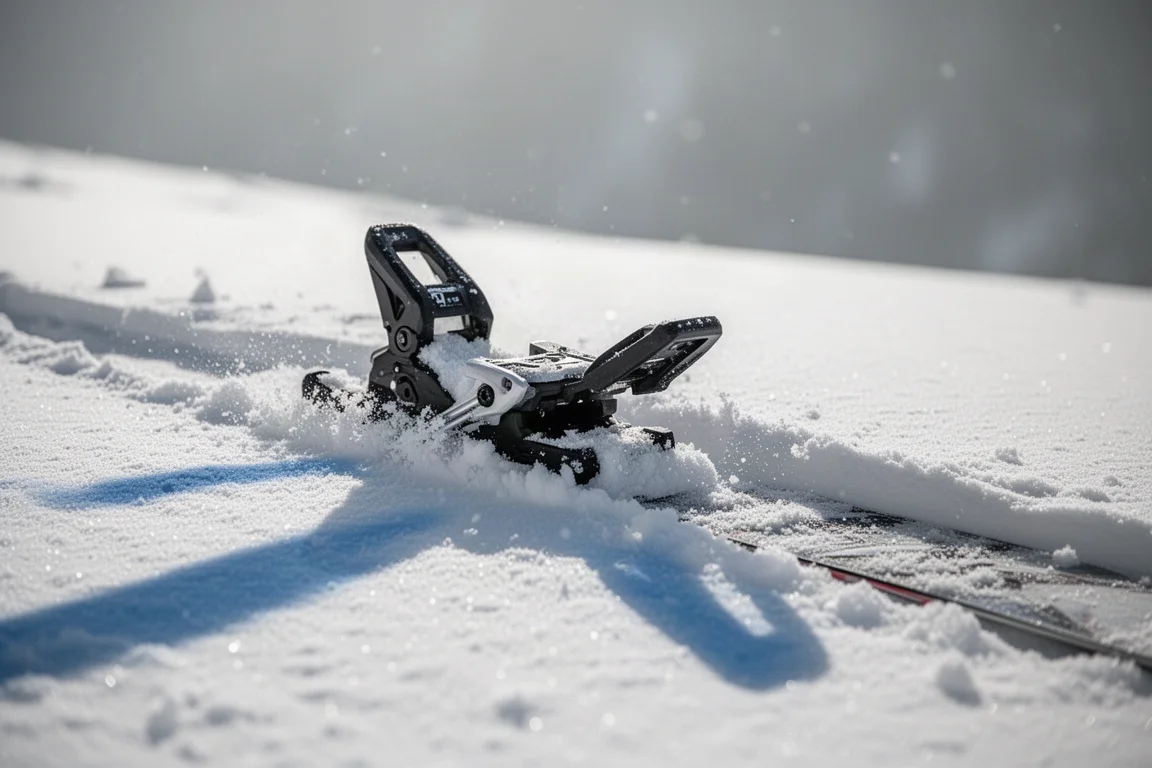
Stability comes from a vertical strip of metal, which adds composure without reintroducing the weight that the metal would normally bring. Combined with the aspen maple core, the ski manages to feel both light and dependable, which is a difficult combination to pull off.
On the descent, the payoff is a ski that feels floaty and surfy in deeper snow while still tracking predictably when the snow gets firmer. Maneuverability and high-performance downhill behavior are not mutually exclusive here.
Construction and Weight
The core is aspen and maple, chosen for a low overall weight. Carbon stringers run throughout the ski to add stiffness, and a vertical strip of metal contributes additional stability while keeping mass in check.
The weight difference against the standard Genesis 106 is the defining feature of this model. Because the BC version is dramatically lighter than its sister ski, it is far better suited to sustained climbing and long touring days. That same reduction is what makes it feel quick and responsive when you point it downhill, rather than heavy and planted.
Deep Snow and Firm Snow Performance
The profile starts with camber underfoot, which gives you grip and edge hold when the snow firms up. From there, the tip carries substantial rocker, and the tail uses a lighter, earlier rocker. The overall shape is a directional twin tip, slightly biased toward forward skiing rather than a fully symmetrical park-style build.
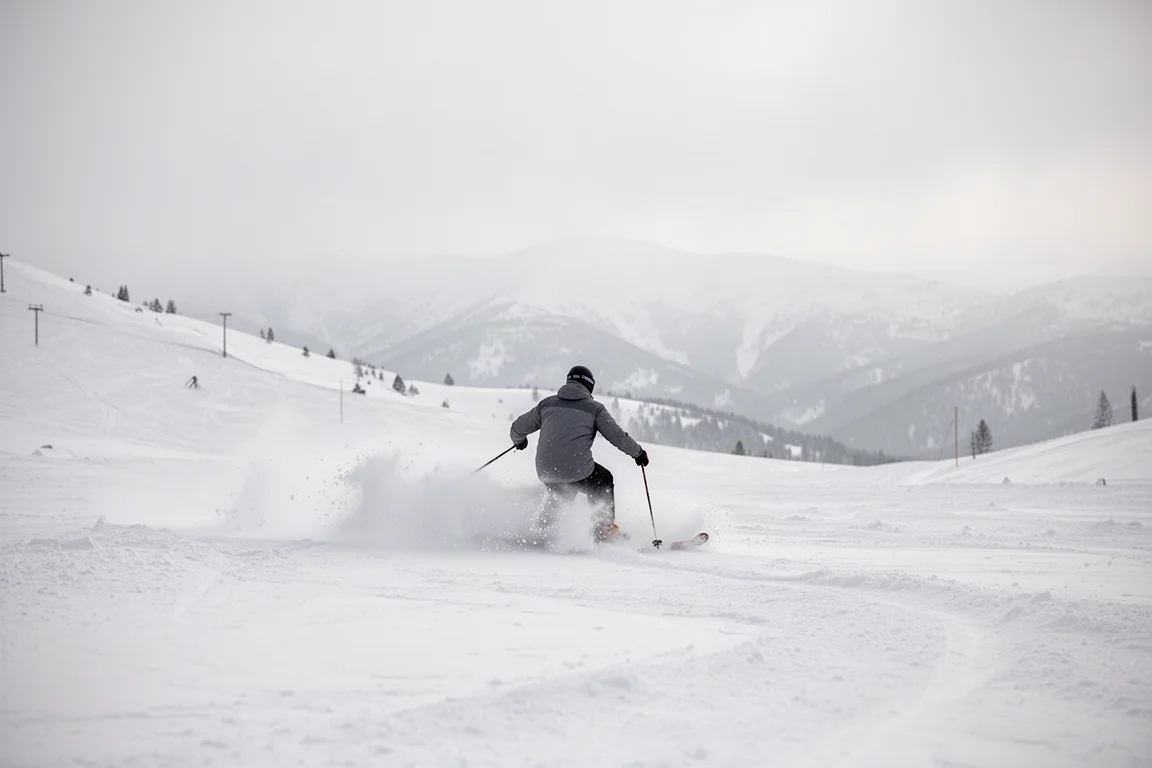
In deep snow that combination produces the floaty, surfy feel the ski is known for, with the rockered tip keeping the front end up and the tail releasing easily through the turn. When you move onto firmer conditions, a 15 meter turn radius in the 164 cm length keeps the ski able to make quick, tight turns rather than forcing long arcs.
That range is what makes the Genesis 106 BC worth considering as a single-ski quiver for touring. It is not a one-trick powder shape, and it is not a stiff carving ski either. It sits between the two and covers a broad spread of backcountry conditions competently.
Things to Consider Before Buying
The most important consideration is that this ski is explicitly oriented toward the backcountry. Its lighter construction is a deliberate trade in favor of uphill efficiency, so a rider who never leaves lift-served terrain is paying for capability they will not use.
The second consideration is fit. Because the shape is a directional twin tip with camber underfoot and rocker at both ends, it rewards a rider who wants a versatile, playful touring ski rather than a dedicated hardpack carver or a pure deep-snow specialist. If you want one ski to handle approaches, soft snow, and the occasional firm run on the way out, this profile lines up well.
Buying Advice
Choose the Genesis 106 BC if you already know that touring is where most of your days will be spent. The lighter build pays you back every time you start climbing, and the downhill side of the design is clearly not an afterthought, which is the compromise most touring skis struggle with.
If you split your time between the resort and the backcountry, think honestly about which side dominates your season. The BC version is tuned toward the uphill, so a rider who spends most days on lifts may be better served by the heavier Genesis 106, which shares the same shape and construction without the weight savings.
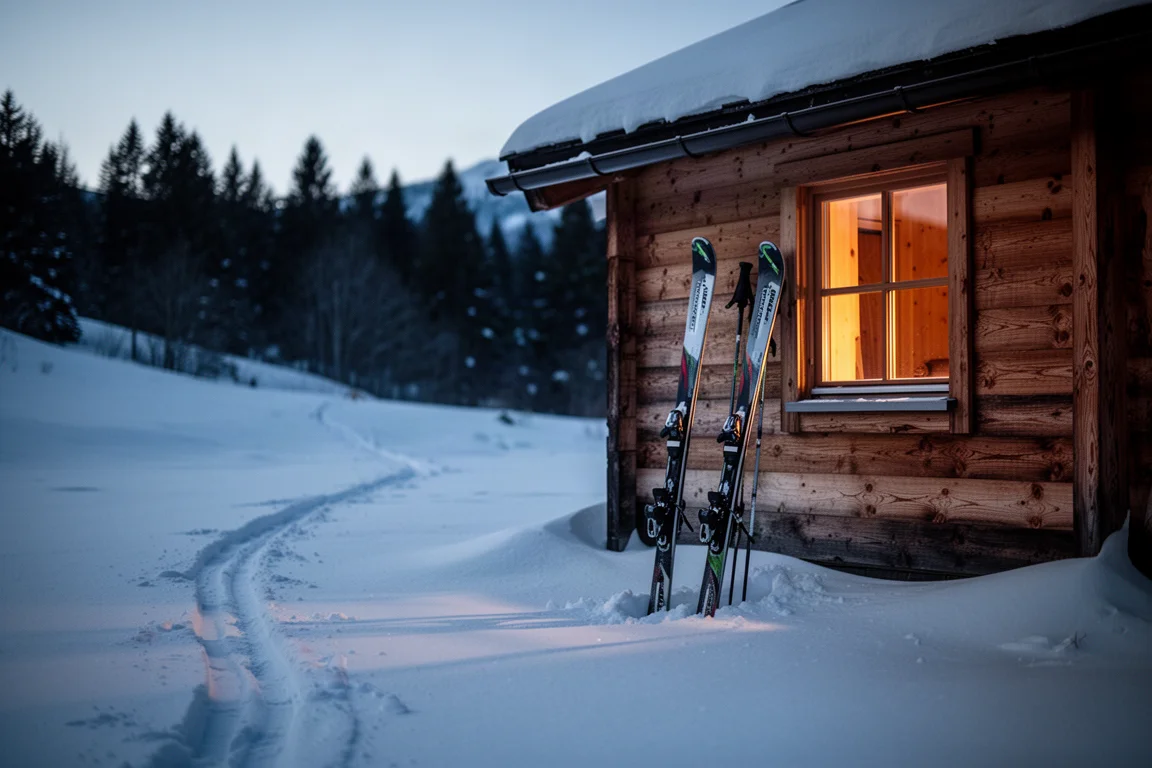
Length selection is the other practical decision. The 15 meter turn radius quoted for the 164 cm length indicates a ski that turns quickly for its width, so riders who prioritize tight tree lines and short radius turns will find that size appealing, while taller or heavier skiers may want to look at longer options in the range.
Conclusion
The Liberty Genesis 106 BC is a focused answer to a specific problem: how to build a touring ski that climbs efficiently without feeling like a compromise on the way down. The aspen maple core keeps weight low, the carbon stringers keep it stiff, and the vertical metal strip adds stability without undoing the weight savings.
For a rider who wants one ski for long approaches and playful descents, that package makes a lot of sense. It is a backcountry ski first, and it is honest about that, which is exactly what makes it easy to recommend to the right skier.
Product link
View more details for Liberty Genesis 106 BC
This product is mentioned in the review. Check the specifications, options, and compatibility before buying.
View more details for Liberty Genesis 106 BCFurther reading
Related Reviews
Backcountry Skis
Armada Locator 96 Review: A Lightweight Touring Ski Built for the Uphill
A practical look at the Armada Locator 96, a lightweight backcountry touring ski with a karuba wood core, carbon stringers, and a titanal binding platform.
Backcountry Skis
DPS Pagoda Tour 100 RP Review: A Lightweight Backcountry Ski Built to Turn
The DPS Pagoda Tour 100 RP takes a proven all-mountain shape and rebuilds it for touring. Here is how the construction, weight, and RP shaping come together.
Backcountry Skis
DPS Pagoda Tour 106 C2 Review: A Light Touring Ski With Alpine DNA
A close look at the DPS Pagoda Tour 106 C2, a 106 mm backcountry ski built on a proven alpine shape with a lightweight touring core.