Backcountry Skis
DPS Pagoda Tour 100 RP Review: A Lightweight Backcountry Ski Built to Turn
The DPS Pagoda Tour 100 RP takes a proven all-mountain shape and rebuilds it for touring. Here is how the construction, weight, and RP shaping come together.
Introduction
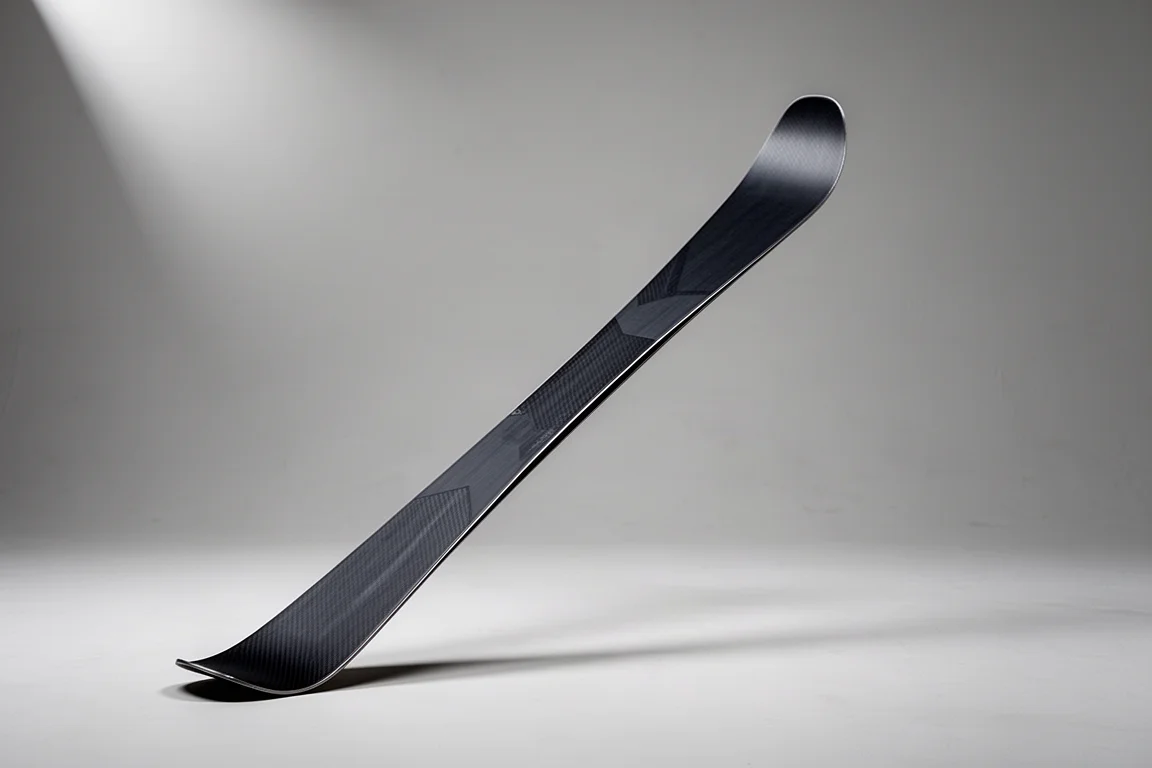
The DPS Pagoda Tour 100 RP is a lighter interpretation of a shape the brand already knows well. Rather than designing something entirely new, DPS has kept the Pagoda 100 RP footprint and rebuilt it with a touring construction, which means the same general geometry and shaping with less material in the build.
The payoff is a ski that stays agile and floaty while landing in a weight class that suits long days in the backcountry. In a 171 cm length it comes in under 1,400 g, at roughly 1,380 g according to the catalog.
That balance matters, because a light ski is only worth carrying if it still performs on the way down. This one keeps the energetic, carbon-rich character the Pagoda line is known for, and the RP shaping keeps it easy to turn in soft snow.
Who This Ski Is For
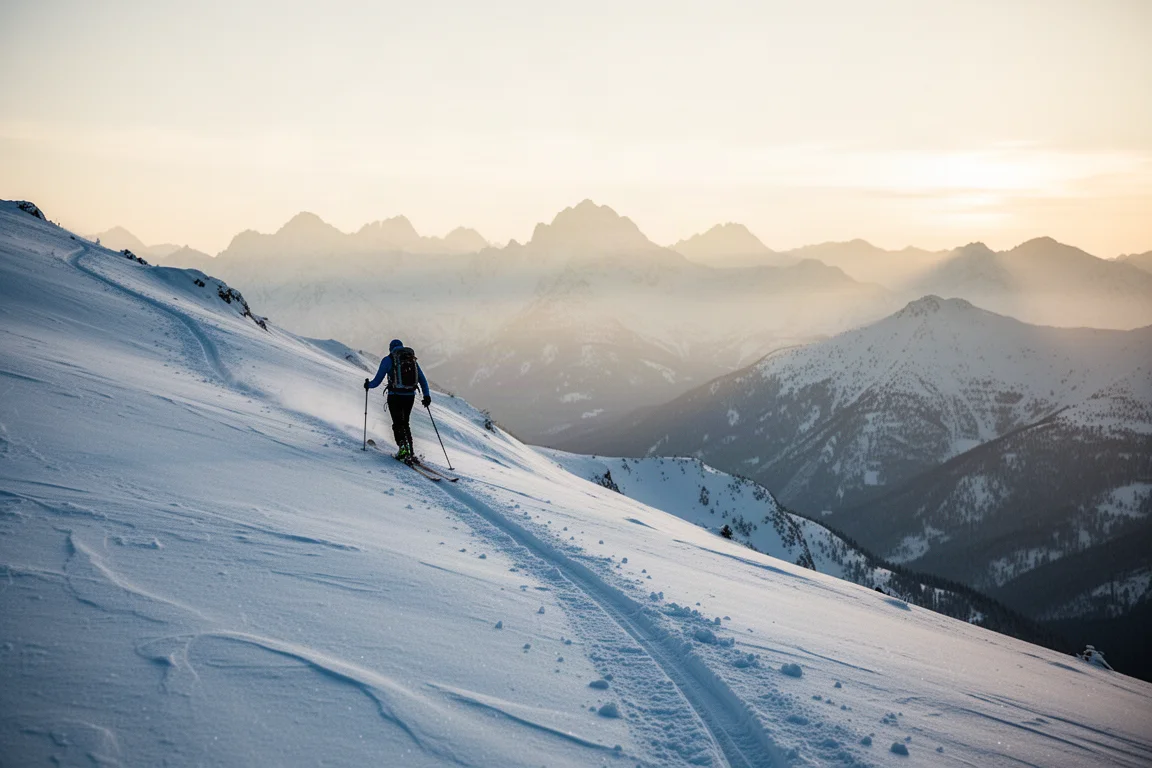
This is a ski for the person who spends most of their time in the backcountry and wants to make turns rather than simply survive the descent. Paired with a lightweight tech binding and a light touring boot, it builds into an efficient setup that is genuinely floaty thanks to the 100 mm footprint and the RP shaping.
It also suits skiers who already like the feel of the standard Pagoda 100 RP and want the same footprint in a lighter, more touring-oriented package. The regular version is not a heavy ski by any means, but the Tour build takes the weight reduction further.
Construction: Paulownia Core, Ash Stringers, and Carbon
The core is paulownia wood, with two ash stringers running through the middle of the ski. A third stringer made from the same material as the sidewalls runs down the center, a technique DPS uses to keep the ski stable and smooth underfoot. It is a familiar idea in ski building, applied here in DPS’s own way.
An aerospace foam laminate sits inside the layup. It is stiff and dense in the hand yet remarkably light, and it contributes a good share of the weight savings. Carbon layup on the top and bottom sheets adds stiffness without adding mass, which is the signature of the Pagoda family.
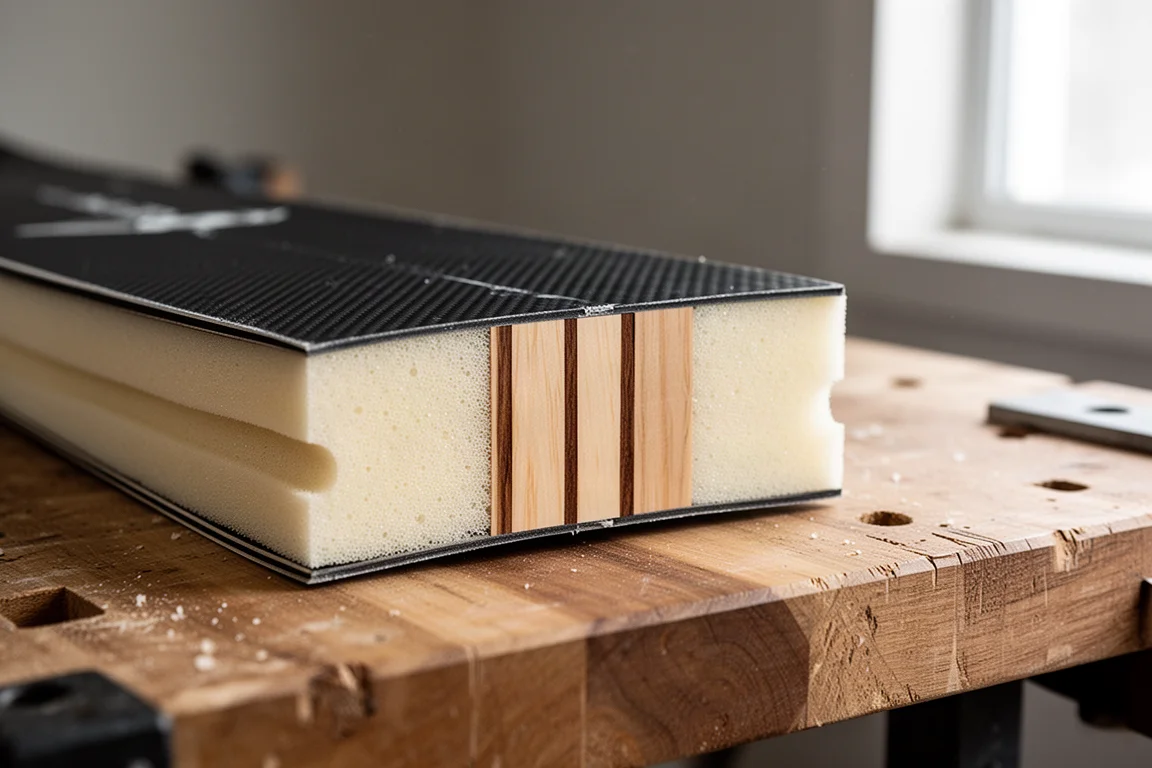
Together, these materials produce a ski that feels energetic and lively rather than dead or damp. The construction is the reason the Tour version can stay this light without losing the responsiveness that makes the shape fun to ski.
Shape, Rocker, and Turn Character
RP shaping is built around a 15 meter turn radius across the size range. Because the radius is fixed, longer lengths get a more dramatic rocker profile and a more pronounced taper, while shorter lengths are milder. The widest point of the ski sits well down into the forebody, and the tail tapers back toward the midpoint, concentrating most of the sidecut in the center of the ski.
That leaves a loose, smooth tail that drifts easily. The rocker is long and gradual, and even a gradual rocker over that much length produces moderate to dramatic splay. The tail splay on this 100 is deliberately low, which keeps more skin on the ground and improves grip on the uphill.
All of it adds up to a ski that is genuinely turny. If you prefer to work across the fall line and get the most out of every turn, the RP profile is the version to look at. Skiers chasing a more direct, aggressive line have the C2S build for that.
Uphill Efficiency and Downhill Feel
On the ascent, the low tail splay and the modest weight make for a setup that tours efficiently, especially with a light binding and boot. The skin stays planted, and the ski tracks predictably on long approaches.
On the descent, the ski pops in and out of the snow and turns without much effort. It floats well, partly because of the width and partly because of the RP shaping, so soft snow and variable backcountry conditions feel manageable rather than demanding.
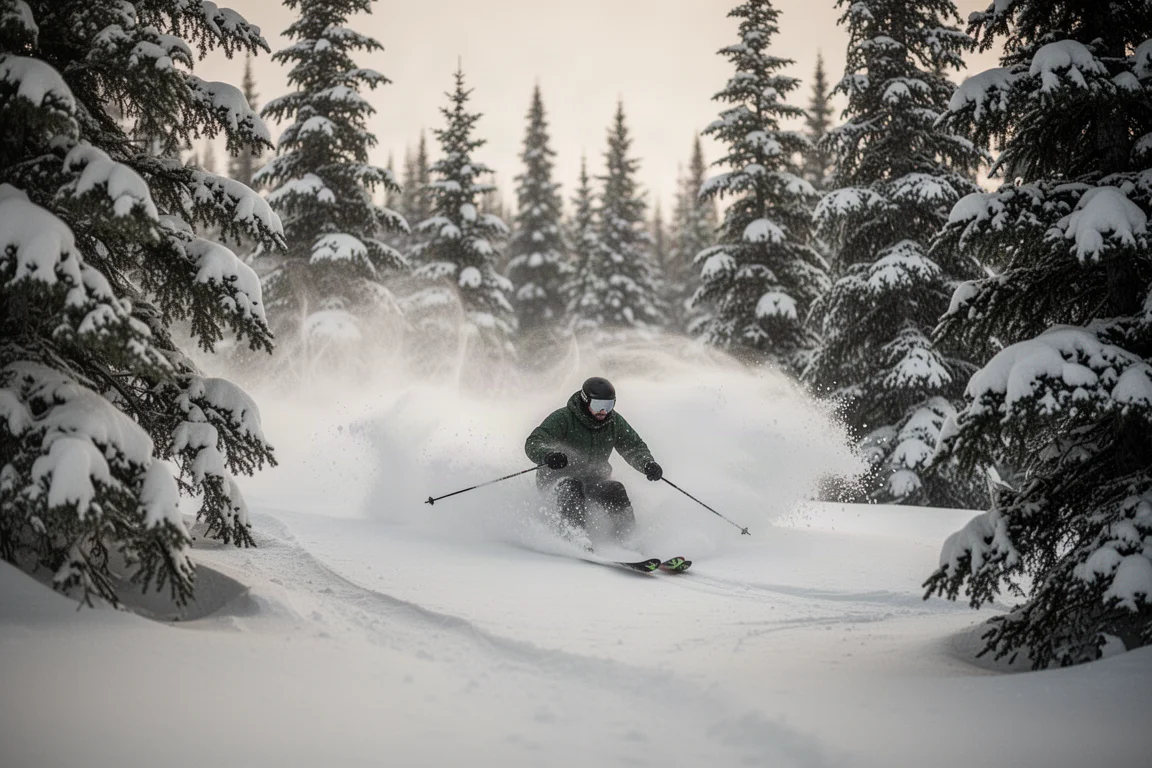
The carbon layup keeps the ski feeling responsive underfoot, which means it rewards a smooth, rhythmic style more than a charging one. That is the character of the RP shape, and the touring construction preserves it.
Things to Consider Before Buying
The RP profile is tuned for turning, not for straight-lining steep, aggressive terrain. Skiers who want a more direct approach should look at the C2S option instead, which is designed for that style.
The lightweight build is also oriented toward backcountry use. If your days are mostly lift-served, a heavier alpine construction will generally feel more planted and durable for that kind of mileage.
Finally, sizing matters with this shape. Because the radius is fixed at 15 meters, the rocker and taper change noticeably with length, so the length you choose has a real effect on how the ski behaves.
Buying Advice
Think about how you actually ski before choosing this model. If you like to make lots of turns, work across the fall line, and want a setup that stays light on long tours, the Pagoda Tour 100 RP lines up well with that approach. Pair it with a lightweight tech binding and a light boot and you have an efficient, floaty touring setup.
If instead you want to point it and go, the C2S build in the same family is the more suitable choice. The standard Pagoda 100 RP is also worth considering if you want the same footprint with a bit more material in the build.
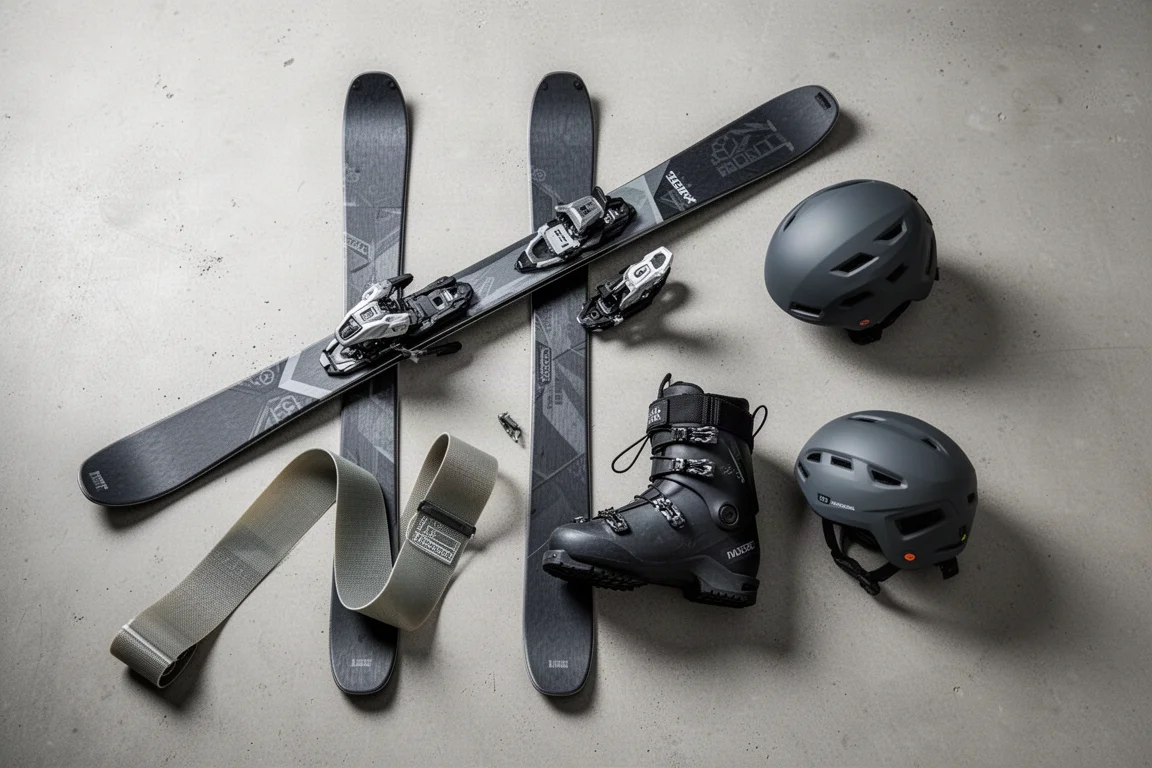
Consider the length carefully as well, since the longer options carry more rocker and taper and therefore ski noticeably looser than the shorter ones. Matching length to your weight, style, and typical terrain will get more out of the design than any single spec on the page.
Conclusion
The DPS Pagoda Tour 100 RP is a smart piece of product thinking: take a proven footprint, rebuild it with a lighter touring construction, and keep the shaping that made it fun in the first place. The paulownia core, ash stringers, aerospace foam laminate, and carbon layup deliver a ski that is light on the climb and lively on the descent, while the RP profile keeps it easy to turn and floaty in soft snow. For backcountry skiers who value smooth, drifty turns over aggressive straight-lining, it is a compelling option to build a setup around.
Product link
View more details for DPS Pagoda Tour 100 RP
This product is mentioned in the review. Check the specifications, options, and compatibility before buying.
View more details for DPS Pagoda Tour 100 RPFurther reading
Related Reviews
Backcountry Skis
Armada Locator 96 Review: A Lightweight Touring Ski Built for the Uphill
A practical look at the Armada Locator 96, a lightweight backcountry touring ski with a karuba wood core, carbon stringers, and a titanal binding platform.
Backcountry Skis
DPS Pagoda Tour 106 C2 Review: A Light Touring Ski With Alpine DNA
A close look at the DPS Pagoda Tour 106 C2, a 106 mm backcountry ski built on a proven alpine shape with a lightweight touring core.
Backcountry Skis
DPS Pagoda Tour 90 RP Review: A Light 90 mm Touring Ski Built for Soft Snow
The DPS Pagoda Tour 90 RP pairs a lightweight paulownia and ash core with carbon and aerospace foam, then wraps it in RP shaping that floats better than most 90 mm touring skis.