Backcountry Skis
Armada Locator 96 Review: A Lightweight Touring Ski Built for the Uphill
A practical look at the Armada Locator 96, a lightweight backcountry touring ski with a karuba wood core, carbon stringers, and a titanal binding platform.
Introduction
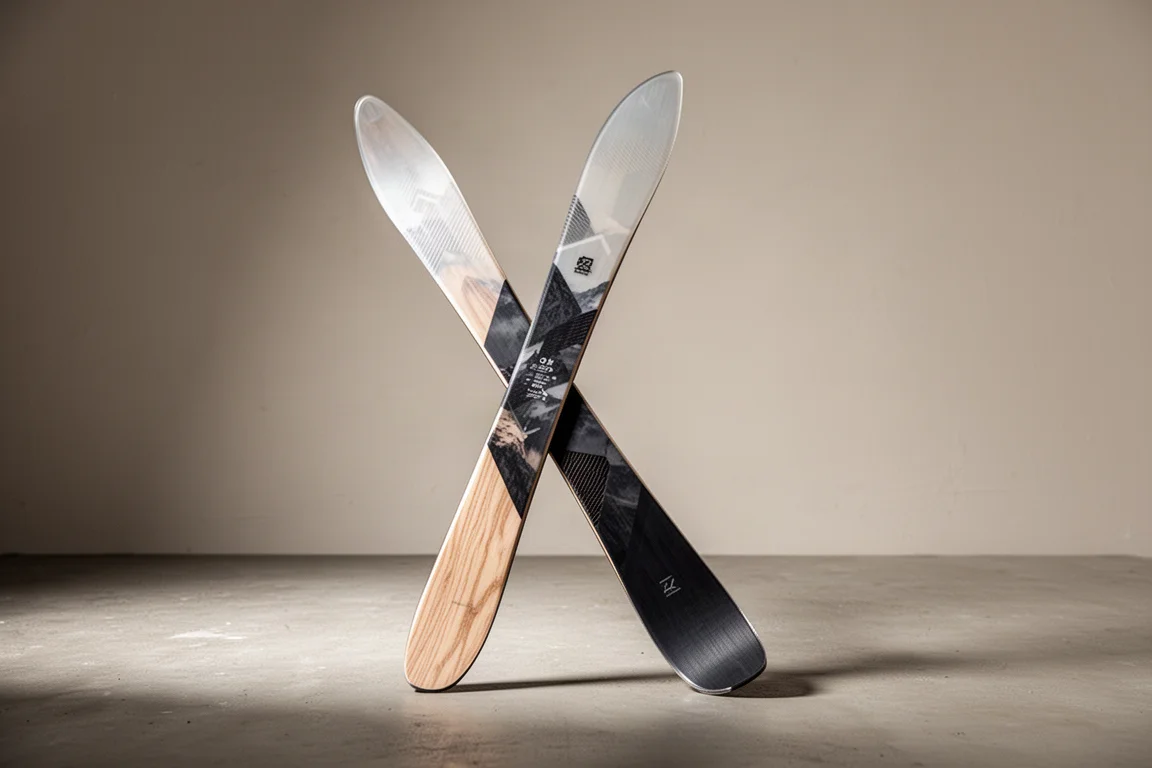
The Armada Locator 96 is a new backcountry touring ski that takes the place of the outgoing Tracer line in the Armada range. Where the Tracers sat closer to a mixed resort and backcountry role, the Locator models lean further toward genuine touring use, and the 96 sits in the middle of that family with a light build and a shape aimed at making the uphill as comfortable as the ride down.
That positioning is the whole point of the ski. A touring ski is judged by how little it costs you on the skin track and how much confidence it gives back when the snow turns unpredictable, and the Locator 96 is engineered to balance those two demands rather than chase the lowest possible weight.
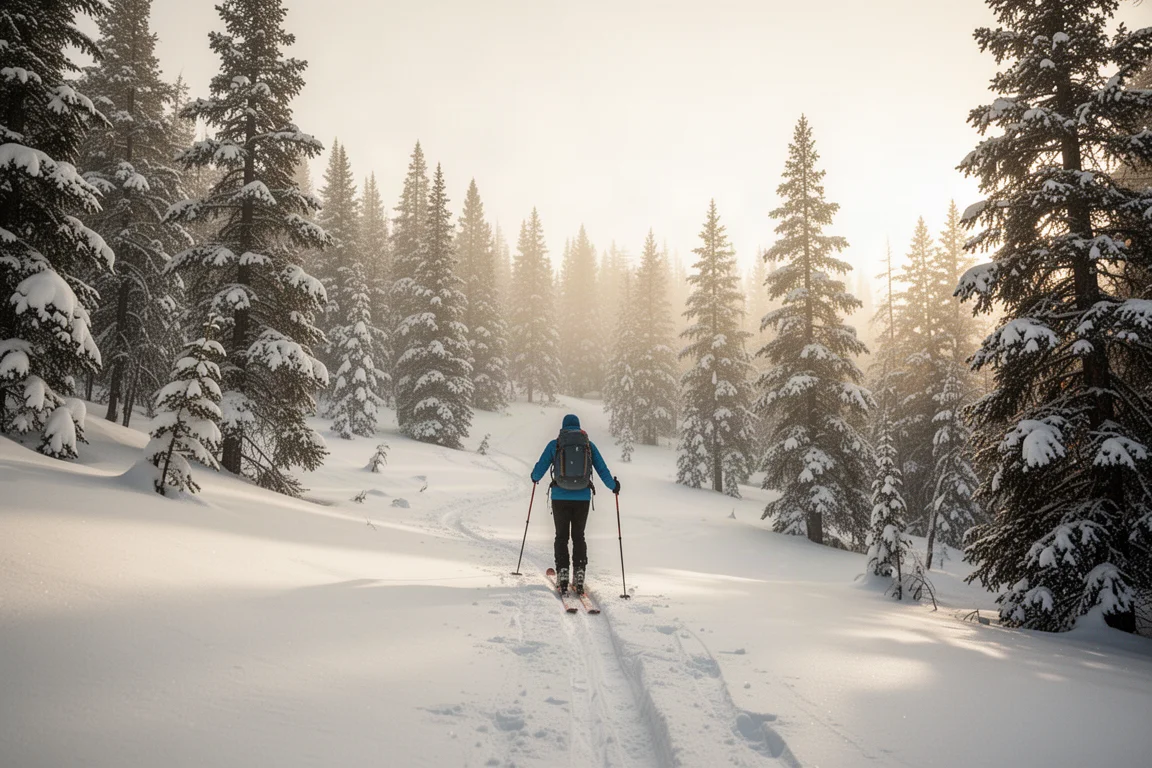
This review covers who the ski suits, how it is built, where it performs well, and the trade-offs worth understanding before you commit to a binding and a length.
Who This Ski Is For
The Locator 96 makes the most sense for skiers whose priority is the backcountry. Paired with a true tech binding, it can serve as a dedicated touring ski used almost exclusively away from the resort, which is a reasonable way to build a setup around it.
If you prefer a binding such as a Shift, the ski still works, and Armada offers a branded Shift option. The trade-off is straightforward: extra weight on the uphill, slightly less efficient touring, and a clunkier feel than a true tech binding.
Either way, this is not really a 50/50 ski. It reads more like a 75/25 or even an 80/20 setup that leads toward touring. Skiers who want one pair to split evenly between lift-served days and touring should look at the wider models in the Locator line, which carry more resort capability. There is also one narrower model in the range, so the 96 is neither the narrowest nor the lightest ski in the family.
Construction and Build Quality
The build is one of the most impressive parts of the package. Under the top sheet there is a lightweight karuba wood core reinforced with carbon stringers, and those stringers are visible through the top sheet in places such as the tail. Armada also adds a titanal binding platform, which improves binding retention and gives that portion of the ski a stronger, more damped feel with better stability.
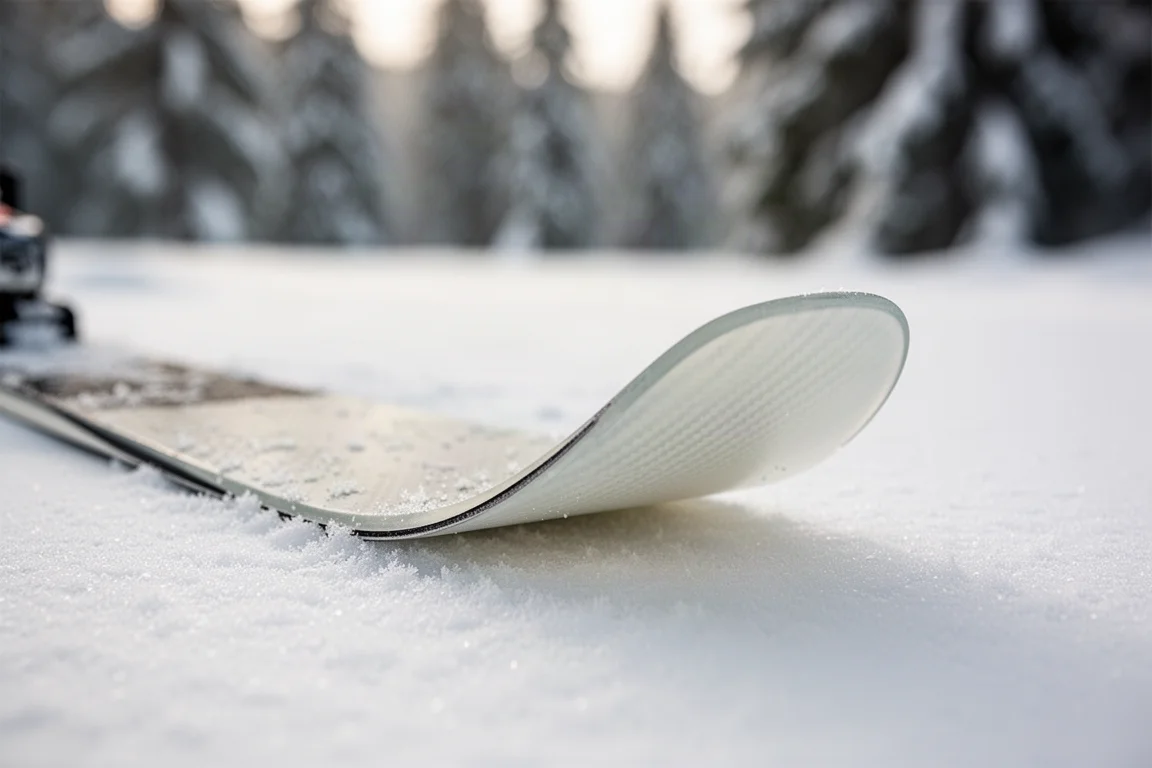
The claimed weight is 336 g at the 171 cm length, which is remarkably light for a ski carrying this much reinforcement. It is a well thought out, thoroughly engineered construction rather than a minimal weight-saving exercise.
How It Skis in the Backcountry
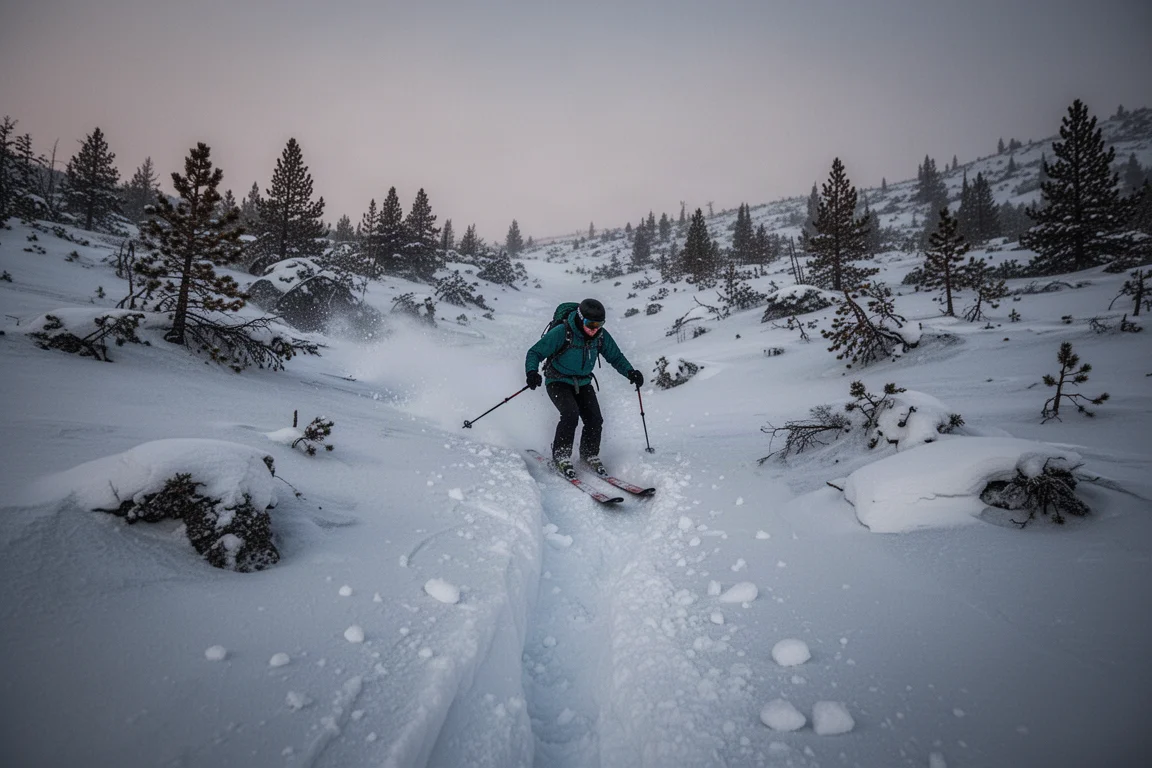
Rocker in the tip adds maneuverability and quickness, and the low weight amplifies that agile, responsive character. There is less rocker in the tail, but enough that the ski still pivots and swishes around behind you in technical terrain.
On firm or wind-scoured snow the ski can deflect slightly at the tip, and that becomes more noticeable if you step straight onto a heavier resort ski with metal in its construction. For something this light and this maneuverable, however, it remains a strong and dependable ski.
Main Strengths
The flex pattern is supportive rather than soft, so the ski holds together when the snow is firm, variable, or unexpected. That stability matters in uncontrolled backcountry terrain, where you are as likely to meet a wind-scoured patch as you are to find good snow.
The light build pays off on the skin track, and the tip rocker keeps the ski quick and easy to place in tight terrain. Light, agile, and responsive on the way down, with enough backbone to stay composed when conditions turn demanding.
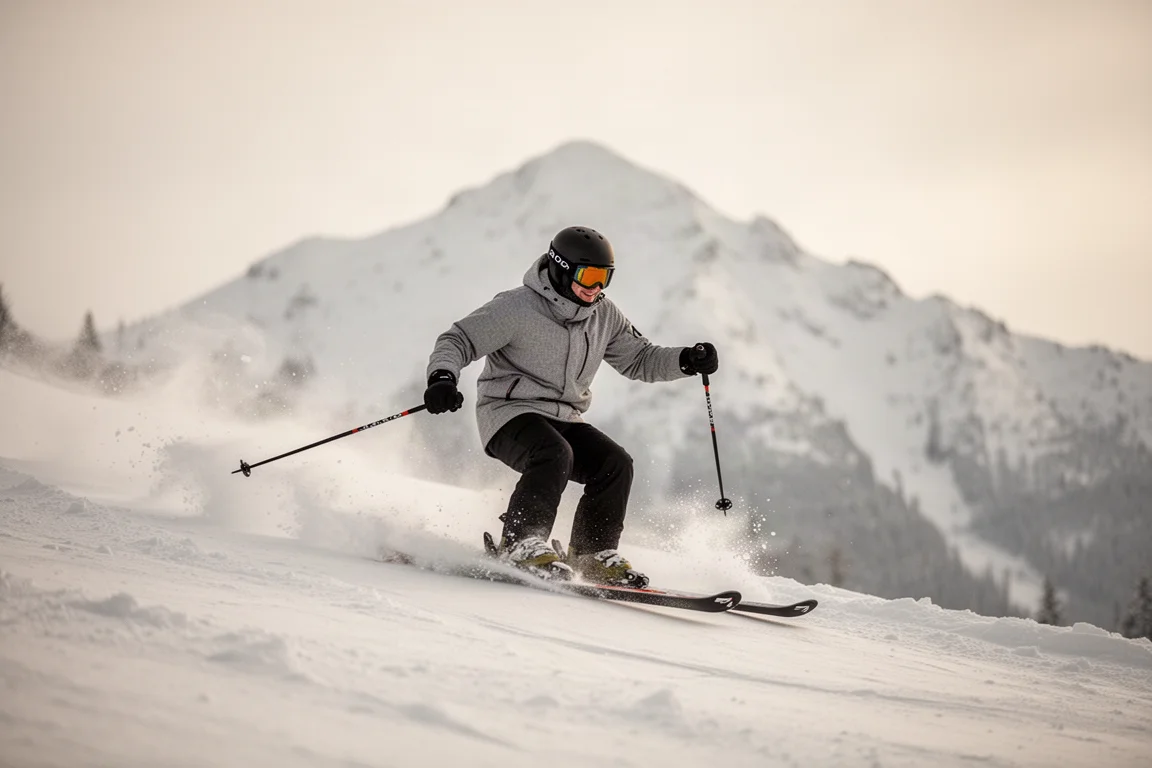
In short, the strengths line up with what touring skiers actually need: low weight for the climb, quick handling for technical descents, and a supportive flex for whatever the mountain offers that day.
Things to Consider Before Buying
- It is not a 50/50 ski. The character leans clearly toward touring, roughly 75/25 or 80/20.
- Being this light, it can deflect a little in firm or wind-scoured snow compared with heavier metal-laminate resort skis.
- Binding choice shapes the whole setup. A true tech binding keeps it a dedicated touring ski, while a Shift-style binding adds weight and a clunkier feel on the uphill.
- If you want more resort capability from the same line, the wider Locator models are the better fit.
Buying Advice
Choose the Locator 96 if touring is the priority and you want a light, quick ski that still has real stability when the snow gets difficult. Pair it with a true tech binding for a dedicated backcountry setup, or accept the extra weight of a Shift-style binding if you want the occasional resort day without changing skis.
Think about the wider Locator models if you expect to spend a meaningful share of your days on lifts, and consider the narrower option in the line if saving weight on the climb matters more to you than float. Matching the ski to how you actually ride is what makes it feel like a good purchase rather than a compromise.
Conclusion
The Armada Locator 96 is a well engineered touring ski that improves on the outgoing Tracer for dedicated backcountry use: lighter, better shaped for touring terrain, and stable enough to handle whatever snow you find out there. It rewards skiers who know the uphill is the price of admission and who want a ski that climbs efficiently and still delivers on the way down.
Product link
View more details for Armada Locator 96
This product is mentioned in the review. Check the specifications, options, and compatibility before buying.
View more details for Armada Locator 96Further reading
Related Reviews
Backcountry Skis
DPS Pagoda Tour 100 RP Review: A Lightweight Backcountry Ski Built to Turn
The DPS Pagoda Tour 100 RP takes a proven all-mountain shape and rebuilds it for touring. Here is how the construction, weight, and RP shaping come together.
Backcountry Skis
DPS Pagoda Tour 106 C2 Review: A Light Touring Ski With Alpine DNA
A close look at the DPS Pagoda Tour 106 C2, a 106 mm backcountry ski built on a proven alpine shape with a lightweight touring core.
Backcountry Skis
DPS Pagoda Tour 90 RP Review: A Light 90 mm Touring Ski Built for Soft Snow
The DPS Pagoda Tour 90 RP pairs a lightweight paulownia and ash core with carbon and aerospace foam, then wraps it in RP shaping that floats better than most 90 mm touring skis.