Soundbars
LG Eclair Review: A Tiny 3.1.2 Dolby Atmos Soundbar System
The LG Eclair fits Dolby Atmos, a 3.1.2 speaker layout and a wireless subwoofer into one of the smallest soundbar packages available. Here is where it impresses and where it compromises.
Introduction
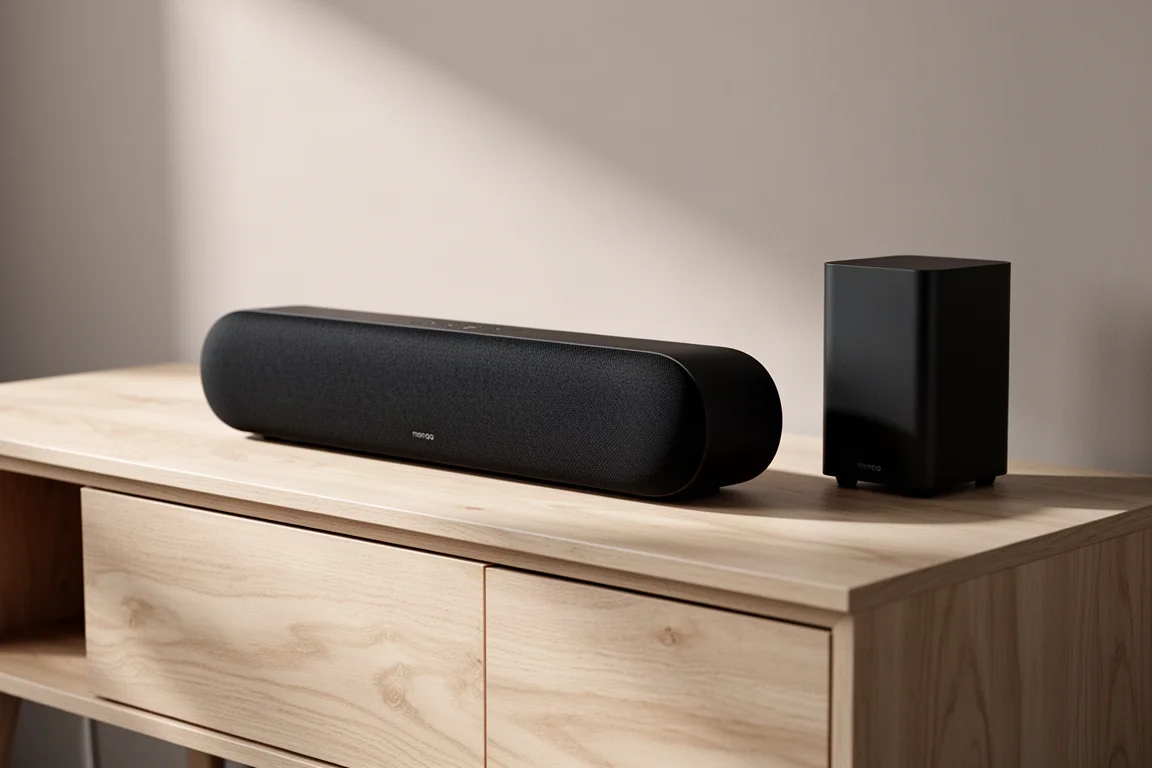
The LG Eclair is one of the smallest soundbars available with Dolby Atmos support, and it arrives as a complete 3.1.2 package: a compact main bar paired with an included wireless subwoofer. That combination makes it an unusual proposition, because a bar this small would normally be expected to handle dialogue and little else.
The main bar carries dedicated left, center and right speakers, each driven by its own 20 watt amplifier, plus two upward-firing drivers on the left and right, also each powered by a separate 20 watt amplifier. The subwoofer contributes a 220 watt amplifier of its own. In practice the system is far easier to live with than the specification sheet suggests, and it delivers considerably more than a typical television speaker can.
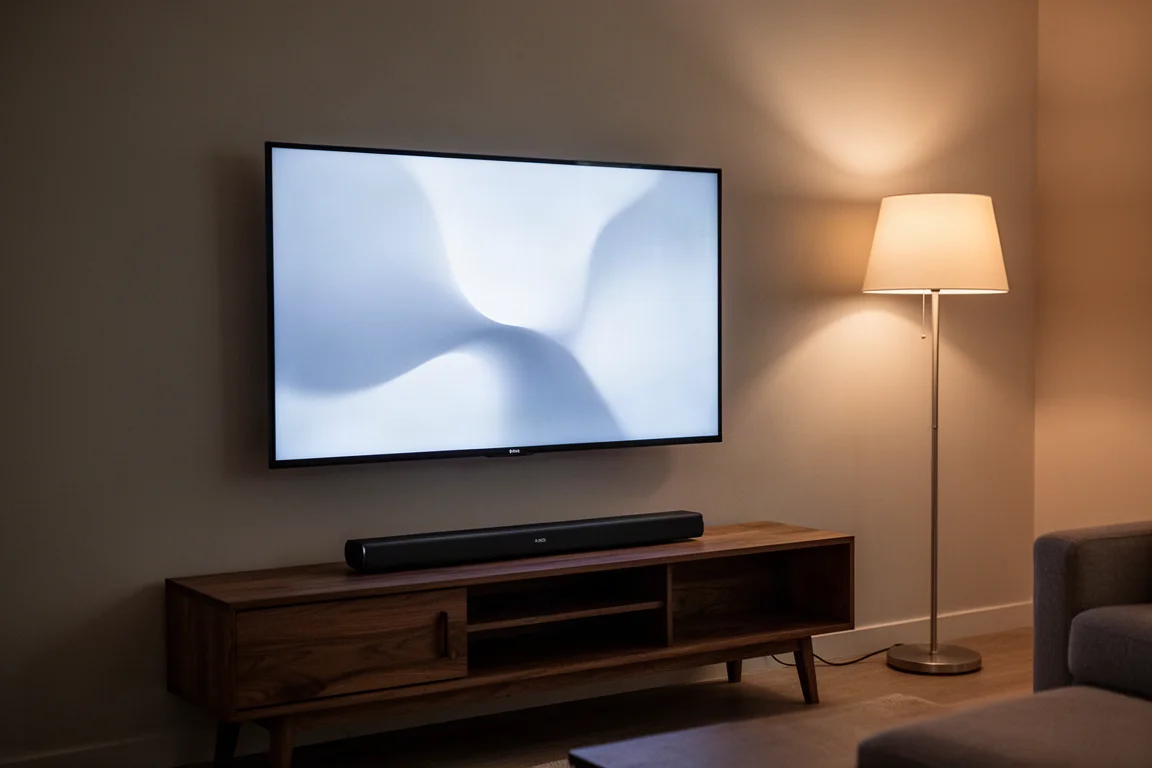
Setup is close to frictionless. You place the bar, run an HDMI cable between it and the television, plug in the bar and the subwoofer, and you are finished. Around the back there is also an optical audio input and a USB connection, and the system accepts Bluetooth sources as well.
Who This Product Is For
The Eclair makes the most sense where space, not budget, is the limiting factor. A small apartment, a dorm room, a bedroom or a home office are all natural homes for it, particularly where a larger bar or a set of separate speakers would be awkward to place. It is also a strong candidate for anyone who struggles to follow dialogue through built-in television speakers, since intelligibility is one of its clearest strengths.
It is a less obvious fit for listeners who want maximum Atmos immersion, a dedicated two-channel music setup, or a system that can pass through high frame rate gaming video. Those needs point toward larger or more expensive hardware.
Main Strengths
Ease of setup is the first thing worth noting. There is no calibration routine to work through and no network configuration required, which is unusual for a system with this much processing inside it. A simple cabled connection and power for both boxes is enough to get running.
Control is handled by the included remote or by the LG Soundbar app, which pairs over Bluetooth. The app is the more interesting of the two, because it offers a depth of adjustment that many costlier soundbars do not provide: speaker levels, tone, treble and bass can all be tailored. That flexibility is a genuine point in the Eclair’s favour, since it lets you shape the sound rather than accept a fixed factory voicing.
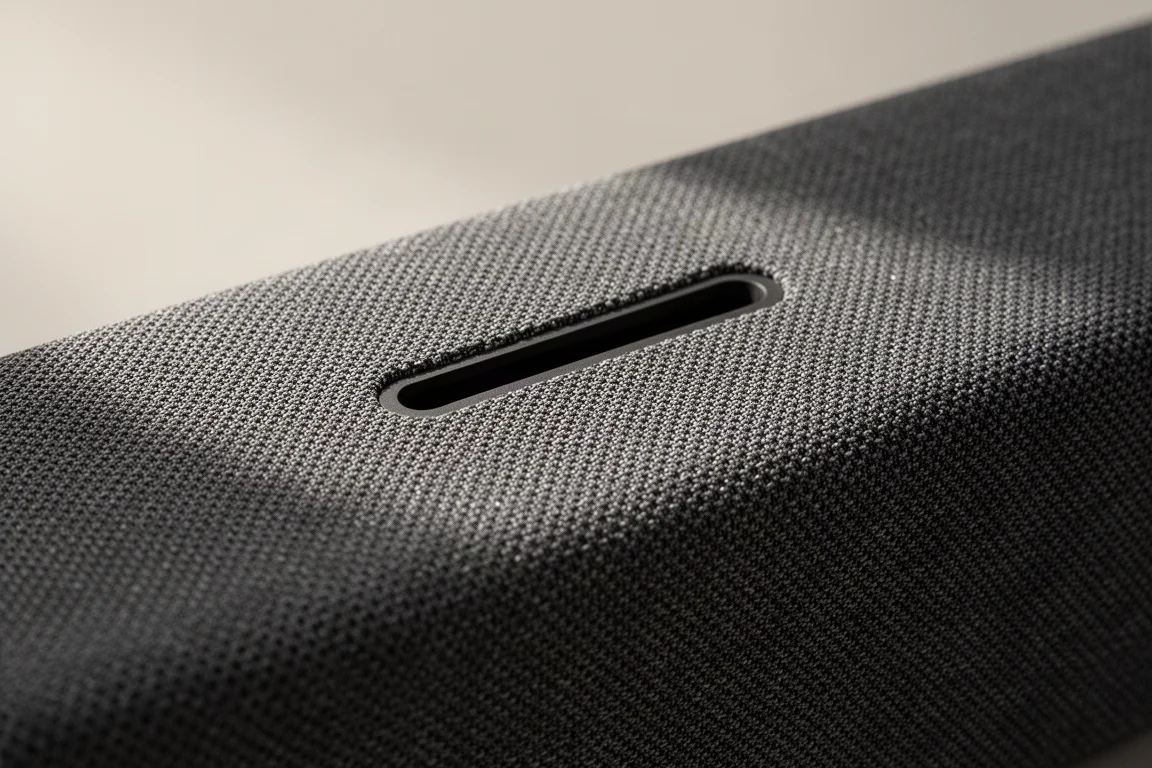
Dialogue delivery deserves its own mention. Detail and intelligibility are impressive for the size, and the center channel does the heavy lifting well, which makes the Eclair a meaningful upgrade over television speakers on that strength alone. The bar also passes through Dolby Vision and HDR10 video and plays back Dolby Atmos and DTS:X soundtracks, and its low, gently curved body is easy to place without drawing attention to itself.
The Included Subwoofer and Overall Sonic Character
The wireless subwoofer is the surprise of the package. It is not the most agile or snappy unit when it comes to fast dynamic shifts, but it blends with the bar neatly straight out of the box and needs little to no adjustment to sit properly in a room. It also reaches satisfying depths without a great deal of resonance, which is more than many bundled subwoofers manage.
The bar itself leans cool and lean rather than warm and full. Body, especially through the mid-range, is a little lacking, but detail and intelligibility carry the performance. Highs are clean and articulate, though clearly digital in character, without much organic air around each note, and at higher volumes the treble can show some sibilance. Dropping the treble a notch or two is an easy fix. Overall the system prioritizes detailed dynamics and clarity over absolute neutrality, and it holds up well against a number of larger and more expensive soundbars.
Music is the weaker case. The Eclair is good for casual or background listening, but it is not a substitute for a larger soundbar or a dedicated stereo setup. The music profile has been tuned by Meridian, yet the AI Sound and Cinema profiles tend to be the more enjoyable choices, and leaving the system in AI Sound works well across most content.
Dolby Atmos Performance and Sound Modes
Atmos playback is where the Eclair is least convincing. The sound is surprisingly spacious and far larger than the bar’s dimensions would suggest, but it does not quite come together. Compared with the other sound modes, Atmos content sounds more hollow, more compressed and more artificial, and complex scenes can cause listener fatigue at higher volumes. Some material fares worse than others, but the compression is present regardless of what is playing.
There is also a restriction worth knowing about. When an Atmos soundtrack is playing, you cannot switch to another sound mode. Individual speaker levels, treble and bass remain adjustable, but you are locked into LG’s Atmos processing. Turning Atmos off and engaging AI Sound or Cinema changes the same content dramatically: the sound becomes far more balanced and less echoey, and the scale of the front stage does not diminish at all. If anything it sounds more convincing and less like a gimmick.
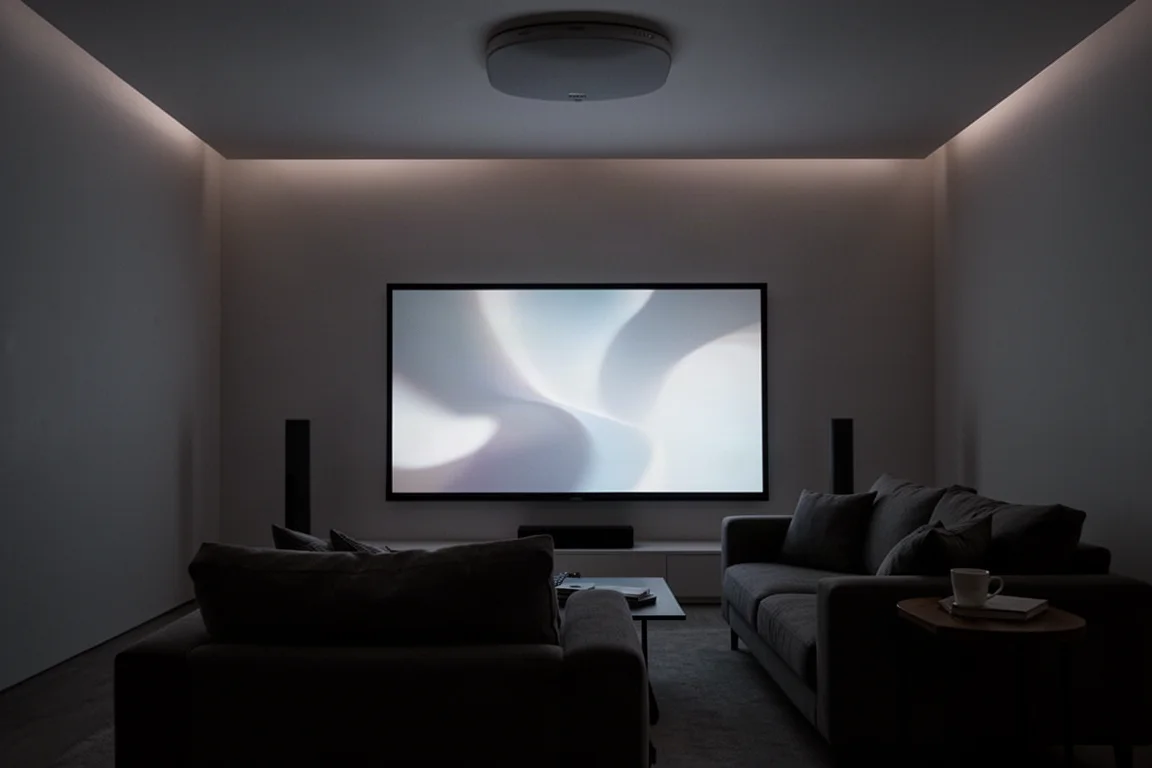
Surround performance is respectable rather than enveloping. The Eclair will not wrap you in 360 degree sound, but the wall of sound it produces tracks the action on screen closely, which is a strong result for a bar under a foot long. For most rooms and most viewers, that alignment matters more than raw channel count.
Things to Consider Before Buying
Video passthrough has limits. The bar has two HDMI ports: one HDMI out with ARC and eARC support, and one HDMI 2.1 input that does not support 4K at 120Hz or 8K at 60Hz. Gamers with current consoles will need a workaround, which in most cases means plugging the console directly into the television and sending audio back to the Eclair. That works, but it is worth planning for.
Connectivity is deliberately simple, and that simplicity has a cost. There is no Wi-Fi, no Alexa or Google Assistant support and no built-in streaming platform. App control runs over Bluetooth, which means the connection may occasionally need to be re-established.
One minor quirk showed up while browsing Netflix: a brief, high-pitched digital noise when switching between previews, lasting only a split second. It never occurred during actual playback, and it did not appear in other apps, so it is an annoyance rather than a dealbreaker.
Buying Advice
Value is a major part of the Eclair’s case. The bar and subwoofer package has been seen at prices as low as around $350 to $400, which is competitive for a 3.1.2 Atmos system that includes a wireless subwoofer.
Cross-shopping usually leads to a handful of compact alternatives. The Polk MagniFi Mini is cheaper and not Atmos capable, but it adds Wi-Fi and Google Cast for streaming. The Definitive Technology Studio 3D Mini is larger and more expensive, which may suit buyers who want more output. The Sonos Beam 2 sits in a similar form factor and price bracket. Among larger bars near the same price, the Klipsch Cinema 600 is not Atmos capable either, and since the Eclair’s non-Atmos modes are its strongest, the two become more comparable, though the Eclair’s app offers more control. For listeners who care most about two-channel music, the Klipsch The Fives is a better fit at a lower price point.
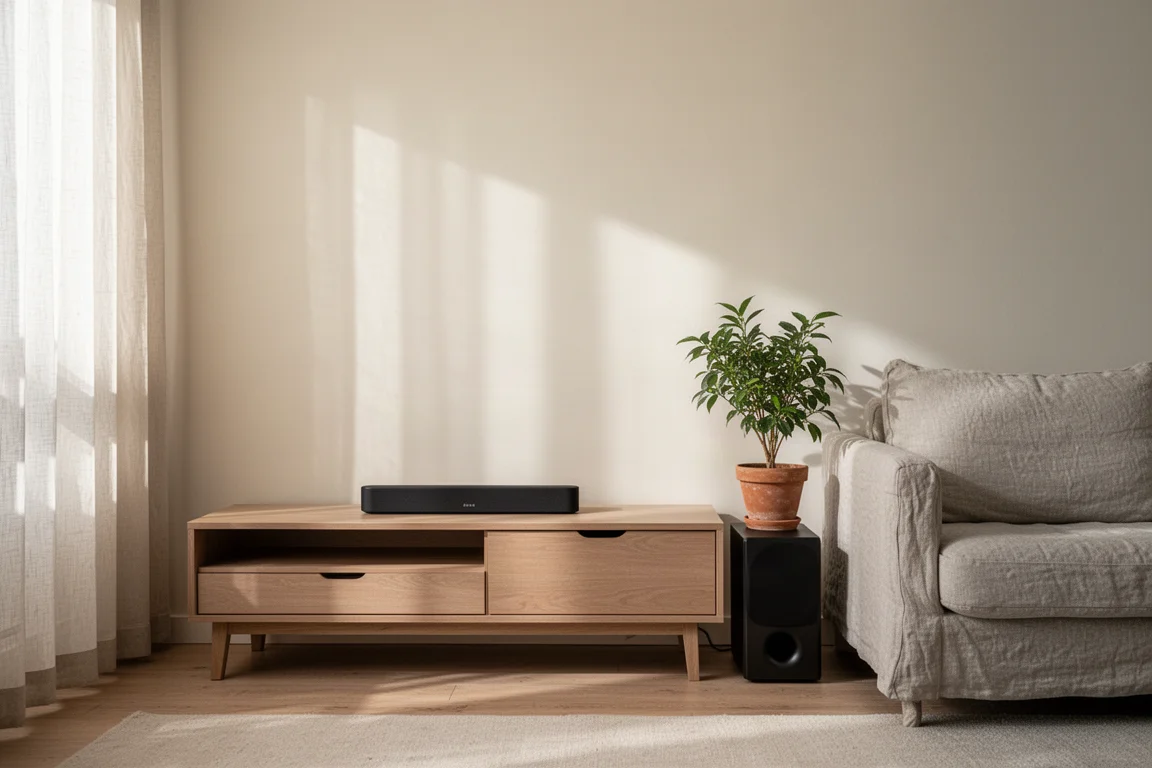
If the goal is clearer dialogue and a bigger sense of scale than television speakers, without adding furniture or complexity, the Eclair is a sensible purchase. If Atmos immersion or high frame rate gaming passthrough is the priority, a larger system is the better path.
Conclusion
The LG Eclair is not the perfect soundbar, and it is not the best soundbar under a grand. Its Atmos performance is its weakest element, and the missing high frame rate passthrough is a genuine missed opportunity for a product that would otherwise appeal strongly to gamers.
What it gets right is simplicity, flexibility and everyday usability. It is unobtrusive, one of the easiest soundbars to install and live with, and its dialogue clarity alone justifies the upgrade for many viewers. For a small room or a secondary setup where fuss is unwelcome, the Eclair earns its place.
Product link
View more details for LG Eclair
This product is mentioned in the review. Check the specifications, options, and compatibility before buying.
View more details for LG EclairFurther reading
Related Reviews
Soundbars
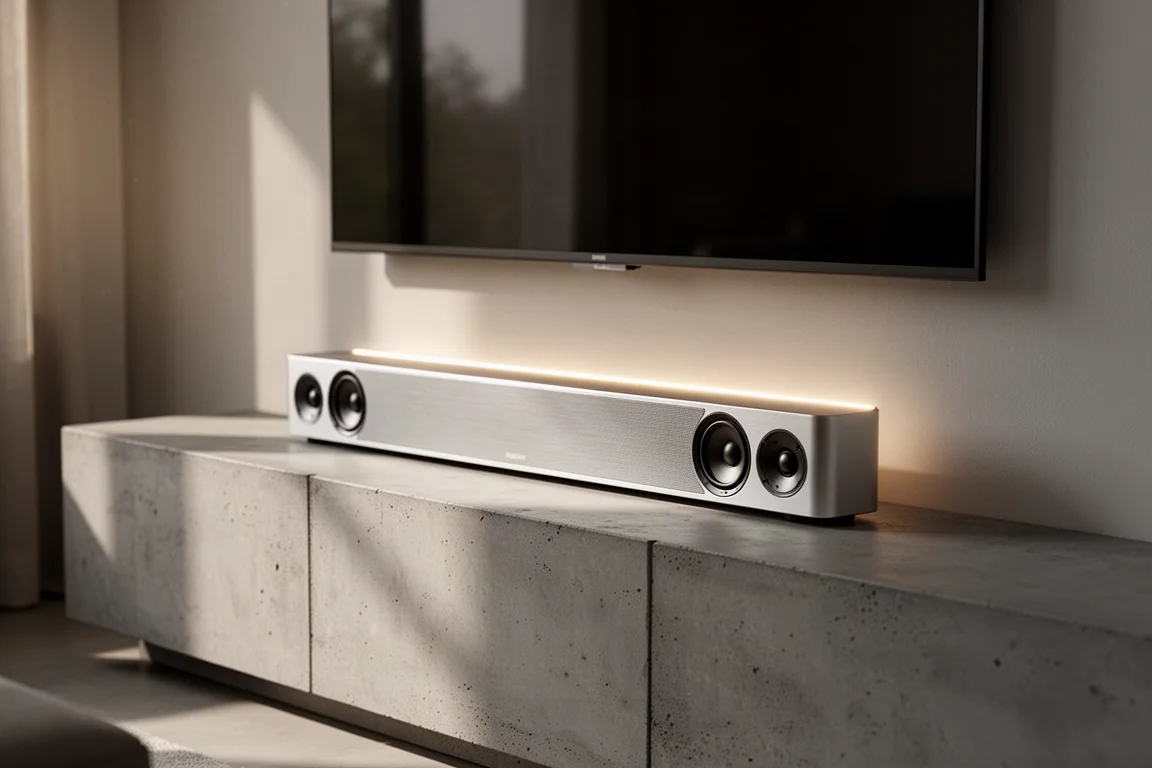
Bang & Olufsen Premiere Review: A Compact Soundbar Built to Last
A close look at the Bang & Olufsen Premiere, a compact soundbar with deep bass for its size, automatic sound profiles, and a clear modular upgrade path.
Soundbars
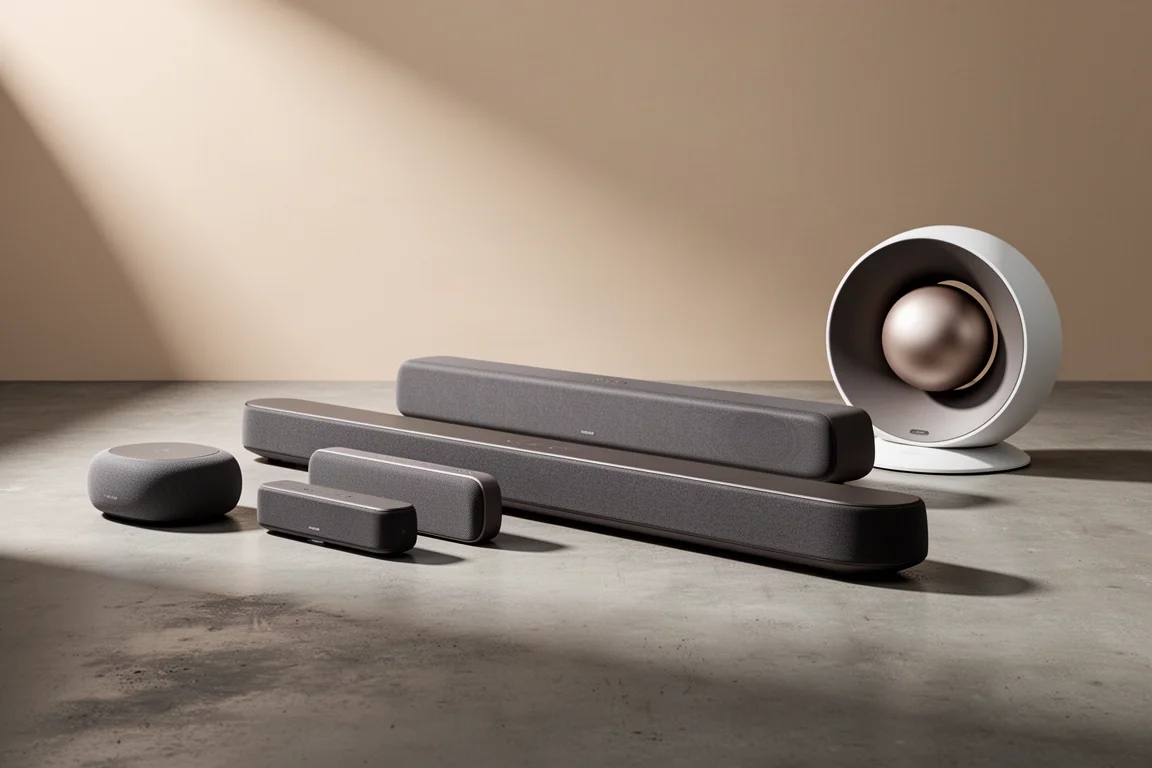
Best Dolby Atmos Soundbars: Six Picks for Movies, Music, and Small Rooms
A practical roundup of six Dolby Atmos soundbars, from compact dialogue-focused bars to expandable systems and an all-in-one flagship.
Soundbars
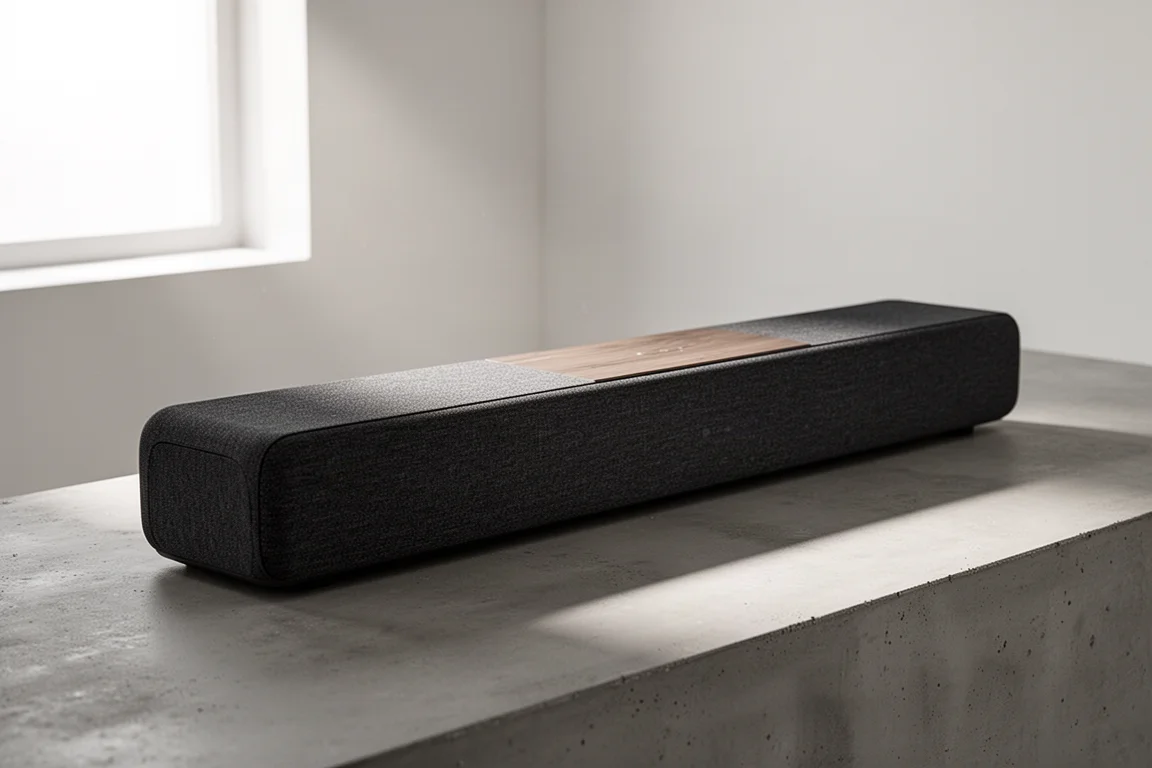
Bluesound Pulse Cinema Review: A Music-First Soundbar With a Software Catch
A close look at the Bluesound Pulse Cinema, a 3.2.2 soundbar with a genuinely expressive midrange and natural tone, plus the app and expansion limits worth knowing before you buy.