Floorstanding Speakers
Leong Origin S10 vs Arendal 1723 THX Tower: Which Floorstander Fits Your Room?
A high-sensitivity single-driver speaker with a distinct voice meets a heavier, more neutral tower. Here is how the two compare before you buy.
Introduction
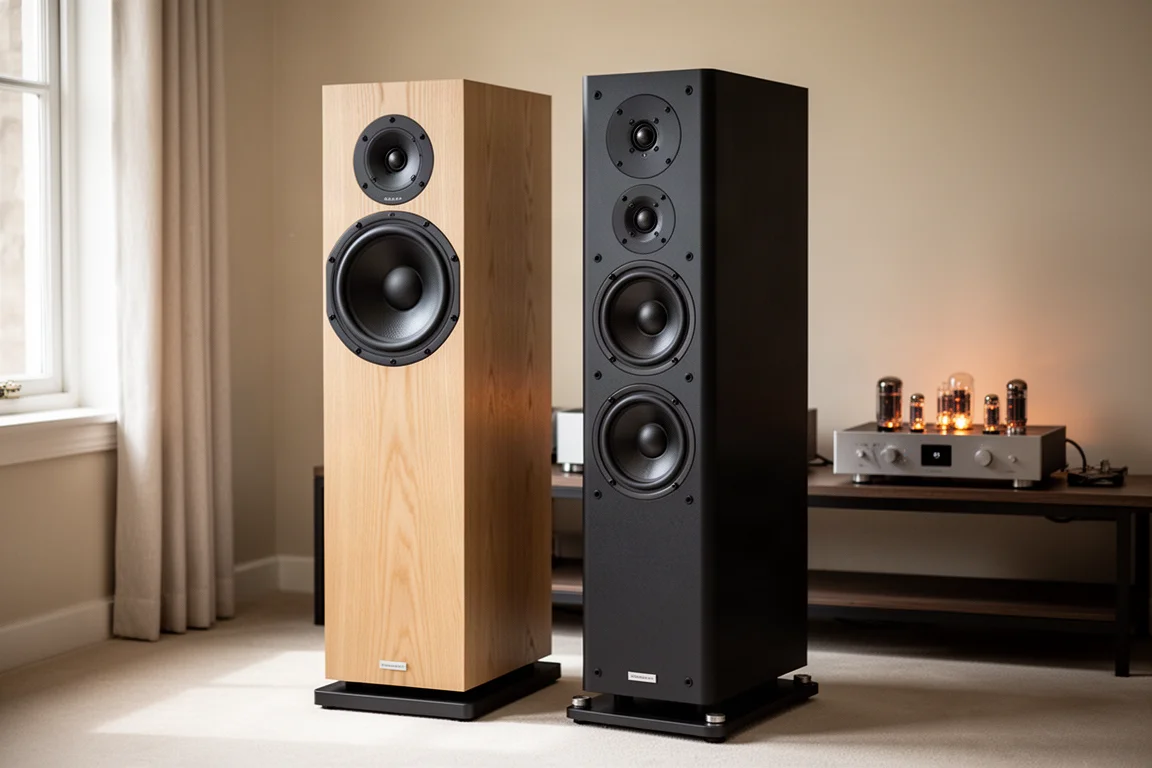
High-sensitivity floorstanders occupy a specific corner of the market. They promise generous, effortless sound from amplifiers with modest power output, and they usually trade some neutrality for character. The Leong Origin S10 and the Arendal 1723 THX Tower both sit in the roughly $3,000 to $4,500 bracket, yet they solve the same problem in almost opposite ways.
The Origin S10 is a single-driver design priced at $3,300 per pair with a rated sensitivity of 100 dB. The Arendal 1723 THX Tower costs around $500 to $600 more, uses a heavily braced HDF cabinet, and behaves far more like a conventional high-output tower. Which one makes sense comes down to your amplifier, your room, and how loudly you actually listen.
Leong Origin S10: A Single-Driver Design With a Distinct Voice
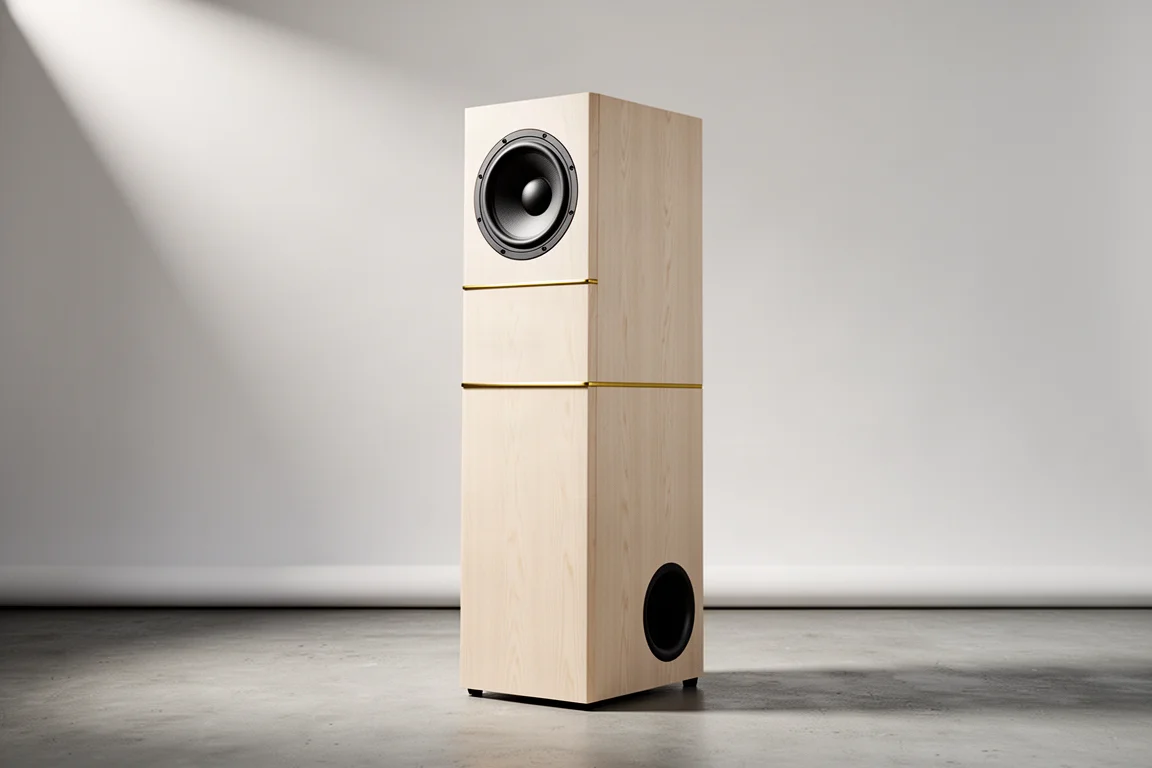
The Origin S10 is built around a single 10-inch full-range driver covering 20 Hz to 20 kHz, with no crossover network between the amplifier and the driver. Leong manufactures its own drivers, and this model now uses the company’s Silver Evo unit. Sensitivity is rated at 100 dB and impedance never falls below 6 ohms, which makes it an easy load for practically any amplifier, including low-power tube designs.
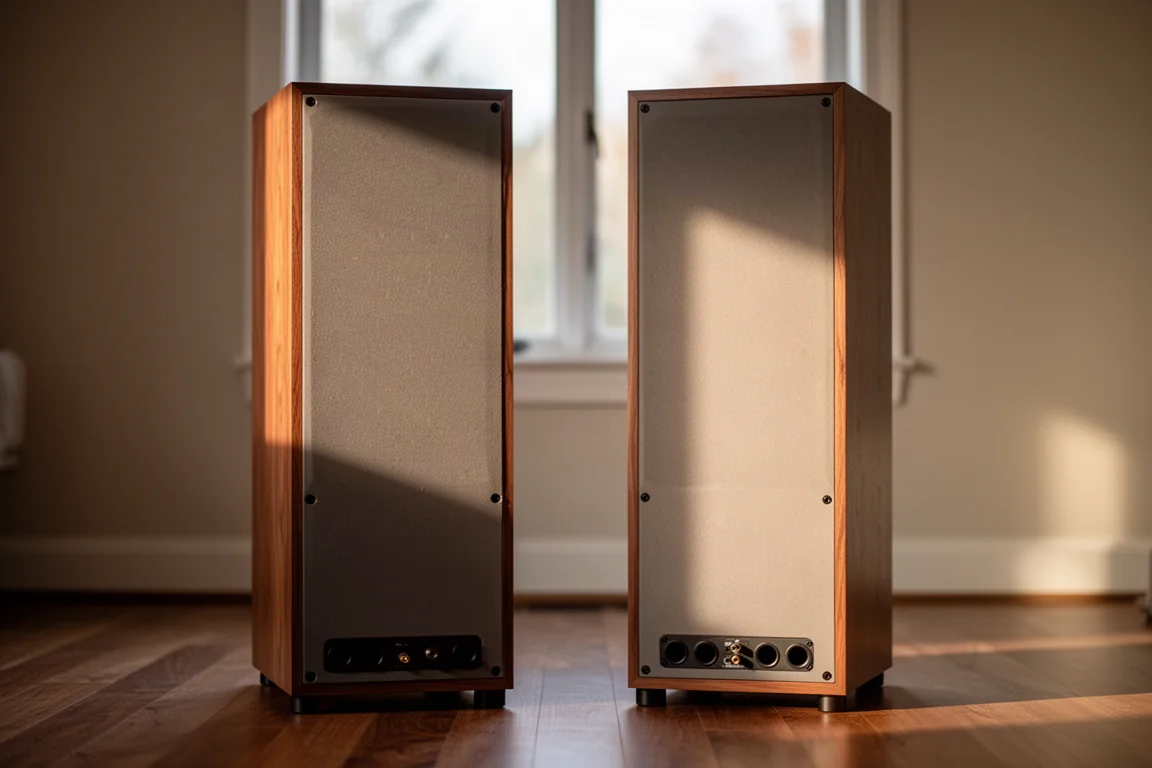
With no crossover in the signal path, most of what you hear comes straight from that one driver, and the cabinet handles the rest. Five ports on the back are tuned to the same low frequency to reinforce the bottom end. That tuning is clearly audible: the speaker produces respectable bass for a single-driver design, and a good portion of it comes from the enclosure rather than the driver alone.
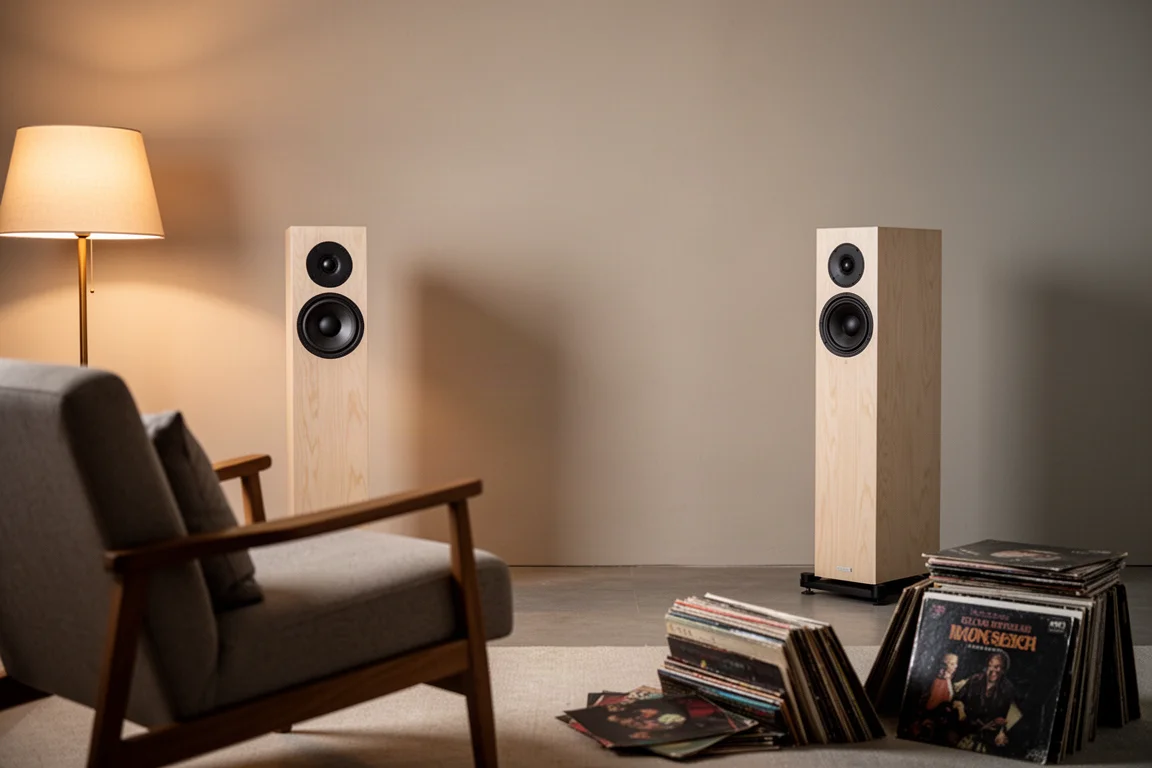
The presentation is lean through the bass and lower midrange. A dip runs across the lower midrange and mid-bass, so male vocals lose some chest weight and warm recordings sound less warm than they do on bass-rich speakers. The upper midrange is more convincing, varying by roughly 5 to 6 dB, and the treble is airy and spacious with a noticeable peak. Aimed straight at the listening position, that peak becomes tiring quickly. Soundstage depth and width are genuinely impressive, while imaging focus softens as volume rises.
Setup and Amplifier Pairing for the Origin S10
The Origin S10 rewards careful placement. A slight toe-in tames the treble peak, because the horizontal off-axis behavior shows high frequencies falling away quickly beyond about 10 degrees. Vertically, the response is most even when your ears sit at least 6 inches above the center of the driver, and the 6 to 12 inch window is a comfortable range that most sofas and lounge chairs already provide.
Amplifier character matters just as much. Warm, rich-sounding amplification, particularly a tube integrated amplifier, fills out the midrange and makes vocals sound fuller. A brighter, more excitable amplifier pushes the speaker further in the direction it already leans, and the result becomes too lean overall. Low to moderate listening levels suit this design best; at high volume the imaging loses focus and less well-recorded modern material can turn harsh.
Arendal 1723 THX Tower: The All-Rounder Alternative
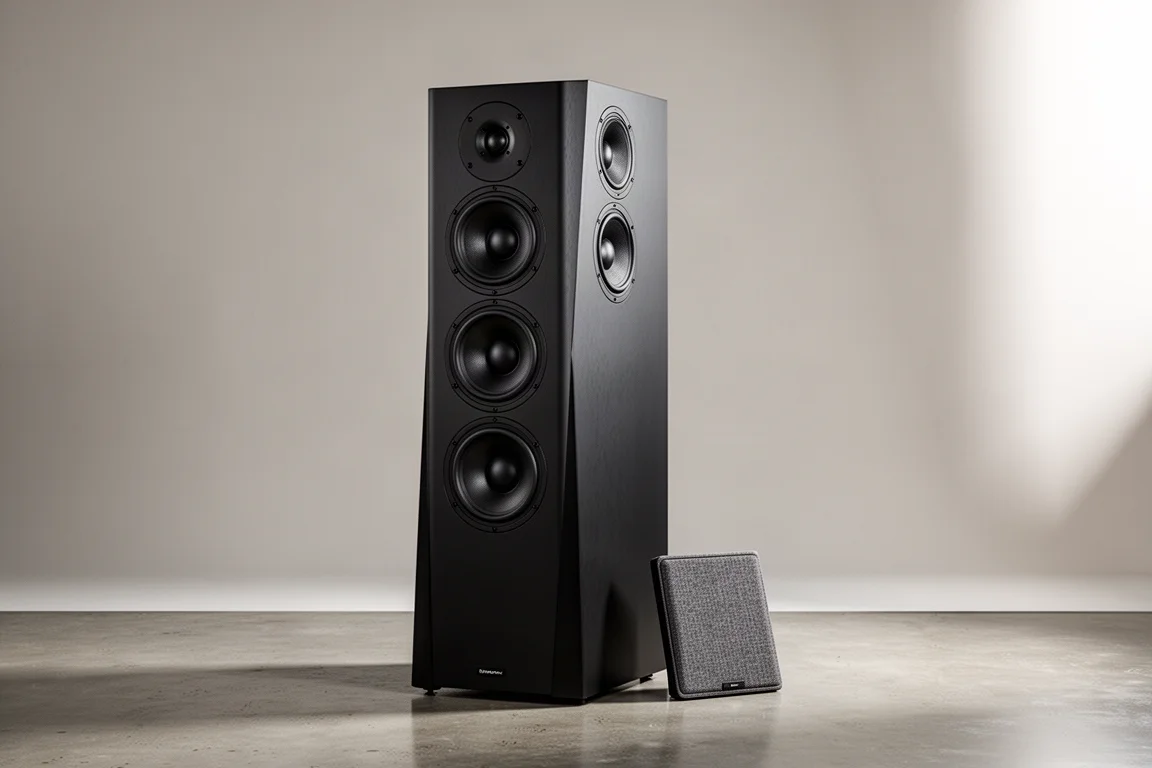
The Arendal 1723 THX Tower takes the conventional route: a heavily braced HDF cabinet, multiple drivers, and a lower sensitivity rating than the Origin S10. That lower sensitivity means it needs more amplifier power to reach the same levels, but the payoff is a cabinet that shows almost no resonance under the same kind of inspection.
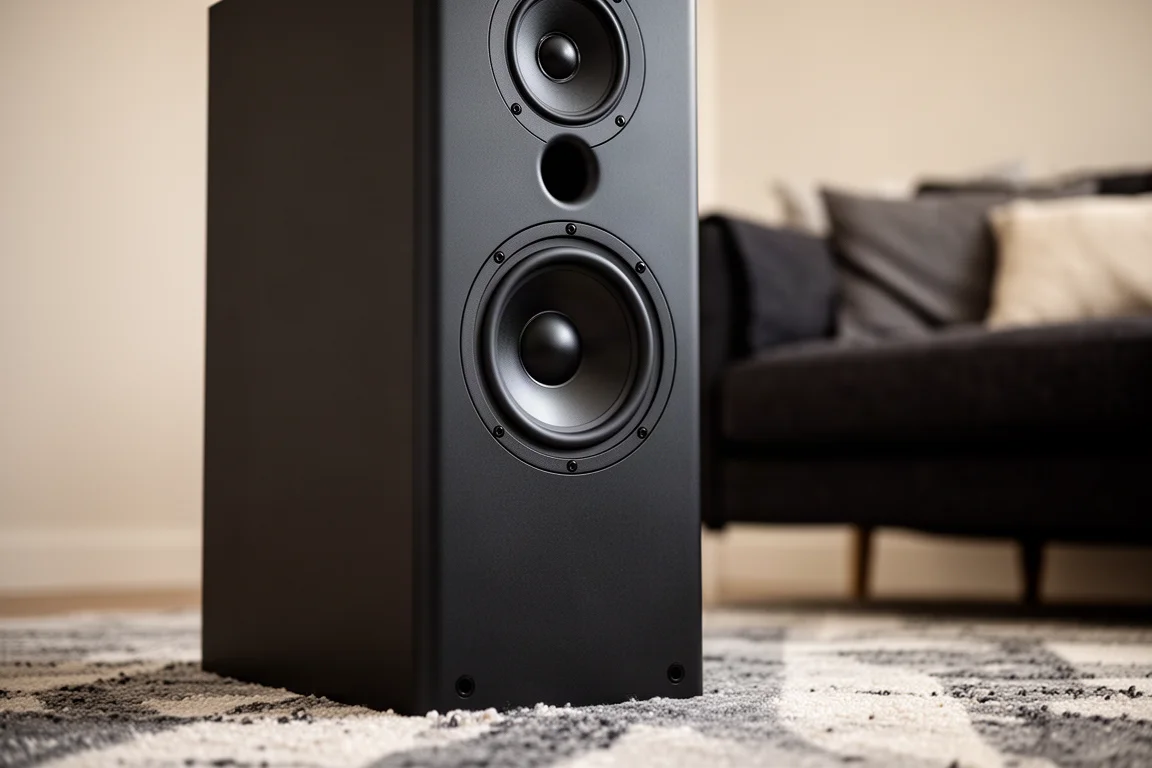
Bass is the clearest difference. The 1723 THX Tower delivers weighty, authoritative low frequencies with strong control and dynamics, and it extends further at both ends of the spectrum than the single-driver Leong. The result is a more balanced, more complete presentation that holds together across genres and at higher volumes.
Build Quality and Cabinet Resonance Compared
The two cabinets tell very different stories. Tapping the Origin S10 enclosure produces an obvious resonance, and even tightening or loosening the binding posts while fitting banana plugs sets the whole cabinet vibrating. The impedance curve shows the same pattern through a series of wiggly lines. None of this means the cabinet is poorly made: it is a solid, good-looking enclosure for the price, offered in a lighter finish or walnut, with gold trim on the front baffle that looks appealing from a distance but feels less premium in person.
The Arendal is the opposite case. Its HDF construction and heavy internal bracing keep resonance largely out of the picture, which contributes to the tighter, more controlled low end. On sensitivity, the Leong is clearly the easier load, which is exactly why it pairs so naturally with low-power tube amplifiers, while the Arendal asks for more power to reach the same output.
Which Speaker Suits Which Listener
Preference decides more here than any specification. If you listen mostly to jazz and vocal music at low to moderate volumes, the Origin S10’s transparency and coherent single-driver midrange can be genuinely engaging. Taking emphasis away from the mid-bass lets details surface that are usually masked, and the phantom center image at lower volumes is unusually locked in. Listeners in apartments and smaller rooms, where deep bass is impractical and often unwelcome, are a natural fit for this kind of presentation. Well-recorded material shows the design at its best, and the treble extension holds up further than you might expect from a single driver.
If you want one speaker that stays composed across genres, plays loudly without losing focus, and delivers authoritative bass, the 1723 THX Tower is the more versatile choice. It is also the more accurate of the two, which matters if neutrality is a priority rather than character.
What to Check Before Buying
Three practical points are worth working through before you commit. First, amplifier character: the Origin S10 rewards warm amplification and punishes bright amplification, so an existing amplifier that already leans bright is a reason to think twice. Second, listening level: the Origin S10 is at its best below loud volumes, while the Arendal is built for the opposite, so be honest about how you actually use your system.
Third, accuracy. The Origin S10 is not an accuracy-first design, and no amount of placement work removes the dip through the lower midrange and bass. If a neutral reference is what you need for critical listening, that scoop is present in every setup and should be weighed against the qualities the speaker does deliver.
Buying Advice and Value at This Price Point
At $3,300 per pair, the Origin S10 puts a large share of its budget into the driver, which makes sense given there is no crossover network to fund. The cabinet is good for the money rather than exceptional, and the finish options, including walnut, keep it presentable in a living room. The value case rests on sensitivity and character: this is one of the few designs at the price that will sing with a low-power tube amplifier.
At roughly $500 to $600 more, the Arendal 1723 THX Tower offers a stiffer, quieter cabinet, deeper and better controlled bass, and broader extension at both ends. For most buyers shopping in this bracket without hearing both first, the 1723 THX Tower is the safer purchase, and the extra outlay buys measurable improvements rather than a different flavor.
The Origin S10 is not a mistake for the right listener, though. If your amplifier is warm and low-powered, your room is modest, and your library leans toward jazz and vocals at moderate volumes, it delivers a transparency and coherence that the more conventional tower does not attempt. Match the speaker to the system and the room rather than to the spec sheet, and either one can be a satisfying long-term purchase.
Conclusion
Both speakers do what they set out to do, and they ask different things of their owners. The Origin S10 is a characterful, high-sensitivity single-driver design that shines with warm amplification, vocal music, and moderate listening levels. The Arendal 1723 THX Tower is the more complete performer, with an inert cabinet, more bass authority, and greater extension, at a higher price and lower sensitivity. Choose according to your amplifier, your room, and how loudly you listen, and neither purchase is likely to disappoint.
Further reading
Related Reviews
Floorstanding Speakers
Acoustic Energy AE109 Mark II Review: A Refined Floorstander at £699
The Acoustic Energy AE109 Mark II is a slim, warm sounding floorstander that delivers clarity, midrange body and strong imaging in small to medium rooms.
Floorstanding Speakers
Acoustic Energy AE509 Review: A Slim Floorstander With Deep, Defined Bass
A practical look at the Acoustic Energy AE509, a slim floorstanding speaker with carbon fibre drivers, deep and well-defined bass, and an easy-going character that rewards careful system matching.
Floorstanding Speakers
Arendal 1528 Tower 8 Review: Reference Neutrality With Real Demands
A close look at the Arendal 1528 Tower 8, a nearly five-foot, 200-pound floorstander that rewards generous space, serious power, and high listening levels with reference-grade neutrality.