Tents
Lantern 2 Four Seasons Review: A Lightweight Trekking Pole Tent Worth the Practice
A lightweight trekking pole tent with clever cord and vestibule design, a pitching technique that rewards practice, and a few tension details to get right.
Introduction
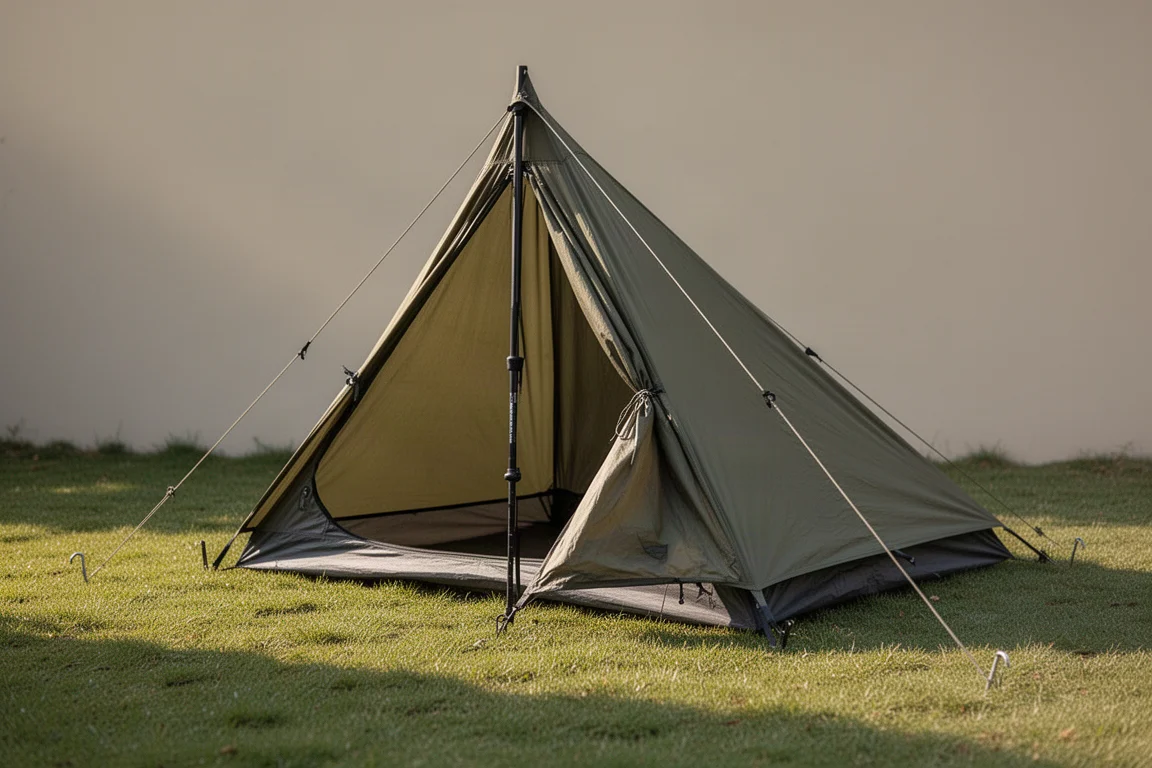
The Lantern 2 Four Seasons is a lightweight trekking pole tent that leans on a simple idea: instead of carrying dedicated poles, you use the hiking poles you are already bringing. That keeps the packed shelter down to little more than fabric, cord and pegs, which is exactly why this style of tent appeals to anyone counting grams on a multi-day walk.
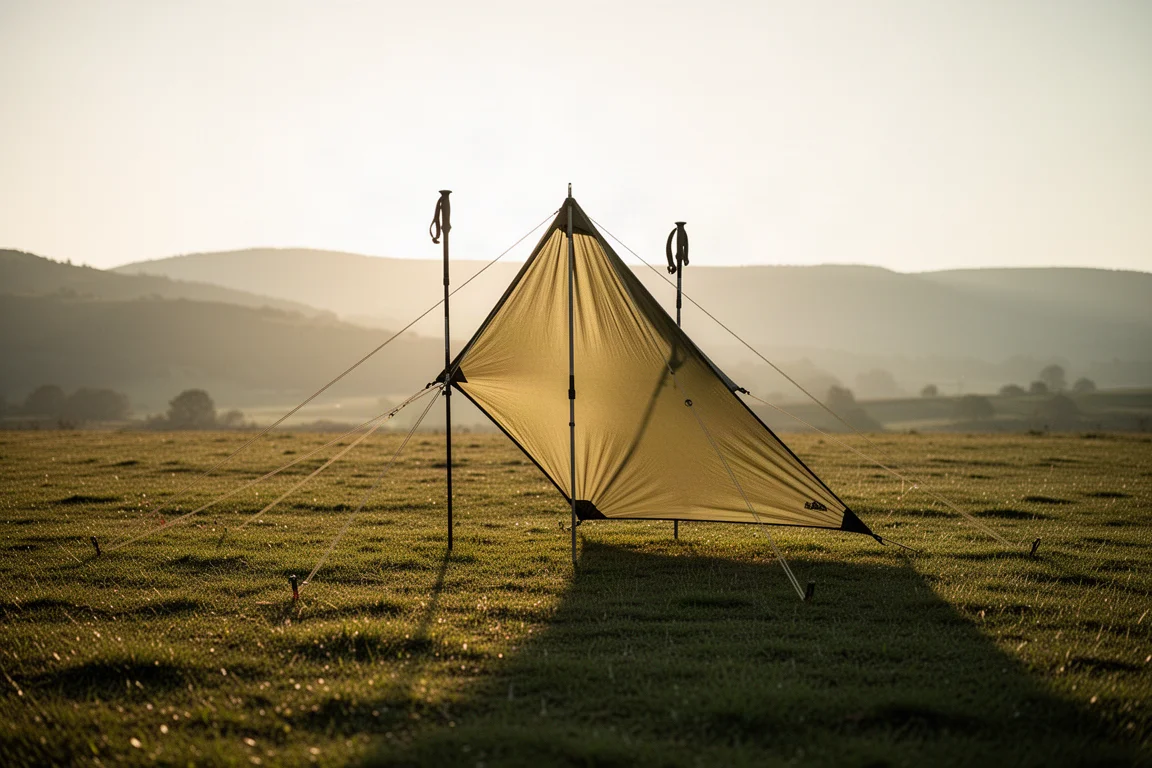
Pitched for the first time on a garden lawn, the tent went up with a little patience rather than a struggle. It is not the easiest shelter to erect on a first attempt, but the design rewards a closer look. The outer skin stands on two hiking poles, the inner body clips to the outer, and the whole thing can be set with just the eight pegs supplied.
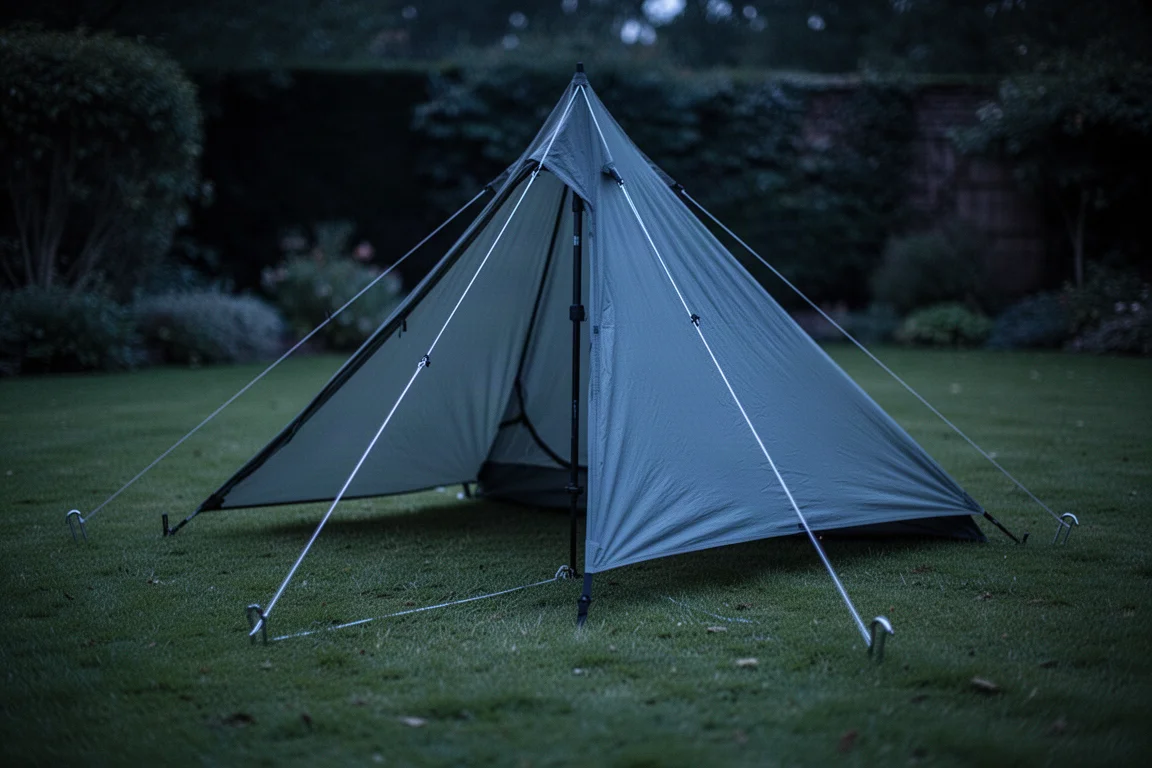
What stands out early is how much of the pitching process is handled by cord rather than hardware. There are no complicated pole sleeves or colour-coded clips to memorise, and once the outer is standing, the rest of the setup follows a fairly logical sequence.
Who This Tent Is For
This is a tent for walkers and campers who already carry hiking poles and want a light, packable shelter rather than a heavy freestanding one. It suits people who are happy to spend a little time learning a pitching sequence and then repeat it until it becomes second nature.
It is also a good fit for campers who appreciate a simple, tarp-like approach to shelter design. The Lantern 2 Four Seasons is light, straightforward in concept, and built around a handful of clever cord techniques rather than a long list of parts. Anyone who wants a shelter that goes up in seconds without thinking, or who does not use hiking poles at all, will get less out of it.
Main Strengths
The first strength is weight. The tent is light, and much of that comes from the trekking pole design: the structure you would normally carry as dedicated poles is already in your hands on the walk in.
The cord work is genuinely clever. A single line runs from the apex down to a peg and then continues out to tie the vestibule doors open, so one piece of cord does two jobs. When the doors are undone, the tension on those lines slackens, and the line holding the top of the tent keeps the apex standing tall. The vestibule doors can then be tied out later, once you are inside.
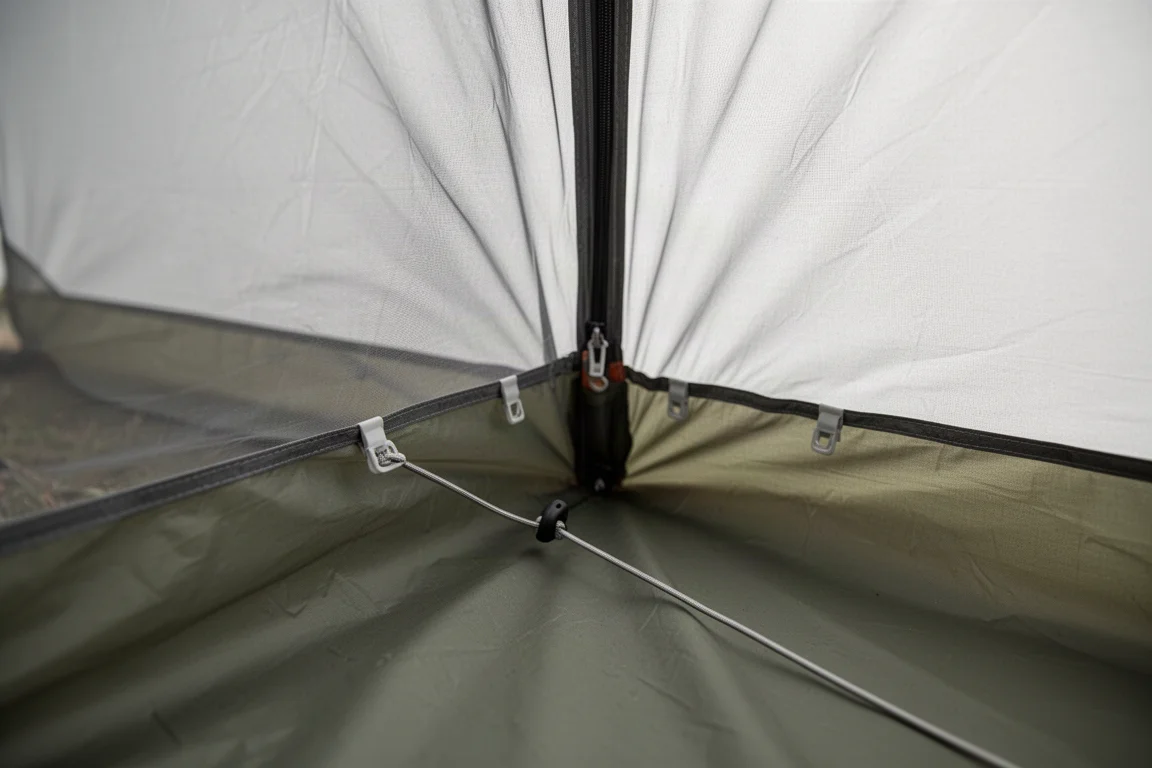
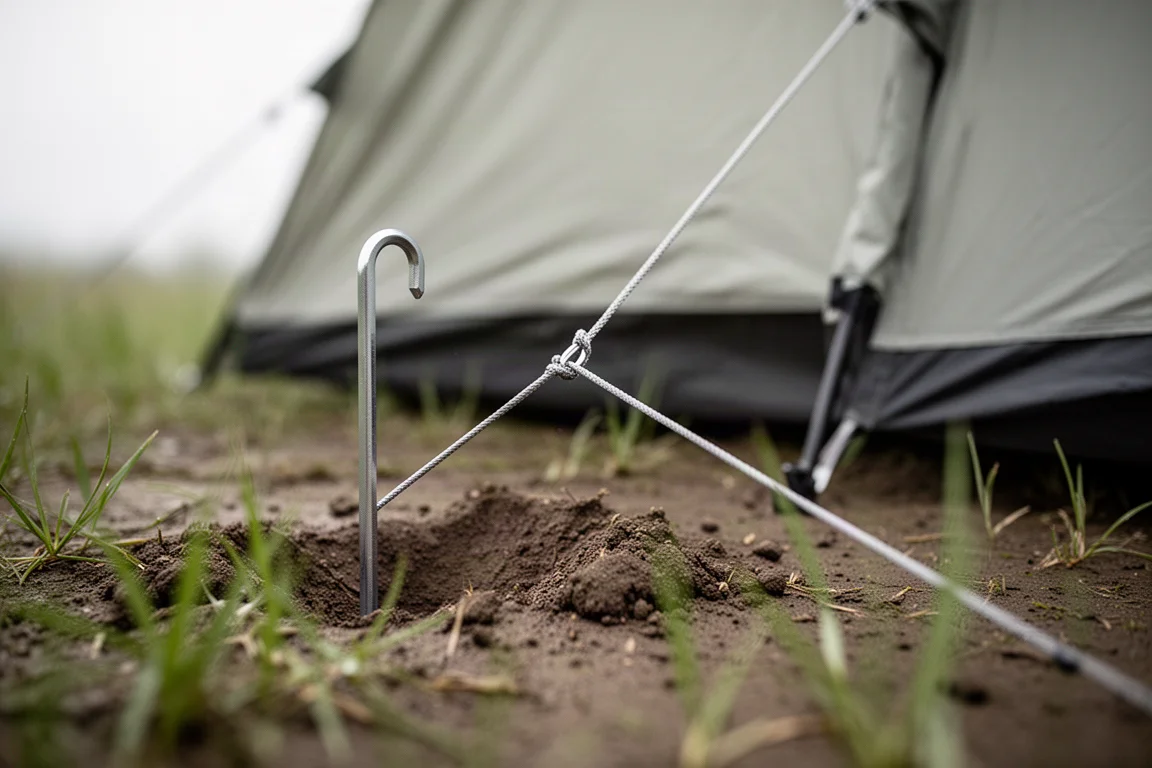
The inner body clips to the outer, which makes the two layers behave as one unit rather than shifting against each other. There is also a neat trick with the bathtub floor: with the four corners of the fly held at half tension rather than fully taut, the cord on the bathtub base stretches over the peg as well. That removes the need to peg the bathtub corners and the tent corners separately, which is how the shelter can be pitched with only the eight pegs provided.
Things to Consider Before Buying
The honest caveat is that this is not the quickest tent to put up. It took a first attempt with some readjusting, and the pitching sequence is the kind of thing that improves with repetition rather than reading.
Tension matters more than you might expect. Pole length is the main variable: some setups call for around 110cm, others 115cm, and others 120cm. Setting the poles at 120cm produced noticeably too much tension, to the point where pegs were being pulled out of the ground. On soft ground with high wind, over-tensioning like that could turn into a real problem, so it is worth starting lower and adjusting from there.
The shelter also depends entirely on the quality of the hiking poles used. The poles on hand for this first pitch had a clamp that had already cracked and was slowly losing grip, which meant the tent was quietly losing tension as it stood. The top of the tent still felt fairly taut, but the lesson is clear: a trekking pole tent is only as stable as the poles holding it up.
Buying Advice
If you are considering the Lantern 2 Four Seasons, plan on practising the pitch before you rely on it. Set it up once or twice at home, get the sequence in your head, and fine-tune the pole length to the conditions rather than copying a single number from a tutorial.
Eight pegs really is enough, provided you hold the four corners of the fly at half tension so the bathtub floor cord can reach the outer pegs. That is the trick that makes the minimal peg count work, and it is worth understanding before you are pitching in wind or rain.
Check your hiking poles before you commit to this style of tent. Make sure the clamps hold firmly and do not creep under load, because every bit of structure in this shelter comes from them. Beyond that, the tent is a light, thoughtfully put together option with cord details that show real design care, and it should serve anyone willing to put in a little practice.
Conclusion
The Lantern 2 Four Seasons is a lightweight trekking pole tent with smart cord work, a simple inner-to-outer clipping system, and a pitching method that can be done with the eight pegs supplied. It is not the easiest tent to erect on a first attempt, and it leans hard on the hiking poles you pair it with, so pole length and pole quality both matter. For walkers who already carry poles and want a light shelter they can learn inside out, it is an appealing choice. Practice the pitch, keep the tension moderate, and it should prove a reliable companion on the trail.
Product link
View more details for Lantern 2 Four Seasons
This product is mentioned in the review. Check the specifications, options, and compatibility before buying.
View more details for Lantern 2 Four SeasonsFurther reading
Related Reviews
Tents
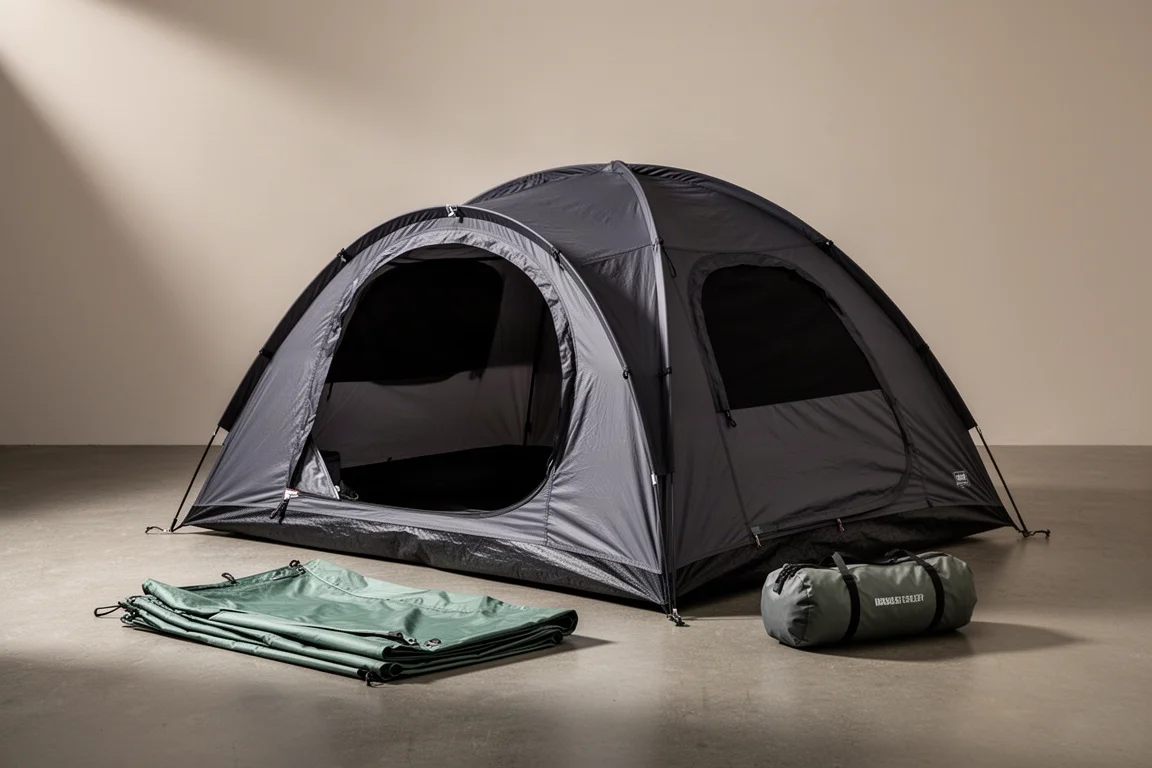
Black Dog Instant Setup 5 to 8 Person Tent Review: Fast Pitch, Serious Weather Problems
A quick-pitching Black Dog tent that goes up in seconds, but wet-weather testing revealed seam leaks, an overstated capacity claim, and awkward doors.
Tents
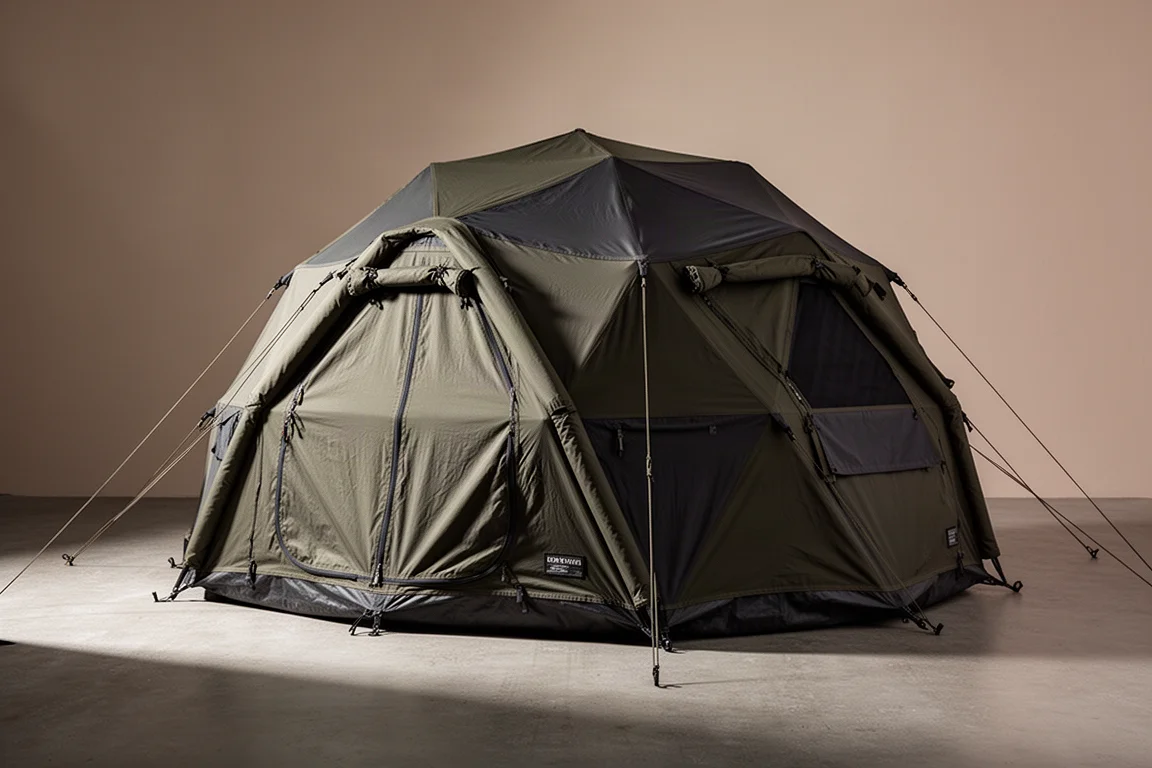
Lightfighter Dragoon Review: An Eight-Person Four-Season Military Shelter
The Lightfighter Dragoon is a 57-pound, eight-person expedition tent built for extreme weather. Here is what its materials, size, and setup demands mean for real buyers.
Tents
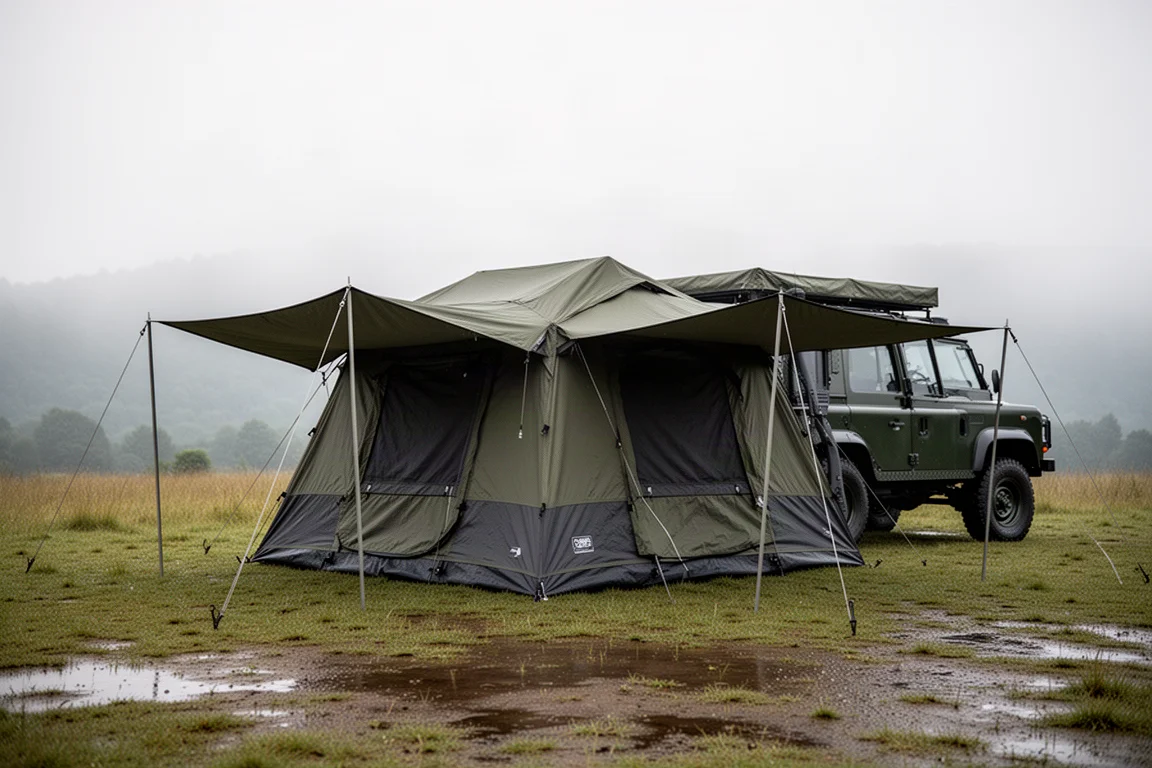
Lone Rider Motorcycle Tent Review: A Big Shelter That Stays Dry
A double-wall motorcycle tent with two large awnings, two entry points, and enough interior height to stand up, plus the pack size trade-off to weigh first.