Ski Boots
Lange XT3 115 LV Review: A Low-Volume Hybrid Ski Boot for Advanced and Expert Skiers
A close look at the Lange XT3 115 LV, a 97mm low-volume hybrid ski boot with a 115 flex, GripWalk and tech inserts, and a walk mode built for one-boot versatility.
Introduction
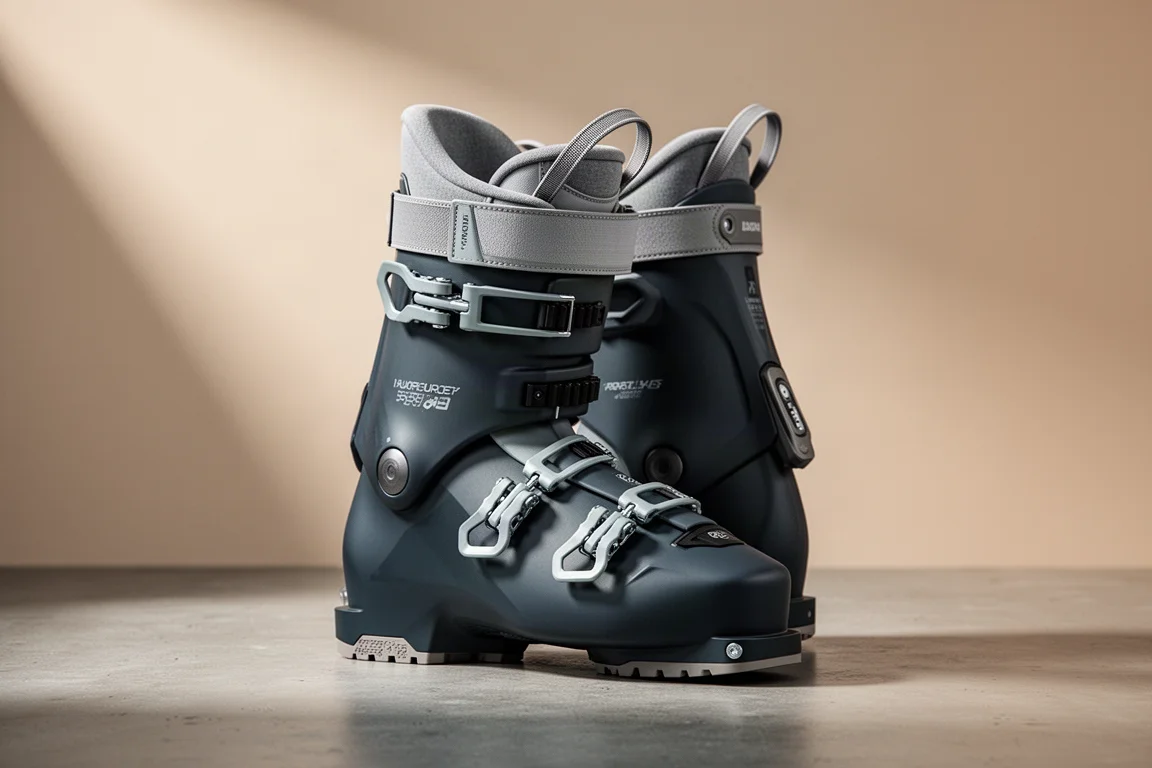
The appeal of a hybrid ski boot is easy to understand: one pair that climbs, walks, and still drives a ski with authority on the way down. The Lange XT3 115 LV is built around exactly that promise, pairing a 115 flex with a low-volume 97mm last and a walk mode that opens up a generous rearward range of motion when the liner is out of the shell.
For advanced and expert women skiers who want a single boot for lift-served days and the occasional skin track, it is a serious candidate. This review covers what the boot does well, where the low-volume fit matters, and what is worth weighing before you commit.
Who the Lange XT3 115 LV Is For
This boot is designed for advanced and expert women skiers who want the most performance and the most versatility from one pair, without compromising fit. The LV in the name stands for low volume: a 97mm forefoot last, a low fit over the instep, and a tighter throat through the middle of the boot. If your foot runs narrow, that combination is likely to feel secure rather than cramped.
It also suits skiers whose season is mixed rather than specialized. Whether you skin once a year and ride the lifts the rest of the time, or spend most of your days touring and only occasionally ski in bounds, the XT3 115 LV is built to handle either pattern without a second pair of boots.

The 115 flex rating points to a strong, experienced skier. This is a boot for someone who wants a direct, responsive connection to the ski rather than a soft, forgiving flex.
Main Strengths
Lange’s approach here is to reduce weight without stripping away downhill capability. Lightweight buckles and a lighter power strap contribute to the weight savings, while the shell stays stiff enough at a 115 flex to drive a ski with intent.
Low-Volume Fit and Lightweight Build
The 97mm last and low instep are the defining fit characteristics. On a narrower foot the shell wraps closely, and that closeness is also a performance advantage: the closer your foot sits to the shell, the more directly your inputs reach the ski.
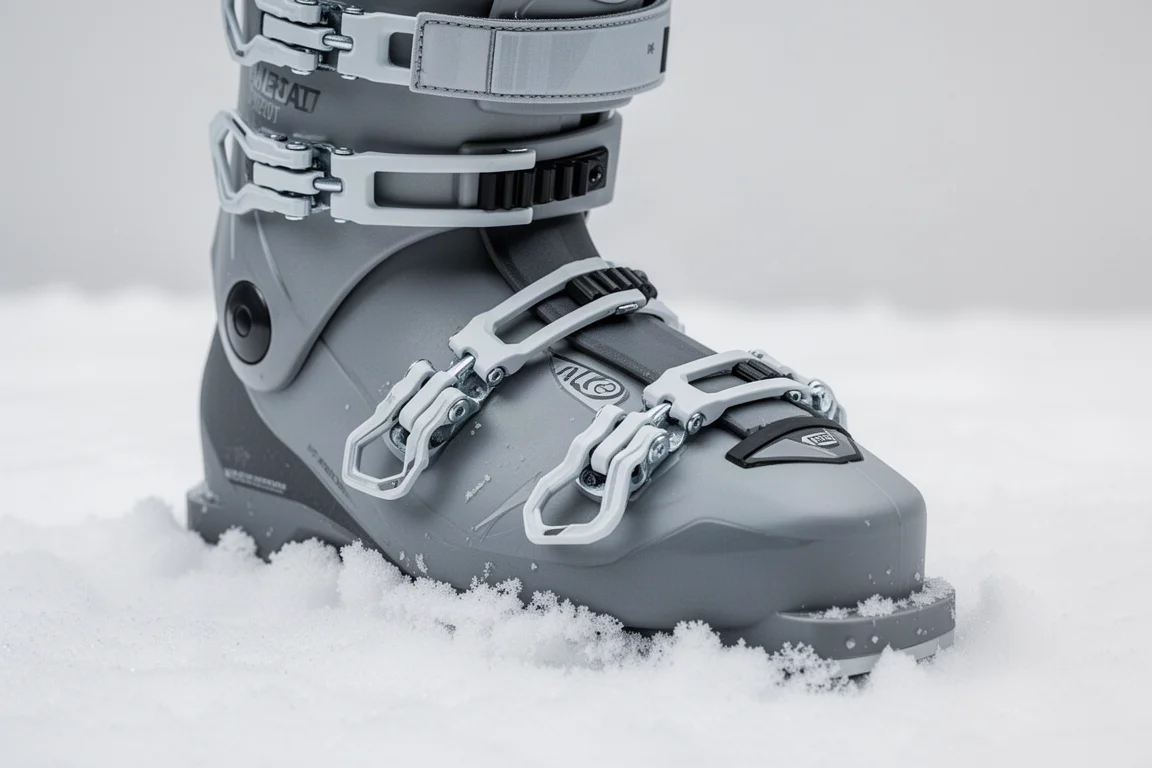
The liner is a high-quality, moldable piece that a boot fitter can heat and shape to your foot. That process can improve comfort and downhill performance at the same time, which makes a proper fitting session worth planning for rather than treating as an optional extra.
Walk Mode, Liner, and Binding Compatibility
The walk mode is a genuine highlight. Flipped into walk position with the liner removed, the shell opens up with a clear rearward flex, and it clicks back into a solid, locked connection when you are ready to ski. The liner adds flex points at the back that make skinning easier, plus lace eyelets so you can lace the liner snug and keep it in place while the shell moves around it.
On the binding side, the boot arrives with GripWalk toe and heel pieces already installed, along with tech toe and heel inserts. That means it can be used with a lightweight tech binding or with an alpine binding that has GripWalk compatibility, without changing anything out of the box.
Things to Consider Before Buying
The low-volume fit is the first thing to think about honestly. A 97mm last with a low instep and a tighter throat is built for narrower feet, and skiers with a wider or higher-volume foot may find it restrictive. Trying the boot on before buying is far more useful here than assuming a liner can solve everything.
The weight savings come from lighter buckles and a lighter power strap, so skiers who prefer a very substantial, heavily locked-down closure feel should pay attention to how the buckles tension during a try-on. It is also worth noting that a 115 flex is a demanding specification, and lighter or less aggressive skiers may find the boot stiffer than they want.
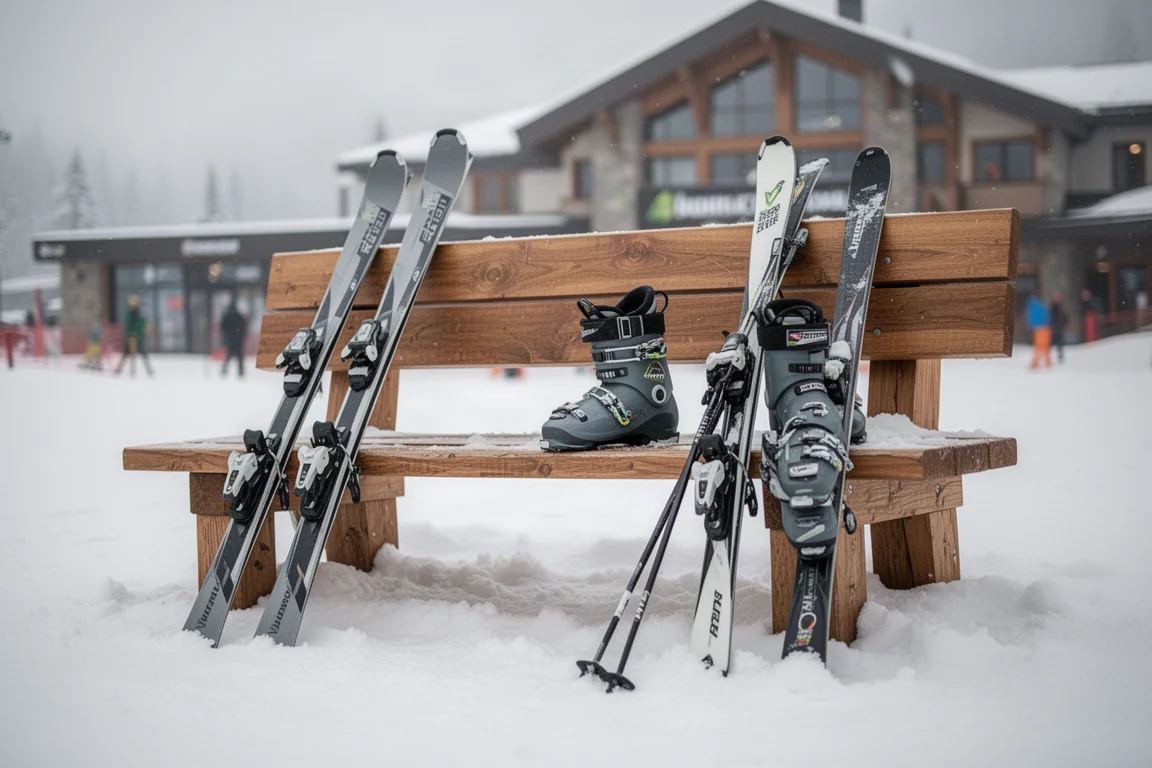
Finally, the tech inserts and the GripWalk sole only pay off if your bindings are compatible. If you plan to mix a tech setup with a resort setup, confirm both sides of that equation before you commit.
Sizing and Fit Guidance
Start with shell fit rather than your street shoe size, since the 97mm last and low instep are what define this boot on the foot. A boot fitter can oven-mold the liner to your foot, and because closer contact between foot and shell translates into better downhill performance, molding is not only a comfort step but a performance one.
The lace eyelets on the liner are useful here as well. Lacing the liner snug keeps it locked to your foot as the shell moves, which matters most on longer climbs and long traverses.
Buying Advice
If your foot is narrow and your skiing is strong, the XT3 115 LV is an easy shortlist entry. It makes the most sense for a skier who genuinely wants one pair of boots: something that can be skinned in once a year or every weekend, and still skied hard in bounds.
Before buying, check two practical points. First, whether your bindings are tech or GripWalk-compatible alpine, because the boot ships ready for both but only works with hardware that matches. Second, plan for a professional fitting, since the moldable liner is one of the boot’s real advantages and it is easy to leave that value on the table.

The boot rewards a skier who knows what they want: a low-volume fit, a stiff 115 flex, and the freedom to tour or ride lifts without swapping boots.
Conclusion
The Lange XT3 115 LV is a focused hybrid boot rather than a compromise. Its low-volume 97mm last, lightweight build, moldable liner, effective walk mode, and out-of-the-box GripWalk and tech compatibility line up well for advanced and expert women skiers who want one pair to cover both touring and resort days. The main caveats are the demanding 115 flex and the narrow fit, both of which are easy to check during a proper try-on and fitting session.
Product link
View more details for Lange XT3 115 LV
This product is mentioned in the review. Check the specifications, options, and compatibility before buying.
View more details for Lange XT3 115 LVFurther reading
Related Reviews

Ski Boots
2027 Ski Boot Roundup: Six 130-Flex Boots Worth Knowing
Six 130-flex ski boots for 2027, plus a low-volume liner upgrade, compared on weight, fit, flex feel, and ease of use.

Ski Boots
Armada AR One Ski Boot Review: A Three-Piece Cabrio That Finally Gets It Right
Armada's first ski boot blends three-piece Cabrio design with Atomic engineering, a heat-moldable shell, and a 100mm last that fits better than any Cabrio before it.

Ski Boots
Armada AR1 Ski Boot Review: A Cabrio and Overlap Hybrid for Park and Freeride Skiers
Armada's first ski boot pairs a three-piece cabrio shell with overlap-style buckles and a cable-driven slingshot buckle. Here is where it shines, and what to weigh before buying.