Ski Boots
Lange RX 120 Review: A 120 Flex All-Mountain Boot for Strong Skiers
A practical look at the Lange RX 120, an all-mountain ski boot with a 100 mm last, a 120 flex, GripWalk soles, and a moldable Dual 3D Liner Pro.
Introduction
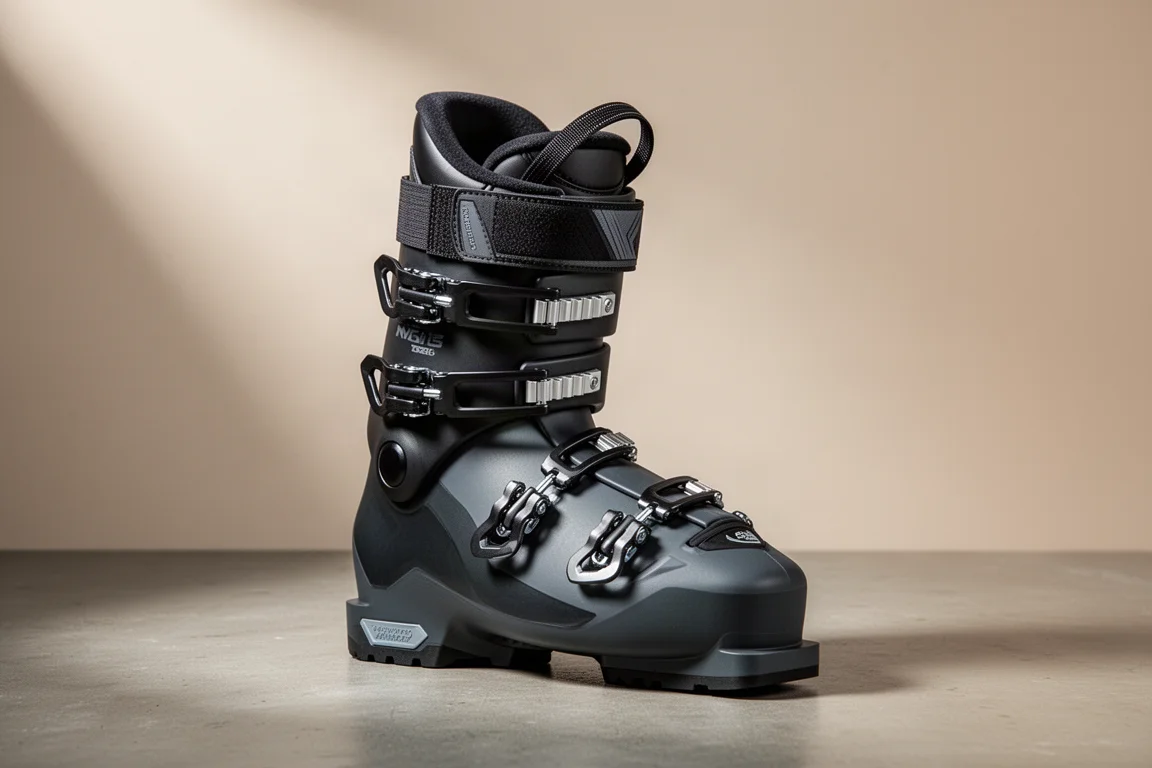
The Lange RX 120 is an all-mountain ski boot built around a 100 mm forefoot width and a 120 flex. That combination puts it closer to the performance end of the spectrum than the comfort end, and that is exactly the point. It shares the shape and hardware of a serious boot, then dials in a slightly softer liner than the RX 130 and a more forgiving overall character than the race-oriented RS line. The result is a boot that asks for decent technique but gives back control in return.
Who This Product Is For
This is a boot aimed at advanced and expert skiers. If you have a racing background and want something a little softer than a full race shell, the 120 flex is a sensible landing spot. If you are an advancing skier stepping into expert terrain, it can work well too, particularly for lighter-weight skiers who do not need to drive a very stiff shell.
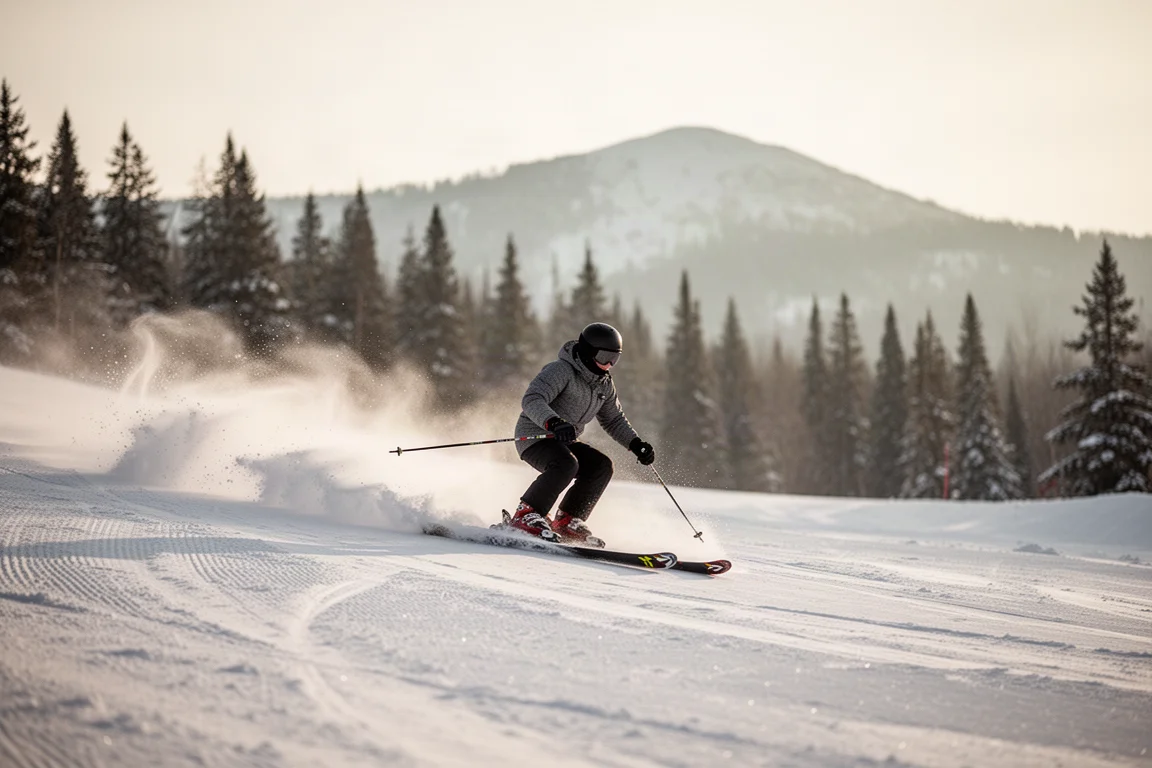
It is less suited to beginners, or to anyone who prioritizes maximum warmth and cushioning over precision. The fit is precise rather than generous, even though there is a bit more room over the instep than you would find in a narrower, race-focused last.
Main Strengths
A few things stand out when you look at the RX 120 as a whole package rather than a list of parts.
A 120 Flex That Suits Strong Skiers
The 120 flex is the headline number. It is stiff enough to transmit pressure cleanly to the edges and to hold up when you push a ski hard, but not so stiff that it punishes a lighter or less aggressive skier. That makes it a natural choice for someone with solid technique who wants response without having to fight the boot.
It also gives the boot a useful range. A former racer can step down into it for a more relaxed day, while an improving skier can grow into it rather than out of it.
Adjustability and GripWalk Convenience
The hardware is genuinely practical. There are four micro-adjustable buckles, two macro catches on the upper cuff, and a velcro power strap that lets you cinch the top of the boot and fine-tune the fit without tools. Upper cuff alignment and dual flex adjustment add further room to dial in stance and forward lean.
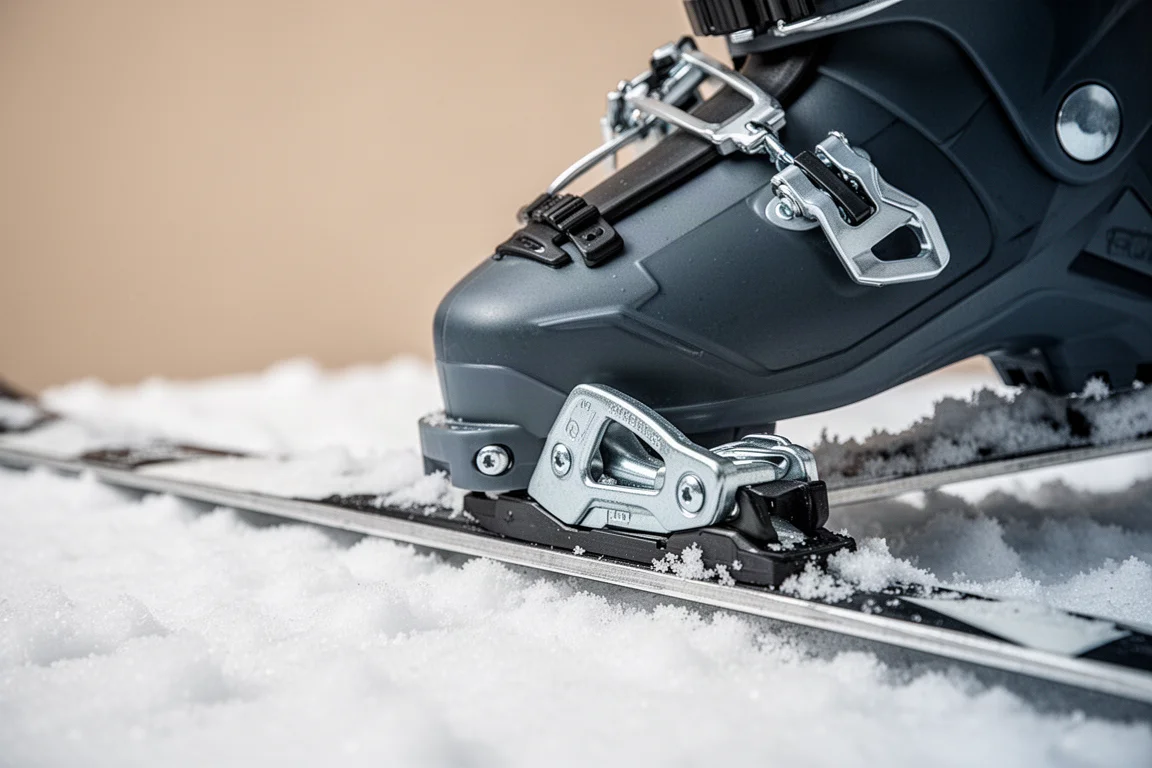
The boot also comes with GripWalk soles pre-installed, which makes walking to and from the lifts noticeably less awkward than a flat, hard race sole.
Liner and Shell Comfort
The Dual 3D Liner Pro is a high-quality liner that molds to the foot, whether it is heat-molded in a shop or simply packed out through body heat over a handful of days. That moldability is what turns a precise shell into something you can wear all day.
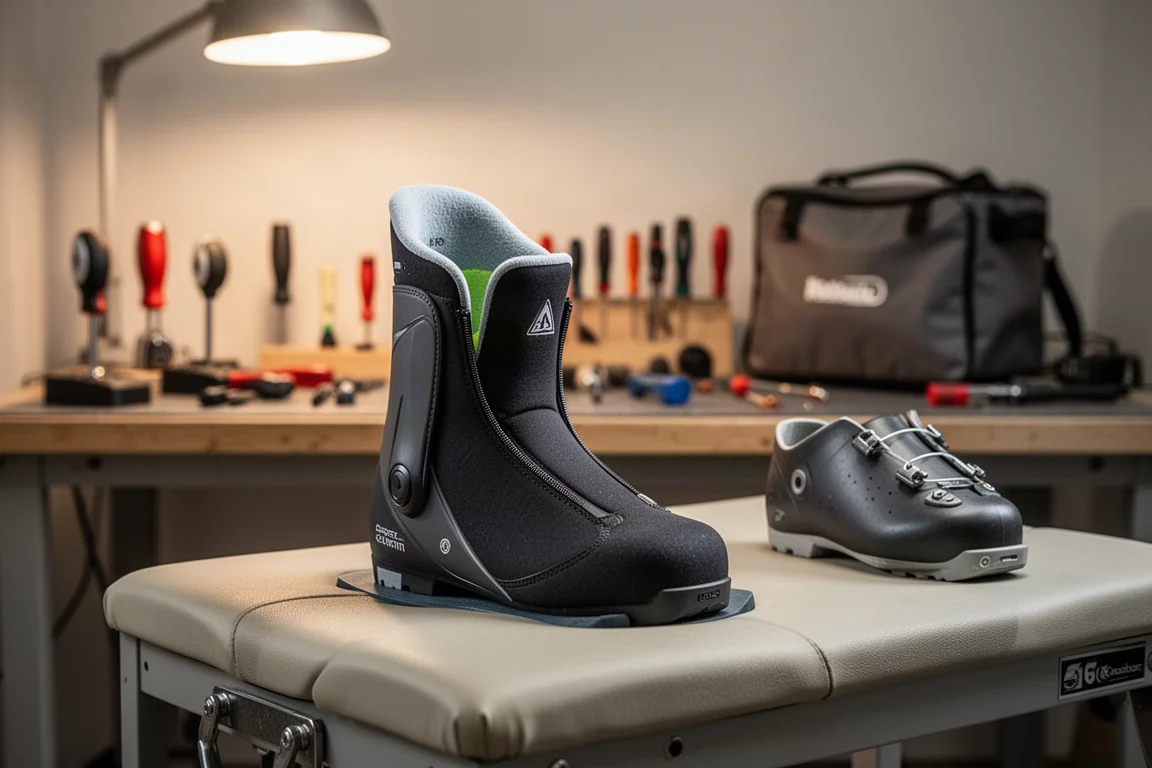
Underfoot, the shell uses a rubberized boot board rather than the stiff plastic board found in the RS line. The softer board improves shock absorption and takes some of the harshness out of rough snow, which is where the RX line earns its reputation as the more comfortable and more user-friendly option.
Things to Consider Before Buying
The RX 120 is not a comfort-first boot, and the 100 mm forefoot width will not suit every foot. Skiers with wide or high-volume feet should expect a snug fit and may need shell work to get the room they want. The flex is also a real commitment: a 120 is a lot of boot for a lighter or less experienced skier, and a softer flex is usually the better call in that case.
Fit is the other variable. The liner molds well, but molding cannot change the shell’s underlying volume, so an honest assessment of length, width, and instep height matters more here than the feature list does.
Buying Advice
If you are an advanced or expert skier looking for one boot that handles groomers, mixed snow, and the occasional hike, the RX 120 is a well-rounded choice. It sits in a useful middle ground: softer and more forgiving than a race shell, more precise and more supportive than a comfort-oriented boot.
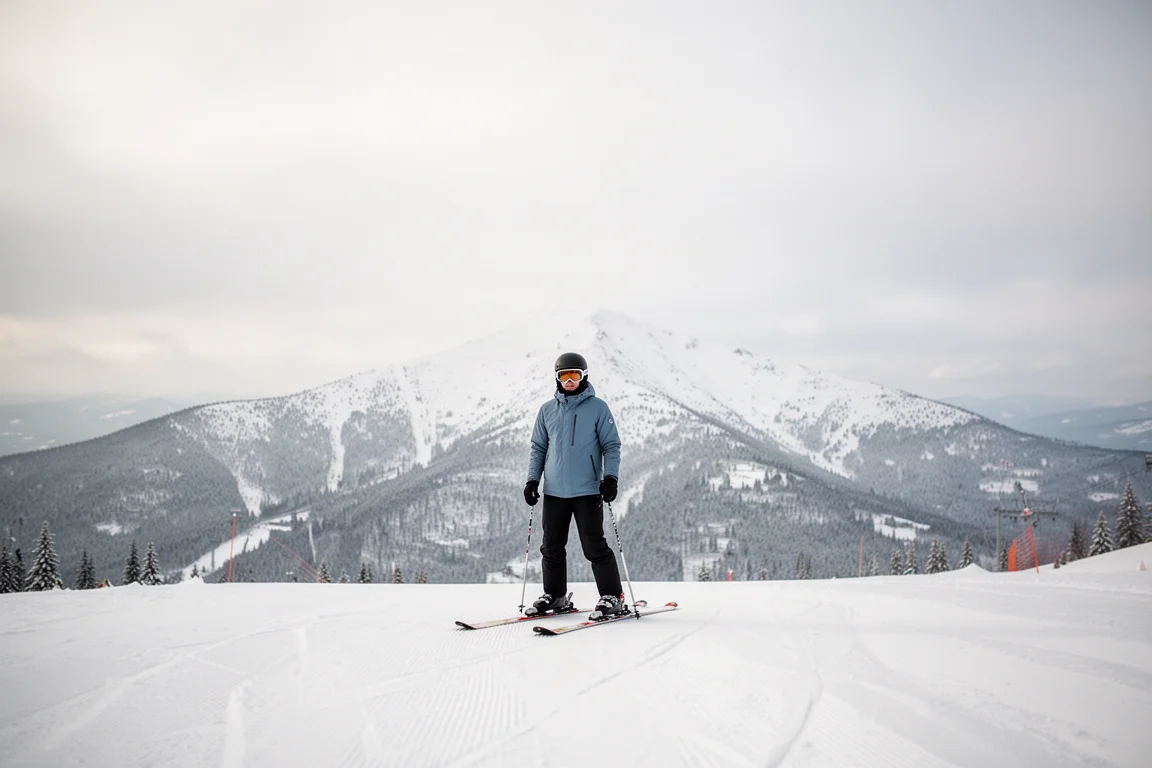
The strongest candidates are skiers with a racing or strong technical background who want a slightly softer flex, and lighter-weight experts who want a boot that responds without overwhelming them. If you are still building your technique, or you know you run cold and want maximum padding, a lower flex and a more generous last will serve you better.
Conclusion
The Lange RX 120 makes sense for the skier it was designed around: someone with solid technique who wants performance, adjustability, and a fit that can be molded to their foot. Its 120 flex, 100 mm last, pre-installed GripWalk soles, and rubberized boot board add up to a boot that is capable on the hill and easier to live with than a dedicated race shell.
Product link
View more details for Lange RX 120
This product is mentioned in the review. Check the specifications, options, and compatibility before buying.
View more details for Lange RX 120Further reading
Related Reviews

Ski Boots
2027 Ski Boot Roundup: Six 130-Flex Boots Worth Knowing
Six 130-flex ski boots for 2027, plus a low-volume liner upgrade, compared on weight, fit, flex feel, and ease of use.

Ski Boots
Armada AR One Ski Boot Review: A Three-Piece Cabrio That Finally Gets It Right
Armada's first ski boot blends three-piece Cabrio design with Atomic engineering, a heat-moldable shell, and a 100mm last that fits better than any Cabrio before it.

Ski Boots
Armada AR1 Ski Boot Review: A Cabrio and Overlap Hybrid for Park and Freeride Skiers
Armada's first ski boot pairs a three-piece cabrio shell with overlap-style buckles and a cable-driven slingshot buckle. Here is where it shines, and what to weigh before buying.