Ski Boots
Lange RX 100 Ski Boot Review: A Balanced 100-Flex Choice for Advancing Skiers
A practical look at the Lange RX 100, a 100 flex, 100 mm last ski boot for advancing intermediates with medium-volume feet, including its strengths and trade-offs.
Introduction
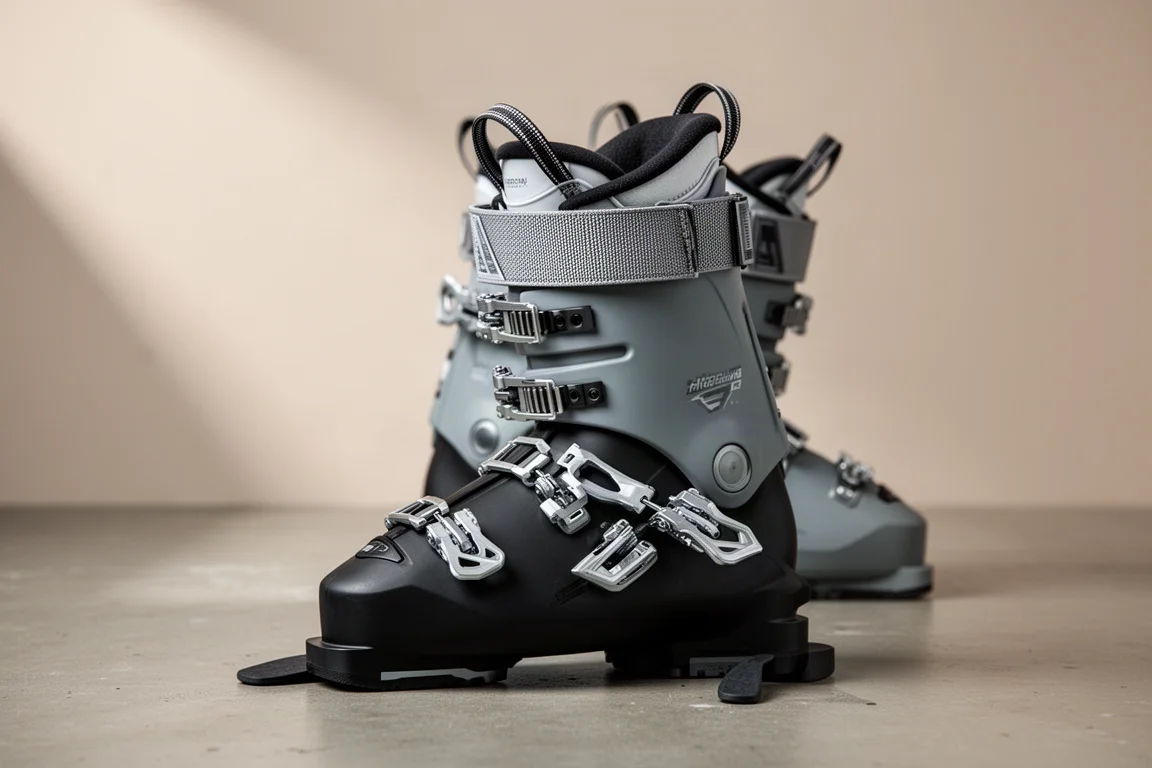
The Lange RX 100 sits in the middle of the RX range, built around a 100 flex rating and a 100 mm forefoot last. That pairing puts it in a practical zone: stiff enough to support a confident skier, forgiving enough that it does not demand the strength and precision of the 120 and 130 flex boots above it in the same family.
It is designed for medium-volume feet, and it keeps much of the hardware found on the higher-priced boots in the range while softening the liner and swapping in a plastic boot board. The result is a boot that is easy to live with from the first days on snow.
Who This Product Is For
This is a boot for the advancing intermediate to lower-end advanced skier. The 100 flex and 100 mm last are the sweet spot for that group, particularly for anyone with a medium-volume foot who wants performance without a shell that fights back.
It also makes sense for recreational skiers who ride weekends and a couple of vacation weeks rather than 50 to 75 days a season. The softer liner breaks in faster, so the boot feels comfortable sooner, which matters if you are not on snow often enough to tolerate a long break-in period.
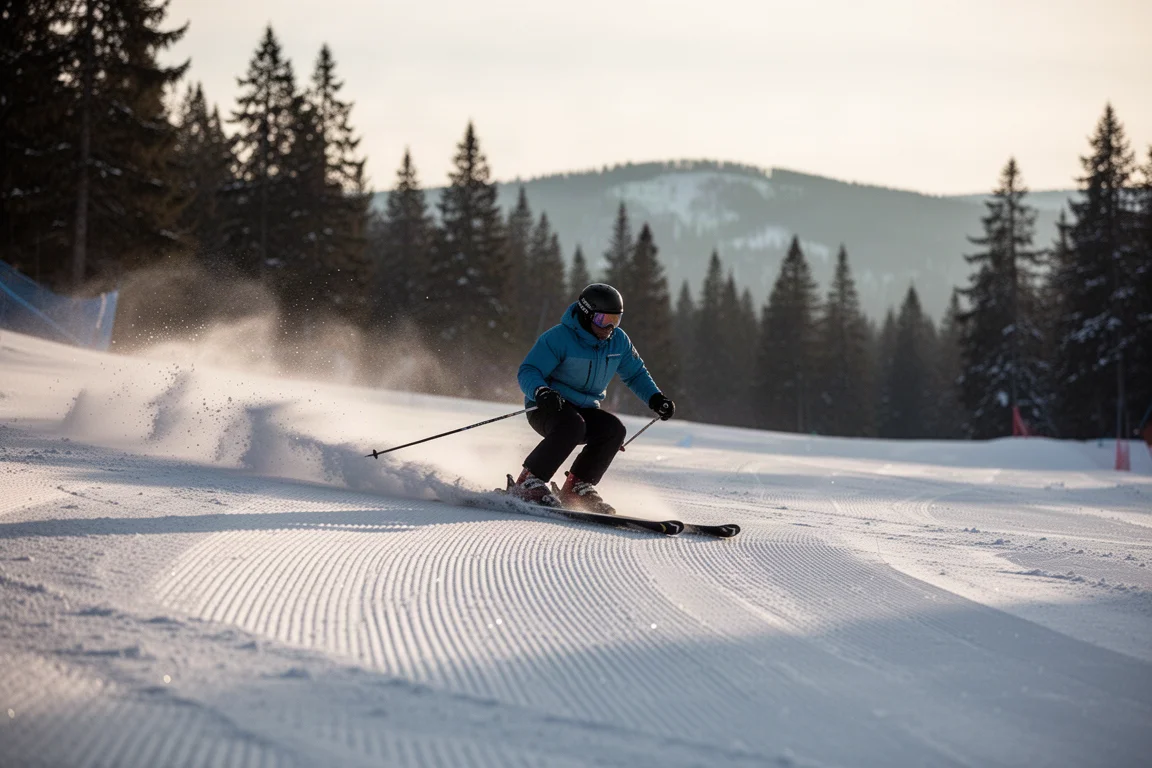
Skiers moving up from a rental or entry-level boot will find the RX 100 familiar in fit but noticeably more supportive on edge. Those who already ski aggressively at high speed may want to look further up the range.
Main Strengths
The RX 100 shares a lot of its surface hardware with the more expensive RX models. That includes four micro-adjustable buckles, a power strap across the top of the cuff, two flex adjustments at the rear of the shell, and an upper cuff alignment tool. Being able to fine-tune the fit through the buckles and the power strap makes a real difference over a long day.
A Forgiving Liner and a Faster Break-In
The RX 100 uses a Dual 3D Liner Sport. It is a little more forgiving than the liners found in the RX 120 and RX 130, but it is still a performance piece rather than a budget compromise. The softer construction shortens the break-in period, which is the main reason this boot suits part-time skiers so well.
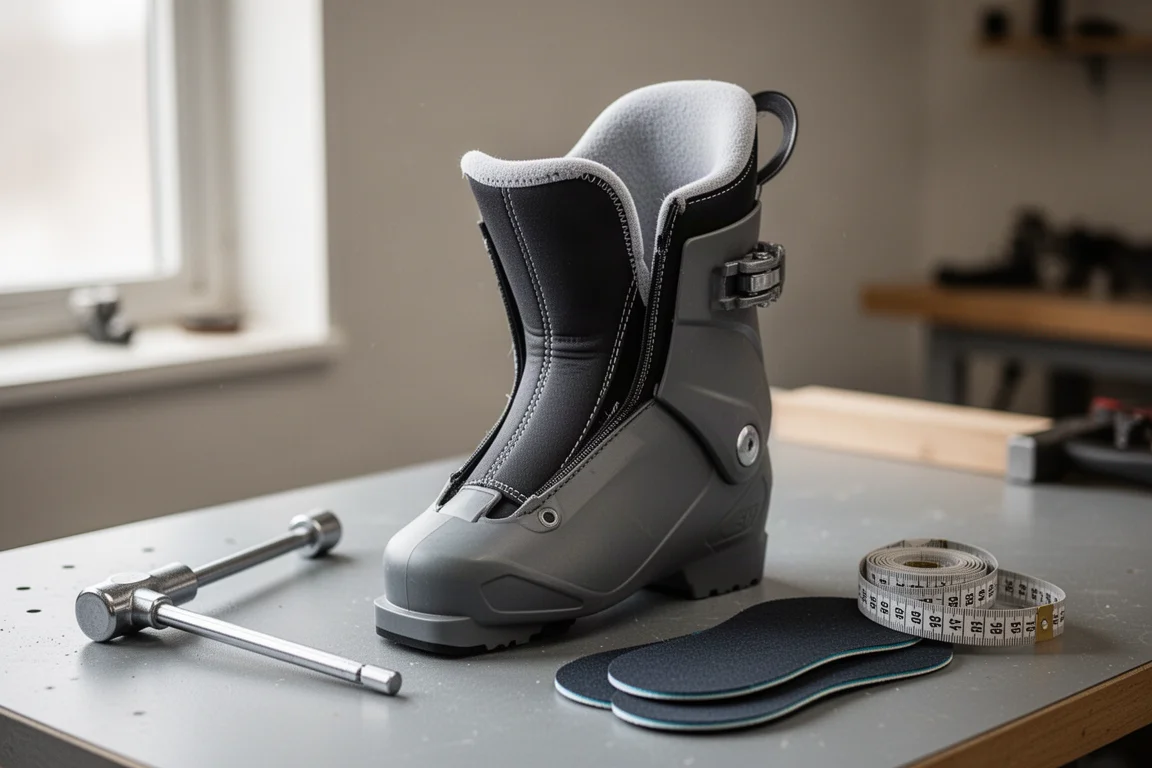
At the 100 flex level, it is reasonable to expect a drop in quality. That is not the case here: the liner, buckles, and power strap all point to a boot that is built to the same standard as the rest of the range, just tuned for a different kind of skier.
Shell Design and Direct Power Transfer
The lower shell rises fairly high for a 100 flex boot. That geometry connects the upper cuff to the lower shell efficiently, and the payoff is more added performance than the flex rating alone suggests. The boot feels more connected to the ski than a softer shell would.
One difference from the stiffer models is the boot board. The RX 100 uses a plastic boot board where the RX 120 and RX 130 use a rubberized one. Plastic gives a direct connection to the ski, while the rubberized version is more shock absorbing. Most skiers at this level are unlikely to notice the difference in everyday conditions.
Things to Consider Before Buying
The obvious consideration is flex. If you ski fast, charge hard, or weigh more than average, a 100 flex shell may feel soft, and the 120 or 130 flex options in the same family will hold up better under that kind of load.
The plastic boot board is the second trade-off. It delivers a crisp, direct feel but absorbs less vibration than the rubberized board in the higher-end models, so on very firm or chopped-up snow the RX 100 transmits more of that surface back to your foot.
It is also worth being honest about how much you ski. If you are on snow most weeks of the season, the firmer liner in a 120 or 130 may suit you better once it packs out.
How It Compares Within the RX Range
The RX 100 is the softer, more accessible entry point into the RX family. It keeps the four micro-adjustable buckles, the power strap, the rear flex adjustments, and the cuff alignment tool, and it comes with toe and heel grip pads pre-installed, just like the boots above it.
The differences are concentrated in the flex, the liner, and the boot board. The RX 120 and RX 130 are stiffer, use firmer liners, and add a rubberized boot board for more shock absorption. The RX 100 trades some of that stiffness and damping for a faster break-in and a more relaxed ride.
Buying Advice
For a medium-volume foot and a mid-flex target, the RX 100 covers a lot of ground. It is a strong fit for the advancing intermediate or lower-end advanced skier who wants a capable boot without the demands of a race-oriented flex.
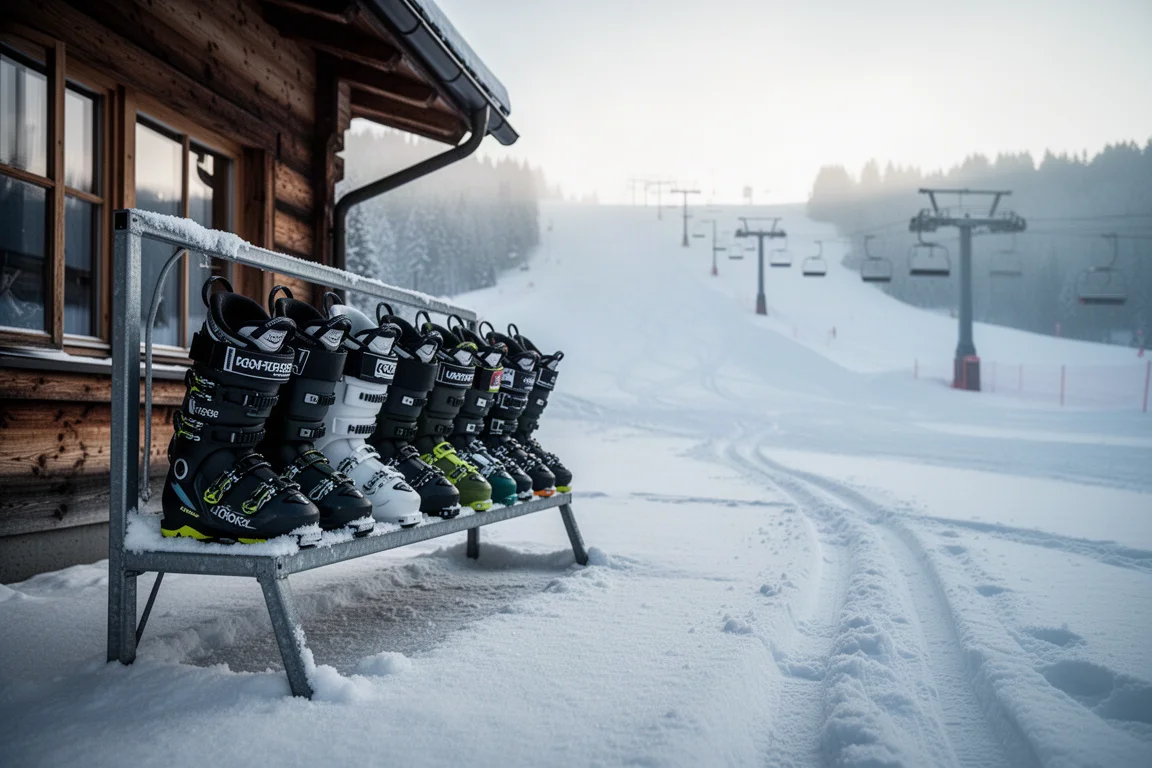
Two things are worth confirming before you commit. First, check that the 100 mm last matches your foot width, since a medium-volume foot is the intended match. Second, confirm that the flex suits your weight, terrain, and skiing style, because a boot that is too soft will limit you as your skills progress.
If you are deciding between this and a stiffer RX model, the deciding factor is usually how hard and how often you ski. The RX 100 is the friendlier, more forgiving choice, and it still delivers genuine performance for the skier it is built for.
Conclusion
The Lange RX 100 checks a lot of boxes for a lot of skiers. A 100 flex shell and a 100 mm last make it a comfortable middle ground for advancing intermediates and lower-end advanced skiers with medium-volume feet, while the four micro-adjustable buckles, power strap, and rear flex adjustments give you room to dial in the fit.
Its compromises are deliberate: a softer liner and a plastic boot board trade a little stiffness and shock absorption for a faster break-in and an easier ride. For recreational skiers who want real performance without a punishing boot, that is a sensible trade.
Product link
View more details for Lange RX 100
This product is mentioned in the review. Check the specifications, options, and compatibility before buying.
View more details for Lange RX 100Further reading
Related Reviews

Ski Boots
2027 Ski Boot Roundup: Six 130-Flex Boots Worth Knowing
Six 130-flex ski boots for 2027, plus a low-volume liner upgrade, compared on weight, fit, flex feel, and ease of use.

Ski Boots
Armada AR One Ski Boot Review: A Three-Piece Cabrio That Finally Gets It Right
Armada's first ski boot blends three-piece Cabrio design with Atomic engineering, a heat-moldable shell, and a 100mm last that fits better than any Cabrio before it.

Ski Boots
Armada AR1 Ski Boot Review: A Cabrio and Overlap Hybrid for Park and Freeride Skiers
Armada's first ski boot pairs a three-piece cabrio shell with overlap-style buckles and a cable-driven slingshot buckle. Here is where it shines, and what to weigh before buying.