Ski Boots
Lange RX 100 Review: A Balanced 100/100 Ski Boot for Advancing Skiers
A 100 mm last and a 100 flex rating give the Lange RX 100 a rare blend of fit and performance. Here is what to know before you buy.
Introduction
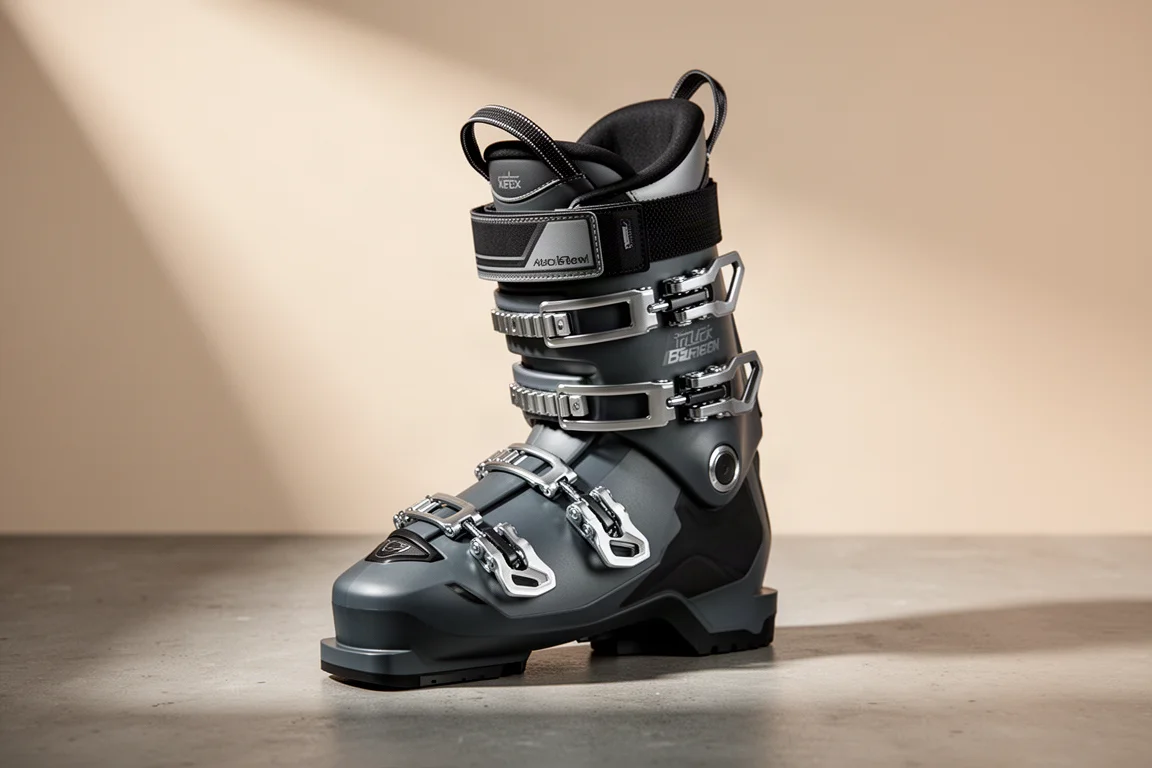
The Lange RX 100 is what the industry calls a 100/100 boot: a 100 mm last paired with a 100 flex rating. It sits in the middle of the market in the best sense, aimed at advancing intermediates and lower-end advanced skiers who want a blend of fit and performance rather than an extreme in either direction. Lange’s classic heel hold carries through here, with a little extra room added across the forefoot and over the top of the foot.
That combination is why the boot fits so many different feet and covers such a wide performance spectrum. Below is a closer look at who it suits, what it does well, and the details worth checking before you commit.
Who This Boot Is For
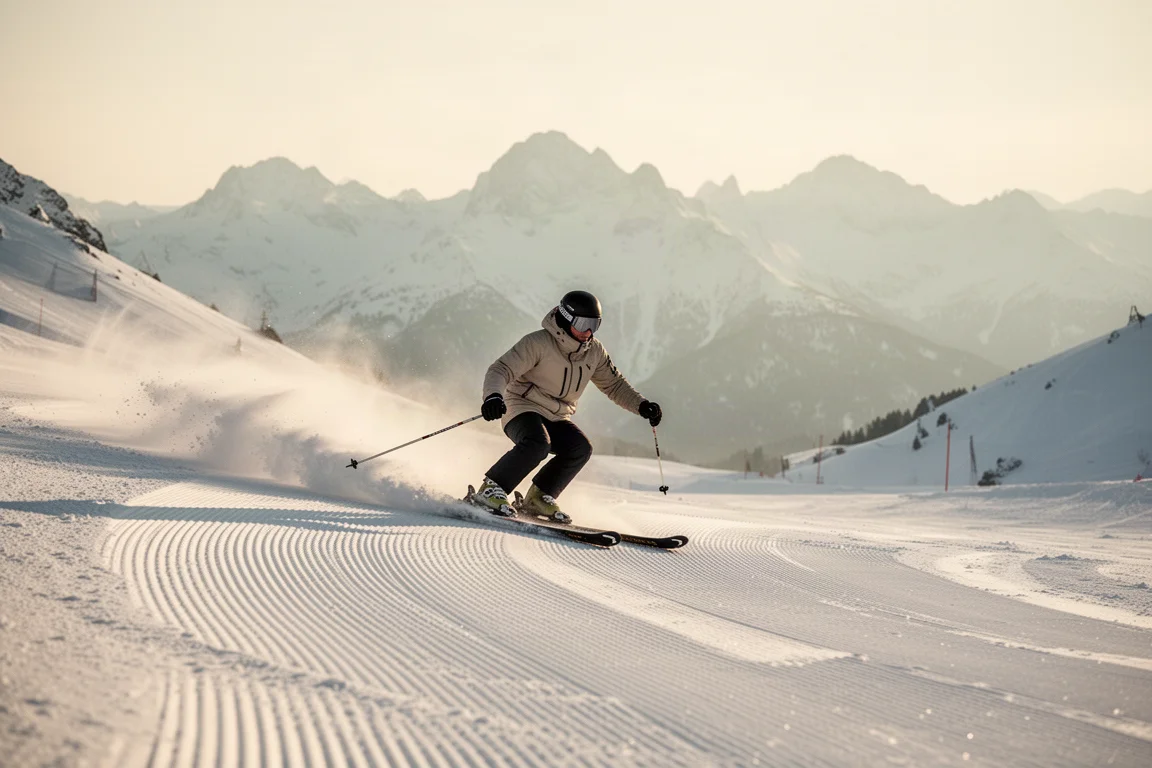
The RX 100 is built for skiers who are comfortable on groomed runs and starting to push into more varied terrain. It suits advancing intermediates and lower-end advanced skiers. If you are still building confidence at moderate speeds, or you are an expert chasing maximum stiffness, this is not the boot for you. If you sit somewhere in between and want one boot that handles a full day on the mountain, it lines up well.
Because the last measures 100 mm, the boot accommodates a wider range of foot shapes than a narrow race-oriented last. That width is one reason the model is so widely used: it fits many feet without demanding an aggressive shell modification. Skiers who have struggled with pressure across the forefoot often find this shape easier to live with.
Key Features and Fit Details
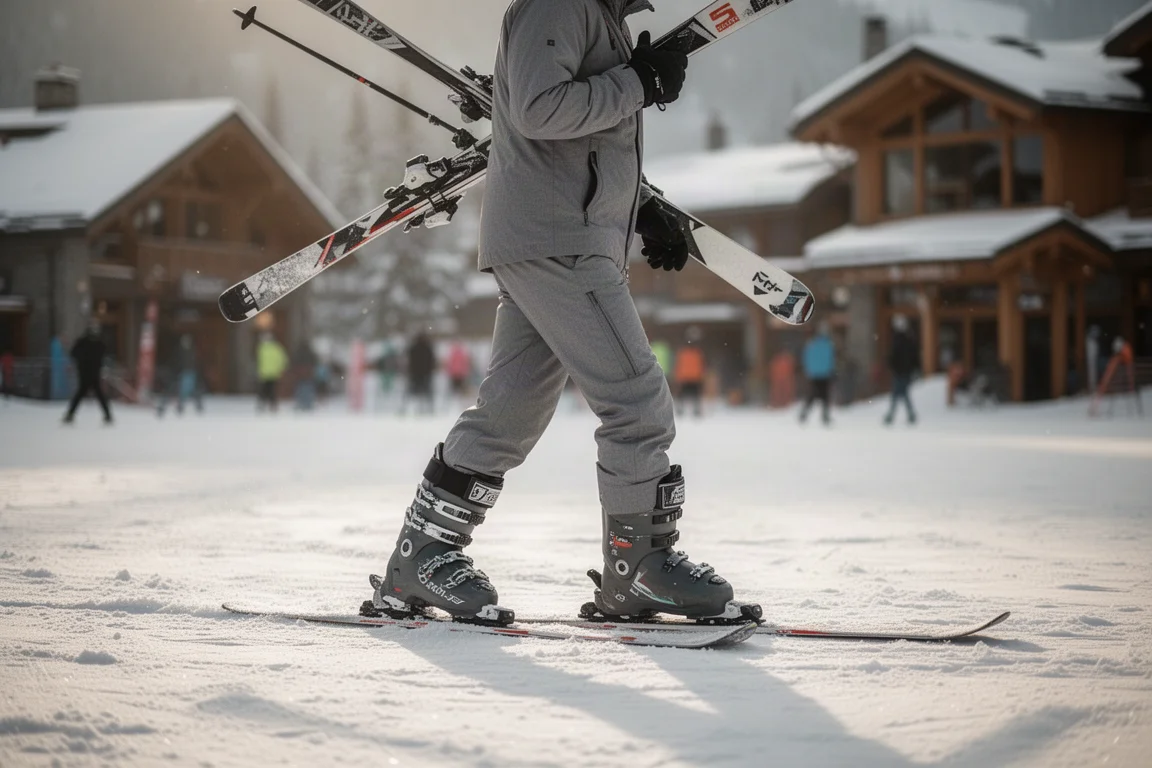
The RX 100 comes with GripWalk soles, which make walking around the lodge and the parking lot easier when you are not clicked into your skis. Once you are in, the boot is built to perform.
Four micro-adjustable buckles let you fine-tune the closure, and the upper two are macro-adjustable, so the catches can be moved for a wider or narrower lower leg. A Velcro power strap at the top can be cinched down to add extra drive into the tongue. Two flex rivets at the rear and an upper cuff alignment adjustment round out the adjustment range.
Inside, the Dual 3D Liner Sport uses softer foam so you can flex and articulate into the boot without compromising the overall fit. Stiffer plastic in the liner’s cuff and tongue helps you drive forward, supporting both fore-aft flex and the lateral movement that wider skis ask for.
Main Strengths
The clearest strength is the balance between fit and performance. The 100 mm last gives you room, while the 100 flex and the boot’s construction keep you connected to the ski.
Lange’s traditional heel hold is the anchor. With the heel locked in, your energy goes into the ski instead of into movement inside the shell. The stiffer upper cuff of the liner reinforces that, letting you put more energy into the ski in a more efficient way.
A harder boot board underfoot is the other notable contributor. The stiffer plastic at the base of the foot increases energy transfer, particularly in lateral movement, which adds precision to a relatively soft-flexing shell. Together these details produce the responsive, connected snow feel that Lange boots are known for.
For an advancing skier, that means a boot that responds when you ask it to, without demanding the precision of a much stiffer race shell.
Things to Consider Before Buying
The 100 flex rating is a middle setting. It gives enough power for carving and enough give for bumps and trees, but skiers who want a very stiff, race-like platform will find it softer than they prefer. Match the flex to the skiing you actually do rather than to your ambitions.
The adjustment features are an advantage only if you use them. Buckle catches, cuff alignment and flex rivets are best set up once, properly, rather than left wherever they arrive. Expect to spend time with a fitter, or at least work through the settings deliberately.
GripWalk soles are convenient for walking, but they are a specific sole standard, so it is worth confirming how they interact with your current setup before you buy.
Where the RX 100 Performs on the Mountain
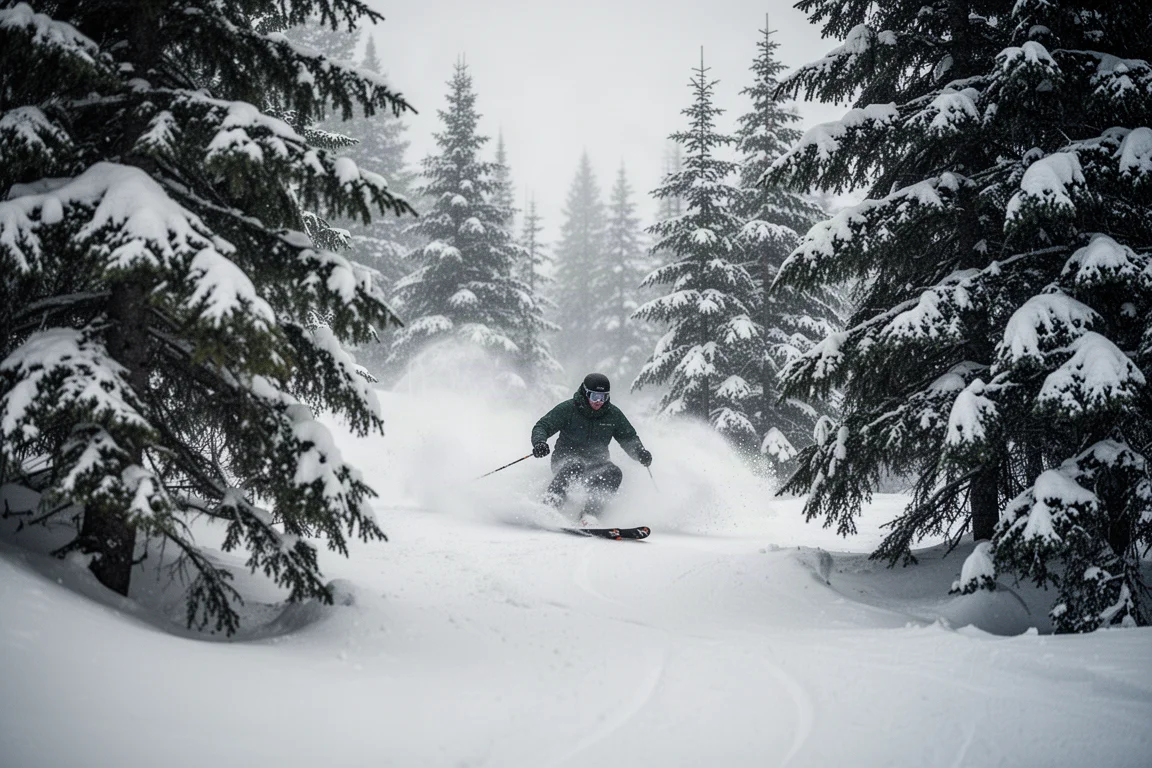
This is an all-mountain boot first and foremost. On groomers it delivers proper carving performance and holds through the turn. Take it into the bumps and trees and there is enough flex to work with the terrain rather than fight it, while still offering enough power to stay in control.
That range is the point. Rather than optimising for a single condition, the RX 100 stays useful across a normal resort day, which is what most skiers actually need from a boot.
Getting the Fit Right
Start with the shell width and the heel. The 100 mm last and the boot’s heel hold do most of the work, and if those two things are right, the rest is tuning.
From there, work through the buckles. Use the micro-adjustable buckles for everyday tension, and only move the macro-adjustable catches if your lower leg needs a wider or narrower setting. Cinch the power strap to add drive into the tongue, and have the cuff alignment and flex rivets set to match your stance. A boot that is set up correctly feels considerably more capable than the same boot left at stock settings.
Buying Advice
Buy the RX 100 if you want one boot that fits a wide range of feet and handles a wide range of terrain. It rewards skiers who are progressing and who want a forgiving fit without giving up control.
Be honest about your flex needs. If you are an advancing intermediate or a lower-end advanced skier, the 100 flex will feel supportive and versatile. If you are an expert who wants maximum stiffness, a stiffer option will serve you better.
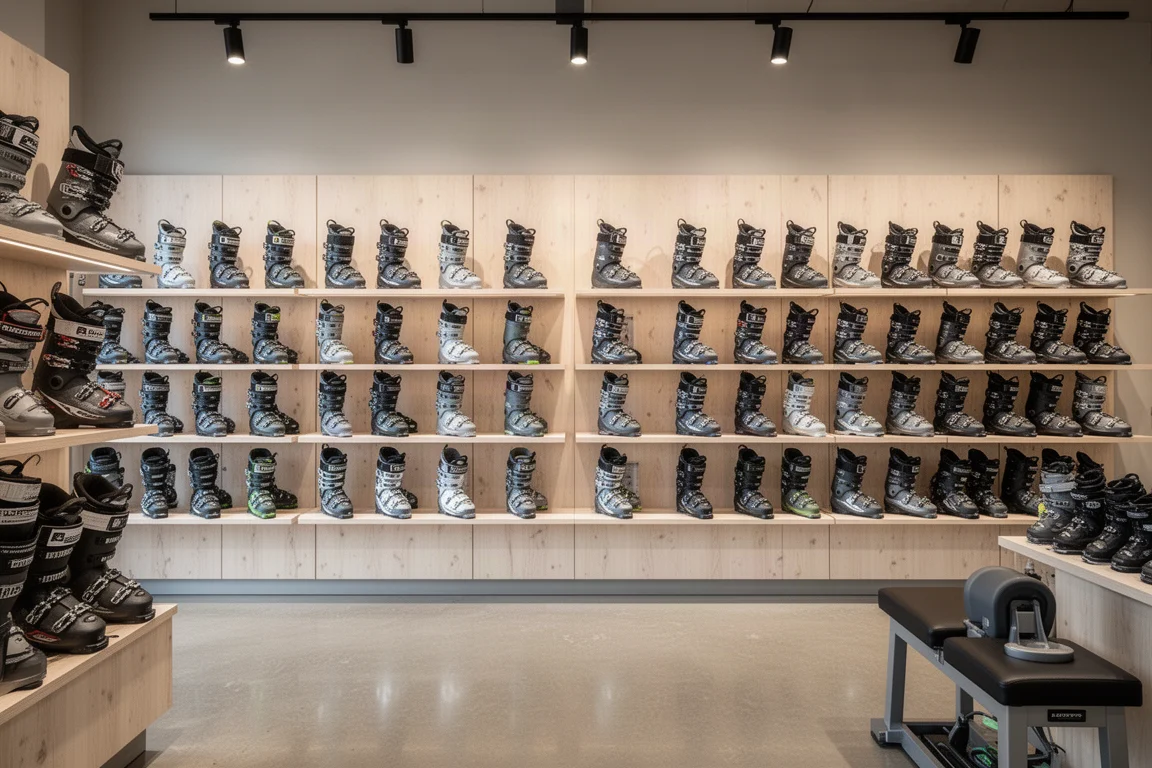
Because fit matters more than any single specification, treat the shell width, the heel hold and the cuff setup as the deciding factors. Get those right and the RX 100 will deliver everything else it promises.
Conclusion
The Lange RX 100 earns its reputation through balance. A 100 mm last and a 100 flex rating, combined with solid heel hold, a supportive liner and a stiff boot board, produce a boot that fits many feet and performs across the whole mountain. For advancing intermediates and lower-end advanced skiers, it is a sensible, versatile choice.
Product link
View more details for Lange RX 100
This product is mentioned in the review. Check the specifications, options, and compatibility before buying.
View more details for Lange RX 100Further reading
Related Reviews

Ski Boots
2027 Ski Boot Roundup: Six 130-Flex Boots Worth Knowing
Six 130-flex ski boots for 2027, plus a low-volume liner upgrade, compared on weight, fit, flex feel, and ease of use.

Ski Boots
Armada AR One Ski Boot Review: A Three-Piece Cabrio That Finally Gets It Right
Armada's first ski boot blends three-piece Cabrio design with Atomic engineering, a heat-moldable shell, and a 100mm last that fits better than any Cabrio before it.

Ski Boots
Armada AR1 Ski Boot Review: A Cabrio and Overlap Hybrid for Park and Freeride Skiers
Armada's first ski boot pairs a three-piece cabrio shell with overlap-style buckles and a cable-driven slingshot buckle. Here is where it shines, and what to weigh before buying.