Ski Boots
Lange RS 90 SCLV Review: A Short-Cuff, Low-Volume Ski Boot for Smaller Feet
A practical look at the Lange RS 90 SCLV, a 90-flex short-cuff ski boot with a 97 mm low-volume fit, race-inspired hardware, and build quality that holds up well below the 100-flex mark.
Introduction
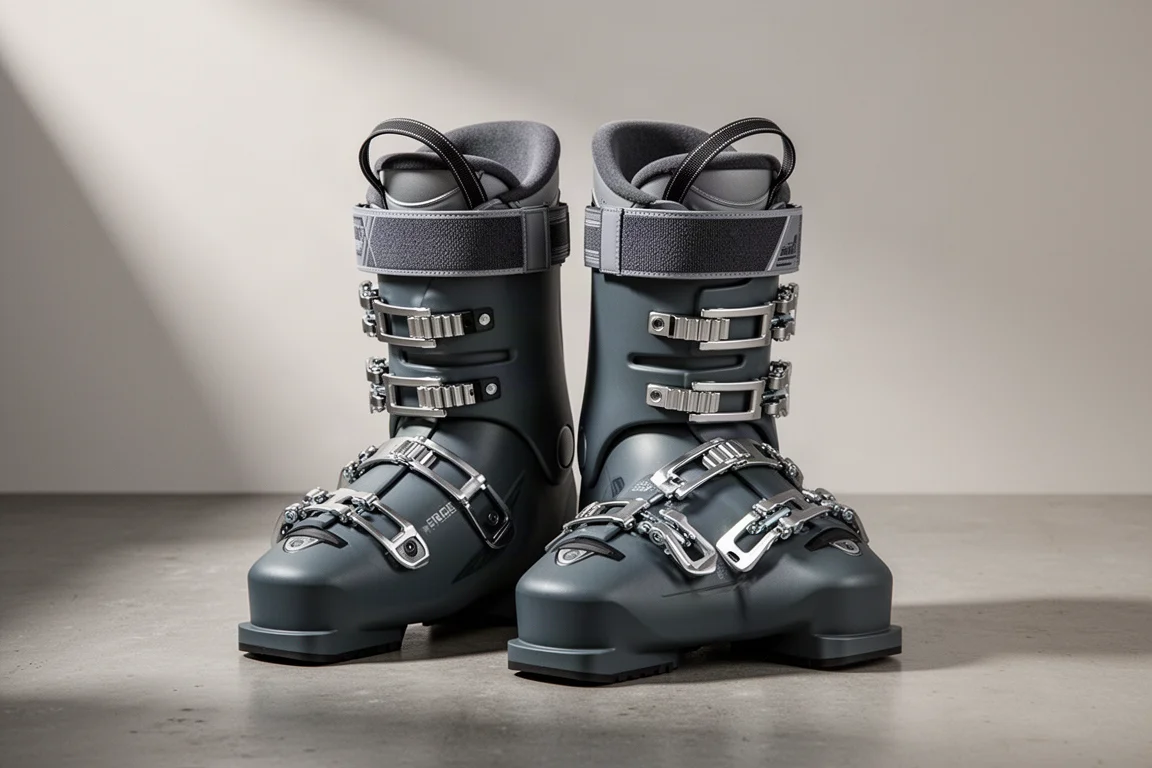
The Lange RS 90 SCLV occupies an unusual corner of the ski boot market. It pairs a 90 flex with a short cuff and a low-volume 97 mm forefoot, which places it firmly in the junior race boot category while still leaving room for adult skiers who do not need, or simply do not want, a stiffer shell.
That combination is rare enough to deserve a closer look. Boots in this flex range often trade away build quality, but this one keeps the hardware and liner specification you would expect from a race-inspired line, and it is offered in smaller sizes that many performance boots skip entirely.
Who This Boot Is For
Three kinds of skiers tend to fit this profile well.
The first is the advancing junior racer. A younger competitor who is ready for a proper performance shell, but who is not yet heavy enough or strong enough to drive a 110 or 130 flex boot, gets a much better platform here than in a softer recreational model.
The second is the shorter, lighter adult. A 90 flex with a lower cuff suits a skier who wants a supportive boot without fighting it all day, and the reduced cuff height matches a shorter lower leg far better than a tall race shell.
The third is the experienced adult with a genuinely small, low-volume foot. Someone who skis at a high level but has never found a comfortable home in a wide, high-volume boot can look at this as a serious option rather than a compromise.
Main Strengths
The flex and cuff height are the headline. A 90 flex is forgiving enough to be skied comfortably while still offering real support, and the short cuff changes the way the boot loads. For a skier with a shorter lower leg, that lower cuff line means a more natural forward flex and less shell digging into the calf.
The 97 mm forefoot width and low-volume interior are the second strength. This is a snug, performance-oriented fit rather than a roomy comfort fit, and it suits narrow feet and lower insteps that usually swim inside a wider shell.
Build quality is the third. Dropping below a 100 flex often signals a downgrade in materials, and that is not the case here. The shell, liner and hardware all reflect the same race heritage that shapes the rest of the line.
Liner, Buckles, and Shell Details
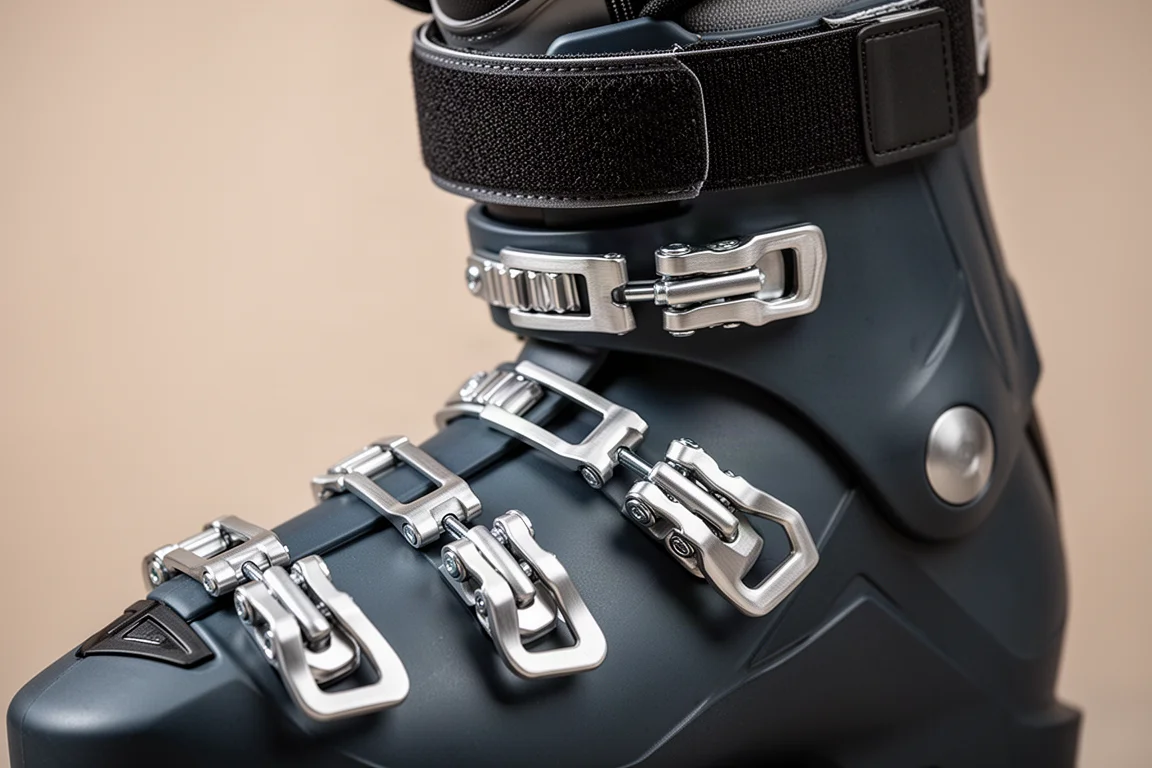
The hardware list is complete. Four micro-adjustable buckles give you precise control over the closure across the instep and cuff, and a wide power strap across the top of the cuff lets you tune how the shell loads without touching the buckles.
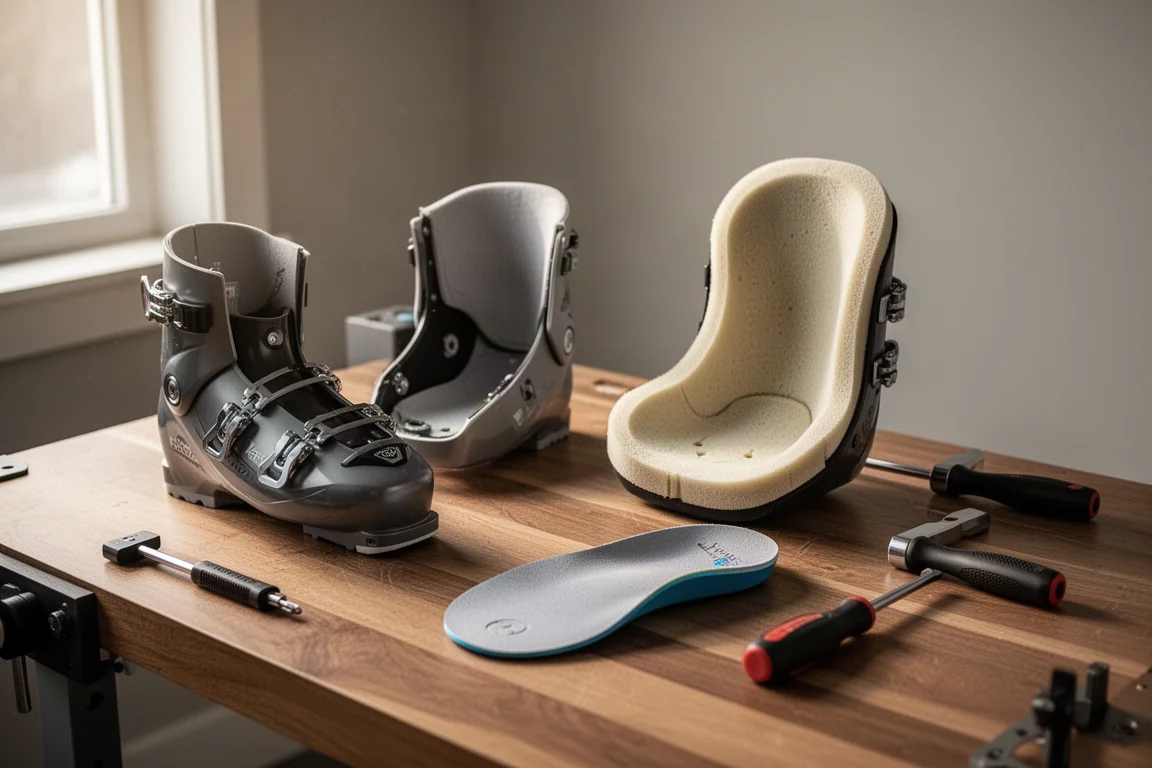
Inside, a dual 3D liner with a performance fit uses quality foam throughout. That matters more than it might sound: a well-built liner holds its shape over a season, which keeps the fit consistent instead of gradually packing out into something vague.
Underfoot, a plastic boot board runs narrower than the full width of the shell, which lets the outside of the foot sit directly on the rails rather than floating above a wide, soft platform. Combined with a full alpine sole, that setup keeps the foot planted and transfers input efficiently.
Things to Consider Before Buying
The low-volume 97 mm fit is the main thing to check honestly. If you have a wide forefoot, a high instep or a history of needing room in the toe box, this shell will feel tight, and no amount of buckling technique will change that.
The 90 flex is also worth a realistic assessment. It is a supportive boot, but it is not a stiff boot. A heavier skier, or anyone who spends the day driving hard on steep terrain and expects a wall of resistance from the shell, will likely want something firmer.
The short cuff is a fit characteristic, not a flaw, but it does change how the boot feels on snow. Skiers used to a tall race shell may notice the difference in leverage during the first few runs.
Finally, this is a race-oriented fit. It is designed to hold the foot securely, which means it is snug by intention. A professional boot fitting, including a shell check and any needed liner work, is worth the time and cost before you commit.
Fit and Sizing Considerations
Availability in smaller sizes is one of the more practical arguments for this boot. Smaller-footed skiers, including adults, are often pushed toward youth models that lack the hardware and liner quality of a proper performance shell, and that is not necessary here.
Because the fit is low volume and race-oriented, sizing should be decided by a boot fitter rather than by street shoe size. Shell length, instep height and heel hold all matter more than a number on a box, and this is a shell where a slightly different size can change the whole experience.
Buying Advice
Buy the Lange RS 90 SCLV if you match the profile: a junior racer stepping up, a shorter or lighter adult who wants support without stiffness, or an experienced skier with a small, low-volume foot who has struggled to find a shell that holds properly.

It also makes sense for anyone who assumed that a sub-100 flex boot meant a step down in quality. The liner, buckles, power strap and boot board here are all built to the same standard as the stiffer models in the range, which is exactly why this boot is worth considering rather than settling for a softer recreational shell.
Conclusion
The Lange RS 90 SCLV solves a specific problem well. It delivers a genuine performance fit and race-derived construction in a flex and cuff height that many skiers actually need, and it does so in sizes that are often overlooked. If your feet are narrow and your legs are short, or if you are bringing a young racer up through the ranks, this is a boot that rewards an honest fitting session.
Product link
View more details for Lange RS 90 SCLV
This product is mentioned in the review. Check the specifications, options, and compatibility before buying.
View more details for Lange RS 90 SCLVFurther reading
Related Reviews

Ski Boots
2027 Ski Boot Roundup: Six 130-Flex Boots Worth Knowing
Six 130-flex ski boots for 2027, plus a low-volume liner upgrade, compared on weight, fit, flex feel, and ease of use.

Ski Boots
Armada AR One Ski Boot Review: A Three-Piece Cabrio That Finally Gets It Right
Armada's first ski boot blends three-piece Cabrio design with Atomic engineering, a heat-moldable shell, and a 100mm last that fits better than any Cabrio before it.

Ski Boots
Armada AR1 Ski Boot Review: A Cabrio and Overlap Hybrid for Park and Freeride Skiers
Armada's first ski boot pairs a three-piece cabrio shell with overlap-style buckles and a cable-driven slingshot buckle. Here is where it shines, and what to weigh before buying.