Ski Boots
Lange RS 130 LV Review: A Low-Volume Race Boot for Expert Skiers
A detailed look at the Lange RS 130 LV, a stiff 130-flex alpine boot with a 97mm low-volume last built for expert skiers who want direct energy transfer.
Introduction
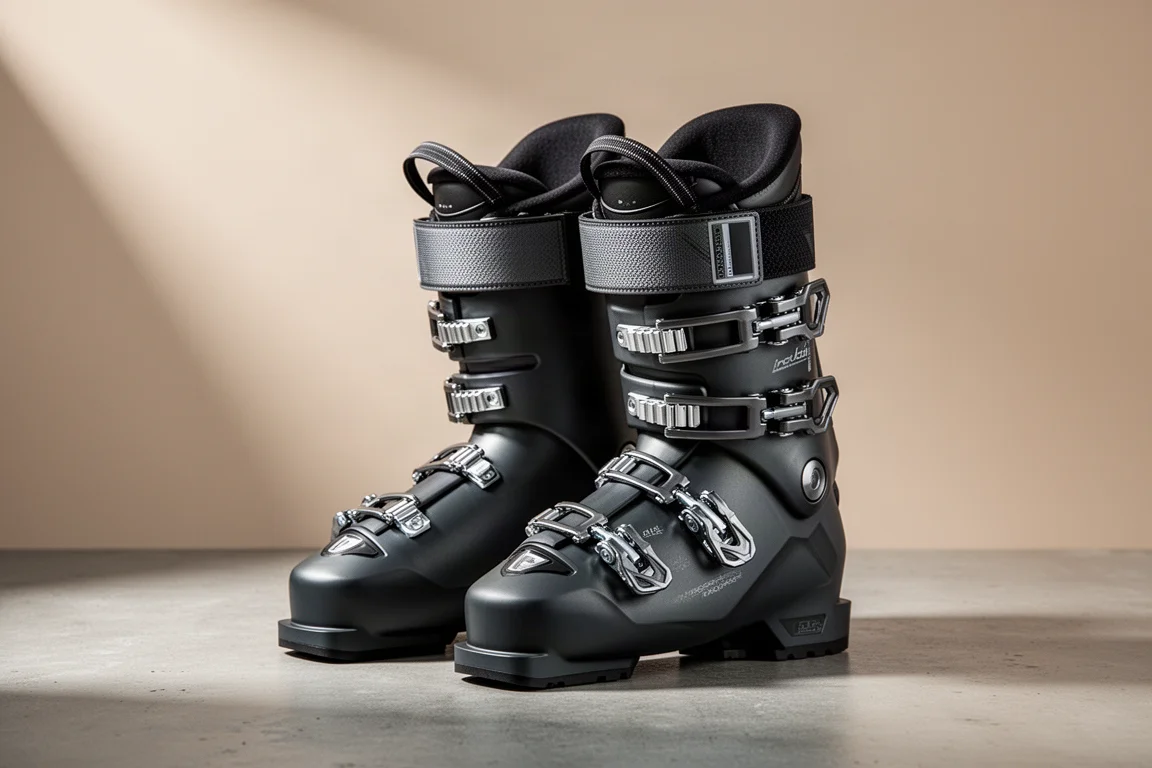
The Lange RS 130 LV sits at the very top of the brand’s recreational alpine range. It pairs a 130 flex with a low-volume 97mm forefoot last, and every design decision points in the same direction: keeping the shell as close to the foot as possible so that input travels from the leg to the ski edge with as little loss as possible. For the 2023 collection the boot arrives in a slightly revised colorway, but the underlying formula has been carried forward rather than reworked.
That makes it a boot with a clear personality. It is not trying to be comfortable for everyone, and it is not trying to be a versatile all-mountain cruiser. It is trying to be precise.
Who the Lange RS 130 LV Is For
This boot is aimed at a specific skier. Former racers, high-end recreational skiers, and anyone competing in recreational race leagues will recognize the intent straight away. The 130 flex is about as stiff as it gets in a recreational boot, and the 97mm forefoot measurement places it firmly in low-volume territory.
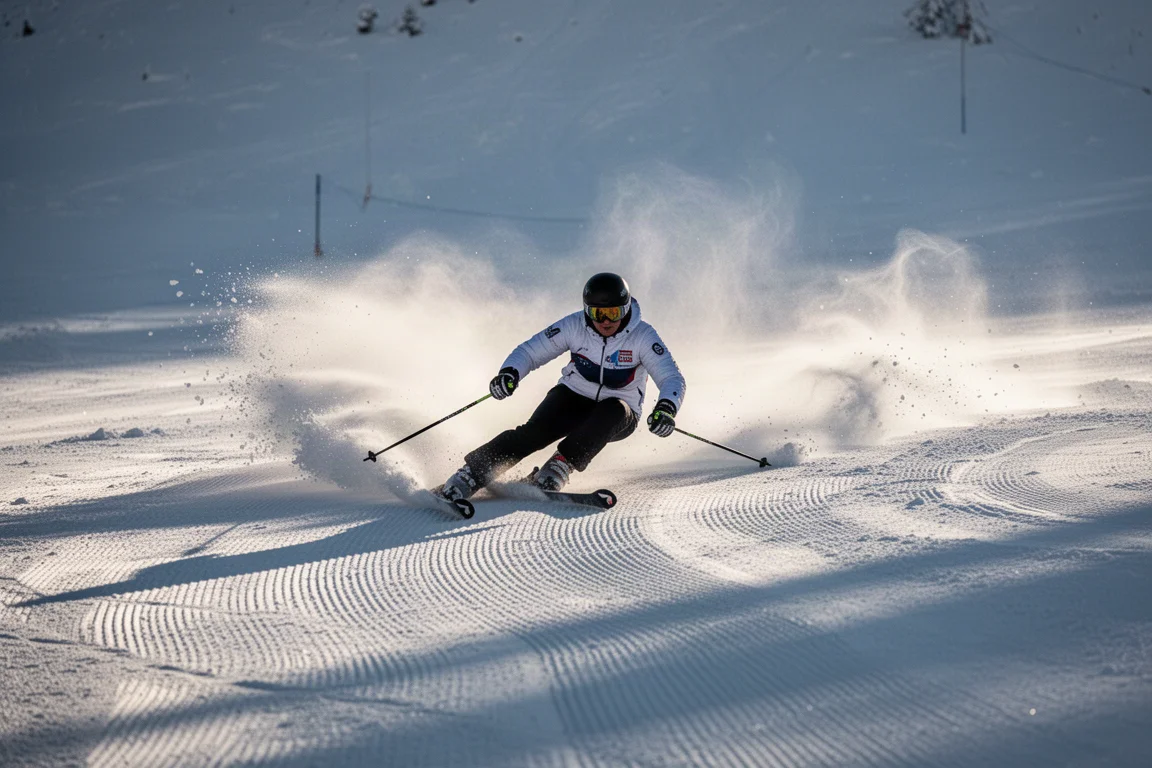
The practical consequence is that fit comes first. A low-volume shell rewards a narrow or low-profile foot with a very direct connection to the ski, but it will not suit every foot shape. Skiers who normally wear a medium or high-volume boot should expect to work with a fitter rather than assume the RS 130 LV will slide on comfortably out of the box.
Shell, Sole, and Boot Board
One detail that separates the RS series from much of the competition at this level is the sole. The RS 130 LV uses a solid sole, which is a straight alpine sole with no GripWalk pre-installed. That choice keeps the boot focused on on-snow performance rather than walking convenience.
Inside the shell, a plastic boot board slots into the lower shell and effectively places the foot on plastic rather than on a softer, more forgiving surface. Combined with the tight-fitting shell, the result is the kind of precision that lets a skier convert nearly every bit of energy from the foot into the boot and then into the edge of the ski. It is an old-school approach, and it is deliberate.
Main Strengths
The first strength is stiffness. A 130 flex gives strong skiers something to push against, and it suits a skiing style built on driving forward into the boot rather than easing into it.
The second is the fit itself. The World Cup liner is deliberately minimalistic, with stiff foam and a low profile over the instep, and it includes a moldable, custom-moldable tongue. That combination produces a very tight-fitting liner that is meant to be shaped to the foot rather than broken in over a season.
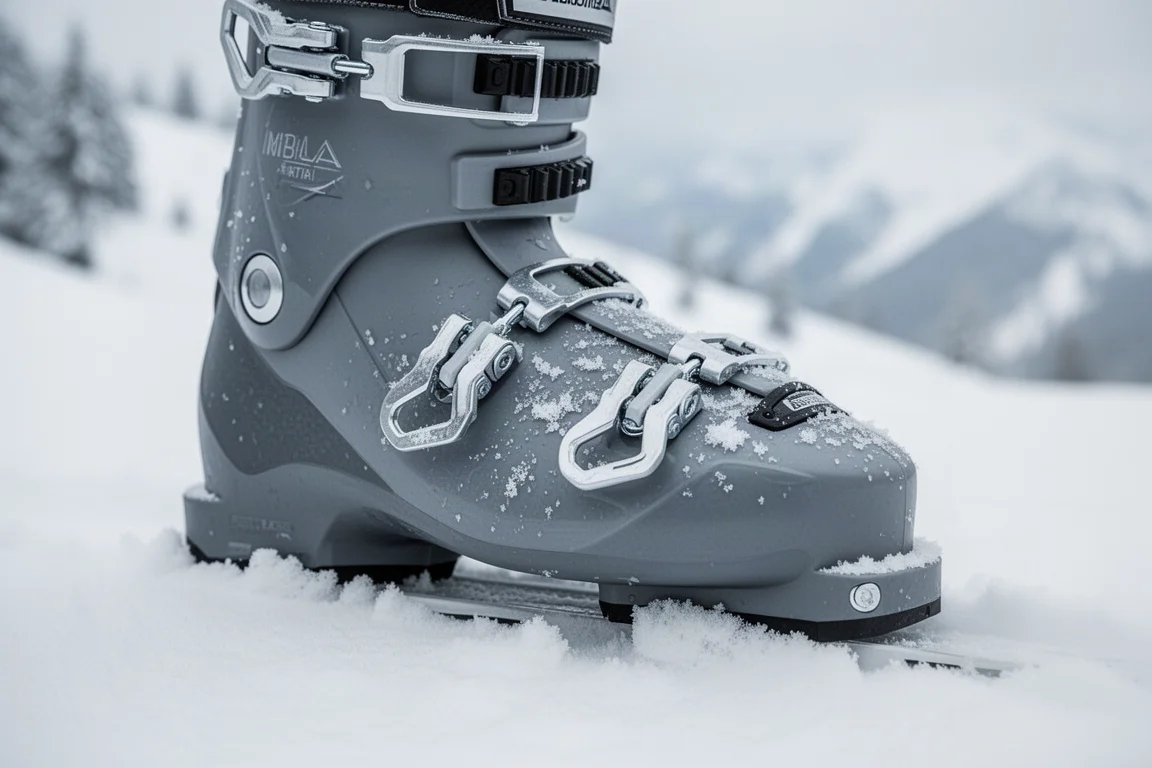
Third is the closure system. Four micro-adjustable buckles run down the front of the boot, with a top buckle that is noticeably sticky in the way it locks down, so the upper cuff can be cinched hard and held there. A racer-style power strap sits above it, which is a genuinely effective way to add extra tightness up top for aggressive skiers who like to drive forward.
Buckles, Power Strap, and World Cup Liner
The four micro-adjustable buckles are the practical heart of the boot. Each one can be fine-tuned, which matters on a shell this close-fitting, because small changes in closure pressure translate into noticeable changes in how the boot feels underfoot and through the turn.
The power strap is the other half of that equation. Pulled tight, it locks the upper cuff against the shin and adds a layer of support that a buckle alone cannot deliver. For a skier who likes an aggressive, forward stance, that combination of a sticky top buckle and a cinched power strap is exactly the setup they are looking for.
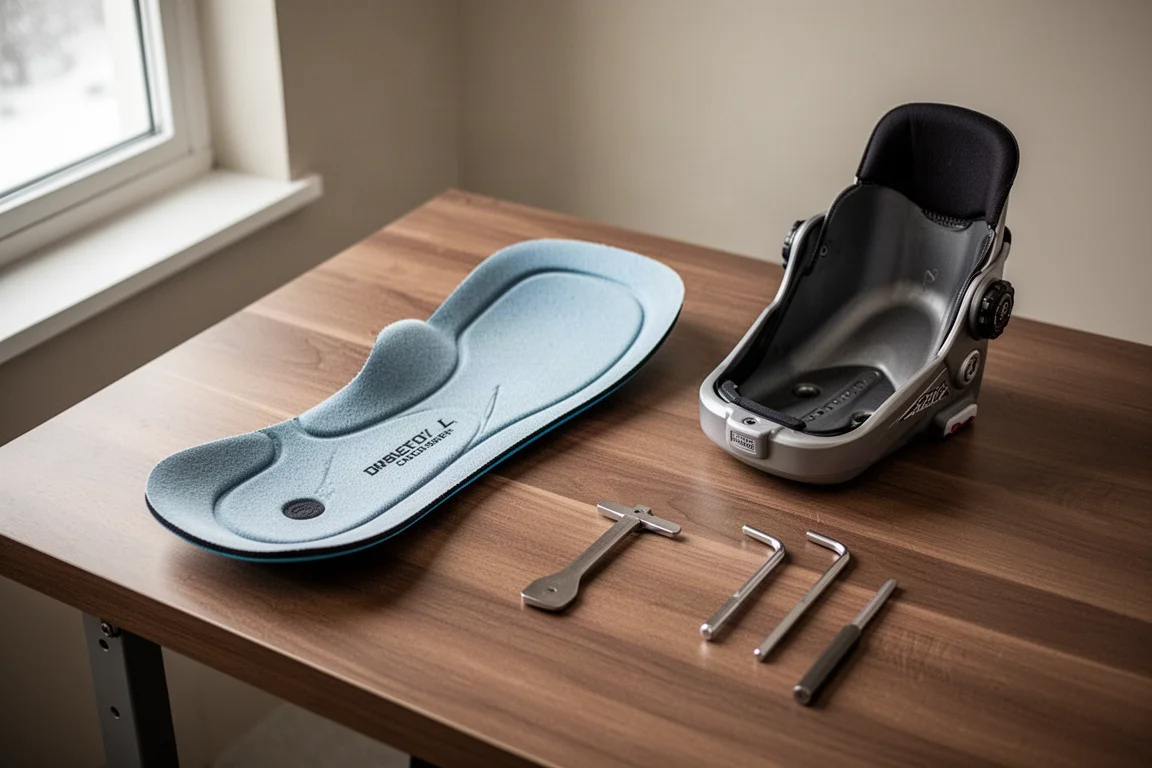
The liner completes the picture. It is minimal by design, with stiff foam and a low instep, and the moldable tongue lets a fitter refine the shape around the shin. Nothing here is padded for comfort first. It is all built around holding the foot still.
Things to Consider Before Buying
The most important consideration is fit. A 97mm low-volume last with a tight liner is a narrow proposition, and it will not suit every foot. Skiers with wider feet or a high instep should expect to spend time with a boot fitter, and some will find that the RS 130 LV simply is not the right shell for them.
The second is the sole. Because there is no GripWalk pre-installed and the sole is a straight alpine sole, the boot is not designed around walking comfort. That is a reasonable trade for a performance boot, but it is worth knowing before you buy rather than after.
The third is flex. A 130 flex is a lot of boot. Lighter skiers and developing intermediates may find it demanding rather than supportive, and a softer flex in the same low-volume family would likely serve them better. This is a boot that rewards strong technique and punishes a passive stance.
Getting the Right Fit
With a shell this close to the foot, the fitting process matters as much as the boot itself. The moldable tongue and the liner can both be shaped, and a fitter can work with the plastic boot board and the shell to refine the fit around a 97mm forefoot.
The honest advice is to treat the RS 130 LV as a boot that needs to be matched to your foot rather than simply purchased. If it fits, the payoff is a level of precision that is hard to find elsewhere. If it does not, no amount of adjustment will make it feel like a medium-volume boot, and that is fine. It was never designed to be one.
Buying Advice
Buy the Lange RS 130 LV if you are an expert skier, a former racer, or a recreational race league participant who wants the tightest possible connection between foot and ski. Buy it if your foot is genuinely narrow or low volume, and if you are willing to have the liner and tongue molded properly rather than skiing it as it comes.
Think carefully if you want a boot that walks easily, if you prefer a roomier fit, or if your flex needs sit below 130. In those cases, the stiffness and the low-volume shell will work against you rather than for you.
For the right skier, this is a straightforward purchase. The fundamentals are all in place: a stiff shell, a tight liner, four micro-adjustable buckles, a racer power strap, and a solid alpine sole that keeps the foot planted on plastic. It is a boot built to transfer energy, and it does that job without compromise.
Conclusion
The Lange RS 130 LV is a specialist tool rather than an all-rounder. It is stiff, it is low volume, and it is unapologetic about both. Expert skiers who value precision over plushness, and whose feet suit a 97mm last, will find a lot to like here. Everyone else should look at the fit first and let that decide.
Product link
View more details for Lange RS 130 LV
This product is mentioned in the review. Check the specifications, options, and compatibility before buying.
View more details for Lange RS 130 LVFurther reading
Related Reviews

Ski Boots
2027 Ski Boot Roundup: Six 130-Flex Boots Worth Knowing
Six 130-flex ski boots for 2027, plus a low-volume liner upgrade, compared on weight, fit, flex feel, and ease of use.

Ski Boots
Armada AR One Ski Boot Review: A Three-Piece Cabrio That Finally Gets It Right
Armada's first ski boot blends three-piece Cabrio design with Atomic engineering, a heat-moldable shell, and a 100mm last that fits better than any Cabrio before it.

Ski Boots
Armada AR1 Ski Boot Review: A Cabrio and Overlap Hybrid for Park and Freeride Skiers
Armada's first ski boot pairs a three-piece cabrio shell with overlap-style buckles and a cable-driven slingshot buckle. Here is where it shines, and what to weigh before buying.