Ski Boots
Lange RS 120 Short Cuff Review: Race-Level Precision for Shorter Lower Legs
A stiff, low-volume alpine ski boot with a lowered cuff, built for advanced skiers whose lower leg length suits a shorter shell.
Introduction
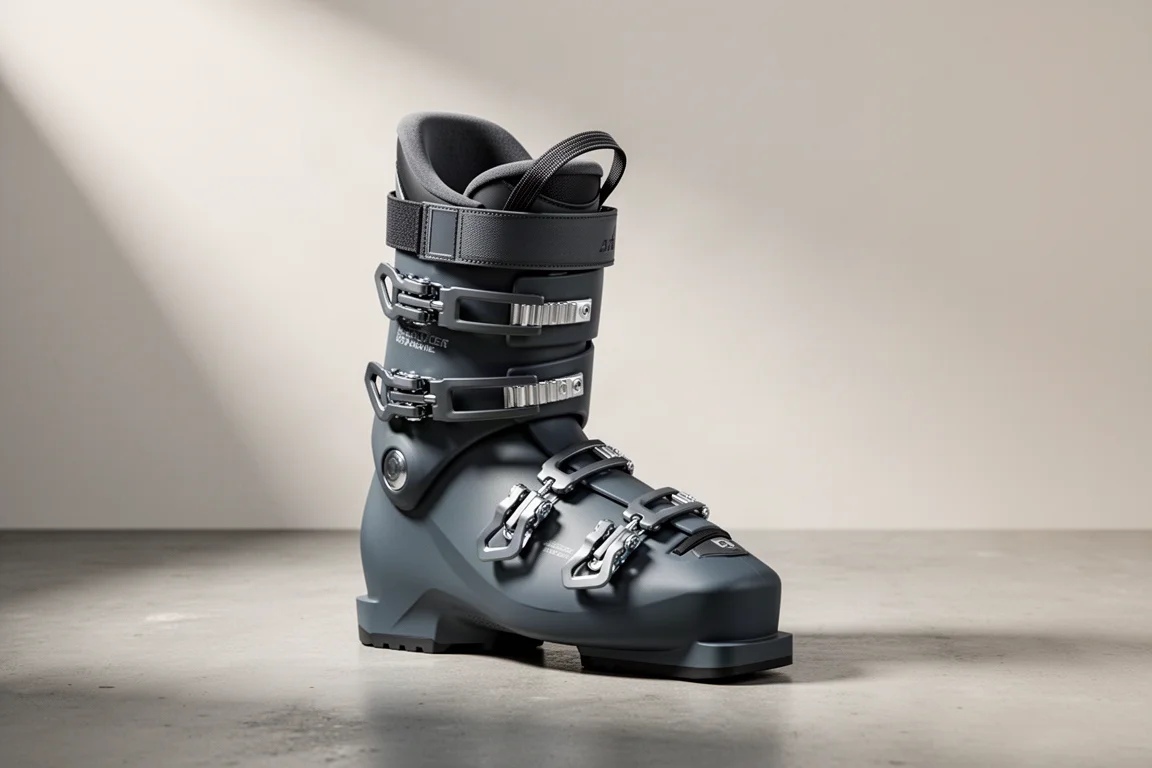
The Lange RS 120 Short Cuff is a high-performance alpine ski boot built around a simple idea: take the stiff, low-volume shell of a race-oriented boot and lower the top of the cuff so it sits further down the leg. For skiers with a shorter lower leg, that single change makes a meaningful difference in comfort and safety, because the top of the shell no longer crowds the kneecap.
The result is a boot that keeps the precision and energy transfer of the RS line while fitting a wider range of leg lengths than a standard-height race boot.
Who This Boot Is For
The Short Cuff is catalogued with junior racers and women in mind, but the deciding factor is leg length rather than age or gender. Anyone whose lower leg is shorter than average will generally do better here than in the taller-cuff RS 120, and junior skiers in particular benefit from a cuff that is not jammed up against the knee.
In terms of ability, this boot is aimed at advanced and expert skiers, former racers, and junior racers who want as much precision as possible without moving into a plug boot. Recreational skiers with a lower-volume foot are also a good match, thanks to the narrow forefoot and the low fit over the front of the boot.
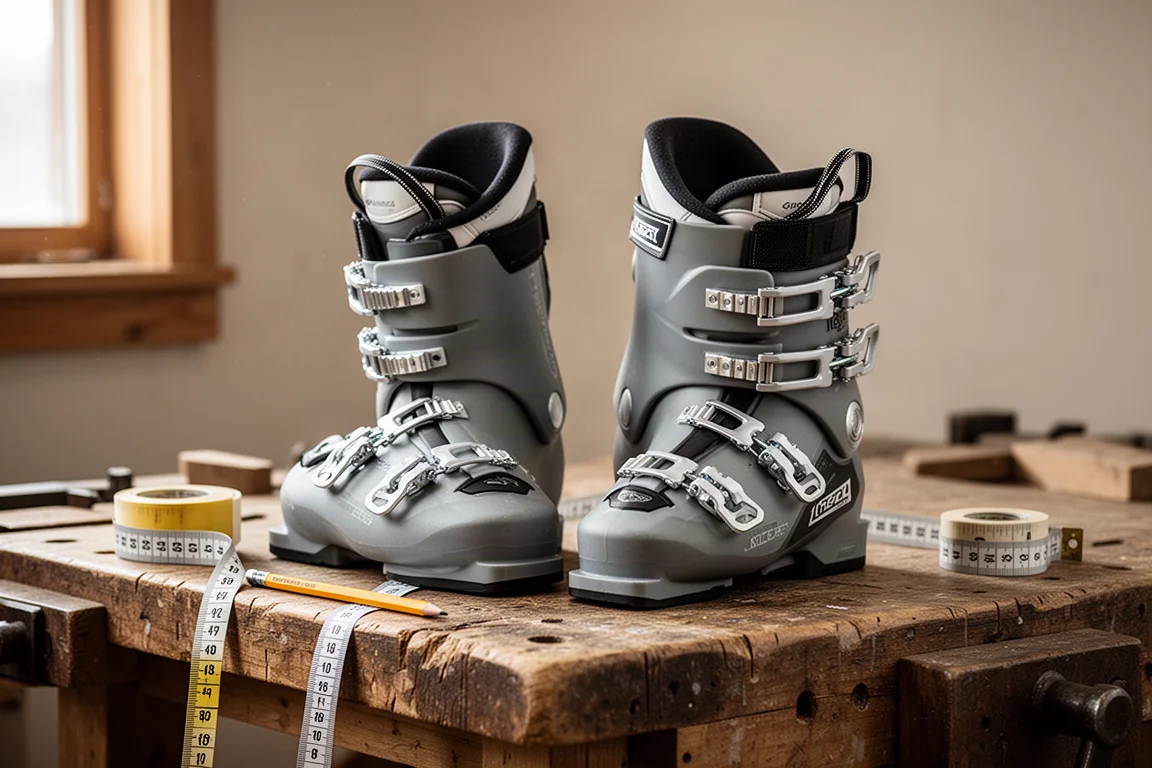
If you are weighing this boot against the standard RS 120, the honest question is not how aggressively you ski but how long your lower leg is. Get the cuff height right and the rest of the boot becomes much easier to work with.
Main Strengths
The core appeal is precision without the punishment of a full race plug. A 120 flex rating keeps the plastic stiff enough to drive a ski hard, while the liner uses a slightly gentler foam than the RS 130, which lowers the barrier to entry without giving up a dense, high-end liner.
A solid sole with a full plastic lug transfers energy from your foot straight through the bottom of the boot and onto the ski. That is exactly the quality racers and strong frontside skiers look for on firm snow, and it is consistent across the RS line.
Shell, Fit, and Flex
The shell and cuff are made from polyether, and the forefoot measures 97 mm, which puts this firmly in low-volume territory. The fit over the front top of the boot is low as well, so the boot suits skiers with narrower feet and lower insteps better than it suits high-volume feet.
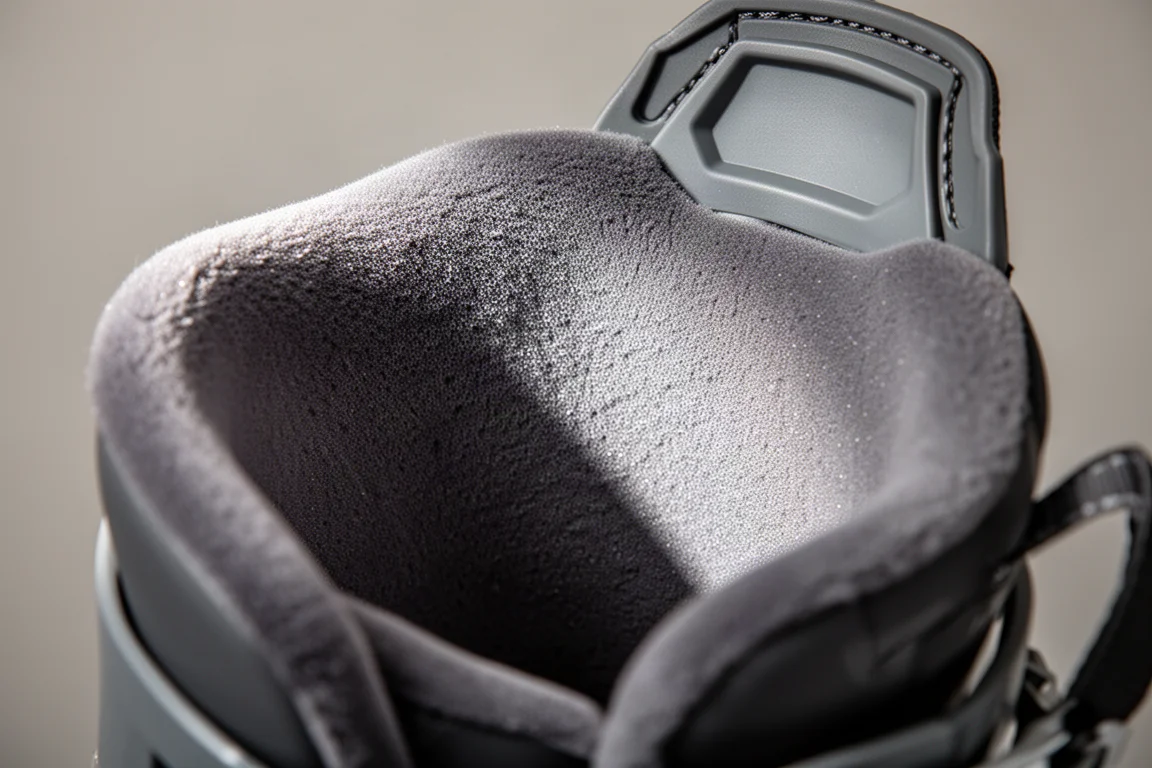
Flex sits at 120, which is a stiff plastic. The liner is a dual 3D full liner with dense foam, and that foam is a touch more forgiving than the RS 130 liner. The combination gives more skiers a comfortable entry point into the boot without the squeezed feeling a pure race liner can produce.
A plastic tongue and a plastic cuff around the top of the liner help with lateral movement and let you drive fore and aft into the boot.
Buckles, Sole, and Power Transfer
Four micro-adjustable buckles close the shell, and the top two are macro adjustable, so you can move the catches outward for a wider lower leg. At the rear you will find two flex adjuster bolts plus the upper cuff alignment. A Velcro power strap cinches the top of the boot and adds a little extra drive when you push forward into the tongue.
The sole is a solid, fully alpine design with a full plastic lug. It is not GripWalk, so there is no rockered walking surface here. Underfoot, a hard polyurethane boot board is the piece that helps you create strong angles and put energy into the bottom of the boot, which is particularly useful on firm snow.
Things to Consider Before Buying
The fully alpine sole is the first thing to think about. Because it is not GripWalk, walking in these boots is awkward, and you will want to consider how much time you spend on foot between runs, in lodges, or crossing parking lots.
Cuff height is the second consideration. The short cuff is the whole point of this model, and it is the right choice only if it matches your leg length. Skiers with longer lower legs are better served by the standard-height RS 120, where the cuff sits higher on the shin.
Finally, the 120 flex and the 97 mm last are not beginner-friendly or high-volume friendly. This is a committed boot for a committed skier, and the liner foam, while gentler than the RS 130, is still dense.
Who Might Prefer a Different Boot
If your lower leg is longer than average, the taller cuff of the regular RS 120 will line up better with your shin and give you a more natural stance. If you want a boot you can walk in comfortably, a GripWalk sole is a better starting point than a fully alpine one. And if you are looking for a softer flex or a roomier forefoot, this boot’s stiff plastic and low-volume fit will work against you rather than for you.
Buying Advice
Start with leg length. If the cuff sits clear of your kneecap and lines up with your shin, the rest of the boot is worth evaluating. From there, check that a 97 mm low-volume fit matches your foot shape, and confirm you are comfortable with a fully alpine sole that is not GripWalk.
Because fit is the dominant variable in ski boots, it is worth having a bootfitter confirm shell size and cuff height before you commit. The short cuff is a genuine advantage when it matches your leg, and a liability when it does not.
Conclusion
The Lange RS 120 Short Cuff delivers the stiff, precise, low-volume character of the RS line in a package that fits skiers the standard cuff leaves out. For advanced and expert skiers, former racers, and junior racers with a shorter lower leg, it offers race-adjacent precision without the demands of a plug boot. Just be sure the sole, the flex, and the fit all match how and where you ski.
Product link
View more details for Lange RS 120 Short Cuff
This product is mentioned in the review. Check the specifications, options, and compatibility before buying.
View more details for Lange RS 120 Short CuffFurther reading
Related Reviews

Ski Boots
2027 Ski Boot Roundup: Six 130-Flex Boots Worth Knowing
Six 130-flex ski boots for 2027, plus a low-volume liner upgrade, compared on weight, fit, flex feel, and ease of use.

Ski Boots
Armada AR One Ski Boot Review: A Three-Piece Cabrio That Finally Gets It Right
Armada's first ski boot blends three-piece Cabrio design with Atomic engineering, a heat-moldable shell, and a 100mm last that fits better than any Cabrio before it.

Ski Boots
Armada AR1 Ski Boot Review: A Cabrio and Overlap Hybrid for Park and Freeride Skiers
Armada's first ski boot pairs a three-piece cabrio shell with overlap-style buckles and a cable-driven slingshot buckle. Here is where it shines, and what to weigh before buying.