Ski Boots
Lange RS 120 SC LV Review: A Short-Cuff, Low-Volume Boot for Expert Skiers
A close look at the Lange RS 120 SC LV, a race-derived alpine boot with a shorter cuff and a low-volume fit built for expert skiers with shorter lower legs.
Introduction
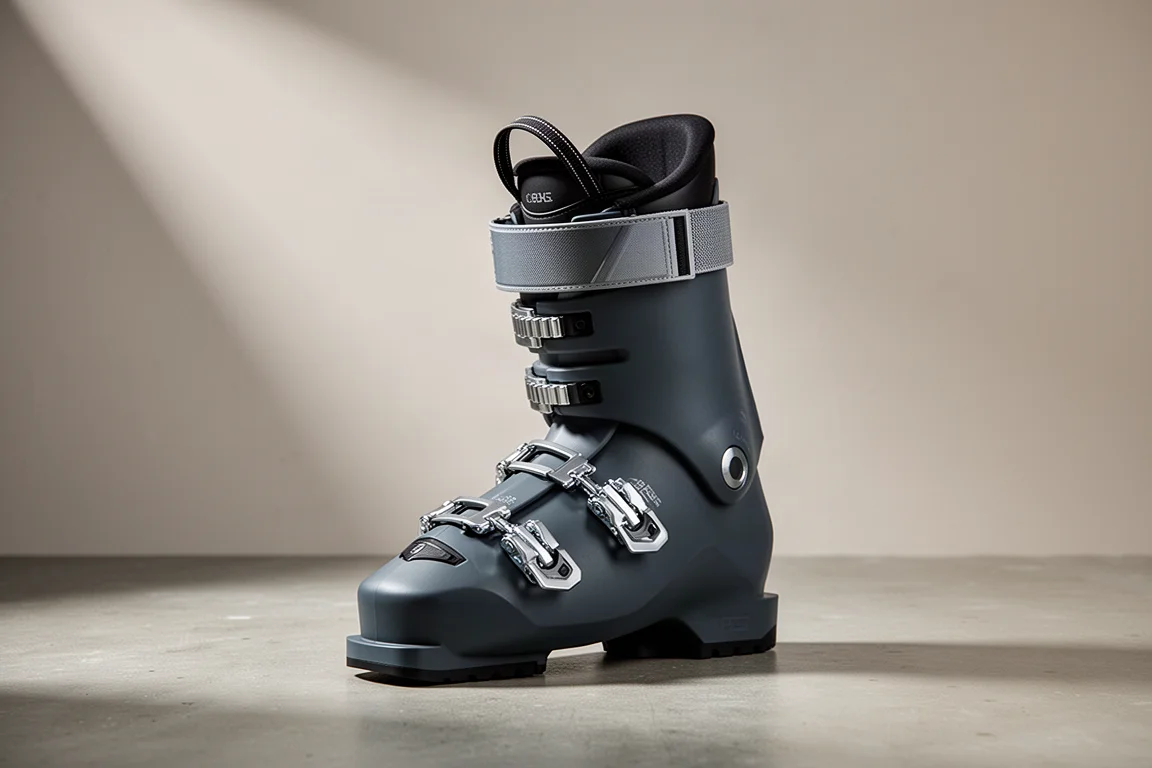
The Lange RS 120 SC LV packs a lot of information into a short name. The letters “SC” stand for short cuff, and “LV” stands for low volume. Together they describe an alpine boot that keeps the upper edge of the cuff lower on the leg while wrapping a narrower foot more closely.
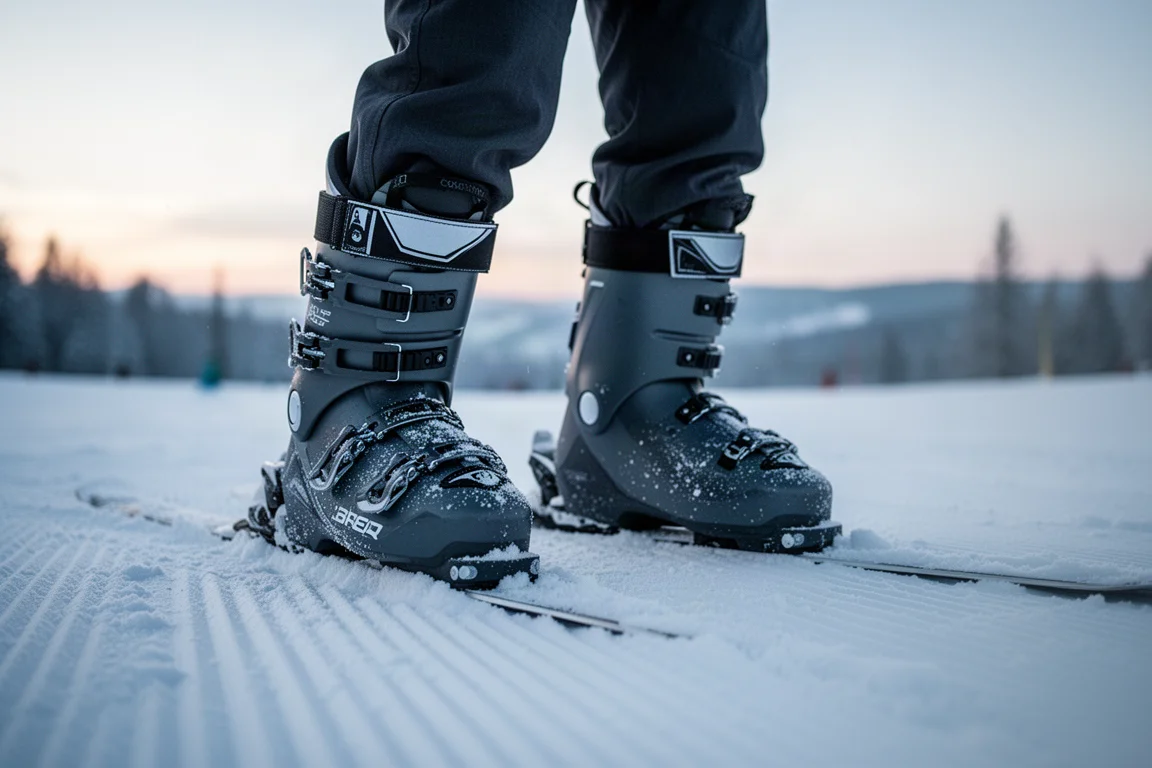
Underneath those two letters, the boot is built on the same foundation as the standard RS 120 LV. The difference is the reduced cuff height, which keeps the top of the boot from climbing too high up the lower leg. For the right skier, that single change is what makes an aggressive, race-derived boot genuinely wearable.
Who the Lange RS 120 SC LV Is For
This boot targets high-end and upper-level skiers who have shorter lower legs and lower-volume feet. Those two traits do not always arrive together in a boot lineup, and the RS 120 SC LV is designed to cover exactly that overlap.
Cuff height is not a cosmetic detail. A tall cuff that rides high on a skier with a shorter lower leg can push the leg into an awkward position and, in the worst cases, contribute to injury. Shortening the cuff lets strong skiers keep the precise, race-style stance they want without fighting the geometry of the boot.
It also suits skiers who already know they prefer a snug, low-volume shell and a firm, responsive flex rather than a roomy comfort fit.
Main Strengths of the Lange RS 120 SC LV
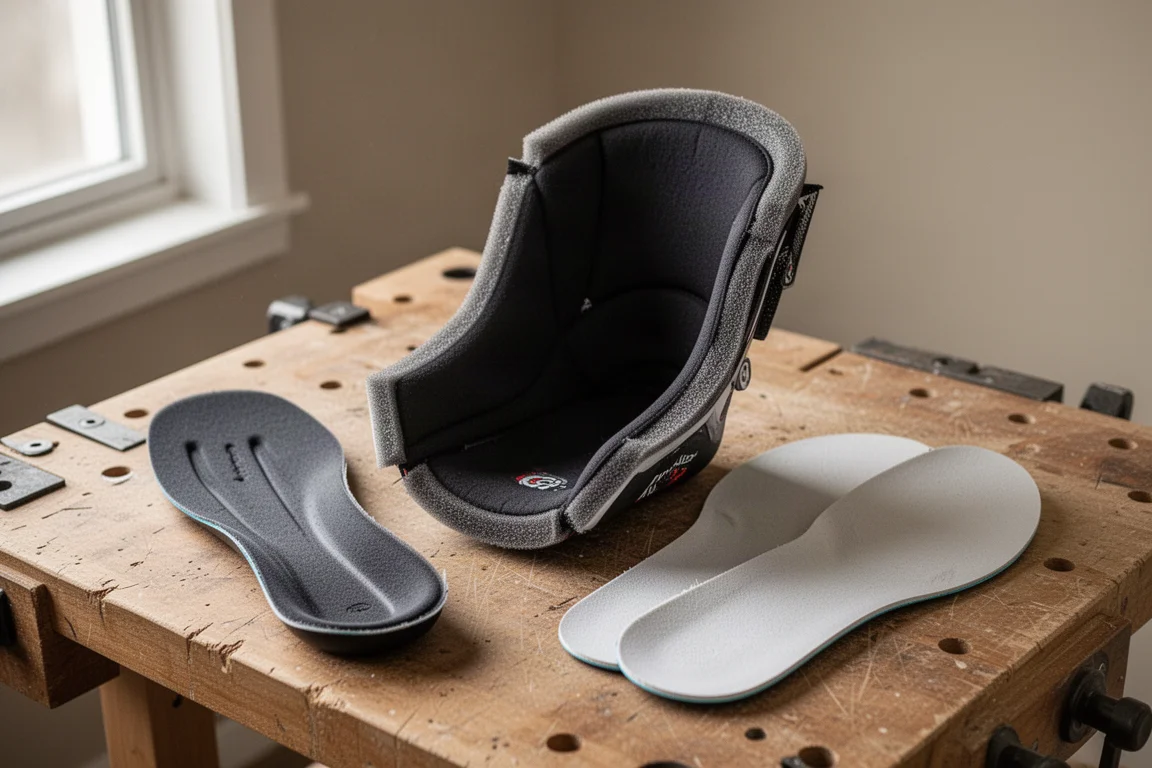
Start with the liner. The RS 120 SC LV uses a dual 3D full liner, a high-end build with firm, responsive foam. The effect is direct: movement made through the liner is translated to the shell and then to the ski. The tongue molds to the shin over time, which adds comfort, particularly for a lower-volume foot.
Hardware follows the same performance-first approach. Four micro-adjustable buckles and a power strap let a skier dial in closure across both the foot and the cuff, and the buckle count leaves room for fine tuning on the hill rather than a single all-or-nothing setting.
Fit and Adjustment Features
Lange keeps a set of practical adjustments on this boot despite its race-style orientation. There are two flex adjustments at the back of the shell plus an upper cuff adjustment, so a skier can tune the stance and the flex rather than accepting the boot exactly as it ships.
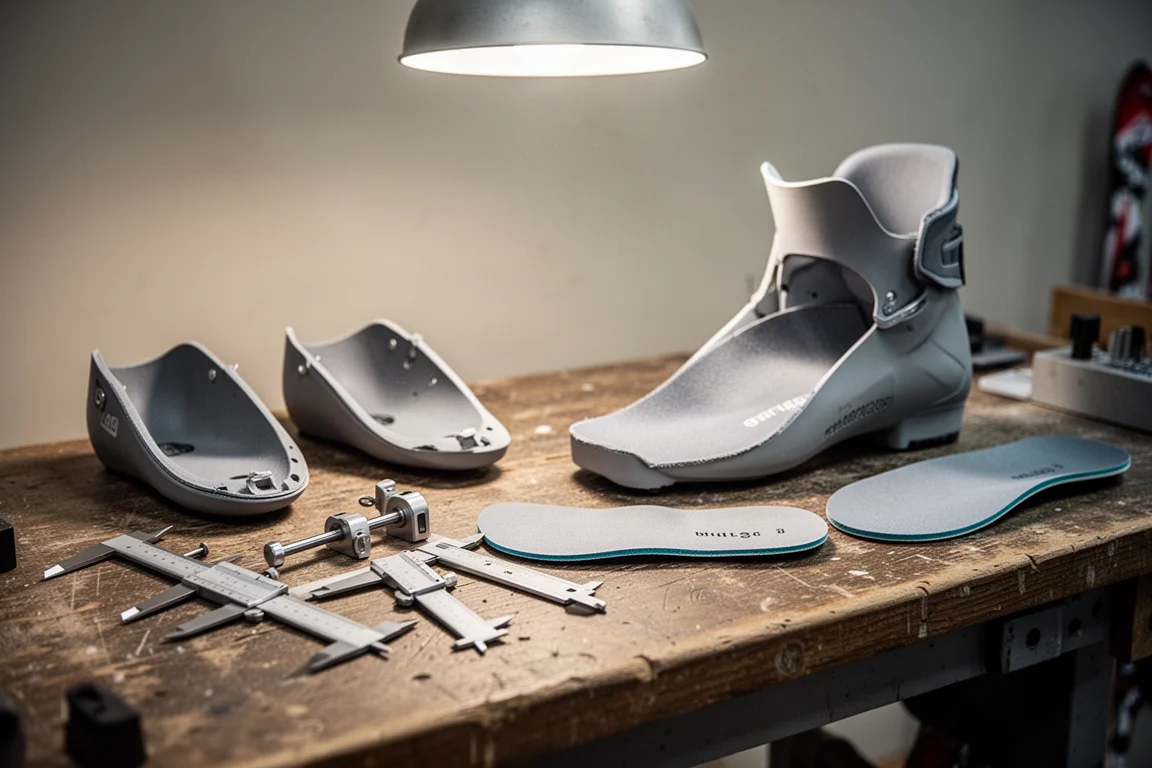
The boot board is another detail worth understanding. It is not full size; it fits inside the shell so the foot stands on the rails of the boot rather than on a flat, cushioned floor. That thick plastic layer directly under the foot increases snow feel and precision, and Lange carries the same approach into its more recreational models.
The solid alpine sole completes the picture. A direct connection between boot and ski means the energy a skier puts in reaches the edge of the ski with very little lost along the way.
Things to Consider Before Buying
The fit is specific by design. Low volume means a narrower, closer shell, so skiers who need a wider or higher-volume boot will likely find the RS 120 SC LV too tight, no matter how well the flex suits their skiing.
Cuff height works the same way in reverse. The short cuff is a solution for shorter lower legs, not a universal upgrade. Skiers with longer lower legs are better served by the standard RS 120 LV, which shares the same construction with a taller cuff.
Finally, this is a firm, expert-oriented boot. Skiers who want a softer, more forgiving flex or a plush, roomy fit will get more from a different category of boot altogether.
Buying Advice
Match the boot to the leg and the foot first, then to the skiing. Two measurements matter most here: the volume of the foot and the length of the lower leg. Get those right and the performance features do the rest of the work.
Because low-volume shells leave little margin for error, a proper fitting session is worth the time. A bootfitter can confirm shell size, check where the cuff sits on the leg, and set the two flex adjustments and the upper cuff adjustment to match a skier’s stance and ability.
Conclusion
The Lange RS 120 SC LV is a focused boot rather than a universal one. For expert skiers with lower-volume feet and shorter lower legs, the combination of a shortened cuff and race-derived construction delivers precision and snow feel without the fit problems a taller cuff would create.
Product link
View more details for Lange RS 120 SC LV
This product is mentioned in the review. Check the specifications, options, and compatibility before buying.
View more details for Lange RS 120 SC LVFurther reading
Related Reviews

Ski Boots
2027 Ski Boot Roundup: Six 130-Flex Boots Worth Knowing
Six 130-flex ski boots for 2027, plus a low-volume liner upgrade, compared on weight, fit, flex feel, and ease of use.

Ski Boots
Armada AR One Ski Boot Review: A Three-Piece Cabrio That Finally Gets It Right
Armada's first ski boot blends three-piece Cabrio design with Atomic engineering, a heat-moldable shell, and a 100mm last that fits better than any Cabrio before it.

Ski Boots
Armada AR1 Ski Boot Review: A Cabrio and Overlap Hybrid for Park and Freeride Skiers
Armada's first ski boot pairs a three-piece cabrio shell with overlap-style buckles and a cable-driven slingshot buckle. Here is where it shines, and what to weigh before buying.