Ski Boots
Lange RS 120 Review: A Precise Low-Volume Ski Boot for Advanced Skiers
A close look at the Lange RS 120, a stiff 97 mm last alpine boot that shares its shell with the RS 130 and targets advanced to expert skiers.
Introduction
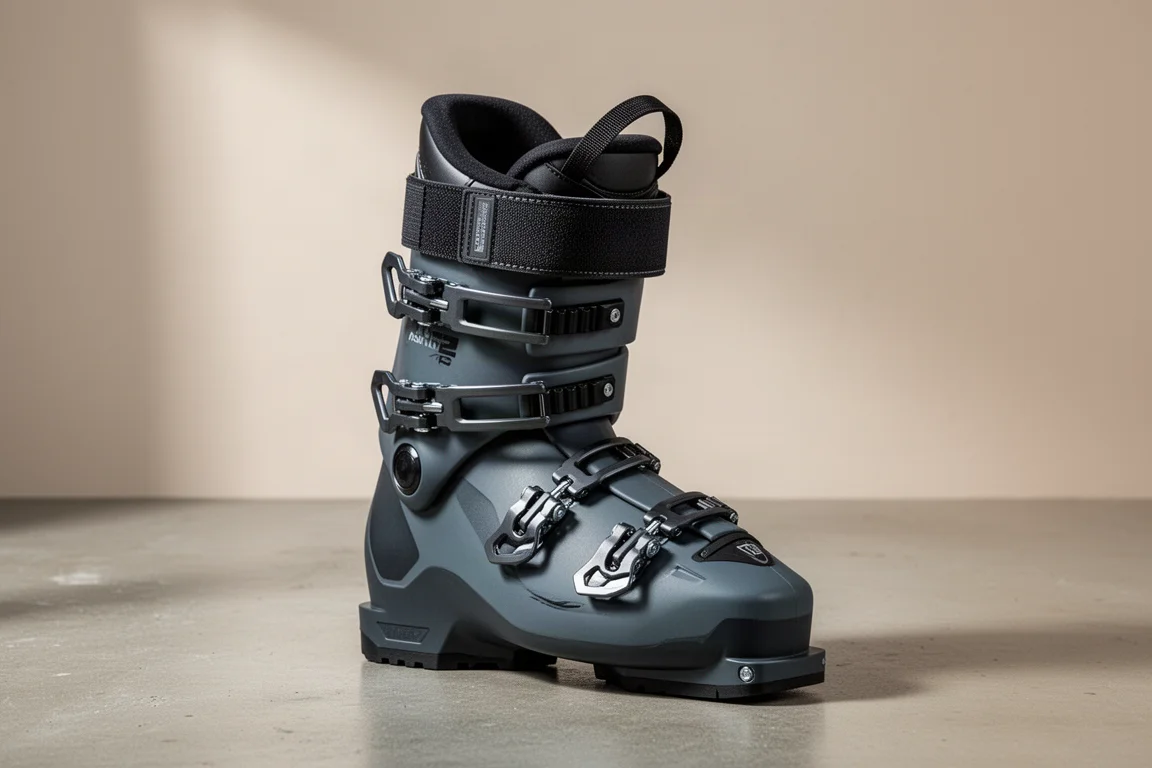
The Lange RS 120 is a stiff, low-volume alpine ski boot built for skiers who want race-derived precision without stepping into a full plug boot. Its 120 flex sits just below the RS 130, and the two share the same shell construction, so the difference between them comes down mostly to the liner. What you get either way is a narrow 97 mm last, a snug fit over the instep, and the tight heel hold the RS line is known for. Together, those traits place the RS 120 among the more precise boots on the market.
Who This Boot Is For
This is a boot aimed at advanced and expert skiers. The clearest fit is a former racer who wants to move out of a plug boot into something more livable for recreational skiing, while still expecting top-end performance. Lighter or less aggressive skiers may find the 120 flex easier to manage than the firmer 130.
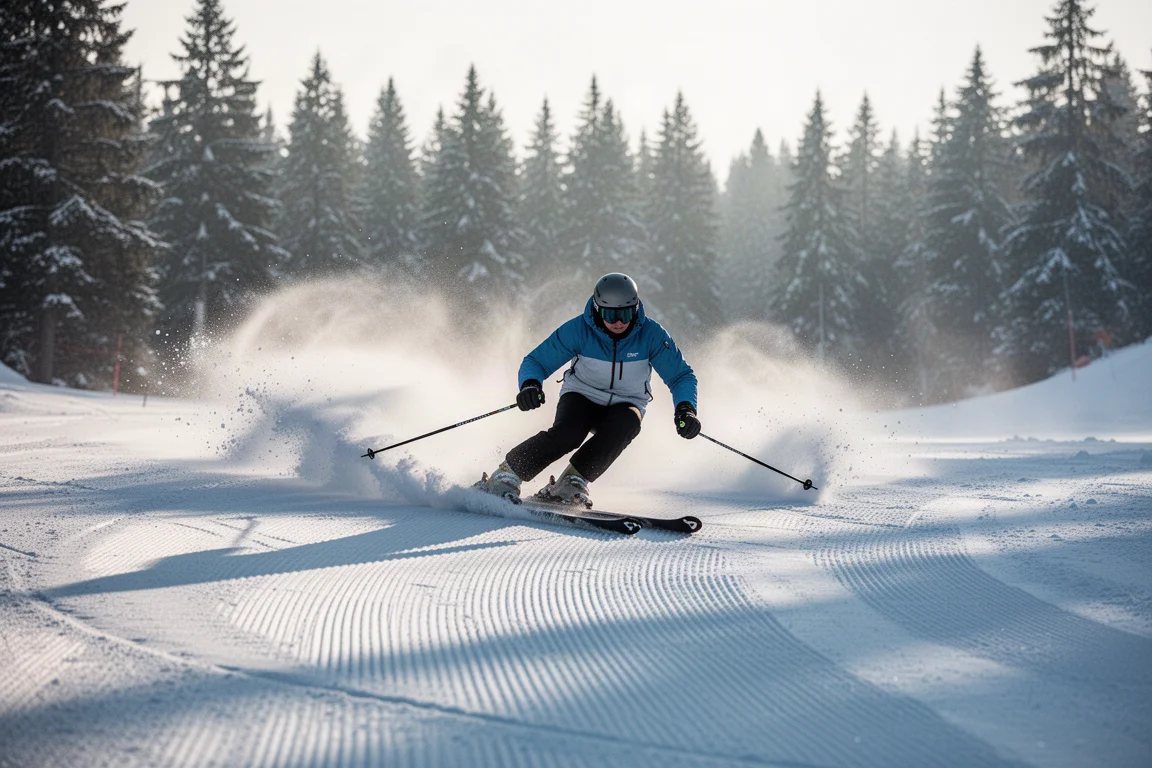
If your skiing is mostly relaxed cruising, the low volume and stiff flex will feel like more boot than you need. If you are chasing clean arcs at speed, the RS 120 is built for exactly that.
Fit, Volume, and Shell Construction
The RS 120 uses a 97 mm last with a low overall volume. The fit is snug across the instep and narrow through the heel, which is the classic Lange shape. The cuff and shell are the same polyether parts found on the RS 130, so the geometry and stance do not change as you move up or down the range. Underneath, the boot keeps a solid, full plastic alpine sole.
Main Strengths
Precision is the headline. Because the shell is stiff and the fit is close, input through the foot reaches the ski with very little lost in between. The solid plastic sole contributes to that direct feel, and so does the hard plastic boot board underfoot. A plastic cuff adds lateral support, which helps the lower leg feel connected to the boot rather than moving independently inside it.
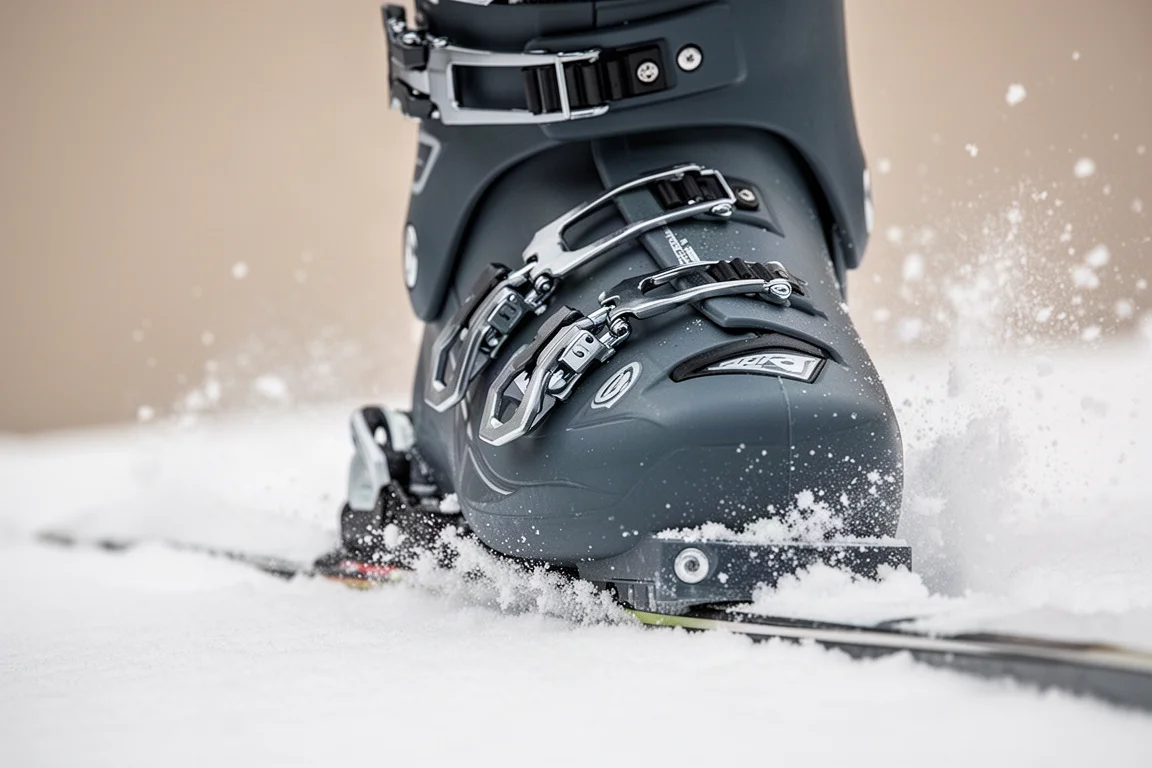
The liner is a dual 3D design. It uses a slightly lower density foam than the World Cup style liner in the RS 130, and that foam change is the main reason the 120 flexes softer. The shell itself is not the variable here, which means the two boots feel closely related underfoot.
Buckles, Power Strap, and Flex Adjustment
Four micro-adjustable buckles secure the shell. The top two are macro-adjustable, so the catch can be moved for a higher volume lower leg. A classic Velcro power strap closes the cuff, while the RS 130 steps up to a ratchet style strap instead. At the back, two flex adjusters let you tune how the boot flexes, and there is an upper cuff alignment adjustment for dialing in stance.
Liner, Boot Board, and Energy Transfer
Under the liner sits a hard plastic boot board. Combined with the solid plastic sole, it means the boot does not absorb or soften what you put into it. Each movement you make goes toward the ski. The dual 3D liner is the softer element in the system, and it is what separates the 120 from the 130 in feel rather than any difference in the plastic.
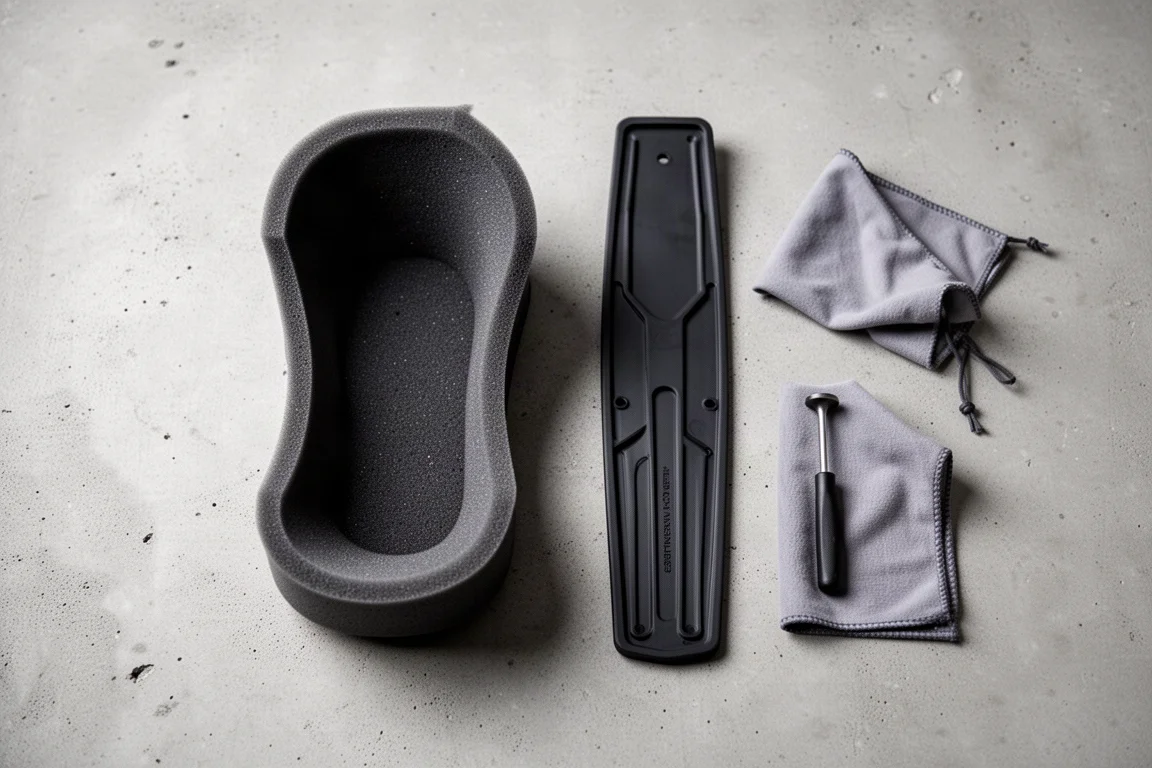
That combination is what makes the boot feel precise rather than merely stiff. The cuff supports lateral movement, the boot board keeps the foot planted, and the sole transmits the result to the ski.
Things to Consider Before Buying
The 97 mm last and low instep fit will not suit every foot. Skiers with a wider forefoot or a higher instep should expect this boot to feel tight out of the box. The 120 flex is still firmly in performance territory, so it rewards a skier who can drive a stiff boot. If you prefer a ratchet power strap over Velcro, or you want the firmer flex and the World Cup style liner, the RS 130 is the closer match. As with any low-volume performance boot, getting the shell fitted properly matters more than the number printed on it.
Buying Advice
Choose the RS 120 if you want the same shell and sole as the RS 130 with a slightly softer flex and a liner that is a touch more forgiving. Choose the RS 130 if you want the firmer flex, the ratchet power strap, and the World Cup style liner. Both are aimed at the same skier: advanced to expert, likely coming from a racing background, and looking for a recreational boot that does not give up precision.
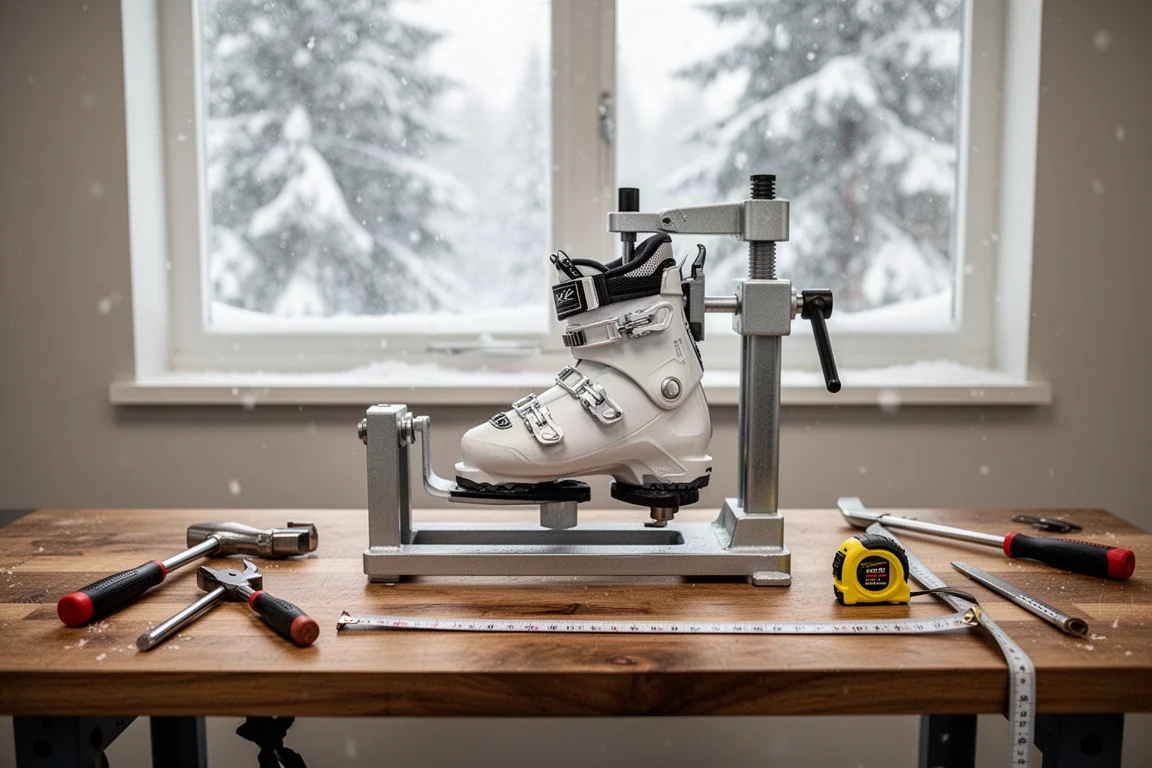
Either way, budget for a proper fit session. A low-volume boot only delivers its precision when the shell matches your foot, and small adjustments to the cuff alignment and flex settings make a noticeable difference on snow.
Conclusion
The Lange RS 120 is a focused boot. It pairs a 120 flex with a 97 mm low-volume last, a solid plastic sole, and a hard boot board, and it shares its shell with the RS 130. If you are an advanced or expert skier who wants a precise, connected feel without a plug boot, it is a strong candidate. If you want more stiffness and a ratchet strap, the RS 130 is the natural step up.
Product link
View more details for Lange RS 120
This product is mentioned in the review. Check the specifications, options, and compatibility before buying.
View more details for Lange RS 120Further reading
Related Reviews

Ski Boots
2027 Ski Boot Roundup: Six 130-Flex Boots Worth Knowing
Six 130-flex ski boots for 2027, plus a low-volume liner upgrade, compared on weight, fit, flex feel, and ease of use.

Ski Boots
Armada AR One Ski Boot Review: A Three-Piece Cabrio That Finally Gets It Right
Armada's first ski boot blends three-piece Cabrio design with Atomic engineering, a heat-moldable shell, and a 100mm last that fits better than any Cabrio before it.

Ski Boots
Armada AR1 Ski Boot Review: A Cabrio and Overlap Hybrid for Park and Freeride Skiers
Armada's first ski boot pairs a three-piece cabrio shell with overlap-style buckles and a cable-driven slingshot buckle. Here is where it shines, and what to weigh before buying.