Ski Boots
Lange RS 110 Short Cuff Review: Precision Fit for Shorter Legs
A low-volume 110-flex alpine boot with a short cuff, built for lighter advanced and expert skiers and junior racers who want a snug, precise feel without the stiffness of a 120 or 130.
Introduction
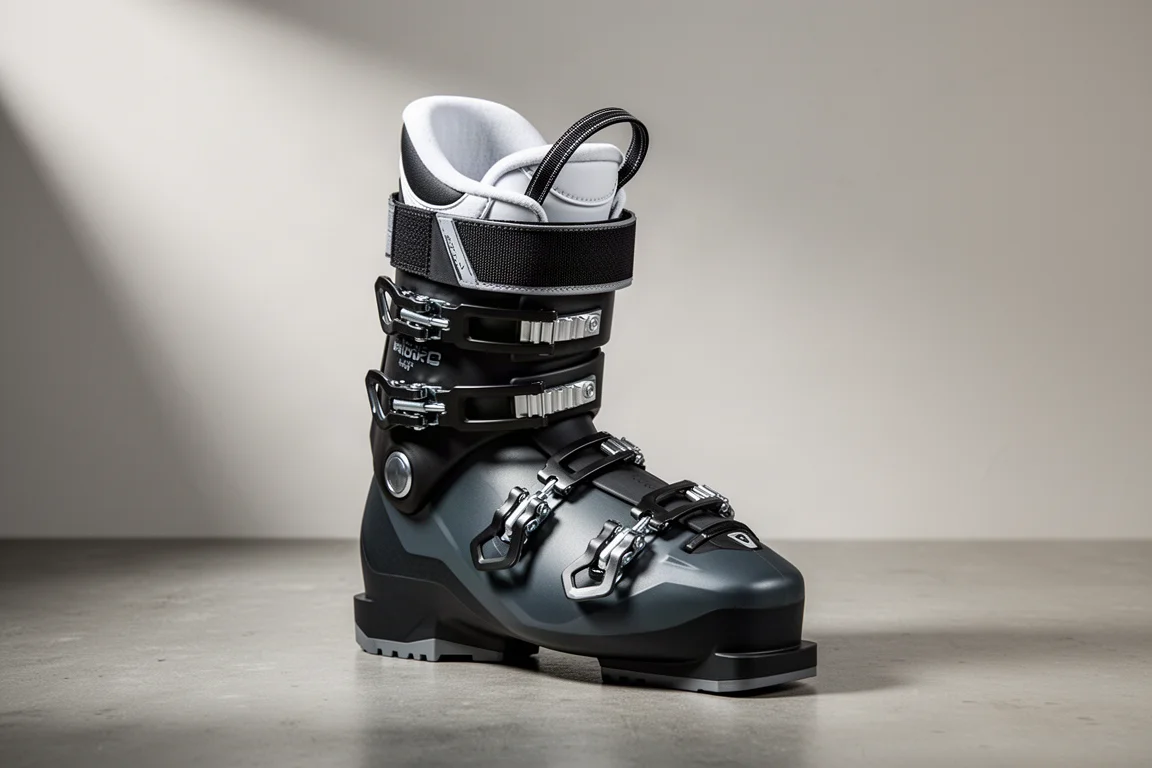
The Lange RS 110 Short Cuff sits in a specific and useful place in the alpine boot range. It keeps the low-volume, snug, precise character of the RS line, but trims the cuff height and softens the flex so that skiers with shorter lower legs and lighter builds can actually bend the boot and drive the ski.
That combination is not common. Plenty of performance boots assume a long lower leg and a heavier skier. This one is aimed at the opposite end of the spectrum, and it does so without dropping out of the race-derived category.
Who this product is for
This boot is built for junior racers and for advanced to expert skiers with shorter lower legs who want a little more flex than a 120 or 130 offers, but who still want the snug, low-volume fit and precise attitude that the RS boots deliver.
Lighter skiers are the clearest fit here. A lighter athlete often cannot flex a stiff race boot properly, and an unbending boot means less control, not more. Dropping to a 110 flex while keeping the RS shell geometry keeps the boot responsive without asking for strength the skier may not have. Low-volume feet are the other requirement, since the shell is designed around a close, glove-like hold.
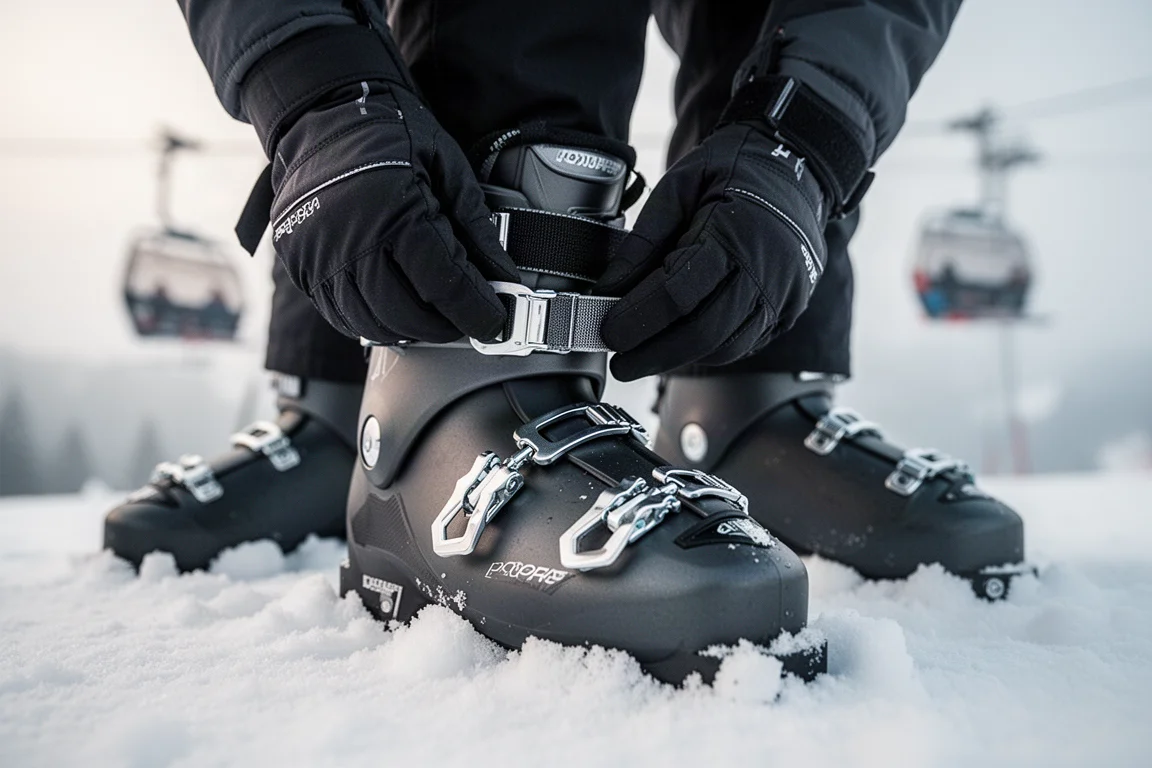
The short cuff is what makes the difference for shorter legs. With less plastic above the ankle, the top of the boot lines up more naturally with the calf, so the power strap and cuff can wrap the lower leg instead of standing away from it.
Main strengths
The strengths of this boot all come back to one idea: keeping the foot as close to the plastic as possible so energy moves quickly from leg to ski.
Fit and Volume
The shell uses a 97 mm last, which is a narrow, low-volume platform. It is also notably low over the instep, so the fit feels tight across the top of the foot rather than loose and roomy.
Lange’s heel hold is the other defining trait. The rear of the boot locks the heel down firmly, which is what gives the boot its precise, connected feel. A locked heel means the foot does not slide or lift, so small movements of the ankle translate directly into the ski.
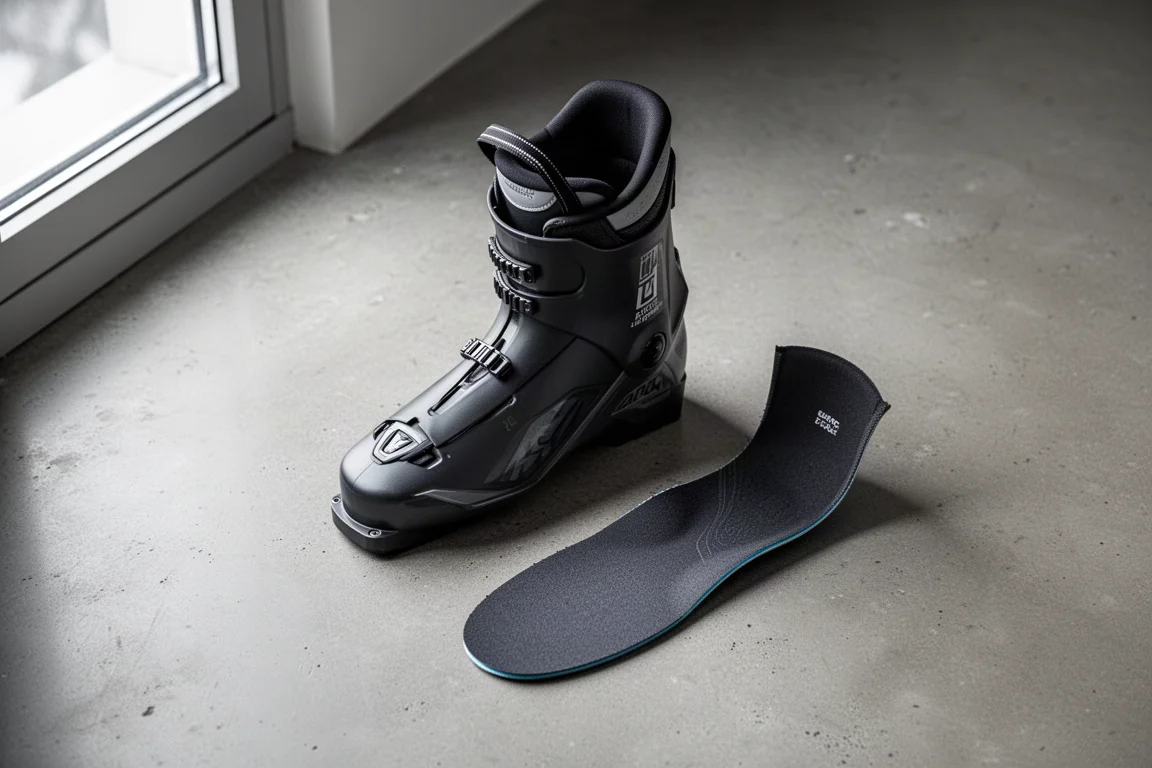
For skiers with a genuinely low-volume foot, this is the kind of fit that feels secure from the first run rather than something to be tolerated. For anyone with a wider or higher-volume foot, it will feel tight, and that is worth knowing before committing.
Buckles, Power Strap, and Liner
Four micro-adjustable buckles handle closure, and the upper buckles are macro adjustable, so the catches can be moved to change the overall range rather than only fine-tuned. A velcro power strap at the top cinches the cuff down, wrapping the lower leg and reducing the distance between leg and shell so energy transfers more directly.
The liner is the Dual 3D Liner Pro, which uses slightly gentler foam than the liners in the stiffer 120 and 130 versions. The result is a bit more comfort on the shin and around the foot without giving up the closeness to the shell that defines the fit. It is still a performance-oriented liner, not a comfort-first one.
Plastic reinforcement runs along the sides of the cuff and into the tongue. That adds lateral stiffness for edge-to-edge control while still allowing the skier to drive forward into the tongue of the boot.
Sole and Energy Transfer
The boot uses a solid, full alpine sole rather than a walk-friendly grip sole, paired with a polyurethane boot board. The chain from foot to boot board to shell is hard plastic meeting hard plastic, which is the setup that gives the most direct, precise transfer of energy to the ski.
That is the whole premise of the RS line. The goal is getting input from the foot to the ski as quickly and efficiently as possible, and a rigid sole and firm boot board support exactly that.
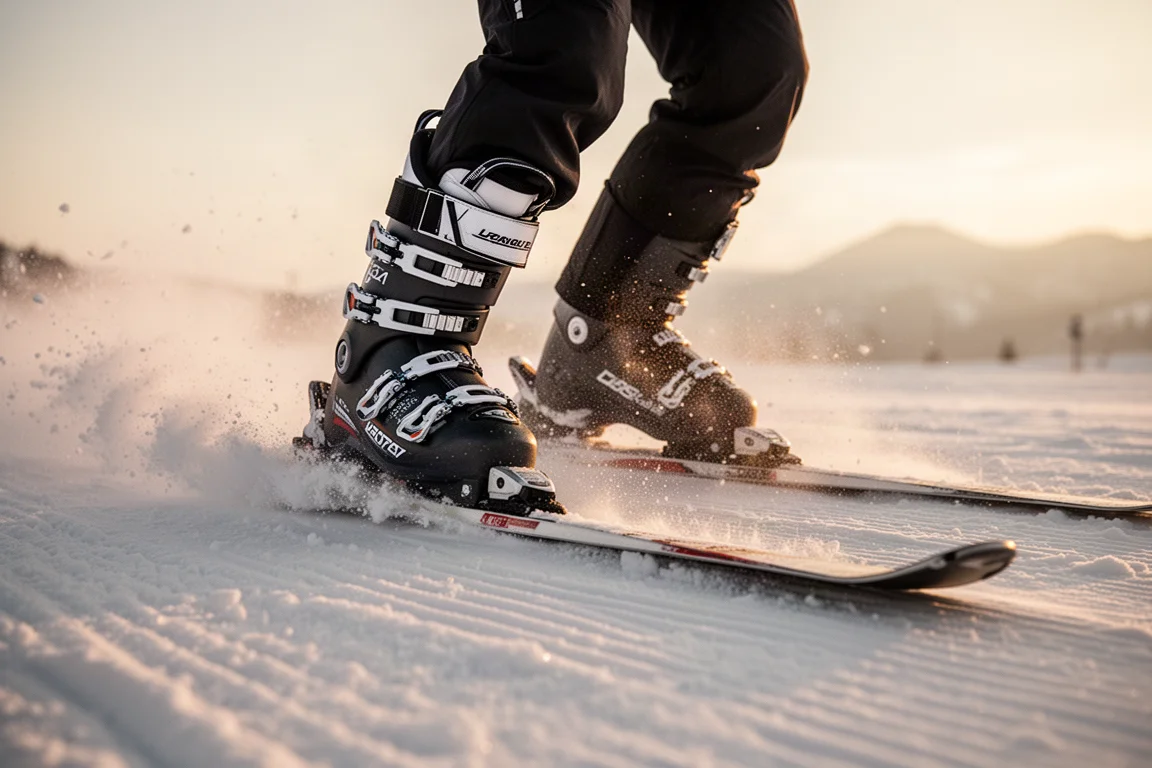
The trade-off is straightforward. A solid alpine sole is not designed for comfortable walking across a parking lot or up a staircase, so it suits skiers who prioritize on-snow precision over off-snow convenience.
Things to consider before buying
The most important consideration is foot shape. This is a low-volume, 97 mm boot with a low instep, and it is not designed to accommodate a wide or high-volume foot without significant work.
The second is flex. The 110 rating comes from a polyurethane shell that is softer than the plastics used in the 120 and 130 versions of the boot. If you are a heavier or stronger skier who wants the stiffest, most aggressive platform available, the 120 or 130 in the same line is the more appropriate starting point.
The third is the sole. Because it uses a solid alpine sole rather than a grip sole, walking will feel less secure than it would in a boot built for it. That is a deliberate performance choice, but it is a real daily inconvenience for some skiers.
Finally, remember that a snug low-volume shell feels powerful partly because the foot sits so close to the plastic. That same closeness means less margin for error in sizing. Getting the shell fit assessed properly matters more here than it does in a roomier boot.
Buying advice
The RS 110 Short Cuff makes the most sense for a lighter advanced or expert skier, or a junior racer, with a low-volume foot and a shorter lower leg length who wants to be able to flex the boot and still get race-level precision.
If you match that profile, the boot is a strong candidate because it solves a problem that stiffer boots do not: it lets you bend the boot and work the ski rather than fighting a shell that will not move.
If you do not match it, be honest about it. Skiers with higher-volume feet, longer lower legs, or a preference for maximum stiffness will likely be better served elsewhere in the same line. Fit comes first, and a boot that fits properly will always outperform a boot that is theoretically more capable.
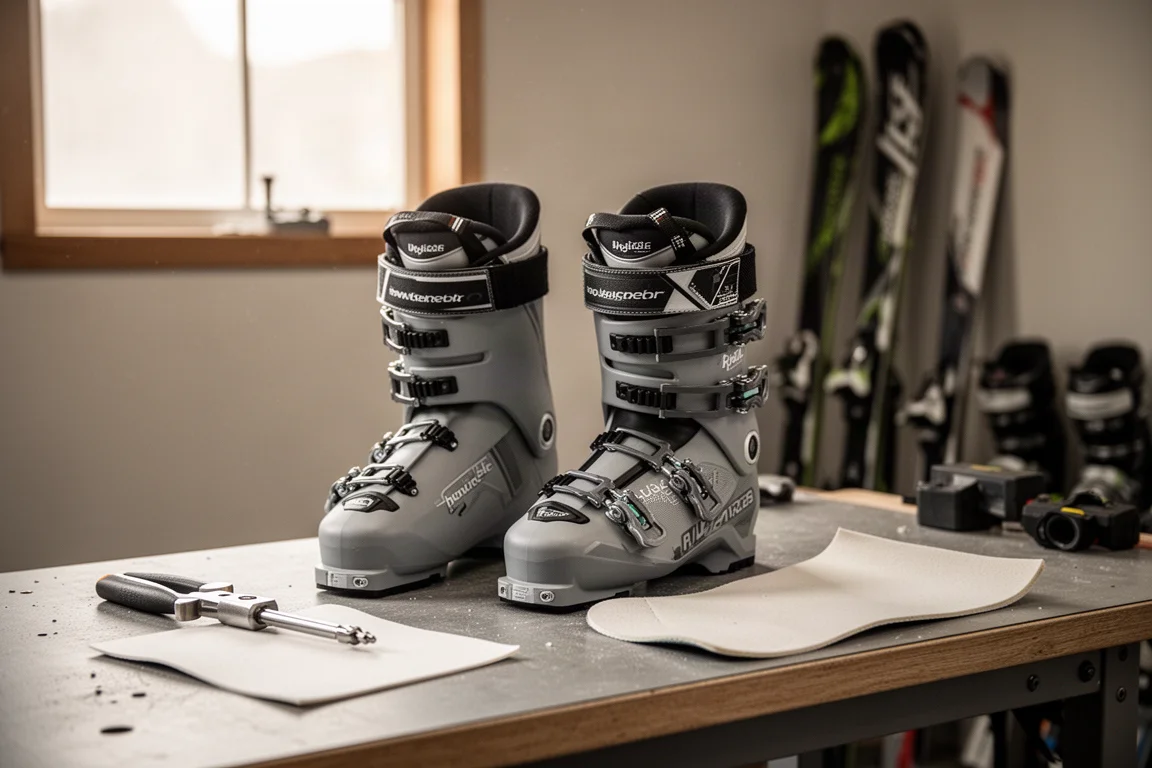
Because sizing and shell work matter so much with a low-volume race-oriented boot, the most reliable path is to have the fit checked by a bootfitter who can assess shell fit, instep clearance, and cuff alignment before you commit. That step is what turns a good boot into a great one.
Conclusion
The Lange RS 110 Short Cuff is a focused boot for a specific skier. It keeps the low-volume, heel-locking, precision-first character of the RS line while lowering the cuff and softening the flex to 110 with a polyurethane shell and the Dual 3D Liner Pro.
For junior racers, lighter advanced and expert skiers, and anyone with a shorter lower leg who has struggled to flex a 120 or 130, it addresses a genuine gap. If your feet are low volume and you want to feel the ski respond the instant you move, this is a boot worth putting on your shortlist.
Product link
View more details for Lange RS 110 Short Cuff
This product is mentioned in the review. Check the specifications, options, and compatibility before buying.
View more details for Lange RS 110 Short CuffFurther reading
Related Reviews

Ski Boots
2027 Ski Boot Roundup: Six 130-Flex Boots Worth Knowing
Six 130-flex ski boots for 2027, plus a low-volume liner upgrade, compared on weight, fit, flex feel, and ease of use.

Ski Boots
Armada AR One Ski Boot Review: A Three-Piece Cabrio That Finally Gets It Right
Armada's first ski boot blends three-piece Cabrio design with Atomic engineering, a heat-moldable shell, and a 100mm last that fits better than any Cabrio before it.

Ski Boots
Armada AR1 Ski Boot Review: A Cabrio and Overlap Hybrid for Park and Freeride Skiers
Armada's first ski boot pairs a three-piece cabrio shell with overlap-style buckles and a cable-driven slingshot buckle. Here is where it shines, and what to weigh before buying.