Stationery
Lamy Safari vs Lamy AL-Star: Which Starter Fountain Pen Is Worth the Extra $10?
Two iconic Lamy starter fountain pens share the same nib and converters, but plastic and aluminum build a different writing experience. Here is how to choose.
Introduction
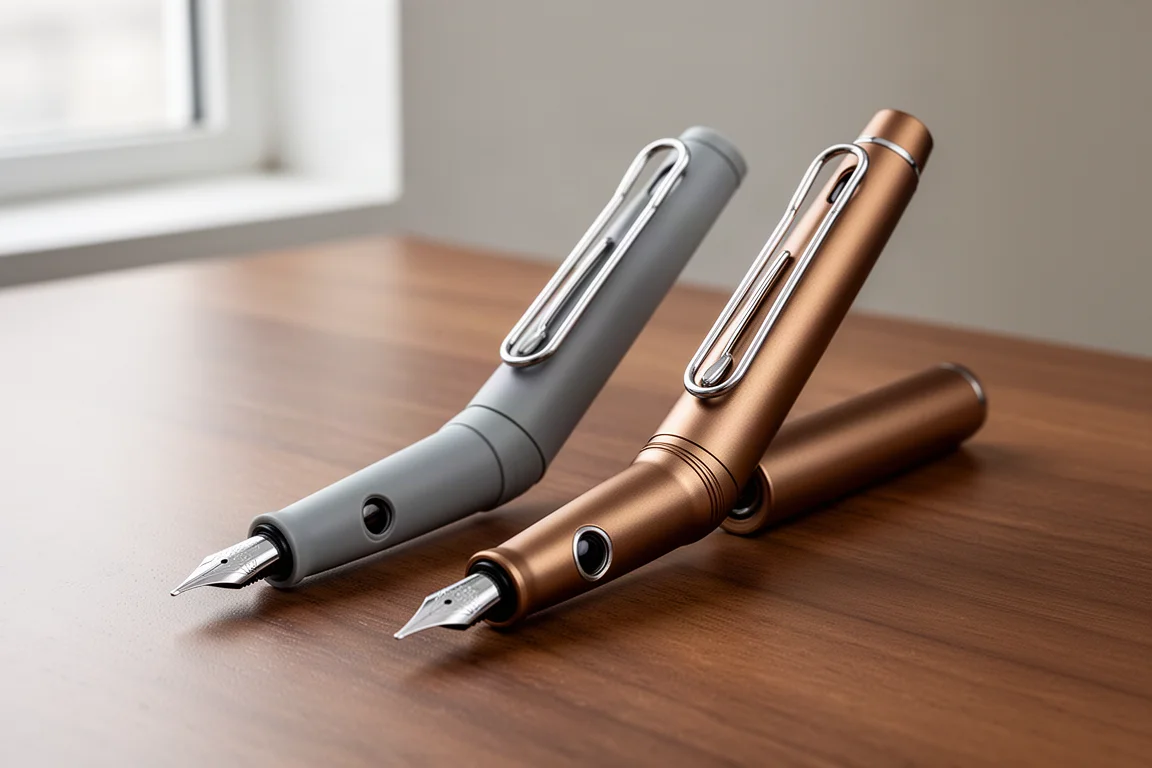
Few first fountain pens are as recognizable as the Lamy Safari and the Lamy AL-Star. Even people who never touch fountain pens often recognize these signature designs. Both are Lamy’s entry-level starter pens, sitting just below the flagship Lamy 2000, and both are part of one of the friendliest debates in the fountain pen community: which one deserves your money?
The two pens are nearly identical under the hood. They share the same interchangeable steel nibs, the same converters, the same clip, and the same molded grip section. The real differences come down to materials, weight, feel, and price. Here is a practical breakdown to help you pick between them.
What They Share
Both pens are made in Germany and both use snap caps. They both carry Lamy’s signature oversized, paperclip-style clip, which looks quirky but works very well. At the top of the cap there is a Phillips-style screw-shaped finial, and both pens have a built-in ink window so you can see through to the converter and check how much ink is left.
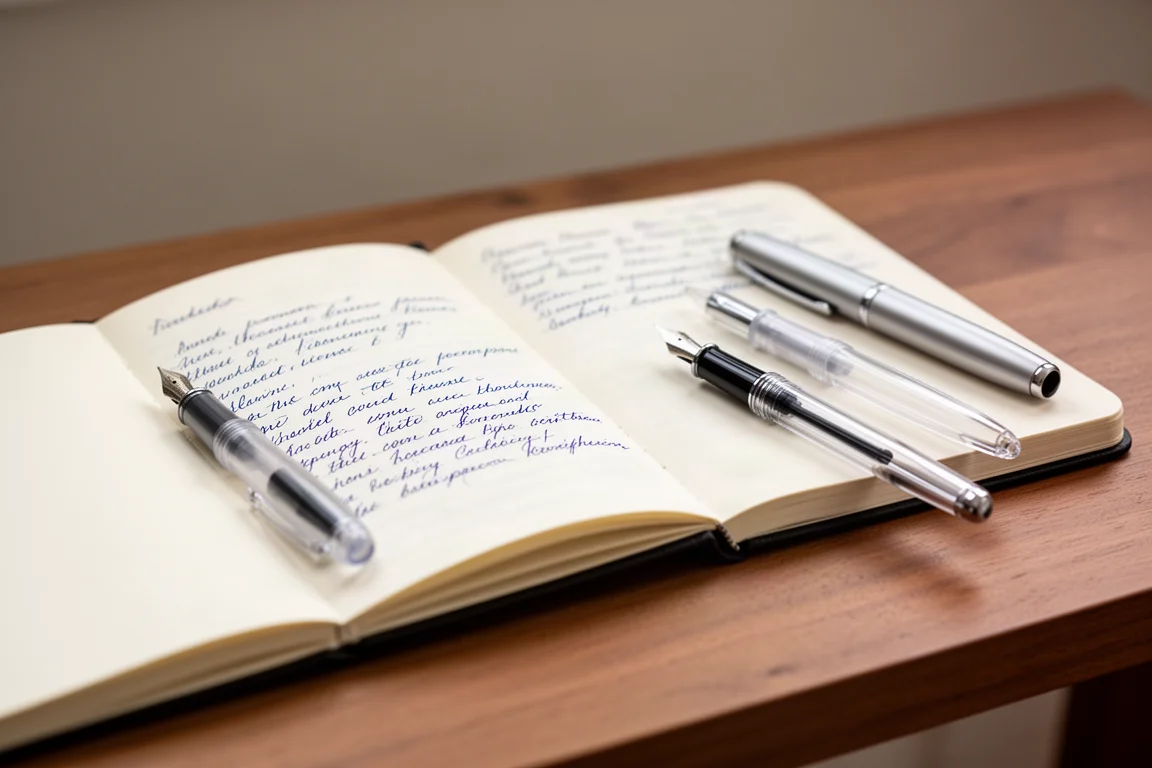
Both pens also use the standard stamped Lamy steel nibs, which are interchangeable, along with the standard Lamy converters. Some converters have a small nub that snaps into the section, which helps keep everything seated securely. Each pen is also released in regular and limited special editions every year, often at least two per model, and Lamy usually pairs matching inks with the new releases in some years.
Design and Build: Plastic vs Aluminum
The Safari is the all-plastic model. The Lamy logo is stamped into the plastic, and the pen comes in both a smooth plastic finish and a matte, textured version. It is light in the hand and has a distinctly plasticky, but honest and durable, character.
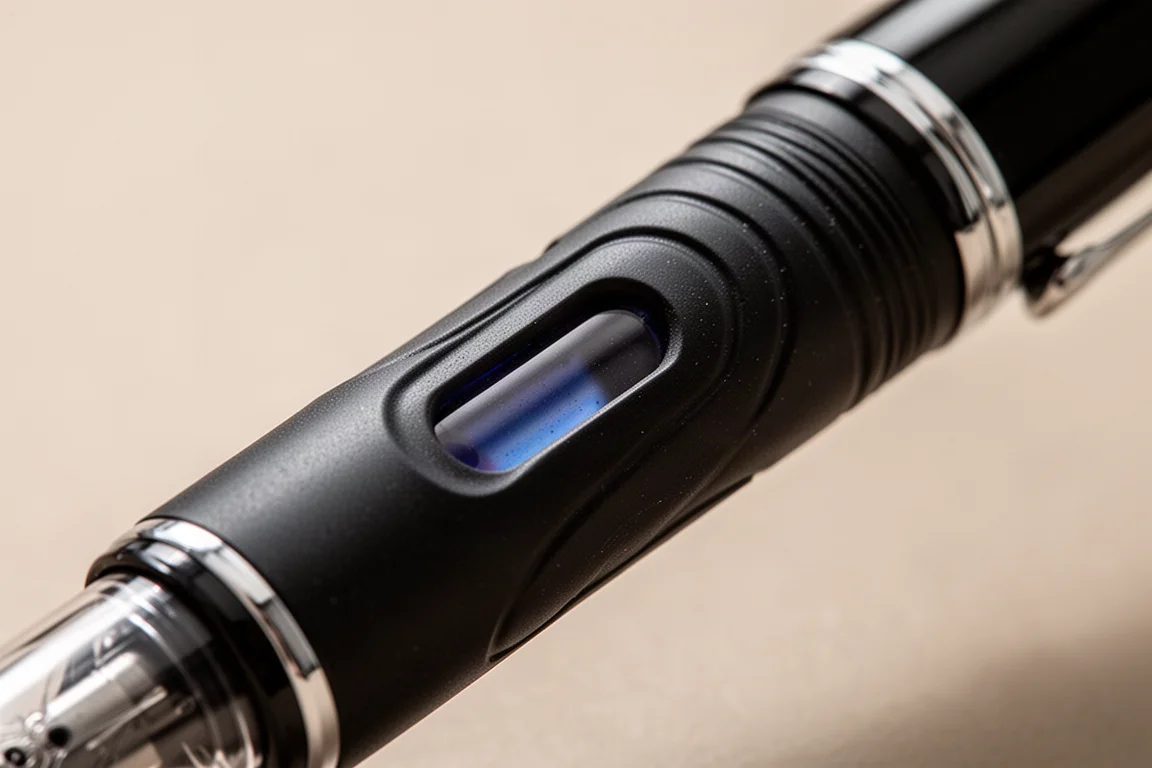
The AL-Star, as the AL suggests, is aluminum. It is effectively a one-step upgrade to the Safari, with the branding etched into the metal rather than stamped. The aluminum body gives it a slightly heavier feel and a more premium impression, including a firmer snap on the cap. Recent limited editions have also introduced contrasting colored grip sections, such as a blue metal body with an orange section.
Two small caveats are worth knowing. The aluminum body can still dent, so the AL-Star is not immune to daily-carry wear, and the Safari has proven equally resilient in everyday use. Also, if a clip sees years of use, it can develop a little play over time, which can happen on either model.
Writing Performance: Same Nib, Different Feel
On paper, these pens write about the same because they use the same Lamy steel nib. In the comparison at hand, the Safari carried a fine nib and the AL-Star an extra fine, but that is a matter of which nib you buy, not which pen.
The molded grip section is the make-or-break detail for many people. It forces a particular grip position, which some writers find comfortable and others find restrictive. Since both pens share this grip, if it does not suit you, switching between them will not solve it.
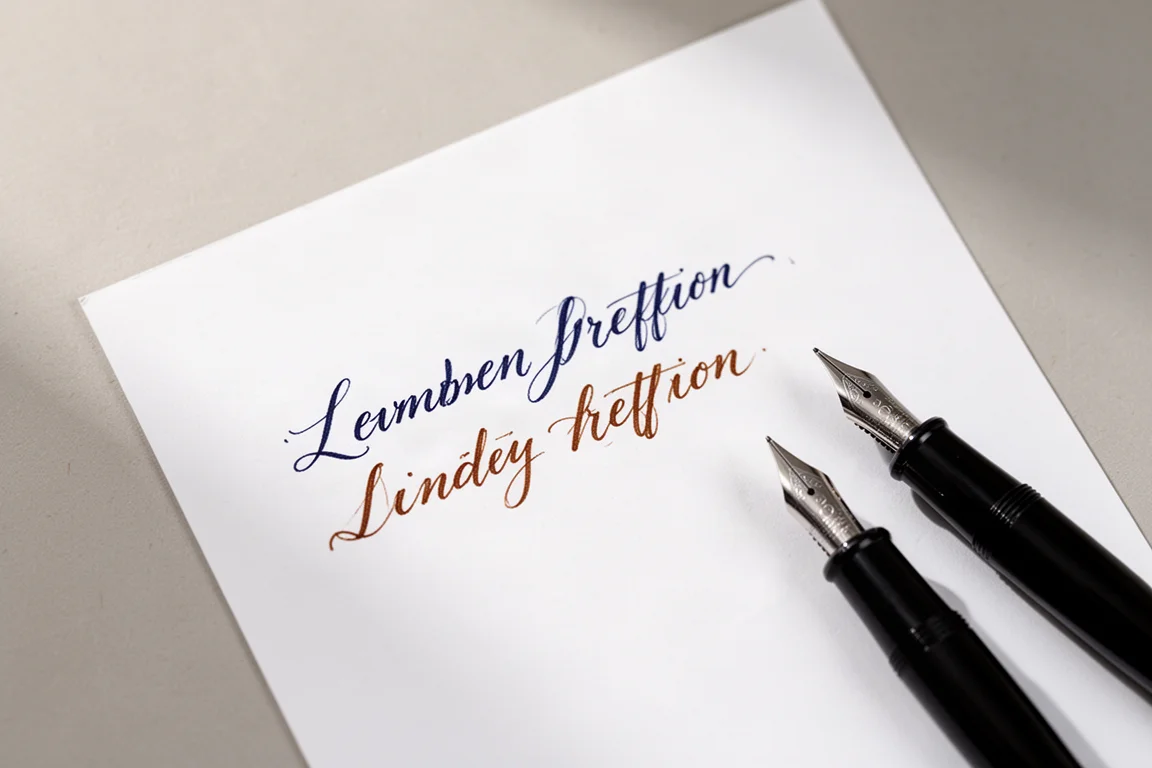
The difference you feel is in the hand: the AL-Star has more weight, a metal sound, and a firmer cap snap, which together create the sense of a more premium pen. The Safari feels lighter and more casual, but it is no less capable a writer.
Price Comparison
The Safari typically runs around $30 to $35 depending on color and where you buy it, and that price has climbed in recent years. The AL-Star generally costs $40 to $45, so it sits roughly $10 higher across the board.
That $10 gap is the entire decision. The AL-Star buys you aluminum construction, added weight, a more premium feel, and a better snap. The Safari saves you the money while delivering the same writing performance and, arguably, the more fun and colorful limited editions, since there is only so much a metal pen can do with finish variety.
Which One Should You Buy?
If you are new to fountain pens or unsure whether the molded grip will work for you, start with the Safari. At around $30, it is the smarter first purchase, and there is not enough difference to justify jumping straight to the more expensive pen. If you end up loving it, you can upgrade to an AL-Star in a year when a limited edition color really speaks to you.

If you already know you enjoy the Lamy platform and want a heavier pen with a more premium feel, the AL-Star’s extra $10 is easy to justify. The metal body, added weight, and firmer snap make it a satisfying daily carry, and the newer limited editions with contrasting grip sections add real character. Diehard plastic fans will happily stay with the Safari and keep the $10, and that is a perfectly defensible choice too.
Conclusion
The Safari and AL-Star are two expressions of the same excellent starter pen. The Safari wins on price and on the variety and playfulness of its color editions. The AL-Star wins on weight, materials, and that more premium in-hand feel. For many writers the $10 upgrade to aluminum is worth it; for first-time buyers and the grip-curious, the Safari is the obvious entry point. Either way, you are getting one of the most iconic and approachable fountain pens on the market.
Product link
View more details for Lamy Safari
This product is mentioned in the review. Check the specifications, options, and compatibility before buying.
View more details for Lamy SafariFurther reading
Related Reviews
Stationery
Musgrave Pencils Review: Four Classic Pencils from Tennessee's Last Pencil Factory
We put four Musgrave pencils to paper, from the classic Harvest to the Unigraph 1200 drawing pencil, to see what a century-old Tennessee workshop can still do.
Stationery
Fountain Pen Tiers Explained: From Starter Pens to Luxury Grails
A practical overview of the different levels of fountain pens and inks, from a sub-$20 starter setup to Italian piston fillers and retractable gold-nib everyday carries.
Stationery
HP Premium 32 lb Copy Paper Review: A Fountain Pen Friendly Everyday Printer Paper
A heavy, smooth 120 GSM copy paper that handles fountain pens far better than standard printer stock, with only minor trade-offs in shading and sheen.