Stationery
Lamy 2000: Medium vs Extra Fine, What to Expect From Each Nib
A close look at the Lamy 2000 in medium and extra fine, covering line width, smoothness, the surprising architect character of the EF, and buying advice.
Introduction
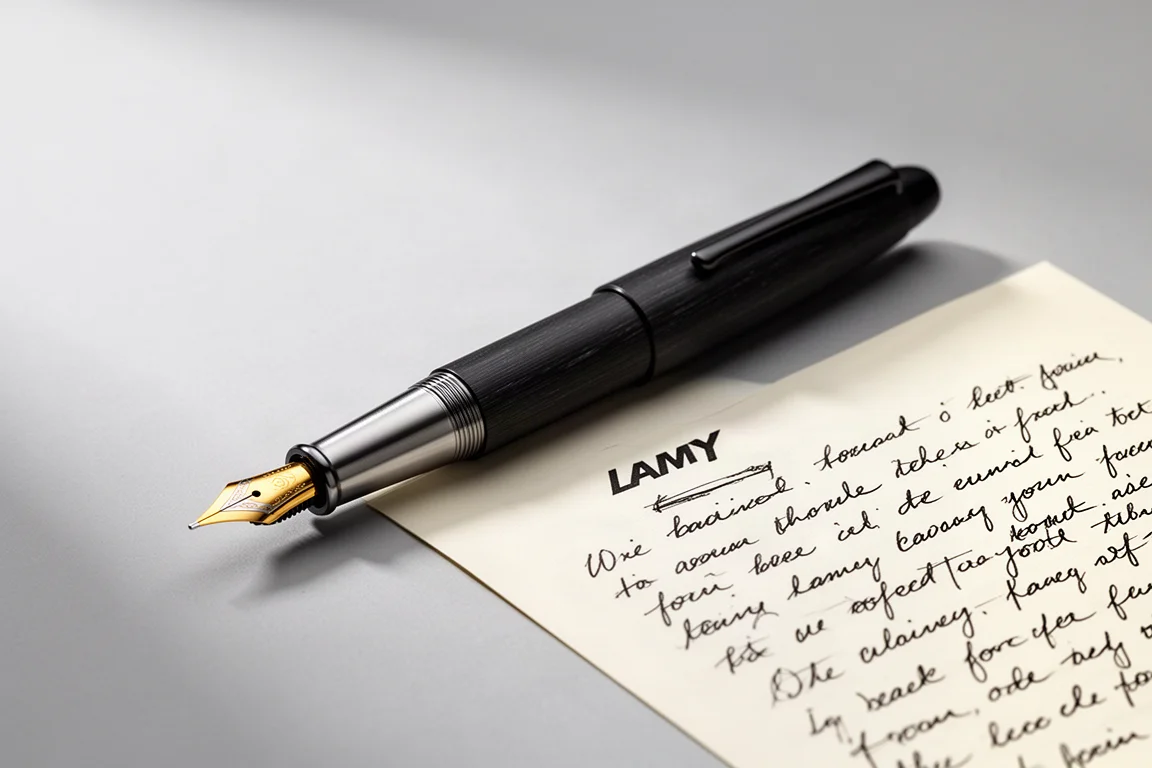
The Lamy 2000 has a reputation as a nearly perfect workhorse fountain pen, and after long-term use it is easy to see why. One well-loved medium example has served as a daily writer for years, and a second, brand-new extra fine version was recently added for around $130 US to compare the two nib sizes directly. If you are trying to decide which nib to pick in this line, this comparison should help.
The Pen Itself
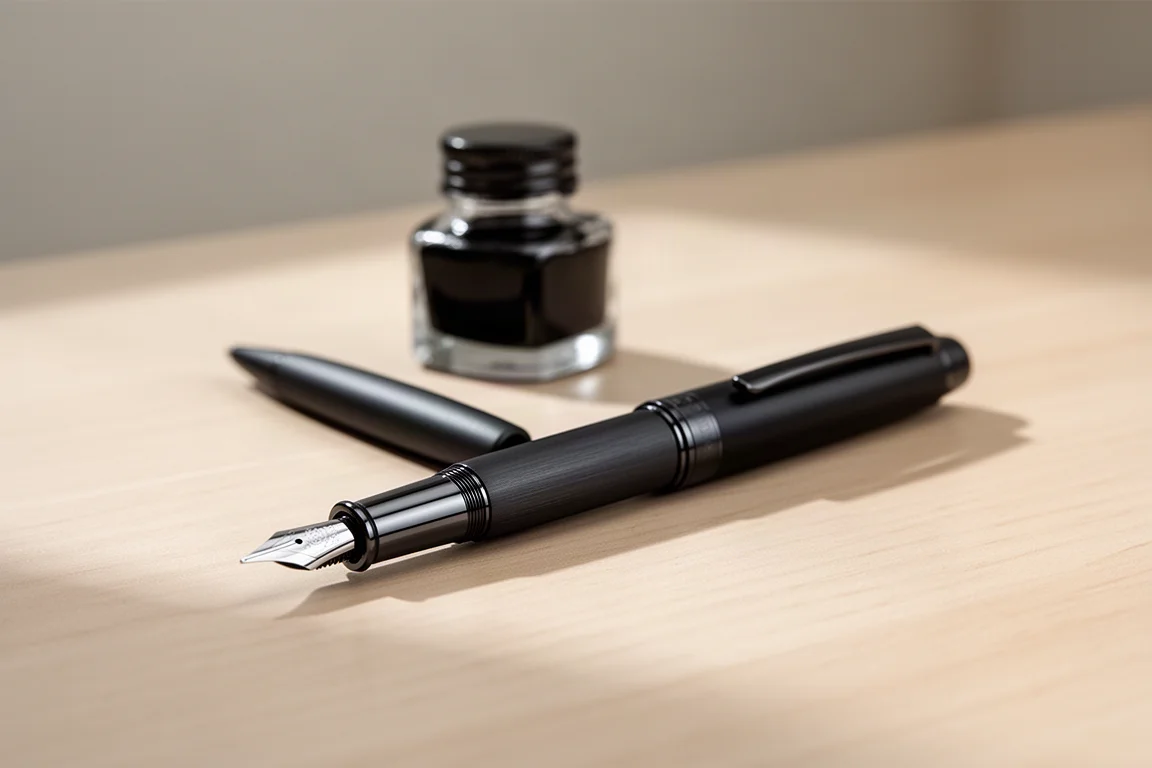
The Lamy 2000 pairs a matte Makrolon body with a stainless steel grip section, giving it a balance that sits nicely in the hand without feeling heavy or slippery. The semi ink window lets you check how much ink is left, and the piston filler keeps the whole package functional and self-contained. The hooded gold nib gives it a slightly vintage look that has aged well.
The Medium Nib
The medium nib is glassy smooth and very wet, to the point where it can sing softly while writing and even sounds a little like a marker. Despite being a piston filler with a decent capacity, it blows through ink quickly because the flow is so generous. Expect the line to run noticeably broader than labeled: the medium writes about half a size broader than advertised, closer to some broad nibs.
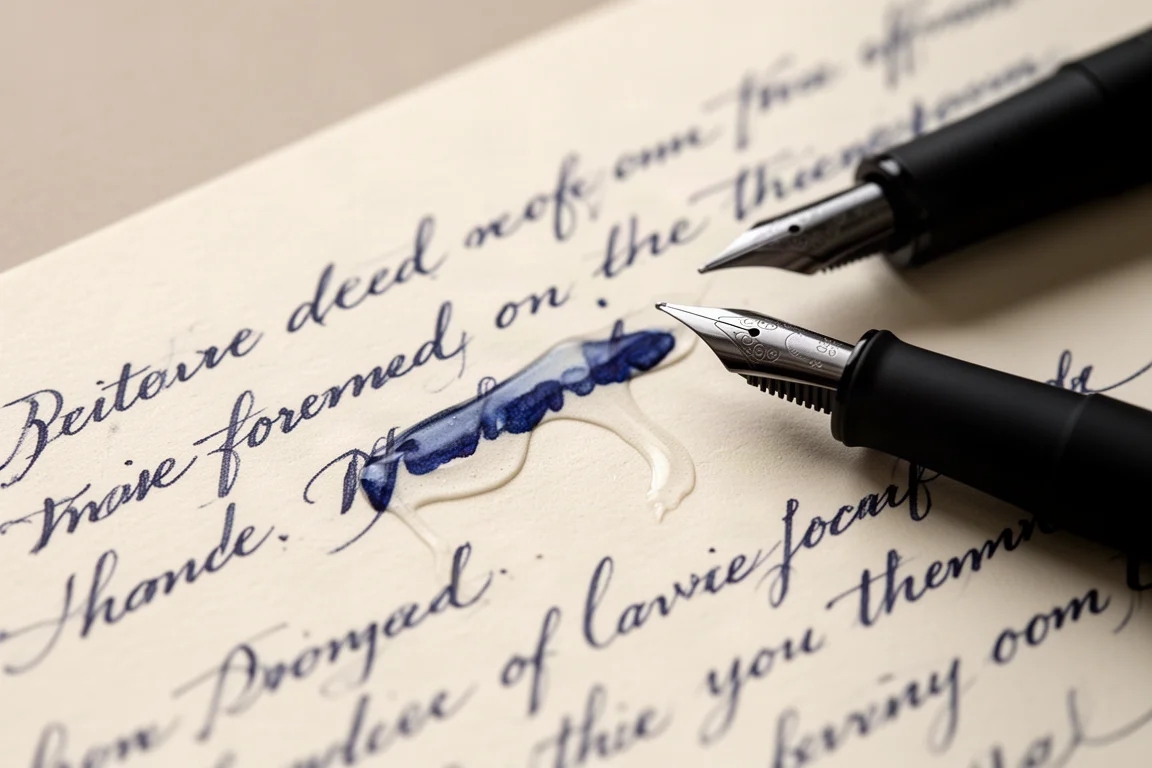
The broader nibs in this line, including medium and broad, also carry a subtle stub-like character, with slightly thicker horizontal strokes than vertical ones. It does not show up strongly in everyday writing, but it adds a touch of personality. Out of the box, the medium needed no tuning whatsoever.
The Extra Fine Nib
The extra fine is the bigger surprise. Rather than a stub, it behaves almost like a factory architect nib, the opposite of a stub: thinner on downstrokes, wider on cross strokes. The tipping is long and thin one way and broader the other, giving handwriting a subtle flare, similar to the architect-like feel of some other fine gold nibs.
It still writes wet and dark for its size. A reddish-purple ink that normally reads as a muted brown-purple comes out nearly black in this pen, dark enough to pass as an undercover office ink. It is very smooth but with a light, pencil-like touch of feedback, unlike the completely glassy medium.
One caveat: this extra fine writes at least a size broader than a typical extra fine. A comparably priced steel extra fine nib was clearly finer in side-by-side testing.
How the Two Compare
With a two-size gap between medium and extra fine, you would expect a dramatic difference, but the change is more modest than anticipated. The cross strokes of the two nibs are almost identical in width; you would be hard pressed to tell them apart blind. The downstrokes differ by roughly a size, which is where most of the visible contrast lives.
This tracks with a broader pattern in Lamy nibs, where the step between extra fine and fine, or fine and medium, tends to be smaller than you might expect. If the fine sits between these two, it would likely be an almost imperceptible step from either.
Sweet Spot Concerns
A common criticism of the Lamy 2000 is a narrow sweet spot, but in practice neither pen showed it. Even writing at extreme angles produced a consistent line, with only an occasional normal fountain pen skip. The hooded nib does make it harder to see the nib orientation, but the small nubs where the cap clip seats give a natural tactile reference for grip alignment. Write with it like any fountain pen and it behaves like one.
Buying Advice
At around $130 US new, the extra fine is a worthwhile pick if you prefer narrower lines, with the caveat that it will not be as fine as you might expect. Both nibs are free of serious downsides: the medium is glassy smooth, wet, and bold; the extra fine is a touch less glassy but still very smooth, wet, and unexpectedly architect-like. Neither is a flex nib; the hooded design keeps the gold nib fairly firm with just a hint of softness under normal pressure.
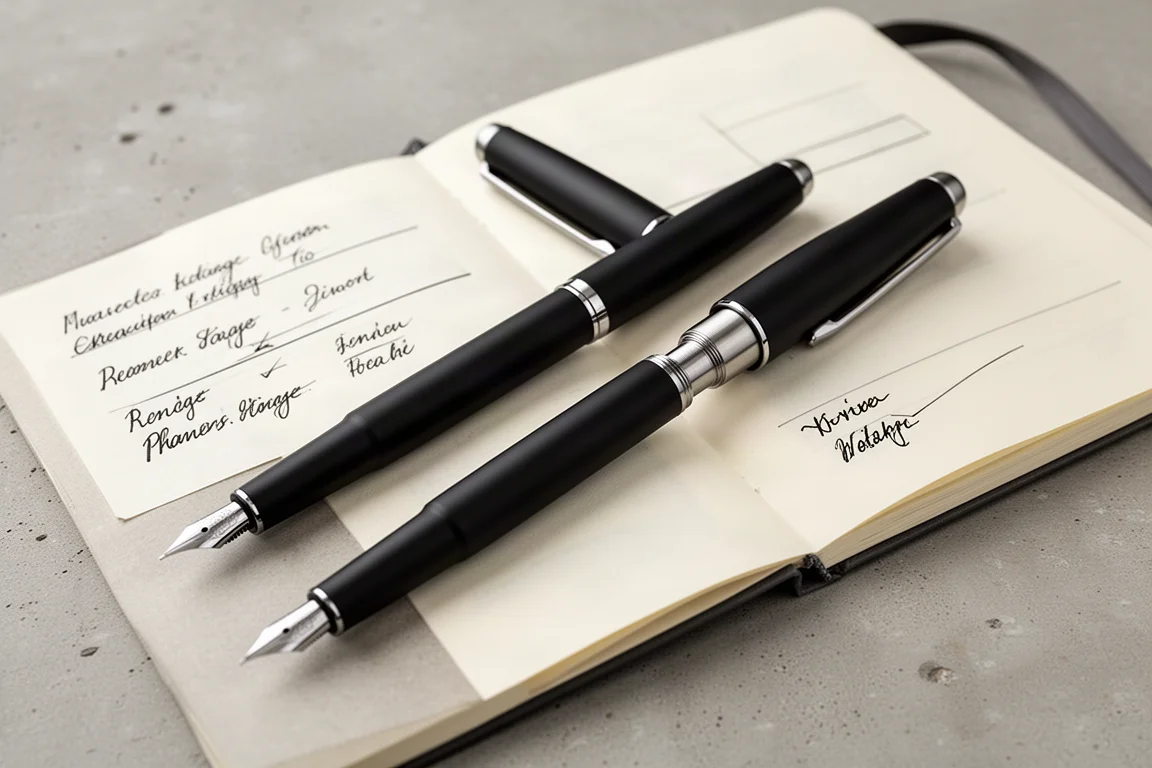
If you want a truly needle-thin line, having a nib ground to a true extra fine or Japanese-style fine is worth considering. Otherwise, both versions are phenomenal writers and this remains one of the most complete workhorse pens available.
Conclusion
The Lamy 2000 earns its near-perfect reputation. The medium delivers a glassy, wet, bold line with stubby charm, while the extra fine trades pure smoothness for a lighter line with an architect twist. Neither quite runs as fine or as broad as the labels suggest, so pick based on how wet and wide you actually like your writing rather than the printed nib size.
Product link
View more details for Lamy 2000
This product is mentioned in the review. Check the specifications, options, and compatibility before buying.
View more details for Lamy 2000Further reading
Related Reviews
Stationery
Musgrave Pencils Review: Four Classic Pencils from Tennessee's Last Pencil Factory
We put four Musgrave pencils to paper, from the classic Harvest to the Unigraph 1200 drawing pencil, to see what a century-old Tennessee workshop can still do.
Stationery
Fountain Pen Tiers Explained: From Starter Pens to Luxury Grails
A practical overview of the different levels of fountain pens and inks, from a sub-$20 starter setup to Italian piston fillers and retractable gold-nib everyday carries.
Stationery
HP Premium 32 lb Copy Paper Review: A Fountain Pen Friendly Everyday Printer Paper
A heavy, smooth 120 GSM copy paper that handles fountain pens far better than standard printer stock, with only minor trade-offs in shading and sheen.